Did you know millions of people worldwide suffer from musculoskeletal disorders? Arthritis is one of the most common conditions. The most common orthopedic condition is back pain. Learn how posture and strain affect the spine and simple ways to find relief.
Back pain and joint pain limit people’s daily activities. These issues affect their quality of life and healthcare systems worldwide.
We focus on addressing these common problems. We will look at the most common orthopedic issues, their effects, and why getting medical care is key.
Key Takeaways
- Arthritis is a leading cause of disability worldwide.
- Back pain affects a significant portion of the global population.
- Joint pain can severely impact an individual’s quality of life.
- Understanding these conditions is critical for effective management.
- Seeking medical care is essential for addressing orthopedic problems.
Understanding Orthopedic Conditions
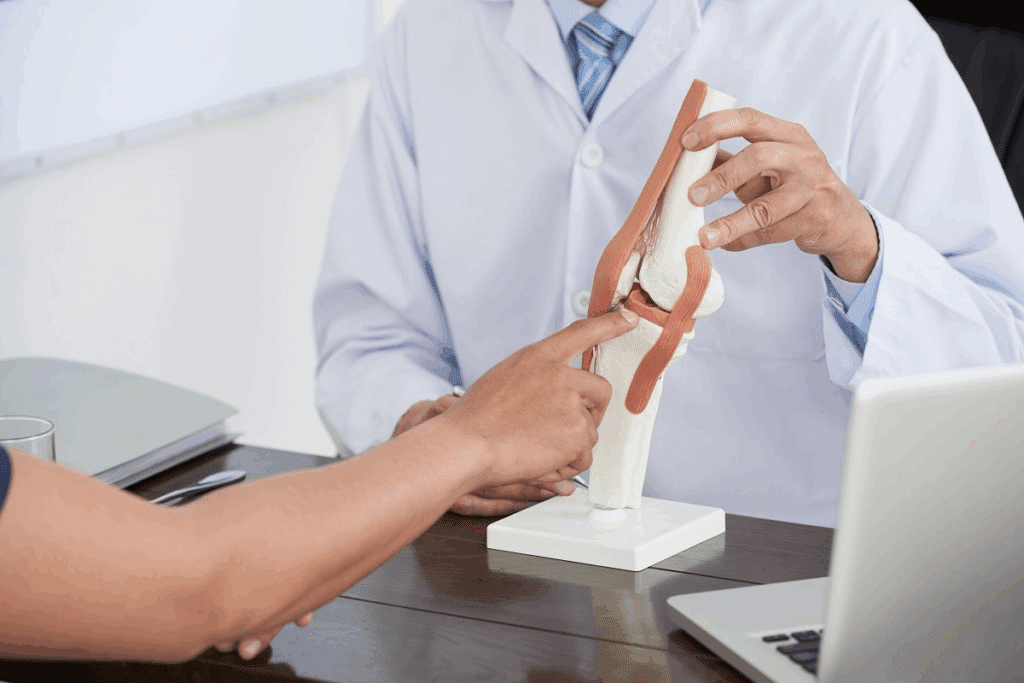
It’s important to know about orthopedic conditions. They cover many health issues, like fractures, sprains, ligament tears, and meniscus tears. These problems can really affect how well you move and live.
Definition of Orthopedic Conditions
Orthopedic conditions affect the musculoskeletal system. This includes bones, joints, muscles, and more. They can come from trauma, overuse, or degenerative changes. For example, a fracture is a bone break, often from injury or stress.
Sprains and strains hurt the ligaments and muscles. They happen when these tissues stretch or tear too much. Ligament and meniscus tears are specific injuries that hurt the joints, like the knee. These can be very painful and might need medical help to fix.
Importance of Addressing Orthopedic Issues
It’s key to tackle orthopedic issues to keep your musculoskeletal system healthy. If not treated, these problems can cause chronic pain, less mobility, and a lower quality of life. They can also make it hard to do everyday tasks, enjoy hobbies, and work well.
Healthcare experts can help patients feel better by addressing these conditions. They might use physical therapy, pain management, or surgery. It depends on the condition’s type and how serious it is.
Prevalence of Common Orthopedic Conditions
Orthopedic conditions affect millions worldwide. They include back pain, joint pain, shoulder pain, and hip pain. These are among the most common issues.
Back pain is a leading cause of disability globally. It affects people of all ages. A large part of the population will experience back pain at some point, making it a major health concern.
Statistics and Data on Orthopedic Problems
Orthopedic conditions are widespread. For example, nearly 30% of the global population has joint pain or a musculoskeletal disorder. In the United States, over 50 million adults have been diagnosed with arthritis.
Shoulder pain and hip pain are also common. They often come from injuries, overuse, or degenerative conditions. The economic cost is huge, with billions spent on healthcare, lost productivity, and more.
“The economic burden of musculoskeletal disorders is substantial, with significant impacts on healthcare systems and individual quality of life.”
– World Health Organization
Trends in Orthopedic Health
Orthopedic health trends show an increase in these conditions. This is mainly due to an aging population and rising obesity rates. As people get older, the risk of osteoarthritis and osteoporosis grows. Poor lifestyle choices also play a role.
It’s important to understand these trends to develop better prevention and treatment plans. By tackling the causes and promoting healthy living, we can lessen the impact of these conditions.
Types of Common Orthopedic Conditions
Orthopedic issues vary a lot. They range from degenerative conditions like arthritis to acute injuries such as fractures and sprains. Knowing about these conditions is key for the right diagnosis and treatment.
Arthritis
Arthritis is a common issue where joints get inflamed. It leads to pain, stiffness, and less mobility. There are many types, like osteoarthritis, rheumatoid arthritis, and psoriatic arthritis.
The signs of arthritis differ by type. But common symptoms include joint pain, swelling, and less range of motion. Treatment includes medicines to reduce pain and inflammation, physical therapy, and lifestyle changes like managing weight and exercising regularly.
Tendonitis
Tendonitis is when a tendon gets inflamed or irritated. It often happens in the elbow, knee, and shoulder. Symptoms include pain, swelling, and tenderness around the tendon.
Treatment for tendonitis includes rest, ice, compression, and elevation (RICE). Physical therapy is also used to strengthen muscles and improve flexibility. Sometimes, corticosteroid injections are used to lessen inflammation.
Fractures
A fracture is when a bone breaks. It can happen from trauma, falls, or sports injuries. Symptoms include pain, swelling, bruising, and trouble moving the affected limb.
How to treat fractures depends on the severity and where the break is. Treatment can range from using casts or splints to surgery with plates, screws, or rods to fix the bone.
Sprains and Strains
Sprains hurt ligaments, which connect bones. Strains hurt muscles or tendons. Both can happen from overstretching or tearing. Symptoms include pain, swelling, and trouble moving.
Treatment for sprains and strains often starts with RICE. Physical therapy is also used to get strength and flexibility back. In serious cases, surgery might be needed.
| Condition | Causes | Symptoms | Treatment Options |
| Arthritis | Degenerative changes, autoimmune responses | Joint pain, stiffness, swelling | Medications, physical therapy, lifestyle changes |
| Tendonitis | Repetitive motion, sudden injury | Pain, swelling, tenderness around the tendon | RICE, physical therapy, corticosteroid injections |
| Fractures | Trauma, falls, sports injuries | Pain, swelling, bruising, difficulty moving | Immobilization, surgical intervention |
| Sprains and Strains | Overstretching or tearing of ligaments or muscles | Pain, swelling, limited mobility | RICE, physical therapy, surgical repair in severe cases |
Symptoms to Watch For
It’s important to know the signs of orthopedic problems early. These issues can affect different parts of the body. We’ll cover common symptoms to help you know when to see a doctor.
Pain and Discomfort
Pain is a common sign of orthopedic issues. It can feel like a dull ache or sharp pains. Chronic pain can really affect your life, making simple tasks hard.
Discomfort might also feel stiff, more so after resting or being inactive. The type of pain can hint at the problem. For example, pain that gets worse with activity might be tendonitis or a stress fracture. It’s key to remember where the pain is, how bad it is, and what makes it better or worse.
| Symptom | Possible Causes | Factors to Note |
| Pain | Tendonitis, Stress Fracture | Location, Severity, Activity Level |
| Discomfort | Arthritis, Muscle Strain | Stiffness, Morning Pain, Movement-Related Pain |
Swelling and Inflammation
Swelling and inflammation are also important signs. Swelling happens when fluid builds up in tissues, often from injury or inflammation. Inflammation is the body’s way of reacting to injury or infection, showing redness, warmth, swelling, and pain.
Swelling can be sudden from an injury or long-term from a condition. Inflammation can point to issues like arthritis, tendonitis, or bursitis. It’s vital to manage swelling and inflammation to avoid more damage and help healing.
Reduced Mobility
Reduced mobility means you can’t move as well as you used to. This can be due to pain, swelling, or changes in the joint or tissues. It can make everyday tasks harder and affect your independence.
To fix reduced mobility, you might need physical therapy, exercises, or sometimes surgery. Early action can help get your mobility back and improve your life.
Risk Factors for Orthopedic Conditions
Knowing the risk factors for orthopedic conditions is key to preventing and treating them early. Many factors can increase the chance of getting these conditions. Being aware of them helps people take steps to prevent them.
Age and Gender
Age is a big risk factor for many orthopedic conditions. As people get older, the risk of osteoporosis and osteoarthritis goes up. Gender also matters, with some conditions like osteoporosis more common in women and others in men.
Lifestyle Choices
Lifestyle choices greatly affect the risk of orthopedic conditions. A sedentary lifestyle can weaken bones and muscles, raising the risk of fractures. On the other hand, too much physical activity or repetitive strain can cause tendonitis.
Family History
Family history is also a key risk factor. If there’s a history of certain orthopedic conditions in your family, you might be at higher risk. For example, a family history of osteoarthritis or other degenerative joint diseases can increase your risk.
Diagnosis of Orthopedic Conditions
Getting a correct diagnosis is key to treating orthopedic issues. We know diagnosing these problems needs a detailed approach. This involves using various diagnostic tools and methods.
Physical Examination
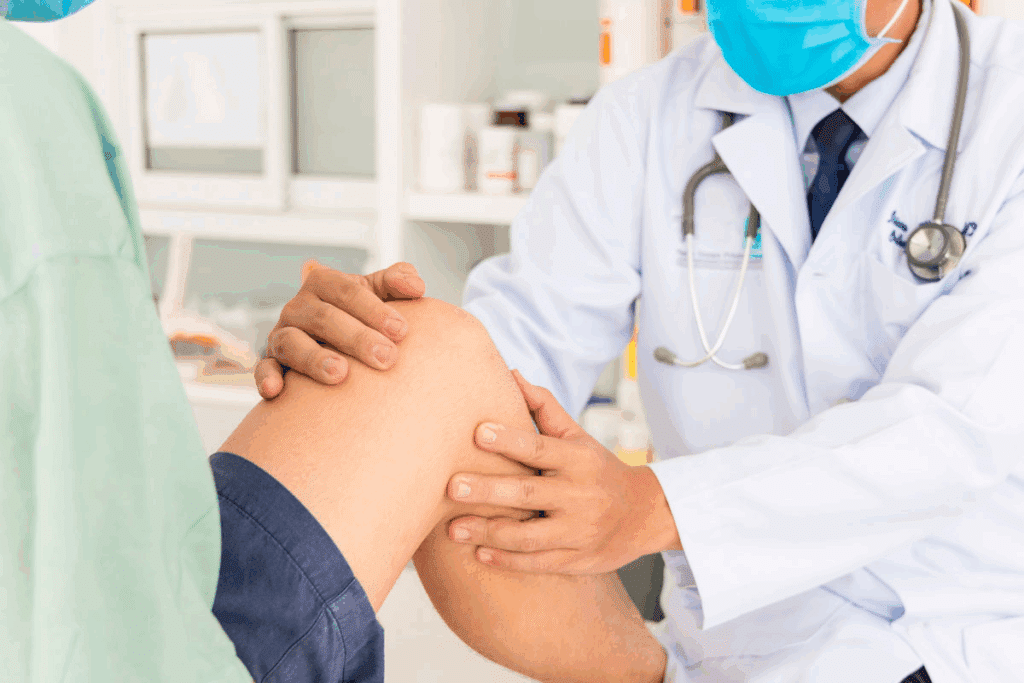
A detailed physical examination is the first step. Healthcare experts check the affected area for signs like swelling, tenderness, or limited mobility. This helps decide what tests to do next.
Imaging Tests
Imaging tests are vital for confirming diagnoses. Tests like X-rays, MRI (Magnetic Resonance Imaging), and CT (Computed Tomography) scans give insights into bones, joints, and soft tissues. For example, X-rays are great for spotting fractures and dislocations. MRI scans are better for soft tissue injuries.
Patient History
A detailed patient history is also key. Knowing a patient’s symptoms, medical history, and lifestyle helps narrow down possible causes. Medical experts say, “A thorough patient history can often provide clues that guide further investigation and diagnosis.”
“The key to successful treatment lies in accurate diagnosis, which is achieved through a combination of clinical evaluation, patient history, and appropriate use of imaging studies.”
Orthopedic Specialist
By using these diagnostic methods together, we can accurately find orthopedic conditions. Then, we can create treatment plans that meet each patient’s needs.
Treatment Options
Treating orthopedic conditions requires a mix of non-surgical methods, surgery, and rehab. Each patient’s needs are different. So, we create treatment plans that fit their specific situation.
Non-Surgical Interventions
Many orthopedic issues start with non-surgical treatments. These include physical therapy, medication, and lifestyle changes. For example, carpal tunnel syndrome can be treated with wrist splints, therapy, and better work setups.
Medicines like anti-inflammatory drugs help with pain. Physical therapy boosts strength and mobility. Making healthy lifestyle choices is also key.
Surgical Procedures
When non-surgical methods don’t work, surgery might be needed. This can range from small arthroscopy to big reconstructive surgeries. For example, joint replacement can greatly improve life for those with severe arthritis.
Choosing surgery is a big decision. It’s made after careful thought and talking with doctors. Surgery aims to reduce pain, improve function, and enhance life quality.
Rehabilitation and Physical Therapy
Rehab and physical therapy are vital for recovery, after any treatment. A good rehab plan helps regain strength, flexibility, and function.
Physical therapy is customized for each person. It includes exercises and treatments to aid in recovery. We help patients reach their rehab goals, so they can live their lives fully again.
Impact on Daily Life
Orthopedic issues can affect many parts of our lives. This includes work, fun activities, and our emotional and mental health. It’s key to understand this to help people get better care and support.
Work and Productivity
Orthopedic problems can really hurt how well we work and stay productive. Pain or trouble moving can make it hard to do our jobs. This might mean we can’t do our jobs as well, or even have to change careers or retire early.
Keeping up with work is important for money and happiness. So, it’s critical to treat orthopedic issues and make work places more supportive.
Recreational Activities
Doing fun activities is good for our health and happiness. But, orthopedic issues can stop us from doing these things. This can make us feel sad and alone.
By finding new, easier activities or hobbies, we can stay active and happy. Even with orthopedic problems, we can live a full life.
Emotional and Mental Health
Orthopedic issues can also hurt our emotional and mental health. Long-term pain and trouble moving can lead to anxiety and depression.
It’s important to take care of the emotional side of orthopedic issues. This includes counseling and support. It helps us feel better overall.
Understanding how orthopedic issues affect our daily lives helps us support people better. We can help them manage their conditions and improve their quality of life.
Preventative Measures
Orthopedic wellness can be greatly improved by taking certain steps and being mindful of our daily habits. By being proactive, we can lower the chance of getting orthopedic conditions. This helps keep our muscles and bones in top shape.
Making Lifestyle Changes
Making lifestyle changes is key to preventing orthopedic problems. Maintaining a healthy weight is very important. It helps avoid extra strain on joints like hips, knees, and spine. Also, quitting smoking is good for bone health and healing.
- Eating a balanced diet rich in calcium and vitamin D to support bone health
- Staying hydrated to keep joints lubricated and healthy
- Avoiding repetitive strain injuries by taking regular breaks and varying activities
Exercises to Strengthen Joints
Regular exercise is essential for strong bones and muscles. This supports our orthopedic health. Low-impact exercises like swimming, cycling, and brisk walking are great. They’re easy on the joints but good for the heart.
- Strengthening exercises for the muscles around the joints, such as leg lifts and wall squats
- Flexibility and stretching exercises to improve range of motion
- Aerobic exercises to enhance overall cardiovascular health
The Importance of Regular Check-ups
Regular visits to healthcare professionals are vital for catching and preventing orthopedic issues early. These visits help track bone density, joint health, and muscle function. This way, we can act quickly if needed.
By making lifestyle changes, doing the right exercises, and going for regular health check-ups, we can greatly lower the risk of orthopedic problems. This improves our overall quality of life.
Advances in Orthopedic Medicine
Orthopedic medicine has seen big changes in recent years. These changes are making diagnosis and treatment better. They help improve patient care and outcomes.
Innovative Treatments
New treatments are changing orthopedic care. Some of these include:
- Biologics and Regenerative Medicine: Uses the body’s cells to fix damaged muscles and bones.
- Minimally Invasive Surgical Techniques: These surgeries heal faster and leave less scar.
- Personalized Medicine: Treatments are made just for you, based on your genes and health.
Technologies in Diagnosis
New tech is also changing how we diagnose orthopedic issues. Key advancements include:
- Advanced Imaging Techniques: 3D MRI and CT scans show detailed images of bones and muscles.
- Wearable Technology: Devices track how you move and act, helping diagnose and monitor conditions.
- Artificial Intelligence (AI) in Orthopedics: AI helps analyze images, predict outcomes, and tailor treatments.
Future Directions
The future of orthopedic medicine looks bright. New trends and tech will keep improving care. Some exciting areas to watch include:
- Gene Therapy: Treatments that could fix genetic problems causing musculoskeletal issues.
- 3D Printing in Orthopedics: Custom implants and prosthetics made just for you.
- Robotics in Surgery: Robots help with precise and controlled surgeries.
When to See a Specialist
Knowing when to seek professional help is key for managing orthopedic conditions. If you’re dealing with ongoing pain, swelling, or trouble moving, seeing an orthopedic specialist is a must.
Identifying Signs That Require Professional Attention
Severe hand injuries, persistent muscle strains, and chronic pain that hinders daily life are clear signs to see a doctor. If you’re not sure about your condition’s severity, it’s wise to get professional help from an orthopedic doctor.
Selecting the Right Orthopedic Doctor
Choosing the right orthopedic specialist is important. Look for a doctor who is board-certified and has a good track record in treating similar conditions. This ensures you get the best care for your orthopedic needs.
FAQ
What are the most common orthopedic conditions?
Common orthopedic conditions include arthritis, fractures, and back pain. Sprains, strains, tendonitis, and ligament tears are also common. Meniscus tears and osteoporosis can also affect people.
What are the symptoms of orthopedic conditions?
Symptoms include pain, swelling, and reduced mobility. Discomfort is another common sign. It’s important to notice these signs early to get help.
How are orthopedic conditions diagnosed?
Doctors use physical exams, X-rays, and MRI scans to diagnose. They also look at the patient’s history. Accurate diagnosis helps in creating the right treatment plan.
What are the treatment options for orthopedic conditions?
Treatments include non-surgical methods and surgery. Rehabilitation is also a part of treatment. The choice depends on the condition and the person’s health.
How can I prevent orthopedic conditions?
Preventing them involves lifestyle changes and exercises. Regular check-ups are also important. A healthy weight, not smoking, and exercise can help too.
What are the advances in orthopedic medicine?
New treatments and diagnostic tools are being developed. These advancements improve care for orthopedic patients. They help in better patient outcomes.
When should I see an orthopedic specialist?
See a specialist for persistent pain or swelling. Severe injuries and symptoms that affect daily life need attention too.
How do orthopedic conditions affect daily life?
They can impact work and leisure activities. Understanding this helps in developing care strategies.
What are the risk factors for developing orthopedic conditions?
Age, gender, lifestyle, and family history are risk factors. Knowing these can help in prevention and early treatment.
Can scoliosis be considered an orthopedic condition?
Yes, scoliosis is an orthopedic condition. It involves a sideways curve in the spine. The curve can be “S”- or “C”-shaped.
Are sports injuries classified as orthopedic conditions?
Yes, sports injuries are often orthopedic. They include fractures, sprains, strains, and tendonitis. These injuries affect bones, joints, and muscles.
How do carpal tunnel and osteoporosis relate to orthopedic health?
Carpal tunnel syndrome and osteoporosis affect orthopedic health. Carpal tunnel is caused by nerve pressure in the wrist. Osteoporosis weakens bones, making them prone to fractures.
What role does physical therapy play in treating orthopedic conditions?
Physical therapy is key in treating orthopedic conditions. It helps restore function, improve mobility, and reduce pain. It’s often used with other treatments in a rehabilitation plan.
References
National Center for Biotechnology Information. Evidence-Based Medical Insight. Retrieved from https://pubmed.ncbi.nlm.nih.gov/40329027/