
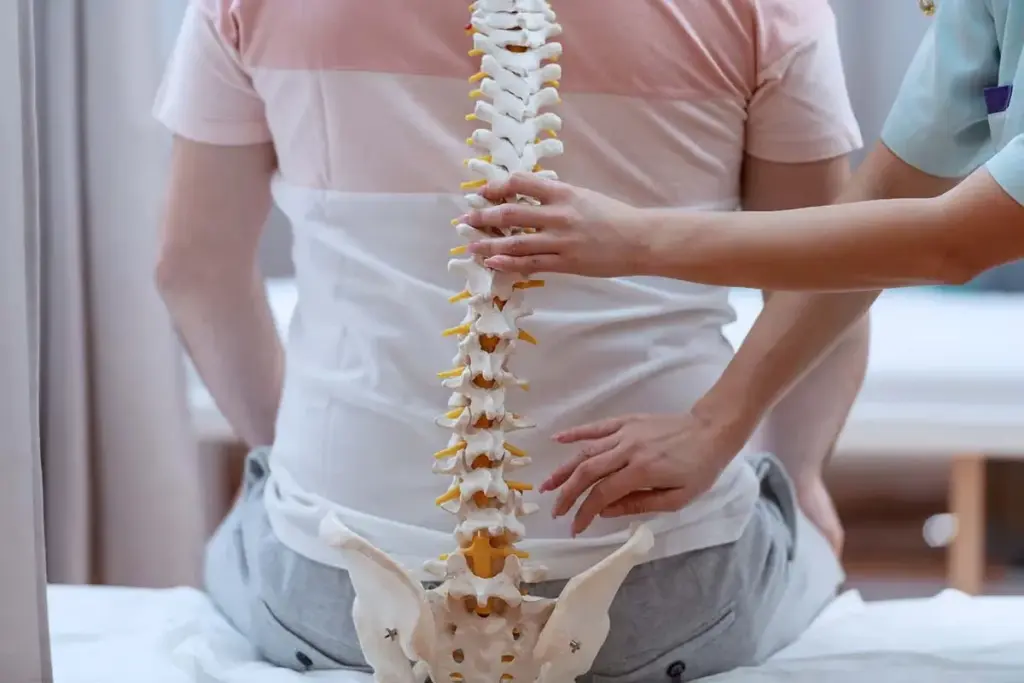
Nearly 500,000 spinal fusion surgeries happen every year in the U.S. Many patients find the recovery very painful. This surgery is often needed to stop chronic back pain but can be tough.
The recovery from spinal fusion surgery is hard because it doesn’t just fuse vertebrae. It also needs to heal the tissues around them. This can lead to ongoing pain, less mobility, and nerve problems.
Key Takeaways
- Spinal fusion surgery is a complex procedure with a significant recovery period.
- Patients may experience persistent pain and limited mobility after surgery.
- Complications post-surgery can include nerve damage and other issues.
- Understanding the challenges of spinal fusion recovery is key for managing it well.
- Good care and rehab can help lessen some of these problems.
Understanding Spinal Fusion Surgery

Spinal fusion is a surgery that joins two or more vertebrae together. This is done to stabilize the spine. It’s often needed for severe spinal instability or deformity.
What is Spinal Fusion?
The bone graft can come from the patient (autograft) or a donor (allograft). The choice depends on the patient’s health and the surgeon’s preference.
Reasons for Undergoing Spinal Fusion
People get spinal fusion for several reasons:
- Severe spinal instability or deformity
- Degenerative disc disease
- Spondylolisthesis
- Fractures or trauma to the spine
A leading orthopedic surgeon says, “Spinal fusion is a last resort but can greatly improve spinal stability and pain.”
Types of Spinal Fusion Procedures
There are different spinal fusion procedures:
|
Type |
Description |
|---|---|
|
Posterior Lumbar Interbody Fusion (PLIF) |
A procedure where the vertebrae are fused from the back. |
|
Anterior Lumbar Interbody Fusion (ALIF) |
A procedure where the vertebrae are fused from the front. |
|
Transforaminal Lumbar Interbody Fusion (TLIF) |
A variation of PLIF with a different approach angle. |
Each type has its own use and benefits. The right procedure depends on the patient’s condition and the surgeon’s skill.
The Nature of Post-Surgical Pain
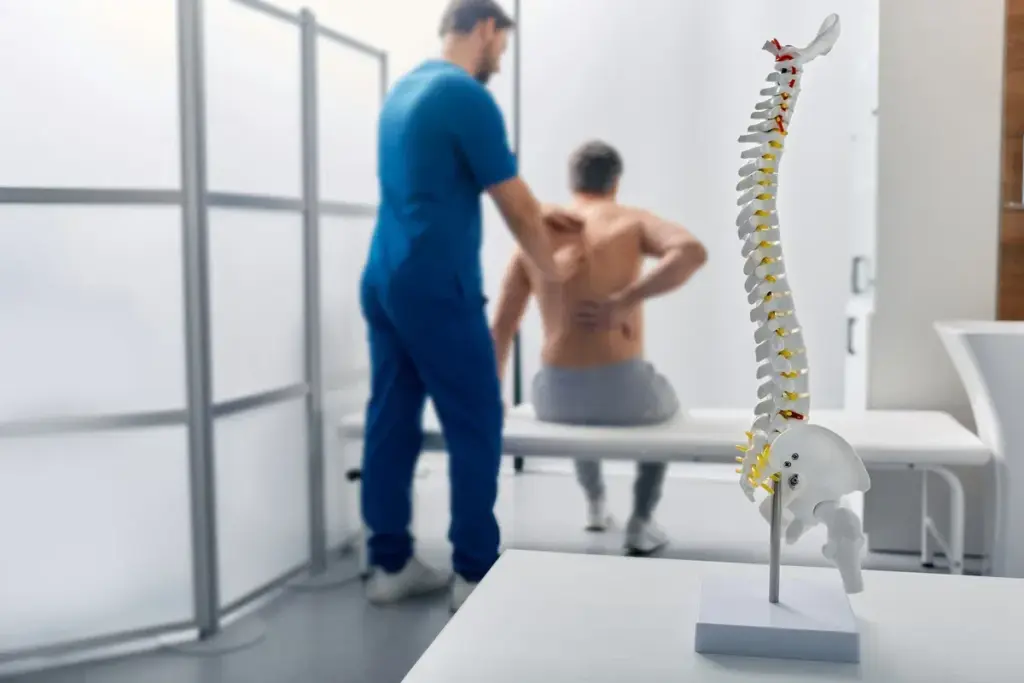
It’s important to understand pain after spinal fusion surgery for a smooth recovery. This pain isn’t just from tissue damage. It’s a mix of physical and mental factors.
Immediate Post-Operative Pain
Right after surgery, pain comes from the surgery itself. The body reacts with inflammation, a key part of healing. Doctors use medicine to help manage this pain.
Inflammatory Response
The inflammatory response is vital for healing. It releases chemicals that help fix the body but also cause pain and swelling. Knowing this helps set realistic pain expectations.
Muscle and Tissue Trauma
Surgery can hurt muscles and tissues, adding to pain. How much damage depends on the surgery and the person’s health. Effective pain management strategies are key for recovery.
|
Factors Influencing Post-Surgical Pain |
Description |
Impact on Recovery |
|---|---|---|
|
Immediate Post-Operative Pain |
Direct result of surgical trauma |
High initial pain levels |
|
Inflammatory Response |
Body’s natural healing process |
Swelling and pain |
|
Muscle and Tissue Trauma |
Damage during surgery |
Prolonged recovery time |
Understanding these factors helps patients prepare for recovery. They can work with doctors to manage pain better.
The Bone Grafting Process and Associated Pain
In spinal fusion surgery, bone grafting helps bones grow together. It involves transplanting bone into the spine to fuse vertebrae. This bone acts as a bridge, helping the vertebrae to grow together and stabilize the spine.
Types of Bone Grafts
There are different types of bone grafts used in spinal fusion surgery. Autografts use the patient’s own bone, which is often the best choice because it has a high success rate and low risk of rejection. Allografts use donor bone and are chosen for their availability and lower risk of pain at the donor site. Synthetic bone grafts are also an option when other types are not suitable.
“The choice of bone graft depends on various factors, including the patient’s overall health, the specific requirements of the surgery, and the surgeon’s preference,” notes a leading orthopedic surgeon. The variety in bone graft options allows for personalized treatment plans, improving the chances of successful fusion.
Donor Site Pain
Donor site pain is a significant pain source when using an autograft. This pain happens at the site where the bone is taken from, usually the pelvis or another part of the body. The pain’s severity and how long it lasts can vary, with some patients feeling a lot of discomfort during recovery.
- Donor site pain can be managed with appropriate pain management strategies.
- The risk of donor site pain is a consideration in choosing the type of bone graft.
Graft Integration Discomfort
As the bone graft integrates with the surrounding bone, patients may feel discomfort. This is a natural part of healing. The discomfort’s level can vary, depending on the individual’s pain tolerance and the specifics of the grafting procedure.
Effective pain management and follow-up care are key to reducing discomfort during graft integration. By understanding the possibility of discomfort, patients can better prepare for their recovery. They can work closely with their healthcare providers to manage any pain that comes up.
Hardware-Related Discomfort
Spinal fusion surgery uses hardware like screws, rods, and plates to stabilize the spine. This hardware is key for the fusion process. But, it can also cause discomfort for some patients.
Screws, Rods, and Plates
The hardware in spinal fusion surgery helps stabilize the spine during healing. Screws anchor rods or plates to vertebrae. Rods and plates stabilize the spine and aid fusion. The hardware used depends on the patient’s needs and the surgery.
- Screws: Used for anchoring rods or plates to the vertebrae.
- Rods: Help to stabilize the spine and promote fusion.
- Plates: Provide additional support and stability to the spine.
Hardware Prominence
Spinal fusion hardware can be a problem if it’s under the skin. When it’s closer to the surface, it can irritate and cause discomfort. This is because it may rub against tissues or get pressure.
Adaptation Period
The body takes time to get used to the hardware. At first, it may cause inflammation and discomfort. But, as the body heals, the discomfort usually goes away.
The time it takes for the body to adapt varies. It depends on the hardware, the surgery, and the patient’s health.
It’s important to understand how hardware affects comfort after spinal fusion. While discomfort is possible, it’s usually manageable with proper care and follow-up.
Common Problems After Spinal Fusion
After spinal fusion surgery, many patients face different complications. This surgery aims to reduce pain and stabilize the spine. Yet, several common issues can occur afterward.
Failed Fusion (Pseudarthrosis)
Failed fusion, or pseudarthrosis, happens when the bone graft doesn’t fuse with the bone. This can cause ongoing pain and spine instability.
Causes of Failed Fusion:
- Insufficient bone graft
- Poor blood supply to the graft site
- Excessive movement at the fusion site
- Smoking or tobacco use
Adjacent Segment Disease
Adjacent segment disease is when the spinal segments next to the fused area start to degenerate. This happens because the fusion changes how the spine moves and handles stress.
|
Symptoms |
Causes |
Treatment Options |
|---|---|---|
|
Pain in adjacent segments |
Altered biomechanics |
Physical therapy |
|
Reduced mobility |
Increased stress on adjacent segments |
Medications for pain management |
|
Potential for herniated discs |
Degenerative changes |
Surgical intervention in severe cases |
Persistent Pain Syndromes
Persistent pain after spinal fusion can stem from several reasons. These include not fully fixing the original problem, issues with the hardware, or new problems like adjacent segment disease.
Managing Persistent Pain:
- Medication management
- Physical therapy
- Alternative pain management techniques
It’s important to know about these common issues after spinal fusion. This knowledge helps manage expectations and improve outcomes. Patients should talk to their healthcare provider about their specific risks and complications.
Nerve-Related Complications
Nerve problems are a big worry for people having spinal fusion surgery. These issues can show up in many ways. They can change how well the surgery works and how good the patient feels afterward.
What Are the Symptoms of Nerve Damage After Back Surgery?
Back surgery can hurt nerves, leading to numbness, tingling, pain, or weakness in the legs or arms. How bad these symptoms are depends on where and how much the nerve is hurt.
Common symptoms include:
- Numbness or tingling sensations
- Pain that radiates to the extremities
- Muscle weakness
- Loss of reflexes
Nerve Root Compression
Nerve root compression happens when nerves in the spinal canal get squished. This can cause pain and other nerve problems. It might be because of faulty hardware or scar tissue.
Factors contributing to nerve root compression:
|
Cause |
Symptoms |
Potential Treatment |
|---|---|---|
|
Hardware malfunction |
Pain, numbness, tingling |
Revision surgery |
|
Scar tissue formation |
Pain, limited mobility |
Physical therapy, pain management |
|
Nerve root irritation |
Radicular pain, weakness |
Medications, steroid injections |
Neuropathic Pain Management
Neuropathic pain from nerve damage needs a full plan to manage. This plan might include medicines, changes in lifestyle, and other treatments.
Management options include:
- Medications: anticonvulsants, antidepressants
- Lifestyle changes: exercise, diet modification
- Alternative therapies: acupuncture, spinal cord stimulation
It’s key to manage nerve problems well after spinal fusion surgery. Knowing the causes and symptoms helps doctors create better treatment plans. This can improve how patients feel and do after surgery.
Infection and Inflammatory Complications
Spinal fusion surgery is generally safe but can lead to infection and inflammation. These issues can affect recovery and surgery results. It’s important for patients and doctors to know about infection signs, risk factors, and treatments after spinal fusion.
Signs of Post-Surgical Infection
Spotting post-surgical infection signs early is key. Look out for:
- Increased pain at the surgical site
- Redness and swelling around the incision
- Fever and chills
- Drainage from the wound
- General malaise or feeling unwell
If you notice these symptoms, reach out to a healthcare provider right away.
Risk Factors
Some factors can raise the risk of infection after spinal fusion. These include:
- Diabetes: Diabetes can affect blood sugar and healing.
- Smoking: Smoking hampers healing and increases infection risk.
- Obesity: Extra weight can stress the surgical site, raising complications.
- Previous infections: A history of infections, like at the surgical site, raises risk.
Treatment Approaches
Treating post-surgical infections often involves:
- Antibiotics: Antibiotics fight the infection.
- Wound care: Proper wound care helps healing and prevents infection.
- Surgical intervention: Sometimes, more surgery is needed to clean or remove infected parts.
Quick treatment is vital to stop the infection from getting worse.
Hardware Failure and Complications
Hardware failure, like screw loosening and rod migration, is a risk after spinal fusion surgery. It can cause discomfort, pain, and sometimes need more surgery.
Screw Loosening or Breakage
Screw loosening or breakage is a common problem with spinal fusion. It can happen for many reasons, like the quality of the hardware, how the surgery is done, and the patient’s bone density.
|
Cause |
Description |
Prevalence |
|---|---|---|
|
Poor Bone Density |
Screws may not hold well in osteoporotic bone |
High |
|
Inadequate Screw Placement |
Incorrect placement can lead to loosening over time |
Moderate |
|
Hardware Quality |
Low-quality hardware is more prone to failure |
Low |
Rod Migration
Rod migration is when the rods in spinal fusion surgery move from their place. It can cause pain and might need more surgery.
“Rod migration is a serious complication that requires prompt attention. It can lead to significant morbidity if not addressed appropriately.”Spine Surgeon
To avoid rod migration, precise surgery and good care after surgery are key.
When Revision Surgery Is Necessary
Revision surgery might be needed if hardware fails badly, like screw loosening or rod migration. This is when pain or nerve problems are serious.
Deciding on revision surgery involves checking with imaging and looking at symptoms and medical history.
In conclusion, hardware failure is a serious issue after spinal fusion surgery. Knowing the risks and how to prevent them is vital for the best results.
Lumbar Fusion Recovery Week by Week
Knowing how to recover from lumbar fusion surgery is key. It’s a long journey with many changes. Patients will see their health get better slowly, with important milestones along the way.
First Two Weeks After Surgery
The first two weeks are very important for healing. Patients might feel pain, discomfort, and have trouble moving. Pain management is a big focus, with medicine and rest being important.
They might also see swelling, bruising, and numbness where the surgery was. Ice packs and elevating the area can help. It’s good to move a little and take short walks to avoid blood clots.
Weeks 3-6 Recovery Milestones
By weeks 3-6, things start to get better. Pain goes down, and patients can move more. Physical therapy starts to help strengthen the spine and improve flexibility.
It’s important to avoid heavy lifting, bending, or twisting. These can hurt the spine. But, slowly, patients can do more activities with help from a doctor.
Weeks 7-12 Progress Expectations
By weeks 7-12, most people have made a lot of progress. They can do more of their usual things, but might feel some pain or stiffness. It’s important to keep up with the recovery plan to keep the spine strong.
At this point, patients can start doing more exercises. This is under the watch of a physical therapist. It helps them get stronger and more flexible.
What to Expect 3 Months After Spinal Fusion
Three months after spinal fusion, patients see big changes. Their body heals a lot, and they feel better. They notice big improvements in their health.
Physical Capabilities and Limitations
At three months, patients can do more physically. But, they need to know it takes longer to fully recover. They can start doing light activities and getting stronger. It’s key to listen to the surgeon about what activities to do and avoid.
The table below shows what patients can do three months after surgery:
|
Activity |
Expected Capability |
Limitations |
|---|---|---|
|
Light Housework |
Can perform light household chores |
Avoid heavy lifting or bending |
|
Walking |
Can walk short to moderate distances |
May feel some pain |
|
Exercise |
Can start with gentle stretching and low-impact exercises |
High-impact exercises are generally not recommended |
Pain Levels and Management
Pain usually gets better three months after surgery. But, some might feel pain sometimes. It’s important to keep up with pain management plans from doctors.
Return to Daily Activities
Going back to daily life is a big step three months after surgery. Patients can start doing more normal things, like driving and going back to work. But, they should not do jobs that are too hard physically. It’s important to slowly get back to doing things to avoid problems.
Knowing what to expect three months after spinal fusion helps patients on their recovery path. Always talk to healthcare experts for advice tailored to you.
Leg and Buttock Pain After Spinal Fusion Surgery
Many people experience leg and buttock pain after spinal fusion surgery. This pain can worry those recovering, affecting their recovery and daily life.
Causes of Radiating Pain
There are several reasons for leg and buttock pain after spinal fusion. These include:
- Nerve irritation or damage: Surgery can sometimes harm nerves, causing pain in the legs and buttocks.
- Inflammation: Swelling after surgery can also lead to pain in these areas.
- Hardware-related issues: Screws and rods can sometimes cause irritation or discomfort.
Differentiating Normal Recovery Pain from Complications
It’s important to tell normal recovery pain from signs of complications. Normal pain usually:
- Gets better over time
- Is controlled with pain meds
- Doesn’t spread or get worse
But, pain that might mean a problem could:
- Stay or get worse
- Be with numbness, tingling, or weakness
- Not get better with pain meds
Treatment Options
There are ways to handle leg and buttock pain after spinal fusion. These include:
- Pain medication: Doctors can prescribe meds to help with pain.
- Physical therapy: Gentle exercises can help move better and feel less pain.
- Alternative therapies: Some people find relief with acupuncture or chiropractic care.
It’s key to talk to your doctor to find the best treatment for you.
Pain Management Strategies During Recovery
After spinal fusion surgery, patients need to use many ways to manage pain. This includes medicine, physical therapy, and other methods. These steps help ensure a smooth recovery.
Medication Protocols
Medicine is key in the early recovery days. Opioids help with severe pain but are watched closely to avoid addiction. Nonsteroidal anti-inflammatory drugs (NSAIDs) and muscle relaxants also help by reducing inflammation and muscle spasms.
|
Medication Type |
Purpose |
Common Examples |
|---|---|---|
|
Opioids |
Severe pain management |
Oxycodone, Hydrocodone |
|
NSAIDs |
Inflammation reduction |
Ibuprofen, Naproxen |
|
Muscle Relaxants |
Muscle spasm relief |
Cyclobenzaprine, Baclofen |
Physical Therapy Approaches
Physical therapy is very important for recovery. It helps regain strength, flexibility, and movement. A physical therapist creates a special exercise plan for each patient.
- Gentle stretching exercises to improve flexibility
- Strengthening exercises to support the spine
- Aerobic exercises to enhance overall health
Alternative Pain Management Techniques
There are also other ways to manage pain. Acupuncture, chiropractic care, and mindfulness meditation can help a lot. They can lessen pain and make you feel better overall.
- Acupuncture: Stimulates healing and reduces pain
- Chiropractic Care: Improves spinal alignment and function
- Mindfulness Meditation: Enhances pain tolerance and reduces stress
Using these strategies together helps patients recover better after spinal fusion surgery.
When to Contact Your Doctor
After spinal fusion, knowing when to call your doctor is key. Some pain is okay, but other signs mean you need help fast.
Red Flag Symptoms
Look out for these red flags that mean you should call your doctor right away. These include:
- Increasing pain that can’t be fixed with medicine
- Fever over 101.5°F (38.6°C)
- Swelling, redness, or drainage from the surgery area
- Numbness, tingling, or weakness in your legs or arms
- Difficulty controlling your bowel or bladder
If you see any of these, get medical help fast.
Concerning Pain Patterns
Pain after spinal fusion is normal. But some pain patterns are a worry. If your pain:
- Radiates down your leg or arm
- Increases even when you rest and take medicine
- Changes in how it feels, getting sharper or worse
Talk to your doctor about these changes.
Emergency Situations
Some situations need immediate help. If you have:
- Severe pain that medicine can’t fix
- Sudden numbness or weakness in your limbs
- Loss of bladder or bowel control
- Signs of infection like high fever or chills
Go to the emergency room right away.
|
Symptom |
Action |
|---|---|
|
Increasing pain not managed with medication |
Contact your doctor |
|
Fever above 101.5°F |
Contact your doctor |
|
Swelling, redness, or drainage from the surgical site |
Contact your doctor |
|
Severe pain, sudden numbness, or loss of bladder/bowel control |
Seek emergency care |
Knowing these signs and when to call your doctor is important for recovery. If unsure, always choose caution and get medical advice.
Long-Term Outcomes and Quality of Life
Patients often wonder about the long-term effects of spinal fusion on their life quality. Knowing this is key to making smart health choices.
Success Rates
Spinal fusion surgery often greatly reduces pain and boosts function for many. Research shows that a big number of patients find long-term relief from symptoms and see their life quality improve.
- High success rates in pain reduction
- Improved functional capabilities
- Enhanced overall quality of life
Factors Affecting Long-Term Results
Several things can affect how well spinal fusion surgery works long-term. These include:
- The patient’s overall health and age
- The specific surgical technique used
- Post-operative care and rehabilitation
- Pre-existing conditions such as osteoporosis or diabetes
Proper patient selection and meticulous surgical technique are key for the best long-term results.
Patient Satisfaction Statistics
Patient satisfaction after spinal fusion surgery is usually high. Many patients see big improvements in their health. Studies show that:
- A majority of patients are happy with their surgery results
- Many feel less pain and move better
- Some might face some discomfort or limitations
In summary, while results can differ, spinal fusion often brings lasting benefits to many. It’s vital for patients to talk about their specific needs and hopes with their healthcare team.
Conclusion: Managing Expectations for Spinal Fusion Recovery
Recognizing the recovery process of spinal fusion is essential for managing expectations and facilitating better healing. Knowing about possible complications and following a recovery plan can greatly improve your outcome.
Good tips for spinal fusion recovery include sticking to your medication, doing physical therapy, and trying other pain relief methods. These steps can help reduce common issues like pain and nerve problems.
It’s important to know that spinal fusion recovery takes time and might have ups and downs. But, with the right care and following instructions, many people see big improvements in their life quality.
Being informed about spinal fusion recovery issues and taking action can make your recovery better. This way, you can enjoy the long-term benefits of your surgery.
FAQ
What are the common problems after spinal fusion surgery?
After spinal fusion surgery, some common issues include failed fusion or pseudarthrosis. Other problems are adjacent segment disease, persistent pain, nerve damage, infection, and hardware failure.
How long does it take to recover from spinal fusion surgery?
Recovery from spinal fusion surgery varies. But, most patients see big improvements in the first three months. It usually takes several months to fully recover.
What are the symptoms of nerve damage after back surgery?
Nerve damage symptoms can be numbness, tingling, weakness, or pain in the legs or buttocks. These symptoms depend on the damage’s location and severity.
What can I expect three months after spinal fusion surgery?
Three months post-surgery, patients often see big improvements. Pain levels and physical abilities get better. But, some limitations might remain.
How is leg and buttock pain managed after spinal fusion surgery?
Managing leg and buttock pain involves different methods. These include medication, physical therapy, and alternative pain management. The choice depends on the pain’s cause.
What are the signs of post-surgical infection after spinal fusion?
Signs of infection include increased pain, redness, swelling, or drainage at the site. Fever or chills are also warning signs. Seek medical help right away.
When is revision surgery necessary after spinal fusion?
Revision surgery might be needed if complications like hardware failure or persistent pain occur. It’s considered when other treatments fail.
What are the long-term outcomes of spinal fusion surgery?
Long-term results of spinal fusion vary. Most patients see better pain levels and quality of life. But, some limitations can last.
How can I manage pain after spinal fusion surgery?
Managing pain involves medication, physical therapy, and alternative methods. Each approach is tailored to the individual’s needs.
When should I contact my doctor after spinal fusion surgery?
Contact your doctor if you have red flag symptoms or concerning pain patterns. Also, seek help for emergency situations like infection signs or severe pain.
Reference
National Center for Biotechnology Information. Evidence-Based Medical Insight. Retrieved from https://pmc.ncbi.nlm.nih.gov/articles/PMC10676178



 Departments
 Related Videos
 Our Doctors
 News
News