
We’re here to help you grasp ANCA-associated vasculitis (AAV). It’s a rare autoimmune disease that causes inflammation in small blood vessels. This condition affects many organ systems and is quite complex.panca vasculitisCan You Have Visitors During Chemotherapy? Safe Rules
Vasculitis makes blood vessels swell and get irritated. This can make the vessel walls thick, narrow, and harm organs and tissues. Knowing about ANCA vasculitis diagnosis, types, and symptoms is key for good care and treatment.
Spotting it early is vital to avoid lasting damage. We’ll dive into the main facts about ANCA vasculitis. You’ll learn about its diagnosis, types, and symptoms.
Key Takeaways
- ANCA-associated vasculitis is a group of rare autoimmune diseases.
- It causes inflammation in small blood vessels, affecting multiple organ systems.
- Understanding diagnosis, types, and symptoms is key for effective management.
- Early detection is essential to prevent irreversible organ damage.
- ANCA vasculitis needs thorough treatment and support.
What Is ANCA Vasculitis?
ANCA vasculitis is a disease where the body’s immune system attacks its own blood vessels. It is a type of autoimmune disease. This condition mainly affects small blood vessels and is linked to the presence of ANCA antibodies.
The Autoimmune Nature of ANCA Vasculitis
ANCA vasculitis occurs when the immune system mistakenly attacks blood vessels. The presence of ANCA antibodies is a key sign of this disease. These antibodies cause damage to the blood vessels by activating neutrophils.
Epidemiology and Demographics
ANCA vasculitis is a rare condition, affecting about 20 people per million each year in Europe and North America. It includes three main types: Granulomatosis with Polyangiitis (GPA), Microscopic Polyangiitis (MPA), and Eosinophilic Granulomatosis with Polyangiitis (EGPA). It can happen to anyone, but it’s more common in older adults. Some types are slightly more common in men.
|
Subtype |
Characteristics |
Common ANCA Type |
|---|---|---|
|
GPA |
Necrotizing granulomatous inflammation, commonly affecting the upper and lower respiratory tract and kidneys. |
C-ANCA (PR3-ANCA) |
|
MPA |
Necrotizing vasculitis with few or no immune deposits, mainly affecting small vessels. |
P-ANCA (MPO-ANCA) |
|
EGPA |
Eosinophil-rich and granulomatous inflammation involving the respiratory tract, often accompanied by asthma. |
P-ANCA (MPO-ANCA) |
Key Fact #1: ANCA Vasculitis Targets Small Blood Vessels
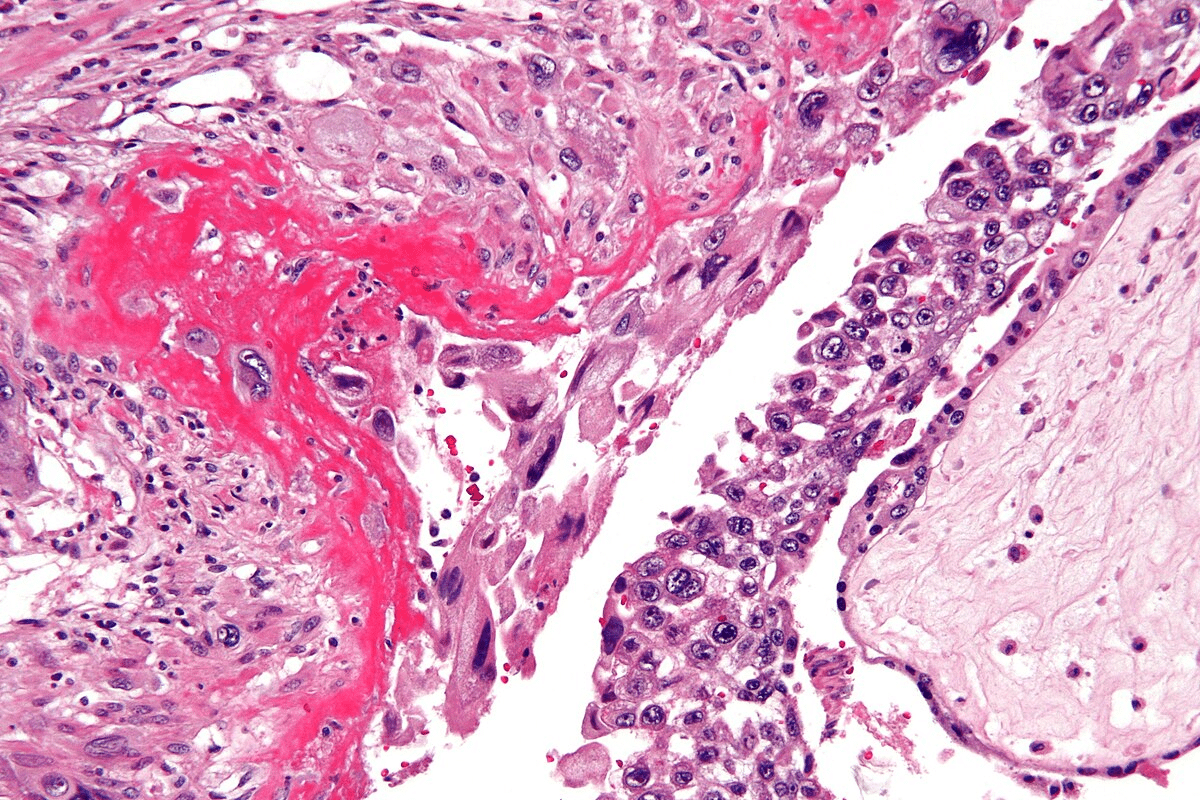
ANCA vasculitis harms small blood vessels, causing necrotizing inflammation. This condition is marked by anti-neutrophil cytoplasmic antibodies (ANCA). It leads to significant damage in different organs.
Necrotizing Inflammation Process
The necrotizing inflammation in ANCA vasculitis destroys blood vessel walls. This leads to organ damage and serious complications. It’s caused by an autoimmune attack, where the body attacks its own tissues.
The inflammation from ANCA vasculitis can cause many symptoms. These include:
- Renal failure due to kidney damage
- Respiratory issues from lung involvement
- Skin lesions and other skin problems
Multi-Organ System Involvement
ANCA vasculitis can affect many organ systems at once. It causes inflammation in various parts of the body. This includes the kidneys, lungs, skin, and other organs.
Some key organs affected by ANCA vasculitis are:
- Kidneys: leading to glomerulonephritis and possible renal failure
- Lungs: causing symptoms like coughing, wheezing, and shortness of breath
- Skin: resulting in purpura, ulcers, and other skin issues
Understanding how ANCA vasculitis affects different organs is key to diagnosing and managing it. We will look at the different types of ANCA-associated vasculitis in the next sections.
Key Fact #2: Three Primary Types of ANCA-Associated Vasculitis
It’s important to know the different types of ANCA vasculitis for diagnosis and treatment. There are three main types: Granulomatosis with Polyangiitis (GPA), Microscopic Polyangiitis (MPA), and Eosinophilic Granulomatosis with Polyangiitis (EGPA). Each type has its own symptoms and affects different parts of the body.
Granulomatosis with Polyangiitis (GPA)
GPA often affects the upper and lower respiratory tract. Symptoms include sinusitis, nasal ulcers, and lung nodules. It can also harm the kidneys.
Microscopic Polyangiitis (MPA)
MPA can quickly lead to kidney failure, making early detection key. It mainly damages small blood vessels and is linked to P-ANCA or MPO-ANCA.
Eosinophilic Granulomatosis with Polyangiitis (EGPA)
EGPA is marked by asthma, high eosinophil counts, and vasculitis. It can affect many organs, like the lungs, skin, and stomach.
|
Type |
Primary Characteristics |
Common Organ Involvement |
|---|---|---|
|
GPA |
Upper and lower respiratory tract involvement, presence of granulomas |
Respiratory tract, kidneys |
|
MPA |
Rapid progression to renal failure, P-ANCA or MPO-ANCA positivity |
Kidneys, lungs |
|
EGPA |
Presence of asthma, high eosinophil levels, vasculitis |
Lungs, skin, gastrointestinal tract |
Key Fact #3: P-ANCA Vasculitis and MPO Antibodies
P-ANCA with anti-MPO antibodies is a key sign of certain vasculitis types, like Microscopic Polyangiitis (MPA). We will look into how P-ANCA patterns help in diagnosing and treating ANCA-associated vasculitis.
Understanding P-ANCA Patterns
P-ANCA patterns show perinuclear staining, often linked to myeloperoxidase (MPO) antibodies. This pattern is a big help for doctors to tell different ANCA vasculitis types apart. Myeloperoxidase (MPO) antibodies are important because they are found in many P-ANCA positive vasculitis cases.
P-ANCA Positive Conditions
P-ANCA is often seen in Microscopic Polyangiitis (MPA) and Eosinophilic Granulomatosis with Polyangiitis (EGPA). We will dive into what makes these conditions unique and how MPO antibodies help in diagnosing them.
|
Condition |
P-ANCA Positivity Rate |
Common Antibody |
|---|---|---|
|
Microscopic Polyangiitis (MPA) |
High |
MPO |
|
Eosinophilic Granulomatosis with Polyangiitis (EGPA) |
Moderate |
MPO |
It’s vital to know how P-ANCA patterns link to specific diseases for accurate diagnosis and treatment of ANCA-associated vasculitis. We stress the need for precise laboratory testing and matching it with clinical findings to diagnose these complex conditions.
Key Fact #4: C-ANCA Vasculitis and PR3 Antibodies
C-ANCA vasculitis is a complex autoimmune disorder. It is mainly linked to Granulomatosis with Polyangiitis (GPA). This condition affects small to medium-sized blood vessels.
C-ANCA Pattern Characteristics
The C-ANCA pattern shows cytoplasmic staining on immunofluorescence assays. This indicates the presence of antibodies against proteinase 3 (PR3). This staining pattern is key for diagnosing C-ANCA positive cases.
C-ANCA in Granulomatosis with Polyangiitis
In GPA, C-ANCA with anti-PR3 antibodies is very important. Many patients with GPA test positive for C-ANCA. This makes it a valuable tool for diagnosis.
Diagnosing and treating C-ANCA vasculitis needs a detailed approach. It considers the disease’s specific traits and the patient’s condition. Recognizing C-ANCA and PR3 antibodies in GPA helps doctors create better treatment plans. This improves patient outcomes.
Key Fact #5: ANCA Testing Has Limitations
ANCA testing is key for diagnosing vasculitis, but it has its limits. It relies on finding ANCA antibodies. Yet, the tests’ accuracy can differ based on the disease subtype.
ANCA Positivity Rates in Different Subtypes
About 75 to 90 percent of active disease cases show ANCA positivity. But, not all ANCA vasculitis subtypes have the same ANCA antibody levels. For example, Granulomatosis with Polyangiitis (GPA) patients are more likely to test positive than those with Eosinophilic Granulomatosis with Polyangiitis (EGPA).
|
Subtype |
ANCA Positivity Rate |
|---|---|
|
GPA |
80-90% |
|
MPA |
70-80% |
|
EGPA |
40-50% |
ANCA-Negative Vasculitis
It’s important to note that some vasculitis cases are ANCA-negative. Not having ANCA antibodies doesn’t rule out the disease. A full diagnosis requires looking at symptoms, lab results, and sometimes, a tissue biopsy.
Clinical Implication: Knowing the limits of ANCA tests is vital for doctors. It shows the need to combine clinical observations with lab findings for a correct diagnosis.
When dealing with ANCA vasculitis, we must remember the varied ANCA positivity rates and the presence of ANCA-negative cases. This detailed understanding aids in giving the right care and treatment to patients.
Comprehensive Symptoms of ANCA-Associated Vasculitis
It’s important to know the symptoms of ANCA-associated vasculitis to get a quick diagnosis and treatment. This condition affects many parts of the body, making it hard to diagnose.
Constitutional Symptoms
People with ANCA-associated vasculitis often have fever, fatigue, and weight loss. These symptoms can really affect their daily life. “The presence of constitutional symptoms often indicates active disease,” as noted in clinical guidelines.
Organ-Specific Manifestations
Each type of ANCA-associated vasculitis can show different symptoms. For example, renal involvement (like blood in the urine) and respiratory symptoms (such as trouble breathing) are common. Granulomatosis with polyangiitis (GPA) often causes problems in the upper respiratory tract. Microscopic polyangiitis (MPA) usually affects the kidneys and lungs.
Red Flag Symptoms Requiring Immediate Care
Some symptoms need urgent medical help because they show severe disease or could lead to serious problems. These red flag symptoms include severe kidney failure, coughing up blood, and heart problems. It’s vital to spot these symptoms quickly to start the right treatment and avoid bad outcomes.
Diagnostic Approach to ANCA Vasculitis
Diagnosing ANCA vasculitis requires a detailed approach. It includes lab tests, imaging, and tissue biopsy. Accurate diagnosis is key for effective treatment and care.
Laboratory Testing
Laboratory tests are critical in diagnosing ANCA vasculitis. They include ANCA assays to find anti-neutrophil cytoplasmic antibodies. Also, inflammatory markers like CRP and ESR show inflammation levels. Organ function tests check how organs are affected.
ANCA assays are very important. They can be P-ANCA or C-ANCA, each linked to different types of ANCA vasculitis.
Imaging Studies
Imaging studies help see how much organs are affected by ANCA vasculitis. CT scans and X-rays are used to look at the lungs and sinuses. They spot issues like nodules or cavitations.
Sometimes, MRI or PET scans are used to check disease activity and organ involvement.
Tissue Biopsy: The Gold Standard
Tissue biopsy is the best way to diagnose ANCA vasculitis. Samples are taken from organs like the kidneys or lungs. Histology shows signs of vasculitis, like inflammation and blood vessel damage.
Biopsy results are very important. They confirm the diagnosis and help decide treatment.
Treatment Strategies for ANCA Vasculitis
ANCA vasculitis treatment is a complex process. It involves a mix of strategies to manage the disease. The goal is to match the treatment to the disease’s severity and the patient’s health.
Induction of Remission
The first step is to induce remission. This is done with corticosteroids and immunosuppressants like cyclophosphamide or rituximab. The aim is to stop the disease quickly and protect organs.
A leading researcher notes, “Rituximab has changed how we treat ANCA vasculitis. It offers a targeted approach with fewer side effects.”
“Rituximab is now a key part of ANCA vasculitis treatment. It’s a better option than older treatments.”
Maintenance Therapy
After remission, maintenance therapy starts. This phase uses azathioprine or rituximab to keep the disease under control. The goal is to keep the disease in check while reducing side effects.
- Regular monitoring of disease activity
- Adjustments to medication as needed
- Management of possible side effects
Novel and Emerging Treatments
New treatments for ANCA vasculitis are being researched. These include biologic agents and targeted therapies. They aim to improve treatment outcomes and reduce side effects.
As we learn more about ANCA vasculitis, we’ll see better and more tailored treatments. This will help patients even more.
Living with ANCA Vasculitis: Long-term Management
Living with ANCA vasculitis is more than just treatment. It’s a lifelong journey. Patients face ongoing care challenges. They must balance treatment benefits with side effects and life quality.
Prognosis and Survival Rates
Knowing the prognosis and survival rates is key for patients and doctors. Thanks to new treatments, many patients go into remission. But, the risk of relapse is always there, so regular checks are needed.
Research shows most patients can go into remission with the right treatment. But, the chance of relapse depends on the type of ANCA vasculitis. For example, GPA patients might have a different outlook than MPA or EGPA patients.
|
Subtype |
Relapse Rate |
5-Year Survival Rate |
|---|---|---|
|
GPA |
40-50% |
80-90% |
|
MPA |
30-40% |
75-85% |
|
EGPA |
20-30% |
85-95% |
Quality of Life Considerations
Managing ANCA vasculitis means more than just controlling symptoms. It’s about improving life quality too. Patients often deal with fatigue, pain, and other symptoms that affect their daily lives.
Key quality of life considerations include:
- Managing fatigue and pain
- Addressing mental health concerns
- Maintaining physical function
- Navigating the impact on work and social activities
By focusing on these areas, healthcare providers can offer better care. This improves life outcomes for ANCA vasculitis patients.
Conclusion
ANCA vasculitis is a complex condition that needs a team effort to manage. It involves doctors from rheumatology, nephrology, and more. We’ve looked at how to diagnose and treat ANCA-associated vasculitis. This knowledge helps improve patient care.
Knowing the different types of ANCA vasculitis helps doctors create better treatment plans. Treatment includes getting the condition under control and keeping it that way. New treatments are also being explored to help patients live better lives.
Getting a correct diagnosis is key. This involves tests, scans, and sometimes a biopsy. We stress the need for a team effort in managing ANCA vasculitis. Working together with patients helps them understand their condition better. This improves their overall health and well-being.
FAQ
What is ANCA vasculitis?
ANCA vasculitis is a rare autoimmune disease. It causes inflammation in small blood vessels. This affects many organs and is complex.
What are the main types of ANCA-associated vasculitis?
There are three main types: Granulomatosis with Polyangiitis (GPA), Microscopic Polyangiitis (MPA), and Eosinophilic Granulomatosis with Polyangiitis (EGPA). Each type affects different organs in unique ways.
What is P-ANCA vasculitis associated with?
P-ANCA vasculitis is linked to antibodies against myeloperoxidase (MPO). This is common in Microscopic Polyangiitis (MPA).
What is C-ANCA vasculitis characterized by?
C-ANCA vasculitis is marked by antibodies against proteinase 3 (PR3). It’s often found in Granulomatosis with Polyangiitis (GPA).
What are the limitations of ANCA testing?
ANCA tests are not perfect. They vary in accuracy for different types. A negative test doesn’t mean you don’t have ANCA vasculitis.
What are the symptoms of ANCA-associated vasculitis?
Symptoms include fever, weight loss, and organ problems. This can affect the kidneys and lungs.
How is ANCA vasculitis diagnosed?
Diagnosis takes several steps. It includes clinical checks, lab tests, imaging, and a tissue biopsy. The biopsy is the most accurate way to confirm the disease.
What is the treatment approach for ANCA vasculitis?
Treatment starts with high-dose steroids and immunosuppressants to induce remission. Then, there’s maintenance therapy to prevent relapse. New treatments are also being explored.
How is ANCA vasculitis managed long-term?
Long-term care involves watching for relapse signs, managing side effects, and improving quality of life.
What is the prognosis for patients with ANCA vasculitis?
Knowing the prognosis helps in making care decisions. It varies by disease subtype and severity.
What are the types of ANCA-associated vasculitis?
The main types are GPA, MPA, and EGPA. Each has its own clinical features and organ impact.
Can a negative ANCA test rule out ANCA vasculitis?
No, a negative test doesn’t mean you’re clear of ANCA vasculitis. The accuracy of ANCA tests varies by type.
References
NNational Center for Biotechnology Information. ANCA-Associated Vasculitis: Autoimmunity, Inflammation, and Organ Damage. Retrieved from
https://www.ncbi.nlm.nih.gov/books/NBK554372/o suitable reference found..