

Connective tissue is a key part of our body, helping to support and hold together tissues and organs. It has a lot of extracellular matrix made of fibers, ground substance, and special cells connective tissue adipose.
At Liv Hospital, we know how important it is to understand connective tissue. It keeps our body strong and helps with things like moving nutrients and fighting off infections.
Knowing about the different kinds of connective tissue helps us see how vital it is for our health. In this article, we’ll look at the seven main types and their unique cells.
Connective tissue is one of the body’s four main tissue types. It supports, binds, and separates other tissues and organs. This makes it key to the body’s structure and function.
Connective tissue has a unique mix of cells and an extracellular matrix. The matrix includes fibers and a gel-like substance called ground substance. This fills the spaces between cells and fibers.
It’s divided into two main types: connective tissue proper and special connective tissue. Connective tissue proper has loose and dense types, based on the matrix’s density. Loose tissue, like areolar tissue, has a loose fiber arrangement. Dense tissue, including regular and irregular types, has a tighter arrangement.
Special connective tissue includes supportive types like bone and cartilage, and fluid types like blood and lymph. Each type has unique functions and characteristics, enabling it to perform specific roles in the body.
Connective tissue has many essential functions. It provides structural support, helps with nutrient and waste exchange, and aids in defense mechanisms.
|
Function |
Description |
Examples |
|---|---|---|
|
Structural Support |
Provides framework for organs and tissues |
Bones, cartilage, dense connective tissue |
|
Nutrient and Waste Exchange |
Facilitates the exchange of nutrients and waste products |
Loose connective tissue, blood |
|
Defense Mechanisms |
Plays a role in the body’s immune response |
Connective tissue cells like macrophages |
The seven major types of connective tissue include areolar loose connective tissue and dense regular connective tissue. There’s also dense irregular connective tissue, adipose tissue, elastic tissue, reticular tissue, and blood. Knowing these types and their functions helps us understand the complex roles of connective tissue in the body.
Connective tissue is made up of many different cells. These cells make the tissue strong and flexible. They work together to keep the tissue healthy and functional.
Fibroblasts are key cells in connective tissue. They make the matrix, including collagen fibers and ground substance. This matrix is vital for the strength of tendons and ligaments.
Fibroblasts also produce ground substance. This substance is made of proteins, sugars, and hyaluronic acid. It helps support the tissue, keeps it hydrated, and helps with nutrient exchange.
There are many specialized cells in connective tissue. Adipocytes store fat, while macrophages fight infections. Mast cells help with inflammation, and leukocytes defend against pathogens.
These cells show how complex and dynamic connective tissue is. Each cell type helps the tissue function, whether it’s supporting structure, aiding metabolism, or fighting off infections.
Cells and the matrix must work together for connective tissue to function well. Cells talk to the matrix through receptors and signals. This helps with cell movement, growth, and change.
Knowing how cells and matrix interact is key to understanding tissue response to injury or disease. For example, during wound healing, cell-matrix interaction is essential for repair and growth.
|
Cell Type |
Function |
Location |
|---|---|---|
|
Fibroblasts |
Produce extracellular matrix components |
Various connective tissues |
|
Adipocytes |
Store energy in the form of fat |
Adipose tissue |
|
Macrophages |
Involved in immune responses |
Various connective tissues |
The extracellular matrix is key to connective tissue, giving it structure and support. It’s made up of different parts that help the body stay strong and move nutrients and waste around.
Collagen fibers make up most of the extracellular matrix, about 25 percent of our body’s protein. They help tissues stay strong against pulling forces. Collagen fibers are made by fibroblasts, the main cells in connective tissue.
Elastic fibers, made of elastin, let tissues stretch and bounce back. They’re vital in tissues that stretch a lot, like skin, lungs, and blood vessels. This lets tissues snap back to their original shape.
Reticular fibers create networks in organs, like the spleen and lymph nodes. They’re made of collagen and come from reticular cells. These networks help organize cells in these organs, helping them work right.
The ground substance fills the space between cells and fibers. It’s made of proteoglycans, polysaccharides, and hyaluronic acid. It keeps tissues hydrated and helps move nutrients and waste. It’s a medium for nutrients and waste to move between cells and blood vessels, meeting tissue needs.
In short, the extracellular matrix is a complex mix of fibers and ground substance. Each part has its role, keeping connective tissue strong and working well. The main parts are:
Adipose tissue does more than just store fat. It affects our metabolic health and energy balance. It’s a special connective tissue proper loose adipose that helps with energy storage and controlling metabolism.
There are two main types of adipose tissue: white and brown. White adipose tissue stores energy as triglycerides. It releases this energy when we need it.
Brown adipose tissue is different. It’s good at making heat by breaking down fatty acids.
Adipose tissue does more than just store fat. It also affects our metabolism by secreting hormones and cytokines.
These hormones and cytokines help with glucose metabolism, insulin sensitivity, and inflammation. For example, adiponectin improves insulin sensitivity and fights inflammation.
Adipose tissue is found all over our body. Each area has its own role and function.
|
Adipose Tissue Depot |
Location |
Primary Function |
|---|---|---|
|
Subcutaneous |
Under the skin |
Energy storage |
|
Visceral |
Around internal organs |
Metabolic regulation |
|
Brown Adipose Tissue |
Neck and upper back |
Thermogenesis |
In conclusion, adipose tissue is a complex part of our body. It’s key for energy storage, metabolic control, and our overall health.
Loose connective tissue frameworks, like areolar and reticular tissues, are key. They support organs and help move nutrients and waste. These tissues keep the body’s tissues and organs working right.
Areolar tissue is found all over the body. It has a loose structure that’s flexible and adaptable. This tissue helps move nutrients, waste, and signals between cells and blood.
It’s everywhere, around blood vessels, nerves, and other important structures. It also fills spaces between organs, giving them support and cushioning.
Reticular tissue is found in lymphoid organs like lymph nodes, spleen, and bone marrow. It supports immune cells, helping the body fight off infections.
It’s also in organs like the liver, helping organize cells and support their function.
Areolar and reticular tissues are vital for organ function and immune responses. Areolar tissue lets cells and molecules move freely. Reticular tissue helps organize immune cells in lymphoid organs.
Together, they keep the body healthy and working well. Here’s a table that shows what areolar and reticular tissues do:
|
Tissue Type |
Structure |
Distribution |
Function |
|---|---|---|---|
|
Areolar Tissue |
Loose arrangement of fibers and cells |
Widespread, surrounding blood vessels, nerves, and organs |
Supports exchange of nutrients and waste, provides cushioning and support |
|
Reticular Tissue |
Network of reticular fibers and cells |
Lymphoid organs, liver, and other specialized organs |
Supports immune cells, provides framework for organ function |
As noted by
“The connective tissue is one of the most abundant and widely distributed tissues in the body, and its various forms are characterized by their unique structural and functional properties.”
Source: Histology Textbook
In conclusion, areolar and reticular tissues are key parts of the body’s loose connective tissue. They support organs, help move nutrients and waste, and are important for the immune system.
Dense connective tissues are key for strength and resistance in our bodies. They have lots of fibers, mainly collagen, which helps them handle a lot of stress.
We’ll look at two main types: dense regular and dense irregular connective tissues. Both are important for keeping tissues strong and helping us move.
Dense regular connective tissue is found in tendons and ligaments. It’s made mostly of collagen fibers lined up in parallel. This gives it great tensile strength.
Tendons link muscles to bones, and ligaments link bones to bones. They’re made mostly of this tissue. This helps them pass forces well and gives the needed strength for movement.
|
Characteristics |
Dense Regular Connective Tissue |
|---|---|
|
Fiber Arrangement |
Parallel |
|
Primary Function |
Tensile Strength |
|
Examples |
Tendons, Ligaments |
“The parallel arrangement of collagen fibers in dense regular connective tissue provides the necessary strength and resistance for tendons and ligaments to function effectively.”
Dense irregular connective tissue has collagen fibers arranged randomly. It’s strong in many directions. You can find it in the dermis of the skin.
The dermis, between the epidermis and hypodermis, is full of this tissue. It makes the skin strong and elastic.
In summary, dense connective tissues are essential for our body’s strength and resistance. Knowing the difference between dense regular and dense irregular connective tissues helps us see their unique roles in our health.
Elastic connective tissue is key for flexibility and recoil in the body. It has elastic fibers that make it work well.
The way elastic fibers are organized is important. They stretch and then snap back because of elastin, a protein. This network gives the tissue its elastic feel.
The main parts of elastic fibers are:
Together, elastin and microfibrils help elastic connective tissue do its job.
Elastic connective tissue is in places that need to stretch and snap back. This includes big arteries, some ligaments, and the lungs. It lets these areas move and work right.
The role of elastic connective tissue is big. It helps:
In short, elastic connective tissue is essential for many body parts. It gives them the flexibility and snap back they need.
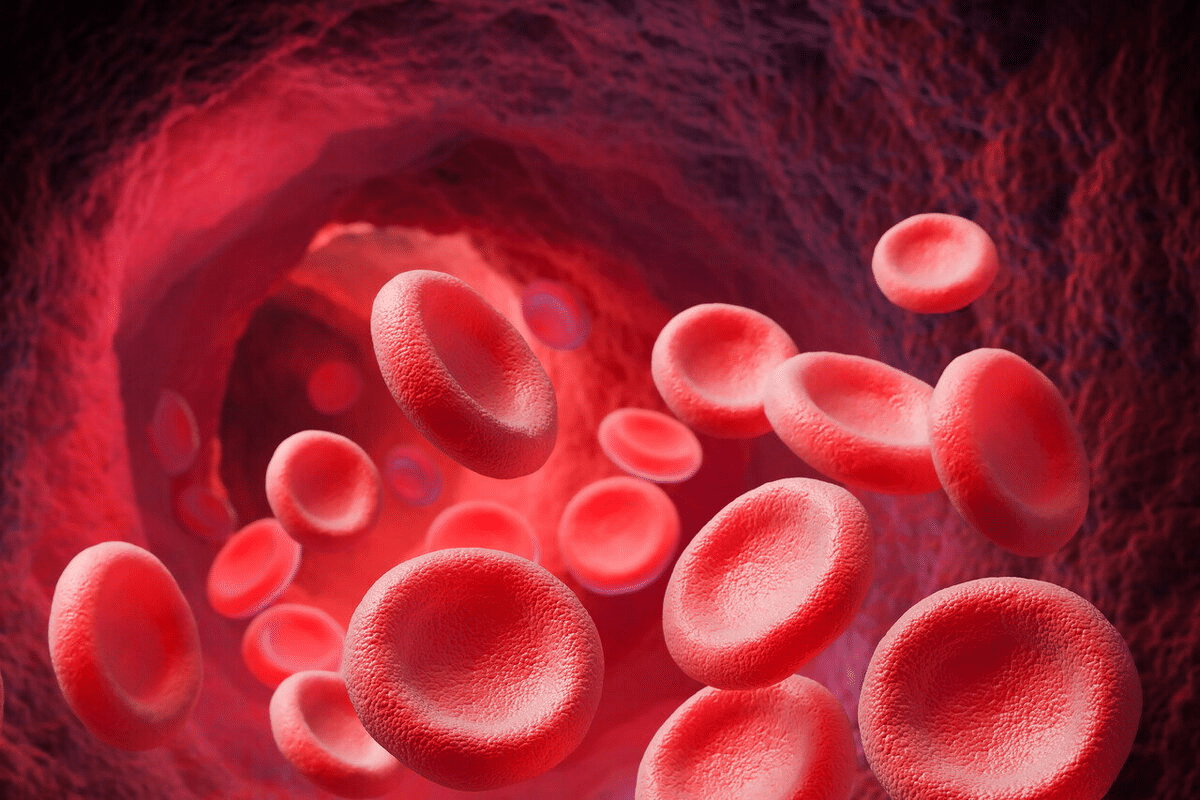
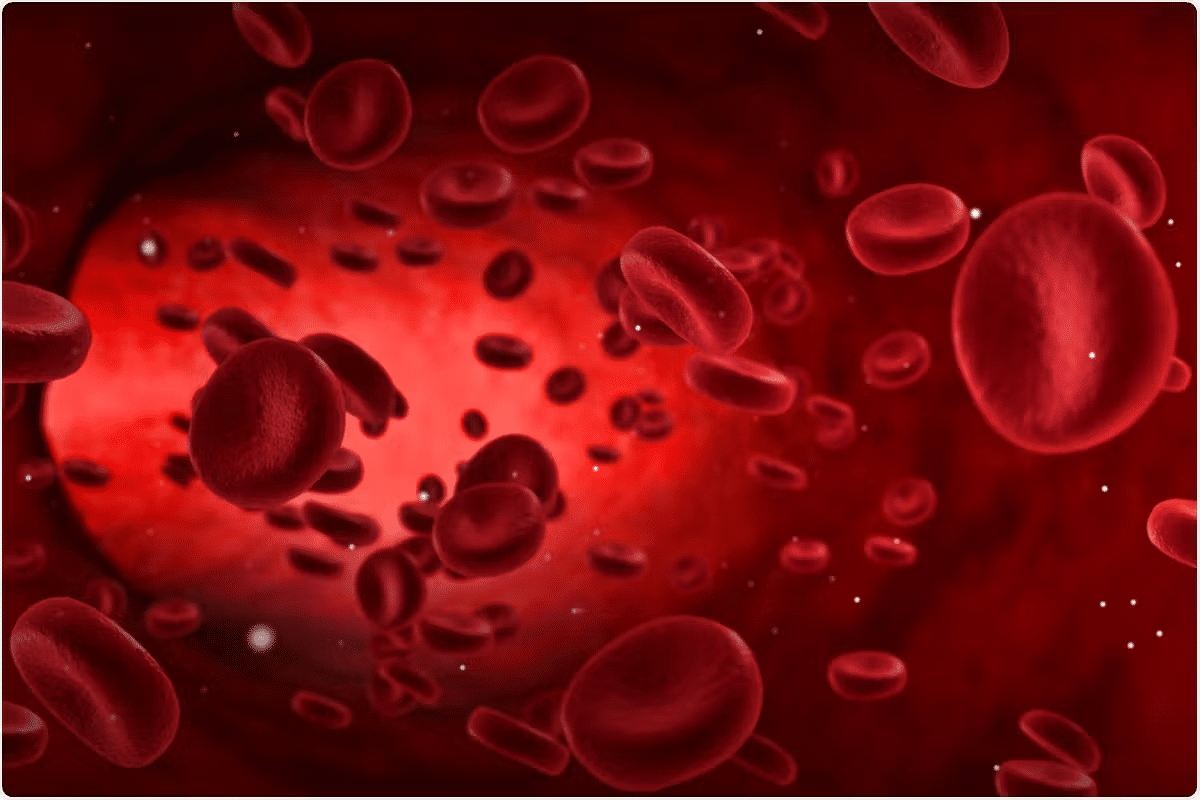
Blood is a fluid connective tissue that keeps us alive. It helps exchange gases and nutrients. It’s a special body fluid that carries oxygen and nutrients to cells and takes away waste.
Blood has different cells in a liquid called plasma. The cells are erythrocytes (red blood cells), leukocytes (white blood cells), and thrombocytes (platelets). Each cell type has a key role in keeping the body balanced.
The plasma, which is about 55% of blood, is full of water, proteins, and nutrients. It carries cells and substances around the body.
Blood is special because it can flow through blood vessels to every part of the body. This lets it do its job well.
Blood also keeps the body’s acid-base balance and helps control temperature. It clots to stop too much bleeding after an injury.
Blood works with other connective tissues in many ways. It gives them oxygen and nutrients and takes away waste. The framework in organs helps blood do its job.
Blood cells come from hematopoietic stem cells in connective tissues like bone marrow. This shows how closely blood and other connective tissues are related.
In summary, blood is a vital fluid connective tissue. Its special makeup and functions are essential for our health. It works with other connective tissues to keep us well.
Connective tissue is a complex system that supports our body’s structure. It helps in exchanging nutrients and waste. It also keeps our tissues in balance.
This system is diverse and plays many roles in our body. Each type of connective tissue, like adipose and blood, has its own function. They work together to keep our body strong and healthy.
Knowing how connective tissue works helps us understand its importance. It shows how each type supports our body’s functions. This knowledge helps us value the role of connective tissue in our health.
Connective tissue supports and binds tissues and organs. It gives the body its structure and strength.
The extracellular matrix has fibers, ground substance, and cells. These elements give the tissue strength and support.
Fibroblasts make the extracellular matrix. This includes collagen fibers and ground substance.
Loose connective tissue supports organs and tissues. Dense connective tissue is strong and resists deformation.
Adipose tissue stores energy and helps with metabolism. White adipose tissue stores fat. Brown adipose tissue helps with heat production.
Yes, tendons and ligaments are made of dense connective tissue. They are very strong.
Some connective tissues have blood. Others don’t and rely on diffusion for nutrients and waste.
Connective tissue has collagen, elastic, and reticular fibers. These fibers give strength, flexibility, and support.
Yes, blood is a fluid connective tissue. It has cells and plasma that help with body functions.
Reticular tissue supports organs like lymphoid organs. It also helps with immune function.
Elastic connective tissue makes tissues flexible and elastic. It allows for movement and keeps tissues elastic.
Complete 7 Types Of Connective Tissue Adipose & Functions https://www.ncbi.nlm.nih.gov/books/NBK538534/
