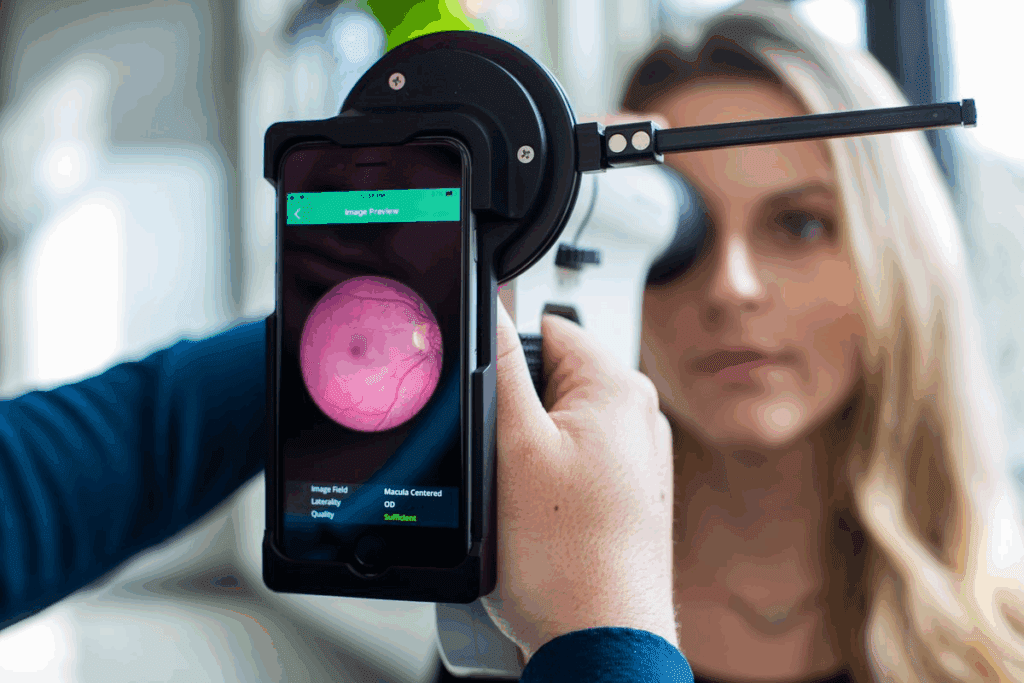
Diabetes can harm your vision, even leading to blindness if not managed well. Diabetic retinopathy is a serious issue that affects the blood vessels in the retina. This is the light-sensitive part at the back of the eye. It’s a major reason for vision loss in adults who are working age. Understanding the role of diabetic eye disease injections in preventing vision loss from diabetes. Focus on diabetic eye disease injections.
It’s key for people with diabetes to understand how it affects their eyesight. By knowing the risks and taking steps to prevent them, patients can lower their chance of losing their vision. We aim to help patients by sharing information on new treatments and support services.
Key Takeaways
- Diabetes can lead to blindness if not properly managed.
- Diabetic retinopathy is a significant complication of diabetes affecting the eyes.
- Early detection and timely treatment can prevent or slow vision loss.
- Understanding the risks and taking preventive measures is critical.
- Innovative treatments and support services are available for patients.
The Connection Between Diabetes and Vision Loss
It’s important to know how diabetes affects the eyes to prevent vision loss. Diabetes can harm the eyes over time. High blood sugar levels can damage the blood vessels in the retina, leading to diabetic eye conditions.
Diabetes damages the tiny blood vessels in the retina. This can cause problems from mild vision issues to severe vision loss. The retina is key for seeing, as it turns light into signals for the brain. Damage to the retina can lead to diabetic retinopathy.
How Diabetes Damages Eye Blood Vessels
High blood sugar levels can damage the blood vessels in the retina. This can block blood flow or cause fluid and blood to leak. The damage to these blood vessels is a key factor in the development of diabetic retinopathy, a condition that can lead to blindness if not treated.
Types of Diabetic Eye Conditions
There are several diabetic eye conditions to be aware of. The most common is diabetic retinopathy, which has two stages: NPDR and PDR.
- Nonproliferative diabetic retinopathy is the early stage, where the blood vessels in the retina become weakened and leaky.
- Proliferative diabetic retinopathy is the advanced stage, characterized by the growth of new, fragile blood vessels in the retina, which can lead to severe vision loss.
Other conditions include diabetic macular edema and cataracts. Diabetic macular edema causes vision distortion, and cataracts are more common and develop at a younger age in people with diabetes.
| Diabetic Eye Condition | Description | Potential Outcome |
|---|---|---|
| Nonproliferative Diabetic Retinopathy | Early stage, weakened blood vessels | Mild vision disturbances |
| Proliferative Diabetic Retinopathy | Advanced stage, new blood vessel growth | Severe vision loss |
| Diabetic Macular Edema | Fluid buildup in the macula | Vision distortion |
“Regular eye examinations are key for early detection of diabetic eye conditions. Understanding the link between diabetes and vision loss helps protect eye health.”
Managing diabetes well and getting regular eye check-ups can reduce vision loss risks. This is important for eye health.
Understanding Diabetic Retinopathy: The Leading Cause of Blindness
Diabetic retinopathy is a big worry for people with diabetes. It can lead to blindness if not treated right. It affects the blood vessels in the retina.
Anyone with type 1 or type 2 diabetes can get diabetic retinopathy. The risk goes up with how long you have diabetes and if your blood sugar is not well-controlled. Early detection and management are critical to preventing severe vision loss.
Background Retinopathy: The Early Silent Stage
Background retinopathy is the first sign of diabetic retinopathy. It often doesn’t show symptoms. In this stage, the blood vessels in the retina start to weaken.
Monitoring and controlling blood sugar levels are key in this stage. Regular eye exams can catch background retinopathy early.
| Stage | Characteristics | Symptoms |
|---|---|---|
| Background Retinopathy | Microaneurysms, small hemorrhages | Often asymptomatic |
| Proliferative Retinopathy | New blood vessel growth, vitreous hemorrhage | Vision loss, floaters |
Proliferative Retinopathy: When New Blood Vessels Form
Proliferative retinopathy is a more serious stage. It happens when new, fragile blood vessels grow in the retina. These can leak blood, causing vision loss.
Timely medical intervention is key to stop vision loss. Treatments like laser photocoagulation can help by destroying these bad blood vessels.
How Diabetic Retina Changes Progress Over Time
Diabetic retina changes can take years to show up. They often don’t cause symptoms until a lot of damage is done. Regular eye exams are important for catching these changes early.
The changes go from background retinopathy to more serious forms like proliferative retinopathy. Knowing about these changes helps manage the condition better.
Keeping blood sugar in check and going for regular eye exams can lower the risk of severe diabetic retinopathy.
The Alarming Statistics of Diabetic Eye Disease
Diabetes is on the rise, and so is diabetic eye disease. This condition can lead to blindness if not treated. The numbers are scary and show we need to know more and take action.
Prevalence in the United States
In the US, about 9.6 million people have diabetic retinopathy. Around 1.84 million have a version that can hurt their vision. This shows how big of a problem it is for health care and why regular checks are key.
Higher Risk Among Black and Hispanic Populations
Some groups face a bigger risk of diabetic retinopathy. Black and Hispanic populations are more likely to get it than others. This calls for special efforts to help these groups.
Global Impact
Worldwide, the problem is even bigger. About 103 million adults have diabetic retinopathy. As diabetes spreads, so will this issue. We need better eye care and ways to stop diabetes to tackle this.
Diabetic eye disease is a big health issue worldwide. Knowing about it helps doctors, leaders, and those at risk. It shows why we must be aware, prevent, and treat it early.
- Approximately 9.6 million people in the US have diabetic retinopathy.
- 1.84 million Americans have vision-threatening diabetic retinopathy.
- Globally, 103 million adults are affected by diabetic retinopathy.
Recognizing Symptoms Before Going Blind from Diabetes
It’s important to know the signs of diabetic retinopathy to avoid losing your sight. This condition can lead to blindness if not caught and treated early. We’ll look at the symptoms of diabetic retinopathy and other eye problems linked to diabetes.
Early Diabetic Retinopathy: Often Asymptomatic
In the beginning, diabetic retinopathy might not show any symptoms. This makes it key to get regular eye checks. Even without symptoms, the disease can quietly damage your eyes.
Diabetes and Blurry Eyesight: When Vision Changes Occur
As diabetic retinopathy gets worse, blurry vision is a common sign. This happens when fluid leaks from blood vessels in the retina, swelling it. Blurry vision is a sign you should see an eye doctor.
Diabetic Retinopathy Floaters: What They Look Like
Floaters are small spots that seem to float in your eyes. They’re caused by blood clots or debris in the eye’s gel. Seeing more floaters than usual could mean you have diabetic retinopathy.
Diabetes Red Eyes and Bloodshot Appearance
In later stages, diabetic retinopathy can make your eyes red and bloodshot. This is because of new, fragile blood vessels that bleed easily. Red eyes, along with blurry vision or floaters, mean you need to see an eye specialist right away.
| Symptom | Description | Possible Complication |
|---|---|---|
| Blurry Eyesight | Vision becomes blurry due to fluid leakage and retinal swelling. | Diabetic Macular Edema |
| Floaters | Small spots appearing to float in front of the eyes. | Vitreous Hemorrhage |
| Red Eyes | Eyes become red and bloodshot due to inflammation and new blood vessel growth. | Proliferative Diabetic Retinopathy |
Risk Factors for Developing Sight-Threatening Complications
Knowing the risk factors for sight-threatening complications is key to managing diabetes well. Several factors can increase the chance of severe diabetic retinopathy. Being aware of these can help protect your vision.
Duration of Diabetes: The Cumulative Effect
The longer you have diabetes, the higher your risk of diabetic retinopathy. Studies show that after 20 years, over 90% of type 1 diabetes patients and about 60% of type 2 patients will have retinopathy. This highlights the need for long-term management and regular checks.
Blood Sugar Control: The Most Important Factor
Keeping blood sugar levels in check is vital to prevent diabetic retinopathy from getting worse. High blood sugar can harm the retina’s blood vessels. It’s important to work with your healthcare team to manage your blood glucose.
Hypertension and Other Contributing Conditions
Hypertension, or high blood pressure, is a big risk factor for diabetic retinopathy. Other conditions like high cholesterol and kidney disease also increase the risk. Managing these conditions through lifestyle changes and medication is essential to lower the risk of serious vision problems.
Eye Pain and Diabetes: Warning Signs Not to Ignore
While diabetic retinopathy often starts without symptoms, some signs should not be ignored. Eye pain, vision changes, and seeing floaters are warning signs. If you experience these, seek medical help right away.
Key Risk Factors to Consider:
- Duration of Diabetes: Longer duration increases risk.
- Poor Blood Sugar Control: High blood sugar levels damage retinal blood vessels.
- Hypertension: High blood pressure makes diabetic retinopathy worse.
- Other Health Conditions: High cholesterol and kidney disease add to the risk.
Diagnosis and Screening to Prevent Diabetes Eyesight Loss
Early detection is key in treating diabetic retinopathy. Regular eye exams and advanced imaging help catch the disease early. This way, we can monitor its progress closely.
Comprehensive Eye Examinations: What to Expect
A thorough eye exam checks your eye’s health. It includes tests for visual acuity and a detailed look at the retina. During a dilated exam, eye care professionals use drops to widen your pupils. This lets them see the retina clearly for signs of diabetic retinopathy.
The exam might also include:
- Visual acuity tests to check your vision sharpness
- Tonometry to measure your eye pressure
- Retinal imaging, like fundus photography, to get detailed retina pictures
Advanced Imaging for BDR Ophthalmology Assessment
Advanced imaging, like optical coherence tomography (OCT), is vital for diabetic retinopathy diagnosis. OCT gives clear retina images. This helps doctors spot early signs of diabetic retinopathy.
These imaging methods help in:
- Finding early retinal changes linked to diabetic retinopathy
- Tracking the disease’s progress over time
- Checking if treatments are working
By using eye exams and advanced imaging, we can better manage diabetic retinopathy. This reduces the chance of vision loss in diabetic patients.
Diabetic Eye Disease Injections and Treatment Options
For those with diabetic eye disease, there are treatments to help keep your vision. Diabetic retinopathy can cause serious vision loss if not treated. Thanks to new medical tech, there are now effective treatments.
Anti-VEGF Injections: How They Preserve Vision
Anti-VEGF injections are used for diabetic macular edema and proliferative diabetic retinopathy. They stop new, weak blood vessels in the retina from growing. This reduces swelling and leakage, helping to keep your vision.
These injections are given in a doctor’s office. How often you get them depends on how bad your condition is and how well you respond. It’s important to keep up with regular check-ups to adjust your treatment as needed.
Diabetes Eye Operations: Laser and Surgical Interventions
Laser photocoagulation is a treatment for diabetic retinopathy. It uses laser burns to reduce swelling and stop new blood vessels. But, it can also damage some parts of the retina.
In severe cases, surgery like vitrectomy might be needed. This surgery removes the gel and blood in the eye. It helps restore vision and reduce damage to the retina. These surgeries are considered when other treatments fail or vision loss is significant.
Managing Complications After Treatment
After treatment for diabetic eye disease, it’s important to watch for complications. You might feel some discomfort, have high eye pressure, or see inflammation. Regular visits to your eye doctor are key to catch any issues early and adjust your treatment.
Also, keeping your blood sugar in check, managing high blood pressure, and following your treatment plan are vital. They help prevent complications and support your vision health in the long run.
How to Prevent Eye Damage from Diabetes
To prevent eye damage from diabetes, you need to manage your blood sugar, get regular eye checks, and live a healthy lifestyle. Knowing the risks of diabetic eye disease and acting early can help avoid serious vision problems.
Blood Sugar Management: The Foundation of Prevention
Keeping your blood sugar in check is key to avoiding diabetic retinopathy and other eye issues. Tight blood sugar control stops damage to blood vessels in the retina, lowering vision loss risk. Work with your doctor to create a plan for managing your blood sugar.
Staying within your blood sugar target range is possible with the right mix of medication, diet, and exercise. Regularly check your blood glucose levels and adjust your treatment as needed for effective blood sugar management.
Regular Screening Schedule Based on Risk Level
Regular eye exams are vital for catching diabetic eye disease early. How often you need an exam depends on your risk level, which considers your diabetes duration, blood sugar control, and other health issues. People with diabetes should get a full eye check at least once a year, or more often if their doctor suggests it.
A thorough eye exam looks closely at the retina and other eye parts. Tools like optical coherence tomography (OCT) help spot early diabetic retinopathy signs.
Lifestyle Modifications That Protect Your Vision
Managing blood sugar and getting regular eye exams are just the start. A healthy diet and regular exercise also play big roles in eye health. Eating lots of fruits, veggies, and omega-3s, and staying active, can help keep your eyes healthy.
Quitting smoking and drinking less alcohol are also key to protecting your vision. There are many resources to help you stop smoking.
Conclusion: Living with Diabetic Eye Disease
Living with diabetic eye disease means constant care and management. Diabetic retinopathy is serious, but with the right steps, vision loss can be lessened. Taking proactive measures helps protect your eyes and keeps your life quality high.
Managing diabetic retinopathy needs regular checks, controlling blood sugar, and timely treatments. It’s key to work with healthcare providers to create a care plan. This plan should include eye exams and advanced imaging to track the disease.
Being active in managing diabetic eye disease can greatly lower vision loss risks. We urge people to stay informed, follow their treatment plans, and seek help when needed. This ensures the best results for their vision.
FAQ
What is diabetic retinopathy and how does it affect vision?
Diabetic retinopathy is a diabetes complication that harms the retina’s blood vessels. It can cause severe vision loss if not treated. It’s a major reason for blindness in diabetics.
Can diabetes cause blindness, and how can it be prevented?
Yes, diabetes can lead to blindness if diabetic retinopathy is not caught and treated early. Regular eye checks, controlling blood sugar, and managing health conditions can prevent severe vision loss.
What are the symptoms of diabetic retinopathy, and how can it be detected early?
Early diabetic retinopathy often has no symptoms. But as it gets worse, symptoms like blurry vision, floaters, and red eyes may appear. Early detection is possible with regular eye exams and advanced imaging.
What are the risk factors for developing sight-threatening diabetic retinopathy?
Risk factors include how long you’ve had diabetes, poor blood sugar control, high blood pressure, and other health issues. Managing these factors is key to avoiding severe vision loss.
What treatment options are available for diabetic eye disease?
Treatments include anti-VEGF injections, laser treatments, and surgery like vitrectomy. The right treatment depends on the condition’s stage and severity.
How can eye damage from diabetes be prevented?
Preventing eye damage from diabetes means keeping blood sugar in check, getting regular eye screenings, and making healthy lifestyle choices like eating well and exercising.
What is the importance of regular eye exams in managing diabetic retinopathy?
Regular eye exams are vital for catching diabetic retinopathy early. They help doctors check the retina for any damage or changes caused by diabetes.
How does blood sugar management impact diabetic retinopathy?
Managing blood sugar well is key to stopping diabetic retinopathy from getting worse. High blood sugar can harm the retina’s blood vessels, leading to vision loss.
Can lifestyle modifications help protect vision in people with diabetes?
Yes, making healthy lifestyle choices like eating right, exercising, not smoking, and staying at a healthy weight can help protect vision. These choices help manage blood sugar and other health conditions.
What are diabetic retinopathy floaters, and what do they look like?
Diabetic retinopathy floaters are small spots that seem to float in front of your eyes. They’re caused by changes in the eye’s vitreous gel and can be a sign of diabetic retinopathy.
How does hypertension affect diabetic retinopathy?
High blood pressure can make diabetic retinopathy worse by putting more strain on the retina’s blood vessels. This increases the risk of vision loss.
References
https://my.clevelandclinic.org/health/diseases/8591-diabetic-retinopathy