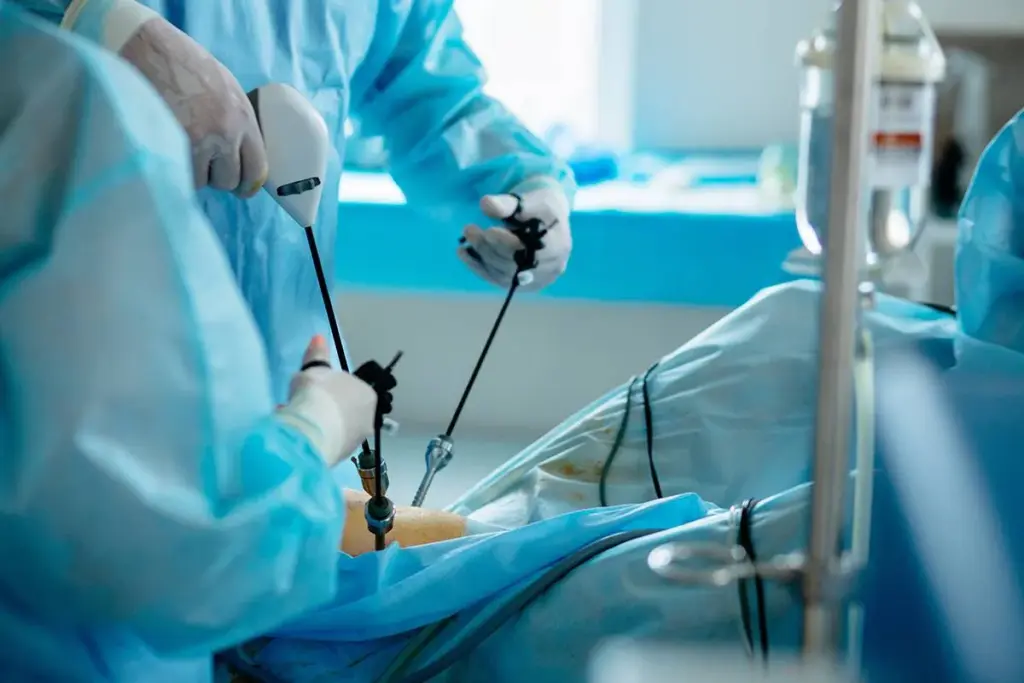
Having a laparoscopic surgery can feel scary, and worries about anesthesia are normal. Answering do they put you to sleep for a laparoscopy (yes, general anesthesia is typically required) and explaining laparoscopy anesthesia.
Did you know laparoscopic procedures are very common worldwide? We’ll look into laparoscopy anesthesia to help you know what to expect before and after.
We’ll explain the anesthesia options for laparoscopic surgery. We aim to ease your worries and help you prepare for a quick recovery.
Key Takeaways
- Types of anesthesia used for laparoscopic procedures
- What to expect during and after the surgery
- Comprehensive information for a smooth recovery
- Understanding the role of anesthesia in laparoscopic surgery
- Preparation tips for undergoing laparoscopic surgery
What is a Laparoscopy and Why is it Performed?
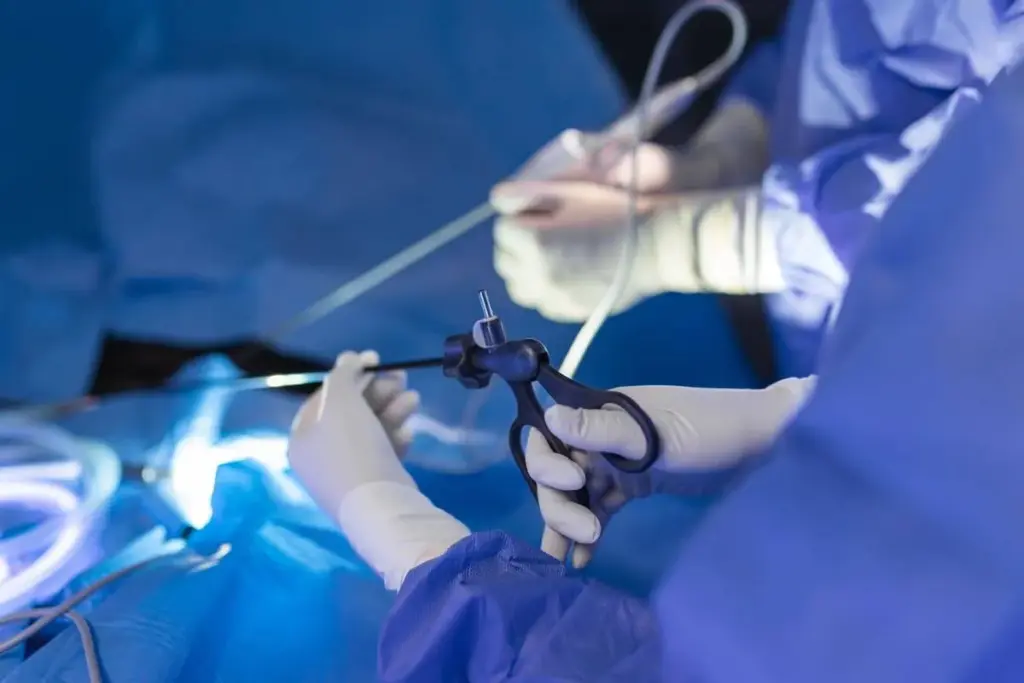
Laparoscopic surgery has changed how doctors operate. It uses small cuts and quick recovery times. This minimally invasive surgical technique involves small incisions in the belly. A laparoscope, a thin tube with a camera and light, is inserted.
Definition and Purpose of Laparoscopic Procedures
Laparoscopic procedures help diagnose and treat many health issues with little harm to the body. Surgeons use a laparoscope to see inside the body on a screen. This helps them make precise cuts.
This method is great for treating gallstones, endometriosis, and hernias. It aims to lessen the damage of traditional surgery. This leads to less pain, shorter hospital stays, and quicker recovery times. We use it to help our patients heal faster and better.
Common Types of Laparoscopic Surgeries
There are many types of laparoscopic surgeries. Each one treats different health problems. Here are a few:
- Cholecystectomy: This is when the gallbladder is removed, usually for gallstones.
- Hernia repair: It fixes hernias, where an organ bulges through a muscle or tissue gap.
- Myomectomy: This surgery removes uterine fibroids, which are non-cancerous growths in the uterus.
- Adnexal surgery: It deals with the female reproductive organs, like removing ovarian cysts.
These surgeries show how versatile laparoscopic surgery is. By choosing the right procedure, we can meet our patients’ specific needs.
Types of Anesthesia Used in Laparoscopy

Laparoscopy anesthesia techniques have evolved to include several options, each with its own benefits. The choice of anesthesia for laparoscopic procedures depends on various factors. These include the type of surgery, patient health, and surgeon preference.
General Anesthesia: The Most Common Choice
General anesthesia is the most frequently used anesthesia for laparoscopic procedures. It ensures that the patient remains completely comfortable and pain-free during the surgery. We use general anesthesia for most laparoscopic surgeries because it allows for better control of the patient’s airway and ensures immobility during the procedure.
Benefits of General Anesthesia:
- Complete pain relief during the procedure
- Controlled airway management
- Patient remains immobile during surgery
Regional Anesthesia Options
Regional anesthesia involves numbing a specific region of the body. For laparoscopic procedures, regional anesthesia is less common but may be considered in certain cases. It can offer advantages such as reduced postoperative pain and fewer side effects compared to general anesthesia.
Types of Regional Anesthesia:
|
Type |
Description |
Use in Laparoscopy |
|---|---|---|
|
Spinal Anesthesia |
Numbing the lower part of the body |
Less common, used for lower abdominal procedures |
|
Epidural Anesthesia |
Injecting anesthesia into the epidural space |
Rarely used alone for laparoscopic surgeries |
Local Anesthesia with Sedation
Local anesthesia with sedation is another option for some laparoscopic procedures. This approach involves numbing the area where the laparoscope is inserted and providing sedation to help the patient relax.
Advantages of Local Anesthesia with Sedation:
- Less invasive than general anesthesia
- Faster recovery time
- Reduced risk of certain complications
We consider local anesthesia with sedation for patients who are good candidates. It’s suitable for minor procedures. But, it’s not suitable for all types of laparoscopic surgeries.
Do They Always Put You to Sleep for a Laparoscopy?
General anesthesia is often used for laparoscopies. But, other options might be considered in some cases. The choice depends on the procedure type, the patient’s health, and the professional’s judgment.
When General Anesthesia is Necessary
General anesthesia is common for most laparoscopic surgeries. It keeps the patient comfortable and motionless during the procedure. This type of anesthesia helps control breathing and vital signs, which is key during surgery.
It’s needed for complex procedures or longer surgeries. It’s also preferred when the patient’s position could cause discomfort. Or when the surgery involves a lot of internal organ manipulation.
Circumstances Where Alternative Anesthesia May Be Used
For some procedures, alternative anesthesia methods might be used. For example, regional anesthesia or local anesthesia with sedation could be options. These alternatives can lead to quicker recovery and fewer risks compared to general anesthesia.
The choice of anesthesia depends on the patient’s medical history, the procedure’s nature, and the patient’s preferences. Our experienced anesthesiologists work with the surgical team. They aim to find the best anesthesia plan for each patient, following laparoscopy anesthesia guidelines.
Knowing what affects anesthesia choice for laparoscopy helps patients prepare better. Talking to their healthcare provider about options can lead to informed decisions about their care.
The Process of Laparoscopy Anesthesia Administration
The process of giving anesthesia for laparoscopy is all about making sure patients are comfortable and safe. It starts with a detailed check-up before the surgery. Then, we pick the right medicines and watch the patient closely during the surgery.
Medications Used in Laparoscopic Anesthesia
Choosing the right medicines for laparoscopic anesthesia depends on many things. These include the surgery type, the patient’s health, and the anesthesiologist’s choice. Common medicines are:
- Propofol for starting anesthesia
- Fentanyl for pain control
- Rocuronium for muscle relaxation
We pick and use these medicines carefully. This makes sure the patient is comfortable and safe during the surgery.
|
Medication |
Purpose |
Common Dosage |
|---|---|---|
|
Propofol |
Starts anesthesia |
2-3 mg/kg |
|
Fentanyl |
Controls pain |
1-2 mcg/kg |
|
Rocuronium |
Relaxes muscles |
0.6-1.2 mg/kg |
Monitoring During Anesthesia
We keep a close eye on the patient’s vital signs during the surgery. This includes heart rate, blood pressure, and oxygen levels. We also check how deep the anesthesia is to keep the patient comfortable and pain-free.
Our anesthesiologists use the latest tools to watch the patient’s body responses. They adjust the anesthesia as needed. This makes sure the surgery is safe and goes well.
What to Expect Before Your Laparoscopy
Knowing what to expect before your laparoscopy can make you feel less anxious. We’re here to guide you through every step. We want to make sure you’re safe and comfortable.
Pre-Surgery Consultations and Tests
Before your surgery, you’ll have to go through some steps. These include:
- Medical History Review: We’ll look at your medical history to spot any risks.
- Physical Examination: A detailed physical check will be done to see how you’re doing.
- Laboratory Tests: Blood tests and other tests will check your health.
- Imaging Tests: You might need tests like ultrasound or MRI to help plan your surgery.
Preparation Instructions and Fasting Requirements
We’ll give you all the details you need to prepare. This includes:
- Fasting Requirements: You’ll know when to stop eating and drinking before surgery. Usually, it’s a few hours.
- Medication Adjustments: We might change or stop some medicines that could affect the surgery.
- Pre-Operative Care: You’ll get advice on how to take care of yourself before surgery, like hygiene tips.
It’s important to follow these instructions closely. This helps ensure a good surgery and recovery. If you have any questions, our team is here to help.
The Day of Surgery: From Arrival to Anesthesia
When you arrive for your laparoscopic surgery, our team is ready to help. We know this day is important and might feel scary. We aim to make it as easy and worry-free as we can.
Check-in Procedures
First, you’ll start with the check-in. This is where we confirm who you are and your surgery details. Our staff will help you with the paperwork and get you ready.
Meeting Your Anesthesia Team
Next, you’ll meet your anesthesia team. They’ll talk about your health history and any past experiences with anesthesia. This is your chance to ask any questions about the anesthesia.
The Anesthesia Induction Process
In the operating room, the anesthesia process starts. Our team will give you the anesthesia, making sure you’re comfortable and safe. General anesthesia is common for laparoscopic surgeries, so you’ll be asleep during the surgery.
We watch your vital signs closely during the induction. Our advanced equipment tracks your heart rate, blood pressure, and oxygen levels. This ensures a smooth transition into anesthesia.
|
Step |
Description |
Responsible Team |
|---|---|---|
|
Check-in |
Confirming patient identity and surgery details |
Administrative Staff |
|
Pre-Anesthesia Consultation |
Discussing medical history and anesthesia options |
Anesthesia Team |
|
Anesthesia Induction |
Administering anesthesia and monitoring vital signs |
Anesthesia Team |
Our team is dedicated to your care on surgery day. We want your experience, from start to finish, to be as comfortable and stress-free as possible.
What Happens While You’re Under Anesthesia
Anesthesia during laparoscopy is carefully watched and managed. This keeps you comfortable and safe during the surgery.
Monitoring Vital Signs and Depth of Anesthesia
Our anesthesiologists watch your vital signs closely. They check your heart rate, blood pressure, and oxygen levels. They use advanced tools to track these in real-time, making quick changes if needed.
Depth of anesthesia monitoring is key to keep you asleep and pain-free. We use special monitors to check how deep you are under anesthesia. This helps us adjust the anesthetic as needed.
Managing Pain and Other Physiological Responses
Managing your pain during surgery is our main goal. Our team is ready to handle any reactions to the surgery, like pain or changes in heart rate.
We use different anesthetic methods and medicines to control pain and keep your vital signs stable. This might include analgesics, anesthetic gases, or other drugs based on your needs and health history.
- Continuous monitoring of vital signs
- Adjustments to anesthesia depth as needed
- Proactive management of pain and physiological responses
Waking Up: The Recovery Room Experience
Waking up in the recovery room can feel strange, but don’t worry. Our skilled healthcare team is there to help you. They will watch over you as you wake up from the anesthesia.
Immediate Post-Anesthesia Care
In the recovery room, we focus on your comfort and safety. We keep an eye on your heart rate, blood pressure, and oxygen levels. This ensures you’re recovering well.
Key aspects of immediate post-anesthesia care include:
- Monitoring your vital signs
- Managing any pain or discomfort
- Addressing any nausea or other side effects
- Ensuring you’re comfortable and able to breathe easily
When you wake up, you might feel a bit fuzzy or disoriented. But this feeling usually goes away quickly. Our team will be there to support and reassure you.
Common Sensations and Side Effects
After your surgery and anesthesia, you might feel some things. These can include:
|
Sensation/Side Effect |
Description |
Typical Duration |
|---|---|---|
|
Grogginess |
Feeling drowsy or disoriented |
A few hours |
|
Pain or discomfort |
Mild to moderate pain at the surgical site |
Several days |
|
Nausea |
Feeling queasy or experiencing vomiting |
A day or less |
One patient said, “The recovery room staff were very attentive and made sure I was comfortable. They explained everything that was happening, which really helped reduce my anxiety.”
“The care I received in the recovery room was exceptional. The nurses were kind, knowledgeable, and made sure I was recovering well.”
We know everyone’s experience is different. We’re dedicated to giving you the care you need, tailored to your specific situation.
Potential Risks and Complications of Laparoscopy Anesthesia
It’s important to know the risks and complications of laparoscopy anesthesia. This knowledge helps keep patients safe and informed. Even though laparoscopy anesthesia is usually safe, there are risks.
Rare but Serious Complications
Though rare, serious complications can happen. These include allergic reactions to the anesthesia, breathing problems, and heart issues. Nerve damage and a severe reaction called malignant hyperthermia are also possible.
- Allergic reactions to anesthesia medications
- Respiratory problems, such as difficulty breathing or aspiration
- Cardiac issues, including changes in heart rate or blood pressure
- Nerve damage, resulting in numbness or tingling
- Malignant hyperthermia, a severe reaction to certain anesthesia medications
Risk Factors That May Increase Complications
Some factors can make complications more likely. These include being older, having heart or lung disease, being obese, smoking, and having had bad reactions to anesthesia before.
We do everything we can to avoid these risks and keep patients safe. Knowing about these risks helps patients prepare and make good choices about their care.
Special Considerations for Different Patient Groups
Laparoscopy anesthesia must be customized for each patient. This is because different groups, like the elderly, those with chronic conditions, and pregnant women, have special needs. These needs are important to consider when planning anesthesia for laparoscopy.
Anesthesia for Elderly Patients
Elderly patients face unique challenges during laparoscopic surgery. Their age can affect their health, making it important to assess their overall condition. Age-related factors include decreased physical strength, possible heart and lung issues, and changes in how drugs are processed.
Considerations for Patients with Chronic Conditions
Patients with long-term health issues, like diabetes or high blood pressure, need careful management before, during, and after surgery. We work closely with these patients to improve their health and reduce surgery risks. This might mean adjusting their medications, monitoring their health closely during surgery, and providing post-surgery care that meets their specific needs.
Pregnancy and Laparoscopy Anesthesia
Pregnant women undergoing laparoscopy face special challenges. We consider the pregnancy stage, the patient’s health, and how anesthesia might affect both the mother and the fetus. We plan laparoscopy carefully and administer anesthesia with great care to protect both the mother and the baby.
By focusing on these factors and tailoring our approach, we can provide safe and effective anesthesia for a wide range of patients.
Managing Pain After Laparoscopic Surgery
Laparoscopic surgery is less invasive but needs careful pain management after. Good pain control helps with a smooth recovery and avoids complications.
Immediate Post-Operative Pain Management
Right after surgery, our medical team handles pain management. They use various methods to keep patients comfortable.
- Multimodal Analgesia: We mix different pain meds to manage pain well, avoiding overuse of one.
- Regional Anesthesia: Local blocks or regional anesthesia can cut down on pain right after surgery.
- Monitoring: We watch patients closely for pain signs and adjust as needed.
At-Home Pain Control Strategies
After going home, patients must keep managing their pain. Here are some tips we suggest:
- Pain Medication: We guide on using pain meds, including how much and when.
- Rest and Activity Modification: Resting and doing gentle activities helps manage pain and healing.
- Follow-up Care: Regular check-ups are key to see how recovery is going and adjust pain plans if needed.
It’s also vital for patients to know when to seek help for severe pain, fever, or other serious signs.
By using these pain management tips, patients can feel better faster and get back to their daily life sooner.
Advances in Minimally Invasive Surgery Anesthesia
The field of laparoscopic anesthesia is seeing big changes. These changes are making surgery better and safer for patients. They help make surgeries shorter and less painful.
Modern Approaches to Minimize Side Effects
Today’s laparoscopic anesthesia uses new methods to cut down on side effects. These methods include:
- Targeted Anesthesia: This method gives patients just the right amount of anesthesia.
- Multi-modal Pain Management: It uses different ways to manage pain, reducing opioid use.
- Advanced Monitoring Systems: These systems keep track of patients’ vital signs and anesthesia levels in real-time.
These new methods make surgery safer and more efficient for everyone.
Questions to Ask Your Doctor About Laparoscopy Anesthesia
Talking to your doctor about anesthesia for laparoscopy is very important. Knowing about your anesthesia options can make a big difference in your surgery and recovery. We’ll help you with the key questions to ask your doctor to get ready.
Before Surgery: Important Anesthesia Questions
Before your laparoscopy, it’s important to talk to your anesthesiologist or doctor. Here are some important questions to ask:
- What type of anesthesia is recommended for my procedure?
- Why is this type of anesthesia chosen for my specific case?
- What are the possible risks and side effects of this anesthesia?
- How will my pain be managed during and after the surgery?
- Are there any other anesthesia options available?
Asking these questions can help you know what to expect. It also lets you make informed choices about your care.
Understanding Your Personal Anesthesia Plan
Every patient is different, and your anesthesia plan will be made just for you. It will consider your health, the type of laparoscopic procedure, and other factors. Here are more questions to help you understand your anesthesia plan:
|
Question |
Purpose |
|---|---|
|
What medications will be used for my anesthesia? |
To understand the drugs involved and their possible side effects. |
|
How will my vital signs be monitored during the procedure? |
To make sure you know how your safety will be ensured. |
|
What can I expect during the recovery from anesthesia? |
To prepare you for what to expect after the anesthesia and any possible discomfort. |
Understanding your anesthesia plan can help calm your worries. It can also make your surgery smoother.
By asking the right questions and understanding your anesthesia plan, you can feel more confident and ready for your laparoscopy. Remember, talking openly with your healthcare team is key to a good outcome.
Conclusion
Laparoscopy anesthesia is key to making sure patients are comfortable and safe during surgery. We’ve talked about the different types of anesthesia, how it’s given, and the possible risks. This information helps patients understand what to expect.
Our team is all about giving you the best care and support during your surgery. Knowing about laparoscopy anesthesia helps you get ready for your procedure. We want to make sure you have the best results, whether it’s a simple check-up or a bigger surgery.
To wrap it up, laparoscopy anesthesia is a big part of modern surgery. Our team is here to help you every step of the way. We hope this info has helped you get ready for your surgery. And we’re excited to support you as you recover.
FAQ
What type of anesthesia is typically used for laparoscopic surgery?
General anesthesia is the most common choice for laparoscopic surgeries. It makes sure the patient is comfortable and pain-free during the procedure.
Will I be put to sleep for a laparoscopy?
Yes, most laparoscopic procedures are done under general anesthesia. This means you will be asleep during the surgery.
Are there any alternative anesthesia options for laparoscopy?
Yes, regional anesthesia and local anesthesia with sedation are options in some cases. They depend on the patient’s needs and the type of procedure.
How is pain managed during and after laparoscopic surgery?
Our anesthesiologists monitor your vital signs and manage pain during the procedure. After surgery, we help with at-home pain control. This includes medication options and lifestyle adjustments.
What are the possible risks and complications of laparoscopy anesthesia?
Common side effects include grogginess, pain, and nausea. Rare but serious complications can also happen. Risk factors like chronic conditions or pregnancy may increase these risks.
How do I prepare for laparoscopy anesthesia?
You’ll need to attend pre-surgery consultations and undergo tests. You’ll also need to follow preparation instructions. This includes fasting requirements and medication adjustments.
What can I expect on the day of my laparoscopic surgery?
You’ll go through check-in procedures and meet with your anesthesia team. You’ll then undergo the anesthesia induction process. Our team will guide you through what to expect.
Are there special considerations for different patient groups?
Yes, elderly patients, those with chronic conditions, and pregnant women need special considerations. These ensure their safety and comfort during laparoscopy anesthesia.
What questions should I ask my doctor about laparoscopy anesthesia?
It’s important to ask about your personal anesthesia plan. You should also ask about the type of anesthesia, risks, and what to expect during recovery.
How is laparoscopy anesthesia administered?
Laparoscopy anesthesia administration involves a thorough pre-anesthesia assessment. It also includes careful selection of medications and close monitoring during the procedure. This ensures your safety and comfort.
Nature. Evidence-Based Medical Insight. Retrieved from https://www.nature.com/articles/s41598-020-80130-6