
Answering does weather affect arthritis pain, focusing on the role of barometric pressure changes and joint fluid.
For those with chronic pain, weather changes can be more than just annoying. Many say their pain gets worse before a storm or when barometric pressure changes suddenly.
At Liv Hospital, we know how weather and arthritis pain are linked. Recent studies show that barometric pressure changes can affect arthritis symptoms. This confirms what many patients have experienced.
By looking into the science behind this link, we can learn how to handle arthritis pain better.
Key Takeaways
- Changes in barometric pressure can impact arthritis pain.
- Research supports the connection between weather-related symptom fluctuations and arthritis.
- Understanding environmental triggers is key for managing pain.
- Liv Hospital offers trusted medical advice and care for arthritis.
- Creating a personalized pain management plan can ease symptoms.
The Weather-Arthritis Connection: An Overview
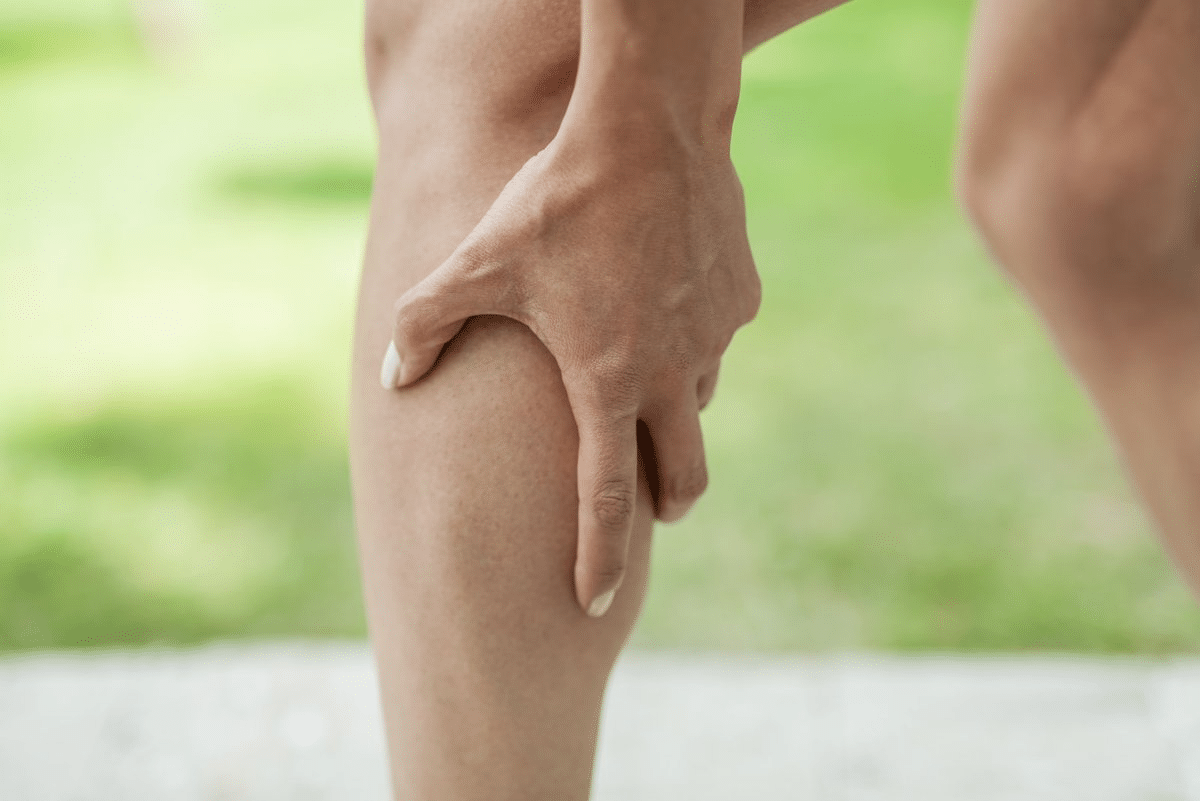
Many people with arthritis believe that weather changes make their symptoms worse. This idea has been around for centuries. They often notice that their pain gets better or worse with the weather.
To grasp the link between weather and arthritis, we must look at barometric pressure. This is the air’s weight on Earth’s surface. It shifts with the weather, affecting our bodies in different ways.
What is Barometric Pressure?
Barometric pressure is measured in millibars or inches of mercury. When it drops, air pressure is lower, often before a storm. High pressure usually means clear skies. Studies suggest that these pressure changes can make joint pain worse for those with arthritis.
Common Weather-Related Complaints Among Arthritis Patients
Arthritis patients often say their symptoms get worse in certain weather. They might feel more pain in cold weather or when humidity changes. Some also notice their symptoms get worse before a storm, possibly because of the dropping barometric pressure.
- Increased pain during cold weather
- Stiffness and discomfort with changes in humidity
- Exacerbated symptoms before a storm, potentially due to dropping barometric pressure
Many studies have found that weather changes can impact arthritis symptoms. For example, a study in the Journal of Rheumatology found that temperature and barometric pressure changes can increase pain in osteoarthritis patients.
Understanding how weather affects arthritis can help patients and doctors manage symptoms better. By knowing how weather changes might impact their pain, people with arthritis can take steps to feel better and live better lives.
Understanding Arthritis and Its Symptoms

For people with arthritis, weather changes can make symptoms worse. Arthritis causes inflammation in joints, leading to pain, stiffness, and swelling. The main types are osteoarthritis (OA), rheumatoid arthritis (RA), and psoriatic arthritis.
Many with rheumatic disorders say weather affects their symptoms. This shows why we need to know which arthritis types are most weather-sensitive.
Types of Arthritis Most Affected by Weather Changes
Osteoarthritis is very common and often feels the weather’s impact. The wear and tear on joints gets worse with weather changes. Rheumatoid arthritis, an autoimmune disease, can also be affected by weather, with symptoms worsening in certain conditions.
Primary Symptoms That Fluctuate with Weather
The main symptoms that change with the weather are joint pain, stiffness, and swelling. Changes in pressure can irritate nerves and cause pain. Cold weather makes joints stiffer and more painful.
Knowing how symptoms change with the weather is key to managing arthritis. By understanding these patterns, people can take steps to lessen their symptoms.
Does Weather Affect Arthritis? The Scientific Evidence
Exploring the link between weather and arthritis is key. Scientific studies have uncovered how weather affects arthritis symptoms. This gives us valuable insights into this complex relationship.
The American Journal of Medicine Study on Knee Osteoarthritis
A study in The American Journal of Medicine looked at 200 people with knee osteoarthritis. It found that higher barometric pressure and colder temperatures increase pain. This shows how weather changes can worsen arthritis symptoms.
“Increases in barometric pressure and colder ambient temperatures were associated with greater pain severity in patients with knee osteoarthritis.”
Smartphone Technology Research from 2019
In 2019, research used over 2,600 participants and smartphone data. It found links between pain and humidity, pressure, and wind speed. This new method gave us real-time views on how weather impacts arthritis.
|
Weather Factor |
Correlation with Arthritis Pain |
|---|---|
|
Higher Humidity |
Modest positive correlation |
|
Lower Atmospheric Pressure |
Significant correlation with pain events |
|
Increased Wind Speed |
Associated with higher pain reports |
Meta-Analysis of 14 Weather-Related Arthritis Studies
A meta-analysis of 14 studies found a link between weather and arthritis pain. It showed that weather changes can affect arthritis symptoms. But, the impact can differ from person to person.
The science backs up the connection between weather and arthritis symptoms. Knowing this helps people with arthritis manage their symptoms better, no matter the weather.
How Barometric Pressure Changes Affect Joint Tissues
It’s important to know how barometric pressure changes affect joint tissues. This knowledge helps manage arthritis symptoms better. We’ll look at how changes in atmospheric pressure impact joint health, causing more pain and discomfort.
Pressure Differentials Between Joints and the Atmosphere
The human body works best under normal atmospheric conditions. But, changes in barometric pressure can create pressure differences. When pressure drops, the body’s internal joints expand slightly.
This expansion can stress the nerves around the joints, causing pain and discomfort.
To show this, let’s look at a table comparing barometric pressure levels and their effects on joint tissues:
|
Barometric Pressure Level |
Effect on Joint Tissues |
Potential Symptoms |
|---|---|---|
|
High Pressure |
Contraction of tissues |
Stiffness, reduced mobility |
|
Normal Pressure |
Stable tissue environment |
Minimal symptoms |
|
Low Pressure |
Expansion of tissues |
Pain, swelling, increased sensitivity |
Expansion and Contraction of Joint Tissues
The expansion and contraction of joint tissues is like a balloon filling with air. When pressure drops, the balloon expands. When it rises, it contracts. Joint tissues do the same, irritating nerves and causing pain.
This is more of a problem for people with arthritis. Their joints are already inflamed and sensitive.
Understanding these mechanisms helps us see why some people with arthritis feel more pain in certain weather. This knowledge can help manage symptoms and improve life quality.
Osteoarthritis and Weather Sensitivity
Many people with osteoarthritis (OA) wonder if the weather affects their pain. OA is a disease that makes joints hurt and stiff. It mainly hits the hands, knees, hips, and spine.
Research shows that about half to two-thirds of people with OA feel their symptoms change with the weather. They often blame changes in air pressure and temperature.
Clinical Evidence for Barometric Effects on Osteoarthritis
Studies have found that air pressure changes can make OA symptoms worse. A study in the American Journal of Medicine linked knee OA pain to air pressure changes. It’s not clear how, but it might have to do with pressure differences between joints and the air.
Key findings from clinical studies include:
- Increased pain and stiffness in OA patients with changes in barometric pressure
- Variability in patient responses to different weather conditions
- The cold weather can make OA symptoms worse
Joint-Specific Responses in Osteoarthritis Patients
OA affects different joints in different ways. Weather sensitivity also varies among patients. For example, knee OA patients might feel more pain in cold weather. Hip OA patients might feel more pain with air pressure changes.
Understanding these variations is key to managing OA. By tracking how weather affects their pain, patients can prepare better. This helps them manage their symptoms when the weather changes.
Some patients find it helpful to use weather journals or apps. These tools help them track weather changes and their symptoms. This proactive approach helps them find specific weather triggers and ways to lessen their impact.
Rheumatoid Arthritis and Atmospheric Pressure
Changes in atmospheric pressure can make pain and inflammation worse for people with rheumatoid arthritis. This chronic autoimmune disorder attacks the lining of joints, causing inflammation and pain. Weather changes can make symptoms worse.
Inflammatory Responses to Weather Changes
People with RA often feel stiffer and more painful in cold, damp weather. Research shows that changes in atmospheric pressure can lead to inflammatory responses in RA patients. When pressure drops, joints can expand, causing pain.
Cold weather can also make RA symptoms worse. It causes muscles and blood vessels to constrict, reducing blood flow to joints. This can make joints stiffer and more painful. Humidity can also affect joints, with some patients feeling worse in humid conditions.
Differences Between Rheumatoid and Osteoarthritis Weather Sensitivity
Both rheumatoid and osteoarthritis patients are sensitive to weather, but they react differently. Osteoarthritis is more about joint wear and tear. RA, on the other hand, is an autoimmune condition with a lot of inflammation.
Studies show RA patients are more sensitive to weather changes than osteoarthritis patients. This is because RA affects not just joints but also the immune system. Knowing these differences helps in managing each condition better.
The Role of Temperature and Humidity in Arthritis Pain
Barometric pressure gets a lot of talk when it comes to arthritis. But temperature and humidity also have big roles. Changes in these can affect joints and make arthritis symptoms worse.
Cold Weather Effects on Joint Fluid and Mobility
Cold weather can really affect joints with arthritis. “Cold temperatures can make the fluid in your joints thicker,” a study says. This makes joints stiffer and more painful.
This thicker fluid also makes it harder to move your joints. Doing everyday things can become tougher in the cold.
Humidity’s Impact on Inflammation and Swelling
High humidity can also make arthritis symptoms worse. Moist air can cause inflammation and swelling in joints. This is true for people with rheumatoid arthritis, where it can make symptoms worse.
When humidity goes up, the body holds onto more fluid. This can make joints swell more. Swelling puts more pressure on sensitive joints, making pain and discomfort worse.
Combined Effects of Multiple Weather Factors
Weather factors don’t usually happen alone. Changes in temperature, humidity, and pressure can all affect arthritis symptoms. For example, cold weather with high humidity can make joints stiffer and more painful.
Knowing how these factors work together can help people with arthritis manage their symptoms better. By watching the weather and understanding how it affects them, they can take steps to avoid flare-ups.
Key Takeaways:
- Cold weather can thicken joint fluid, reducing mobility and increasing pain.
- High humidity can lead to increased inflammation and swelling.
- Multiple weather factors can combine to affect arthritis symptoms.
By understanding the impact of temperature and humidity on arthritis pain, people can find better ways to manage their symptoms. This helps them deal with changes in the weather.
Individual Variations in Weather Sensitivity
Weather can affect arthritis symptoms differently for everyone. Some people feel more pain when the weather changes. This is a complex issue that scientists are studying a lot.
Why Two-Thirds of Arthritis Patients Report Weather Sensitivity
About two-thirds of people with arthritis say their symptoms get worse with weather changes. This shows that some people are more likely to feel the effects of weather. It seems that genetics might play a big part in this.
Some people might have genes that make them more sensitive to weather. Others might be better at feeling their body’s internal signals. This could also affect how weather changes impact their arthritis.
Genetic and Physiological Factors in Weather Response
Genetics can make some people more sensitive to weather. It can affect how the body reacts to inflammation and joint health. For example, some genes might make inflammation worse in certain weather, making symptoms worse.
Physiological factors like joint structure and nerve sensitivity also play a role. Knowing these factors helps doctors create better plans for managing symptoms.
By understanding these factors, doctors can give more specific advice. This can help people with arthritis manage their symptoms better, improving their life quality.
Tracking Your Symptoms: Weather Journals and Apps
Tracking symptoms with weather changes helps manage arthritis well. By watching pain patterns and weather, people can understand their condition better. This helps them make smart choices about treatment.
Documenting Personal Weather-Related Pain Patterns
Keeping a pain journal is a simple yet effective way to track arthritis symptoms in relation to weather changes. By documenting pain levels, activities, and weather conditions, individuals can identify patterns that may not be immediately apparent. This information can be invaluable in managing symptoms and preparing for weather-related flare-ups.
A study in the Journal of Rheumatology showed that patients who kept a pain journal managed their symptoms better. They also reported a better quality of life.
“By tracking their symptoms, patients can gain a better understanding of their condition and make more informed decisions about their care.”
Technology Tools for Monitoring Weather Sensitivity
In today’s digital age, many apps and digital tools help track symptoms and weather sensitivity. These tools offer personalized insights and reminders, making it easier to manage arthritis symptoms. Some popular options include pain management apps like PainScale and weather tracking apps like Dark Sky.
|
Tool |
Description |
Benefits |
|---|---|---|
|
Pain Management Apps |
Apps designed to track pain levels, medication, and activities. |
Helps identify patterns, provides reminders for medication and activities. |
|
Weather Tracking Apps |
Apps that provide detailed weather forecasts and alerts. |
Enables preparation for weather changes, offers real-time weather updates. |
|
Digital Journals |
Electronic versions of pain journals that can be accessed on smartphones or computers. |
Convenient, accessible from multiple devices, can include photos and notes. |
By using these tools and techniques, people with arthritis can manage their symptoms better.
Managing Arthritis Pain During Barometric Pressure Changes
Changes in barometric pressure can make arthritis symptoms worse. But, there are ways to lessen this impact. By using different management techniques, people with arthritis can feel less pain and live better lives.
Preventative Measures Before Weather Shifts
To manage arthritis pain, it’s key to take steps before the weather changes. Knowing when the weather will change helps people prepare. This can help lessen the effect on their joints.
- Monitor weather forecasts regularly
- Stay warm and dress in layers to maintain body heat
- Engage in gentle exercises like yoga or swimming to keep joints mobile
- Consider using heating pads or warm baths to relax muscles and joints
These steps can help reduce the impact of barometric pressure changes on arthritis symptoms.
Immediate Relief Strategies During Barometric Fluctuations
Having quick relief strategies ready is important when barometric pressure changes happen. These strategies can help ease pain and discomfort.
Heat and Cold Therapy: Using heat or cold packs on joints can help. Heat, like warm baths or pads, relaxes muscles and boosts blood flow. Cold can cut down inflammation.
Medication Management: For some, changing their medication before or during weather changes can help. Always talk to a healthcare provider about the best plan.
Long-term Management Approaches
Managing arthritis long-term means making lifestyle changes, using medical treatments, and trying alternative therapies. Keeping a healthy weight, for example, can ease joint strain.
|
Management Approach |
Description |
Benefits |
|---|---|---|
|
Lifestyle Adjustments |
Making changes such as maintaining a healthy weight and engaging in regular, gentle exercise |
Reduces strain on joints, improves overall health |
|
Medical Treatments |
Using medications and other medical interventions as prescribed by a healthcare provider |
Can reduce pain and inflammation, slow disease progression |
|
Alternative Therapies |
Exploring options like acupuncture, massage, or physical therapy |
Can provide additional pain relief and improve joint function |
By using a full management plan, people with arthritis can handle the challenges of barometric pressure changes better.
Contradictory Studies and Scientific Debate
Research on weather and arthritis pain shows mixed results, leading to ongoing debate. Many people say weather changes make their pain worse. But not all studies agree with this.
Research Challenging the Weather-Arthritis Connection
Some studies found no link between weather and joint pain in osteoarthritis patients. For example, a big study in the Journal of Rheumatology showed weather didn’t predict pain in knee osteoarthritis.
Another study using a mobile app found similar results. It suggested that the link between weather and arthritis symptoms might be influenced by other things, like mood or how active someone is.
Methodological Challenges in Studying Weather Effects
Measuring weather and arthritis symptoms accurately is hard. Weather includes many factors like temperature and humidity. These can change a lot in a short time.
Arthritis symptoms are also hard to measure because they can be affected by many things. This includes medication, how active someone is, and other health issues. It’s tough to study how weather affects arthritis symptoms because of these complexities.
Future Research Directions
To understand weather and arthritis better, we need new research methods. This could include:
- Using wearable devices and mobile apps to track weather and symptoms in real-time
- Doing bigger, more diverse studies to capture how different people react to weather
- Looking into specific weather factors and how they might trigger arthritis symptoms
By tackling these challenges, we can learn more about how weather affects arthritis. This will help doctors and patients manage symptoms better when the weather changes.
Conclusion: Living Well with Arthritis Despite Weather Changes
Understanding how weather affects arthritis pain is key. It lets people with arthritis take steps to feel better. Knowing how changes in air pressure impact joints helps in managing pain.
There are many ways to fight weather-related arthritis pain. Staying active, keeping a healthy weight, and tracking symptoms with technology are helpful. Together, we can create plans to better handle pain, improving our overall health.
Research is ongoing to understand why some people with arthritis feel more pain in certain weather. But, we already know a lot that helps us manage symptoms. By using medical knowledge and self-care, we can handle weather changes better.
Dealing with arthritis means using medicine, making lifestyle changes, and being aware of our bodies. This approach helps us manage symptoms and live well, no matter the weather.
FAQ
Does barometric pressure affect arthritis pain?
Yes, many people with arthritis say that changes in barometric pressure can make their symptoms worse. This includes pain and stiffness.
How does barometric pressure affect arthritis?
Changes in barometric pressure can make joint tissues expand and contract. This leads to pain and discomfort for people with arthritis.
What types of arthritis are most affected by weather changes?
Osteoarthritis and rheumatoid arthritis are often affected by weather changes. This includes changes in barometric pressure, temperature, and humidity.
Can temperature and humidity affect arthritis pain?
Yes, cold weather can make joint fluid thicker. This reduces mobility and increases pain. High humidity can also make inflammation and swelling worse.
Why do some people with arthritis experience more weather-related pain than others?
Genetic and physiological factors can make some people more sensitive to weather changes. This includes changes in barometric pressure, temperature, and humidity.
How can I track my arthritis symptoms in relation to weather changes?
Keeping a weather journal or using a mobile app can help. They can help you document your personal weather-related pain patterns and identify triggers.
Are there any effective strategies for managing arthritis pain during barometric pressure changes?
Yes, staying active and maintaining a healthy weight can help. Using medication as prescribed can also alleviate symptoms. Applying heat or cold packs can provide temporary relief.
Is there a scientific consensus on the relationship between weather and arthritis?
There is evidence supporting the connection between weather changes and arthritis symptoms. But, there is ongoing debate and some contradictory studies. This highlights the need for further research.
Can arthritis be affected by changes in atmospheric pressure?
Yes, changes in atmospheric pressure can affect arthritis symptoms. This is true for people with osteoarthritis and rheumatoid arthritis.
Does humidity affect osteoarthritis?
High humidity can make inflammation and swelling worse in osteoarthritis. This contributes to increased pain and discomfort.
How can I reduce the impact of weather-related pain on my daily life?
By understanding your personal weather-related pain patterns, you can take preventative measures. Using effective management strategies can also help. This can reduce the impact of weather-related pain and improve your overall well-being.
References
Government Health Resource. Evidence-Based Medical Guidance. Retrieved from https://www.jrheum.org/content/31/1/1