
Addressing how long does arthritis pain last (chronic) versus the shorter, acute duration of a pain flare-up.
Living with arthritis means dealing with unpredictable flares. These are times when pain and inflammation get worse and mess up your day.
At Liv Hospital, we know each patient is different. We give them care that fits their arthritis type and situation. Studies show that arthritis flares can last different lengths of time. This depends on the disease and the person.
For rheumatoid arthritis, flares can last from one day to two weeks or even longer if not treated. Knowing how long these episodes last is key to managing the disease better and improving life quality.
Key Takeaways
- Arthritis flares can vary significantly in duration based on the type of arthritis and individual factors.
- Rheumatoid arthritis flares can last from one day to two weeks or more if untreated.
- Personalized care is essential for managing arthritis effectively.
- Understanding flare duration helps in developing effective treatment plans.
- Liv Hospital provides tailored, evidence-based care for patients with various types of arthritis.
Understanding Arthritis Pain and Flares
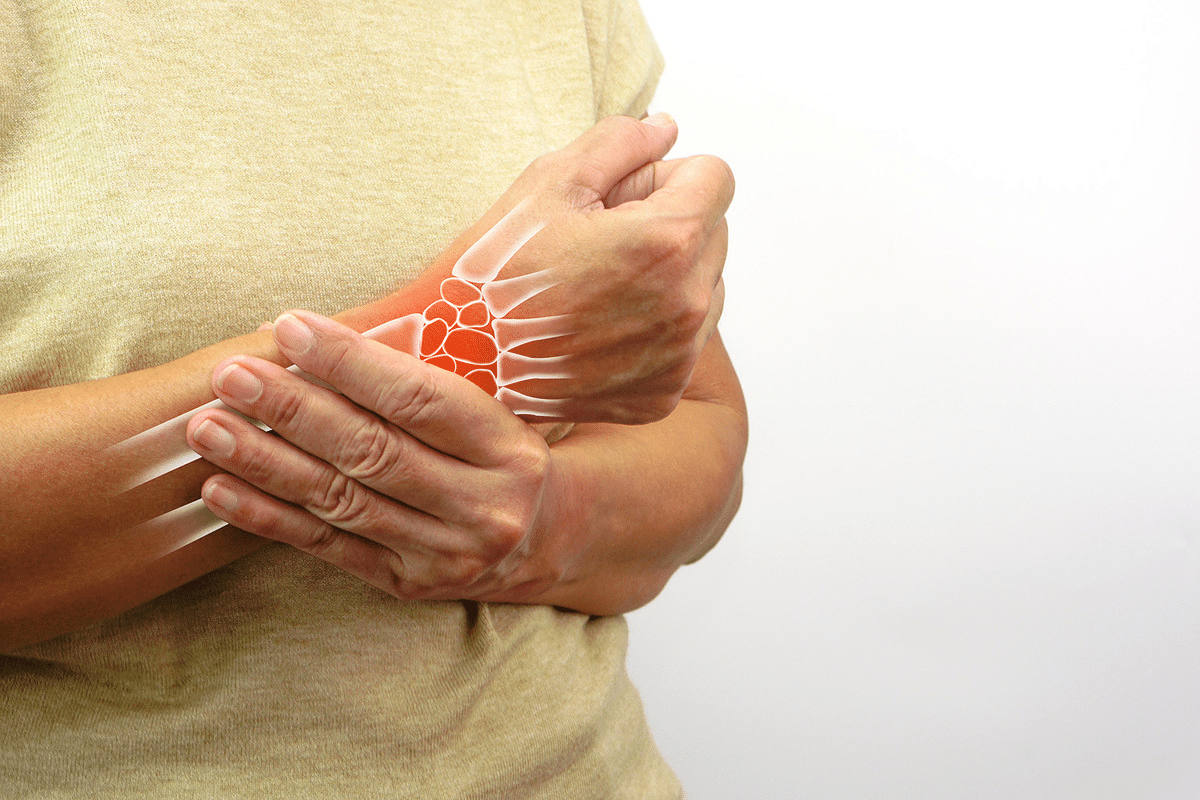
It’s key to grasp the details of arthritis pain and flares to manage the condition well. Arthritis flares are times when symptoms get worse due to increased disease activity.
Definition of Arthritis Flares
An arthritis flare means a big jump in disease activity. This leads to more pain, swelling, and stiffness. These flares can happen anytime and last for different lengths.
For example, someone with Rheumatoid Arthritis (RA) might see a flare-up. This could mean more joint pain, swelling, tiredness, and less ability to move. Psoriatic Arthritis (PsA) flares can also be tough, causing pain, swelling, tiredness, and changes in nails or eyes.
Common Symptoms During Flares
When arthritis flares happen, people often feel:
- More joint pain and stiffness
- Swelling and redness in the joints
- Tiredness and feeling unwell
- Less ability to move and bend
These symptoms can be different in how bad they are and how much they affect daily life.
Difference Between Chronic Pain and Flares
It’s important to know the difference between chronic pain and arthritis flares. Chronic pain lasts forever, while flares are short, intense periods. Knowing this helps in finding the right ways to manage symptoms.
|
Characteristics |
Chronic Pain |
Arthritis Flares |
|---|---|---|
|
Duration |
Ongoing, persistent |
Temporary, episodic |
|
Symptom Severity |
Varies, often manageable |
Increased, often severe |
|
Impact on Daily Life |
Continuous impact |
Significant impact during flares |
Impact on Daily Functioning
Arthritis flares can really affect daily life. They can make it hard to do everyday tasks, keep a job, and socialize. It’s key to manage flares well to lessen this impact.
By understanding arthritis pain and flares, patients and doctors can work together. They can find ways to manage symptoms and improve life quality.
Types of Arthritis and Their Flare Patterns
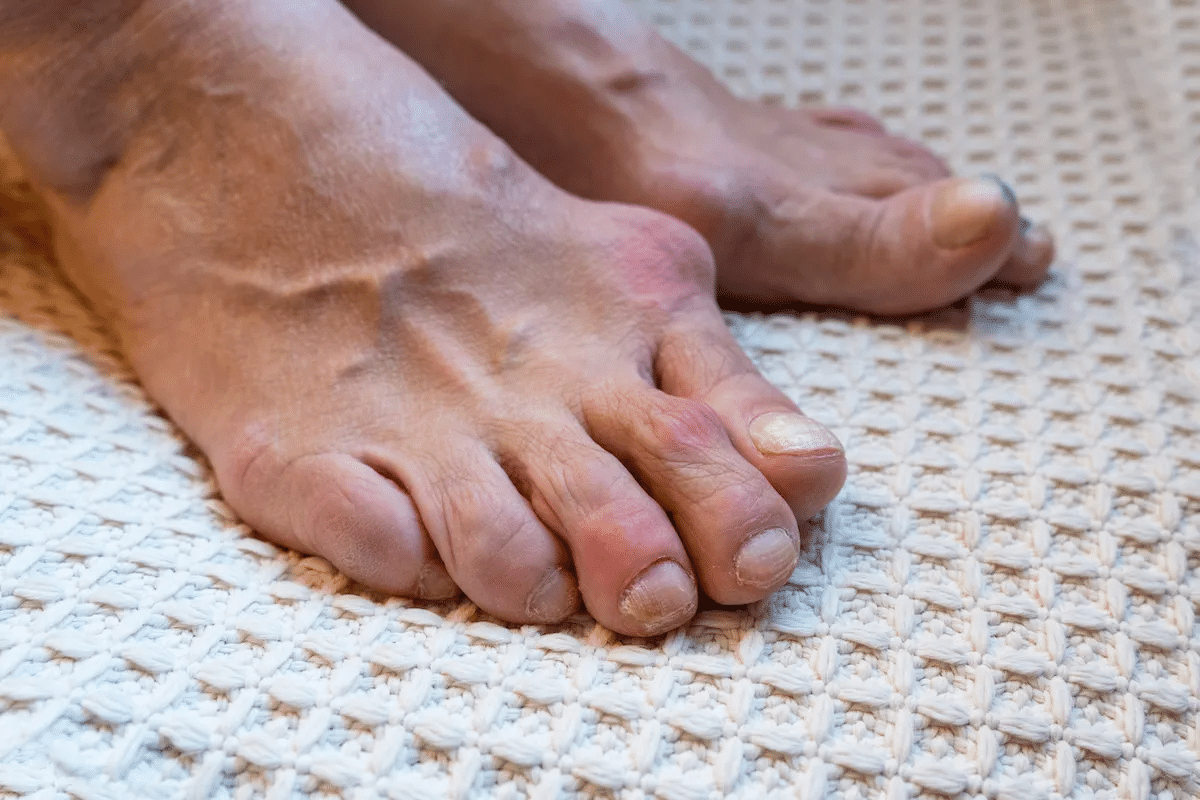
Arthritis comes in different forms, each with its own flare patterns. Knowing these differences is key to managing the condition well. It helps improve the life quality of those affected.
Inflammatory vs. Non-inflammatory Arthritis
Arthritis is mainly split into inflammatory and non-inflammatory types. Inflammatory arthritis, like rheumatoid arthritis (RA), is caused by the immune system attacking the joints. This leads to pain, swelling, and possible damage over time. On the other hand, non-inflammatory arthritis, such as osteoarthritis (OA), is due to joint wear and tear, but can also have inflammatory parts during flare-ups.
Inflammatory arthritis often has symptoms like fatigue and fever, along with joint pain. Non-inflammatory arthritis mainly affects the joints where it occurs.
Most Common Arthritis Types
The most common arthritis types are:
- Rheumatoid Arthritis (RA): An autoimmune disease causing inflammation and pain in the joints.
- Osteoarthritis (OA): The most common type, often referred to as “wear and tear” arthritis.
- Psoriatic Arthritis (PsA): Associated with the skin condition psoriasis, causing joint pain and inflammation.
Each type has its own flare patterns and triggers. For example, RA flares are often due to the immune system’s activity. OA flares can be caused by overuse or specific activities.
Variation in Pain Patterns
Pain patterns differ among arthritis types. Inflammatory arthritis causes constant pain, often with stiffness, after rest. Non-inflammatory types might have pain linked to activity.
Knowing these patterns helps manage symptoms better. For example, RA might cause morning stiffness lasting over an hour. OA might cause pain after certain activities.
Diagnostic Considerations
Getting a correct diagnosis is vital for managing arthritis. It involves clinical evaluation, patient history, and sometimes imaging studies. Knowing the specific type of arthritis helps tailor treatments to the individual’s needs.
We stress the need for a thorough diagnostic approach. This ensures patients get the right care for their condition, leading to better outcomes and quality of life.
How Long Does Arthritis Pain Last: Typical Durations
Many people wonder how long arthritis pain will last. The answer varies based on several factors. Knowing the typical duration helps manage expectations and plan treatments.
Acute vs. Chronic Arthritis Pain
Arthritis pain can be acute or chronic. Acute pain comes from injuries or flare-ups and usually goes away once the cause is fixed. Chronic pain, on the other hand, lasts more than three months and is harder to manage.
Knowing if pain is acute or chronic is key. It affects how we treat it and what we expect. Acute pain might need quick fixes, but chronic pain needs a detailed plan.
Average Duration Across Different Types
The time arthritis pain lasts changes with each type. For example, rheumatoid arthritis flares can last from one day to two weeks or more. Psoriatic arthritis flares usually last a few days to a week. Osteoarthritis flares in people over 60 often last about 2 to 2.5 weeks.
- Rheumatoid Arthritis: 1 day to 2 weeks or longer
- Psoriatic Arthritis: a few days to 1 week
- Osteoarthritis (in patients over 60): 2 to 2.5 weeks
When Pain Becomes Chronic
Pain turns chronic when it lasts more than three months. Chronic arthritis pain can come from ongoing inflammation, joint damage, or other reasons. It’s important to work with doctors to create a long-term plan for managing chronic pain.
Research on Pain Duration
Studies have given us insights into how long arthritis pain lasts. They show that how severe the disease is, how well you follow treatment, and your lifestyle can all affect pain duration. Research keeps looking for new ways to manage arthritis pain and help patients.
Understanding how long arthritis pain lasts and what affects it helps patients and doctors create better plans. These plans are made to fit each person’s needs.
Rheumatoid Arthritis Flare Duration
Knowing how long rheumatoid arthritis (RA) flares last is key to managing the disease. RA is a chronic condition that causes inflammation, pain, and stiffness in the joints. Flares make these symptoms worse, affecting a person’s life quality a lot.
Typical RA Flare Timeframes
RA flares can last from one day to two weeks or even longer without treatment. The time a flare lasts can vary a lot between people. Mild flares may get better in a few days, but severe ones can last weeks or months without the right treatment.
Mild vs. Severe RA Flares
It’s important to know if a flare is mild or severe to decide on treatment. Mild flares have symptoms that don’t stop you from doing daily things. On the other hand, severe flares cause a lot of pain, swelling, and stiffness that makes it hard to do anything.
Research on RA Flare Duration
Research has looked into what affects how long RA flares last. Things like how severe the disease is, sticking to treatment, and lifestyle play a role. Early treatment and the right care can make flares shorter and less severe. This helps doctors create treatment plans that fit each patient’s needs.
Warning Signs of Extended Flares
It’s important to know the signs of a flare that might last longer. Symptoms like more pain, swelling, and stiffness that don’t get better with usual treatments might mean a flare is going to last longer. Patients should watch for these signs and see a doctor if they happen.
By understanding how long RA flares usually last and what affects them, patients and doctors can better manage the disease together.
Psoriatic Arthritis Flare Duration
Knowing how long psoriatic arthritis flares last is key to managing the condition well. Psoriatic arthritis (PsA) is a chronic condition that affects both joints and skin. It causes a lot of pain and disability during flare-ups.
Common Duration Patterns
PsA flares can last from a few days to weeks. Studies show that most flares last a few days to a week. But, the time can vary a lot from person to person.
|
Duration |
Percentage of Patients |
Common Symptoms |
|---|---|---|
|
Few Days |
30% |
Mild joint pain, skin lesions |
|
1-2 Weeks |
45% |
Moderate joint pain, increased skin lesions |
|
More than 2 Weeks |
25% |
Severe joint pain, widespread skin lesions |
Relationship Between Skin and Joint Flares
The link between skin and joint flares in PsA is complex. Some people have flares in both at the same time. Others have them separately. About 60% of PsA patients have flares in both skin and joints.
Individual Variation Factors
Many things can affect how long PsA flares last. These include how severe the disease is, how well treatment is followed, lifestyle, and other health conditions. Knowing these factors helps in making better treatment plans.
Predictors of Longer Flares
It’s hard to predict who will have longer flares. But, research points to a few things. These include how active the disease is, not following treatment well, and having other health issues. These can lead to longer and more severe flares.
Understanding what affects PsA flare duration helps doctors create better treatment plans. This way, they can manage the condition more effectively for each patient.
Osteoarthritis Flare Duration
Knowing how long osteoarthritis flares last is key to managing them well. Osteoarthritis (OA) is a disease that wears down joints, causing pain and discomfort, mainly during flares.
Age-Related Differences in Flare Length
Studies show that OA flares in people over 60 usually last about 2 to 2.5 weeks. This is because aging joints wear down faster. Older adults may have longer flares because their joints are less healthy and their immune systems might be weaker.
Activity-Related Flares
Flares in OA patients often come from being too active. Doing too much, like high-impact activities, can make joint pain worse and extend flare times. Not moving enough can also lead to stiffness and pain. It’s important to find a balance to manage OA flares well.
- High-impact activities can trigger or prolong OA flares.
- Low-impact exercises, such as swimming or cycling, are recommended.
- Regular, moderate physical activity can help maintain joint mobility.
Weather-Related Flare Duration
Many OA patients find that weather changes affect their symptoms. Temperature and humidity changes can impact joint pain and possibly extend flare duration. Though the exact reasons are unclear, knowing about weather can help manage symptoms better.
Mechanical vs. Inflammatory Components
Osteoarthritis has both mechanical and inflammatory parts. The mechanical part is the wear and tear of cartilage, while the inflammatory part is the body’s immune response, leading to pain and swelling. Knowing how these parts work together is important for treatment.
By understanding what affects OA flare duration, patients and doctors can create personalized plans. This might include medication, lifestyle changes, and alternative therapies based on individual needs.
Factors That Influence How Long Arthritis Flares Last
Knowing what affects how long arthritis flares last is key to managing them well. Different things can change how long a flare lasts. Understanding these can help people deal with their arthritis better.
Disease Severity and Progression
The severity and how arthritis progresses are big factors in flare duration. More severe arthritis often means longer flares. How fast the disease gets worse can also change how often and how long flares happen.
Studies show that those with more advanced arthritis tend to have longer flares. For example, a study in the Journal of Rheumatology found that those with higher disease activity scores had longer flares.
Treatment Adherence and Effectiveness
Following the treatment plan is very important in managing flare duration. Good treatment can make flares shorter. The type of treatment and how well it’s tolerated also matters.
- Medicines like DMARDs and biologics can greatly reduce flare length.
- Changes in diet and exercise can also help manage flares.
A study in the Arthritis Care & Research journal found that sticking to treatment plans led to shorter flares. This was compared to those who didn’t follow their plans.
Lifestyle and Environmental Triggers
Lifestyle and environmental factors can start arthritis flares and affect how long they last. Knowing and managing these triggers is important to shorten flares.
- Weather changes can start flares in some people.
- Stress is a known trigger that can make flares last longer.
- Certain foods can also affect flare duration.
By understanding and avoiding these triggers, people can make their flares shorter.
Comorbid Conditions
Having other health conditions can make managing arthritis harder and affect flare duration. Conditions like obesity and diabetes can influence flare length.
Managing these conditions through lifestyle changes and medical care can help shorten arthritis flares.
Tracking and Documenting Your Arthritis Flares
Understanding your arthritis flares is key to managing them. By tracking and documenting, you can spot triggers and see how treatments work. This helps you make better choices for your care.
Benefits of Keeping a Flare Journal
A flare journal is a big help in managing arthritis. It lets you write down symptoms, meds, and any changes. This info helps you and your doctor find patterns and plan better treatments.
Keeping a flare journal has many benefits:
- It helps you find what triggers your symptoms.
- You can see if your treatments are working.
- It makes talking to your doctor easier.
- It helps you manage your condition better.
What to Record About Your Flares
When tracking your flares, write down important details. This helps you and your doctor understand your condition better. Include:
- When your flare started.
- How bad your symptoms are.
- Anything that might have caused the flare.
- What meds you’re taking and how much.
- Any changes in your condition.
Writing this down helps you understand your arthritis better. It also helps you make better choices for your care.
Digital Tools for Tracking
Today, there are many digital tools for tracking arthritis flares. You can find mobile apps, online journals, and wearable devices. Some popular ones are:
|
Tool |
Description |
Platform |
|---|---|---|
|
Arthritis Power |
A patient-led research registry for tracking arthritis symptoms |
Mobile, Web |
|
My Arthritis Diary |
A digital journal for recording symptoms and medication |
Mobile |
|
Fitbit |
A wearable device for tracking activity and sleep |
Wearable, Mobile, Web |
These digital tools make tracking easier. They also help you share your data with your doctor.
Sharing Data With Healthcare Providers
Sharing your data with your doctor can really improve your care. It helps them understand your condition better. This way, they can make better decisions about your treatment.
When sharing your data, think about:
- Talking about your findings with your doctor.
- Using your data to adjust your treatment plan.
- Tracking your progress over time.
Working with your doctor and using your data can lead to a better management plan. This can greatly improve your quality of life.
Treating Arthritis Flares: Impact on Duration
Effective treatments can greatly shorten the time of arthritis flares. Knowing how to manage arthritis helps people choose the right treatments. This can lead to shorter flare-ups.
Medication Approaches for Different Arthritis Types
The type of arthritis affects the best medication. For inflammatory types like rheumatoid and psoriatic arthritis, disease-modifying antirheumatic drugs (DMARDs) and biologics are key. They help manage symptoms and slow the disease.
Osteoarthritis, being non-inflammatory, focuses on pain relief. This includes analgesics and corticosteroid injections. Choosing the right treatment is essential.
|
Arthritis Type |
Common Medications |
Treatment Focus |
|---|---|---|
|
Rheumatoid Arthritis (RA) |
DMARDs, Biologics |
Slowing disease progression, managing symptoms |
|
Psoriatic Arthritis (PsA) |
DMARDs, Biologics |
Managing joint symptoms, skin symptoms |
|
Osteoarthritis (OA) |
Analgesics, Corticosteroid injections |
Pain management |
Non-Pharmaceutical Interventions
Non-medical methods are also vital in managing arthritis. This includes lifestyle changes like staying healthy, exercising, and managing stress.
Physical therapy is also key. It keeps joints mobile and strong. Adding these to treatment plans can reduce flare-ups.
When to Seek Medical Attention
Knowing when to see a doctor is important. Seek help for severe, long-lasting, or concerning flares.
Doctors can adjust treatments and offer guidance. They can also handle any complications.
Treatment Response Timelines
How quickly treatments work varies. It depends on the arthritis type, treatment, and individual factors.
Some see improvements in weeks, but full effects may take longer. Regular check-ups with doctors are vital to adjust treatments as needed.
Conclusion: Living Well Despite Unpredictable Arthritis Pain
Living with arthritis means finding ways to handle unpredictable pain and flares. Knowing how long these episodes last and using effective management strategies can greatly improve life quality.
We’ve looked at how long arthritis flares last and how to manage them. This knowledge helps people with arthritis manage their condition better.
It’s key to manage arthritis pain well to enjoy life. This means using medicine, making lifestyle changes, and practicing self-care. By being proactive, people can lessen flare-ups and live well with arthritis.
FAQ
How long can rheumatoid arthritis (RA) flares last?
RA flares can last from a few days to weeks. Each person and each flare can be different.
How long does an arthritis flare last?
The length of an arthritis flare varies. It depends on the type of arthritis and how severe it is. Flares can last from days to weeks.
What is the typical duration of a rheumatoid arthritis flare?
RA flares usually last 1 to 14 days. Some can last even longer, up to weeks.
How long do psoriatic arthritis flares last?
Psoriatic arthritis flares can last from days to a week. Sometimes, they can last longer. Treatment and lifestyle play a big role.
How long does osteoarthritis flare last?
Osteoarthritis flares can last from days to weeks. How long it lasts depends on activity, weather, and disease severity.
What factors influence the duration of arthritis flares?
Several things can affect how long arthritis flares last. These include disease severity, treatment, lifestyle, and other health conditions.
Can tracking my arthritis flares help manage their duration?
Yes, tracking your flares can help you understand them better. It can help you manage them better and shorten their duration. Keeping a journal or using apps can be helpful.
How can treatment impact the duration of arthritis flares?
Treatment can greatly affect how long flares last. The right treatment can reduce the duration and severity of flares.
When should I seek medical attention for an arthritis flare?
Seek medical help for severe or long-lasting flares. Also, if you notice signs like more pain, swelling, or trouble moving. Early treatment can help manage flares.
How long does it take for arthritis treatment to show its effect?
Treatment effects vary. It depends on the treatment, individual factors, and disease severity. Some treatments work quickly, while others take weeks.
References
Government Health Resource. Arthritis Pain and Flare Duration: Individual Experiences. Retrieved from https://www.arthritis.org/diseases/more-about/how-long-does-a-flare-last