Floppy Eyelid Syndrome (FES) is a common but often missed condition. It makes the upper eyelids loose and easy to turn outwards. It also causes reactive papillary conjunctivitis. Studies show FES affects 2% to 4% of people globally. But, many think the real number is much higher because it’s often mistaken for other conditions. Explore the best surgical and therapeutic options for successful floppy eyelid treatment outcomes. Find effective floppy eyelid treatment.
It’s important to recognize FES early. If not, it can cause long-term eye problems, damage to the cornea, and greatly affect your life quality. We will look into the symptoms, reasons, and treatment options for FES. This guide aims to help those dealing with it.
Key Takeaways
- Floppy Eyelid Syndrome is a common condition that is often misdiagnosed.
- Proper diagnosis is key to avoid serious issues.
- FES can greatly affect your life if not treated.
- Knowing the symptoms and causes is vital for good treatment.
- There are many ways to manage FES.
Understanding Floppy Eyelid Syndrome
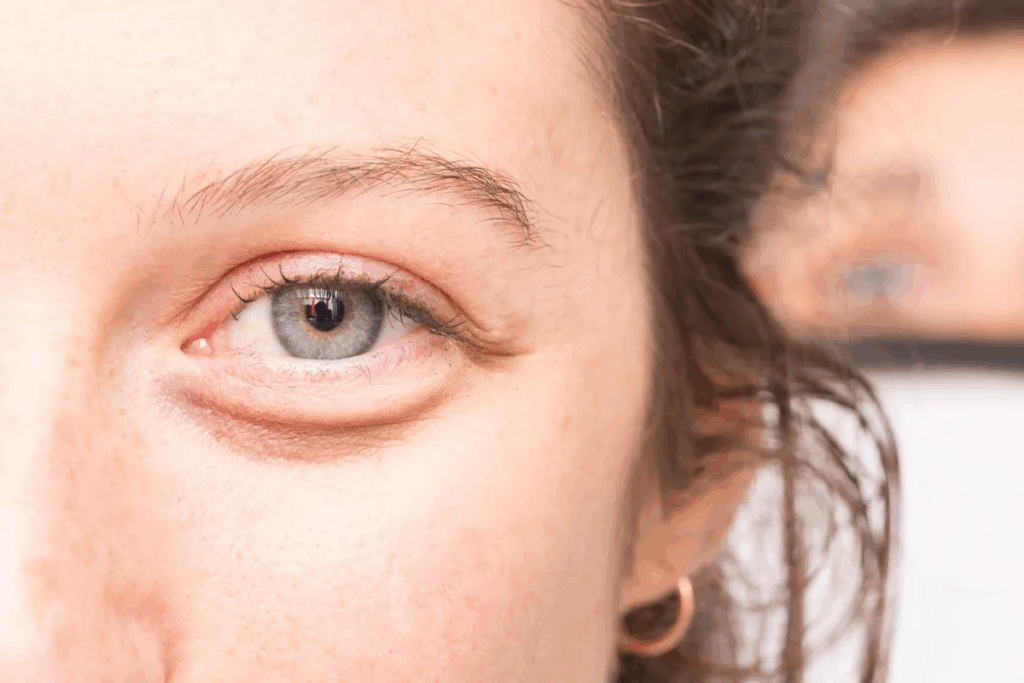
Floppy Eyelid Syndrome (FES) is a condition that has caught the eye of doctors. It’s linked to many health problems. Knowing about FES means looking into its definition, how common it is, and its history.
Definition and Prevalence
FES makes eyelids floppy and easy to turn inside out. It’s often seen in people with obstructive sleep apnea-hypopnea syndrome (OSAHS). FES is the most common eye problem linked to OSAHS.
It’s more common in middle-aged and overweight people. Men are more likely to have FES, and it’s linked to other eye and body problems. This makes diagnosing and treating FES complex.
Historical Background
In 1981, Culbertson and Ostler first talked about FES. They studied middle-aged and overweight men with eyelid laxity and eye irritation. Over time, we’ve learned more about FES and how to manage it.
“The recognition of Floppy Eyelid Syndrome as a distinct clinical entity has led to increased awareness and understanding of its implications for patient health.”
The history of FES shows us how important it is to keep researching and treating it. As we learn more, we can help patients better with specific treatments.
Causes and Risk Factors of Floppy Eyelid Syndrome

Floppy Eyelid Syndrome is caused by a mix of mechanical, genetic, and environmental factors. Knowing these causes helps in preventing and treating the condition.
Mechanical Factors
Mechanical factors are key in Floppy Eyelid Syndrome. The eyelid becomes loose and floppy, leading to symptoms like tearing and irritation. This looseness is worse during sleep.
Studies show that metalloproteinases break down elastin in FES patients. This breakdown causes the eyelid laxity seen in Floppy Eyelid Syndrome. Understanding these factors helps in finding better treatments.
Genetic Predisposition
Genetics also play a big role in Floppy Eyelid Syndrome. People with a family history are more likely to get FES. The exact genetic causes are being studied, but it’s clear genetics play a part.
Association with Obesity
Obesity is strongly linked to Floppy Eyelid Syndrome. Obesity can cause eye and eyelid problems. The extra weight and stress can lead to FES.
Understanding Floppy Eyelid Syndrome’s causes is key to treating it. By addressing mechanical, genetic, and obesity-related factors, doctors can provide better care for FES patients.
Recognizing the Symptoms of FES
It’s important to know the symptoms of Floppy Eyelid Syndrome (FES) for good care. FES shows different eye problems that can really affect how well you live.
Common Symptoms
FES symptoms can change, but common ones are tearing, irritation, and papillary conjunctivitis. People might also see blurry, feel eye pain, or have dry eyes. These are similar to symptoms of ectropion, a related issue.
Key symptoms to watch out for:
- Excessive tearing or dryness
- Eye irritation or redness
- Blurry vision or eye strain
- Papillary conjunctivitis
- Eyelid laxity or looseness
Progression of the Condition
If FES isn’t treated, it can get worse. This can lead to chronic eye inflammation and permanent damage. Spotting symptoms early is key to avoiding serious problems.
“Early diagnosis and treatment of Floppy Eyelid Syndrome can significantly improve patient outcomes and quality of life.”
Differential Diagnosis
It’s important to tell FES apart from other eye problems. Conditions like ectropion, blepharitis, and conjunctivitis can look similar. A detailed check-up is needed.
Condition | Common Symptoms |
Floppy Eyelid Syndrome | Tearing, irritation, papillary conjunctivitis |
Ectropion | Dry eyes, blurry vision, eye pain |
Blepharitis | Eye redness, irritation, crusting |
Knowing FES symptoms and how it gets worse helps doctors treat it better. This way, they can help patients manage their condition well.
Understanding Floppy Eyelid Syndrome
Floppy Eyelid Syndrome (FES) is a condition where the eyelid tissue becomes loose. This looseness can cause various eye problems and discomfort. It’s important to know the causes, symptoms, and how to treat it.
FES can be caused by different factors like genetics, environment, and mechanical issues. It makes the eyelid floppy, leading to chronic eye irritation and discomfort.
Key aspects of FES include its impact on daily life. Proper diagnosis and treatment are vital. Understanding FES helps healthcare providers manage it better.
Effective management of FES requires lifestyle changes, medical treatments, and sometimes surgery. People with FES need to work with their doctors to create a treatment plan that suits them.
Causes and Risk Factors of Floppy Eyelid Syndrome
Floppy Eyelid Syndrome has many causes. These include mechanical, genetic, and environmental factors.
Mechanical factors are key in FES. Rubbing or pressure on the eyelids can make them loose. Mechanical stress is a big contributor.
Genetics also play a big role. If your family has FES, you’re more likely to get it. Studies show genetics can affect eyelid structure.
Environmental and lifestyle factors matter too. Obesity and sleep disorders are linked to FES.
“The association between obesity and FES is well-documented, with obesity being a significant risk factor.”
Risk Factor | Description |
Mechanical Stress | Constant rubbing or pressure on the eyelids |
Genetic Predisposition | Family history of FES |
Obesity | Associated with increased risk of developing FES |
Knowing what causes Floppy Eyelid Syndrome helps us treat it better. By tackling these causes, we can manage the condition more effectively.
Recognizing the Symptoms of FES
It’s important to know the symptoms of Floppy Eyelid Syndrome early. This condition makes the eyelid loose, causing eye problems. We’ll talk about the common signs, how the condition gets worse, and how to tell it apart from other issues.
Common Symptoms
FES symptoms can vary but often include eyelid laxity, rubbing the eyes, and discharge. Many people wake up with their eyelids stuck together because of dried discharge.
Other symptoms include:
- Redness and irritation of the eyes
- Blurred vision
- Sensation of having a foreign body in the eye
- Frequent eye rubbing
Progression of the Condition
FES gets worse if not treated. As the eyelid gets looser, symptoms get more severe. This can lead to chronic eye problems like conjunctivitis or corneal ulcers.
Differential Diagnosis
To diagnose FES, doctors must rule out other conditions like blepharitis or entropion. A detailed eye exam by an ophthalmologist is key to a correct diagnosis.
Condition | Similar Symptoms | Distinguishing Features |
FES | Eyelid laxity, eye irritation | Laxity of the upper eyelid, easily everted |
Blepharitis | Eye irritation, redness | Inflammation of the eyelid margins, crusting |
Entropion | Eye irritation, foreign body sensation | Inward turning of the eyelid margin |
Diagnostic Process for Floppy Eyelid Syndrome
To diagnose Floppy Eyelid Syndrome, doctors use various tools and methods. This process is key to understanding the condition and creating a treatment plan.
Physical Examination
A detailed physical exam is the first step. The doctor checks the eyelid’s laxity and looks for other symptoms.
- Eyelid laxity assessment
- Evaluation of related symptoms
Clinical Tests
Several tests help diagnose Floppy Eyelid Syndrome. These tests measure the condition’s severity and rule out other causes.
- Tear film assessment
- Corneal staining
These tests are important for understanding the condition and planning treatment.
Imaging Studies
In some cases, imaging studies are needed. They help evaluate the eyelids and surrounding areas. This information is vital for diagnosis and treatment.
The Connection Between Floppy Eyelid Syndrome and Sleep Apnea
Recent studies have found a strong link between Floppy Eyelid Syndrome (FES) and sleep apnea. This isn’t just a coincidence. It shows a deeper connection between the two conditions.
Research Findings
Research shows that people with FES are more likely to have sleep apnea. Obesity, a common risk factor for both, might explain why they often occur together.
Screening Recommendations
Doctors now suggest screening for sleep apnea in FES patients. They also recommend checking for FES in those with sleep apnea.
Mutual Treatment Benefits
Treating one condition can help the other. For example, CPAP therapy for sleep apnea might also improve FES symptoms.
To understand the link between these conditions, let’s look at their symptoms and treatments:
Condition | Common Symptoms | Treatment Options |
Floppy Eyelid Syndrome | Eye irritation, dryness, eyelid laxity | Lubricating drops, eyelid surgery |
Sleep Apnea | Pauses in breathing during sleep, daytime fatigue | CPAP therapy, lifestyle changes |
Comprehensive Floppy Eyelid Treatment Options
Treating Floppy Eyelid Syndrome requires a mix of self-care and medical help. The aim is to ease symptoms, improve eyelid function, and boost eye health.
Lubricating Eye Drops
Lubricating eye drops are a key treatment for Floppy Eyelid Syndrome. They moisturize the eyes, reducing irritation and discomfort. Preservative-free eye drops are best to avoid more irritation.
Protective Eye Shields and Taping
Wearing protective eye shields or taping the eyelids shut at night helps. It stops the eyelids from rubbing against the cornea, reducing irritation and damage. This simple method can greatly help many patients.
Sleep Position Modifications
Changing sleep positions is also important for managing Floppy Eyelid Syndrome. Sleeping on your back or using a special pillow to elevate your head can lessen eyelid irritation at night.
By using these treatment options, people with Floppy Eyelid Syndrome can see big improvements. They can feel better and enjoy a better quality of life.
Medical Interventions for Floppy Eyelid Syndrome
When simple steps don’t work, doctors use medical treatments for Floppy Eyelid Syndrome (FES). These treatments help ease symptoms and improve life quality. They also aim to stop the condition from getting worse.
Medical treatments for FES tackle symptoms and related issues. This approach helps manage the syndrome better.
Topical Medications
Lubricating eye drops are key in treating FES. They help soothe dry or exposed eyes. Sometimes, antibiotic ointments are needed to fight off infections caused by the eyelid’s position.
“Topical medications greatly help FES symptoms,” says Medical Expert, an expert in eyelid disorders. “They tackle dryness and exposure issues.”
Anti-inflammatory Treatments
Inflammation is common in FES. Corticosteroid eye drops can reduce swelling. But, doctors watch for side effects with long-term use.
Management of Associated Conditions
It’s important to manage conditions linked to FES. For example, treating obstructive sleep apnea can help FES symptoms. Managing obesity also helps, as obesity is linked to FES.
By treating FES and related conditions, patients see big improvements. Their symptoms and life quality can greatly improve.
Surgical Approaches to Correct Floppy Eyelids
When other treatments don’t work, surgery is a key option for Floppy Eyelid Syndrome. It’s used for severe cases that really affect a person’s life.
Lateral Tarsal Strip Procedure
The Lateral Tarsal Strip Procedure is a common surgery for FES. It tightens the eyelid by removing part of the tarsal plate. Then, it’s reattached to the orbital rim. This helps the eyelid stay in place better and reduces symptoms.
Benefits of the Lateral Tarsal Strip Procedure:
- It tightens the eyelid well.
- It improves the eyelid’s position and lessens irritation.
- It can be done with other surgeries for better results.
Full-thickness Wedge Resection
The Full-thickness Wedge Resection is another surgery. It removes a wedge-shaped part of the eyelid to make it tighter. This is good for those with a lot of eyelid looseness.
Surgical Procedure | Key Benefits | Indications |
Lateral Tarsal Strip Procedure | Tightens eyelid, improves position | Moderate to severe FES |
Full-thickness Wedge Resection | Effective for significant eyelid laxity | Severe FES with pronounced eyelid looseness |
Newer Surgical Techniques
New surgical methods are being developed for FES. These are less invasive and aim to reduce recovery time and improve results.
As research goes on, we’ll see more new ways to treat Floppy Eyelid Syndrome. These will be more effective and less invasive for patients.
When to Seek Medical Help for Floppy Eyelid Syndrome
Knowing when to get medical help is key for those with Floppy Eyelid Syndrome (FES). Getting help early can greatly improve your treatment and life quality.
Warning Signs and Symptoms
It’s important to know the signs that mean you need to see a doctor. Common symptoms include:
- Frequent eye irritation and redness
- Excessive tearing or dryness
- Blurred vision
- Eyelid swelling or tenderness
If you notice these symptoms, and they don’t go away or get worse, see a doctor. Early treatment can stop serious eye problems like long-term damage or pain.
Finding the Right Specialist
Finding the right doctor for FES is critical. Look for an ophthalmologist or oculoplastic surgeon who knows how to treat eyelid issues. Here’s how to find the right one:
- Check their credentials and read patient reviews
- Ask your primary care doctor or other health experts for recommendations
- Make sure they have experience with FES
Questions to Ask Your Doctor
Prepare a list of questions for your doctor to get the best care. Some key questions are:
- What are the best treatment options for me?
- Are there any lifestyle changes that can help with FES?
- What are the possible risks and benefits of the treatments you suggest?
Being informed and active helps you work well with your doctor to manage FES.
Lifestyle Modifications and Long-term Management
Managing Floppy Eyelid Syndrome (FES) for the long term needs a mix of changes in lifestyle. These changes help manage symptoms and improve life quality.
Weight Management Strategies
Managing weight is key in FES care. Maintaining a healthy weight through diet and exercise can lessen FES symptoms. A doctor can help with a plan for a healthy weight.
Weight Management Strategy | Benefits |
Balanced Diet | Reduces pressure on the eyelids, improves overall health |
Regular Exercise | Enhances overall well-being, supports weight loss |
Sleep Hygiene Improvements
Good sleep habits are also important for FES management. This means a regular sleep schedule, a calm sleep space, and avoiding bedtime activities. Starting a calming bedtime routine can also help sleep better.
Monitoring and Follow-up Care
Regular check-ups with doctors are vital for FES management. These visits help track the condition and adjust treatments as needed. Keeping a symptom journal can also track changes and patterns.
By making these lifestyle changes and keeping up with doctor visits, people with FES can see big improvements in their symptoms and life quality.
Conclusion
Floppy Eyelid Syndrome is a complex condition that needs a detailed approach for effective management. We’ve looked at the causes, symptoms, diagnosis, and treatment options for FES. This highlights the importance of a multi-faceted strategy to tackle this condition.
A treatment summary for FES shows the need for a customized approach. This includes lifestyle changes, medical treatments, and surgery when needed. Understanding FES and its treatment helps individuals face its challenges better.
Managing FES well means treating its symptoms and addressing related issues like sleep apnea and obesity. A holistic care approach can improve life quality and reduce FES risks.
Proper diagnosis and treatment are key to managing FES. Working closely with healthcare professionals and making informed care decisions is the first step towards managing Floppy Eyelid Syndrome effectively.
FAQ
What is Floppy Eyelid Syndrome?
Floppy Eyelid Syndrome (FES) is a condition where the eyelid is loose. This makes the eyelid turn outward easily, often during sleep.
What are the common symptoms of Floppy Eyelid Syndrome?
Symptoms include eye irritation, redness, and tearing. You might also feel like there’s something in your eye. Some people see blurry or feel eye discomfort.
Is Floppy Eyelid Syndrome associated with other health conditions?
Yes, FES is linked to obesity and sleep apnea. People with FES often have these conditions. Treating them is key to managing FES.
How is Floppy Eyelid Syndrome diagnosed?
Doctors check the eyelid’s looseness during a physical exam. They might also do tests or imaging to rule out other issues.
What are the treatment options for Floppy Eyelid Syndrome?
Treatments include eye drops and protective shields. For more severe cases, surgery like the lateral tarsal strip procedure might be needed.
Can lifestyle modifications help manage Floppy Eyelid Syndrome?
Yes, keeping a healthy weight and good sleep can help. Avoiding certain sleep positions also helps manage symptoms.
What is the connection between Floppy Eyelid Syndrome and sleep apnea?
Studies show a strong link between FES and sleep apnea. People with FES should get checked for sleep apnea, and vice versa.
Are there any specific eye drops recommended for Floppy Eyelid Syndrome?
Yes, lubricating eye drops are recommended. They help with dryness and irritation caused by FES.
When should I seek medical help for Floppy Eyelid Syndrome?
If you have ongoing eye irritation or redness, see an eye doctor. They can evaluate and treat FES properly.
Can Floppy Eyelid Syndrome be treated without surgery?
Yes, mild cases can be treated with non-surgical methods. But, severe cases might need surgery to fix the eyelid laxity.
References
National Center for Biotechnology Information. Evidence-Based Medical Guidance. Retrieved from https://pmc.ncbi.nlm.nih.gov/articles/PMC1772146/