
Knee replacement surgery helps millions worldwide by easing chronic pain and improving mobility. In the UK, over 100,000 surgeries are done each year. It’s important to manage pain after knee surgery well for a good recovery pain relief after knee replacement.
The Patient & Family Guide (2024) says managing pain and swelling is key after surgery. Changing positions, elevating the knee, and using ice packs are helpful. We’ll look at the best ways to relieve pain after knee replacement. We’ll also talk about the importance of care plans tailored to each person and using different pain relief methods.
Key Takeaways
- Effective pain management is key for recovery after knee replacement surgery.
- Techniques like changing positions and using ice packs can help manage pain.
- Personalized care pathways can greatly improve patient outcomes.
- Multimodal analgesia techniques reduce opioid use.
- Knowing the latest evidence-based strategies is vital for the best pain relief.
Understanding Post-Operative Pain After Knee Replacement
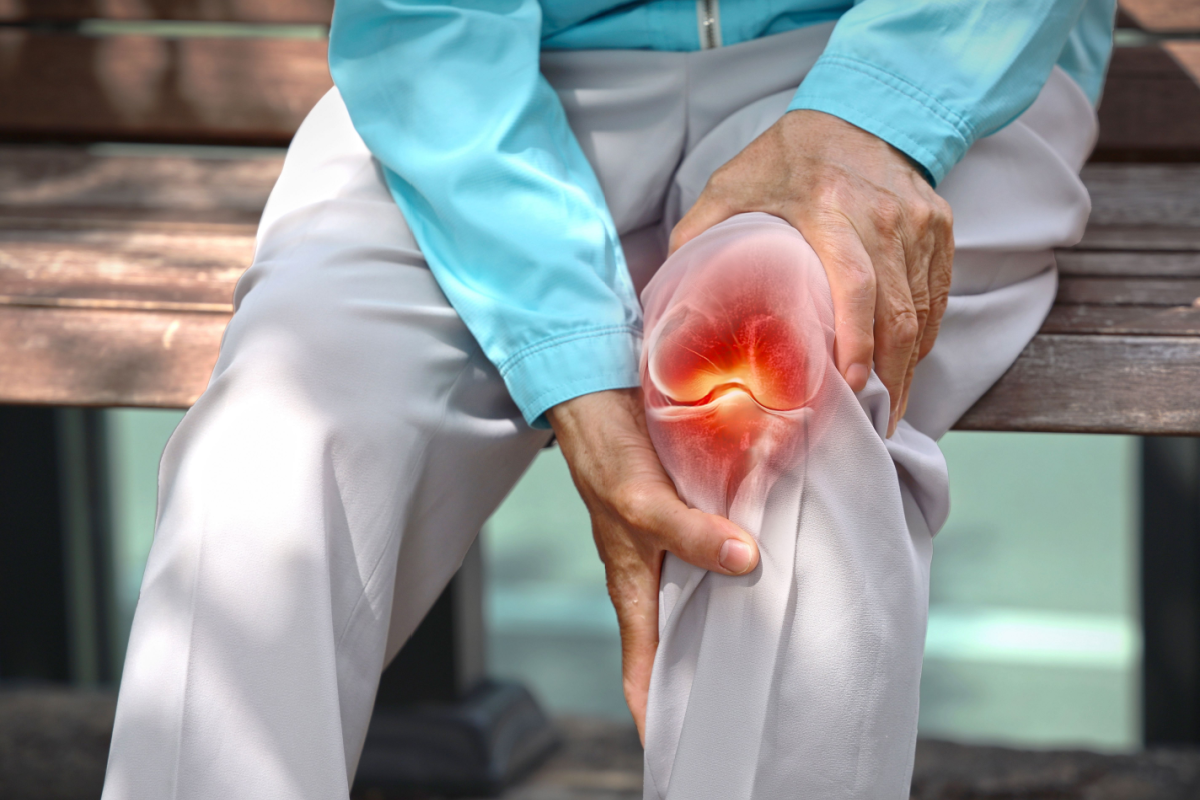
It’s important to know about pain after knee replacement surgery to manage it well. Knee replacement surgery replaces the damaged knee joint with artificial parts. This surgery can greatly improve life for many, but it often brings pain after.
The Prevalence of Knee Replacement Procedures
Knee replacement surgery is done more often, with thousands done each year. The need for these surgeries is growing. This is because more people are getting older and more are becoming obese, both of which increase the risk of knee problems.
With more people getting knee replacements, managing pain after surgery is more critical. It shows the need for better pain management plans.
Why Post-Operative Pain Occurs
Pain after knee replacement surgery comes from many sources. These include the surgery itself, how much pain you can handle, and any pain you had before. The surgery cuts through tissues, removes damaged parts, and puts in new ones, causing pain.
Other things like how the surgery is done, the type of implant, and your health also play a role. Knowing these helps in creating better pain management plans.
Normal vs. Abnormal Pain Patterns
It’s key to know the difference between normal and abnormal pain after surgery. Normal pain usually gets better as you heal. It can be managed with pain meds and other care.
But, abnormal pain doesn’t get better or even gets worse. About 1 in 5 people have this kind of pain. Spotting abnormal pain early is important for better care and outcomes.
Understanding pain after surgery helps doctors create better plans for each patient. This makes recovery better and patients happier with their surgery results.
Preparing Before Surgery to Minimize Pain
Studies show that getting ready for surgery can really help with pain after knee replacement. By joining prehabilitation programs, patients might feel less pain and recover faster.
Evidence-Based Prehabilitation Programs
Prehab programs get patients ready for surgery and recovery. They mix physical exercises, learning, and nutrition advice. Research says these programs can improve pain management and recovery.
“Prehabilitation before major surgery, including knee replacement, has been shown to reduce postoperative pain and improve functional outcomes.”
Pre-Surgical Strengthening Exercises
Working out the knee muscles is key in prehab. It helps lower pain and makes recovery easier. Squats, lunges, and leg press are good exercises, based on your strength and mobility.
Nutritional and Lifestyle Preparations
Eating right is important for prehab. A diet full of proteins, vitamins, and minerals helps your body heal. Quitting smoking and drinking less also helps with recovery and pain.
Nutritional Element | Benefit for Recovery |
Protein | Essential for tissue repair and healing |
Vitamin C | Boosts immune system and aids in collagen synthesis |
Omega-3 Fatty Acids | Reduces inflammation and promotes healing |
Setting Realistic Recovery Expectations
Knowing what to expect after surgery helps manage pain. Patients with clear expectations feel less anxious and in pain. Doctors help by explaining the recovery and giving support.
Getting ready for surgery helps patients manage pain and recover better. This shows how important a complete preparation plan is.
Hospital-Based Pain Relief After Knee Replacement
Hospital pain relief is key for knee replacement patients. It helps them recover smoothly. This lets them start moving and rehabbing early, which is important for the best results.
Immediate Post-Surgical Pain Control
Right after surgery, managing pain is very important. Multimodal analgesia approaches are used to control pain well. The Patient & Family Guide (2024) says this method works better by mixing different pain medicines and methods.
Using regional anesthesia techniques is also a big help. It cuts down on the need for strong pain medicines. This means fewer side effects for patients.
“Regional anesthesia is a cornerstone in the management of postoperative pain after knee replacement surgery, providing effective pain relief with fewer systemic side effects.”
Multimodal Analgesia Approaches
Multimodal analgesia uses many pain medicines and methods together. This way, patients take less of each drug, which reduces side effects. It includes:
- Nonsteroidal anti-inflammatory drugs (NSAIDs)
- Acetaminophen
- Gabapentinoids
- Opioids
- Regional anesthesia techniques
Component | Mechanism of Action | Benefits |
NSAIDs | Reduce inflammation | Effective for inflammatory pain |
Acetaminophen | Centrally acting analgesic | Fewer gastrointestinal side effects |
Gabapentinoids | Modulate pain transmission | Effective for neuropathic pain |
Advanced Regional Anesthesia Techniques
Advanced regional anesthesia, like continuous nerve blocks, has changed how we manage pain after surgery. These methods help patients move and do physical therapy sooner.
Preparing for Discharge and Home Care
Before leaving the hospital, patients need to know how to care for themselves at home. This includes managing pain, taking care of their wound, and watching for any signs of problems. A good discharge plan helps patients go home smoothly and safely.
Effective pain relief after knee replacement surgery involves many steps. These include managing pain right after surgery, using different pain medicines and methods, advanced anesthesia techniques, and planning for when patients go home. By doing all these things, doctors and nurses can make sure patients get the best care possible.
Medication Strategies for Effective Pain Management
Pain relief after knee replacement surgery needs a mix of strategies, including medication. It’s key for a smooth recovery and getting back to moving around.
Prescription Pain Medications and Proper Usage
Managing pain after knee surgery often means taking prescription pain meds. These include opioids, which are strong pain relievers. But, they can lead to addiction, so they’re used only for a short time.
It’s very important to follow the dosage and usage instructions. This helps avoid side effects and addiction.
Over-the-Counter Options and Combinations
OTC pain relievers like acetaminophen and ibuprofen can also help with pain after knee surgery. They can be used alone or with prescription meds, with a doctor’s advice.
Using both OTC and prescription meds can help manage pain better. It might also mean taking less of the stronger meds.
Managing Medication Side Effects
All pain meds, prescription or OTC, can cause side effects. These include nausea, dizziness, and constipation. It’s important to manage these side effects to keep quality of life up during recovery.
Ways to manage side effects include changing medication doses, using other meds to counteract side effects, and making lifestyle changes like diet adjustments.
Tapering Medications Safely
When pain starts to go away, it’s important to slowly stop taking pain meds. This is to avoid withdrawal symptoms. A healthcare provider should guide this process.
Gradually reducing medication helps the body adjust. This reduces the chance of withdrawal symptoms.
Medication Type | Examples | Usage |
Prescription Pain Medications | Opioids (e.g., oxycodone) | Short-term for severe pain |
Over-the-Counter Pain Relievers | Acetaminophen, ibuprofen | For mild to moderate pain |
Combination Therapy | Mix of prescription and OTC medications | For complete pain management |
Advanced Pain Management Techniques for Knee Surgery
Advanced pain management techniques are changing how we handle knee replacement surgery. Thanks to new medical tech and research, patients get better pain relief options. These options are making recovery easier and more comfortable.
Periarticular Local Infiltration Anesthesia (LIA)
Periarticular Local Infiltration Anesthesia (LIA) is a big step forward in pain care. It involves injecting a special mix of drugs around the knee. This method helps control pain right after surgery, cutting down on the need for strong pain meds.
Adductor Canal Blocks (ACB) for Preserved Muscle Function
Adductor Canal Blocks (ACB) are great for managing pain after knee surgery. They target nerves in the adductor canal to reduce pain without weakening muscles. This helps patients move better while they heal.
IPACK Blocks and Posterior Knee Pain Control
The IPACK block is a new method for tackling posterior knee pain. It works with other pain treatments to give better pain relief. This way, doctors can tackle pain from all angles.
2024 Research on Intraosseous Morphine Infusion
Research from 2024 shows promise in intraosseous morphine infusion for pain after surgery. It delivers morphine directly into the bone. This method might offer better pain relief with fewer side effects than usual pain meds.
These new pain management methods are a big leap forward for knee surgery patients. They help improve recovery times and make the whole experience better. This means patients can get back to their lives faster and with less discomfort.
Physical Therapy: The Key to Pain Relief After Knee Replacement
Recovering from knee replacement surgery is easier with physical therapy. It’s key for managing pain. The 2024 Patient & Family Guide says physical therapy is essential for a good recovery.
Early Mobilization Protocols
Starting to move early is important after knee surgery. We begin with gentle exercises to help with healing and reduce stiffness. “Early movement is key to preventing complications and ensuring a smooth recovery,” as noted in a Joint Health article (2019).
These exercises start within 24 hours after surgery. They’re adjusted based on the patient’s comfort and ability. This helps manage pain and speeds up recovery.
Progressive Exercise Programs
As patients get better, their exercises get tougher. We add strengthening exercises to improve knee function and stability. A good program helps achieve the best results and lowers the risk of future problems.
Progressive exercise does more than strengthen the knee. It also boosts overall physical function and reduces pain. “A complete rehabilitation program with progressive exercises can greatly improve life quality for patients after knee replacement surgery,” research shows.
Pain Management During Rehabilitation
Keeping pain under control during rehab is vital for comfort and sticking to the program. We use medication and non-medical methods to manage pain. Cold therapy and relaxation exercises are often used.
Good pain management lets patients fully take part in their rehab. This is key for the best results. “Pain should never stop progress,” healthcare experts say.
Measuring Progress and Adjusting Your Program
It’s important to regularly check how a patient is doing. We look at pain levels, range of motion, and how well they can function. This helps tailor the therapy to each person’s needs.
By constantly checking and adjusting the plan, we can quickly tackle any issues. This ensures the patient stays on track to meet their recovery goals. “Being adaptable is essential for successful rehab,” showing the importance of a flexible approach to physical therapy.
Non-Pharmacological Approaches to Pain Control
Non-pharmacological methods are key in managing pain after knee surgery. They help reduce the need for medication and improve recovery.
Cold Therapy Techniques
Cold therapy is a top choice for pain and swelling after knee surgery. Cryotherapy uses ice packs to lower inflammation and dull pain.
Use cold therapy for the first 48-72 hours after surgery, as the 2024 Patient & Family Guide suggests. Always wrap ice packs in a towel to avoid skin damage.
Heat Application Methods
After 72 hours, heat therapy can help relax and reduce stiffness. It increases blood flow, aiding in healing.
Warm compresses or heating pads on low can be used. But, always check with your doctor before applying heat to the surgery site.
Elevation and Compression Strategies
Elevation of the leg is key to reducing swelling. Elevate your leg above your heart as much as you can, for the first week.
Compression stockings or bandages can also help. But, follow your doctor’s advice on how tight and for how long to avoid issues.
Mind-Body Techniques for Pain Reduction
Mind-body techniques like meditation, deep breathing exercises, and guided imagery can help manage pain. They reduce stress and promote relaxation.
These methods can be guided by a healthcare professional or through apps. Adding them to your daily routine can improve pain relief and overall health.
By using these non-pharmacological methods, patients can create a well-rounded pain management plan. This plan can support their medical treatment and improve their recovery after knee surgery.
Home-Based Strategies for Daily Pain Management
Managing pain at home after knee replacement surgery needs a mix of strategies. It’s key for a smooth recovery.
Optimizing Your Recovery Environment
Creating a comfy and safe space at home is vital. This means:
- Arranging your living space to minimize walking distances and reduce the need for stairs
- Ensuring that essential items are within easy reach
- Using assistive devices such as walkers or canes to aid mobility
Assistive Devices to Reduce Pain During Activities
The right assistive devices can lessen pain during daily tasks. Some useful ones include:
- Long-handled reachers to grab items without bending or straining
- Shower chairs or benches for safe bathing
- Raised toilet seats to reduce strain on the knee during bathroom use
Sleep Optimization Techniques
Good sleep is key for recovery. To sleep well:
- Maintain a consistent sleep schedule
- Create a sleep-conducive environment, such as keeping the room cool and dark
- Avoid heavy meals and caffeine close to bedtime
Relaxation exercises or meditation can also boost sleep quality.
Activity Modification to Prevent Pain Flares
Changing daily activities can stop pain flares. This includes:
- Taking regular breaks to rest
- Avoiding heavy lifting or bending
- Using proper body mechanics when performing tasks
By adding these strategies to your daily life, you can manage pain at home. This will help your recovery after knee replacement surgery.
Addressing Persistent Pain After Knee Replacement Surgery
Persistent pain after knee surgery is a big worry for many. It can really affect how well you live and recover. About 1 in 5 people keep feeling pain, which means they need more help and care.
It’s important to understand why pain lasts and what can be done about it. We’ll look at when to get medical help, how to figure out the cause, and ways to manage pain long-term.
When to Contact Your Healthcare Provider
If you’re feeling pain after knee surgery that won’t go away, you should talk to your doctor. If your pain doesn’t get better with treatment, or if it’s making it hard to do everyday things, reach out. Also, if you see signs of infection like redness, swelling, or fever, see a doctor right away.
Your doctor will check on you and might change your treatment plan. This could mean new medicines, different pain management methods, or more tests to find out why you’re in pain.
Diagnostic Approaches for the 1 in 5 with Ongoing Pain
For those with ongoing pain, finding the cause is key. This might include physical checks, X-rays or MRIs, and maybe even special injections to find where the pain is coming from.
A study in The Joint Health article (2019) shows that finding the cause is important for treating pain. We help patients figure out why they’re in pain, whether it’s the implant, soft tissues, or something else.
Secondary Interventions for Persistent Pain
If first treatments don’t work, we might try other things. This could be surgery to fix issues like loose implants or other procedures to tackle specific pain causes.
We also look at other treatments like nerve blocks or interventional procedures. Our goal is to find the best solution that’s safe and quick to recover from.
Long-Term Pain Management Strategies
For some, managing pain long-term is a must. This might include medicines, changes in lifestyle, and ongoing physical therapy. We help patients create a plan that’s tailored to them, using the latest research.
Managing pain long-term is a team effort. It requires working closely with your healthcare provider. Together, we can control pain better, improve function, and make life better overall.
Conclusion: Building Your Comprehensive Pain Relief Plan
Managing pain after knee replacement surgery needs a mix of strategies. We’ve looked at ways to help you create a comprehensive pain relief plan. This includes getting ready before surgery and using advanced pain management and physical therapy.
A comprehensive pain relief plan includes care at the hospital, medicines, and non-medical methods. Knowing about post-surgery pain and preparing before can reduce discomfort. This makes your recovery better.
Research shows that a mix of methods is key for pain management after knee replacement. Using different pain treatments, like special medicines and physical therapy, is important. Also, non-medical ways like cold packs, heat, and mind-body techniques help a lot with pain relief after knee surgery.
By mixing these methods and working with your doctor, you can make a plan that fits you. It helps you recover faster. We suggest you take an active part in managing your pain. Use all the tools and methods available to get the best results.
FAQ
What are the most effective ways to relieve pain after knee replacement surgery?
To ease pain after knee surgery, use a mix of medicines, advanced pain methods, and physical therapy. Try a combination of prescription drugs, over-the-counter options, and special pain blocks. This approach helps manage pain better.
How can I prepare before surgery to minimize post-operative pain?
Getting ready for surgery is key to less pain later. Join prehab programs, do exercises, and eat right. Also, know what to expect during recovery.
What are the benefits of physical therapy in pain relief after knee replacement?
Physical therapy is vital for pain relief after knee surgery. It includes early movement, exercises, and pain control during therapy. It helps move joints, reduces stiffness, and aids in healing.
Are there any non-pharmacological methods for pain control after knee replacement?
Yes, there are ways to control pain without medicine. Try cold therapy, heat, elevation, and compression. Mind-body techniques like meditation also help.
How can I manage pain at home after knee replacement surgery?
At home, make your space comfortable, use aids for activities, and sleep well. Modify activities to avoid pain. Keep up with physical therapy and use non-medical pain methods.
What should I do if I experience persistent pain after knee replacement?
If pain lasts, talk to your doctor. They’ll check you and suggest treatments or long-term pain plans.
How long does pain last after knee replacement surgery?
Pain time varies. Some discomfort is normal early on, but most see big improvements in months. Some may have ongoing pain needing more care.
Can I use over-the-counter pain medications for pain relief after knee replacement?
Yes, you can use over-the-counter pain meds, but follow the dose and talk to your doctor first. Mix these with prescription meds and other methods for best relief.
What are the latest advancements in pain management for knee replacement surgery?
New methods include local anesthesia, blocks, and studies on morphine infusion. These show promise in reducing pain.
How can I reduce the risk of complications and promote healing after knee replacement surgery?
Follow a pain plan, go to physical therapy, and follow instructions. Eat well and exercise to aid recovery.
References
National Center for Biotechnology Information. Evidence-Based Medical Guidance. Retrieved from https://pmc.ncbi.nlm.nih.gov/articles/PMC6819170/