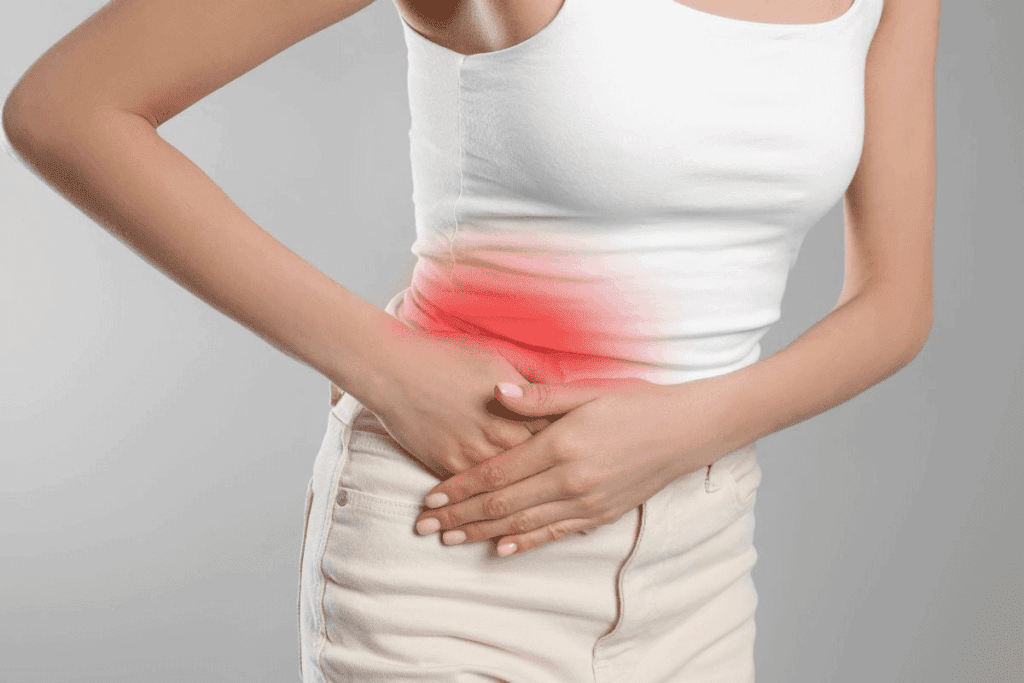
Pelvic inflammatory disease (PID) is a serious infection that affects many women worldwide. It causes significant discomfort and can lead to long-term health issues. Explaining the connection between pelvic inflammatory disease leg pain (referred pain) and infection severity.
PID can spread to the upper genital tract. This causes inflammation and damage to the reproductive organs. These include the womb, fallopian tubes, and ovaries. In some cases, this can lead to pain radiating to the legs.
At Liv Hospital, we use evidence-based diagnostics and care pathways. This ensures early detection and effective treatment. Understanding the causes and symptoms of PID is key to protecting your reproductive health.
Key Takeaways
- PID is a serious infection that can lead to significant complications if left untreated.
- The infection can cause inflammation and damage to the reproductive organs.
- Pain can radiate to the legs in some cases.
- Early detection and effective treatment are critical for protecting reproductive health.
- Liv Hospital’s patient-centered approach ensures complete care for PID patients.
Understanding Pelvic Inflammatory Disease (PID)

Knowing about Pelvic Inflammatory Disease (PID) is key for women’s health. It can cause serious problems if not treated. PID is when the female reproductive organs get inflamed, often due to infections.
Definition and Prevalence of Inflamed Pelvis in Women
Pelvic Inflammatory Disease (PID) is when the upper genital tract gets inflamed. This includes the uterus, fallopian tubes, and ovaries. It can lead to serious health issues and is a big reason for long-term reproductive problems in women.
PID is common among sexually active women, mostly those under 25. Finding out how common PID is can be hard because some cases don’t show symptoms. Yet, it’s believed that many women worldwide get PID, with some groups facing higher risks due to things like money and access to healthcare.
The Female Reproductive System
The female reproductive system is complex and vital for health. It includes the uterus, fallopian tubes, and ovaries. Knowing how these organs work is key to understanding PID and its complications.
Organ | Function | Relation to PID |
Uterus | Supports fetal development during pregnancy | Can be inflamed, leading to endometritis |
Fallopian Tubes | Facilitates egg transport from ovaries to uterus | Often affected, leading to salpingitis |
Ovaries | Produces eggs and hormones | Can be involved, potentially leading to ovarian abscesses |
P.I.D. Medical Abbreviation Explained
The term P.I.D. stands for Pelvic Inflammatory Disease. It covers a range of conditions that affect the upper genital tract. Knowing what P.I.D. means is important for both healthcare providers and patients, as it means quick action is needed to avoid lasting damage.
PID is often caused by STIs like chlamydia and gonorrhea. These infections can move up from the lower genital tract and cause inflammation. Other bacteria can also lead to PID, making it important to diagnose and treat it fully.
Causes of Pelvic Inflammatory Infection

Knowing what causes PID is key to preventing and treating it. PID is mainly caused by bacteria that move up from the vagina and cervix to the upper genital area.
Sexually Transmitted Infections (Chlamydia and Gonorrhea)
About 90% of PID cases come from sexually transmitted infections (STIs). Chlamydia trachomatis and Neisseria gonorrhoeae are the main culprits. These bacteria can cause a lot of inflammation and harm to the reproductive organs if not treated.
- Chlamydia: Often doesn’t show symptoms, so regular tests are important for catching it early.
- Gonorrhea: Can lead to symptoms like unusual discharge, but many times it doesn’t show any signs.
Normal Vaginal Bacteria as a Cause
PID can also be caused by the normal bacteria in the vagina. An imbalance in these bacteria, known as bacterial vaginosis, can lead to PID. Keeping the vaginal environment healthy is very important.
How Do You Get a Pelvic Infection?
PID happens when bacteria from the lower genital area move up to the upper reproductive organs. Several things can make you more likely to get PID, including:
- Having multiple sexual partners
- Engaging in unprotected sex
- Having a history of STIs or PID
- Douching, which can upset the natural balance of vaginal bacteria
By knowing these risk factors and causes, people can take steps to lower their chance of getting PID.
Pelvic Inflammatory Disease and Leg Pain Connection
Pelvic Inflammatory Disease (PID) can cause a lot of discomfort. It often spreads beyond the pelvis to the legs. This condition, which inflames the female reproductive organs, can lead to pain in the legs.
The link between PID and leg pain comes from the nerves in the pelvic area. When PID inflames these nerves, it can cause pain in the pelvis, legs, and lower back.
How Pelvic Pain Radiates to the Legs
Pelvic pain can spread to the legs because of shared nerve pathways. The nerves for the pelvic organs are connected to those for the legs. When the pelvic organs are inflamed, as in PID, these nerves get irritated, causing leg pain.
This pain can feel like a dull ache or a sharp, stabbing sensation. The pain’s severity and type can differ from person to person, based on the inflammation and affected nerves.
Is PID Painful? Understanding Pain Patterns
PID is painful for many women. The pain from PID can be mild or severe. It can interfere with daily activities.
The pain patterns of PID can change over time. At first, the pain might be mild and come and go. But as the condition worsens, the pain can become more constant and intense. Knowing these patterns is key to diagnosing PID and distinguishing it from other conditions.
Differentiating PID Leg Pain from Other Conditions
It’s hard to tell if leg pain is from PID or another condition. A detailed evaluation of symptoms and medical history is needed. Conditions like sciatica, musculoskeletal disorders, and other gynecological issues can also cause leg pain.
A thorough medical check-up, including a detailed history and possibly imaging studies, is needed to find the cause of leg pain. Women with leg pain and symptoms of PID, like pelvic pain yellow discharge or bleeding with pelvic pain, should see a doctor. This is important for an accurate diagnosis and proper treatment.
Recognizing Womb Infection Symptoms
Knowing the signs of a womb infection is key to managing it. We’ll cover the common symptoms of Pelvic Inflammatory Disease (PID). This will help women know when to get medical help.
Lower Abdominal Pain Patterns
Lower abdominal pain is a main symptom of PID. This pain can be mild or severe. It feels like a dull ache or cramps.
The pain might stay the same or change. It can get worse during menstruation or sex.
Pelvic Inflammatory Disease Discharge Characteristics
Unusual vaginal discharge is another sign of PID. The discharge might be yellow or green and smell bad. This happens because the infection causes inflammation in the reproductive tract.
Bleeding with Pelvic Pain
Abnormal bleeding is a symptom of PID too. Women might bleed between periods, have heavier or longer periods, or bleed after sex. This bleeding often comes with pelvic pain.
What Does Pelvic Inflammatory Disease Look Like?
PID can show differently in each woman. Common signs include the symptoms we’ve talked about. In serious cases, women might also have fever, nausea, or vomiting.
It’s important to know these symptoms. If you experience them, get medical care right away.
How Long Can Pelvic Inflammatory Disease Last?
Knowing how long Pelvic Inflammatory Disease (PID) lasts is key. It helps set patient expectations and guides treatment plans. PID’s duration can change based on whether it’s acute or chronic.
Acute vs. Chronic PID
PID comes in two main types: acute and chronic. Acute PID starts suddenly and is very severe. It needs quick medical help. With the right treatment, acute PID usually goes away in a few weeks.
Chronic PID has symptoms that last a long time. It can go on for months or even years without treatment. This can cause chronic pain and infertility.
Factors Affecting Duration
Several things can affect how long PID lasts. These include:
- The severity of the infection at diagnosis
- The promptness and effectiveness of treatment
- The presence of any underlying health conditions
- Patient compliance with prescribed treatment regimens
Early diagnosis and proper treatment are key. They help shorten PID’s duration and prevent serious problems.
Does Pelvic Inflammatory Disease Go Away?
Yes, PID can be cured with the right treatment. But, how well it goes away depends on several factors. Untreated PID can cause chronic conditions and serious health issues.
Treatment Outcome | Acute PID | Chronic PID |
Prompt Treatment | Usually resolves within a few weeks | Can be managed but may require ongoing care |
Delayed Treatment | May lead to chronic PID | Increased risk of long-term complications |
In summary, PID’s duration can change a lot. It depends on whether it’s acute or chronic and how well it’s treated. Knowing this helps both patients and doctors manage the disease better.
Diagnosis of Inflammation of the Pelvic Region
Diagnosing pelvic inflammatory disease (PID) is a detailed process. It includes looking at medical history, doing a physical exam, and running tests. We’ll cover how PID is diagnosed to help you understand it better.
Medical History and Physical Examination
The first step is a detailed medical history. The doctor will ask about symptoms, sexual history, and past surgeries or infections. A physical exam is also key, where the doctor checks for tenderness or pain.
A pelvic examination is important to see how bad the inflammation is. Doctors look for signs like cervical motion tenderness or uterine tenderness.
Laboratory Tests for Pelvis Fluid Causes
Lab tests are key to confirming PID. These tests might include:
- Nucleic acid amplification tests (NAATs) to find chlamydia and gonorrhea.
- Complete blood count (CBC) to check for infection signs.
- Urine tests to rule out other pain causes.
- Pregnancy test to check for ectopic pregnancy.
Laboratory Test | Purpose |
NAATs | Detect chlamydia and gonorrhea |
CBC | Check for signs of infection or inflammation |
Urine tests | Rule out other causes of pelvic pain |
Pregnancy test | Check for ectopic pregnancy |
Imaging Studies
In some cases, imaging studies are needed. These might include:
- Ultrasound to see the reproductive organs and find any issues.
- Computed tomography (CT) scan or magnetic resonance imaging (MRI) to see how far the disease has spread.
Silent PID: When Women Have PID Without Knowing It
Some women have PID without symptoms, known as “silent PID.” This might be found during a routine check-up or when complications happen. It’s important for women to get regular check-ups to catch PID early, even without symptoms.
Knowing how PID is diagnosed is key for early and accurate diagnosis. By using medical history, physical exams, lab tests, and sometimes imaging, doctors can diagnose and treat PID well. This helps avoid serious complications.
Treatment Options for PID and Associated Pain
Understanding how to treat PID is key to managing the condition and pain. Treatment includes medical therapies to get rid of the infection and ease symptoms.
Antibiotic Therapy Protocols
Antibiotics are the main treatment for PID. They are vital for killing the infection. We use broad-spectrum antibiotics to cover many pathogens, like Chlamydia trachomatis and Neisseria gonorrhoeae.
The Centers for Disease Control and Prevention (CDC) has guidelines for antibiotic treatment. A common treatment includes:
Antibiotic | Dosage | Duration |
Ceftriaxone | 1g IV every 12 hours | 24-48 hours after improvement |
Doxycycline | 100mg orally twice daily | 14 days |
Metronidazole | 500mg orally twice daily | 14 days |
Pain Management Strategies
Managing pain is a big part of treating PID. We use different strategies to ease discomfort. For mild to moderate pain, over-the-counter pain relievers like ibuprofen or acetaminophen work well.
For severe pain, stronger medicines might be needed. Resting and avoiding hard activities also helps reduce pain and aid in recovery.
Can PID Go Away On Its Own?
Some mild PID cases might clear up without treatment. But, it’s not safe to count on this. Untreated PID can cause serious problems like chronic pain, infertility, and higher risk of ectopic pregnancy. So, it’s important to see a doctor if symptoms don’t get better or get worse.
Whether PID can go away by itself is a complex question. Sometimes, the body can fight off the infection. But, the severity of the infection and other health issues can affect the outcome.
When Hospitalization Is Necessary
For severe PID, hospitalization might be needed. This is true if there are signs of a serious infection, like high fever, severe pain, or if the patient is pregnant. Hospital care allows for better monitoring and treatment.
When to go to the hospital includes:
- Severe symptoms or high fever
- Pregnancy
- Failed outpatient treatment
- Presence of a tubo-ovarian abscess
In conclusion, treating PID effectively means using antibiotics and managing pain. Even if mild cases might clear up on their own, seeing a doctor is key to avoid serious problems.
Complications of Untreated Pelvic Inflammatory Disease
Not treating PID can cause serious harm to reproductive health and overall well-being. If not treated, PID can lead to severe and long-lasting problems. These problems can affect many areas of a woman’s health.
Chronic Pelvic Pain and Scarring
Untreated PID often leads to chronic pelvic pain. This pain can be very hard to deal with and can affect daily life. The inflammation from PID can cause scarring in the reproductive organs, leading to chronic pain and discomfort.
Scarring can also cause adhesions, where tissues and organs stick together. Chronic pelvic pain can be challenging to manage, but there are treatments to help.
Fertility Issues and Reproductive Health
Untreated PID can greatly affect fertility. The scarring and adhesions from PID can block the fallopian tubes. This makes it hard for an egg to be fertilized, leading to infertility.
- Infertility due to blocked fallopian tubes
- Increased risk of miscarriage
- Potential for preterm labor
Fertility issues are a big worry for women with untreated PID. We will talk about why it’s important to get medical help to avoid these problems.
Ectopic Pregnancy Risk
Untreated PID also raises the risk of ectopic pregnancy. When the fallopian tubes are damaged, a fertilized egg may implant outside the uterus. This is a serious and potentially life-threatening condition.
Ectopic pregnancy is a serious condition that requires immediate medical attention. Women with a history of PID are at higher risk of experiencing an ectopic pregnancy.
Period Infection Complications
PID can also cause problems during menstruation. The infection can lead to inflammation and scarring. This can cause irregular periods, heavy bleeding, and other menstrual disorders.
Understanding the possible complications of untreated PID shows why it’s important to seek medical help if symptoms don’t get better or get worse. Early treatment can greatly reduce the risk of these complications.
Conclusion
Pelvic inflammatory disease (PID) is a serious issue that affects many women around the world. It causes a lot of pain and can really affect a person’s quality of life. We’ve looked into what causes PID, its symptoms, and how it’s treated, including its link to leg pain.
It’s very important to understand PID and its effects. If not treated right away, PID can lead to chronic pain, infertility, and even a higher risk of ectopic pregnancy. This is why getting medical help quickly is key.
Spotting PID early and treating it right away is vital to avoid serious problems later on. Knowing the signs, like pain in the lower abdomen and unusual discharge, helps people get help fast.
Handling PID well means using antibiotics and finding ways to manage pain. We stress the need to see a doctor if symptoms don’t go away or get worse. This is important for your health.
By focusing on reproductive health and getting medical help when needed, people can lower the risk of PID’s serious side effects. This helps improve their overall health and well-being.
FAQ
What is Pelvic Inflammatory Disease (PID)?
PID is a serious condition that affects many women worldwide. It causes discomfort and can lead to long-term health issues. It happens when bacteria spread to the upper genital tract, causing inflammation and damage.
What are the primary causes of PID?
The main causes of PID are sexually transmitted infections like chlamydia and gonorrhea. Normal vaginal bacteria also play a role. Knowing these causes is key to preventing and treating PID early.
How does PID cause leg pain?
PID can cause pain in the legs because of inflammation and damage to reproductive organs. The pain patterns can vary. Understanding these patterns is important for accurate diagnosis and treatment.
What are the common symptoms of PID?
Symptoms of PID include lower abdominal pain, abnormal discharge, and bleeding. Recognizing these symptoms early is vital for treatment.
How long can PID last?
PID can last from a few days to a long time. The severity of the infection and treatment effectiveness determine its duration.
Can PID go away on its own?
Some PID cases may clear up on their own. But, it’s important to see a doctor to avoid long-term problems. Untreated PID can cause chronic pain, scarring, fertility issues, and increase the risk of ectopic pregnancy.
How is PID diagnosed?
Diagnosing PID involves a detailed medical history, physical exam, and lab tests. Imaging studies may also be used to confirm the diagnosis.
What are the treatment options for PID?
PID treatment includes antibiotics and pain management. In severe cases, hospitalization may be needed to manage symptoms.
What are the complications of untreated PID?
Untreated PID can lead to chronic pain, scarring, fertility issues, and increase the risk of ectopic pregnancy. Early diagnosis and treatment are critical to avoid these complications.
Is PID painful?
Yes, PID can be painful. Pain patterns vary from person to person. Understanding the pain is key to managing it effectively.
Can PID affect reproductive health?
Yes, PID can affect reproductive health. It can lead to fertility issues and pregnancy complications. Understanding these effects is important for managing treatment.
What is the connection between PID and abnormal discharge?
PID can cause abnormal discharge, a common symptom. Recognizing the characteristics of PID discharge is important for early detection.
How can PID be prevented?
Preventing PID involves safe sex, regular check-ups, and seeking medical attention for symptoms. Understanding the causes and risk factors is essential for prevention.
References
World Health Organization. Evidence-Based Medical Guidance. Retrieved from https://www.who.int/news-room/fact-sheets/detail/pelvic-inflammatory-disease