At Liv Hospital, we know how key rehabilitation is for health and wellness. Physical therapy stretching exercises are a big part of modern rehab. Studies show they help a lot with getting better and managing pain physical therapy stretching exercises.
These exercise rehabilitation treatments aim to get you moving again. They help with healing and easing pain. This makes it easier for people of all ages to stay active, even with health issues or injuries.
Doing physical therapy stretching exercises at home can change your recovery. It boosts flexibility, cuts down on pain, and makes life better overall.
Key Takeaways
- Home-based exercise rehabilitation treatment programs are easy to get and affordable.
- Doing physical therapy stretching exercises at home can make you more flexible and less in pain.
- Recent studies back up the good results of stretching at home for getting better.
- Liv Hospital is dedicated to top-notch, patient-focused care with new rehab programs.
- Simple home health physical therapy exercises can really improve your health.
The Science Behind Rehabilitation Exercise
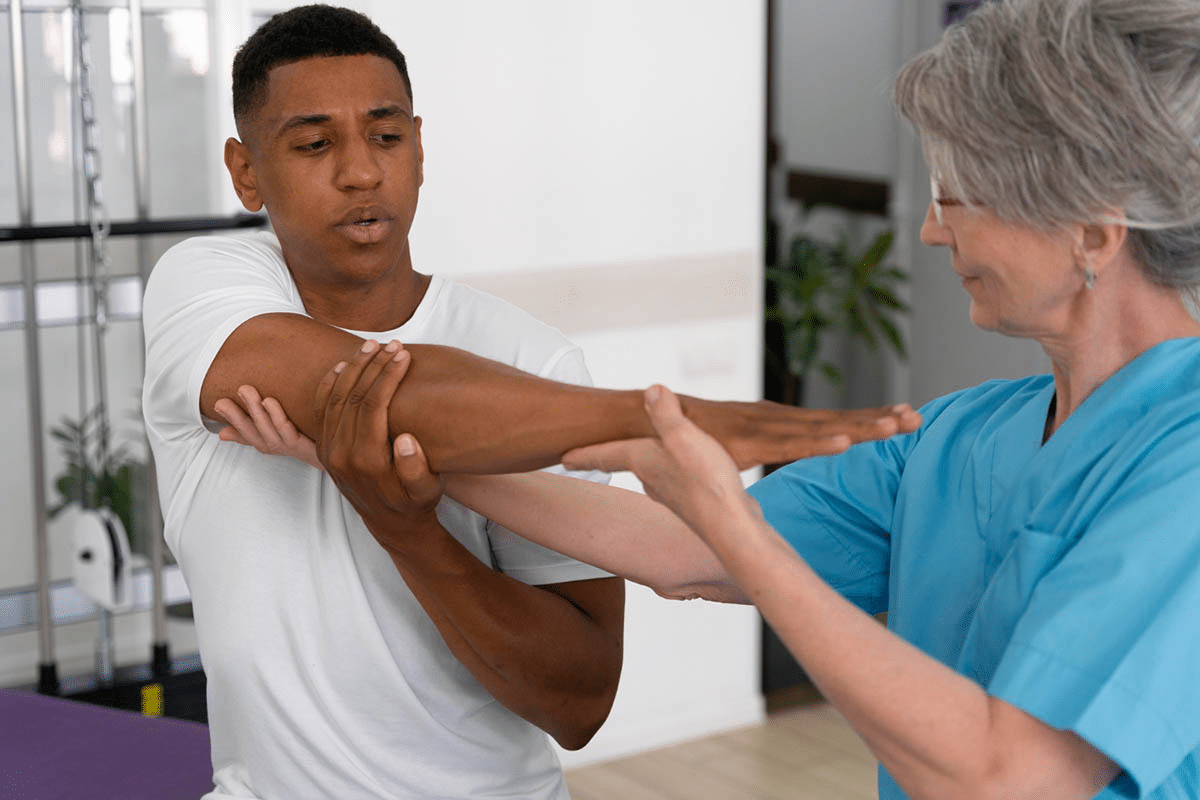
Rehabilitation exercises are key in managing pain and boosting physical function. They help improve range of motion, flexibility, and reduce pain. Recent studies show these exercises are vital for effective pain management.
Recent Research Findings (2024-2025)
Studies from 2024-2025 found that home stretching programs are very popular. They have an 87% to 89% adherence rate, thanks to digital support and weekly checks. This high adherence is key to the success of these exercises.
Stretching helps improve range of motion and flexibility. It also reduces pain in different groups of people.
A 2024 study showed that digitally supported rehabilitation programs greatly improve patient outcomes. They reduce pain and enhance functional ability. The study found that digital tools make patients more engaged and improve outcomes.
“The future of rehabilitation lies in personalized, technology-driven programs that cater to individual patient needs.”
Evidence-Based Benefits for Pain Management
Rehabilitation exercises are proven to help manage pain. Regular stretching and exercise routines reduce chronic pain and improve joint mobility. They also enhance physical function.
These exercises can be customized for specific pain needs. For example, targeted stretching programs can greatly reduce pain and improve function in those with chronic musculoskeletal conditions.
Understanding the science behind rehabilitation exercises highlights their importance. They are essential for maintaining health and well-being. As we continue to explore, it’s clear they play a vital role in our lives.
Essential Equipment for Home-Based Therapy
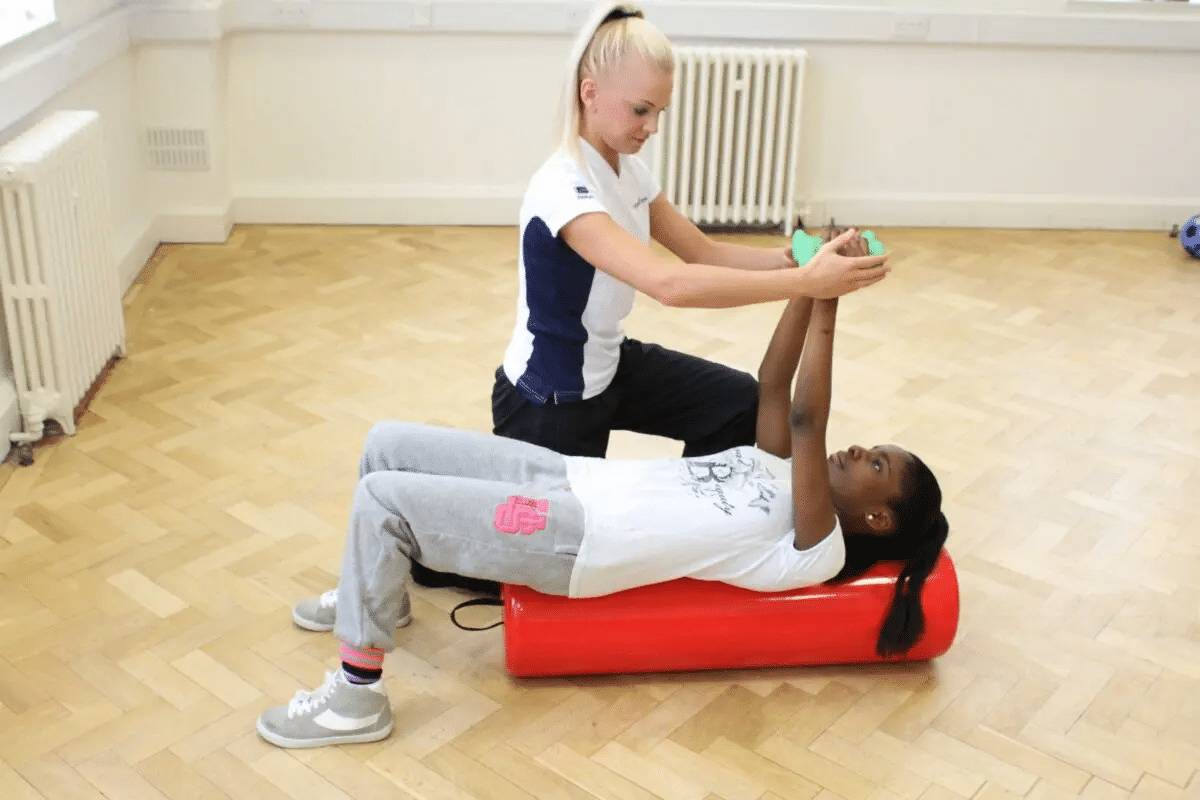
Setting up a home therapy space starts with knowing what you need. It’s key to have the basic equipment and some optional tools to boost your routine.
Basic Equipment Everyone Should Have
To begin your home therapy, you’ll need some basic items. These include:
- Exercise Mat: A quality mat is comfy and stable for floor exercises.
- Resistance Bands: These bands offer different resistance levels, great for strength training.
- Light Dumbbells: Light dumbbells are versatile for various exercises to build strength and flexibility.
Optional Tools to Enhance Your Routine
While the basics are essential, there are tools that can make your routine better:
- Balance Board: It helps improve balance and stability, key for rehab.
- Foam Roller: It’s good for self-myofascial release, easing muscle tension.
- Stability Ball: It boosts core strength and improves posture.
|
Equipment |
Purpose |
Benefit |
|---|---|---|
|
Exercise Mat |
Floor Exercises |
Comfort and Stability |
|
Resistance Bands |
Strength Training |
Variable Resistance |
|
Light Dumbbells |
Strength and Flexibility |
Versatile Exercises |
Knowing what equipment you need for home therapy helps you set up a space that works well for you.
Creating Your Ideal Therapy Space
A safe and effective home therapy space is key to reaching your rehabilitation goals. Having a dedicated area for physical therapy stretching exercises helps you stick to your routine.
Space Requirements and Safety Considerations
To make the perfect therapy space, think about the physical area and safety. First, pick a room or area where you can move easily without feeling cramped. Make sure the floor is smooth and free from obstacles to avoid tripping or falling.
Good lighting is also important. Natural light is best, but if that’s not possible, get good quality lamps. Also, think about the room’s temperature and air flow to keep it comfy for your therapy sessions.
Optimizing Your Environment for Success
After setting up a safe space, make it better for your therapy. Clear the area of clutter or distractions. You might add a mirror to check your posture and alignment during exercises. Using a non-slip mat or rug can provide stability and comfort during stretching routines.
Think about where you’ll store your therapy equipment. Having your tools within easy reach makes your sessions more efficient. Playing calming music in the background can also help create a relaxing atmosphere that promotes focus and relaxation.
By planning your therapy space well, you can improve your rehabilitation experience and get better results. The goal is to create a safe and supportive environment for your therapy needs.
Preparing Your Body for Stretching Sessions
To get the most out of your stretching routine, proper preparation is key. Preparing your body for stretching involves several steps. These steps help prevent injuries and make your exercises more effective.
Proper Warm-Up Techniques
A proper warm-up is essential before starting any stretching session. Warm-up techniques prepare your muscles by increasing blood flow and temperature. This makes them more receptive to stretching. We recommend starting with light cardio activities like jogging in place or jumping jacks for about 5-10 minutes.
After cardio, incorporate dynamic stretching to further prepare your muscles. Dynamic stretches involve moving your joints through a range of motion while keeping your muscles active. Examples include leg swings, arm circles, and torso twists.
“A good warm-up is like a good conversation starter – it sets the tone for what’s to come.” – Anonymous Physiotherapist
Setting Realistic Goals and Expectations
Setting realistic goals is vital for a successful stretching routine. We advise you to assess your current flexibility and set achievable targets. For instance, if you’re just starting out, aiming to touch your toes might be more realistic than trying to perform a complex yoga pose.
It’s also important to understand that flexibility improvements take time. Be patient and celebrate small victories along the way. Here’s a simple table to help track your progress:
|
Week |
Flexibility Goal |
Progress |
|---|---|---|
|
1 |
Touch knees |
Reached |
|
2 |
Touch toes |
In progress |
|
3 |
Deep forward bend |
Not started |
Understanding Your Baseline Flexibility
Before you begin, it’s vital to understand your baseline flexibility. This involves assessing your current range of motion and identifying areas that need improvement. Simple tests like the sit-and-reach test or shoulder flexibility test can provide valuable insights.
We suggest keeping a flexibility journal to record your findings and track changes over time. This will not only help in setting realistic goals but also in maintaining motivation.
By following these steps and maintaining a consistent routine, you’ll be well on your way to improving your flexibility and achieving your stretching goals.
Physical Therapy Stretching Exercises for Upper Body
Physical therapy stretching exercises for the upper body help improve mobility and reduce pain in the neck, shoulders, and back. These exercises are key for keeping flexibility, easing muscle tension, and boosting upper body health.
Neck and Shoulder Mobility Techniques
Neck and shoulder mobility is vital for daily activities and comfort. Simple exercises can greatly improve flexibility and lessen strain.
- Neck Tilt: Gently tilt your head to the side, bringing your ear towards your shoulder. Hold for 30 seconds and repeat on the other side.
- Shoulder Rolls: Roll your shoulders forward and backward in a circular motion. Repeat for 10-15 repetitions.
Arm and Wrist Flexibility Exercises
Improving arm and wrist flexibility can enhance your range of motion and reduce injury risk. Here are some effective exercises:
- Arm Circles: Hold your arms straight out to the sides and make small circles with your hands. Gradually increase the size of the circles.
- Wrist Extensions: Hold your arm straight out in front of you and gently pull your hand back with your other hand. Hold for 15-30 seconds.
Upper Back Pain Relief Stretches
Upper back pain can be debilitating, but specific stretches can provide relief. Incorporate these exercises into your routine to alleviate discomfort.
|
Exercise |
Description |
Repetitions |
|---|---|---|
|
Chest Open |
Stand in a doorway with your hands on the doorframe at shoulder height. Lean forward until you feel a stretch in your chest and shoulders. |
3 sets of 30 seconds |
|
Scapular Squeeze |
Sit or stand with your arms at your sides. Squeeze your shoulder blades together and hold for 5-10 seconds. |
10-15 repetitions |
As noted by a physical therapy expert, “Regular stretching can significantly reduce upper body pain and improve overall mobility.” By incorporating these exercises into your daily routine, you can enhance your upper body health and reduce discomfort.
“Consistency is key when it comes to physical therapy stretching exercises. Regular practice can lead to significant improvements in flexibility and pain reduction.”
— Physical Therapy Specialist
Core and Trunk Rehabilitation Exercises
Core and trunk exercises boost abdominal strength and lower back flexibility. They also improve rotational mobility. These exercises are key to better physical stability and injury prevention. “A strong core is the foundation of a healthy back and overall physical fitness,” studies in physical therapy show.
Abdominal and Oblique Stretching Methods
Stretching your abdomen and obliques is important for flexibility and avoiding lower back pain. Here are some techniques:
- Pelvic Tilts: Lie on your back with knees bent and feet flat. Tilt your pelvis up and then back down, repeating.
- Knee to Chest Stretch: Lie on your back and bring one knee to your chest. Hold for 30 seconds, then switch legs.
These stretches help reduce tension in your abdominal and oblique muscles. They improve flexibility and comfort.
Lower Back Therapeutic Techniques
Techniques for the lower back aim to ease pain and boost flexibility. Some effective methods include:
- Cat-Cow Stretch: On your hands and knees, arch your back (like a cat) and then let it sag (like a cow), repeating the motion.
- Lumbar Extension Stretch: Lie on your stomach with your hands under your shoulders. Slowly press your palms into the floor, lifting your chest and head off the ground.
Physical therapy experts say, “Regularly practicing these stretches can greatly reduce lower back pain.”
Rotational Mobility Improvement
Boosting rotational mobility is key for better flexibility and strength. Exercises like seated twists and torso rotations are helpful.
- Seated Twist: Sit with your feet on the floor and knees bent. Twist your torso to one side, holding for a few seconds before returning to the center and repeating on the other side.
These exercises enhance rotational mobility. They also improve balance and coordination.
Lower Body Stretching Routines
Adding lower body stretches to your daily routine boosts your physical health. These stretches make your muscles more flexible and reduce tension. They also help you move better. We’ll look at stretches for your hips, knees, and ankles.
Hip and Glute Mobility Exercises
Keeping your hips and glutes flexible is key to avoiding injuries. Lunges and hamstring stretches are great for this.
- Lunges: Stand with your feet hip-width apart, take a large step forward with one foot, and lower your body until your back knee almost touches the ground.
- Hamstring Stretches: Sit on the floor with your legs straight out in front of you, lean forward to reach for your toes.
Knee Rehabilitation Stretches
Stretches for knee rehab are important for those recovering from injuries or surgery. They help your knee get stronger and more flexible.
|
Exercise |
Description |
Repetitions |
|---|---|---|
|
Straight Leg Raise |
Lie on your back, lift one leg straight up, keeping it straight |
10-15 |
|
Knee Flexion Stretch |
Stand with your feet hip-width apart, bend one knee, and hold |
10-15 |
Ankle and Foot Flexibility Techniques
Exercises for your ankles and feet are important for balance and injury prevention. Ankle circles and calf raises are good for flexibility.
- Ankle Circles: Sit on the floor with your legs straight out, rotate your ankles in both clockwise and counterclockwise directions.
- Calf Raises: Stand on the edge of a step, raise up onto your tiptoes, and then lower back down.
Types of Therapeutic Stretching Techniques
Therapeutic stretching includes static and dynamic stretching, each with its own benefits. A tailored approach is often the most effective way to meet rehabilitation goals.
Static Stretching Methods and Applications
Static stretching involves holding a stretch for 15 to 30 seconds. It’s great for improving flexibility and reducing muscle tension. It’s often used after exercise to cool down, relax, and prevent injury.
Examples of static stretches include hamstring, quadriceps, and chest stretches. These are easy to do at home and need little equipment.
Dynamic Stretching Approaches
Dynamic stretching moves through a range of motion while keeping muscle control. It’s good for getting ready for physical activity, improving performance, and preventing injury. Dynamic stretches can be specific to sports.
Leg swings, arm circles, and torso twists are examples of dynamic stretches. They increase blood flow, improve flexibility, and enhance coordination.
PNF (Proprioceptive Neuromuscular Facilitation) Techniques
PNF stretching combines stretching and contracting muscle groups. It’s effective for improving flexibility and strength. PNF techniques often need a partner or therapist.
PNF includes the contract-relax and hold-relax methods. These involve isometric contractions followed by stretches, leading to better range of motion.
|
Technique |
Description |
Benefits |
|---|---|---|
|
Static Stretching |
Holding a stretch for a period |
Improves flexibility, reduces muscle tension |
|
Dynamic Stretching |
Moving through a range of motion |
Prepares muscles for activity, enhances performance |
|
PNF Stretching |
Involves contracting and stretching muscle groups |
Improves flexibility and strength |
Knowing the different therapeutic stretching techniques helps tailor rehabilitation programs. Mixing static, dynamic, and PNF stretching improves flexibility, strength, and physical function.
Condition-Specific Stretching Programs
Stretching programs tailored to specific health conditions can be very effective. Understanding the needs of people with different medical conditions helps us create personalized routines. These routines promote recovery and well-being.
Fibromyalgia Management Protocol
Fibromyalgia causes widespread muscle pain and fatigue. A gentle stretching program can help manage symptoms and improve life quality. Start with short sessions and gradually increase duration and intensity.
- Gentle neck stretches to improve flexibility
- Shoulder rolls to reduce tension
- Chest stretches to enhance posture
It’s important to listen to your body and avoid pushing past pain. Consistency is key in managing fibromyalgia with stretching exercises.
Exercises for Older Adults with Sarcopenia
Sarcopenia is the natural loss of muscle mass with aging. Combining resistance exercises with stretching helps maintain muscle strength and flexibility. For older adults, exercises that improve balance and coordination are essential.
- Seated leg stretches to maintain flexibility
- Wall push-ups to strengthen upper body
- Balance exercises like standing on one foot
Consulting with a healthcare professional before starting any new exercise program is important, even more so for older adults with health conditions.
Routines for Chronic Musculoskeletal Conditions
Chronic musculoskeletal conditions, like arthritis and tendonitis, need careful management through stretching and exercise. A tailored routine can reduce pain and improve function.
- Range-of-motion exercises to maintain flexibility
- Strengthening exercises to support affected joints
- Low-impact aerobic activities like swimming or cycling
Working with a healthcare professional to develop a personalized exercise plan is essential. This plan addresses specific needs and limitations.
Incorporating condition-specific stretching programs into daily routines can lead to significant health improvements.
Implementing a Six-Week Home Therapy Regimen
A well-structured six-week program is key for better flexibility and pain relief. By sticking to a consistent plan, you can see big improvements in how you move and feel.
Week-by-Week Progression Guide
To make the most of your six-week home therapy, it’s important to move forward slowly. Here’s a basic plan:
- Weeks 1-2: Start with easy stretches, focusing on big muscle groups. Do 3 sets of 5 reps for each stretch.
- Weeks 3-4: Make it harder by adding more reps (3 sets of 8) and new stretches for specific areas.
- Weeks 5-6: Keep getting better by stretching longer and trying tougher exercises.
Optimal Frequency and Duration Guidelines
Being consistent is vital for a home therapy plan. Here are some tips:
|
Frequency |
Duration per Session |
Total Weekly Duration |
|---|---|---|
|
3-4 times per week |
20-30 minutes |
60-120 minutes |
Tracking Your Improvements
It’s important to keep track of your progress. This helps you stay motivated and make changes when needed. Here are some ways to do it:
- Keep a stretching journal to record your exercises, how long you do them, and any changes in pain or flexibility.
- Use a mobile app to track your progress and get reminders.
- Take progress photos or videos to see the changes.
By sticking to this six-week home therapy plan, you can see big improvements in flexibility, pain relief, and mobility. Always talk to a healthcare professional before starting any new exercise program.
When to Consult a Professional Physical Therapist
Home-based physical therapy stretching exercises are very helpful. But, there are times when you need a professional physical therapist. Knowing when to ask for help is key.
Warning Signs That Require Professional Attention
Some symptoms or conditions mean you should see a physical therapist. These include:
- Severe Pain: If you have intense pain that stops you from doing daily things or doesn’t go away with home exercises.
- Numbness or Tingling: If you suddenly or keep getting numbness, tingling, or weakness in your limbs.
- Significant Loss of Function: If you can’t move as much or do daily tasks as well as before.
- Recent Injury or Surgery: After a big injury or surgery, a pro can help you heal and get back to normal.
Knowing these signs helps you choose the right care for yourself.
Maximizing Benefits from Virtual Consultations
Virtual consultations are great for getting professional advice. To get the most from them:
- Make sure your internet is stable and you have a quiet, private spot for the call.
- Be ready to talk about your symptoms, health history, and any exercises you’re doing.
- Follow the therapist’s advice closely and ask questions if you’re not sure about anything.
Virtual consultations are good for check-ups, small changes to your routine, or when it’s hard to see a therapist in person.
Insurance Coverage for Physical Therapy
It’s important to know what your insurance covers for physical therapy. Here are some key points:
|
Insurance Aspect |
Description |
|---|---|
|
Coverage Limits |
Check if your insurance limits how many physical therapy sessions you can have. |
|
Referral Requirements |
Some plans need a doctor’s referral to cover physical therapy. |
|
Out-of-Pocket Costs |
Know your deductible, copay, or coinsurance for physical therapy sessions. |
|
Network Providers |
Make sure the physical therapist is in your insurance network to get the best coverage. |
Knowing when to seek help, the benefits of virtual consultations, and your insurance coverage helps you get the most from physical therapy.
Conclusion: Sustaining Your Home Physical Therapy Practice
As we wrap up our talk on home physical therapy stretching, it’s key to see its lasting value. Studies prove that sticking with a home therapy plan boosts flexibility and function over time.
Adding these stretches to your daily life can keep your progress going strong. We suggest making physical therapy a regular part of your routine, like brushing your teeth or going for a walk.
Keeping up with home physical therapy takes dedication, but the benefits are huge. You’ll see better mobility, less pain, and a better overall health. Remember, sticking with it is what brings lasting results.
By keeping up with your home therapy, you’re in charge of your health. With hard work and commitment, you can reach your goals and live a healthier life.
FAQ
What are the benefits of physical therapy stretching exercises at home?
Doing physical therapy stretches at home can boost your flexibility and range of motion. It also helps reduce pain. Plus, it’s more affordable and convenient than going to a clinic.
How do I create an ideal therapy space at home?
To set up a great therapy area, make sure it’s clean, well-lit, and safe. Think about how much space you need for your stretches. Also, remove anything that could cause you to trip.
What equipment do I need for home-based physical therapy?
You’ll need a yoga mat, resistance bands, and a foam roller to start. You might also want a balance board or exercise ball to add variety to your routine.
How often should I do physical therapy stretching exercises at home?
How often you should stretch depends on your goals and condition. Usually, 3-4 times a week is good. But, it’s best to talk to a physical therapist for a plan that’s right for you.
What are some common physical therapy stretching exercises for the upper body?
For the upper body, you can do stretches for your neck, shoulders, arms, and wrists. These can help you move better and feel less pain.
How can I manage chronic musculoskeletal conditions with stretching exercises?
Stretching can help with chronic conditions. A physical therapist can help you create a stretching plan that’s just right for you.
What is the difference between static and dynamic stretching?
Static stretching means holding a stretch for a while. Dynamic stretching involves moving through a range of motion. Both have their uses and benefits.
Can I do physical therapy stretching exercises if I have fibromyalgia?
Yes, gentle stretches can help with fibromyalgia. It’s important to work with a physical therapist to make a plan that’s right for you.
How long does it take to see improvements from home physical therapy exercises?
Improvements can start in as little as 6 weeks. But, it really depends on you, your condition, and how often you exercise.
When should I seek professional help from a physical therapist?
If you have severe pain, numbness, or tingling, or if you’re not sure about the right exercises, get professional help. Virtual consultations can also be helpful.
Are physical therapy exercises at home covered by insurance?
Insurance coverage for home physical therapy varies. It depends on your provider and policy. Always check with your insurance to see what’s covered.
How can I track my progress with home physical therapy exercises?
Keep a log of your exercises and track your pain and range of motion. Regularly checking your progress can keep you motivated.
Reference
Complete Physical Therapy Stretching Exercises At Home Guide https://www.ncbi.nlm.nih.gov/books/NBK555914/