


After hip replacement surgery, the second week is a big step. At Liv Hospital, we help our patients a lot during this time. We use the best methods and care with kindness. Listing five crucial recovery milestones to achieve during week 2 hip replacement rehabilitation.
By week two, swelling and bruises start to go down. Patients might start using a cane instead of a walker. This is a big step towards feeling better and more independent.
We will look at five important recovery milestones for this time. We want to give patients the right expectations and help them feel confident in their healing.
Key Takeaways
- Reduced swelling and bruising
- Transitioning from walker to cane
- Increased independence
- Improved mobility
- Enhanced confidence in recovery
What to Expect During Week 2 Hip Replacement Recovery
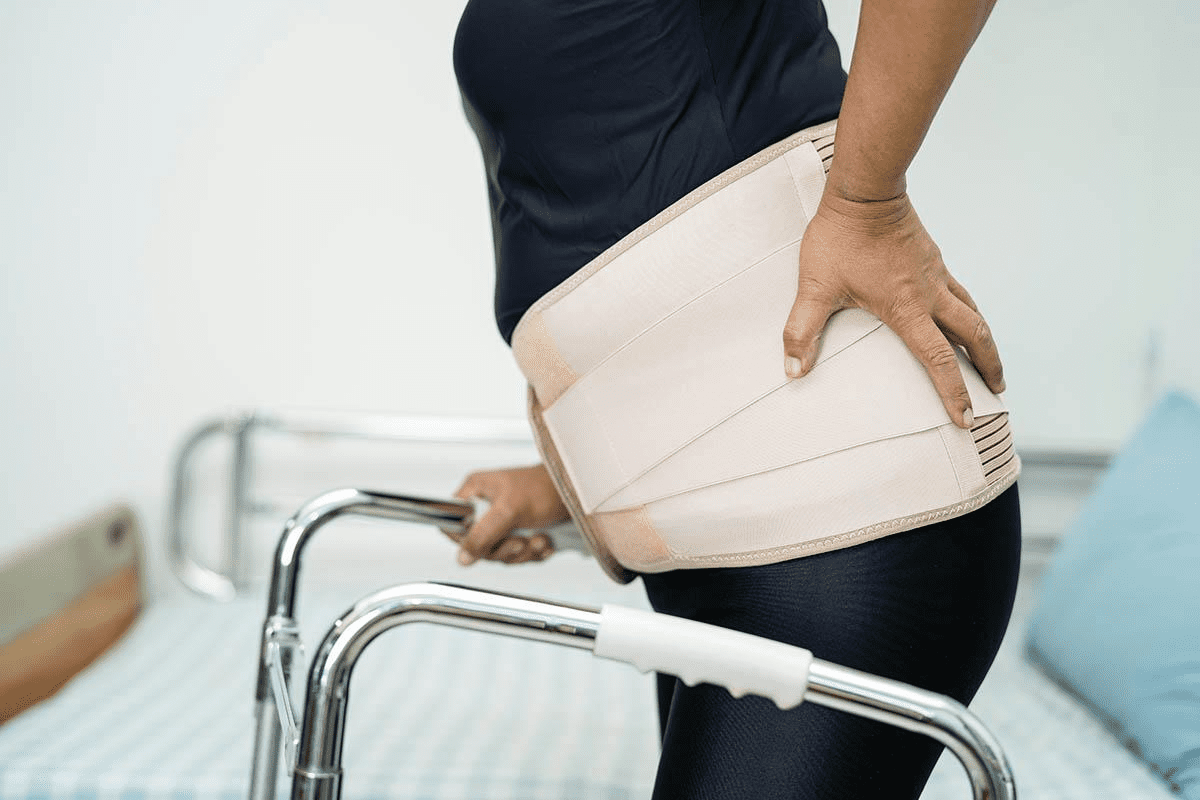
Entering the second week of hip replacement recovery, you’ll see big improvements. Your mobility and comfort will get better. This is a key time for your recovery journey.
The Significance of This Transitional Phase
Week 2 is a transitional phase. Your body starts to adjust to the surgery changes. It’s a time of big progress in healing and learning to use your new hip.
This period is both exciting and challenging. You’ll start to regain your independence. Focus on improving your mobility and strengthening your muscles.
Listen to your body and don’t overdo it. Too much effort can slow you down.
Physical Changes You’ll Notice
In the second week, many notice less pain and discomfort. Swelling and bruising will start to go down. This helps you move better.
You might be able to walk short distances with help. Some start using a cane instead of a walker.
Feelings of excitement and discomfort are normal. Watch your pain levels and follow your doctor’s advice on medication.
Setting Realistic Expectations
Keep realistic expectations during your recovery. Week 2 brings big progress, but everyone heals differently. Your health, age, and fitness before surgery affect how fast you recover.
Don’t compare yourself to others. Celebrate your small wins. Stay true to your rehabilitation plan.
Milestone 1: Mobility Transition – From Walker to Cane
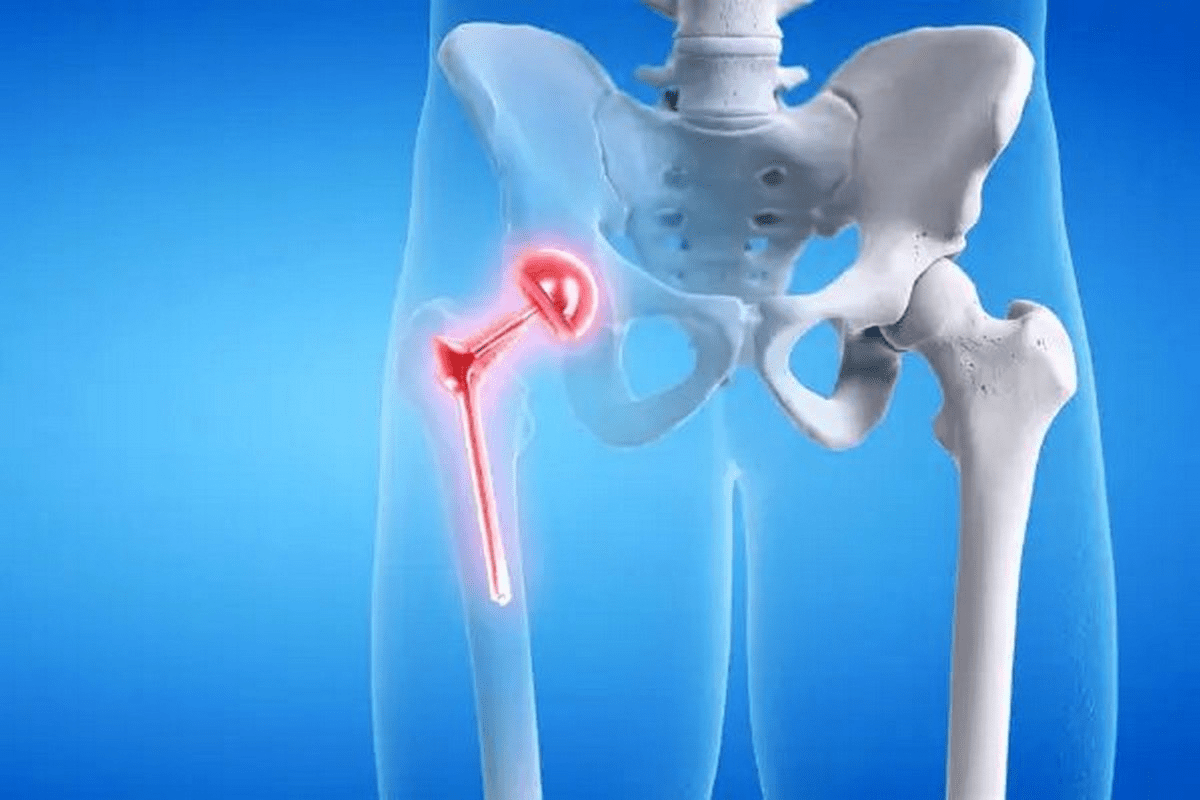
Week 2 after hip replacement surgery is a big change for patients. They start to move more freely and need less help from devices.
Progressing from Assistive Devices
Patients start to use a cane instead of a walker. This is a big step in their hip replacement recovery timeline. We tell them to keep using a walker until they’re sure they can walk without it.
A study in the Journal of Orthopaedic & Sports Physical Therapy found that moving from walkers to canes helps. It improves balance and lowers the chance of falling. “Using devices early on is key, but as you get better, it’s important to stop using them. This helps build strength and mobility.”
“The use of assistive devices is critical early on, but as you get better, it’s vital to stop using them. This helps build strength and mobility.”- Journal of Orthopaedic & Sports Physical Therapy
Safe Walking Techniques at Home
It’s important to walk safely during this time. Here are some tips:
- Take small steps to keep your balance.
- Spread your weight evenly on both legs.
- Avoid sudden twists or turns.
- Use a cane in the hand opposite your operated hip.
When to Use a Cane for Longer Distances
For longer walks, a cane is usually recommended. It helps prevent falls and supports your healing hip. The choice to use a cane depends on how well you’re doing and how you feel.
Activity | Recommended Assistive Device | Distance/Location |
Walking around the home | None/Cane | Short distances |
Walking outside | Cane | Longer distances |
Climbing stairs | Cane or Handrail | Staircases |
Knowing when to switch from a walker to a cane helps patients move through their recovery hip replacement timeline better. It’s important to listen to your healthcare team for a smooth transition and to avoid problems.
As patients near the three-week mark after surgery, they often wonder how should I feel 3 weeks after hip replacement. Usually, they feel more mobile and less pain. But, it’s key to keep following the rehab plan they were given.
Milestone 2: Wound Healing and Suture Removal
About two weeks after surgery, a big step is reached: the removal of sutures or staples. This shows the healing process is moving forward.
The Suture Removal Process at Two Weeks
Removing sutures or staples is a quick and simple task done by a healthcare expert. It’s a big milestone showing the wound has healed enough to not need these closures anymore.
At this time, your doctor will check how well the wound is healing. They look for signs like no infection, strong tissue, and a good wound condition.
Signs of Proper Healing
Good wound healing means several things:
- The wound edges are closed and starting to form a scar.
- There’s no big redness, swelling, or discharge around the wound.
- The patient doesn’t feel more pain or tenderness around the wound.
Watching for these signs is key to making sure the wound heals right and avoiding problems.
When to Contact Your Doctor About Wound Concerns
If you see signs of infection or problems, like more redness, swelling, discharge, or fever, call your doctor right away. Quick action can stop serious issues and help you recover smoothly.
Knowing about suture removal and what healing looks like helps patients get through this important part of their recovery. This knowledge lets patients play a big role in their healing, leading to the best results.
Milestone 3: Pain Management Progress
As we move into week 2 after hip replacement, managing pain is key. Patients often see their pain lessen as they stick to their meds and rehab plan.
Typical Pain Levels During Week 2
In week 2, most people feel their pain start to fade. This is because their body is healing and swelling is going down. But, everyone feels pain differently.
Here are some common pain feelings during this time:
- Mild to moderate pain when moving
- Discomfort when going from rest to activity
- Sharp pains sometimes, after therapy
Medication Adjustments
As patients get better, they might need to change their meds. By week 2, some may start to take less pain medicine, with their doctor’s help.
Important things to think about when changing meds include:
- Watching pain levels to see if current meds work
- Slowly cutting back on strong pain meds if needed
- Switching to over-the-counter meds as the doctor suggests
Non-Pharmaceutical Pain Management Techniques
There are also non-med ways to manage pain. These include:
- Using ice or heat on the sore area
- Doing gentle exercises and stretches as a physical therapist suggests
- Trying relaxation methods like deep breathing or meditation
Using these methods with meds can help manage pain better. It’s also key to listen to your healthcare provider for a smooth recovery.
For those in their 60s and 80s, recovery times can differ. But, with good pain management, they can feel more comfortable and move better during recovery.
Milestone 4: Increased Independence in Daily Activities
In the second week after hip replacement surgery, patients often feel more independent. This is a key step in the total hip replacement recovery timeline. It shows they are moving towards being more self-sufficient.
Safe Household Activities You Can Resume
Patients can start doing light household chores again. These might include:
- Preparing simple meals
- Light dusting and tidying
- Laundry, with help for heavy baskets
It’s important to do these tasks slowly and take breaks. This helps avoid getting too tired.
Modifications for Daily Tasks
Changing how you do daily tasks is key to a smooth recovery. For example, using ergonomic tools for household chores can help. Also, breaking tasks into smaller parts can stop you from getting too tired.
When cooking, sitting on a stool or chair can be helpful. Using special utensils and tools can also reduce the need to bend or stretch.
Activities to Avoid
Even with more independence, there are things to avoid. These include:
Activity | Reason to Avoid |
Heavy lifting | Can strain the new hip joint |
Bending at the waist | May cause dislocation or injury |
High-impact activities | Can harm the hip replacement |
By the end of week 2, patients have made big strides in their hip replacement recovery timeline. It’s important to keep following the advice of healthcare providers for a good recovery.
As patients get closer to 3 weeks after hip replacement surgery, they should keep an eye on their progress. This time is important for building on the early recovery gains.
Milestone 5: Reduced Swelling and Improved Comfort
Week 2 after hip replacement surgery brings a big relief: less swelling and more comfort. Patients start to see the swelling go down, which is a big sign of healing. This is a key moment in the recovery journey.
Normal Swelling Patterns
Swelling after hip replacement surgery is normal. It shows the body’s reaction to the surgery. Swelling can vary from person to person. It usually gets worse in the first few days and then starts to go down.
By week 2, most people notice a big drop in swelling. But, some might see a bit of swelling, mainly after being active.
Effective Swelling Management Techniques
It’s important to manage swelling well for a smooth recovery. Here are some ways to do it:
- Elevation: Keeping the affected leg up can help reduce swelling.
- Cold Compresses: Cold packs on the swollen area can help with inflammation.
- Compression Garments: Wearing compression stockings or sleeves can improve circulation and reduce swelling.
- Activity Modification: Avoiding activities that make swelling worse and doing gentle exercises can help manage it.
Technique | Description | Benefits |
Elevation | Elevate the affected leg above heart level | Reduces swelling by improving circulation |
Cold Compresses | Apply cold packs to the swollen area | Reduces inflammation and pain |
Compression Garments | Wear compression stockings or sleeves | Improves circulation, reduces swelling |
When Swelling Indicates a Problem
While some swelling is normal, too much or sudden swelling can be a sign of a problem. It’s important to know when swelling might mean something is wrong. Look out for:
- Increased Swelling: If swelling suddenly gets worse or becomes very severe.
- Pain: Severe pain that doesn’t get better with medicine.
- Redness and Warmth: If the area around the surgery site gets more red and warm.
If you notice any of these signs, call your doctor right away. Knowing what normal swelling looks like and being aware of signs of trouble can help your recovery go smoothly.
Age-Specific Recovery Timelines After Hip Replacement
Knowing how age affects hip replacement recovery is key. Recovery times vary based on age, health, and fitness before surgery.
Recovery Timeline for Patients in Their 60s
People in their 60s usually recover faster. A 60-year-old can expect to recover in 2-3 months. Being more active before surgery helps them heal quicker.
Recovery Considerations for Patients 70-80 Years Old
Those aged 70-80 may take longer to recover. Following post-operative instructions is vital for them. Their recovery time can be 3 to 4 months.
How Pre-Operative Fitness Affects Recovery Speed
Being fit before surgery greatly impacts recovery. Fit patients face fewer issues and heal faster. Regular exercise and a healthy weight before surgery improve recovery.
Age Group | Typical Recovery Time | Factors Influencing Recovery |
60s | 2-3 months | Higher pre-operative fitness, fewer comorbidities |
70-80 years | 3-4 months | Potential comorbidities, decreased physical reserve |
Physical Therapy Progress During Week 2
Week 2 after hip replacement surgery is a key time for physical therapy. Patients start to see big improvements in how they move and their strength.
Typical Exercises Introduced at This Stage
In week 2, exercises focus on making the hip more flexible and the muscles stronger. They also help with balance. Some common exercises include:
- Gentle hip flexion and extension exercises to improve range of motion
- Strengthening exercises for the hip abductors and adductors
- Balance training to reduce the risk of falls
- Progressive resistance exercises to build strength
These exercises are made just for each patient. It’s important to work with a physical therapist to do them right and safely.
Measuring Progress in Physical Therapy
Tracking progress is a big part of physical therapy. Patients and therapists look at:
- Range of motion: Increased flexibility and ability to move the hip joint
- Strength: Enhanced muscle power around the hip
- Balance and coordination: Reduced risk of falls and improved overall mobility
- Functional ability: Ability to perform daily activities with greater ease
Regular checks help adjust the therapy plan to fit the patient’s changing needs.
Balancing Rest and Rehabilitation
Physical therapy is key, but rest is just as important. Too much activity can slow you down, while enough rest helps you heal. Patients should:
- Follow the prescribed exercise regimen
- Listen to their body and take breaks as needed
- Report any pain or discomfort to their healthcare provider
Finding the right balance helps patients recover well from hip replacement surgery.
Driving and Returning to Normal Activities
After hip replacement surgery, many patients wonder when they can drive again. This is a big step towards getting back to normal life. But, it’s important to listen to your doctor’s advice to stay safe on the road.
Why You Can’t Drive at Week 2
At two weeks after surgery, doctors usually say no to driving. You might be in pain, have limited movement, and be on strong pain meds. These can make driving risky.
The 6-Week Driving Milestone
Most doctors say wait about 6 weeks to start driving again. By then, you’ll likely be feeling better, moving more easily, and off strong pain meds. This makes you safer on the road.
Safely Returning to Regular Activities
Getting back to normal after hip surgery should be slow. Start with easy activities and gradually do more. Always follow your doctor’s advice on what activities to do and when.
Activity | Recommended Time to Resume | Precautions |
Driving | 6 weeks | Ensure you’re off strong pain medications and can react quickly. |
Low-impact exercises (e.g., walking, swimming) | 2-6 weeks | Start slowly and increase intensity based on comfort and doctor’s advice. |
High-impact activities (e.g., running, jumping) | After 3 months | Consult with your doctor before resuming high-impact activities. |
Being patient is key when getting back to normal after hip surgery. Stick to the recovery plan and your doctor’s advice. This way, you’ll have a safe and successful recovery.
Understanding Your Hip Replacement Surgery and Recovery
It’s important for patients to understand hip replacement surgery to navigate their recovery well. This surgery replaces a damaged or arthritic hip with an artificial one. Success depends on the surgery, the patient’s health, and post-operative care.
Typical Surgery Duration
Hip replacement surgery can last from 1 to 2 hours. Factors like the surgical approach and the patient’s anatomy affect the time. For example, anterior hip replacement might be shorter than traditional methods.
Surgical Approach | Typical Operation Time | Recovery Characteristics |
Anterior Hip Replacement | 1 – 1.5 hours | Less invasive, potentially faster recovery |
Traditional Hip Replacement | 1 – 2 hours | More common, varied recovery times |
The Hardest Parts of Recovery
Recovery from hip replacement surgery is tough. Patients face pain, swelling, and limited mobility at first. The first few days are the hardest as the body heals.
Managing pain and following a rehabilitation program are key. Patients start to feel better by week 2.
Comparing Different Surgical Approaches
Different hip replacement methods affect recovery. The anterior approach might lead to less pain and faster recovery. Traditional methods might cause more pain and a longer recovery.
Understanding these differences helps patients make informed decisions. This knowledge prepares them for the recovery journey, managing expectations and following rehabilitation plans for a successful outcome.
Conclusion: Navigating Your Week 2 Recovery Successfully
As we wrap up our look at week 2 hip replacement recovery, it’s clear this time is key. By week 2, patients often see big improvements in how they move. They can do everyday tasks more easily.
This week, we talked about five important steps. Patients start using a cane instead of a walker. They also see their wounds heal and sutures get removed. Pain lessens, and they become more independent in daily tasks. Swelling goes down, making them more comfortable.
Remember, everyone recovers at their own pace. Stick to your rehab plan and talk to your healthcare team about your progress. This way, you can reach the best results and get back to your usual life.
We’re here to help you every step of the way. We’ll give you the care and advice you need to get through week 2 of your hip replacement recovery.
FAQ
How should I feel 3 weeks after hip replacement surgery?
Three weeks after surgery, you’ll likely see big improvements. Your mobility will get better, and pain will lessen. Swelling and bruising might be there, but they should be going down.
What is the typical recovery time for hip replacement surgery in patients in their 60s, 70s, and 80s?
Recovery times differ by age. People in their 60s usually heal faster than those in their 70s and 80s. It often takes 6-12 weeks to see big improvements, with older patients needing more time.
Can I drive 2 weeks after hip replacement surgery?
No, you shouldn’t drive 2 weeks after surgery. Doctors usually say wait at least 6 weeks before driving. This ensures you can drive safely.
What are the hardest parts of hip replacement recovery?
The toughest parts are managing pain, getting used to new mobility limits, and building strength and flexibility. Emotional challenges also play a big role.
How long does it take to recover from hip replacement surgery?
Recovery from hip replacement surgery takes about 6-12 weeks for significant progress. Full recovery, including getting back to normal activities, can take several months.
What is the typical surgery duration for hip replacement?
Hip replacement surgery usually lasts 1-2 hours. This depends on the surgery’s complexity and the approach used.
How does pre-operative fitness affect recovery speed after hip replacement surgery?
Being fit before surgery helps you recover faster and easier. Fitness improves health, lowers complication risks, and aids in healing.
What are the signs of proper healing after hip replacement surgery?
Proper healing shows in less swelling and bruising, better mobility, and less pain. The wound should be clean and dry, with no signs of infection.
When can I resume normal activities after hip replacement surgery?
You can start getting back to normal activities in 6-12 weeks. Always follow your doctor’s advice for a safe recovery.
What is the difference between anterior and other surgical approaches for hip replacement?
The anterior approach is a less invasive method at the front of the hip. It causes less muscle damage and might lead to quicker recovery. Other methods, like posterior or lateral, depend on the patient’s condition and the surgeon’s choice.
References
National Center for Biotechnology Information. Evidence-Based Medical Guidance. Retrieved from https://pubmed.ncbi.nlm.nih.gov/29126423/
























