
Did you know that appendicitis is often misdiagnosed? This is because its symptoms are similar to other abdominal conditions. The CDC says many conditions can look like appendicitis, making it hard to diagnose.Conditions Mimicking AppendicitisConditions Mimicking Appendicitis: List
Appendicitis is a common reason for emergency surgery in kids. Its symptoms can look like other conditions. This makes it hard to tell if someone has appendicitis. We will look at the conditions that can be mistaken for appendicitis. We will also talk about why getting the right diagnosis is so important.
Key Takeaways
- Appendicitis symptoms can be similar to other abdominal conditions.
- Accurate diagnosis is key for effective treatment.
- Many conditions can look like appendicitis, making diagnosis tricky.
- Knowing these conditions can help doctors make better diagnoses.
- Getting the right diagnosis is important for the best patient care.
Overview of Appendicitis Symptoms and Diagnosis
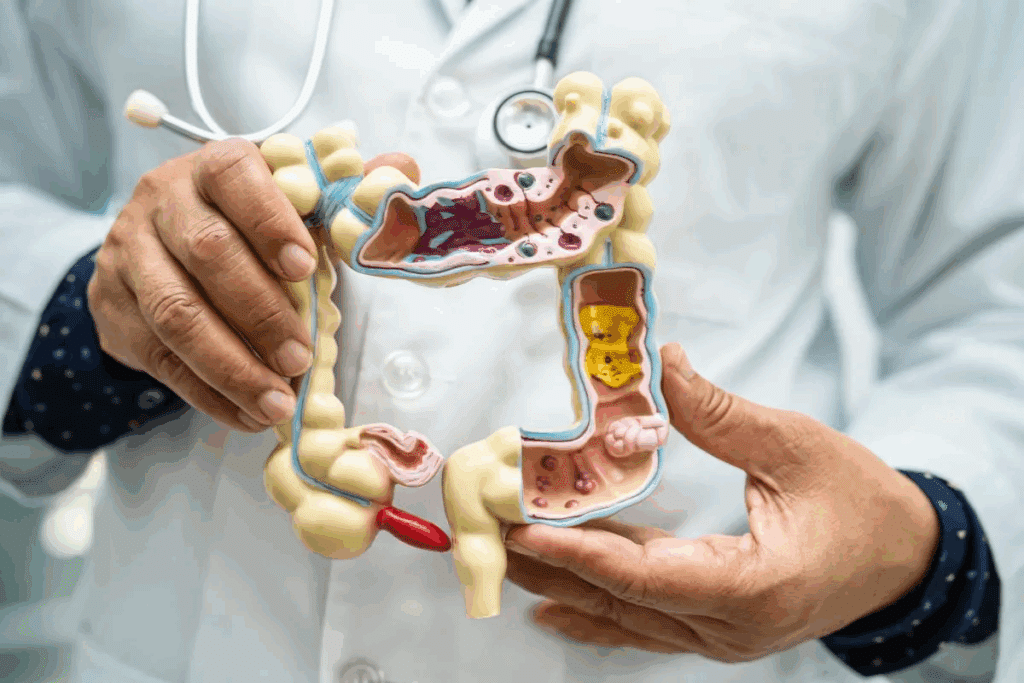
Diagnosing appendicitis means knowing its common signs and using the right tests. It’s a serious condition that needs quick action.
Common Symptoms of Appendicitis
Appendicitis often starts with dull pain near the navel. This pain then focuses on the appendix area. You might also feel loss of appetite, nausea, vomiting, and low-grade fever.
These signs can be like those of other issues, like gastroenteritis and constipation. This makes it hard to tell if it’s appendicitis.
How fast or severe these symptoms get can differ from person to person. Some might feel it coming on slowly, while others might get it very quickly and severely.
Importance of Timely Diagnosis
Getting a diagnosis for appendicitis quickly is key to avoid serious problems. Prompt medical evaluation is vital to prevent serious issues like the appendix bursting.
Early diagnosis helps patients get better faster. It also lowers the chance of needing bigger surgeries.
Diagnostic Methods for Appendicitis
Doctors utilize several methods to diagnose appendicitis. They start with a detailed medical history and physical check-up. This can show tenderness in the lower right abdomen.
Lab tests, like the complete blood count (CBC), look for signs of infection or swelling. Imaging tests, like ultrasound and computed tomography (CT) scans, help confirm the diagnosis and rule out other problems.
Gastrointestinal Conditions Confused with Appendicitis

Appendicitis often looks like other stomach problems, making it hard to tell them apart. We’ll look at these conditions and how to tell them apart.
Diverticulitis and Its Symptoms
Diverticulitis is when the colon’s wall gets inflamed. It causes stomach pain, fever, and changes in how you go to the bathroom. Getting the right diagnosis is very important for treatment.
Inflammatory Bowel Disease (IBD)
IBD includes Crohn’s disease and ulcerative colitis. It’s a long-term inflammation of the gut. Symptoms are diarrhea, stomach pain, and losing weight. It’s important to understand IBD is a long-term condition.
Constipation: A Common but Overlooked Issue
Constipation can feel like appendicitis because it causes stomach pain and discomfort. It’s caused by diet, how much you drink, and how active you are. Eating right and staying active can help with constipation.
| Condition | Primary Symptoms | Diagnostic Clues |
| Diverticulitis | Abdominal pain, fever, changes in bowel habits | Imaging studies showing diverticula inflammation |
| IBD | Diarrhea, abdominal pain, weight loss | Endoscopy, biopsy showing chronic inflammation |
| Constipation | Abdominal pain, difficulty passing stools | History of low fiber diet, physical inactivity |
Non-Gastrointestinal Conditions that Mimic Appendicitis
Conditions outside the stomach can look like appendicitis, making it hard to diagnose. These need a different treatment plan. So, getting the right diagnosis is key.
Gynecological Issues in Young Girls
Young girls with symptoms like appendicitis might have gynecological problems. Ovarian torsion and ectopic pregnancy are serious issues that can look like appendicitis. Ovarian torsion is when the ovary twists, cutting off blood supply. It’s a medical emergency that needs quick action.
Ectopic pregnancy, though more common in older women, can also happen in teens. It’s when a fertilized egg implants outside the uterus, often in a fallopian tube. Symptoms include abdominal pain, vaginal bleeding, and missing periods, which can be mistaken for appendicitis.
- Watch for severe abdominal pain, nausea, and vaginal bleeding in ovarian torsion and ectopic pregnancy.
- Doing a thorough gynecological exam and using ultrasound is vital for diagnosing these conditions.
Testicular Torsion in Adolescent Males
In teen boys, testicular torsion can be mistaken for appendicitis. It happens when the spermatic cord twists, cutting off blood to the testicle. It’s a serious issue that needs immediate surgery to save the testicle.
Symptoms include sudden, severe pain in the testicle, swelling, and sometimes abdominal pain. This can lead to thinking it’s appendicitis.
- Quick diagnosis is critical, as it affects how well the testicle can be saved.
- Physical exam and Doppler ultrasound are important for diagnosing.
Urinary Tract Infections
Urinary tract infections (UTIs) can also cause symptoms like appendicitis, such as abdominal pain and painful urination. UTIs are usually diagnosed with urinalysis. But, they should be considered when someone has sudden abdominal pain.
UTI symptoms include painful urination, needing to urinate often, and sometimes abdominal pain. A urine culture can confirm the infection.
Diagnosing appendicitis is complex. A thorough evaluation is needed to rule out other conditions.
Infectious Diseases That Can Be Confused with Appendicitis
Many infectious diseases can look like appendicitis, making diagnosis tricky. Symptoms of these diseases can be similar to those of appendicitis. This can lead to wrong diagnoses if not checked carefully.
Virus-Induced Gastroenteritis
Viral gastroenteritis, or the stomach flu, shares symptoms with appendicitis. These include abdominal pain, nausea, and vomiting. But, it also brings diarrhea, which is not typical of appendicitis. Doctors use tests and clinical checks to find the cause.
Distinguishing viral gastroenteritis from appendicitis is important. Appendicitis might need surgery, but stomach flu is treated with rest and fluids.
Mesenteric Lymphadenitis
Mesenteric lymphadenitis affects the lymph nodes in the mesentery, causing pain like appendicitis. It’s often linked to infections. The pain can be intense, with fever and nausea, making diagnosis hard.
Imaging studies like ultrasound or CT scans help tell mesenteric lymphadenitis apart from appendicitis. They show inflamed lymph nodes and rule out appendicitis. Getting the right diagnosis is vital for the right treatment and to avoid surgery when not needed.
In summary, diseases like viral gastroenteritis and mesenteric lymphadenitis can be mistaken for appendicitis. A detailed check-up and tests are essential. They help tell these diseases apart and ensure the right treatment.
Trauma-Related Conditions Misdiagnosed as Appendicitis
Abdominal pain from trauma can look like appendicitis symptoms. This makes it hard to diagnose. Conditions like abdominal injuries, muscle strain, and hernias can cause similar pain.
Abdominal Injuries and Pain
Abdominal injuries can cause pain that feels like appendicitis. The pain’s severity depends on the injury. For example, a blunt trauma can start with widespread pain and then focus on the lower right quadrant.
Internal Organ Injuries
Internal organ injuries, like those to the liver or spleen, can also cause pain that looks like appendicitis. These injuries can lead to internal bleeding, making diagnosis harder.
Trauma can also cause muscle strain and hernias, leading to pain like appendicitis. Muscle strain happens when the abdominal muscles are stretched or torn. Hernias, where an organ or tissue bulges through a weak spot, can also cause pain.
| Condition | Symptoms | Diagnostic Challenges |
| Abdominal Injuries | Pain, bruising, swelling | Differentiating from appendicitis based on history and physical examination |
| Internal Organ Injuries | Pain, internal bleeding | Identifying the specific organ injured through imaging |
| Muscle Strain | Pain, limited mobility | Distinguishing from appendicitis based on the mechanism of injury and physical findings |
| Hernias | Pain, bulge | Diagnosing through physical examination and potentially imaging studies |
It’s important to know about trauma-related conditions that can be mistaken for appendicitis. By looking at the patient’s history, physical exam, and imaging, doctors can tell the difference. This helps in getting the right treatment.
Rare Conditions That May Present Like Appendicitis
Appendicitis is a common cause of sudden belly pain. But, some rare conditions can also cause similar symptoms. This makes it hard to diagnose. We will look at these rare conditions and why a detailed diagnosis is key.
Intestinal Obstruction
Intestinal obstruction blocks the normal flow of food through the intestines. It can cause severe pain, nausea, and vomiting. These symptoms might look like appendicitis, if the blockage is near the appendix.
Intestinal obstruction can happen for many reasons, like adhesions from past surgeries or tumors. It’s important to diagnose it quickly to avoid serious problems like bowel ischemia or perforation.
To diagnose, doctors first use abdominal X-rays. Then, they might do a CT scan for more details. Treatment varies based on the cause and how severe the blockage is. It can range from rest and fluids to surgery.
Abdominal Aortic Aneurysm
An abdominal aortic aneurysm (AAA) is when the aorta in the abdomen gets too big. It might not cause symptoms, but can lead to pain if it grows or bursts. Pain from a burst AAA can resemble that of appendicitis when located in the lower abdomen.
Doctors use ultrasound or CT scans to check for AAA. They look at the size of the aorta. Treatment depends on the size of the aneurysm and the patient’s health. It can range from watching it for small ones to surgery for big ones.
Other rare conditions can also seem like appendicitis. For example, pancreatitis in children is a serious issue that can cause belly pain, nausea, and vomiting. It’s important to tell it apart from appendicitis because the treatment is different.
Abdominal migraines in kids can also look like appendicitis at first. They cause recurring belly pain. But, a detailed history and tests are needed to tell them apart.
The Role of Imaging in Differentiating Conditions
In the emergency room, imaging tools are key for telling apart appendicitis from other conditions. The goal is to make accurate diagnoses quickly and safely. This helps avoid wrong diagnoses and ensures patients get the right treatment fast.
Ultrasound: A First-Line Diagnostic Tool
Ultrasound is often the first choice for imaging, mainly in kids. It’s safe, doesn’t use radiation, and shows images in real-time. Ultrasound can spot an enlarged appendix or inflammation around it. But, its results can depend on the person doing the scan.
In kids, ultrasound is great because it’s safe and they’re more sensitive to radiation. Research shows it can lower the number of wrong appendectomies by making diagnoses better.
CT Scans: When Are They Necessary?
CT scans give detailed images and are helpful when ultrasound isn’t clear. They show the appendix and nearby areas well, helping find other possible causes. But, they do involve radiation, which is a concern for kids.
When it’s hard to tell what’s wrong or if there are complications like abscesses, CT scans are key. They help doctors make better decisions about surgery.
MRI Usage in Pediatric Patients
MRI is becoming more common in kids instead of CT scans to avoid radiation. MRI gives clear images of the belly and can spot appendicitis well. It’s safe and works well for kids.
Even though MRI takes longer and might need sedation for little kids, its accuracy and safety make it valuable. As MRI tech gets better, it will likely play a bigger role in diagnosing appendicitis and similar issues.
Case Studies: Misdiagnoses and Lessons Learned
Real-life case studies offer valuable insights into the misdiagnosis of appendicitis. They teach us about the challenges in diagnosing this condition. This knowledge helps us improve how we diagnose it.
Learning from Real-Life Cases
Many case studies show how appendicitis is often misdiagnosed. This is often because of referred pain from other organs. For example, a patient with lower right quadrant pain might be thought to have appendicitis. But they could actually have diverticulitis or gynecological issues.
A young female patient was first thought to have appendicitis. But she really had a ruptured ovarian cyst. This case shows how important it is to think of other possible causes and use the right tests.
Impact of Misdiagnosis on Treatment
Misdiagnosis can have big effects on treatment. It can lead to unnecessary surgeries, delayed treatment, and higher healthcare costs. A study found that accurate and timely diagnosis greatly improves patient outcomes.
| Condition | Initial Diagnosis | Actual Diagnosis | Outcome |
| Appendicitis-like symptoms | Appendicitis | Diverticulitis | Delayed treatment, increased morbidity |
| Lower right quadrant pain | Appendicitis | Ruptured ovarian cyst | Unnecessary surgery avoided |
| Abdominal pain | Appendicitis | Mesenteric lymphadenitis | Conservative management successful |
These examples highlight the need for a thorough diagnostic approach. We must consider all possible causes of symptoms and use imaging studies when needed. By learning from these cases, healthcare providers can improve their accuracy and care for patients better.
Treatment Approaches for Conditions Mimicking Appendicitis
Conditions that look like appendicitis need different treatments. This can range from medicine to surgery. The first step is to figure out what’s really going on.
Medical Management Techniques
For many symptoms that seem like appendicitis, doctors start with medicine. This might include antibiotic therapy for infections. For gastritis in kids, antacids or acid reducers help ease pain.
People with food allergies must stay away from the allergen. Sometimes, epinephrine auto-injectors are given for emergencies. Inflammatory bowel disease (IBD) gets a detailed treatment plan. This might include anti-inflammatory medications, immunomodulators, and biologics to control inflammation.
Surgical Interventions: When Necessary
Some conditions need surgical intervention. For example, intestinal obstruction or testicular torsion are emergencies that require surgery right away. If diverticulitis leads to abscesses or perforation, surgery is also needed.
Choosing surgery is a careful decision. Doctors consider all other options first. The aim is to treat effectively while keeping the patient safe.
Preventing Misdiagnosis: Best Practices for Healthcare Providers
Preventing misdiagnosis is key in healthcare. It needs a mix of thorough checks and teamwork. Misdiagnosis can lead to wrong treatments, harming patients and raising costs. We must follow best practices for accurate diagnoses and good treatment plans.
Importance of Complete Evaluations
Complete evaluations are vital for correct diagnosis. They include a detailed medical history, physical check-ups, and tests. For example, celiac disease is often missed because its symptoms are similar to other stomach issues. Tests like serological tests and intestinal biopsies are needed to accurately diagnose celiac disease.
Healthcare providers should also look at the patient’s overall health. This includes any other health issues that might affect the diagnosis. A detailed patient history can uncover important details that might be missed.
“The key to preventing misdiagnosis lies in a thorough and systematic approach to patient evaluation, considering both common and rare conditions.”
Collaboration Among Specialists
Teamwork among specialists is essential to avoid misdiagnosis. Different experts offer unique views and skills, which are critical in complex cases. For instance, a patient with symptoms that might be appendicitis needs input from surgeons and radiologists to confirm the diagnosis through imaging.
- Multidisciplinary team meetings help share knowledge and skills.
- Good communication among team members ensures all important information is considered.
- Working together leads to more accurate diagnoses and better care for patients.
| Specialist | Role in Diagnosis | Contribution to Patient Care |
| Gastroenterologist | Diagnoses gastrointestinal conditions, including celiac disease. | Provides guidance on managing gastrointestinal health. |
| Radiologist | Interprets imaging studies to confirm diagnoses. | Helps in assessing the severity of conditions and monitoring treatment response. |
| Surgeon | Assesses the need for surgical intervention. | Performs surgical procedures when necessary. |
By using complete evaluations and teamwork, healthcare providers can lower the chance of misdiagnosis. This approach not only improves patient care but also raises the quality of healthcare overall.
Conclusion: Navigating the Challenges of Diagnosis
Diagnosing appendicitis and similar conditions is tough for doctors. Getting it right is key to treating patients well. We’ve looked at how different conditions can be mistaken for appendicitis, showing how tricky it is.
It’s very important to diagnose correctly. Wrong diagnoses can lead to bad surgeries or late treatment. Doctors need to keep learning about new ways to diagnose and treat these conditions.
Enhancing Diagnostic Accuracy
Doctors must be careful and think of many possible causes when they see symptoms like appendicitis. Working together and using new imaging tools are key to making accurate diagnoses.
Ongoing Education for Healthcare Providers
We stress the importance of constant learning for doctors. This helps them keep up with new diagnostic methods and treatments. With this knowledge, they can give better care and improve patient results.
FAQ
What are the common symptoms of appendicitis?
Symptoms of appendicitis include pain in the belly, nausea, vomiting, fever, and loss of appetite. The pain often starts near the belly button and then moves to the lower right abdomen.
How is appendicitis diagnosed?
Doctors use a physical exam, medical history, lab tests, and imaging like ultrasound or CT scans to diagnose appendicitis. These tools help confirm the diagnosis and rule out other conditions.
What gastrointestinal conditions can be confused with appendicitis?
Conditions like diverticulitis, inflammatory bowel disease (IBD), and constipation can be mistaken for appendicitis. These conditions share similar symptoms, making accurate diagnosis key.
Can non-gastrointestinal conditions mimic appendicitis?
Yes, conditions like gynecological issues in young girls and testicular torsion in adolescent males can mimic appendicitis. Urinary tract infections are also a possible mimic.
How do infectious diseases like gastroenteritis and mesenteric lymphadenitis differ from appendicitis?
Infectious diseases like gastroenteritis and mesenteric lymphadenitis have similar symptoms to appendicitis but different causes and treatments. Diagnostic tests help us tell them apart.
What role does imaging play in diagnosing appendicitis and its mimickers?
Imaging studies like ultrasound, CT scans, and MRI are vital in diagnosing appendicitis and its mimickers. They help us see the appendix and surrounding tissues, aiding in accurate diagnosis.
What are the treatment approaches for conditions that mimic appendicitis?
Treatment varies by condition. Some conditions are managed medically, while others, like appendicitis and certain intestinal obstructions, may require surgery.
How can healthcare providers prevent misdiagnosis of appendicitis?
To avoid misdiagnosis, we emphasize thorough evaluations, teamwork among specialists, and ongoing education. This ensures accurate diagnosis and treatment.
Can celiac disease be misdiagnosed as appendicitis?
Yes, celiac disease can be mistaken for appendicitis due to similar symptoms. We consider celiac disease when evaluating patients with abdominal pain.
What is the significance of referred pain from other organs in diagnosing appendicitis?
Referred pain from other organs can make diagnosing appendicitis tricky. We consider this possibility to ensure accurate diagnosis.
How do food allergies and gastritis in children relate to appendicitis diagnosis?
Food allergies and gastritis in children can cause abdominal pain, leading to confusion with appendicitis. We consider these conditions in the differential diagnosis to provide proper care.
References
JAMA Network. Evidence-Based Medical Insight. Retrieved from https://jamanetwork.com/journals/jama/fullarticle/2749045