
[PLACE THE IMAGE HERE]
Congenital heart disease (CHD) refers to a problem with the heart’s structure that is present at birth. These defects can affect the heart’s ability to function properly, potentially leading to serious health issues. Advances in medical technology have significantly improved the diagnosis and treatment of CHD, allowing most children with the condition to live into adulthood.
Understanding congenital heart defects is crucial for providing appropriate care and management. The severity and impact of these defects can vary widely among individuals. While some may experience mild symptoms, others may face life-threatening complications. Early diagnosis and treatment have been instrumental in improving outcomes for those affected by CHD.
How serious are congenital cardiovascular defects? Understand the crucial risks and the powerful need for immediate medical care.
Key Takeaways
- Congenital heart disease is a structural heart problem present at birth.
- Advances in diagnosis and treatment have improved outcomes for individuals with CHD.
- The severity of congenital heart defects can vary significantly among individuals.
- Early diagnosis and treatment are critical for managing CHD effectively.
- Congenital heart defects require ongoing care and management.
Understanding Congenital Heart Defects

[PLACE THE IMAGE HERE]
Understanding the basics of congenital heart defects is crucial for early detection and effective management. Congenital heart defects are conditions present at birth that affect the heart’s structure and function.
What Does Congenital Mean?
The term “congenital” refers to conditions that are present at birth. In the context of heart defects, it means that the heart or its blood vessels didn’t form correctly during fetal development. Congenital heart defects are not caused by anything the mother did or didn’t do during pregnancy; they are typically identified during pregnancy, at birth, or shortly after.
Prevalence of Congenital Heart Defects
[PLACE THE IMAGE HERE]
Congenital heart defects are among the most common types of birth defects. According to recent statistics, at least 8 out of every 1,000 infants born in the US each year have a heart defect. This prevalence highlights the importance of prenatal screening and postnatal check-ups for early detection.
As noted by a medical expert, “Congenital heart defects are a significant public health concern, requiring comprehensive care from diagnosis through adulthood.”
“Advances in medical technology and surgical techniques have significantly improved the outcomes for children born with congenital heart defects.”
|
Condition |
Prevalence per 1,000 Births |
|---|---|
|
Congenital Heart Defects |
8 |
|
Ventricular Septal Defects |
2-4 |
|
Atrial Septal Defects |
1-2 |
The Spectrum of Seriousness in Congenital Heart Defects
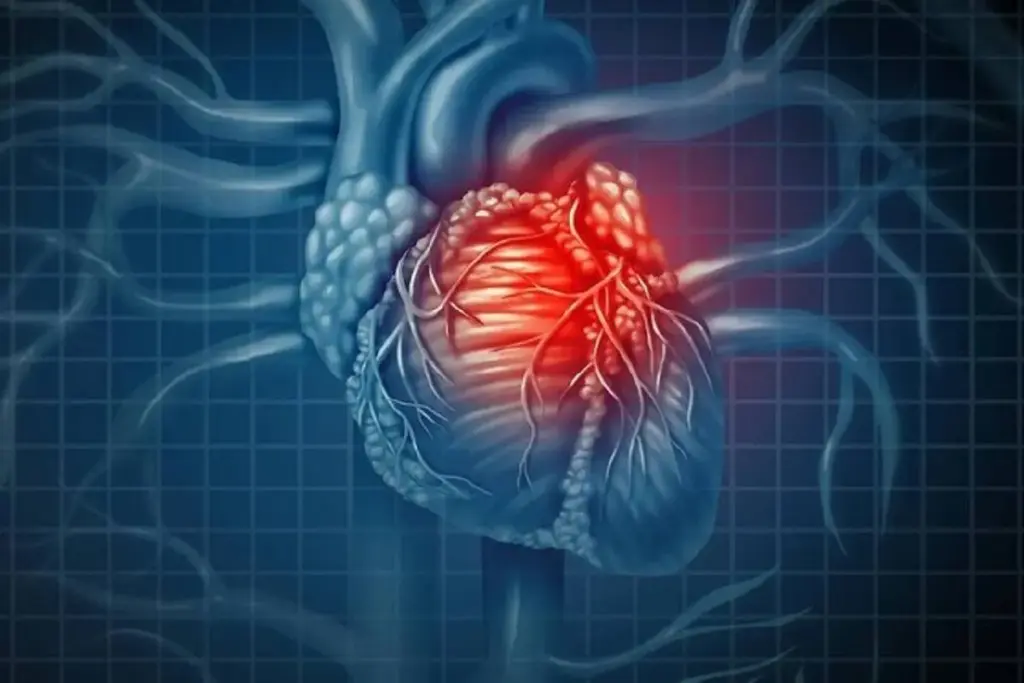
The severity of congenital heart defects can vary widely, from defects that require minimal or no treatment to those that are life-threatening and demand immediate medical attention. This spectrum of seriousness is crucial for understanding the diverse needs of individuals with CHD.
Mild Defects That May Resolve Without Intervention
Some congenital heart defects are mild and may not cause significant problems. In many cases, these defects can resolve on their own without the need for medical intervention. For example, small atrial septal defects (ASDs) or patent foramen ovale (PFO) might close spontaneously during childhood.
Moderate Defects Requiring Medical Management
Moderate congenital heart defects require ongoing medical management to prevent complications and ensure optimal health outcomes. These defects might necessitate regular monitoring, medication, or other non-surgical interventions. Conditions such as mild to moderate valve abnormalities or smaller ventricular septal defects (VSDs) often fall into this category.
Severe and Life-Threatening Congenital Heart Conditions
Severe and life-threatening congenital heart defects require immediate and often complex medical interventions. These conditions can include complex structural anomalies, severe cyanotic heart disease, or significant arrhythmias. Prompt diagnosis and treatment are critical to prevent serious complications and improve survival rates.
The following table summarizes the spectrum of seriousness in congenital heart defects and the typical management strategies:
|
Severity of CHD |
Characteristics |
Management Strategies |
|---|---|---|
|
Mild |
May not cause significant symptoms, potential for spontaneous resolution |
Observation, regular monitoring |
|
Moderate |
Require ongoing medical management, potential for complications if not treated |
Medications, non-surgical interventions, regular follow-up |
|
Severe/Life-Threatening |
Complex structural anomalies, severe cyanotic heart disease, significant arrhythmias |
Surgical interventions, catheter-based procedures, intensive care |
Understanding the spectrum of seriousness in congenital heart defects is essential for healthcare providers, patients, and families to navigate the complexities of diagnosis, treatment, and ongoing management. By recognizing the varying levels of severity and their implications, individuals can receive appropriate care tailored to their specific needs.
Common Types of Congenital Cardiovascular Defects
Congenital cardiovascular defects encompass a range of conditions that affect the heart’s structure and function. These defects can vary significantly in their severity and impact on the individual’s quality of life.
The classification of congenital heart defects is based on the type and severity of the defect. The main categories include septal defects, valve abnormalities, and complex structural defects.
Septal Defects (Holes in the Heart)
Septal defects are characterized by openings in the septum, the wall that separates the heart’s chambers. These defects can occur in the atrial septum (between the upper chambers) or the ventricular septum (between the lower chambers).
Atrial Septal Defects (ASD) typically allow blood to flow between the atria, while Ventricular Septal Defects (VSD) permit blood to flow between the ventricles. The size and location of the defect determine the severity of the condition.
Valve Abnormalities
Valve abnormalities involve defects in the heart’s valves, which can lead to issues with blood flow. Common valve abnormalities include stenosis (narrowing of the valve) and regurgitation (leakage of the valve).
For instance, pulmonary valve stenosis is a condition where the pulmonary valve is narrowed, obstructing blood flow from the right ventricle to the lungs. Similarly, aortic valve stenosis affects the valve between the left ventricle and the aorta.
Complex Structural Defects
Complex structural defects involve multiple anomalies that require comprehensive management. One notable example is Tetralogy of Fallot, a condition characterized by four components: VSD, pulmonary stenosis, right ventricular hypertrophy, and an overriding aorta.
Tetralogy of Fallot and other complex defects often require surgical intervention to correct the anomalies and improve the heart’s function.
|
Type of Defect |
Description |
Common Symptoms |
|---|---|---|
|
Septal Defects |
Openings in the heart’s septum |
Shortness of breath, fatigue |
|
Valve Abnormalities |
Defects in the heart’s valves |
Chest pain, palpitations |
|
Complex Structural Defects |
Multiple anomalies |
Cyanosis, clubbing of fingers |
Cyanotic vs. Non-Cyanotic Heart Defects
Understanding the distinction between cyanotic and non-cyanotic heart defects is crucial for diagnosing and managing congenital heart disease. These two categories of heart defects have different implications for patients, ranging from the severity of symptoms to the approach to treatment.
Understanding Cyanotic Heart Disease
Cyanotic heart disease is characterized by low oxygen levels in the blood, leading to cyanosis, a condition where the skin and lips turn blue due to inadequate oxygenation. This occurs because the heart defect allows blood to bypass the lungs or mix oxygenated and deoxygenated blood in a way that reduces overall oxygen levels.
Blue Lips and Skin: Warning Signs of Serious Defects
One of the hallmark signs of cyanotic heart disease is the presence of blue lips and skin, a visible indicator of low oxygen levels. This symptom necessitates immediate medical evaluation, as it can signify a serious underlying heart defect.
Non-Cyanotic Defects and Their Implications
Non-cyanotic heart defects, on the other hand, do not result in the characteristic blue discoloration because they do not significantly reduce blood oxygen levels. However, these defects can still have significant health implications, including the potential for heart failure or the need for surgical intervention.
|
Characteristics |
Cyanotic Heart Defects |
Non-Cyanotic Heart Defects |
|---|---|---|
|
Oxygen Levels |
Low oxygen levels in the blood |
Normal or near-normal oxygen levels |
|
Visible Symptoms |
Blue lips and skin (cyanosis) |
No cyanosis; symptoms may include fatigue or shortness of breath |
|
Treatment Approach |
Often requires immediate medical attention and may involve surgery |
May involve monitoring, medication, or surgery depending on the defect’s severity |
In conclusion, while both cyanotic and non-cyanotic heart defects are serious conditions, their differences in terms of oxygen levels, symptoms, and treatment approaches underscore the importance of accurate diagnosis and tailored management strategies.
Recognizing Symptoms of Congenital Heart Defects
Congenital heart defects can manifest differently across various age groups, making symptom recognition critical. The symptoms can range from mild to severe and vary significantly among newborns, children, and adults.
Symptoms in Newborns and Infants
Newborns and infants with congenital heart defects may exhibit symptoms such as heart murmurs, poor feeding, and rapid breathing. These symptoms can be indicative of an underlying heart condition that requires immediate medical attention.
Signs in Children and Adolescents
As children grow, the symptoms of congenital heart defects can evolve. Older children and adolescents may experience shortness of breath, fatigue, and cyanosis (a bluish discoloration of the skin and lips). These signs can indicate that the heart is not functioning properly.
Adult Manifestations of Undiagnosed Defects
In some cases, congenital heart defects may remain undiagnosed until adulthood. Adults with undiagnosed defects may experience arrhythmias, shortness of breath during physical activity, and fatigue. Timely recognition of these symptoms is essential for accurate diagnosis and effective treatment.
Early recognition of the symptoms associated with congenital heart defects is vital for effective management and improved outcomes. By understanding the signs and symptoms across different age groups, individuals can seek medical care promptly, potentially preventing complications.
Diagnosis of Congenital Heart Conditions
Congenital heart defects can be diagnosed prenatally or after birth, utilizing a range of screening and diagnostic tools. Early detection is crucial for the effective management and treatment of these conditions.
Prenatal Screening and Detection
Prenatal ultrasounds play a significant role in detecting congenital heart defects during pregnancy. These ultrasounds can identify potential issues with the fetal heart, allowing for early preparation and planning for the baby’s care after birth.
Prenatal screening typically occurs between 16 and 20 weeks of gestation. During this period, detailed ultrasound examinations can reveal structural abnormalities in the fetal heart.
Diagnostic Tests and Procedures
After birth, diagnosing congenital heart defects involves a combination of physical examinations, imaging tests, and other diagnostic procedures.
- Echocardiograms: Use sound waves to create images of the heart, helping to identify structural defects.
- Electrocardiograms (ECG): Measure the electrical activity of the heart, detecting any abnormal rhythms.
- Chest X-rays: Provide images of the heart and lungs, helping to assess heart size and pulmonary conditions.
- Cardiac Catheterization: Involves inserting a catheter into the heart to gather detailed information about its structure and function.
|
Diagnostic Test |
Purpose |
Key Findings |
|---|---|---|
|
Echocardiogram |
Assess heart structure |
Identifies septal defects, valve abnormalities |
|
Electrocardiogram (ECG) |
Evaluate heart rhythm |
Detects arrhythmias, conduction issues |
|
Chest X-ray |
Examine heart size and lungs |
Reveals cardiomegaly, pulmonary congestion |
The Role of Cardiac Specialists
Cardiac specialists, including pediatric cardiologists and cardiothoracic surgeons, play a crucial role in diagnosing and managing congenital heart defects. Their expertise is essential for interpreting diagnostic tests and developing appropriate treatment plans.
These specialists work together as part of a multidisciplinary team to provide comprehensive care for patients with congenital heart disease.
Treatment Options for Congenital Heart Defects
Understanding the various treatment options for congenital heart defects is crucial for effective management. The approach to treatment depends on the type and severity of the defect, as well as the individual’s overall health.
Watchful Waiting for Mild Defects
For individuals with mild congenital heart defects, a strategy of watchful waiting may be adopted. This involves regular monitoring by a healthcare provider to ensure that the condition does not worsen over time. Watchful waiting is often sufficient for small septal defects or mild valve abnormalities that do not cause significant symptoms.
Medications and Their Purposes
Medications play a crucial role in managing symptoms and preventing complications in individuals with more significant congenital heart defects. These may include drugs to control heart failure, prevent arrhythmias, or reduce the risk of stroke. The specific medication and dosage will depend on the individual’s condition and overall health.
|
Medication Type |
Purpose |
Example |
|---|---|---|
|
Diuretics |
Reduce fluid buildup |
Furosemide |
|
Beta-blockers |
Control heart rate and reduce strain on the heart |
Propranolol |
|
Anti-arrhythmics |
Prevent irregular heartbeats |
Amiodarone |
Surgical Interventions
Surgical intervention is often necessary for more complex or severe congenital heart defects. Surgery can repair or replace damaged heart valves, close septal defects, or correct other structural anomalies. The type of surgery depends on the specific defect and may involve traditional open-heart surgery or newer, less invasive techniques.
Catheter-Based Procedures
Catheter-based procedures offer a less invasive alternative to traditional surgery for certain congenital heart defects. These procedures involve using a catheter (a thin, flexible tube) to repair heart defects from within. Examples include closing atrial septal defects or dilating narrowed valves.
The choice of treatment for congenital heart defects is highly individualized, reflecting the complexity and variability of these conditions. By understanding the available treatment options, individuals and their families can make informed decisions about their care.
Living with Congenital Heart Disease
Living with congenital heart disease (CHD) involves ongoing management and lifestyle changes to ensure optimal health outcomes. Individuals with CHD need to be proactive about their health, making informed decisions about their daily lives.
Daily Management and Lifestyle Considerations
Daily management of CHD typically involves a combination of medication, regular medical check-ups, and lifestyle adjustments. Adherence to prescribed medication is crucial for managing symptoms and preventing complications. Regular follow-ups with healthcare providers help monitor the condition and make necessary adjustments to the treatment plan.
Lifestyle considerations include maintaining a healthy diet and regular exercise routine, tailored to the individual’s specific needs and limitations. Avoiding smoking and limiting alcohol consumption are also important for overall cardiovascular health.
Physical Activity Restrictions and Recommendations
Physical activity is an important aspect of overall health, but for individuals with CHD, it’s essential to balance activity with safety. While some may need to avoid high-intensity activities, others may be encouraged to participate in low-to-moderate intensity exercises such as walking or swimming.
It’s crucial for individuals with CHD to consult with their healthcare provider to determine the most appropriate exercise plan. Personalized recommendations can help ensure that physical activity is both safe and beneficial.
Psychological Impact on Patients and Families
Living with CHD can have a significant psychological impact on both patients and their families. Anxiety, depression, and stress are common concerns that need to be addressed through appropriate support mechanisms.
Families can benefit from counseling and support groups, which provide a platform to share experiences and coping strategies. For patients, maintaining a positive outlook and engaging in activities they enjoy can help mitigate the psychological burden of CHD.
Complications of Untreated Congenital Heart Defects
If left untreated, congenital heart defects can lead to a myriad of serious health complications. Congenital heart defects (CHD) are structural problems in the heart that are present at birth. When these defects are not addressed, they can significantly impact an individual’s quality of life and life expectancy.
Heart Failure and Its Progression
One of the most significant complications of untreated CHD is heart failure. Heart failure occurs when the heart is unable to pump enough blood to meet the body’s needs. Over time, this condition can lead to fatigue, swelling in the legs and feet, and shortness of breath. As heart failure progresses, it can become increasingly debilitating, significantly impacting daily life.
Pulmonary Hypertension
Another complication associated with untreated CHD is pulmonary hypertension. This condition is characterized by high blood pressure in the arteries that supply blood to the lungs. Pulmonary hypertension can lead to symptoms such as chest pain, dizziness, and swelling in the legs and ankles. If left untreated, it can result in right-sided heart failure.
Arrhythmias and Electrical Abnormalities
Arrhythmias, or irregular heartbeats, are also a potential complication of untreated CHD. These electrical abnormalities can range from mild to severe and may require medical intervention to manage. In some cases, arrhythmias can increase the risk of more serious heart-related complications.
Increased Risk of Stroke and Other Complications
Individuals with untreated CHD are also at an increased risk of experiencing a stroke. This is due to the potential for blood clots to form and travel to the brain. Additionally, other complications such as endocarditis, an infection of the heart’s inner lining, can occur. These risks underscore the importance of timely and appropriate treatment for congenital heart defects.
In conclusion, the complications associated with untreated congenital heart defects are severe and can have a significant impact on an individual’s health and well-being. It is crucial for those with CHD to receive proper medical care to mitigate these risks.
Adult Congenital Heart Disease: A Growing Population
Advances in medical care have led to an increasing number of individuals with congenital heart disease (CHD) reaching adulthood. This shift has necessitated a change in how care is delivered, with a growing need for adult congenital heart disease (ACHD) services.
Transitioning from Pediatric to Adult Care
One of the critical challenges faced by individuals with CHD is the transition from pediatric to adult care. This transition requires careful planning and coordination to ensure continuity of care. Effective transition programs are essential to address the unique needs of these patients as they move into adulthood.
The transition process involves more than just transferring medical records; it requires a comprehensive approach that includes education on self-management, understanding of the condition, and awareness of when to seek medical help. Healthcare providers play a crucial role in facilitating this process.
Long-term Surveillance and Management
Adults with CHD require long-term surveillance and management to monitor their condition and address any complications that may arise. Regular follow-up appointments with a cardiologist specializing in ACHD are crucial. Long-term management plans should be tailored to the individual’s specific needs, taking into account the type and severity of their CHD.
Surveillance may include various tests such as echocardiograms, electrocardiograms, and cardiac MRI. These tests help in early detection of potential issues, allowing for timely intervention.
Pregnancy Considerations for Women with CHD
For women with CHD, pregnancy poses unique risks that need to be carefully managed. Pre-pregnancy counseling is essential to assess the risks associated with pregnancy and to discuss any necessary precautions or interventions.
Women with CHD should be managed by a multidisciplinary team, including cardiologists, obstetricians, and other specialists as needed. Pregnancy care plans should be individualized, considering the specific type of CHD and any other health factors.
- Pre-pregnancy counseling to assess risks
- Multidisciplinary care team
- Individualized pregnancy care plans
By understanding the challenges and implementing appropriate care strategies, individuals with CHD can lead healthy and fulfilling lives as adults.
The Genetic and Hereditary Aspects of Congenital Heart Defects
Understanding the genetic basis of congenital heart defects is essential for identifying risk factors and potential interventions. Congenital heart disease can have a hereditary component, with certain genetic conditions increasing the risk.
Is Congenital Heart Disease Hereditary?
Congenital heart disease (CHD) can be hereditary, with some cases linked to genetic mutations or inherited conditions. Research has shown that individuals with a family history of CHD are at a higher risk of having a child with a similar condition.
Genetic Conditions Associated with CHD:
- Down syndrome
- DiGeorge syndrome
- Marfan syndrome
- Noonan syndrome
Genetic Testing and Counseling
Genetic testing can help identify genetic mutations or conditions associated with an increased risk of CHD. Genetic counseling is recommended for families with a history of CHD or other related genetic conditions.
Benefits of Genetic Counseling:
- Understanding the risk of recurrence
- Identifying genetic conditions
- Discussing reproductive options
Risk Factors for Having a Child with CHD
Several risk factors increase the likelihood of having a child with CHD, including family history, certain genetic conditions, and environmental factors.
|
Risk Factor |
Description |
|---|---|
|
Family History |
Having a first-degree relative (parent or sibling) with CHD |
|
Genetic Conditions |
Presence of genetic syndromes such as Down syndrome or DiGeorge syndrome |
|
Environmental Factors |
Exposure to certain teratogens during pregnancy |
Advances in Congenital Heart Defect Treatment
Congenital heart defect treatment has seen a paradigm shift with the advent of innovative surgical and interventional cardiology techniques. These advancements have significantly improved outcomes for individuals with congenital heart defects (CHD), enhancing their quality of life and survival rates.
Innovative Surgical Techniques
Surgical interventions for CHD have become increasingly sophisticated. Minimally invasive surgeries are now more common, reducing recovery times and scarring. Techniques such as hybrid procedures, which combine surgery and catheter-based interventions, are being used to treat complex defects.
|
Surgical Technique |
Benefits |
Examples |
|---|---|---|
|
Minimally Invasive Surgery |
Less scarring, quicker recovery |
Small incisions, endoscopic surgery |
|
Hybrid Procedures |
Combines surgical and catheter-based methods |
Treatment of complex CHD |
Technological Developments in Interventional Cardiology
Interventional cardiology has seen significant technological advancements, including the development of new devices and techniques. Transcatheter aortic valve replacement (TAVR) is one such innovation, offering a less invasive alternative to open-heart surgery for certain patients.
- Advancements in catheter technology
- Development of new closure devices
- Innovations in balloon valvuloplasty
Research and Future Directions
Ongoing research is crucial for continuing to improve CHD treatment outcomes. Areas of focus include regenerative medicine and personalized treatment plans based on genetic information. Future directions may involve further integration of technology, such as AI and robotics, into CHD management.
- Regenerative medicine applications
- Personalized medicine approaches
- Technological integration in CHD care
The future of CHD treatment is promising, with ongoing research and technological advancements expected to continue improving patient outcomes.
Quality of Life and Long-term Outlook
With the progression of medical technology, the life expectancy and quality of life for CHD patients have seen a substantial increase. Advances in surgical techniques, medications, and interventional cardiology have transformed the management of congenital heart disease.
Survival Rates and Life Expectancy
The survival rate for individuals with congenital heart defects has improved dramatically. Most children born with CHD now survive into adulthood, thanks to early diagnosis and effective treatment plans. As a result, the life expectancy of CHD patients has increased, with many living well into their 50s, 60s, and beyond.
According to recent studies, the overall survival rate for CHD patients has reached over 90% into adulthood. This significant improvement is attributed to advancements in medical care, including better surgical outcomes and more effective management strategies.
Success Stories and Positive Outcomes
There are numerous success stories among individuals with CHD, highlighting the positive outcomes of modern medical care. Many patients lead active, fulfilling lives, participating in various physical activities, pursuing higher education, and building successful careers.
For instance, some individuals with CHD have become professional athletes, while others have excelled in arts and sciences. These success stories underscore the potential for individuals with CHD to achieve their goals and live meaningful lives.
Ongoing Challenges in CHD Management
Despite the progress made, there are still ongoing challenges in managing CHD. Patients often require lifelong medical care, including regular check-ups, medications, and sometimes additional surgeries. The transition from pediatric to adult care can also be a challenging period, requiring careful planning and coordination.
Moreover, individuals with CHD may face unique psychological challenges, including anxiety and depression. Addressing these mental health concerns is crucial for maintaining overall well-being and quality of life.
Conclusion: The Heart of the Matter
Congenital heart defects are serious conditions that require comprehensive care and management. Understanding these defects, their symptoms, and treatment options is crucial for providing appropriate care across a patient’s lifespan.
The complexity and seriousness of congenital heart disease (CHD) underscore the need for continued research, awareness, and comprehensive management of cardiovascular conditions. By recognizing the signs and symptoms of heart defects, individuals can seek timely medical intervention, improving outcomes and quality of life.
Advances in medical technology and treatment options have significantly improved the prognosis for individuals with CHD. Ongoing research and awareness efforts are essential to addressing the challenges associated with congenital heart defects and ensuring that patients receive the best possible care.
FAQ
What is a congenital heart defect?
A congenital heart defect is a condition that affects the structure and function of the heart, present at birth. These defects occur when the heart or blood vessels don’t form correctly during fetal development.
How common are congenital heart defects?
Congenital heart defects are among the most common types of birth defects, affecting approximately 1 in 100 births.
What are the symptoms of congenital heart defects?
Symptoms can range from heart murmurs and poor feeding in infants to shortness of breath and fatigue in older individuals. Cyanotic heart defects can cause blue lips and skin due to low blood oxygen levels.
Are congenital heart defects hereditary?
Congenital heart disease can have a hereditary component, with certain genetic conditions increasing the risk. Genetic testing and counseling can help families understand their risks.
How are congenital heart defects diagnosed?
Diagnosis can occur prenatally or after birth. Prenatal screening uses ultrasounds to detect potential issues. Postnatal diagnosis involves a combination of physical examination, echocardiography, and other diagnostic tests.
What are the treatment options for congenital heart defects?
Treatment is tailored to the defect’s severity and the individual’s overall health. Options include watchful waiting, medications, surgery, or catheter-based interventions.
Can congenital heart defects be treated in adults?
Yes, as medical care improves, more individuals with congenital heart disease are reaching adulthood. Adult care for CHD patients involves addressing unique challenges, including long-term surveillance and consideration of pregnancy.
What are the complications of untreated congenital heart defects?
If left untreated, congenital heart defects can lead to serious complications, including heart failure, pulmonary hypertension, arrhythmias, and an increased risk of stroke.
How do congenital heart defects affect quality of life?
The quality of life and long-term outlook for individuals with congenital heart disease have improved dramatically due to advances in medical care. However, there are ongoing challenges in managing CHD, requiring continued medical attention and lifestyle adjustments.
What is the role of cardiac specialists in managing congenital heart defects?
Cardiac specialists play a crucial role in interpreting diagnostic tests and guiding treatment for congenital heart defects.
Are there any lifestyle restrictions for individuals with congenital heart disease?
Yes, physical activity levels may need to be adjusted, and there can be a significant psychological impact on both patients and their families.
What are the advancements in treating congenital heart defects?
Treatment has seen significant advancements, including innovative surgical techniques and technological developments in interventional cardiology. Ongoing research continues to improve outcomes.
References
Centers for Disease Control and Prevention. Evidence-Based Medical Insight. Retrieved from https://www.cdc.gov/heart-defects/data/index.html