


Congenital heart defects (CHDs) are problems in the heart that babies are born with. These issues can greatly affect a person’s life. That’s why finding and treating them early is so important.
We will look at the four main types of CHDs: septal defects, cyanotic defects, obstruction defects, and complex heart defects. Knowing about these conditions helps us manage and treat them better.
By learning about the different types of CHDs, we can help patients get better. We can also give them the care they need.
Key Takeaways
- Congenital heart defects are structural problems present at birth.
- The four main types of CHDs are septal defects, cyanotic defects, obstruction defects, and complex heart defects.
- Early diagnosis and treatment are key to managing CHDs.
- Understanding CHDs is vital for improving patient outcomes.
- Comprehensive care is essential for individuals affected by CHDs.
Understanding Congenital Heart Defects (CHDs)
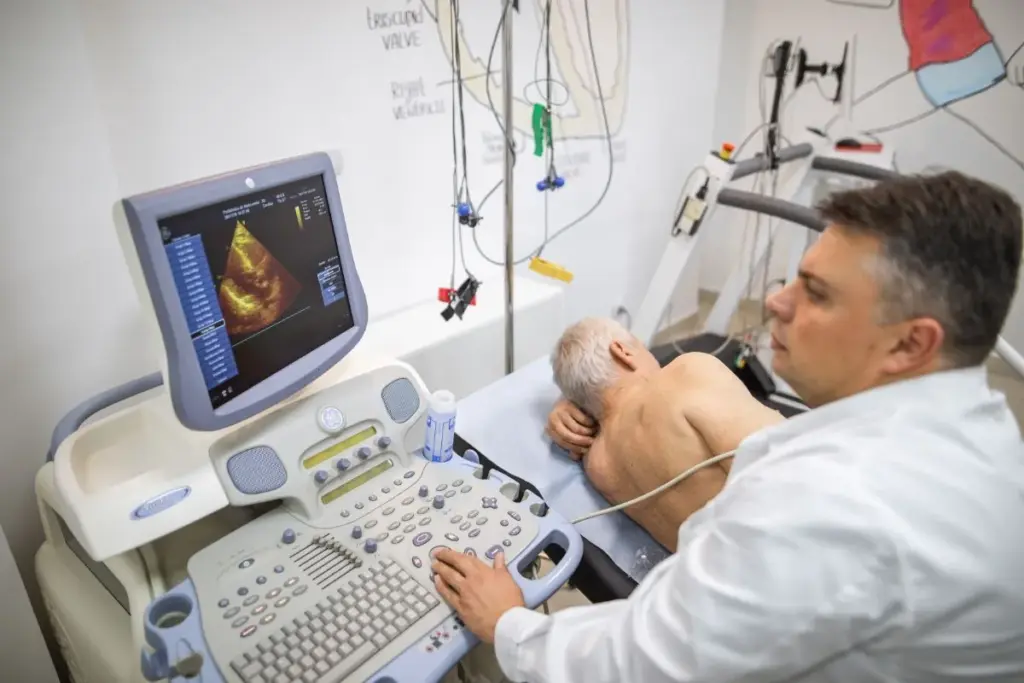
Congenital heart defects (CHDs) are heart problems that babies are born with. They can affect the heart’s walls, valves, or blood vessels. This can cause problems with blood flow and oxygen.
CHDs are a big worry for parents-to-be. Knowing what they are and how they happen is key to helping your baby.
Definition and Development During Pregnancy
Congenital heart defects are heart problems that babies have at birth. They happen when the heart is forming in the womb, usually in the first eight weeks. The exact reasons for CHDs are not always known, but genetics and environment can play a part.
The heart starts as a simple tube and grows into a complex organ with four chambers and valves. Any problem during this time can cause a congenital heart defect. Knowing the heart’s development is important for spotting problems early.
Prevalence and Global Impact
CHDs affect nearly 1% of all births worldwide. This means about 40,000 babies in the U.S. are diagnosed each year. Globally, CHDs are a major cause of sickness and death in infants.
Here are some numbers to show how common CHDs are:
|
Region |
Estimated CHD Cases per Year |
Prevalence Rate |
|---|---|---|
|
United States |
40,000 |
1 in 100 births |
|
Europe |
30,000 |
0.8 in 100 births |
|
Global |
130,000 |
0.9 in 100 births |
Early detection and treatment have greatly improved the lives of children with CHDs. New medical technologies and surgical methods are helping more babies survive and thrive.
The Burden of Congenital Cardiovascular Malformations

Congenital heart defects are a big problem in pediatric cardiology. They cause a lot of sickness and death in babies. They also affect families for a long time.
Statistics in the United States
In the U.S., congenital heart defects are a big health issue. They happen in about 1 in 100 births. This means about 40,000 babies in the U.S. are born with CHDs every year.
CHDs are the top reason for baby deaths from birth defects. The numbers are very sad. They show we need to find and treat CHDs early.
Leading Cause of Infant Mortality
CHDs cause more baby deaths in the first year than any other birth defect. About 25% of babies with CHDs need surgery in the first year. This shows how serious these conditions are and why babies need quick medical help.
We are working hard to understand and fight congenital heart defects. By sharing the facts and their effects, we want to stress the need for more research and early treatment in pediatric cardiology.
Causes and Risk Factors of CHDs
Congenital heart anomalies come from genetics, chromosomal issues, and environmental factors in the womb. Knowing these causes helps in preventing and managing congenital heart defects (CHDs).
Genetic Factors and Chromosomal Abnormalities
Genetics are key in CHD development. Syndromes like Down syndrome raise the risk of heart issues. Chromosomal problems, like aneuploidy, also play a part.
Important genetic factors include:
- Family History: A family history of CHDs can increase the risk.
- Genetic Syndromes: Conditions like Down syndrome, Turner syndrome, and Marfan syndrome.
- Chromosomal Abnormalities: Such as Trisomy 13, Trisomy 18, and others.
Environmental Influences and Maternal Health
Environmental factors and maternal health in pregnancy are also vital. Exposure to toxins, infections, and metabolic issues can raise CHD risk.
Key environmental and maternal health factors include:
- Maternal Diabetes: Poorly controlled diabetes during pregnancy.
- Exposure to Teratogens: Certain medications and substances that can cause birth defects.
- Maternal Obesity: Being significantly overweight during pregnancy.
- Infections During Pregnancy: Such as rubella, if contracted during the first trimester.
Understanding these risk factors helps in early detection and management of CHDs. Research into CHD causes is ongoing, bringing hope for better outcomes for affected children.
Type 1: Septal Defects
Septal defects are common heart problems. They happen when there are holes in the heart’s septum. These issues are a big worry because they affect many people’s health.
Atrial Septal Defects (ASDs)
ASDs have an opening in the atrial septum. This lets blood move between the left and right atria. It can make the heart work harder and not circulate blood well. ASDs are often found in kids, but some people might not find out until they’re adults.
People with ASDs might not show any symptoms. But some might feel short of breath, tired, or have heart palpitations. It’s important to catch ASDs early to treat them well.
Ventricular Septal Defects (VSDs)
VSDs have an opening in the ventricular septum. This lets blood flow between the left and right ventricles. It can cause too much blood to go to the lungs and lead to high blood pressure in the lungs. VSDs are a common heart defect, making up a big part of CHD cases.
VSDs can show up in different ways. Some people might not have any symptoms, while others might have serious heart problems. It’s key to get VSDs checked and treated quickly to avoid serious problems later.
Septal defects, like ASDs and VSDs, are common heart problems. They happen in about 48.4 in 10,000 births. Knowing about these defects helps doctors and families take better care of those affected.
- Septal defects are holes in the heart’s septum, found in the atria or ventricles.
- ASDs and VSDs are the main types of septal defects.
- It’s important to find and treat septal defects early to manage them well.
Clinical Presentation of Septal Defects
Septal defects show different symptoms in different people. It’s important to know about their signs and how to diagnose them. These defects, like atrial septal defects (ASDs) and ventricular septal defects (VSDs), are common heart problems at birth.
Symptoms and Physical Findings
People with septal defects might not show any symptoms or they might have big problems. They might feel short of breath, tired, or have irregular heartbeats. Doctors can hear abnormal sounds in the heart, which means there’s a problem.
Babies and kids with big defects might not grow well, get sick often, or show signs of heart failure. Adults with untreated defects might face serious issues like high blood pressure in the lungs or cyanotic heart disease.
Diagnostic Approaches and Imaging
Doctors use several ways to find out if someone has a septal defect. Echocardiography is the main tool, showing the defect and how it affects the heart. Sometimes, other tests like MRI or CT scans are needed for more detailed checks.
It’s key to know what the chd meaning is and the details of the defect. This helps decide the best heart defects treatment. Treatment can range from watching and waiting for small defects to surgery or other procedures for bigger ones.
|
Diagnostic Tool |
Use in Septal Defects |
Advantages |
|---|---|---|
|
Echocardiography |
Primary diagnostic tool for visualizing septal defects |
Non-invasive, real-time imaging, widely available |
|
Cardiac MRI |
Detailed assessment of cardiac anatomy and function |
High-resolution images, useful for complex cases |
|
Cardiac CT |
Evaluation of coronary anatomy and associated anomalies |
Rapid imaging, useful for pre-surgical planning |
Treatment Options for Septal Defects
Managing septal defects requires different approaches. These range from medical care to surgery. The right treatment depends on the defect’s size, location, the patient’s age, and health.
Medical Management and Monitoring
Small septal defects, if they don’t cause symptoms, might be watched closely. Doctors use echocardiograms to check the defect and heart function. They might also prescribe medicines to help with symptoms or prevent infections.
It’s key to see a cardiologist regularly. This helps track the defect and adjust treatment plans as needed.
Surgical Closure Techniques
Larger defects or those causing symptoms often need surgery. Open-heart surgery uses a patch or stitches to close the defect. This method is effective but requires a big incision and heart bypass.
Benefits of Surgical Closure:
- High success rate in closing the defect
- Potential for significant improvement in symptoms
- Reduced risk of complications like pulmonary hypertension
Transcatheter Device Closure
Transcatheter device closure is a less invasive option. It uses a catheter to place a device that closes the defect. This method is good for those at high risk for surgery or with specific anatomical features.
|
Treatment Option |
Invasiveness |
Recovery Time |
Success Rate |
|---|---|---|---|
|
Medical Management |
Low |
N/A |
Variable |
|
Surgical Closure |
High |
Several weeks |
High |
|
Transcatheter Device Closure |
Moderate |
A few days to a week |
High |
Each treatment has its own benefits and considerations. We help patients choose the best option based on their needs and condition.
Type 2: Cyanotic Heart Defects
Cyanotic heart defects are very serious. They include conditions like Tetralogy of Fallot. These defects make it hard for the heart to oxygenate blood properly. This leads to cyanosis, where the skin turns blue because of too little oxygen.
Tetralogy of Fallot
Tetralogy of Fallot is a complex heart defect. It has four main problems: ventricular septal defect, pulmonary stenosis, right ventricular hypertrophy, and an overriding aorta. This condition makes oxygen-poor blood circulate throughout the body. Symptoms include cyanosis, shortness of breath, and clubbing of the fingers.
“Tetralogy of Fallot is a serious cyanotic heart defect,” says a leading pediatric cardiologist. “It needs quick diagnosis and treatment. Early action can greatly improve patient outcomes.”
Transposition of the Great Arteries
Transposition of the Great Arteries (TGA) is another severe defect. In TGA, the two main arteries that carry blood out of the heart are reversed. This means the aorta comes from the right ventricle, and the pulmonary artery from the left ventricle, creating two separate paths. TGA needs immediate medical help at birth, often with balloon atrial septostomy to mix blood between the paths.
The treatment for TGA has changed a lot. The arterial switch operation is now the main fix. It switches the arteries back to their correct positions.
Other Important Cyanotic Defects
There are more cyanotic heart defects beyond the well-known ones. Truncus Arteriosus and Total Anomalous Pulmonary Venous Return are two examples. They are complex and need a deep understanding for proper management.
Truncus Arteriosus
Truncus Arteriosus is a rare heart defect. It has only one blood vessel coming out of the heart. This vessel serves both the pulmonary and systemic circulations.
The single vessel mixes oxygenated and deoxygenated blood. This leads to cyanosis.
Symptoms include cyanosis, poor feeding, and fast breathing. Early diagnosis is key. Echocardiography helps see the defect.
“Prompt surgery is vital to fix the heart. It improves the chances of survival for babies.”
Total Anomalous Pulmonary Venous Return
Total Anomalous Pulmonary Venous Return (TAPVR) is another serious defect. The pulmonary veins don’t connect to the left atrium. Instead, they go to the right atrium or its branches.
This causes blood mixing, leading to cyanosis and other problems.
TAPVR types are based on where the veins connect. Doctors use echocardiography and MRI for diagnosis.
“Surgery is needed to fix the connection. It helps the heart work right again.”
Truncus Arteriosus and TAPVR show the need for advanced diagnosis and surgery. They are key in treating complex heart defects.
Management of Cyanotic Heart Defects
Newborns with cyanotic heart defects need quick medical help to get stable before surgery. Doctors use the latest in pediatric cardiology and CHD research to manage these complex heart issues.
Emergency Interventions for Newborns
In the delivery room, babies with cyanotic heart disease might need quick oxygen and sometimes PGE1. This helps keep blood flowing right, which is very important.
Key emergency interventions include:
- Resuscitation with supplemental oxygen
- Administration of PGE1 to maintain ductal patency
- Endotracheal intubation for mechanical ventilation
- Cardiac catheterization or echocardiography for diagnostic confirmation
Definitive Surgical Repair Approaches
After the baby is stable, planning for surgery starts. Pediatric heart surgery has gotten much better, helping kids with complex heart issues. The surgery aims to fix the heart and improve blood flow.
Choosing when and how to operate depends on the baby’s health and the heart defect. Our team talks with families about the options and what to expect.
In summary, treating cyanotic heart defects needs a quick and thorough plan. From emergency care to surgery, new medical advances help these young patients.
Type 3: Obstruction Defects
Type 3 congenital heart defects are about blockages in blood vessels or heart valves. These blockages can really hurt how well the heart works. We’ll look at two big ones: coarctation of the aorta and pulmonary stenosis.
Coarctation of the Aorta
Coarctation of the aorta means the aorta, the main artery, gets narrower. This can cause high blood pressure above the narrow spot and low blood pressure below. Symptoms include high blood pressure, weak pulse in the legs, and heart failure in bad cases.
Diagnosis uses imaging like echocardiography, MRI, or CT scans to see the narrowing and how bad it is.
Pulmonary Stenosis
Pulmonary stenosis is when the pulmonary valve gets narrower. This makes the right ventricle work harder. Symptoms are shortness of breath, feeling tired, and chest pain.
Treatment can be balloon valvuloplasty, a small procedure, or surgery for more serious cases.
It’s important to know the difference between coarctation of the aorta and pulmonary stenosis for good treatment. Here’s a table with key points about these defects:
|
Characteristics |
Coarctation of the Aorta |
Pulmonary Stenosis |
|---|---|---|
|
Location of Defect |
Narrowing of the aorta |
Narrowing of the pulmonary valve |
|
Primary Symptoms |
High blood pressure, weak pulse in lower extremities |
Shortness of breath, fatigue, chest pain |
|
Diagnostic Approaches |
Echocardiography, MRI, CT scans |
Echocardiography, cardiac catheterization |
|
Treatment Options |
Surgical repair, angioplasty |
Balloon valvuloplasty, surgical valvotomy |
Both coarctation of the aorta and pulmonary stenosis need quick diagnosis and right treatment to avoid serious problems. Knowing about these heart defects helps improve patient care.
Additional Obstruction Defects
Two critical obstruction defects need immediate attention. These are aortic stenosis in infants and children, and hypoplastic left heart syndrome. Both are complex and require detailed care.
Aortic Stenosis in Infants and Children
Aortic stenosis is when the aortic valve narrows, blocking blood flow. Symptoms can vary from mild to severe. They include trouble breathing, chest pain, and fainting.
The severity of aortic stenosis is categorized into three types: mild, moderate, and severe. Diagnosis is key and involves echocardiography and sometimes cardiac catheterization. This helps determine the best treatment.
- Mild Aortic Stenosis: May not need immediate treatment but needs regular checks.
- Moderate to Severe Aortic Stenosis: Often needs intervention, like balloon valvuloplasty or surgical replacement.
Hypoplastic Left Heart Syndrome
Hypoplastic left heart syndrome (HLHS) is a complex congenital heart defect. The left side of the heart is severely underdeveloped. Symptoms are often apparent shortly after birth. They include trouble breathing, poor feeding, and cyanosis.
HLHS requires a series of surgeries or a heart transplant. The condition is life-threatening if not treated promptly. The typical treatment involves three surgeries: the Norwood, Glenn, and Fontan procedures. These surgeries aim to create a new functional systemic circuit.
- Norwood Procedure: The first surgery, performed shortly after birth, creates a new aorta and connects it to the pulmonary artery.
- Glenn Procedure: The second surgery, typically performed when the child is 4-6 months old, connects the superior vena cava to the pulmonary artery.
- Fontan Procedure: The final surgery, usually performed between 2-5 years of age, completes the circuit by connecting the inferior vena cava to the pulmonary artery.
Understanding these additional obstruction defects is key for providing the right care. We keep learning and improving, giving hope and better quality of life to these young patients.
Treatment Approaches for Obstruction Defects
Obstruction defects in congenital heart conditions need a detailed treatment plan. These defects, like coarctation of the aorta and pulmonary stenosis, require careful management. This is to prevent complications and improve patient outcomes.
Balloon Valvuloplasty and Angioplasty
Balloon valvuloplasty and angioplasty are key treatments for these defects. Balloon valvuloplasty uses a balloon to open a stenotic valve, improving blood flow. Angioplasty widens narrowed blood vessels, boosting circulation.
These methods are great for kids because they’re less invasive and have quicker recovery times. We use them to treat various defects, sometimes as an alternative to open-heart surgery.
The choice between balloon valvuloplasty or angioplasty depends on the defect, its location, and the patient’s health.
Surgical Reconstruction Options
When less invasive methods don’t work, surgery might be needed. Surgical options depend on the defect and may involve repairing or replacing the affected area. For example, fixing coarctation of the aorta might mean removing the narrowed part and reconnecting the aorta.
Surgical reconstruction is a key part of treating many defects. Our team works with patients and their families to find the best surgical plan. This ensures the best possible results.
Long-term Follow-up Requirements
Long-term care is vital for patients with obstruction defects. Regular check-ups help catch problems early and treat them quickly. This care includes echocardiograms, clinical checks, and teaching patients how to manage their condition.
It’s important for patients to stick to follow-up appointments. This ensures they get the care they need to live active, healthy lives. By teaming up with patients and their families, we can achieve better treatment results and improve their quality of life.
Type 4: Complex Heart Defects
Complex heart defects are severe congenital anomalies that need special care. They are complex and require detailed management plans.
Single Ventricle Defects
Single ventricle defects mean the heart works with only one ventricle. This can be due to hypoplastic left heart syndrome or tricuspid atresia. Patients often need the Fontan procedure to improve their heart function and survival chances.
Managing single ventricle defects requires a team effort. Pediatric cardiologists, cardiothoracic surgeons, and others work together. Their goal is to improve heart function, manage symptoms, and enhance quality of life.
Heterotaxy Syndromes
Heterotaxy syndromes are complex congenital heart defects. They involve abnormal organ arrangement in the chest and abdomen. These syndromes often come with complex heart issues.
There are two main types of heterotaxy syndromes: asplenia and polysplenia. Detailed imaging, like echocardiography and MRI, is key for diagnosis and treatment planning.
Treatment for heterotaxy syndromes varies based on the heart and other anomalies. Surgery is often needed to fix or manage heart defects.
Key aspects of managing complex heart defects include:
- Early diagnosis through advanced imaging techniques
- Multidisciplinary care involving pediatric cardiologists and surgeons
- Personalized treatment plans tailored to the specific defect and patient needs
- Ongoing monitoring and follow-up to manage complications and improve outcomes
Advances in Diagnosis of Congenital Heart Defects
Medical technology has greatly improved how we diagnose congenital heart defects. We now have better tools for prenatal and postnatal checks. This helps doctors to spot and treat these issues more effectively.
Prenatal Detection with Fetal Echocardiography
Fetal echocardiography is key in finding heart defects before birth. It’s a safe way to look at the baby’s heart. Doctors can see problems as early as 16-20 weeks.
Benefits of Prenatal Detection:
- Early spotting of complex heart issues
- Better planning and counseling for parents
- Chance for some treatments before birth
- Readiness for baby’s care after birth
A study in the Journal of the American Society of Echocardiography shows fetal echocardiography is very accurate. It correctly finds major heart defects 85-90% of the time.
Postnatal Evaluation and Imaging Modalities
After a baby is born, doctors use different tools to check the heart. These include echocardiography, cardiac MRI, and CT angiography. Each tool gives special info about the heart’s shape and how it works.
|
Imaging Modality |
Key Features |
Clinical Utility |
|---|---|---|
|
Echocardiography |
Non-invasive, real-time imaging |
First look, follow-ups |
|
Cardiac MRI |
High-resolution, detailed anatomy |
Looking at complex defects, planning surgery |
|
CT Angiography |
Rapid imaging, sees coronary arteries |
Looking over the heart before surgery, checks blood vessels |
As shown in a
“New imaging methods have changed pediatric cardiology. They help us make more accurate diagnoses and plans for treatment.”
We keep seeing new ways to diagnose and treat congenital heart defects. The future looks bright with more advanced imaging and teamwork in care.
Survival Rates and Long-term Outcomes
Medical care has greatly improved survival rates for those with congenital heart defects. We’ve seen a big change in how long these patients live. Now, many survive into adulthood.
Improvements in Care and Survival
Pediatric cardiology and cardiac surgery have made a big difference. Today, over 85% of children with CHDs live into adulthood. This is a big jump from before.
Early diagnosis, better surgery, and care after surgery are key. Specialized centers for pediatric cardiology also help a lot. They offer complete care to these patients.
|
Era |
Survival Rate to Adulthood |
Key Advancements |
|---|---|---|
|
1980s |
Less than 20% |
Initial improvements in surgical techniques |
|
2000s |
Around 60% |
Advances in pediatric cardiology, better post-operative care |
|
2020s |
Over 85% |
Enhanced surgical techniques, improved long-term management |
Quality of Life in Adulthood
Now that more people survive, we focus on their quality of life. Adults with CHDs can work, play sports, and live full lives. But, they might face some challenges.
Key factors influencing the quality of life include:
- Regular follow-up care with cardiologists specializing in adult congenital heart disease
- Appropriate management of possible complications
- Lifestyle adjustments to accommodate any physical limitations
- Psychological support to address the emotional aspects of living with a chronic condition
By focusing on these areas, we can improve the lives of adults with CHDs. This way, they can reach their full potentials.
Conclusion
It’s important to know about the four types of congenital heart defects. This knowledge helps us give the right care and support to those affected. We’ve talked about septal, cyanotic, obstruction, and complex heart defects. We’ve also covered their signs, how to find them, and how to treat them.
Thanks to new ways to find and treat congenital heart disease, patients are doing better. Now, we can catch heart problems before a baby is born. This means we can start helping them sooner, making their lives better.
Fixing heart defects needs a team effort. This includes doctors, surgeries, and ongoing care. It’s also key to spread the word about CHD. This way, people and families dealing with these issues get the help they need.
As we learn more about congenital heart disease, we can improve how we manage and treat it. This will make a big difference in the lives of those with these conditions.
FAQ
What are congenital heart defects?
Congenital heart defects (CHDs) are problems in the heart that babies are born with. They happen while the baby is growing in the womb. These defects can affect the heart’s walls, valves, or blood vessels.
What are the four main types of congenital heart defects?
There are four main types of CHDs. These include septal defects, cyanotic heart defects, obstruction defects, and complex heart defects. Each type needs a different treatment plan.
What is a septal defect?
A septal defect is a hole in the wall between the heart’s chambers. This can be in the upper chambers (atrial septal defects) or the lower chambers (ventricular septal defects).
What are cyanotic heart defects?
Cyanotic heart defects are serious. They cause low oxygen levels in the blood. Examples include Tetralogy of Fallot and transposition of the great arteries. These need quick medical help and often surgery.
What are obstruction defects?
Obstruction defects happen when there’s a blockage or narrowing in the heart’s blood vessels or valves. Examples are coarctation of the aorta and pulmonary stenosis. If not treated, these can cause serious health problems.
What are complex heart defects?
Complex heart defects are serious and involve many heart problems. Examples include single ventricle defects and heterotaxy syndromes. These need special care and often need multiple surgeries.
How are congenital heart defects diagnosed?
CHDs can be found before birth with fetal echocardiography. After birth, doctors use echocardiography, MRI, or CT scans. Finding these defects early is key to good treatment.
What are the treatment options for congenital heart defects?
Treatments for CHDs depend on the defect’s type and how serious it is. Options include medicine, surgery, and using devices like balloons to open valves.
What is the importance of long-term follow-up care for individuals with CHDs?
Long-term care is vital for people with CHDs. It helps manage their condition and catch any new problems early. Regular visits to a cardiologist can greatly improve their life.
Can congenital heart defects be prevented?
Some CHDs can’t be prevented, but knowing the risks can help. Good health during pregnancy is also important. This can reduce the chance of some CHDs.
What is the survival rate for individuals with congenital heart defects?
Thanks to better medical care, more people with CHDs are living longer. Many now survive into adulthood. They may need ongoing care and support.
How do congenital heart defects impact quality of life?
CHDs can affect life quality, but with the right care, many people lead full lives. Ongoing support is key to managing any issues that come up.
What is pediatric cardiology?
Pediatric cardiology is the study and treatment of heart problems in children. It includes congenital heart defects.
What is the role of pediatric heart surgery in treating CHDs?
Pediatric heart surgery is critical for treating serious CHDs. It can repair or rebuild the heart, improving children’s health.
What is cyanotic heart disease?
Cyanotic heart disease is a group of CHDs that cause low oxygen levels. This results in cyanosis, a bluish skin color.
What is congenital cardiovascular disease?
Congenital cardiovascular disease refers to heart problems present at birth. These can affect the heart’s walls, valves, or blood vessels.
References:
Centers for Disease Control and Prevention. Evidence-Based Medical Insight. Retrieved from https://www.cdc.gov/heart-defects/about/index.html

























