Congenital eye conditions are a significant concern for parents. They can affect a child’s vision and growth. These ocular abnormalities are present at birth and occur during fetal development.Learn about 7 types of congenital eyelid condition. Our guide explains the dangers of ptosis, coloboma, and other serious birth defects.
At Liv Hospital, we know how vital early detection and treatment are. In this article, we’ll look at seven common eye birth defects. We’ll cover their causes, symptoms, and treatment options. It’s key to understand these congenital eye problems to manage them well and help children thrive.
Key Takeaways
- Congenital eye conditions can significantly impact a child’s vision and development.
- Early detection and intervention are key for effective management.
- Knowing the causes, symptoms, and treatments is vital for parents.
- Liv Hospital is dedicated to top-notch healthcare for international patients.
- Seven common congenital eye conditions will be explored in this article.
Understanding Congenital Eye Defects
It’s key to know about congenital eye defects early. This knowledge helps in early detection and treatment. This can greatly improve the lives of children with these issues. These defects are present at birth and can vary in severity.
Prevalence and Statistics
Congenital eye malformations are rare, affecting 3.68 to 4.7 per 10,000 newborns. They are a major cause of childhood blindness, leading to 1.4 million cases of visual impairment worldwide. This shows why early detection is so important.
The World Health Organization says congenital anomalies, including eye issues, are a big problem. They stress the need for newborn eye exams to catch problems early.
Impact on Vision Development
Congenital eye defects can greatly affect a child’s vision. The severity depends on the defect. For example, untreated congenital cataracts or glaucoma can cause severe vision loss.
Early treatment is vital to avoid permanent vision loss. Parents should watch for signs and seek help if they notice anything unusual.
Genetic and Environmental Causes
These defects can come from genetics or the environment. Genetic factors include inherited traits or chromosomal issues. Environmental factors include infections or toxins during pregnancy.
- Genetic mutations or chromosomal abnormalities
- Maternal infections during pregnancy (e.g., rubella)
- Exposure to toxins or certain medications during pregnancy
Knowing the causes helps in prevention and counseling families. As research grows, we can better manage these conditions, giving hope to affected children.
Anophthalmia and Microphthalmia
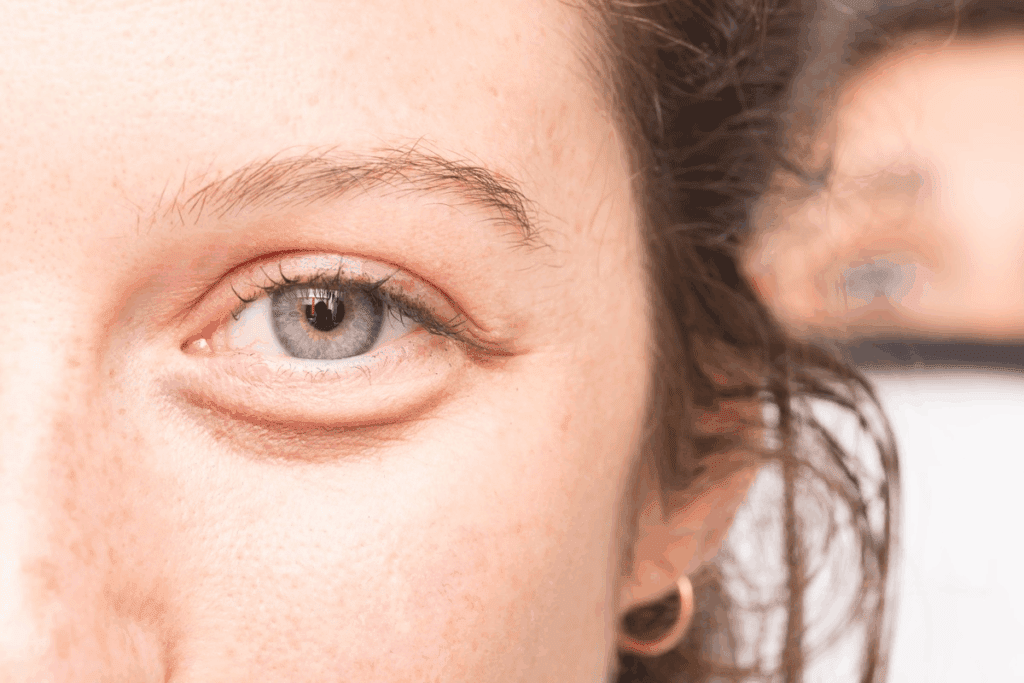
Anophthalmia and microphthalmia are rare eye conditions present at birth. Anophthalmia means one or both eyes are missing. Microphthalmia means the eyes are too small, with a corneal diameter under 10 mm or a globe diameter under 20 mm.
Clinical Presentation
Anophthalmia and microphthalmia show different signs. Anophthalmia might have no eye tissue in the orbit. Microphthalmia can have a small eye or a badly formed one.
Key clinical features include:
- Small or absent eyes
- Poor vision or blindness
- Asymmetry of the orbits
- Associated facial anomalies
Genetic Factors and Associated Syndromes
Genetic mutations and syndromes link to anophthalmia and microphthalmia. Genetic counseling is advised for affected families. Genes like SOX2, OTX2, and PAX6 are involved.
Some syndromes include:
- Lenz microphthalmia syndrome
- Fraser syndrome
- Waardenburg syndrome
Management and Prosthetic Options
Managing anophthalmia and microphthalmia needs a team effort. This includes ophthalmology, oculoplastics, and genetic counseling. Prosthetics can help with looks and sometimes vision.
Prosthetic options include:
- Conventional ocular prostheses
- Custom-made prosthetic eyes
- Expander implants to promote orbital growth
Early care and ongoing management are key for the best results.
Congenital Cataracts
Congenital cataracts are a big problem for newborns, happening in one in every 250 births. These cloudy lenses can stop vision from developing right. This can lead to serious vision problems or even blindness if not treated quickly.
Impact on Infant Vision
Congenital cataracts block light from reaching the retina. This is key for vision to develop. Without treatment, babies may see poorly, have shaky eyes, or even go blind.
- Impaired visual acuity
- Nystagmus (involuntary eye movements)
- Strabismus (crossed eyes)
- Amblyopia (lazy eye)
It’s very important to find and treat congenital cataracts early. This helps ensure the best vision possible for the baby.
Risk Factors and Inheritance Patterns
Many things can cause congenital cataracts. These include genetics, infections, and birth trauma. Knowing the risks helps with planning and care.
- Genetic mutations
- Infections during pregnancy (e.g., rubella)
- Metabolic disorders
- Trauma during birth
Understanding how these conditions are passed down is key. This helps with genetic counseling. Some cataracts are inherited in certain ways.
Surgical Approaches and Timing
Surgery is the main treatment for congenital cataracts. It’s usually done early in a baby’s life. The surgery can be done in a few ways.
- Phacoaspiration: a technique using a small incision to remove the cataractous lens
- Lensectomy: removal of the lens, often performed with a vitrectomy
After surgery, babies might need glasses or contact lenses. Sometimes, an intraocular lens (IOL) is used. The right treatment depends on the baby’s age and other eye issues.
Congenital cataracts are a big reason for blindness in kids worldwide. They cause 10% to 19.5% of childhood blindness. Quick diagnosis and treatment are key to avoiding lasting vision problems.
Coloboma: The Missing Tissue Defect
Coloboma happens when the eye doesn’t close fully during fetal development. This leads to gaps or holes in the eye’s parts. It can affect the iris, retina, and optic nerve.
Types and Anatomical Variations
Colobomas are classified by where they are and what they affect. Iris coloboma is common and looks like a keyhole-shaped pupil. Retinal coloboma can really hurt your vision, depending on its size and where it is.
There are different types of coloboma:
- Isolated coloboma affecting a single structure
- Multiple colobomas affecting different parts of the eye
- Coloboma associated with other ocular or systemic conditions
Visual Impact and Functional Limitations
The effect on vision from coloboma varies. For example, a defect in the retina or optic nerve can cause blind spots or poor vision.
Location of Coloboma | Potential Visual Impact |
Iris | Light sensitivity, cosmetic concerns |
Retina | Blind spots, reduced visual acuity |
Optic Nerve | Significant visual impairment |
Associated Systemic Conditions
Coloboma can be linked to other conditions, like genetic syndromes. For example, CHARGE syndrome includes coloboma, heart issues, and other developmental problems.
It’s important to know about these connections for better care. A team of doctors, including ophthalmologists and geneticists, should work together to help patients with coloboma.
Congenital Glaucoma
Congenital glaucoma is a serious condition in newborns that needs quick medical help. It happens when the eye’s drainage system doesn’t work right. This leads to high eye pressure, which can damage the optic nerve and cause vision loss if not treated fast.
It’s key to spot congenital glaucoma early. Early warning signs include being very sensitive to light, tearing a lot, and having an eye that looks bigger than usual. These happen because the high eye pressure makes the cornea stretch and get cloudy.
Recognizing Early Warning Signs
Parents and caregivers should watch for signs of congenital glaucoma. These include:
- Excessive tearing or watering of the eyes
- Light sensitivity or avoiding bright lights
- Enlargement of one or both eyes (buphthalmos)
- Cloudiness or haziness of the cornea
Finding it early is very important. Quick action can greatly help babies with this condition.
Diagnostic Challenges in Infants
It’s hard to diagnose congenital glaucoma in babies because they can’t tell us how they feel. Comprehensive eye examinations under anesthesia are needed to check the eye pressure, cornea size, and optic nerve health. Tools like ultrasound biomicroscopy (UBM) and anterior segment optical coherence tomography (AS-OCT) help see the eye’s front part and drainage angle.
Surgical and Medical Management
The main goal of treatment is to lower eye pressure and protect the optic nerve. Surgical options are often the first choice, with medicines used as extra help or for a short time.
Treatment Approach | Description | Benefits |
Goniotomy | A surgical procedure that opens the drainage angle | High success rate in suitable candidates |
Trabeculotomy | A surgery that involves creating a new drainage pathway | Effective in reducing IOP |
Medications | Eye drops or oral medications to lower IOP | Temporary or supplementary measure |
We stress the need for a team effort in treating congenital glaucoma. This includes pediatric ophthalmologists, glaucoma specialists, and other healthcare experts for full care.
Congenital Eyelid Conditions and Their Management
It’s important to know about congenital eyelid conditions early. This helps in early treatment to avoid vision problems later. These conditions are present at birth and can affect how well a child sees.
Ptosis (Drooping Eyelids)
Ptosis is when the eyelid droops too low. It can happen if the muscles or nerves controlling the eyelid are weak. Severe cases can block vision and cause amblyopia (lazy eye) if not treated quickly.
We check how bad the ptosis is to decide the best treatment. This might include surgery to lift the eyelid.
There are two types of congenital ptosis. Simple ptosis is by itself, while syndromic ptosis is part of a bigger condition like Blepharophimosis Syndrome.
Eyelid Colobomas and Cryptophthalmos
Eyelid colobomas are holes in the eyelid that can let in dust and germs. Cryptophthalmos is when the eyelid sticks together, often with other facial and eye problems. These need careful care to keep the eye safe and help it grow right.
Colobomas can be treated with eye drops and sometimes surgery to protect the cornea. Cryptophthalmos is more complex and might need many surgeries and a team of doctors to manage.
Impact on Visual Development
Congenital eyelid issues can really affect how well a child sees. For example, ptosis can cause amblyopia by blocking the view. Eyelid colobomas and cryptophthalmos can also harm the cornea and affect vision. It’s very important to treat these early to help the child see well.
Condition | Potential Complications | Management Approach |
Ptosis | Amblyopia, obstructed vision | Surgical lifting of the eyelid |
Eyelid Colobomas | Exposure keratopathy, infections | Lubricating drops, surgical repair |
Cryptophthalmos | Corneal scarring, vision loss | Multidisciplinary approach, multiple surgeries |
Early diagnosis and management of congenital eyelid conditions are vital to prevent long-term visual impairment and improve the quality of life for affected individuals.
Retinopathy of Prematurity
The retina of premature infants is at risk for retinopathy of prematurity, a serious disease. It needs quick diagnosis and treatment. This disease can cause severe vision loss or blindness in babies.
Risk Factors in Premature Infants
Several factors raise the risk of ROP in premature babies. Low birth weight and gestational age are big risks. Babies born before 31 weeks are more at risk.
Other risks include oxygen therapy, sepsis, and multiple births. Knowing these risks helps catch the disease early.
Staging and Classification
ROP is divided into stages, from mild (Stage 1) to severe (Stage 5). “Plus disease” is another sign, showing blood vessel problems. Knowing the stage helps doctors choose the right treatment.
Treatment Options and Long-term Outcomes
Treatment for ROP depends on how bad it is. Doctors might use laser photocoagulation or anti-vascular endothelial growth factor (anti-VEGF) injections. Early treatment can help a lot, but babies need ongoing care to avoid more problems.
It’s key to have a team of doctors, including neonatologists and ophthalmologists. They work together to give the best care to premature babies at risk.
Congenital Nasolacrimal Duct Obstruction
The nasolacrimal duct is key for tear drainage. Its blockage can cause big problems in newborns. This condition, common in babies, leads to too much tearing and eye discharge.
Recognizing Symptoms in Newborns
Newborns with this issue often show symptoms that worry both the baby and parents. The main signs are:
- Excessive tearing or epiphora
- Eye discharge or crusting around the eyes
- Recurrent eye infections
These signs happen because the blockage stops tears from draining. Spotting these symptoms early is key for quick help.
Conservative Management Approaches
Many times, this issue can be handled without surgery, mainly in the first year. Our methods include:
- Watching and checking on the baby
- Using massage to open the blocked duct
- Antibiotic ointments or drops to fight or stop infections
Many cases get better on their own within 12 to 18 months.
Management Approach | Description | Success Rate |
Observation | Monitoring the condition without immediate intervention | High |
Massage Therapy | Applying gentle massage to help clear the obstruction | Moderate to High |
Antibiotic Treatment | Using antibiotics to prevent or treat infections | Variable |
When Surgery Becomes Necessary
If other methods don’t work, or the blockage is serious, surgery might be needed. Surgery options include:
- Probing of the nasolacrimal duct
- Intubation to keep the duct open
- Balloon dacryoplasty to widen the duct
Surgery is usually considered after 12 months if the problem doesn’t go away. The choice to have surgery depends on how bad the symptoms are and how they affect the child’s life.
Dealing with this issue can be tough for families. Our team is here to give full care and support. We aim for the best results for our young patients.
Diagnosis and Early Intervention
Early detection of congenital eye defects greatly improves treatment success. It’s vital to start care early for these conditions. Advances in prenatal detection and newborn eye exams have helped a lot.
Prenatal Detection Methods
Prenatal ultrasound is now key in spotting eye issues before birth. It can find problems like anophthalmia and microphthalmia by 12-14 weeks. Advances in prenatal imaging help us prepare for needed treatments at birth, bettering infant outcomes.
Studies show prenatal detection of eye defects can change postnatal care. For example, a Journal of Pediatric Ophthalmology study found early surgery for congenital cataracts thanks to prenatal diagnosis.
“Prenatal diagnosis of congenital anomalies has revolutionized the field of pediatric ophthalmology, enabling early intervention and improving outcomes for affected children.” Medical Expert, Pediatric Ophthalmologist
Comprehensive Eye Examination for Newborns
Checking a newborn’s eyes is key for early detection. This check looks at the outside of the eye, pupil reactions, and red reflex. Red reflex testing is very important as it spots issues like cataracts and retinoblastoma.
Examination Component | Purpose | Conditions Detected |
External Eye Examination | Assess overall eye health | Congenital eyelid anomalies, anophthalmia |
Pupil Reactions | Evaluate pupil response to light | Afferent pupillary defects, congenital glaucoma |
Red Reflex Testing | Check for opacities in the visual axis | Congenital cataracts, retinoblastoma |
Multidisciplinary Approach to Care
Managing congenital eye conditions needs a team effort. Pediatric ophthalmologists, neonatologists, geneticists, and others work together. Coordinated care covers all health aspects from diagnosis to follow-up.
Teamwork leads to better care for kids with congenital eye issues. Early diagnosis and a team approach are key to the best results.
Conclusion
It’s key to understand congenital eye conditions to help kids get the right care. We’ve looked at different conditions, their causes, signs, and how to treat them. This shows why finding and treating problems early is so important.
Early diagnosis and treatment can greatly help kids with these eye issues. By spotting the signs early, we can manage and support their vision development well.
Good care for kids with these eye conditions needs a team effort. It involves using the newest treatments and technologies. We stress the need for thorough eye checks for newborns and keeping an eye on their vision as they grow.
By focusing on early diagnosis and treatment, we can really help kids with congenital eye conditions. This way, they can reach their full abilities and live happy, fulfilling lives.
FAQ
What are congenital eye conditions?
Congenital eye conditions are eye problems that babies are born with. They can affect a child’s vision and growth.
What causes congenital eye defects?
Eye defects at birth can come from genes and the environment. This includes inherited traits, infections during pregnancy, and exposure to harmful substances.
What is anophthalmia and microphthalmia?
Anophthalmia and microphthalmia are rare conditions where a baby is born without or with small eyes. They can greatly affect vision and life quality.
How do congenital cataracts affect infant vision?
Congenital cataracts make vision cloudy in babies. This can stop them from seeing clearly and developing normal vision. Untreated, it can cause amblyopia.
What is coloboma, and how does it affect vision?
Coloboma is when parts of the eye are missing or not formed right. It can make seeing hard, light sensitive, and limit eye function.
What are the early warning signs of congenital glaucoma?
Signs of congenital glaucoma include too much tearing, light sensitivity, and a big cornea. Seeing a doctor quickly is key to avoid losing vision.
What is retinopathy of prematurity (ROP), and how is it treated?
ROP is a condition in premature babies that affects the retina. Treatments include laser therapy, injections, and surgery to save vision.
What is congenital nasolacrimal duct obstruction, and how is it managed?
This condition in newborns causes too much tearing and discharge. It’s usually treated with massage and antibiotics. Surgery is needed in some cases.
Why is early intervention critical for congenital eye conditions?
Early treatment is key for eye conditions at birth. It helps prevent problems and ensures the best vision development.
How can congenital eye conditions be detected prenatally?
Ultrasound and other scans can find eye conditions before birth. This helps prepare for care after birth.
What is the importance of a multidisciplinary approach to care for congenital eye conditions?
A team of doctors is important for eye conditions at birth. It includes ophthalmologists, pediatricians, and geneticists. This ensures all care needs are met.
What are the long-term outcomes for children with congenital eye conditions?
Outcomes vary based on the condition and treatment. But, with proper care, many children can have good vision and a happy life.
What is the role of prosthetic options in managing anophthalmia and microphthalmia?
Prosthetics, like ocular implants, are vital for these conditions. They help with growth, appearance, and overall well-being.
Can congenital eye conditions be prevented?
Some conditions can’t be prevented, but good prenatal care and avoiding risks can help. Genetic counseling is also important.
References
National Center for Biotechnology Information. Evidence-Based Medical Guidance. Retrieved from https://pmc.ncbi.nlm.nih.gov/articles/PMC11586828/