
Congenital heart defects are a big worry. They affect the heart’s structure and function from birth. Studies show they are the most common birth defect, impacting many kids and adults globally.
We look into how serious these defects are. We see how they affect the heart’s structure and the treatments available. These defects happen during fetal development. Their severity can vary a lot, causing different health problems.
Key Takeaways
- Congenital heart defects are the most common type of birth defect.
- These defects affect the heart’s structure and function.
- The severity of congenital heart defects can vary greatly.
- Available treatment options can significantly improve outcomes.
- Understanding the causes and symptoms is key for effective management.
What Are Congenital Heart Defects?

Congenital heart defects are heart problems that babies are born with. They can make it hard for the heart to pump blood. Knowing about these defects is key to helping those affected.
Definition and Prevalence
These heart defects are common, found in about 1% of babies. They range from simple to complex, with some being serious.
Studies show many children worldwide have these heart issues. Early detection through prenatal care and newborn screening is vital.
| Type of Congenital Heart Defect | Prevalence | Impact on Heart Function |
| Septal Defects | Common, often detected in childhood | Can lead to inefficient oxygenation of blood |
| Heart Valve Defects | Varies depending on the specific defect | Can cause issues with blood flow and heart workload |
| Blood Vessel Defects | Less common, often associated with other heart defects | Can significantly impact blood circulation and overall heart function |
Impact on Heart Function
Congenital heart defects can really affect how well the heart works. The heart might have to work harder, which can lead to heart failure.
The effects on heart function vary. Some people might not show many symptoms, while others face serious problems.
It’s important to understand how congenital heart defects affect the heart. This knowledge helps manage the condition and improve life for those affected.
The Spectrum of Severity in Congenital Heart Defects
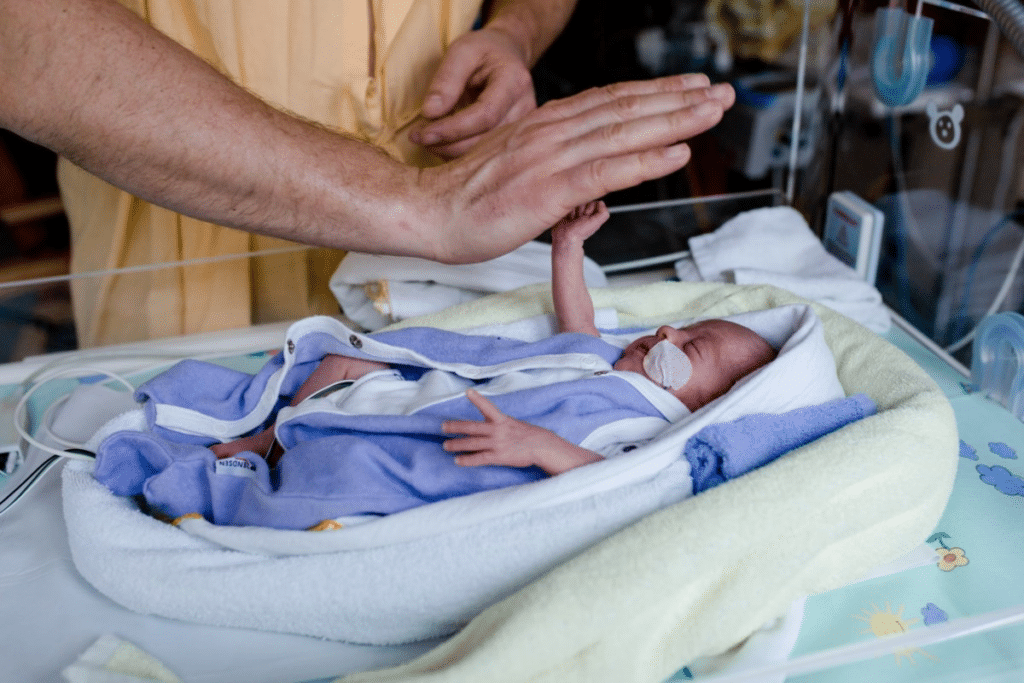
It’s important to know how severe congenital heart defects are. This helps doctors decide the best treatment and support. Some congenital heart defects are mild and may not require treatment, while others are severe and potentially life-threatening.
Mild Defects That May Resolve Naturally
Mild heart defects, like small holes in the heart, might not cause big problems. About 25% of heart defects are mild. People with these defects might live normal lives without surgery.
Moderate Defects Requiring Intervention
Moderate heart defects need medical help to avoid serious problems. These can include bigger holes in the heart or other defects. Doctors often use procedures or surgery to fix these and improve heart function.
Severe and Life-Threatening Defects
Severe heart defects, like those that affect the left side of the heart, are very serious. They need complex surgeries and ongoing care to survive.
| Severity | Characteristics | Typical Treatment |
| Mild | Small defects, minimal symptoms | Monitoring, may close naturally |
| Moderate | Larger defects, noticeable symptoms | Catheter procedures or surgery |
| Severe | Life-threatening, significant symptoms | Complex surgery, lifelong care |
Recent studies show about 25% of heart defects are severe. Knowing the severity helps doctors create better treatment plans. This improves outcomes and quality of life for patients.
Types of Congenital Heart Defects
Congenital heart defects fall into three main types: septal defects, heart valve defects, and blood vessel defects. Studies show septal defects are the most common.
Septal Defects: Holes in the Heart
Septal defects are holes in the heart’s septum. This septum is the wall between the heart’s chambers. These holes let blood flow between chambers, which can cause problems with blood circulation.
A cardiologist notes, “Septal defects are a common congenital heart defect. They can greatly affect a patient’s life if not treated.”
The size and where the hole is decide how serious it is. Small holes might close by themselves. But bigger ones might need surgery.
Heart Valve Defects
Heart valve defects happen when the valves that control blood flow don’t work right. This can cause the heart to work too hard to pump blood.
“New surgical techniques have greatly helped patients with heart valve defects,” says a doctor. This shows how important early and right treatment is.
Blood Vessel Defects
Blood vessel defects are problems with the blood vessels near the heart. Issues like a narrow aorta or a problem with a fetal connection not closing can happen.
Fixing blood vessel defects usually means surgery or using a catheter. These methods help fix the problem and get blood flowing right again.
Critical Congenital Heart Disease
It’s important for parents and doctors to know about critical congenital heart disease. This is a serious heart problem that babies are born with. It needs quick medical help.
What Makes a Heart Defect “Critical”
A heart defect is “critical” if it badly affects the heart’s work. It needs help right away, often in the first days or weeks. These problems can be in the heart’s walls, valves, or blood vessels.
Critical congenital heart disease happens in about 1 in 100 babies. This shows why we need to be ready and aware.
The seriousness of these heart problems can vary. But they often need surgery or other treatments. Finding out about them early is key to getting the right care.
Immediate Concerns After Birth
Newborns with these heart issues might have trouble breathing or look blue. They might also have trouble feeding. These signs mean they need to see a doctor right away.
Quick diagnosis and treatment are very important. Doctors use tools like echocardiograms to check the heart. This helps them plan the best treatment.
Knowing about critical congenital heart disease helps us support families and doctors. This way, we can manage this serious condition better.
Common Symptoms of Congenital Heart Problems
It’s important to know the signs of congenital heart defects early. These defects can show different symptoms based on their type and how severe they are.
These heart problems can look different in babies and kids who are a bit older. Knowing what to look for helps in giving the right care and support.
Symptoms in Newborns
Newborns with heart defects might show signs that need quick action. Some common signs include:
- Cyanosis, a bluish skin color from not enough oxygen
- Rapid breathing or trouble breathing
- Poor feeding or trouble eating
- Excessive sweating
- Lethargy or being very irritable
These signs can mean a serious problem. It’s very important to get medical help right away.
Symptoms in Older Children
As kids get older, the signs of heart defects might change or get clearer. Common signs in older kids include:
- Fatigue or shortness of breath when active
- Swelling in the legs, ankles, or feet
- Palpitations or irregular heartbeats
- Chest pain or discomfort
- Fainting or feeling dizzy
Parents and caregivers should watch for these signs. If they have any worries, they should talk to a doctor.
Spotting and treating heart defects early can greatly help kids’ outcomes.
Causes of Congenital Heart Defects
Congenital heart defects come from a mix of genetic and environmental factors. Knowing these causes helps doctors diagnose and treat these conditions better.
Genetic Factors
Genetics are a big part of congenital heart defects. Studies show that 20% of these defects have a genetic link. This includes inherited conditions and random genetic changes.
Environmental Factors
Environmental factors also play a role. Things like chemicals, infections, and lifestyle choices can affect heart health during pregnancy.
Some key genetic factors include:
- Down syndrome
- DiGeorge syndrome
- Marfan syndrome
Environmental risks include:
- Maternal diabetes
- Exposure to certain medications
- Rubella infection during pregnancy
Understanding both genetic and environmental causes helps doctors give better care. This support is for individuals and their families affected by congenital heart defects.
Risk Factors for Developing Congenital Heart Defects
Research has found specific risk factors for congenital heart defects. Knowing these factors helps identify those at higher risk. It also ensures they get the right prenatal care.
Maternal Health Conditions
Maternal health is key in preventing congenital heart defects. Certain health issues in the mother can raise the risk. For example, maternal diabetes is a big risk factor. Studies show that women with diabetes before pregnancy are more likely to have a child with a heart defect.
Other health issues in the mother that may increase risk include:
- Obesity: Being very overweight can raise the risk of heart defects.
- Rubella infection: Getting rubella during pregnancy, early on, can increase the risk.
- Other chronic conditions: Conditions like high blood pressure and some autoimmune diseases may also play a role.
Other Prenatal Risk Factors
Other factors during pregnancy can also affect the risk of heart defects. These include:
- Family history: A family history of heart defects can increase the risk.
- Genetic conditions: Certain genetic conditions, like Down syndrome, are linked to a higher risk of heart defects.
- Exposure to certain substances: Exposure to certain medications, alcohol, or toxins during pregnancy may increase the risk.
The table below lists some key risk factors for congenital heart defects:
| Risk Factor | Description | Impact on Risk |
| Maternal Diabetes | Pre-existing diabetes in the mother | Increases risk significantly |
| Maternal Obesity | Being significantly overweight | Increases risk |
| Rubella Infection | Contracting rubella during pregnancy | Increases risk, specially in the first trimester |
| Family History | History of congenital heart defects in the family | Increases risk |
Understanding these risk factors helps healthcare providers give better care. They can offer targeted guidance and monitoring. This can help reduce the risk of congenital heart defects.
Diagnosing Congenital Heart Defects
Diagnosing congenital heart defects is key to helping those affected. Early diagnosis helps doctors create a treatment plan that fits the patient’s needs. This improves their quality of life and outcomes.
Prenatal Diagnosis
Prenatal diagnosis finds heart defects before birth. Studies show it can spot about 50% of them. New ultrasound tech, like fetal echocardiography, makes it more accurate.
Early detection lets parents and doctors get ready for the baby’s arrival. They can plan for any needed care right after birth.
Newborn Screening
Newborn screening is vital for postnatal care. It uses pulse oximetry to check a baby’s blood oxygen levels. This can spot heart defects by looking for abnormal oxygen levels.
Not all heart defects are found through screening. But it’s a key tool for spotting serious cases that need quick medical help.
Diagnostic Tests for Suspected Heart Defects
If a heart defect is suspected, more tests are done to confirm it. These tests help understand the defect’s severity. Common tests include:
- Echocardiography: An ultrasound that shows the heart’s details.
- Cardiac Catheterization: A procedure that looks inside the heart.
- MRI or CT scans: Imaging that shows the heart and blood vessels in detail.
These tests are vital for finding the best treatment for each patient.
By using prenatal diagnosis, newborn screening, and detailed tests, doctors can give the right care to those with heart defects.
Treatment Options for Congenital Heart Defects
It’s important to know the different ways to treat congenital heart defects. The right treatment depends on the defect’s type and how severe it is.
Medications
Medicines are key in managing symptoms of congenital heart defects. They help improve heart function, lessen symptoms, and stop problems from getting worse. Some common medicines include:
- Diuretics to reduce fluid buildup
- Beta-blockers to slow the heart rate and reduce the heart’s workload
- Anti-arrhythmic medications to manage irregular heartbeats
These medicines are often used with other treatments for the best care.
Catheter Procedures
Catheter procedures are minimally invasive interventions for some heart defects. They can avoid the need for open-heart surgery and make recovery faster. Examples are:
- Balloon valvuloplasty to widen narrowed heart valves
- Atrial septal defect (ASD) closure to repair holes in the heart
- Coarctation of the aorta repair to correct narrowing of the aorta
These procedures are done in a catheterization lab under fluoroscopic guidance.
Surgical Interventions
For more complex or severe heart defects, surgery is often needed. Surgery can repair or replace damaged heart structures, making the heart work better. Surgical options include:
- Open-heart surgery for complex repairs
- Heart transplant in severe cases where other treatments are not viable
Doctors decide on surgery after a thorough evaluation by a healthcare team.
Surgical Procedures for Congenital Heart Defects
Fixing congenital heart defects often needs surgery. This is key to better health outcomes. The type and timing of surgery depend on the defect and its severity.
Timing of Surgery
When to have surgery varies. Some defects need surgery right after birth. Others might wait a few months or even years.
Emergency surgery is needed for serious defects that are life-threatening. Less severe ones might wait until later.
“Choosing the right time for surgery depends on many factors,” saysa pediatric cardiologist. These include the defect’s type, the child’s health, and other medical conditions.
Common Surgical Repairs
There are many surgical fixes for heart defects. Some common ones include:
- Closure of septal defects (holes in the heart)
- Repair or replacement of heart valves
- Correction of blood vessel abnormalities
- Reconstruction of the heart’s chambers or major blood vessels
These surgeries are complex. But, thanks to new techniques and technology, they’re getting better.
Recovery and Outcomes
Recovery time varies by surgery type and child’s health. Most kids need hospital time for care. After surgery, managing pain and preventing infection are key.
Most kids do well after surgery. They can live active lives. But, they need to see a cardiologist regularly for check-ups.
a top cardiac surgeon, says, “Surgery can greatly improve life for those with heart defects. But, lifelong care is needed for the best results.”
Long-term Complications of Congenital Heart Defects
Managing long-term complications of congenital heart defects is key to better patient care. Thanks to advances in medicine, people with these defects live longer. Yet, they often face health challenges.
Arrhythmias and Heart Failure
Arrhythmias, or irregular heartbeats, are a big concern. They can cause heart failure. Heart failure means the heart can’t pump enough blood for the body.
We closely watch and treat these issues to avoid more problems. Arrhythmias can be fixed with meds, procedures, or surgery. Heart failure treatment includes lifestyle changes, meds, and devices like pacemakers.
Pulmonary Hypertension
Pulmonary hypertension is another issue. It’s high blood pressure in the arteries to the lungs. If not managed, it can cause right-sided heart failure.
We use meds to lower the pressure and improve symptoms. This helps manage the condition.
Endocarditis Risk
People with congenital heart defects are at higher risk of endocarditis. This is an infection of the heart’s inner lining or valves. To lower this risk, we suggest antibiotics before certain medical procedures.
The table below shows the complications and how we manage them:
| Complication | Description | Management Strategies |
| Arrhythmias | Irregular heartbeats | Medications, catheter procedures, surgery |
| Heart Failure | Inability to pump enough blood | Lifestyle changes, medications, devices like pacemakers |
| Pulmonary Hypertension | High blood pressure in pulmonary arteries | Medications to reduce pulmonary artery pressure |
| Endocarditis | Infection of the heart’s inner lining or valves | Antibiotic prophylaxis before certain procedures |
It’s vital to understand and manage these complications for the best care. We keep an eye on these issues to improve patient outcomes.
Living with Congenital Heart Defects
Congenital heart defects are a lifelong journey. They need ongoing care and support. As people grow, they face unique challenges that need careful management.
Childhood Development and Activity Restrictions
Children with congenital heart defects need special care. It’s important to let them be kids, but some activities might be too much. For example, kids with severe heart defects might need to avoid sports that are too intense.
Parents and caregivers are key in managing a child’s condition. They need to:
- Regularly check in with doctors to adjust activities as needed.
- Help kids find fun, safe ways to stay active.
- Teach kids about their heart condition and how to take care of themselves.
Many kids with heart defects can be active with the right care. It’s important to support a balanced lifestyle that includes fun, friends, and feeling good.
Transitioning to Adult Care
When kids with heart defects grow up, they face new challenges. Moving to adult care is a big step. It needs careful planning and help from both pediatric and adult doctors.
Good transition means:
- Teaching kids to take charge of their health.
- Showing them how to manage their condition on their own.
- Finding doctors who specialize in heart defects for ongoing care.
The goal is to keep care going smoothly as they grow up. This helps them stay healthy and happy in adulthood.
Living with congenital heart defects is a lifelong journey. Understanding and supporting their needs can greatly improve their lives.
Advances in Congenital Heart Defect Research
Medical technology and research have changed how we diagnose and treat congenital heart defects. This shift has led to better outcomes for those with these conditions.
New Treatment Approaches
New treatments are being developed, including innovative surgical techniques and minimally invasive catheter procedures. These methods aim to reduce recovery time and boost treatment success. For example, 3D printing technology helps surgeons plan operations more accurately.
Genetic research is also advancing, helping find the causes of congenital heart defects. This could lead to preventive measures and treatments tailored to each person’s genetic makeup.
Improving Long-term Outcomes
Improving long-term outcomes for those with congenital heart defects is a key research goal. This involves better surgeries and treatments, as well as addressing long-term complications. Researchers are working to prevent issues like arrhythmias and heart failure as people get older.
There’s also a focus on moving care from pediatric to adult services. This ensures people with congenital heart defects get the right care as they grow older. Programs for adult congenital heart disease are being developed to meet their specific needs.
By pushing forward in understanding and treating congenital heart defects, we can greatly enhance the lives of those affected. This will help them live more active, healthy lives.
Conclusion
Congenital heart defects, or cardiac birth defects, are a big worry for people all over the world. These heart problems can really affect someone’s life, making it key to know about their causes, signs, and how to treat them.
In this article, we looked at many parts of congenital heart defects. We talked about what they are, how common they are, how to find out if someone has them, and how to treat them. We learned that finding and treating these problems early is very important.
By sharing detailed info and support, we help people with congenital heart defects live healthy, happy lives. Our goal is to give top-notch healthcare and support to patients from all over. Understanding congenital heart defects is a big part of reaching this goal.
As research keeps getting better, we’ll see new ways to treat these heart problems. We’re dedicated to giving the best care and support to those dealing with these issues.
FAQ
What are congenital heart defects?
Congenital heart defects are problems with the heart that babies are born with. They can make it hard for the heart to pump blood. This can lead to serious health issues.
How common are congenital heart defects?
Congenital heart defects are a big concern worldwide. They affect many babies. Knowing how common they are helps us give better care and support.
What are the different types of congenital heart defects?
There are several types of congenital heart defects. Some include holes in the heart’s septum and problems with heart valves. These issues can affect how well the heart pumps blood.
What makes a heart defect “critical”?
Critical congenital heart disease needs quick medical help. These defects are very serious and can be life-threatening. Babies with these defects need help right after they are born.
What are the symptoms of congenital heart problems in newborns?
Babies with heart defects might show signs like blue skin, being very tired, or heart murmurs. Spotting these signs early is key to getting them the help they need.
What are the causes of congenital heart defects?
Heart defects can come from genes or the environment. Knowing what causes them helps us care for those affected better.
What are the risk factors for developing congenital heart defects?
Some things can increase the risk of heart defects. These include health problems in the mother, like diabetes. Knowing these risks helps us act fast to help.
How are congenital heart defects diagnosed?
Doctors can find heart defects before a baby is born or right after. Tests like fetal echocardiograms and pulse oximeter screenings are very important.
What are the treatment options for congenital heart defects?
There are many ways to treat heart defects. These include medicines, procedures with catheters, and surgery. Knowing these options helps us give the best care.
What are the long-term complications of congenital heart defects?
People with heart defects can face serious problems later on. These include irregular heartbeats, heart failure, and infections. Understanding these risks helps us keep them healthy.
How can individuals with congenital heart defects lead healthy lives?
With the right care, people with heart defects can live well. This means following their treatment plans and making healthy lifestyle choices.
What is the importance of transitioning to adult care for individuals with congenital heart defects?
Moving to adult care is very important. It ensures they get the care they need as they grow up.
What advances are being made in congenital heart defect research?
Research is always looking for new ways to help heart defect patients. This work is key to improving their care and outcomes.
References
Centers for Disease Control and Prevention. Evidence-Based Medical Insight. Retrieved from https://www.cdc.gov/heart-defects/data/index.html