Explaining why constipation after egg transfer is common and how to find relief. Constipation is a common problem for people going through IVF, specifically during the two-week wait after embryo transfer. Hormonal shifts and certain medications, like progesterone, can mess with bowel movements. This can cause discomfort and worry.
At Liv Hospital, we get how tough this time can be for patients. It’s good to know that constipation, while uncomfortable, doesn’t affect embryo implantation success. By knowing why it happens and using effective ways to manage it, patients can get through this tough period with hope.
Key Takeaways
- Constipation is a frequent side effect of IVF treatment due to hormonal changes.
- Progesterone administration is a primary cause of bowel changes.
- Constipation does not compromise the success of embryo transfer.
- Practical management strategies can alleviate discomfort.
- Understanding the causes can empower patients during treatment.
Understanding Constipation After Embryo Transfer
Many people going through fertility treatment notice changes in their digestion, like constipation, after embryo transfer. This isn’t just a coincidence. It’s because of the changes in the body caused by IVF, mainly due to progesterone.
What Causes Digestive Changes During IVF
IVF treatment brings big changes in hormones, which can mess with digestion. The main reason for constipation is the high levels of progesterone. This hormone is key for keeping a pregnancy.
The Role of Progesterone in Bowel Function
Progesterone relaxes muscles, including those in the gut. This makes bowel movements slower, causing constipation. Knowing this helps manage symptoms better.
- Progesterone levels go up during IVF.
- This increase slows down digestion, causing constipation.
- Understanding progesterone’s role helps make the right diet and lifestyle changes.
Normal vs. Concerning Symptoms
Some constipation is okay due to progesterone. But, it’s key to tell the difference between normal and serious symptoms. Severe constipation, stomach pain, or bleeding are not normal and need a doctor’s attention.
- Mild constipation is usually okay.
- Severe symptoms might mean there’s a bigger issue that needs a doctor.
- It’s important to watch your symptoms and talk to your fertility doctor.
The Relationship Between After Embryo Transfer Constipation and Treatment Success
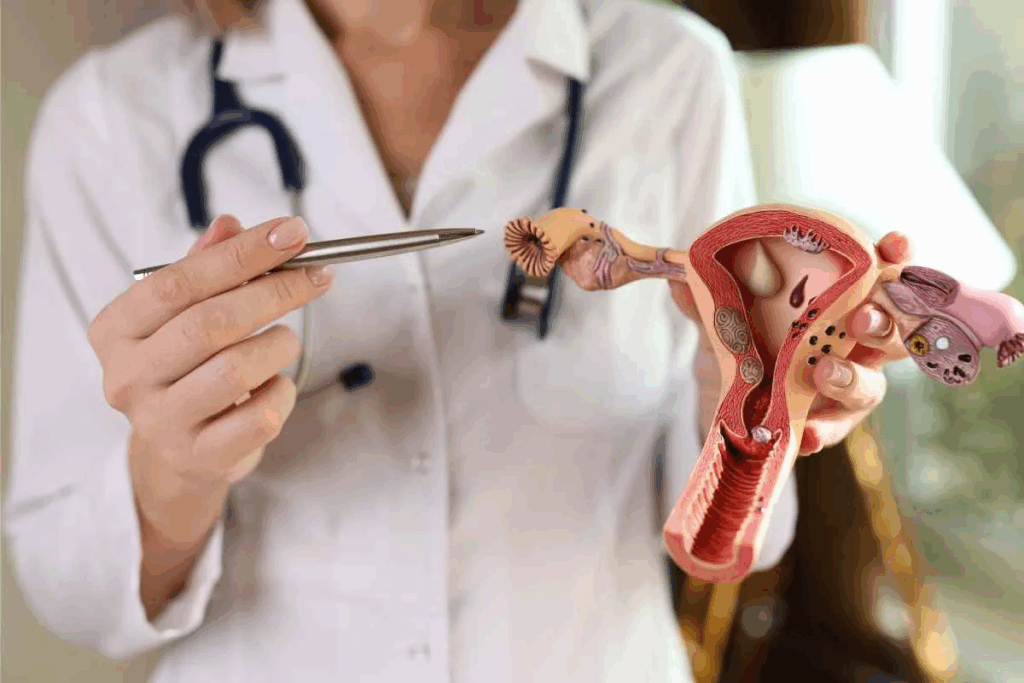
Many patients worry about constipation after embryo transfer and its effect on pregnancy success. We aim to clear up these concerns.
Does Constipation Affect Implantation?
Constipation is common after embryo transfer. People worry it might affect embryo implantation. But, research shows constipation doesn’t directly impact implantation or IVF success.
Fertility experts say implantation depends on the embryo’s quality, the uterus’s readiness, and timing. Constipation, though uncomfortable, doesn’t decide these factors.
Research on Bowel Function and IVF Outcomes
Studies have looked into bowel function and IVF success. They found hormonal changes during IVF can alter bowel habits. Yet, these changes don’t directly affect treatment success or failure.
Study | Sample Size | Key Findings |
Research on IVF and Bowel Habits (2020) | 500 IVF patients | No significant correlation between constipation and IVF success rates |
Impact of Hormonal Changes on Digestion (2018) | 300 IVF patients | Hormonal fluctuations affect bowel habits, but not IVF outcomes |
What Fertility Specialists Say About Digestive Concerns
Fertility specialists say digestive issues like constipation are not signs of treatment failure. Medical Expert, “Constipation doesn’t mean implantation won’t happen. Focus on managing symptoms and staying healthy.”
To ease constipation, try dietary changes, drink more water, and do gentle exercises. These steps can help without affecting IVF success.
Dietary Strategies to Relieve Constipation
Diet is key in easing constipation after embryo transfer. Choosing the right foods can help manage symptoms and boost comfort.
Fiber-Rich Foods That Support Digestion
Boosting fiber is a top way to fight constipation. Fiber-rich foods make stool softer and bulkier, easing passage. Here are some high-fiber options:
- Fresh fruits like berries, apples, and bananas
- Vegetables such as broccoli, carrots, and leafy greens
- Legumes, including beans, lentils, and chickpeas
- Whole grains like brown rice, quinoa, and whole-wheat bread
Adding these to your diet can help keep bowel movements regular and cut down on discomfort.
Hydration Guidelines During the Two-Week Wait
Staying hydrated is vital for digestive health, even more so during IVF. Water softens stool and aids regular bowel movements. Aim for 8-10 glasses a day. Also, try:
- Herbal teas, such as peppermint or chamomile, for digestive comfort
- Clear broths, which add to hydration and offer electrolytes
Steer clear of sugary drinks and caffeine, as they can dehydrate you.
Foods to Avoid That May Worsen Constipation
Some foods can make constipation worse, so it’s wise to limit or avoid them. These include:
- Processed foods, which are low in fiber and high in unhealthy fats
- Dairy products, mainly for those with lactose intolerance
- High-fat foods, which slow digestion
Knowing your diet and avoiding trigger foods can ease constipation and support digestive health.
Safe Physical Activities to Promote Bowel Regularity
After an embryo transfer, gentle physical activities can help with bowel regularity and comfort. Managing constipation is key for your comfort and well-being during this time.
Benefits of Walking After Embryo Transfer
Walking is a simple yet effective way to help bowel movements. Gentle walking can reduce stress and aid digestion without straining your body. Try short, brisk walks after meals to help with bowel regularity.
- Improves digestion and bowel motility
- Reduces stress and anxiety
- Promotes overall physical and mental well-being
Gentle Stretches That Aid Digestion
Along with walking, gentle stretches can help with constipation. They relieve tension in the abdominal area and improve blood flow to the digestive organs. Simple yoga poses or stretching exercises are beneficial.
- Knees to Chest Pose: Helps relieve tension in the lower back and promotes digestion.
- Cat-Cow Stretch: Gentle stretching that can help stimulate bowel movements.
- Seated Twist: Aids in relieving gas and promoting bowel regularity.
Activity Restrictions to Be Aware Of
While gentle activities are good, some activity restrictions after an embryo transfer are important. Avoid heavy lifting, bending, or high-impact exercises that could harm the implantation process.
- Avoid strenuous activities for at least 24-48 hours post-transfer.
- Refrain from high-impact exercises or those that involve significant abdominal strain.
- Listen to your body and rest when needed.
Natural Remedies for Post-Transfer Digestive Comfort
Constipation is common after embryo transfer. But, natural remedies can help. It’s key to use gentle methods that support your health.
Warm Beverages That Support Digestion
Warm drinks can help with digestion and constipation. Good choices include:
- Warm water with lemon
- Herbal teas like peppermint or chamomile
- Ginger tea
These drinks relax your digestive muscles. They help food move through your system.
Abdominal Massage Techniques
Abdominal massage can also help. Here’s how to do it:
- Lie on your back with your knees bent
- Place your hands on your abdomen
- Use gentle, circular motions to massage your belly
This method relaxes your muscles. It helps keep your digestion regular.
Relaxation Technique | Benefits |
Deep Breathing Exercises | Reduces stress, promotes relaxation |
Progressive Muscle Relaxation | Relaxes muscles, reduces anxiety |
Meditation | Calms the mind, reduces stress-related constipation |
Relaxation Practices to Reduce Stress-Related Constipation
Stress can make constipation worse. Relaxation is key. Techniques like deep breathing, muscle relaxation, and meditation can help. They calm your mind and body, reducing constipation.
Adding these natural remedies to your routine can improve your digestive comfort. It helps your overall well-being during IVF.
Medical Approaches to Managing Constipation During IVF
Constipation is a common issue for many women undergoing IVF. There are several medical approaches that can help alleviate this discomfort. While lifestyle changes are often the first line of defense, some patients may require additional medical support to manage their symptoms effectively.
Safe Over-the-Counter Options
When managing constipation during IVF, it’s important to choose over-the-counter (OTC) medications wisely. We recommend considering bulk-forming laxatives like psyllium husk or methylcellulose. These are generally safe and effective. They work by increasing the bulk of stool, making it easier to pass.
Another option is osmotic laxatives, such as polyethylene glycol or magnesium hydroxide. These help by drawing water into the bowel to soften and move the stool along. Always consult with your healthcare provider before starting any new medication, even if it’s available over-the-counter.
Medication Type | Examples | How It Works |
Bulk-forming laxatives | Psyllium husk, methylcellulose | Increases stool bulk, making it easier to pass |
Osmotic laxatives | Polyethylene glycol, magnesium hydroxide | Draws water into the bowel to soften stool |
When to Consult Your Fertility Doctor
If you’re experiencing persistent or severe constipation, it’s vital to consult your fertility doctor. They can provide guidance on the safest options for your specific situation. They can also rule out any underlying conditions that may be contributing to your symptoms.
Also, if you notice any severe abdominal pain, vomiting, or rectal bleeding, seek medical advice promptly.
Treatments to Avoid During the Two-Week Wait
During the two-week wait after embryo transfer, it’s generally advised to avoid certain types of laxatives. Avoid stimulant laxatives (e.g., bisacodyl or senna) as they can cause uterine contractions. This could potentially interfere with implantation.
It’s also wise to avoid any medication without consulting your fertility specialist first. They can help you navigate the risks and benefits. They can recommend the most appropriate treatment for your situation.
Managing Diarrhea and Other Bowel Changes After Transfer
Diarrhea and bowel changes can surprise you after embryo transfer. While many talk about constipation, some face diarrhea due to hormonal shifts and IVF treatment factors.
Causes of Diarrhea During Fertility Treatment
Hormonal changes, like increased progesterone, can mess with your bowel habits during IVF. Progesterone can slow digestion and cause bowel changes, leading to diarrhea.
Other reasons for diarrhea after IVF include:
- Stress and anxiety from fertility treatment
- Dietary changes or sensitivities
- Medications used in IVF
One patient said, “I was surprised by how much my bowel habits changed during IVF. It was a rollercoaster of constipation and diarrhea!”
This quote shows how unpredictable bowel changes can be during fertility treatment.
Safe Management Strategies
To manage diarrhea after IVF, try dietary changes, stay hydrated, and consider medical help. Here are some tips:
Strategy | Description |
Stay Hydrated | Drink plenty of water to replace lost fluids |
Dietary Changes | Avoid spicy or fatty foods; choose bland, easy-to-digest foods |
Probiotics | Take probiotics to help gut health |
Talk to your fertility specialist about any big bowel changes to check for any serious issues.
When Bowel Changes Signal a Problem
While bowel changes are common in IVF, some symptoms need quick medical help. These include:
- Severe diarrhea or constipation
- Blood in the stool
- Severe abdominal pain
If you have these symptoms, call your healthcare provider right away. They can figure out if it’s related to IVF or something else.
In summary, managing diarrhea and bowel changes after embryo transfer means understanding the causes, using safe strategies, and knowing when to seek medical help. By being proactive, you can reduce discomfort and focus on your fertility journey.
Creating a Digestive Wellness Plan for Your IVF Journey
Starting your IVF journey? A good digestive wellness plan can make a big difference. It helps manage constipation and other issues. Plus, it makes your IVF experience better.
Preventative Measures Before Transfer Day
Before the embryo transfer, you can take steps to avoid digestive discomfort. Increasing fiber intake from fruits, veggies, and whole grains helps with bowel movements. Also, staying hydrated with lots of water is key for your digestive health.
- Incorporate fiber-rich foods into your diet
- Drink at least 8-10 glasses of water per day
- Engage in gentle physical activities like walking
Daily Routine Adjustments for Optimal Comfort
Changing your daily routine can boost your digestive comfort during IVF. Establishing a regular eating schedule and skipping heavy meals can ease symptoms. Also, practicing relaxation techniques like deep breathing or meditation can help with stress-related constipation.
- Eat smaller, more frequent meals
- Avoid foods that can cause gas or bloating
- Practice stress-reducing activities daily
Tracking Symptoms and Treatment Effectiveness
It’s important to track your symptoms and how well your plan works. Maintaining a symptom journal helps spot patterns and triggers. This info is super helpful when talking to your healthcare provider.
“Monitoring your digestive health and adjusting your plan as needed can make a significant difference in your overall IVF experience.”
By following these tips and being proactive, you can make a digestive wellness plan that supports your IVF journey. It will also improve your overall well-being.
Conclusion: Balancing Digestive Health and Fertility Treatment
IVF treatment is complex, and digestive health is key to overall well-being. Understanding constipation after embryo transfer is important. It helps in making a healthier fertility journey.
For fertility treatment to succeed, balancing digestive health is essential. Making dietary changes, staying active safely, and using natural remedies can help. Working with fertility specialists is important to create a plan that addresses digestive issues and improves treatment results.
Being proactive in managing digestive health can make IVF treatment better. It’s important to take a holistic approach to fertility care. This includes both physical and emotional well-being.
FAQ
What causes constipation after embryo transfer?
Progesterone, a hormone used in embryo transfer, can slow down bowel movements. This leads to constipation.
Does constipation after embryo transfer affect the success of the treatment?
Studies show constipation after embryo transfer doesn’t affect treatment success. But, managing it is important for comfort and to avoid complications.
What are the symptoms of concerning constipation after embryo transfer?
Severe symptoms like abdominal pain, vomiting, or bloody stools need medical attention. If you have these, talk to your fertility doctor.
How can I relieve constipation after embryo transfer?
Eating more fiber and drinking water can help. Also, walking and gentle stretches can promote regular bowel movements.
Are there any natural remedies that can help with constipation after embryo transfer?
Yes, warm drinks, abdominal massage, and relaxation can offer digestive comfort. They help manage constipation.
Can I take over-the-counter medications for constipation after embryo transfer?
Some over-the-counter meds might be okay, but check with your fertility doctor first. They can suggest safe options and advise on what to avoid.
How can I manage diarrhea after embryo transfer?
Diarrhea can be due to hormonal changes or other factors. Drinking plenty of water and managing stress can help. If it’s severe or lasts long, talk to your fertility doctor.
What are the dos and don’ts after embryo transfer to support digestive health?
Eat a balanced diet, drink water, and do gentle exercises. Avoid foods that make constipation worse. Be careful with medications during the two-week wait.
How can I create a digestive wellness plan for my IVF journey?
Start by making diet and hydration changes before transfer day. Track your symptoms and adjust your plan as needed to stay comfortable during IVF.
Is walking recommended after embryo transfer?
Yes, walking is safe and good after embryo transfer. It helps with bowel regularity and overall health.
What should I avoid doing after embryo transfer?
Avoid heavy lifting, bending, or hard activities after embryo transfer. Also, be careful with medications and avoid treatments that might harm implantation.
References
Government Health Resource. Evidence-Based Medical Guidance. Retrieved from https://onlinelibrary.wiley.com/doi/abs/10.1111/jphp.12755