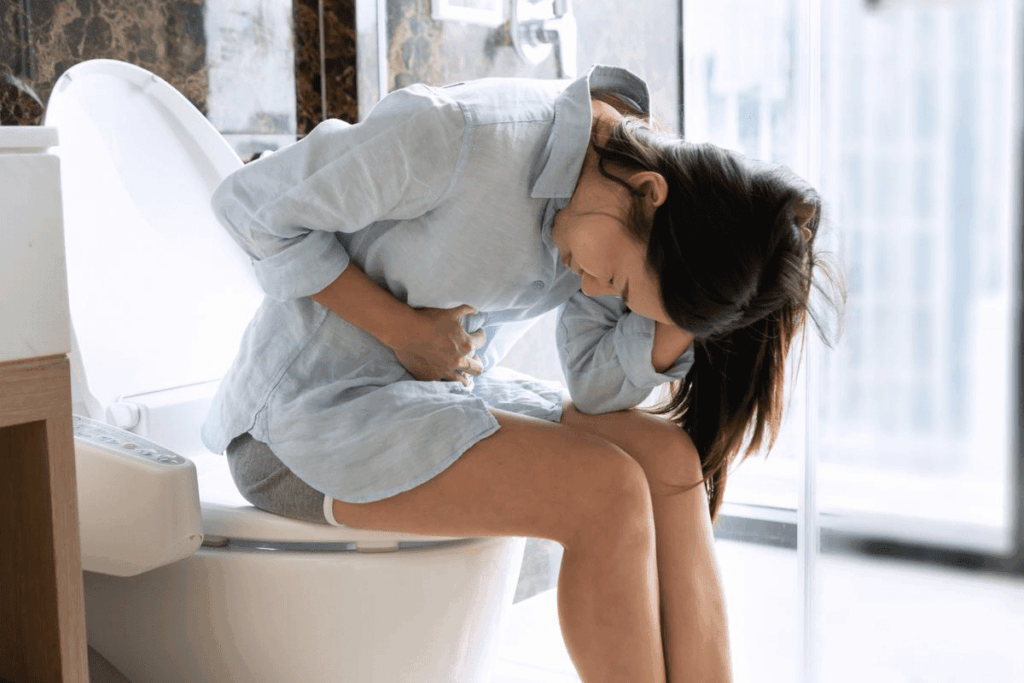
Explaining the link between constipation pelvic pressure and the resulting pain during bowel movements. Feeling sharp pain in your pelvis or uterus when you poop can be scary. Many people wonder if their constipation is causing this pain.
Studies show that almost half of those with chronic constipation also face pelvic floor issues. Chronic pelvic pain is pain in the area below the belly button and between the hips that lasts six months or longer.
At Liv Hospital, we understand the strong link between constipation and pelvic pain. This issue affects millions globally. Knowing about this connection is the first step to feeling better.
Key Takeaways
- Constipation can lead to pelvic floor dysfunction.
- Chronic pelvic pain can last six months or longer.
- Pelvic pain during bowel movements is a common symptom.
- Understanding the connection between constipation and pelvic pain is key for relief.
- Liv Hospital offers full support for those with pelvic pain.
Understanding the Connection Between Bowel Movements and Pelvic Pain
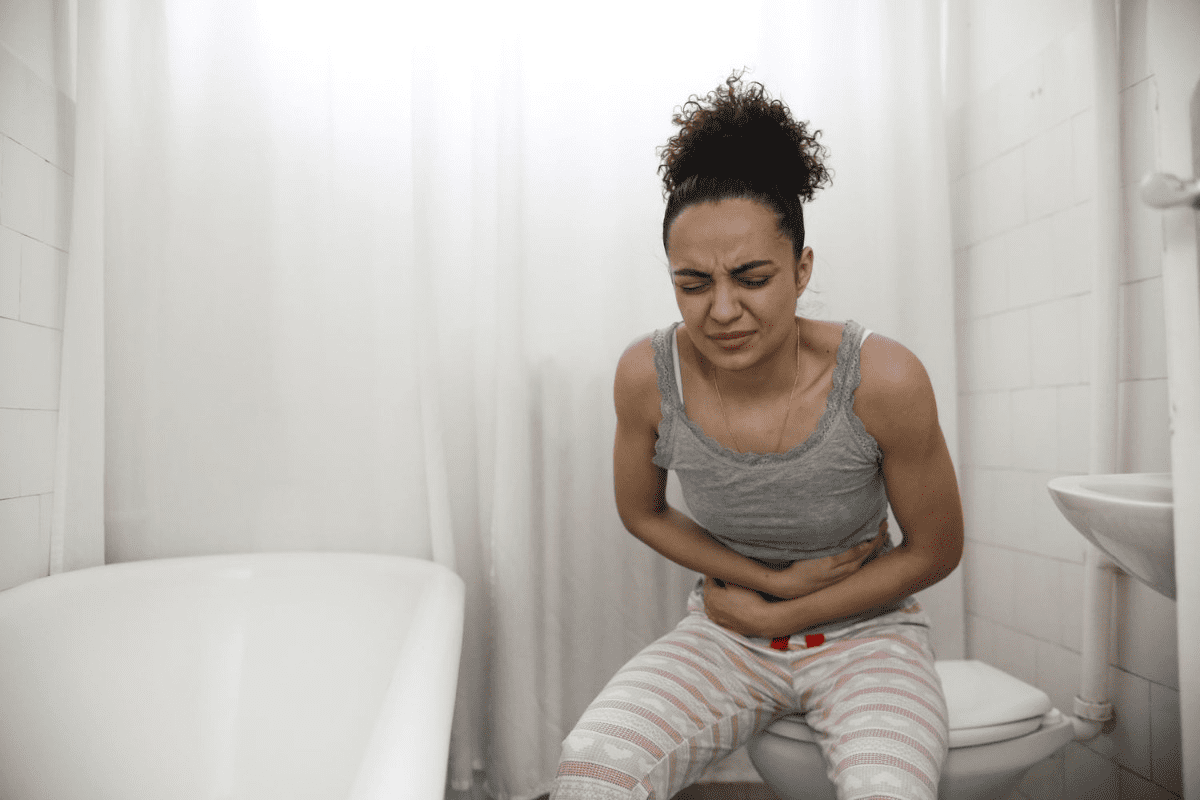
It’s important to know how bowel movements affect the pelvic area. The pelvic region is complex and holds vital organs. These include parts of the urinary, reproductive, and digestive systems.
The Anatomy of Your Pelvis and Bowel Function
The pelvis is a ring-like structure made of bones, muscles, and ligaments. It supports the body’s trunk and holds vital organs. The bowel, or large intestine, is part of the digestive system. It plays a key role in eliminating waste.
The buildup of stool can create pressure on surrounding pelvic structures. This includes the uterus, bladder, and other vital organs housed within the pelvic region.
Bowel movements involve the coordinated effort of muscles and nerves. When stool moves through the colon, it can sometimes put pressure on or irritate nearby structures. This can lead to discomfort or pain.
How Bowel Movements Affect Pelvic Structures
During bowel movements, the muscles in the pelvic floor relax to allow stool to pass. Constipation can lead to straining, which increases pressure on the pelvic floor muscles and surrounding structures. This strain can result in pain or discomfort in the pelvic area.
Some causes of chronic pelvic pain include endometriosis, muscle and bone problems, nerve injury, and irritable bowel syndrome. The table below summarizes how different factors can contribute to pelvic pain during bowel movements:
Condition | Effect on Pelvic Pain |
Constipation | Increased straining and pressure on pelvic structures |
Endometriosis | Inflammation and scarring in pelvic tissues |
Irritable Bowel Syndrome (IBS) | Altered bowel habits and sensitivity |
By understanding the connections between bowel movements and pelvic pain, we can address discomfort better. We can develop effective treatment strategies.
Constipation Pelvic Pressure: How Stool Buildup Affects Your Body
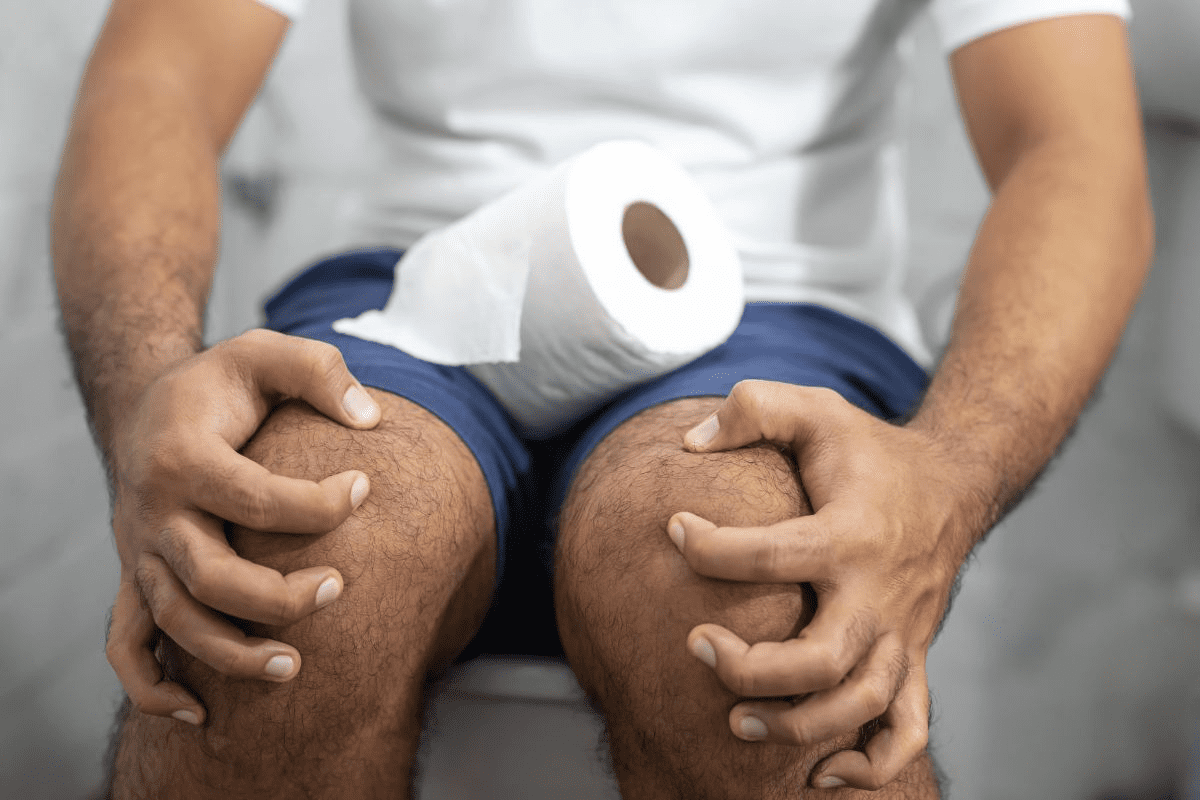
Constipation can cause a lot of stool to build up in the bowel. This buildup puts pressure on the pelvic area. This pressure can cause pain when you have a bowel movement and affect your overall health.
The Mechanism Behind Constipation-Related Pressure
Constipation-related pressure comes from stool building up in the intestines. This buildup makes stool harder and harder to pass. It puts pressure on the intestines and the pelvic area.
Medical Expert, a gastroenterologist, notes, “The pressure from the stool can cause pelvic floor dysfunction. This makes bowel movements more uncomfortable.”
“The pressure exerted by the retained stool can lead to pelvic floor dysfunction, exacerbating the discomfort experienced during bowel movements.” – Medical Expert
How Pressure Translates to Pain During Bowel Movements
The pressure from stool buildup causes pain during bowel movements. Straining during bowel movements makes the pelvic muscles and nerves hurt. This pain can be in the uterus, pelvis, or lower abdomen.
Straining during bowel movements puts stress on the pelvic floor muscles. This stress can cause muscle fatigue and pain. The nerves in the pelvic area can also get irritated, adding to the pain. It’s important to understand that this pain is a sign of an underlying issue.
- The straining during bowel movements can cause pelvic floor dysfunction.
- The pressure from stool buildup can irritate the nerves in the pelvic region.
- Chronic pelvic pain can manifest as various types of pain, including sharp pains and dull aching.
Understanding the link between constipation, pelvic pressure, and pain is key. It helps individuals manage their symptoms and seek medical care when needed.
Common Causes of Constipation Leading to Pelvic Pain
Constipation and pelvic pain are linked by many factors. About 16 out of 100 adults have constipation. It’s more common in older people. Knowing what causes it helps manage and prevent pelvic pain.
Dietary Factors
What you eat affects your bowel movements. A low-fiber diet can cause constipation. Fiber makes stool softer and easier to pass.
Eating too few fruits, veggies, and whole grains is a problem. Not drinking enough water also makes stool hard. This makes bowel movements harder.
Increasing fiber intake helps. Eat whole grains, fruits, and veggies. Also, stay hydrated by drinking lots of water.
Lifestyle Contributors
Lifestyle choices also affect bowel habits. Being inactive slows bowel movements. But, regular exercise helps.
Ignoring the urge to go can cause constipation. Changes in routine or travel can disrupt bowel habits too.
- Regular exercise can help stimulate bowel movements.
- Responding to the urge to have a bowel movement is key.
- Keeping a daily routine helps with bowel habits.
Medical Conditions Associated with Constipation
Many medical issues can lead to constipation and pelvic pain. Neurological disorders like Parkinson’s disease can affect bowel nerves. Hypothyroidism, diabetes, and some gut problems also play a role.
If constipation doesn’t go away, see a doctor. They can find and treat the underlying cause. This can help with constipation and pelvic pain.
Recognizing Symptoms: When Constipation Affects Your Pelvis
Constipation and pelvic pain are linked in complex ways. They involve many physiological factors that can cause discomfort. When we have constipation, it affects more than just our bowel movements. The whole pelvic area can get strained.
Distinguishing Between Normal Discomfort and Problematic Pain
It’s key to tell normal discomfort from pain that might mean something serious. Normal discomfort is usually mild and short-lived. But, pain that’s severe, lasts a long time, or comes with other symptoms is a red flag.
For example, sharp or stabbing pain could mean a serious issue that needs medical help. Dull or aching pain might just be from muscle strain or pelvic floor problems.
Pain Patterns and Location Indicators
The pattern and where the pain is can give clues about its cause. Pain during bowel movements or urination might point to issues with the proximity and pressure between the bowel and other pelvic organs. Pain on one side of the pelvis could mean a specific problem, like ovarian cysts or endometriosis.
Also, the pain’s severity doesn’t always match the problem’s severity. Sometimes, mild pain can mean a big issue, while severe pain might just be from constipation.
One-Sided Pelvic Pain: Causes and Significance
One-sided pelvic pain can have different causes. These include gynecological conditions like ovarian cysts or musculoskeletal issues like piriformis syndrome. The importance of one-sided pain is that it can point to specific conditions that need special treatments.
Knowing the causes and importance of one-sided pelvic pain is vital for managing it. If you have persistent or severe one-sided pelvic pain, seeing a healthcare provider is a must. They can find the cause and suggest the right treatment.
Why Your Uterus May Hurt During Bowel Movements
Uterine pain while pooping is a symptom that needs to be understood. The uterus is close to other pelvic structures, like the colon. This closeness can cause pain to be felt in the uterus during bowel movements.
Anatomical Proximity: The Uterus and Colon Relationship
The uterus and colon are very close in the pelvic cavity. This anatomical proximity means problems with one can affect the other. For example, constipation can cause pelvic pain that may feel like it’s coming from the uterus because of shared nerves.
Conditions That Cause Uterine Pain During Defecation
There are several reasons why the uterus might hurt during bowel movements. These include:
- Endometriosis: A condition where tissue like the uterine lining grows outside the uterus, affecting bowel function.
- Fibroids: Non-cancerous growths in the uterus that can cause pain and discomfort during bowel movements.
- Pelvic Inflammatory Disease (PID): An infection of the female reproductive organs that can cause pain during defecation.
Condition | Symptoms | Impact on Bowel Movements |
Endometriosis | Pelvic pain, heavy bleeding | Pain during defecation, constipation |
Fibroids | Pelvic pressure, heavy bleeding | Constipation, difficulty with bowel movements |
PID | Pelvic pain, abnormal discharge | Pain during bowel movements, possible constipation |
Knowing about these conditions can help you understand why your uterus might hurt during bowel movements. If you’re experiencing persistent or severe pain, seeing a healthcare provider is important. They can help diagnose and treat the issue.
Constipation and Ovarian Pain: Understanding the Connection
Constipation can affect the ovaries in many ways. It can cause discomfort and pain. The link between bowel movements and ovarian function is complex.
Mechanisms Linking Constipation to Ovarian Pain
Constipation can put pressure on the ovaries. This pressure can cause pain, if the ovaries are already affected.
Constipation can also cause inflammation in the pelvic area. Straining during bowel movements can lead to pelvic floor dysfunction. This dysfunction can affect the ovaries and surrounding tissues.
Distinguishing Between Constipation-Related and Gynecological Pain
It’s important to tell the difference between pain from constipation and gynecological issues. While constipation can be painful, ovarian pain can also signal other problems like cysts or endometriosis.
To tell the difference, look at these signs:
Characteristics | Constipation-Related Pain | Gynecological Pain |
Location | Lower abdomen, potentially radiating to the pelvic area | Often localized to one side of the lower abdomen |
Timing | Typically associated with bowel movements | Can be constant or related to menstrual cycle |
Associated Symptoms | Bloating, difficulty passing stools | Abnormal vaginal bleeding, dysmenorrhea |
“Understanding the nature of pelvic pain is key for effective treatment. A detailed evaluation can pinpoint the cause of pain, whether it’s from constipation, a gynecological issue, or something else.”
By grasping the connection between constipation and ovarian pain, people can get the right medical care. This helps manage symptoms effectively.
Pelvic Floor Dysfunction and Its Relationship to Constipation
Many people with constipation also have pelvic floor dysfunction. This condition affects the muscles and nerves in the pelvic area. Almost half of those with chronic constipation also have pelvic floor dysfunction.
This issue can cause muscle tension and problems with muscle coordination. It’s a common problem that affects many people.
Understanding Pelvic Floor Muscles
The pelvic floor muscles are key in supporting pelvic organs and controlling bowel movements. They also help keep us continent. These muscles, nerves, and tissues work together as a complex system.
Constipation can strain these muscles, causing tension. This strain can lead to muscle fatigue and pain in the pelvic area.
How Constipation Contributes to Pelvic Floor Problems
Constipation can lead to pelvic floor dysfunction in several ways. Chronic straining can cause muscle fatigue and pain. It can also make the muscles work out of sync, making it hard to pass stools.
A medical expert notes, “Constipation is a big factor in pelvic floor dysfunction. Treating constipation is key to managing pelvic floor disorders.” This shows how important it is to treat constipation to help pelvic floor issues.
The Cycle of Pain: How Pelvic Floor Issues Worsen Constipation
Pelvic floor dysfunction can make pain and discomfort worse, which can make constipation worse. Tense or uncoordinated muscles can make bowel movements painful. This can make people avoid bowel movements, making constipation even worse.
It’s important to understand how constipation and pelvic floor dysfunction are connected. Treating both at the same time can help people feel a lot better.
Treating Constipation to Relieve Pelvic Pain
We can ease pelvic pain linked to constipation by focusing on bowel health. Treating constipation is key to reducing pelvic pain. This approach involves several steps.
Dietary Changes and Fiber Intake
Making changes to your diet is important for managing constipation. Eating more fiber is a great way to help your bowels move regularly. Foods high in fiber include fruits, veggies, whole grains, and legumes.
Start by slowly adding more fiber to your diet. This lets your gut adjust. A high-fiber diet makes stool softer, easing the strain on your pelvic area.
But, a sudden fiber boost can cause bloating or gas. So, increase fiber slowly to help your body adjust.
Food Group | High-Fiber Examples | Fiber Content (grams per serving) |
Fruits | Apples, Berries, Bananas | 3-4 |
Vegetables | Broccoli, Carrots, Leafy Greens | 2-5 |
Grains | Whole Wheat Bread, Oats, Brown Rice | 3-6 |
Legumes | Beans, Lentils, Peas | 5-8 |
Hydration and Exercise Recommendations
Drinking enough water is key to avoiding constipation. Water softens stool, making it easier to pass. Aim for 8-10 glasses of water a day, adjusting as needed.
Regular exercise also helps keep your bowels healthy. It encourages bowel movements and improves gut movement. Mix aerobic activities like walking or swimming with strength training for best results.
Over-the-Counter and Prescription Medications
If lifestyle changes aren’t enough, medications can help. Over-the-counter options include fiber supplements and laxatives. Sometimes, prescription meds are needed, depending on the cause of constipation.
Always talk to a healthcare provider before starting any medication. They can guide you on the best treatment for your specific situation.
Preventing Constipation-Related Pelvic Discomfort
It’s important to prevent constipation to avoid pelvic pain. Healthy bowel habits and exercises can help. This way, you can lower the chance of feeling pain when you go to the bathroom.
Daily Habits for Healthy Bowel Function
Having a routine for regular bowel movements is key. Eat foods high in fiber, drink enough water, and exercise often. A fiber-rich diet softens stool, and drinking water helps avoid dehydration.
Increasing fiber intake can be done by eating more fruits, veggies, and whole grains. Start slowly to let your gut adjust. Also, staying hydrated by drinking lots of water helps prevent constipation.
- Consume at least 25-30 grams of fiber per day
- Drink at least 8-10 glasses of water per day
- Engage in at least 30 minutes of moderate-intensity exercise per day
Pelvic Floor Exercises and Relaxation Techniques
Pelvic floor exercises, or Kegels, strengthen muscles for bowel movements. They can lower the risk of pelvic pain from constipation. Relaxation techniques also help manage stress, which can cause constipation.
Pelvic floor exercises involve tightening and releasing muscles that stop urine flow. Contract these muscles for 5-10 seconds, then release for the same time. Do this 10-15 times, three times a day.
Techniques like deep breathing or meditation can reduce stress. They help keep bowel movements regular. Adding these to your daily routine can help manage constipation and pelvic pain.
Conclusion: When to Seek Medical Help and Long-Term Management
Knowing when to see a doctor is key to managing constipation and pelvic pain long-term. Chronic pelvic pain is complex and often needs a full medical check-up. If you have ongoing or severe pain, and it’s hard to pass stools or you feel bloated, you should talk to a doctor.
We’ve talked about how constipation can cause pelvic pain and why it’s important to find the root cause. To manage symptoms, try healthy bowel habits. This includes eating foods high in fiber, drinking enough water, and staying active. Sometimes, you might need medical help to deal with constipation and pelvic pain.
By taking a full approach to healthcare and working with doctors, you can find ways to handle constipation and pelvic pain. This can greatly improve your life quality. If you’re wondering why your pelvis hurts when you poop or dealing with constipation pelvic pressure, getting professional help is a big step towards feeling better and staying well.
FAQ
Can constipation cause uterus pain?
Yes, constipation can cause uterus pain. This is because the uterus is close to the bowel. The pressure from stool buildup can also play a role.
Why does my pelvic hurt when I poop?
Pelvic pain when you poop can be due to constipation. It puts pressure on the pelvic area. Or, it could be because of conditions like pelvic floor dysfunction.
Can constipation cause pelvic pain on one side?
Yes, constipation can lead to pelvic pain on one side. This happens when stool is unevenly distributed. Or, when specific pelvic structures are under pressure.
Why does my uterus hurt when I poop?
Uterine pain during bowel movements can have several causes. It might be due to endometriosis. Or, it could be from the pressure of constipation on the uterus.
Can constipation cause pain in the ovaries?
Constipation can indirectly cause ovarian pain. This is through pelvic pressure or discomfort. But, direct ovarian pain is more likely from gynecological conditions.
What are the symptoms of constipation-related pelvic pain?
Symptoms include pain or discomfort in the pelvic area. This can happen during or after bowel movements. You might also feel bloated or have trouble passing stools.
How can I relieve pelvic pain caused by constipation?
To relieve pelvic pain from constipation, treat the constipation first. This can be through diet, hydration, exercise, and medication. Also, address any pelvic floor dysfunction.
Can pelvic floor dysfunction cause pain during bowel movements?
Yes, pelvic floor dysfunction can cause pain during bowel movements. This is because of abnormal tension or weakness in the pelvic floor muscles.
How can I prevent constipation-related pelvic discomfort?
To prevent pelvic discomfort from constipation, maintain healthy bowel habits. Eat a balanced diet, stay hydrated, exercise regularly, and do pelvic floor exercises.
When should I seek medical help for constipation and pelvic pain?
Seek medical help if you have persistent or severe constipation and pelvic pain. Also, if you notice heavy bleeding, fever, or trouble controlling bowel movements.
References
National Center for Biotechnology Information. Evidence-Based Medical Guidance. Retrieved from https://www.ncbi.nlm.nih.gov/pmc/articles/PMC6326213/