

Millions of medical imaging tests are done every year in the United States. Many of these tests use IV contrast. Patients often worry about the feeling when they get contrast dye. Knowing what to expect can help reduce their anxiety.
Getting contrast dye can cause different feelings. This article aims to explain these feelings. It helps patients understand what to expect during tests with IV contrast.
Key Takeaways
- The role of IV contrast in medical imaging.
- Sensations associated with contrast dye administration.
- How to prepare for medical imaging tests.
- The safety profile of IV contrast.
- Tips for minimizing discomfort during the procedure.
Understanding Contrast Dye in Medical Imaging
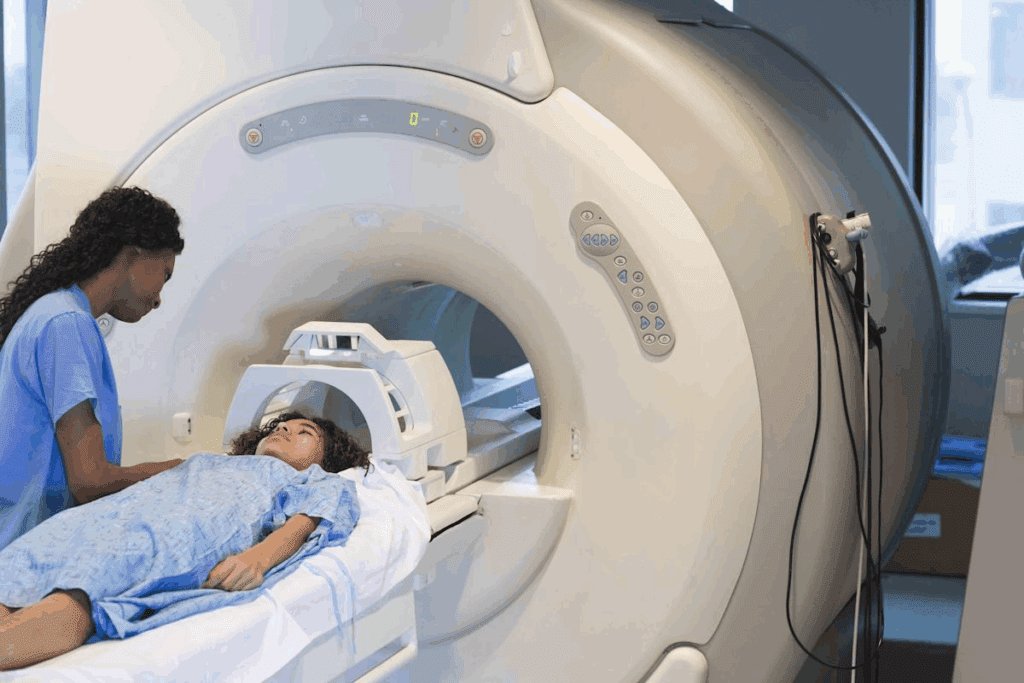
Contrast agents have changed how doctors diagnose and treat diseases. Contrast dye, also known as contrast media, makes medical images clearer. It helps doctors see specific parts of the body better.
Definition and Purpose of Contrast Media
Contrast media are substances that make body structures or fluids stand out in medical images. They are used to make certain areas more visible. This is key for diagnosing many health issues, like injuries, infections, cancers, and vascular diseases.
There are different types of contrast media for various imaging methods. Iodine-based contrast agents are used in X-rays and CT scans. Gadolinium-based contrast materials are for MRI scans.
How Contrast Enhances Diagnostic Imaging
Contrast media change how imaging technologies see the body. For example, iodine-based contrast makes blood vessels show up more on CT scans. Gadolinium-based contrast makes MRI images clearer by changing the magnetic properties of hydrogen nuclei.
Using contrast media greatly improves the accuracy of imaging tests. It helps doctors see and track health issues more clearly. This leads to better patient care and treatment plans.
Types of Contrast Dye Used in Medical Procedures

Different medical imaging techniques need different contrast agents for clear images. The choice of dye depends on the procedure, the body part, and the patient’s health history.
Iodine-Based Contrast Agents
Iodine-based agents are often used for CT scans and angiography. They contain iodine, which makes blood vessels and structures visible on images.
Key characteristics of iodine-based contrast agents:
- High iodine concentration for better contrast
- Available in various formulations for different applications
- Generally safe when used as directed
Gadolinium-Based Contrast Materials
Gadolinium-based agents are mainly for MRI. Gadolinium changes the magnetic properties of nearby hydrogen nuclei, improving contrast between tissues.
Advantages of gadolinium-based contrast:
- Effective for highlighting certain lesions and vascular structures
- Useful in patients with iodine allergy or intolerance
Barium Sulfate Contrast
Barium sulfate is used for the gastrointestinal tract. It coats the digestive organs, making them visible on x-rays.
Common applications of barium sulfate contrast:
- Barium swallow studies
- Barium enemas
- Upper GI series
Air/Gas Contrast Media
Air or gas contrast media are used in some GI imaging studies. They help to distend the bowel and provide better visualization of the mucosal surface.
Examples of air/gas contrast use:
- Virtual colonoscopy
- Double-contrast barium enemas
The following table summarizes the main types of contrast dye and their typical applications:
| Type of Contrast Dye | Primary Use | Examples of Procedures |
| Iodine-Based | CT scans, Angiography | CT abdomen, Coronary angiography |
| Gadolinium-Based | MRI | Brain MRI, Spinal MRI |
| Barium Sulfate | GI tract imaging | Barium swallow, Barium enema |
| Air/Gas | GI tract imaging | Virtual colonoscopy, Double-contrast barium enema |
Common Medical Procedures Using Contrast Dye
Many medical procedures use contrast dye to see inside the body. These procedures help diagnose and treat many health issues.
CT Scans with Contrast
Computed Tomography (CT) scans use X-rays to show the body’s inside. Contrast dye makes certain areas, like blood vessels and tumors, stand out. It’s given through a vein to highlight these areas.
CT scans with contrast are great for finding cancer, heart disease, and injuries. The dye helps doctors see different tissues clearly.
MRI with Contrast Enhancement
Magnetic Resonance Imaging (MRI) also uses contrast dye. A gadolinium-based agent is injected to make images clearer. This helps see tissues, blood vessels, and organs better.
The contrast enhancement in MRI is key for spotting lesions and tumors. It gives more info than non-contrast scans.
Angiography Procedures
Angiography shows blood vessels inside the body. Contrast dye is injected to make them visible on X-rays. This helps find blockages and other problems.
Angiography procedures help plan treatments like angioplasty. They’re vital for diagnosing heart and artery diseases.
Intravenous Pyelogram (IVP)
An Intravenous Pyelogram (IVP) looks at the urinary tract. Contrast dye is injected, then concentrates in urine. This makes the kidneys, ureters, and bladder visible on X-rays.
The IV contrast dye in IVPs helps check the urinary system’s function and structure. It aids in diagnosing and treating urological issues.
Methods of Contrast Dye Administration
Doctors use different ways to give contrast dye. Each method has its own benefits. The choice depends on the imaging type, the patient’s health, and the test’s needs.
Intravenous (IV) Contrast Injection
Intravenous contrast injection is very common. It puts the dye directly into a vein, usually in the arm. This method is used for CT scans, MRI, and angiography.
This way, the dye spreads fast in the body. It makes blood vessels and organs clear to see.
Oral Contrast Administration
Oral contrast means drinking a dye liquid. It’s used for the gut. The dye outlines the stomach, small intestine, and colon. This helps find ulcers, tumors, or other problems.
Rectal Contrast Procedures
Rectal contrast puts dye into the rectum. It’s for the lower gut, like the colon and rectum. It’s often used in barium enemas.
Intrathecal Administration
Intrathecal means dye goes into the spinal canal. It’s for myelography, to see the spinal cord and nerves. It needs careful skill and is often guided by fluoroscopy.
| Administration Method | Common Uses | Key Characteristics |
| Intravenous (IV) Contrast Injection | CT scans, MRI, Angiography | Rapid distribution, clear visualization of blood vessels and organs |
| Oral Contrast Administration | Gastrointestinal tract imaging | Ingestion of liquid contrast, outlines stomach, intestine, and colon |
| Rectal Contrast Procedures | Lower GI tract imaging, Barium enemas | Introduced through the anus, visualizes colon and rectum |
| Intrathecal Administration | Myelography | Injected into spinal canal, images spinal cord and nerve roots |
The table shows each method’s uses and benefits. Knowing these helps pick the best way for a test.
The Sensation of Contrast Dye Injection
When contrast dye is used in medical imaging, patients feel different things. Knowing what to expect can make them feel less anxious.
Initial Needle Insertion Experience
The first thing you might feel is a pinch or sting from the needle. Proper needle placement makes this part easier.
Warmth and Flushing Sensations
Many people feel warmth or flushing when the dye is injected. This feeling starts at the injection site and might spread. It’s usually short-lived and safe.
Metallic Taste in the Mouth
Some might taste something metallic during or right after the dye is injected. This feeling goes away quickly.
The “Peeing Sensation” Phenomenon
Many feel like they need to pee during or after the dye is injected. This “peeing sensation” is common but can be scary. The exact reason isn’t always known, but it’s thought to be a body reaction to the dye.
Common feelings during contrast dye injection include:
- Warmth or flushing
- Metallic taste
- Urge to urinate
- Initial needle insertion discomfort
Knowing about these feelings can help patients feel more at ease during their medical imaging.
Why Contrast Dye Can Feel Like Urination
Many people wonder why contrast dye might make them feel like they need to urinate. This feeling is not just a worry but a real sensation. It’s caused by several reasons.
Neurological Pathways and Sensory Confusion
The way contrast dye works with our nervous system is complex. Our body sends and receives signals to and from the brain. Sometimes, this dye can mix up these signals, making us feel like we need to urinate, even if we don’t.
This mix-up in signals can make us feel like we’re about to urinate. It’s because the dye changes how our body works for a short time. This change can make our nerves send the wrong signals to our brain.
Temperature and Pressure Changes
The feeling of needing to urinate can also come from changes in temperature and pressure. When we get contrast dye, it might feel warm or cold. This, along with the pressure of the dye, can make our nerves react. This reaction can make us feel like we need to urinate.
Psychological Factors and Anticipation
Our mind also plays a big part in how we feel with contrast dye. If we’re anxious or worried, we might feel more of the dye’s effects. Our mind can make us feel things more strongly, as studies have shown.
In short, feeling like you need to urinate from contrast dye is due to many things. It’s about how our nerves work, the changes in our body, and what’s going on in our mind. Knowing this can help make the experience better for those getting medical tests with dye.
Patient Experiences with Contrast Dye
When contrast dye is used in tests, patients feel different things. It’s important for both patients and doctors to know about these feelings. This helps make the test more comfortable.
Common Reported Sensations
People often feel a few things when they get contrast dye. Here are some common ones:
- A feeling of warmth or flushing
- A metallic taste in the mouth
- A sensation similar to urination, as discussed in previous sections
These feelings usually go away quickly after the test.
Variation in Individual Experiences
How people react to contrast dye can really differ. Several things can affect this:
- The type of contrast dye used
- The way it’s given (like through an IV, by mouth, or in the rectum)
- Things about the person getting the dye, like their age, health, and how anxious they are
Patient anxiety and past experiences also matter a lot.
Duration of Sensations
The feelings from contrast dye don’t last long. Most people say they feel better in just a few minutes. But, some might feel a bit off for longer.
In summary, while reactions to contrast dye can be different, knowing what to expect can help. It makes the experience better for everyone.
Preparing for a Contrast Dye Procedure
Getting ready for a contrast dye procedure is important. It makes the experience smoother and safer. Knowing what to do before the procedure can help a lot.
Pre-Procedure Instructions
Before the procedure, you’ll get instructions from your doctor. These might include:
- Arriving on time and staying for a few hours after
- Not eating or drinking for a while before
- Telling your doctor about any medicines, allergies, or health issues
It’s key to follow these steps to make sure everything goes well.
Hydration Requirements
Drinking lots of water is important before, during, and after the procedure. It helps in several ways:
- It helps get rid of the dye from your body
- It lowers the chance of kidney problems
- It keeps your body working right
Medication Considerations
Some medicines might need to be changed or stopped before the procedure. Tell your doctor about all the medicines you’re taking, like:
- Metformin for diabetes
- Blood thinners
- NSAIDs
Your doctor will tell you what changes to make for your safety.
What to Tell Your Healthcare Provider
It’s important to share any health info with your doctor before the procedure. This includes:
| Medical Information | Importance |
| Any allergies to contrast dye | Helps prevent problems |
| Kidney or liver disease | Changes what dye and procedure are used |
| If you’re pregnant or breastfeeding | Affects if you can have the procedure |
Sharing all your health info helps your doctor make the best choices for you.
Potential Side Effects of Contrast Dye
Contrast dye makes medical images clearer but can cause side effects. These can range from mild to severe. While it’s usually safe, some people may react differently.
Mild Reactions and Common Side Effects
Mild reactions to contrast dye are common and usually don’t need a lot of medical help. These can include mild allergic reactions like hives or itching. You might also feel warmth or flushing and taste a metallic taste in your mouth.
Most of these reactions go away quickly after the procedure.
Moderate Adverse Reactions
Moderate reactions to contrast dye can be serious and might need medical attention. These can include more serious allergic responses like trouble breathing or swelling in the face and throat. You might also feel nausea and vomiting or have a rapid heartbeat.
While these reactions are rare, they need quick medical check-ups.
Severe Allergic Responses
Severe allergic reactions, or anaphylaxis, are a medical emergency. Symptoms include severe difficulty breathing, a rapid drop in blood pressure, and loss of consciousness. Anaphylaxis needs immediate treatment with epinephrine and other support.
Contrast-Induced Nephropathy
Contrast-Induced Nephropathy (CIN) is a risk with contrast dye, mainly for those with kidney disease. It’s when kidney function drops after using contrast dye. Risk factors include diabetes, heart failure, and dehydration.
Preventing CIN is key. This includes staying hydrated and choosing patients carefully.
Risk Factors for Contrast Dye Reactions
Some medical histories or conditions can increase the risk of reactions to contrast dye. It’s key for healthcare providers to know these risks to avoid bad reactions.
Previous Allergic Reactions
Having had an allergic reaction to contrast dye before makes you more likely to have another one. This is true for anyone who has had an allergic reaction to contrast media before.
A study in the Journal of Allergy and Clinical Immunology found that people with a history of contrast media allergy face a significantly higher risk of another allergic reaction.
“Precautions should be taken for patients with a history of allergy to contrast media, including premedication with corticosteroids and antihistamines.”
Kidney Function Impairment
People with kidney problems are at risk of kidney damage from contrast dye. This is called contrast-induced nephropathy (CIN).
| Kidney Function Status | Risk Level for CIN | Recommended Precautions |
| Normal Kidney Function | Low | Standard hydration protocols |
| Mildly Impaired Kidney Function | Moderate | Hydration and monitoring of kidney function |
| Severely Impaired Kidney Function | High | Avoidance of contrast dye if possible, or use of alternative imaging techniques |
Asthma and Other Medical Conditions
People with asthma or other health issues like heart disease, diabetes, or allergies might face higher risks from contrast dye.
Asthma, in particular, needs careful management before any procedure with contrast dye. Doctors might suggest premedication or other imaging methods for these patients.
Age and General Health Considerations
Age and overall health also play a role in the risk of reactions to contrast dye. Older adults or those with many health problems need special care.
A study in the Journal of the American College of Radiology shows that older patients and those with many health conditions are more likely to have bad reactions. They might need a more personalized approach to reduce risks.
Managing Contrast Dye Side Effects
Contrast dye side effects can be managed with the right medical care and after-care. It’s important to act quickly during the procedure and watch closely after it’s done. Patients also need clear instructions on when to seek more medical help.
Immediate Medical Interventions
Healthcare providers are ready to handle any immediate problems with contrast dye. Monitoring of vital signs is key, and staff know how to spot and treat symptoms like hives or trouble breathing. If a reaction is severe, epinephrine and other emergency medications might be used.
“Being ready and acting fast is key to handling contrast dye side effects,” a radiologist with over a decade of experience. “Having the right medicines and tools ready can greatly improve patient results.”
Post-Procedure Hydration
Drinking plenty of water after the procedure helps get rid of the dye. Patients are usually told to drink lots of fluids unless their doctor says not to. This helps lower the risk of kidney problems, which is important for people with kidney issues.
- Drink at least 8-10 glasses of water in the 24 hours after the procedure.
- Avoid hard activities for the rest of the day.
- Watch your urine to make sure it goes back to normal.
Monitoring for Delayed Reactions
Some reactions to contrast dye can happen hours or days later. Symptoms like skin rash, fever, or joint pain can occur. Patients need to know the signs of these delayed reactions and when to get medical help.
When to Seek Emergency Care
It’s important for patients to know when to get emergency care. Severe abdominal pain, trouble breathing, or a big drop in blood pressure are signs of a serious reaction. Patients should go to the emergency room or call for help if they have these symptoms.
Understanding contrast dye side effects and how to manage them helps keep patients safe. Good communication and clear after-care instructions are key to managing these effects well.
Alternatives to Traditional Contrast Dye
Researchers are working on new contrast dye alternatives due to old ones’ concerns. Medical imaging is getting better, and we need safer, more effective agents.
Low-Osmolality and Iso-Osmolality Agents
New contrast agents, like low-osmolality and iso-osmolality ones, are being made. They aim to lower the risk of bad reactions from old contrast media.
Low-osmolality contrast agents help reduce mild to moderate side effects. Iso-osmolality agents are even closer to blood’s osmolality, making them safer.
| Contrast Agent Type | Osmolality | Adverse Reaction Risk |
| High-Osmolality | High | Higher |
| Low-Osmolality | Lower | Lower |
| Iso-Osmolality | Similar to blood | Lowest |
Non-Contrast Imaging Techniques
New imaging methods are being developed to cut down on contrast dye use. These methods show body structures without contrast agents.
For example, some MRI sequences and ultrasound techniques can create detailed images without contrast.
Carbon Dioxide as an Alternative
Carbon dioxide (CO2) is being looked at as a contrast dye alternative, mainly for vascular system procedures. CO2 angiography shows blood vessels without iodinated contrast.
This is great for patients with severe kidney disease, as it lowers the risk of kidney damage from contrast.
Emerging Contrast Technologies
New contrast media technologies are being explored. Researchers are looking into nano-particle based contrast agents and targeted contrast agents.
These new agents could make medical imaging better. They might help diagnose diseases earlier and treat them more effectively.
Special Considerations for Different Patient Groups
Administering contrast dye isn’t the same for everyone. Different groups need special care. This ensures the safe and effective use of contrast agents in medical imaging.
Pregnant and Breastfeeding Women
Pregnant women face risks from contrast dye. The decision to use it should be made with caution. Breastfeeding women might worry about dye in their milk. But, most dyes are safe, and breastfeeding can usually continue.
Pediatric Patients
Kids are different from adults in how they handle contrast agents. Dosing must match the child’s size and age. Their kidneys are more sensitive, so monitoring is key.
Elderly Patients
Older patients often have health issues and weaker kidneys. Hydration is vital to reduce risks. The decision to use dye should consider their health and the benefits of the test.
Patients with Chronic Conditions
Those with long-term health issues need extra care with contrast dye. Pre-procedure assessment helps spot risks. Monitoring during and after the test is also important.
In summary, giving contrast dye to different groups needs a personalized approach. Healthcare providers must carefully assess and manage each patient. This ensures safety for all.
Communicating with Healthcare Providers About Contrast Dye
Knowing how to talk to your healthcare team is key to feeling comfortable during contrast dye procedures. Good communication helps make sure your worries are heard and you get the best care.
Questions to Ask Before Your Procedure
It’s important to ask the right questions before a procedure with contrast dye. Find out about the dye used, how it’s given, and possible side effects. Also, ask about the team’s qualifications.
- What type of contrast dye will be used?
- How will the contrast dye be administered?
- What are the possible side effects, and how will they be handled?
- What qualifications do the healthcare team have?
Discussing Your Concerns and Anxiety
Feeling anxious about a medical procedure is normal. Talking to your healthcare provider can help ease your worries. Share your fears and ask how to stay comfortable during the procedure.
Your healthcare provider is there to support you. By sharing your concerns, they can give you personalized care and clear up any misunderstandings.
Reporting Symptoms During and After
Telling your healthcare provider about any symptoms or discomfort is important. Let them know if you feel unusual sensations, like a “peeing sensation” from the dye. Reporting symptoms quickly helps them act fast if needed.
Follow-up Care Guidelines
After the procedure, follow your healthcare provider’s advice for care. This might include drinking lots of water, watching for any late reactions, and going to follow-up appointments.
Following these guidelines is key for a smooth recovery. Sticking to the recommended care helps avoid complications and ensures the best results.
Conclusion
Medical imaging often uses contrast dye to help doctors see better. Knowing about contrast dye helps patients feel more ready for their tests.
We’ve talked about the different kinds of contrast dye and how they’re used. It’s important for patients to understand this. This way, they can make better choices about their health.
Patients should know what to expect, like the “peeing sensation.” Talking openly with doctors helps too. It helps address any worries or fears about the dye.
As medical imaging gets better, knowing about contrast dye is key. It helps patients get the best care. By focusing on patient education, we can make medical imaging better for everyone.
FAQ
What is contrast dye used for in medical imaging?
Contrast dye makes diagnostic images clearer. It highlights certain body areas in CT scans, MRI, and X-rays.
What are the different types of contrast dye?
There are several types. Iodine-based, gadolinium-based, barium sulfate, and air/gas contrast media. Each is used for different imaging needs.
Why does contrast dye sometimes feel like urination?
It might feel like you’re urinating due to how our brains process sensations. Changes in temperature and pressure can also play a role. Sometimes, it’s just our minds playing tricks on us.
What are the common side effects of contrast dye?
Mild side effects include nausea, itching, and flushing. But, severe reactions like allergic responses and kidney damage can happen too.
How can I prepare for a contrast dye procedure?
Start by following your doctor’s instructions. Drink plenty of water. Tell your doctor about any medications or health issues. It’s also good to talk about any worries you have.
Are there alternatives to traditional contrast dye?
Yes, there are. Low-osmolality and iso-osmolality agents are options. So are non-contrast imaging, carbon dioxide, and new contrast technologies.
What are the risk factors for contrast dye reactions?
Certain groups are at higher risk. This includes people with allergies, kidney problems, asthma, and other health issues. Age and overall health also matter.
How are contrast dye side effects managed?
Immediate medical help is key. Drinking lots of water after the procedure is important. Watch for any late reactions. Know when to call for emergency help.
Are there special considerations for different patient groups?
Yes, pregnant and breastfeeding women, kids, older adults, and those with chronic conditions need special care.
Why is communication with healthcare providers important regarding contrast dye?
Talking to your doctor is vital. It’s a chance to share concerns, ask questions, and report any symptoms. Following their care instructions is also important.
Reference
- StatPearls. (2023). Contrast-Induced Nephropathy. Retrieved fromhttps://www.ncbi.nlm.nih.gov/books/NBK448066/