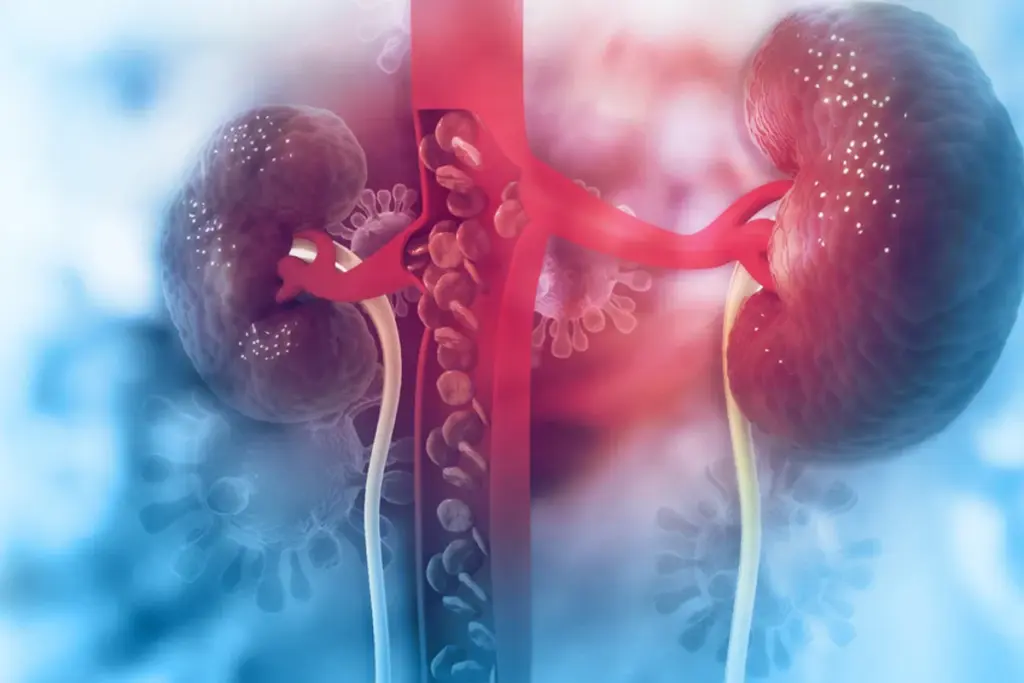
When we get medical imaging, we often get contrast dye. It makes images clearer. But, there are worries about its effects on our bodies. We must know how it impacts our kidneys. Contrast induced nephropathy is a vital concern for kidney health. Learn how to protect your organs and ensure a safe and fast recovery today.
The kidneys are mainly affected by contrast dye. This is a big worry, mainly for those with kidney problems or diabetes. A condition called contrast-induced nephropathy (CIN) can happen after using iodinated contrast agents. Knowing about these risks helps keep us safe and healthy.
Key Takeaways
- Contrast dye can impact kidney function, mainly in those with kidney disease.
- Diabetic patients face a higher risk of kidney injury from contrast media.
- It’s important to understand contrast-induced nephropathy to reduce its risks.
- We can take steps to lower the chance of kidney damage during imaging.
- People with kidney issues should talk to their doctor before getting procedures with contrast dye.
Understanding Contrast Dye and Its Medical Applications
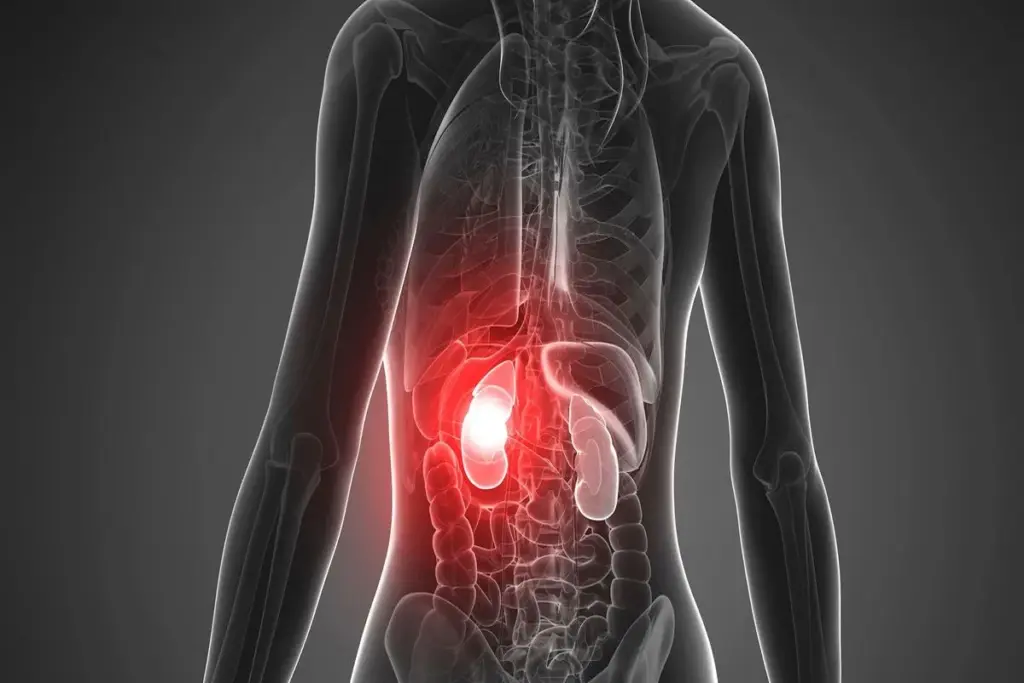
Contrast dye is key in many medical imaging methods. It helps doctors see inside the body more clearly. This dye makes different parts of the body stand out in images.
Types of Contrast Media Used in Medical Imaging
There are many kinds of contrast media for medical imaging. Each has its own use and features. The main types are:
- Iodinated Contrast Agents: Used in X-ray-based imaging like CT scans and angiography.
- Gadolinium-Based Contrast Agents: Used in MRI scans to make certain tissues and lesions more visible.
- Barium-Based Contrast Agents: Used in X-ray imaging of the gastrointestinal tract.
Each contrast media has special properties. Doctors pick the right one for each test.
How Contrast Agents Work in the Body
Contrast agents change how imaging technologies see inside the body. For example, iodinated agents absorb X-rays. This makes blood vessels and other structures clear in CT scans. Gadolinium-based agents change the magnetic properties of hydrogen nuclei. This makes MRI images clearer.
“The development and use of contrast agents have revolutionized diagnostic imaging, allowing for more precise and detailed visualizations of the body’s internal structures.”
Radiologist
Common Diagnostic Procedures Using Contrast
Contrast media are used in many tests. These include:
|
Diagnostic Procedure |
Type of Contrast Media |
Purpose |
|---|---|---|
|
CT Scan |
Iodinated Contrast |
Visualize internal organs, blood vessels, and tumors |
|
MRI |
Gadolinium-Based Contrast |
Enhance visibility of certain tissues and lesions |
|
Angiography |
Iodinated Contrast |
Visualize blood vessels and diagnose vascular conditions |
Knowing about contrast media and their uses is important. It helps us understand their benefits and risks in medical imaging.
The Kidneys: Primary Target of Contrast Media
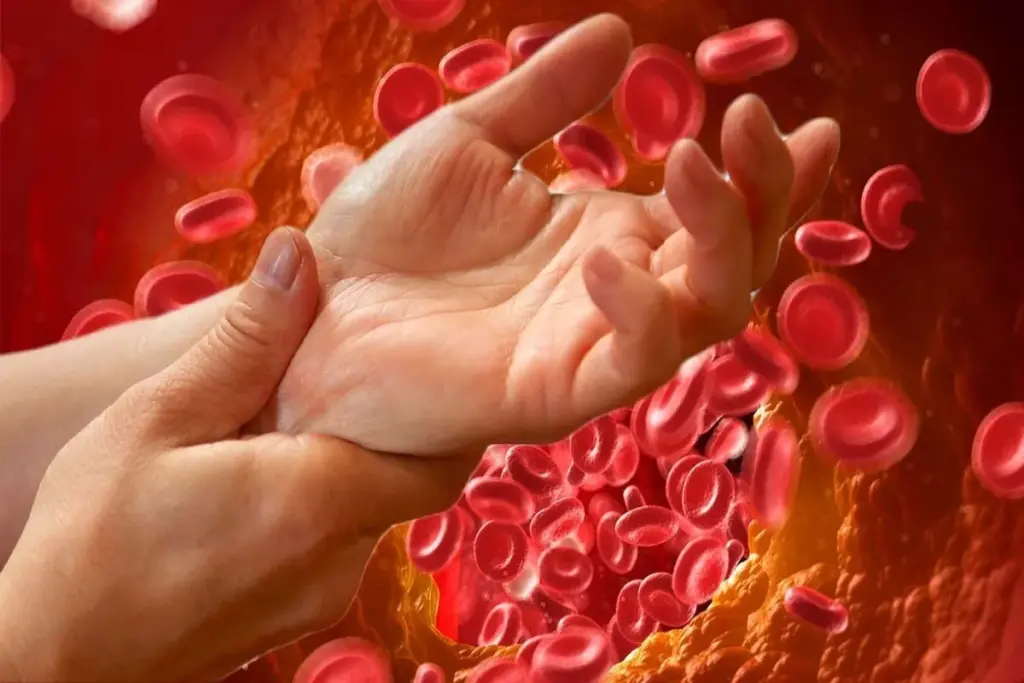
The kidneys are vital for filtering waste from the blood. They help regulate blood pressure and support many bodily functions. Contrast agents used in medical imaging can harm them.
Kidney Function and Contrast Filtration
The kidneys filter about 120 mL of blood per minute. They remove waste and excess substances. Contrast media are mainly excreted through the kidneys.
The process involves the contrast agents being filtered by the glomeruli and then passing through the renal tubules. This can damage renal cells, more so in patients with pre-existing kidney issues.
Renal filtration is affected by the contrast media’s viscosity and osmolality. High-osmolality contrast media can cause more significant changes in renal blood flow and tubular function. This increases the risk of contrast-induced nephropathy.
Mechanisms of Renal Contrast Processing
The kidneys process contrast media through complex cellular and molecular interactions. After filtration, contrast agents can directly harm renal tubular cells. This can lead to cellular injury and even cell death.
The renal tubules are very sensitive to contrast media due to their high metabolic rate and sensitivity to oxygen changes. Oxidative stress and inflammation also play significant roles in contrast-induced kidney injury. Understanding these mechanisms is key to preventing and managing contrast-induced nephropathy.
Why Kidneys Are Particular Vulnerable
The kidneys are vulnerable to contrast media due to their unique physiology and function. The concentration of contrast agents in the renal tubules is higher than in other parts of the body. This increases the risk of toxicity.
Patients with pre-existing kidney disease or other comorbidities like diabetes are at higher risk of contrast-induced nephropathy. It’s important to understand why kidneys are vulnerable. This helps identify high-risk patients and take preventive measures.
Preventive measures include choosing the right contrast media, using the least amount needed, and ensuring good hydration before and after the procedure.
Contrast Induced Nephropathy (CIN): Definition and Pathophysiology
Contrast-induced nephropathy (CIN) is a serious issue in medical imaging. It happens when kidney function drops suddenly after contrast media is used. Knowing how CIN works helps us prevent and manage it better.
Defining Contrast Induced Nephropathy
CIN is when kidney function drops after contrast media is given. This is shown by higher serum creatinine levels, usually within 48-72 hours. Studies show CIN is a big reason for kidney injury in hospitals. So, it’s important to check patients carefully before using contrast media.
Cellular Mechanisms of Contrast Toxicity in Renal Tubules
CIN happens because of damage to kidney cells by contrast media. This damage can lead to cell death. It’s caused by several factors, like oxidative stress and inflammation.
Oxidative Stress and Direct Tubular Damage
Oxidative stress is a big part of CIN. Contrast media can create harmful oxygen species that damage kidney cells. This stress can hurt cells and lead to CIN. Finding ways to reduce this damage could help prevent CIN.
Things that can lead to CIN include:
- Pre-existing kidney disease
- Diabetes and other health issues
- The type and amount of contrast media used
- How well the patient is hydrated
Understanding these factors and how CIN works helps doctors lower the risk of it in patients. This is important for those getting imaging tests with contrast.
Epidemiology of Contrast Induced Kidney Injury
Recent studies have shown how complex the risk factors for CIN are. Knowing these factors helps doctors weigh the benefits and risks of using contrast media. This is important in many clinical situations.
Incidence Rates Across Different Patient Populations
The risk of CIN changes a lot depending on the patient group. For those with kidney problems, the risk is up to 14%. But for those without known risks, it’s much lower, around 1%. Here’s a table showing the rates for different groups:
|
Patient Population |
CIN Incidence Rate |
|---|---|
|
Patients with pre-existing kidney disease |
5-14% |
|
Diabetic patients |
4-12% |
|
Patients without known risk factors |
1-3% |
Recent Large-Scale Studies on CIN Prevalence
Big studies have looked into how common CIN is in different situations. They’ve shown how picking the right patients and using preventive steps are key. For example, a study with over 10,000 patients showed a 6% CIN rate. The rate varied a lot based on the patient’s risk factors.
Healthcare Setting and CIN Risk Correlation
Where contrast media are given can also affect CIN risk. Things like how much contrast is used, the patient’s hydration, and preventive steps can differ. Hospitals with clear CIN prevention plans tend to see fewer cases than those without.
By learning about CIN’s spread and how settings affect it, we can spot at-risk patients better. We can then use specific steps to lower the risk of this serious problem.
Risk Factors for Developing Contrast Induced Nephropathy
Knowing the risk factors for Contrast Induced Nephropathy (CIN) is key to preventing it. Several factors can increase the chance of getting CIN. It’s important to know these risks to keep patients safe.
Pre-existing Kidney Disease
Having kidney disease before getting contrast media is a big risk for CIN. People with kidney problems can’t filter out contrast media well. This makes them more likely to get CIN.
Diabetes and Other Comorbidities
Diabetes is a major risk for CIN. People with diabetes, and kidney problems, are at higher risk. Other health issues like high blood pressure and heart failure also increase the risk of CIN.
Contrast Media Volume and Osmolarity
The amount and type of contrast media used matter a lot for CIN risk. High osmolarity contrast media are more likely to cause CIN. Using less contrast can help lower the risk.
Patient Age and Hydration Status
Age and how well hydrated a patient is also affect CIN risk. Older patients face higher risks due to kidney function decline and other health issues. Drinking enough water is key to reduce CIN risk, as it helps dilute and remove the contrast media.
Healthcare providers can take steps to lower CIN risk. They can assess patient risk, ensure proper hydration, and choose the safest contrast media for each patient.
Clinical Manifestations and Diagnosis of CIN
Diagnosing Contrast-Induced Nephropathy (CIN) is key to quick medical help. We use clinical checks, lab tests, and sometimes imaging to spot CIN right.
Timeline of Kidney Function Changes After Contrast Exposure
Kidney function can change after contrast exposure. Serum creatinine levels often go up within 24 to 48 hours. We watch these changes closely.
The highest rise in serum creatinine usually happens 3 to 5 days after the procedure. Most patients see levels go back to normal in 7 to 10 days.
Laboratory Markers for Detecting Contrast Nephropathy
Laboratory markers are vital for spotting CIN. Serum creatinine is the top marker we use. We also look at cystatin C and NGAL for early signs of kidney injury.
Key laboratory markers include:
- Serum creatinine
- Cystatin C
- NGAL
Imaging Findings in Contrast-Affected Kidneys
Imaging studies can also help in diagnosing CIN. We might see changes in kidney size or shape on ultrasound or CT scans. But, these signs aren’t sure signs of CIN. They help rule out other kidney problems.
In summary, diagnosing CIN needs a full approach. We look at how kidney function changes, use lab markers, and consider imaging when needed. This way, we can accurately find and treat CIN.
Effects of Contrast Dye on the Thyroid
Iodinated contrast media, used in medical imaging, can affect thyroid health. The high iodine in these agents is the main reason for this impact on thyroid function.
Iodinated Contrast and Thyroid Function
The thyroid gland is key in regulating metabolism. It does this by making thyroid hormones, which need iodine. When iodinated contrast is given, it adds a lot of iodine to the body. This can change how the thyroid works.
The thyroid can only handle so much iodine. Too much, like from contrast media, can cause hyperthyroidism or hypothyroidism. This depends on the person’s thyroid health and any existing conditions.
Hyperthyroidism Following Contrast Administration
The iodine from contrast agents can sometimes cause hyperthyroidism. This is when the thyroid makes too many hormones. People with thyroid problems, like Graves’ disease or multinodular goiter, are more at risk.
- Those with thyroid disease need to be watched closely.
- Thyroid tests might be needed before and after getting contrast.
- Other imaging options should be thought of for those at high risk.
Hypothyroidism Risk and Iodine Overload
Too much iodine can also cause hypothyroidism. This is more likely in people with thyroid issues or those who easily get thyroid problems from iodine.
Who is at risk for hypothyroidism after getting iodinated contrast includes:
- Those with thyroid disease already
- People who have had thyroid surgery or radioactive iodine treatment
- Those with thyroid antibodies
It’s important to know these risks when using iodinated contrast for tests. We should carefully check and watch thyroid function in those at risk. This helps avoid any bad effects.
Gadolinium-Based Contrast Agents and Systemic Effects
Gadolinium-based contrast agents are key in MRI for clearer images. They help doctors diagnose many conditions. But, we must know their possible effects on the body.
Tissue Retention of Gadolinium
Gadolinium stays in the body for a long time. It’s found in the brain, bones, and skin. This could lead to long-term health issues.
A study in HSC News looked into MRI contrast agent safety. It shows we need more research on GBCAs.
Nephrogenic Systemic Fibrosis
Nephrogenic systemic fibrosis (NSF) is a big risk with GBCAs. It mainly affects those with severe kidney disease. NSF makes skin and tissue hard, causing disability.
Doctors now check kidney health before using GBCAs. They also look for safer imaging options.
Gadolinium Deposition Disease Concerns
Gadolinium deposition disease (GDD) is another concern. It’s linked to gadolinium staying in the body. Symptoms include pain, fatigue, and brain issues.
More research is needed on GDD. But, doctors must weigh the benefits and risks of GBCAs for each patient.
|
Condition |
Description |
Risk Factors |
|---|---|---|
|
Nephrogenic Systemic Fibrosis (NSF) |
A condition characterized by thickening and hardening of skin and connective tissue. |
Severe kidney disease, use of GBCAs. |
|
Gadolinium Deposition Disease (GDD) |
A condition referring to systemic symptoms associated with gadolinium retention. |
Use of GBCAs, potentially pre-existing medical conditions. |
In conclusion, GBCAs are vital for MRI but come with risks. Knowing about tissue retention, NSF, and GDD helps use them safely.
Cardiovascular and Hemodynamic Effects of Contrast Media
It’s important to know how contrast media affect the heart and blood vessels. These substances help make medical images clearer but can impact the heart. This is why keeping patients safe during tests is a top priority.
Blood Pressure Changes Following Contrast Administration
Contrast media can change blood pressure. This is because of how concentrated the substance is. It’s important to watch blood pressure closely before, during, and after tests. This is true for people with high blood pressure or heart disease.
- High-osmolar contrast media can cause blood vessels to widen, lowering blood pressure.
- Low-osmolar contrast media are usually easier on the body but can also affect blood pressure.
Cardiac Reactions to Contrast Agents
Reactions to contrast agents can vary from mild to severe. These reactions depend on the contrast type and the patient’s heart health. People with heart failure or coronary artery disease are at higher risk of bad reactions.
- Arrhythmias can happen because of the contrast’s ionic makeup.
- Severe reactions, like cardiac arrest, are rare but can occur.
Vascular Permeability and Fluid Shifts
Contrast media can change how blood vessels work, leading to fluid shifts. This can cause swelling or, in extreme cases, fluid in the lungs. It’s vital to check the patient’s fluid balance and watch for signs of too much fluid.
- High-osmolar contrast media are more likely to cause big fluid shifts.
- Drinking enough water is important to reduce the risk of problems.
Allergic and Hypersensitivity Reactions to Contrast Dye
Contrast dye is key for many medical tests. But, it can cause allergic reactions, from mild to severe. Knowing about these reactions is vital for keeping patients safe.
Mild to Severe Allergic Manifestations
Allergic reactions to contrast media can show up in different ways. Mild reactions might be just hives and itching. But, severe reactions can be much worse, like trouble breathing and heart problems.
Mechanisms of Contrast-Induced Hypersensitivity
The reasons behind contrast-induced hypersensitivity are complex. It involves the release of histamine and other substances from mast cells. Knowing this helps us find better ways to prevent and treat these reactions.
Management of Acute Contrast Reactions
Dealing with acute contrast reactions needs quick action. We must be ready to give treatments like antihistamines for mild cases. For severe cases, we might need to give epinephrine. Being prepared and having a clear action plan is essential.
By understanding the risks of contrast dye and being ready to handle allergic reactions, we can make medical tests safer for our patients.
Prevention Strategies for Contrast Induced Nephropathy
To prevent contrast-induced nephropathy, we must understand its risk factors. We know some patients are more at risk because of their health conditions. So, we tailor our prevention plans for each patient.
Pre-Procedure Hydration Protocols
Drinking enough water before, during, and after a procedure is key. Intravenous hydration with saline or bicarbonate solutions helps a lot. “Adequate hydration dilutes the contrast media and helps it leave the body faster,” says recent guidelines.
We look for patients at risk early and start their hydration right away. The choice between saline and bicarbonate depends on the patient and the hospital’s rules.
Pharmacological Preventive Measures
Some medicines might help prevent CIN. N-acetylcysteine is one, but its benefits are not clear. Statins might also help.
We use medicines wisely, along with hydration. The choice depends on the patient’s risk and the latest research.
Alternative Imaging Approaches for High-Risk Patients
For those at high risk, we look for imaging without contrast. Ultrasound and MRI without contrast are good options.
We do a detailed risk check to pick the best imaging. This way, we avoid CIN and keep the patient safe.
Contrast Volume Minimization Techniques
Using less contrast media is also important. New imaging tech and better techniques help use less.
“Using the least contrast needed is a big step in avoiding CIN,” says radiology guidelines. We support these methods as part of our CIN prevention plan.
Patient Management After Contrast Exposure
The time after contrast exposure is very important. We need to watch patients closely to avoid bad outcomes. As healthcare workers, we must act fast to protect patients from kidney injury and help them get better.
Post-Procedure Monitoring Guidelines
Watching patients after contrast is key. We check kidney function with serum creatinine and urine output. Finding kidney injury early helps us act fast.
Look for signs like less urine or higher creatinine levels. Watching closely lets us help patients quickly if things go wrong.
Interventions for Early Signs of Kidney Injury
When we see signs of kidney injury, we need to act quickly. We start hydration to help the kidneys and prevent more damage.
- Give intravenous fluids to keep patients hydrated
- Check electrolytes to avoid imbalances
- Stay away from medicines that can hurt the kidneys
Follow-up Care and Kidney Function Assessment
Follow-up care is vital to check on kidney health. We suggest regular check-ups to watch kidney function and catch any lasting effects of contrast.
Long-term follow-up lets us see if our treatments are working. We can then make changes to help patients even more.
Conclusion: Balancing Diagnostic Benefits and Organ Safety
We must carefully manage the use of contrast media. This is to get the most from medical imaging while keeping organs safe. Contrast media are key in imaging, but they can harm the kidneys.
To use them safely, we balance their benefits with the risks. This means checking patients carefully, using hydration and medicine, and watching for kidney problems after use. This way, we can protect patients’ health.
Knowing the risks of contrast media helps us lower the chance of kidney problems. This lets doctors give better care without harming patients. It’s all about keeping patients safe while getting the needed images.
In the end, our goal is to make contrast media use safer. We want to get the most from imaging without harming patients. By focusing on both safety and effectiveness, we can achieve this.
FAQ
What is contrast-induced nephropathy (CIN)?
Contrast-induced nephropathy is a serious kidney problem. It happens after using contrast media in medical imaging. This leads to a quick drop in kidney function.
Which patients are at higher risk of developing CIN?
People with kidney disease, diabetes, and other health issues are at higher risk. These conditions weaken the kidneys and make them more vulnerable to contrast media harm.
How can contrast-induced nephropathy be prevented?
To prevent CIN, we need a few steps. First, we hydrate patients before the procedure. We also use medicine to prevent it. Using less contrast and choosing other imaging methods for high-risk patients helps too.
What are the clinical manifestations of CIN?
CIN shows up as a drop in kidney function. We can see this through changes in serum creatinine levels and other lab tests. Imaging studies also show changes in the kidneys.
What are the effects of iodinated contrast media on the thyroid gland?
Iodinated contrast media can cause thyroid problems. It can lead to too much or too little thyroid hormone. So, we must carefully manage patients with thyroid issues.
What are the risks associated with gadolinium-based contrast agents?
Gadolinium-based contrast agents can stay in tissues. They can cause serious problems like nephrogenic systemic fibrosis in severe kidney disease. This shows we need to use them carefully.
How can allergic reactions to contrast media be managed?
We need to understand and manage allergic reactions to contrast media. This includes treating mild to severe reactions. It’s key for keeping patients safe.
What is the importance of post-procedure monitoring after contrast exposure?
Monitoring after contrast exposure is vital. It helps catch early signs of kidney injury. This allows for quick action and follow-up care to protect the kidneys.
How can the risk of CIN be minimized in high-risk patients?
To lower CIN risk in high-risk patients, we assess them carefully. We hydrate them before the procedure and use medicine. We also consider other imaging options.
What are the benefits and risks of using contrast media in medical imaging?
Contrast media help a lot in medical imaging but also have risks. The biggest risk is to the kidneys. We must balance the benefits of imaging with protecting the kidneys.
References:
• Adalja, D., Kania, B. E., Soliman, I. M., Sanchez, J., & Kalatoudis, H. (2023). Initially Suspected Anaphylaxis Following Iodinated Contrast: Jod-Basedow Phenomenon in a 73-Year-Old Female Without a History of Thyroid Dysfunction. StatPearls. https://www.ncbi.nlm.nih.gov/books/NBK537159/
• Wagner, B. (2023). UNM Scientists Discover How Nanoparticles of Toxic Metal Used in MRI Scans Infiltrate Human Tissue. HSC News. https://hscnews.unm.edu/news/doctor-researches-toxic-side-effects-rare-earth-metals-mri
• Trendley, B. (2023). Universal Use of Nonionic Iodinated Contrast Medium for CT. AJR. https://doi.org/10.2214/ajr.176.6.1761385
• Kania, B. E., & Kalatoudis, H. (2023). Growth differentiation factor-15 levels and the risk of contrast-induced nephropathy. Journal of Diagnostic Imaging. https://journals.sagepub.com/doi/full/10.1177/20506406211000394
• StatPearls. (2024). Safety of the contrast enhancement agent sulfur hexafluoride in diagnostic imaging. NCBI Bookshelf. https://www.ncbi.nlm.nih.gov/books/NBK537159/



 Departments
 Related Videos
 Our Doctors
 News
News