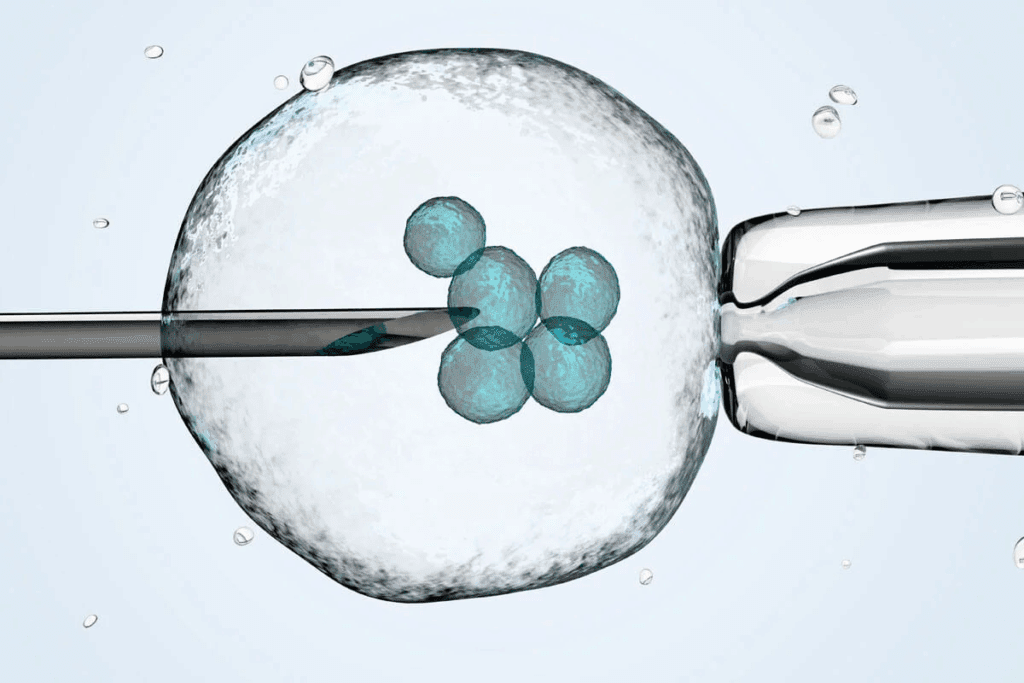
In vitro fertilization (IVF) has changed reproductive medicine a lot in nearly five decades. IVF and other assisted reproductive technologies have become increasingly contentious in recent years. This is because of big legal and political changes controversial infertility treatments.
The main issues are about embryo personhood laws and fetal personhood movements. These have big effects on who can get IVF and how it’s done. It’s important to see how medical progress, ethics, and laws all mix together.
At Liv Hospital, we know how important it is to find the right balance. We offer innovative fertility solutions while keeping ethics in mind. We’re here to help patients through the tough issues with assisted reproductive tech.
Key Takeaways
- IVF and assisted reproductive technologies are surrounded by controversy due to recent legal and political developments.
- Embryo personhood laws and fetal personhood movements are central to the controversy.
- The controversy has significant implications for IVF access and clinical practice.
- Balancing innovative fertility solutions with ethical care is important.
- Liv Hospital is committed to providing trusted healthcare services for patients navigating these controversies.
The Evolution of Assisted Reproductive Technologies

Assisted reproductive technologies, like IVF, have changed a lot from the first IVF baby in 1978. New technologies and changing views have shaped these changes. IVF has seen big steps forward, making fertility sciences better and giving hope to many.
Brief History of IVF Development
IVF has grown a lot, thanks to better medical tech and more people wanting help. The first IVF baby was born in the UK by Medical Expert. Patrick Steptoe. Their work started the path for today’s fertility treatments.
Today, fertility news shows big steps in IVF, like better ways to handle eggs and sperm. We also have better ways to keep embryos alive and frozen. These changes have made treatments more successful and better for patients.
“The introduction of intracytoplasmic sperm injection (ICSI) in the 1990s revolutionized the treatment of male infertility, allowing for the use of a single sperm to fertilize an egg.”
Medical Expert, pioneer of ICSI
Growth and Prevalence of Fertility Treatments in the US
In the US, more people are using fertility treatments like IVF. The number of IVF cycles has gone up a lot. This shows more people are open to these technologies.
More fertility clinics have opened, making these services easier to get. But, there are also debates about controversial infertility treatments and their ethics.
Understanding IVF’s history helps us see where fertility sciences are today. It also shows us where these technologies might go in the future.
Understanding the Science Behind IVF

IVF is a complex process that involves several precise steps to help people conceive. It’s a type of assisted reproductive technology (ART). This method is used by individuals and couples who are struggling to have a baby.
The IVF Process Explained
The journey starts with a consultation. Fertility experts review the person’s or couple’s health history. This helps decide the best treatment plan.
Next, ovarian stimulation begins. Medications are given to stimulate the ovaries to produce many eggs. Ultrasound and blood tests track the eggs’ growth.
When the eggs are ready, a minor surgery is done to collect them. This is done under sedation to reduce pain.
After collecting the eggs, they are fertilized with sperm in a lab. Sometimes, Intracytoplasmic Sperm Injection (ICSI) is used. This involves injecting a single sperm into an egg.
The embryos are then grown in the lab for 3-5 days. Embryo quality is checked to pick the best ones for transfer.
One or more embryos are then placed in the uterus. This is a painless procedure that doesn’t need anesthesia.
Success Rates and Limitations
IVF success rates have grown over time. This is due to better technology and techniques. But, success is not guaranteed. It depends on age, egg and sperm quality, and health.
The American Society for Reproductive Medicine (ASRM) says success rates vary with age. Women under 35 have a higher success rate than those over 40.
Even with its successes, IVF has its downsides. Multiple pregnancies are a risk, and the emotional and financial costs can be high.
Knowing these aspects of IVF helps manage expectations. It’s important for making informed choices about fertility treatments.
Legal Landscape: Embryo Personhood Laws
Embryo personhood laws are a big deal in the IVF debate. They lead to deep legal and ethical talks. Knowing the legal status of embryos is key as we explore fertility treatments.
Definition and Development of Personhood Legislation
Personhood laws define when embryos and fetuses are legally considered people. These laws change a lot from place to place and have grown over time. The main question is when life starts and what rights embryos have.
Key principles of personhood legislation include:
- Defining when an embryo is seen as a person
- Setting rights and protections for embryos
- Changing how IVF and fertility treatments work
State-by-State Variations in Legal Approaches
How states view embryo personhood is very different. Some give embryos rights, while others are more open to IVF and research.
Notable state-level variations include:
- States with strict laws on embryo personhood that might affect IVF
- States with laws protecting embryos, which can influence fertility treatments
- States with less strict rules on embryo research and disposal
The legal side of embryo personhood is complex and wide-ranging. Different laws in states show the ongoing debate and the hard work in finding a common view.
These laws have big effects on IVF, patient experiences, and the future of fertility. As laws keep changing, it’s important to keep up with embryo personhood laws and their impact on reproductive health.
The Alabama Supreme Court Ruling: A Turning Point
The Alabama Supreme Court made a big change in February 2024. This change affects fertility clinics and patients all over the U.S.
Key Findings of the February 2024 Decision
The court said frozen embryos are treated like children under state law. This was because of a case about wrongful death claims with frozen embryos. The ruling changed how embryos are seen legally, which could impact IVF treatments.
We’ll look at why the court made this decision. It’s important to understand this to see how it affects fertility treatments.
Immediate Impact on Fertility Clinics
After the ruling, three big fertility clinics in Alabama stopped IVF services. They did this because they were unsure about the legal changes and wanted to follow the law.
This caused big problems for patients who were already in treatment. We’ll see how clinics are dealing with these new legal rules.
Clinic | Status of IVF Services | Reason for Change |
Alabama Fertility Clinic | Suspended | Compliance with new legal framework |
Reproductive Health Center | Suspended | Caution due to legal uncertainty |
Fertility Institute of Alabama | Suspended | Awaiting legal clarification |
Patient Experiences Following the Ruling
Patients in Alabama who were trying IVF felt very uncertain and worried. They had to stop their treatments, which was hard emotionally and financially.
We talked to patients who shared their feelings about the ruling. Sarah said, “I was about to start my IVF cycle when the clinics stopped services. Now, I’m stuck, not knowing when I can start again.”
Patients are also worried about the money they’ve spent on fertility treatments. The uncertainty about IVF in Alabama makes it hard for them to start families.
Ethical Dilemmas in Embryo Creation and Storage
Embryo creation and storage are key parts of IVF, but they raise big ethical questions. These decisions impact not just those getting treatment but also society and our moral values.
Necessity vs. Ethical Concerns in Multiple Embryo Creation
Creating many embryos in IVF helps increase pregnancy chances. But, it also brings up big ethical issues about these embryos’ status and future.
There’s a balance to find between the benefits of making more embryos and the ethical worries. On one side, having extra embryos can lead to more successful pregnancies and fewer IVF cycles needed. On the other, it raises questions about the embryos’ moral standing and what happens to them.
“The creation of human embryos for IVF purposes forces us to confront the moral and ethical dimensions of assisted reproduction in ways that challenge traditional notions of life and personhood.”
To understand the issues better, let’s look at some data on embryo creation and use in IVF:
IVF Cycle Outcome | Average Number of Embryos Created | Average Number of Embryos Transferred |
Successful Pregnancy | 8-10 | 1-2 |
Failed Pregnancy | 8-10 | 1-2 |
Decisions About Unused Embryos
Deciding what to do with unused embryos is very tough. Patients must choose between donating to others, donating for research, or disposing of them.
- Donation to Other Couples: This choice lets others use the embryos, giving them a chance to have a child.
- Donation for Research: Giving embryos for research can help advance fertility sciences and our knowledge of early human development.
- Disposal: Choosing to dispose of embryos is a personal and often hard decision, influenced by beliefs, religion, and ethics.
Religious Perspectives on Embryo Status
Different religions have different views on embryos, affecting how people and communities see IVF and embryo storage.
Some religious groups believe embryos are people from the start, while others see them as possible life needing respect and careful thought. It’s important to understand these views to deal with IVF’s ethical challenges.
The ethical issues around embryo creation and storage are complex. They need a thoughtful and caring approach that respects the varied beliefs and values of people and communities.
Controversial Infertility Treatments Beyond Standard IVF
Assisted reproductive technology goes beyond just IVF. New treatments have sparked debates on ethics, society, and law. IVF has been key in fertility for years, but new methods bring up tough questions.
Preimplantation Genetic Testing
Preimplantation genetic testing (PGT) checks embryos for genetic issues before they’re implanted. It’s changed reproductive medicine by lowering genetic disorder risks. Yet, it also stirs up ethical worries.
PGT’s biggest controversy is its use for non-medical traits, like “designer babies.” This has led to discussions on genetic selection ethics and social inequality risks.
“The use of PGT for non-medical sex selection is very controversial. Some say it fuels gender bias.”
Egg and Sperm Donation Controversies
Egg and sperm donation are common in fertility treatments but face criticism. A big issue is donor pay, with debates on its ethics and the risk of exploitation.
Donation Type | Average Compensation | Ethical Concerns |
Egg Donation | $5,000 – $10,000 | Exploitation, Health Risks |
Sperm Donation | $50 – $100 per donation | Anonymity, Donor Limits |
Surrogacy Debates
Surrogacy, where a woman carries a pregnancy for others, is also a hot topic. It raises legal, ethical, and social questions.
One big issue is the risk of surrogate mother exploitation, mainly in commercial surrogacy. There are also worries about the emotional and psychological effects on all parties involved.
Dealing with these complex issues shows that fertility treatments face many ethical and social challenges. It’s important to understand these debates to make informed decisions in reproductive medicine.
Embryo Freezing Practices and Controversies
IVF technology has grown, making embryo freezing a key but debated topic in fertility care. This method, also known as cryopreservation, is now common. It lets patients save embryos for later use. But, it brings up big questions about the legal rights, ownership, and ethics of frozen embryos.
Cryopreservation Technologies
Cryopreservation cools embryos to very low temperatures, stopping their growth. This method has improved a lot, raising the chances of successful IVF treatments.
We use vitrification, a quick cooling method that stops ice crystals. This has made embryo freezing safer and more reliable for IVF patients.
Cryopreservation Method | Survival Rate | Implantation Success Rate |
Slow Freezing | 70% | 40% |
Vitrification | 90% | 60% |
Legal Ownership of Frozen Embryos
The question of who owns frozen embryos is a big debate. Laws on this vary by place. In the U.S., for example, there’s no federal law, so states and courts have different rules.
Agreements between patients and fertility clinics are key. They decide what happens to embryos in cases like divorce or death. These agreements can be tricky and might cause disagreements if not understood well.
Abandoned Embryos: Ethical and Practical Challenges
Abandoned embryos raise big ethical questions. When patients can’t pay or can’t be reached, clinics must decide what to do with the embryos.
We think it’s important to have clear rules for handling abandoned embryos. This balances patients’ rights with the ethics of embryo disposal. It’s also key to keep patient contact info up to date and make sure they know what freezing embryos means.
Understanding embryo freezing and its debates helps us better handle fertility treatments. As technology gets better, we must tackle the ethical, legal, and practical issues. This ensures patients get the best care possible.
Financial Barriers and Insurance Coverage Debates
The cost of fertility treatments is a big issue. Many people talk about needing better insurance and financial help for IVF and other fertility procedures.
High Cost of Fertility Treatments
Fertility treatments, like IVF, are very expensive. A single IVF cycle can cost between $15,000 and $20,000 or more. This depends on where you are, the clinic, and what treatments you need.
Many things make these treatments pricey. The procedures are complex, and specialized care is needed. There are also costs for medications and lab tests.
Insurance Coverage Disparities
Insurance for fertility treatments varies a lot. Some states require coverage, but others don’t. This leads to big differences in who can get care.
Even with coverage, how much you get can vary a lot. Some plans might cover tests but not treatments. Others might limit how many cycles you can do.
Economic Inequality in Fertility Treatment Access
The cost and insurance issues cause big economic gaps. People with more money or better insurance are more likely to get fertility treatments.
There’s a push for policy changes to help. People want better insurance for fertility treatments. They want to make these services more available to everyone.
Political Context and Legislative Responses
The world of IVF is filled with complex politics and many different views. It’s important to know how laws are changing the industry.
Federal Legislative Efforts
At the federal level, there are ongoing efforts to address the controversies surrounding IVF. Some key proposals include:
- Protecting Access to Fertility Treatments: Legislation aimed at ensuring that fertility treatments remain accessible to those who need them.
- Regulating Fertility Clinics: Efforts to standardize practices and ensure safety across fertility clinics.
- Addressing Embryo Rights: Debates surrounding the legal status of embryos and their implications for IVF practices.
These federal initiatives reflect a broader attempt to balance the diverse views on IVF, from patient rights to ethical considerations.
State-Level Policy Developments
State-level policy developments are also playing a key role in shaping the IVF landscape. Different states are taking different approaches:
- Protective Legislation: Some states are enacting laws to protect access to IVF and fertility treatments.
- Restrictive Measures: Others are implementing restrictions, often tied to ethical or moral considerations.
- Regulatory Clarity: Efforts to provide clearer guidelines for fertility clinics and patients.
This patchwork of state laws highlights the complexity of regulating IVF, reflecting diverse public opinions and ethical perspectives.
Intersection with Abortion Politics
The debate around IVF is increasingly intersecting with abortion politics, creating a complex interplay between reproductive rights and fertility treatments. This intersection raises important questions about:
- Reproductive Autonomy: The extent to which individuals can make choices about their reproductive health.
- Legal Challenges: Legal conflicts arising from the overlap between IVF and abortion legislation.
- Ethical Considerations: The moral and ethical implications of linking IVF to abortion politics.
As we move forward, understanding this intersection will be key for navigating the future of fertility treatments in America.
Conclusion: The Future of Fertility Treatments in America
As we wrap up our look at IVF and fertility treatments, it’s clear the future is complex. Debates on IVF, embryo personhood laws, and access to care will shape it. Recent news shows the challenges of controversial treatments and the need for a deep understanding of fertility sciences.
The future of fertility treatments will be influenced by medical progress, ethics, and laws. As things change, we must think about embryo personhood laws, financial barriers, and insurance. These factors are key to the future.
The balance between new reproductive technologies and ethical concerns will define the future. By understanding these complex issues, we can work towards a fair and accessible fertility treatment landscape.
FAQ
What is the controversy surrounding IVF and fertility treatments?
The debate over IVF and fertility treatments is complex. It involves questions about embryo rights, the ethics of medical advancements, and legal issues. These topics are intertwined, making the discussion challenging.
What are embryo personhood laws, and how do they impact IVF access?
Embryo personhood laws aim to define embryos’ legal status. This can affect how people access IVF and the way clinics operate. Different states have different laws, leading to varied outcomes.
How has the Alabama Supreme Court ruling affected fertility clinics and patients?
The Alabama Supreme Court’s decision in February 2024 caused big problems for fertility clinics. It left patients worried and unsure. This shows the personal side of the issue.
What are the ethical dilemmas surrounding embryo creation and storage?
Creating and storing embryos raises many ethical questions. Issues include the need to make multiple embryos during IVF and what to do with unused ones. Different religions also have their views on embryos.
What are the controversies surrounding preimplantation genetic testing, egg and sperm donation, and surrogacy?
Preimplantation genetic testing, egg and sperm donation, and surrogacy are all debated. They involve complex issues and challenges. These topics are at the heart of the controversy.
How do embryo freezing practices and controversies impact fertility treatments?
Freezing embryos raises many questions. Issues include the technology used, who owns frozen embryos, and what happens to abandoned ones. These questions have ethical, practical, and legal aspects.
What are the financial barriers to fertility treatments, and how do insurance coverage disparities affect access?
Fertility treatments are expensive, and insurance coverage varies. This creates unequal access to care. It’s a big issue that needs policy changes and solutions.
How do legislative responses and abortion politics intersect with IVF controversies?
Laws and abortion politics influence IVF. Federal and state policies shape the future of fertility treatments. These views are often conflicting, making the situation complex.
What is the current state of IVF and fertility treatments in the US?
In the US, fertility treatments are growing. IVF has changed a lot due to new medical technology and changing attitudes. This growth is significant.
What are the success rates and limitations of IVF?
IVF success depends on many factors. These include the IVF process, patient characteristics, and the quality of care. It’s important to support patients fully.
References
World Health Organization. Evidence-Based Medical Guidance. Retrieved from https://www.who.int/news-room/fact-sheets/detail/infertility