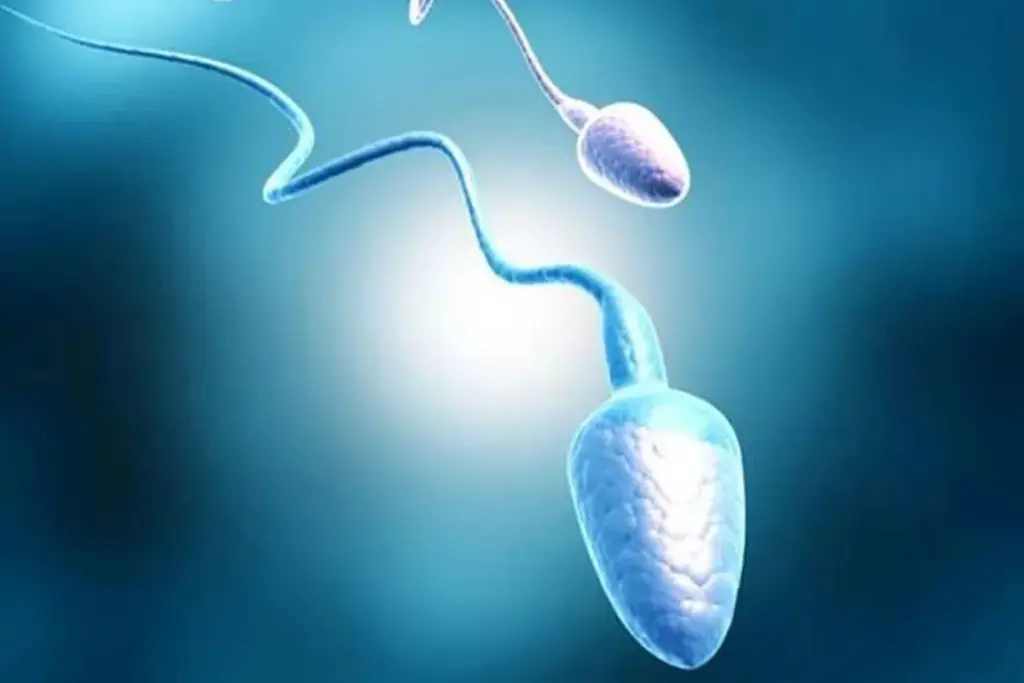
Sperm production is key to male fertility. Knowing where it happens is important for tackling male infertility. Did you know a healthy adult male makes over 1 billion sperm each month? This shows how complex and vital the male reproductive system is.
The journey of sperm production, or spermatogenesis, happens in the testes. It’s in the seminiferous tubules. This process turns immature cells into mature sperm. It’s both amazing and critical for reproduction. Facing reproductive challenges? Get the facts on infertility statistics, emotional coping strategies for couples, and the latest medical solutions.
Key Takeaways
- Sperm production occurs in the testes.
- The process is known as spermatogenesis.
- Male fertility relies heavily on healthy sperm production.
- A male fertility test can help assess sperm health.
- Understanding sperm production is key to addressing male infertility.
Understanding Sperm Production
Spermatogenesis is key to male reproductive health. It’s a complex process involving many parts of the male body.
We’ll dive into sperm production by looking at the male reproductive system. This system is made up of organs like the testes, epididymis, and vas deferens. Each organ has a special role in making and moving sperm.
The Role of the Male Reproductive System
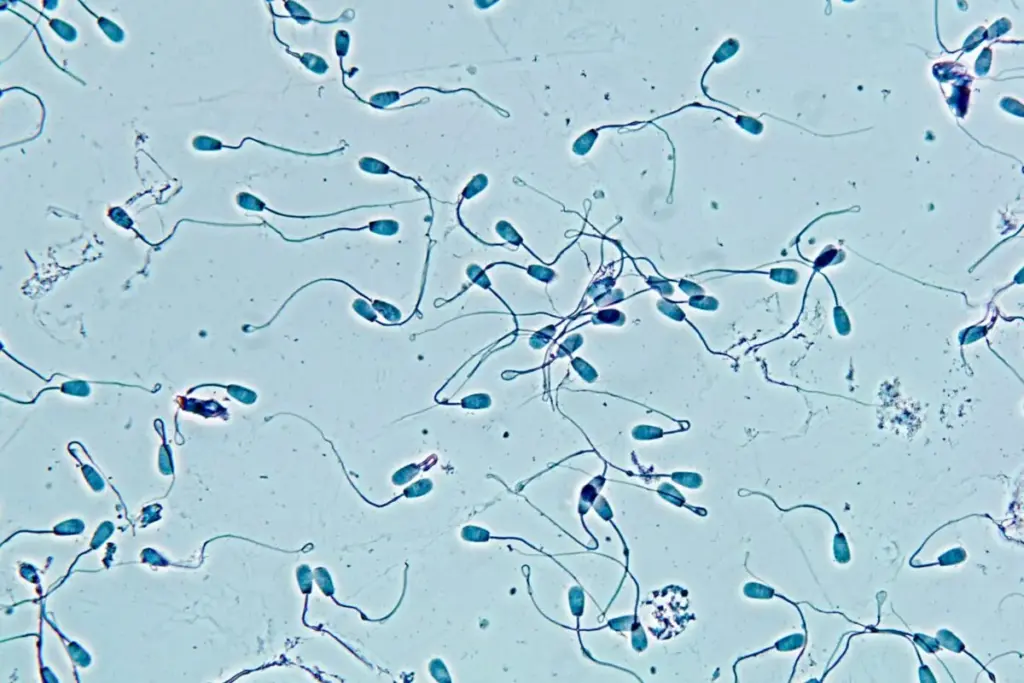
The male reproductive system is vital for making sperm. The testes are where this magic happens. They produce sperm and testosterone, which is important for fertility and masculinity.
Other parts of the system help too. For example, the epididymis helps sperm mature. The vas deferens carries sperm during ejaculation. Knowing how these parts work helps us understand sperm production.
Structure of the Testes
The testes are key for sperm production. They’re made up of lobules and seminiferous tubules. These tubules are where sperm cells grow and mature.
|
Component |
Function |
|---|---|
|
Seminiferous Tubules |
Site of spermatogenesis |
|
Leydig Cells |
Produce testosterone |
|
Sertoli Cells |
Support and nurture developing sperm cells |
The Process of Spermatogenesis
Spermatogenesis turns immature cells into mature sperm. It involves several stages, like growth and cell division. Hormones like testosterone and FSH control this process.
“Spermatogenesis is a complex process that requires precise hormonal regulation and a conducive environment within the testes.”
A Reproductive Health Expert
Understanding spermatogenesis helps us see what affects sperm production. By knowing how the male reproductive system works, we can tackle male infertility better.
The Importance of Sperm Health
Keeping sperm healthy is key for men’s fertility. It’s not just about how many sperm you have. It’s also about their quality, which can be affected by many things like lifestyle, health, and genetics.
Sperm health is vital for reproductive well-being. It’s affected by things like toxins, medical treatments, and overall health. These can all impact how well sperm work.
Factors Affecting Sperm Quality
Many things can affect sperm quality. Lifestyle choices like diet, exercise, and smoking are big factors. For example, eating foods full of antioxidants can help sperm. But smoking and drinking too much alcohol can hurt them.
- Exposure to environmental toxins and pollutants
- Certain medical conditions, such as varicocele or infections
- Hormonal imbalances
- Age and overall health
Knowing these factors helps find and fix problems to improve sperm quality.
Genetic Influences on Sperm Production
Genetics also play a big role in sperm production and quality. Genetic abnormalities can mess with sperm count, how well they move, and their shape. This can lead to fertility problems.
Genetics can be complex, with many genes and interactions involved. Conditions like Klinefelter syndrome or Y chromosome microdeletions can affect sperm production.
Genetic counseling and testing can give insights into male infertility. They help people understand their reproductive health better.
Common Signs of Male Infertility
Male infertility can show up in different ways. It’s key to know the signs and symptoms. We’ll look at common indicators that might mean a man is facing fertility problems.
Physical Symptoms to Watch For
Physical signs can point to fertility issues. Look out for:
- Erectile dysfunction
- Pain or swelling in the testicles
- Low sperm count
- Abnormalities in semen analysis
These symptoms can stem from hormonal imbalances, infections, or structural problems in the reproductive system.
Changes in Sexual Function
Changes in sexual function can signal male infertility. These changes might include:
- Decreased libido
- Erectile dysfunction
- Pain during ejaculation
These issues can arise from hormonal problems, psychological factors, or physical conditions affecting the reproductive system.
Psychological Indicators
Psychological factors are also important in male infertility. Signs might be:
- Stress and anxiety related to fertility
- Depression
- Relationship strain due to fertility issues
It’s vital to tackle these psychological aspects. Doing so can improve overall well-being and fertility.
|
Category |
Signs/Symptoms |
Possible Causes |
|---|---|---|
|
Physical Symptoms |
Erectile dysfunction, pain/swelling in testicles |
Hormonal imbalances, infections |
|
Changes in Sexual Function |
Decreased libido, erectile dysfunction |
Hormonal issues, psychological factors |
|
Psychological Indicators |
Stress, anxiety, depression |
Fertility stress, relationship strain |
Spotting the signs of male infertility is the first step to tackling fertility challenges. By recognizing these indicators, men can get the medical help they need to boost their fertility.
Diagnostic Tests for Infertility
Healthcare professionals use many tests to find out why men might not be able to have kids. These tests help figure out the cause and suggest the best treatment.
Sperm Analysis
Sperm analysis, or semen analysis, is a key test for male fertility. It checks the number, movement, and shape of sperm. It can show if there’s a low sperm count, if sperm move poorly, or if they look abnormal.
“Sperm analysis is the cornerstone of male fertility evaluation,” as it provides critical information about the sperm’s ability to fertilize an egg. Abnormal results may indicate the need for further testing or specific treatments.
Hormonal Testing
Hormonal imbalances can really affect male fertility. Hormonal testing checks the levels of hormones like testosterone, FSH, and LH in the blood. These hormones are key for sperm production and male reproductive health.
For example, low testosterone can hurt sperm production. High FSH levels might mean testicular problems. By looking at hormone levels, doctors can find the cause of infertility and suggest treatments.
Genetic Testing
Genetic testing is also key in checking male infertility. It looks for genetic issues that might cause fertility problems. Tests like karyotyping and Y chromosome microdeletions are common.
Genetic testing helps couples understand their fertility options. It guides the choice of assisted reproductive technologies (ART).
Lifestyle Factors Impacting Fertility
Lifestyle choices greatly affect male fertility. Diet, exercise, and habits like smoking and drinking are key. We’ll look at how these impact fertility and how men can boost their reproductive health.
Diet and Nutrition
Eating well is vital for healthy sperm. Foods rich in antioxidants, like fruits and nuts, protect sperm. Also, zinc, vitamin D, and omega-3s are important for sperm health.
The Mediterranean diet is good for sperm quality. It includes whole grains, lean proteins, and healthy fats. This diet offers a balanced mix of nutrients.
|
Nutrient |
Food Sources |
Benefit to Sperm Health |
|---|---|---|
|
Zinc |
Oysters, beef, chicken, beans |
Essential for testosterone production and sperm development |
|
Vitamin D |
Fatty fish, fortified dairy products, sunlight exposure |
May improve sperm motility and morphology |
|
Omega-3 Fatty Acids |
Salmon, walnuts, chia seeds |
Supports sperm membrane integrity and function |
Effects of Smoking and Alcohol
Smoking and too much drinking harm male fertility. Smoking damages sperm DNA and reduces count. Heavy drinking disrupts hormones, including testosterone, needed for sperm.
“Smoking is a significant risk factor for erectile dysfunction and decreased sperm quality. Quitting smoking can improve fertility and overall health.”
– American Society for Reproductive Medicine
Quitting smoking and drinking less can boost fertility. Men should consider lifestyle changes to improve their fertility.
Role of Physical Activity
Exercise is vital for male fertility. It keeps weight healthy, reduces stress, and boosts reproductive health. But too much exercise can harm hormone levels.
It’s important to find a balance. Moderate exercise, like walking or cycling, for 30 minutes daily is good. Avoiding extreme heat, like in hot tubs, is also key.
- Engage in moderate-intensity exercise regularly.
- Maintain a healthy weight to support reproductive health.
- Avoid excessive heat exposure.
By making smart lifestyle choices, men can improve their fertility and overall health.
Medical Conditions Linked to Infertility
Health issues like hormonal imbalances and infections can affect male fertility. We’ll look at how certain conditions impact fertility. This includes hormonal disorders, structural issues, and infections that can harm sperm production and quality.
Hormonal Disorders
Hormonal imbalances are a big problem in male infertility. For example, hypogonadism means the testes don’t make enough testosterone. This can really hurt sperm production. Other hormonal issues, like thyroid problems and pituitary gland issues, can also affect fertility.
Hormonal disorders are complex and varied. An imbalance in testosterone can directly affect how sperm is made. Treatment often involves fixing the hormonal issue. This can help improve fertility.
|
Hormonal Disorder |
Impact on Fertility |
Potential Treatment |
|---|---|---|
|
Hypogonadism |
Reduced testosterone, affecting sperm production |
Hormone replacement therapy |
|
Thyroid Dysfunction |
Altered metabolic rate affecting reproductive health |
Thyroid medication |
|
Pituitary Gland Issues |
Disrupted hormonal balance necessary for spermatogenesis |
Surgical or hormonal therapy |
Structural Issues in the Reproductive System
Structural problems in the male reproductive system can also lead to infertility. For example, varicocele is when the veins in the scrotum get too big. This can hurt sperm quality. Other issues include blockages or problems in the epididymis or vas deferens.
These structural issues can often be fixed with medical or surgical treatments. For instance, surgery can help with varicocele to improve sperm quality and count.
- Varicocele: Enlargement of scrotal veins impacting sperm quality
- Epididymal or vas deferens blockages: Obstructions preventing sperm delivery
- Cryptorchidism: Undescended testes that can affect sperm development
Infections Affecting Fertility
Infections are a big factor in male infertility. Sexually transmitted infections (STIs) like chlamydia and gonorrhea can cause epididymitis or orchitis. This can lead to long-term damage to the reproductive system.
It’s very important to treat infections quickly to prevent damage. Antibiotics can usually fix these infections. But if not treated, they can cause infertility.
|
Infection |
Impact on Fertility |
Treatment |
|---|---|---|
|
Chlamydia |
Epididymitis or orchitis, potentially causing scarring |
Antibiotics |
|
Gonorrhea |
Similar to chlamydia, can cause epididymitis or orchitis |
Antibiotics |
|
Prostatitis |
Inflammation of the prostate gland, potentially affecting sperm quality |
Antibiotics or anti-inflammatory medication |
Treatments for Male Infertility
Male infertility has many treatment options. Finding the right one can be tough. It’s key to look at all the choices available.
Medications and Hormonal Therapies
For some, medicines and hormone treatments can really help. They can fix issues like hormonal problems, infections, or other conditions that affect sperm.
Medicines might include:
- Antibiotics for infections
- Hormone treatments for imbalances
- Medicines to boost sperm count or movement
Hormone therapies are great for hormonal imbalances. For example, if a man has low testosterone, hormone replacement therapy might be suggested.
|
Treatment Type |
Description |
Potential Benefits |
|---|---|---|
|
Antibiotics |
Treats infections that may be affecting fertility |
Resolves underlying infections, potentially improving fertility |
|
Hormone Replacement Therapy |
Corrects hormonal imbalances |
Improves sperm production and quality |
|
Sperm-enhancing medications |
Enhances sperm count or motility |
Improves chances of successful conception |
Surgical Options Available
Surgery might be needed for physical issues causing infertility. It can fix problems like varicocele, blockages, or other structural issues.
Some common surgeries include:
- Varicocelectomy to correct varicocele
- Vasectomy reversal for men who have had a vasectomy
- Surgery to correct blockages or other structural issues
Assisted Reproductive Technologies
Assisted reproductive technologies (ART) like in vitro fertilization (IVF) or intrauterine insemination (IUI) can help many couples. They can bypass some fertility problems, making it easier to conceive.
ART covers a range of treatments. IUI involves placing sperm directly into the uterus. IVF fertilizes eggs outside the body and then transfers the embryos to the uterus.
Talking to a healthcare provider is a good first step. They can help figure out the best treatment plan for you.
The Role of Environment in Sperm Production
Sperm production is not just a biological process; it’s also influenced by external environmental factors. We are constantly exposed to various elements in our environment that can affect sperm health. Understanding these factors is key for maintaining fertility.
As we go about our daily lives, we face chemicals, toxins, and other environmental stressors. It’s important to recognize their impact and how we can reduce it.
Effects of Chemicals and Toxins
Chemicals and toxins are everywhere, from household products to industrial pollutants. Exposure to certain chemicals, like endocrine disruptors (e.g., BPA, phthalates), can lower sperm quality and count. We need to know where these chemicals come from and how to avoid them.
Common sources include plastics, pesticides, and certain industrial chemicals. By reducing plastic use, choosing organic produce, and avoiding industrial pollutants, we can protect sperm health.
Impact of Heat Exposure on Testes
Heat exposure is another critical factor affecting sperm production. High temperatures can harm testicular function, reducing sperm quality. Activities or conditions that raise scrotal temperature, like tight clothing or laptop use, can harm sperm health.
Making simple changes, like wearing loose clothing and avoiding laptop use on the lap, can help keep testicular temperature right. We should also watch out for workplace conditions that expose us to too much heat.
Importance of Healthy Workspaces
Having a healthy workspace is essential for overall well-being, including reproductive health. Workplaces with chemicals, heavy metals, or too much heat can harm sperm production. Employers and employees should work together to create a safe and healthy work environment.
This can involve safety measures like proper ventilation, protective gear, and monitoring workplace hazards. By doing this, we can lower the risk of environmental factors affecting sperm health.
Psychological Aspects of Infertility
Infertility can be very hard on men, affecting their mental health. It’s not just a physical issue but also has deep emotional effects.
Emotional Impact on Men
Men facing infertility often feel sad, frustrated, and anxious. The stress to have a child can make them feel not good enough and lower their self-esteem.
Common emotional responses include:
- Feelings of guilt or shame
- Anxiety about the future
- Strain on relationships
Coping Strategies and Support
Dealing with infertility’s emotional side needs a variety of approaches. Men can find ways to take care of their mental health.
|
Coping Strategy |
Description |
|---|---|
|
Support Groups |
Joining a support group can provide a sense of community and understanding. |
|
Counseling |
Professional counseling can help men process their emotions and develop coping mechanisms. |
|
Stress Management |
Engaging in stress-reducing activities such as exercise or meditation can help manage anxiety. |
Seeking Professional Help
Knowing when to get professional help is key. Mental health experts can offer personalized support and guidance.
“Seeking help is a sign of strength, not weakness.” It’s important for men to see that they don’t have to face their emotional challenges alone.
Preventative Measures for Maintaining Sperm Health
Preventative measures are key to keeping sperm healthy and of high quality. By making smart choices in our daily lives, we can help keep our fertility strong.
Regular Health Check-Ups
Regular health check-ups are vital for spotting any issues that might harm sperm health. We advise getting an annual check-up with a healthcare provider to keep an eye on your reproductive health.
- Annual physical exams can catch problems early.
- Sperm analysis is a key tool for checking sperm health.
- Hormonal tests can find imbalances that affect fertility.
Recommended Lifestyle Changes
Some lifestyle changes can really help sperm health. We recommend eating well, staying active, and avoiding harmful stuff like tobacco and too much alcohol.
- Eat foods full of antioxidants and important nutrients.
- Stay active to boost your overall health.
- Stay away from toxins and harmful chemicals.
Importance of Staying Informed
It’s important to keep up with the latest on sperm health and fertility. We suggest reading trusted sources and talking to healthcare experts to stay informed.
By being proactive and informed, you can take big steps towards keeping your sperm healthy and your fertility strong.
Conclusion: Addressing Male Infertility
Dealing with male infertility needs a mix of awareness, education, and talking openly. Knowing what affects sperm and fertility helps people act early. This way, they can face their fertility worries head-on.
Breaking the Silence
We think it’s key to talk openly about male infertility. Sharing stories and facts helps us all. Education is important. It helps people make smart choices about their reproductive health.
Taking Control of Fertility
People facing fertility issues can do a lot. They can live healthy, get medical help when needed, and look into treatments. Awareness and education empower them to manage their fertility.
Together, we can make a difference. By spreading the word and teaching each other, we create a supportive space. This leads to better understanding and handling of fertility problems. It improves the lives of those dealing with these issues.
FAQ
Where is sperm produced in the male reproductive system?
Sperm is made in the testes. It’s produced in the seminiferous tubules within the testicular tissue.
Can men get pregnant?
No, men can’t get pregnant. They don’t have a uterus or the right organs for pregnancy.
What are the common signs and symptoms of male infertility?
Signs include testicular issues and changes in sexual function. Stress and anxiety are also signs.
What is the role of hormonal testing in diagnosing male infertility?
Hormonal tests check levels of hormones like testosterone. These hormones are key for sperm production and fertility.
How can lifestyle choices impact male fertility?
Diet, smoking, alcohol, and exercise affect sperm quality. These choices can impact fertility.
What are the effects of chemicals and toxins on sperm production?
Some chemicals and toxins can harm sperm DNA. They can lower sperm count and affect motility, impacting fertility.
Can male infertility be treated?
Yes, treatments include medications, hormonal therapies, surgery, and assisted reproductive technologies.
How can men maintain healthy sperm production?
A healthy lifestyle is key. Eat well, exercise, avoid heat, and manage stress to keep sperm healthy.
What is the importance of genetic testing in male infertility diagnosis?
Genetic testing finds genetic issues that may cause infertility. It helps in making treatment plans.
Are there any preventative measures that can help maintain sperm health?
Yes, regular check-ups, a healthy lifestyle, and knowledge about sperm health are important.
Can males be infertile without showing any symptoms?
Yes, some men are infertile without symptoms. This shows why fertility tests are important if you’re trying to conceive.
What is the impact of heat exposure on sperm production?
High temperatures can harm sperm production. The testes are sensitive to temperature changes.
References
National Center for Biotechnology Information. Evidence-Based Medical Insight. Retrieved from https://www.ncbi.nlm.nih.gov/books/NBK553180/