
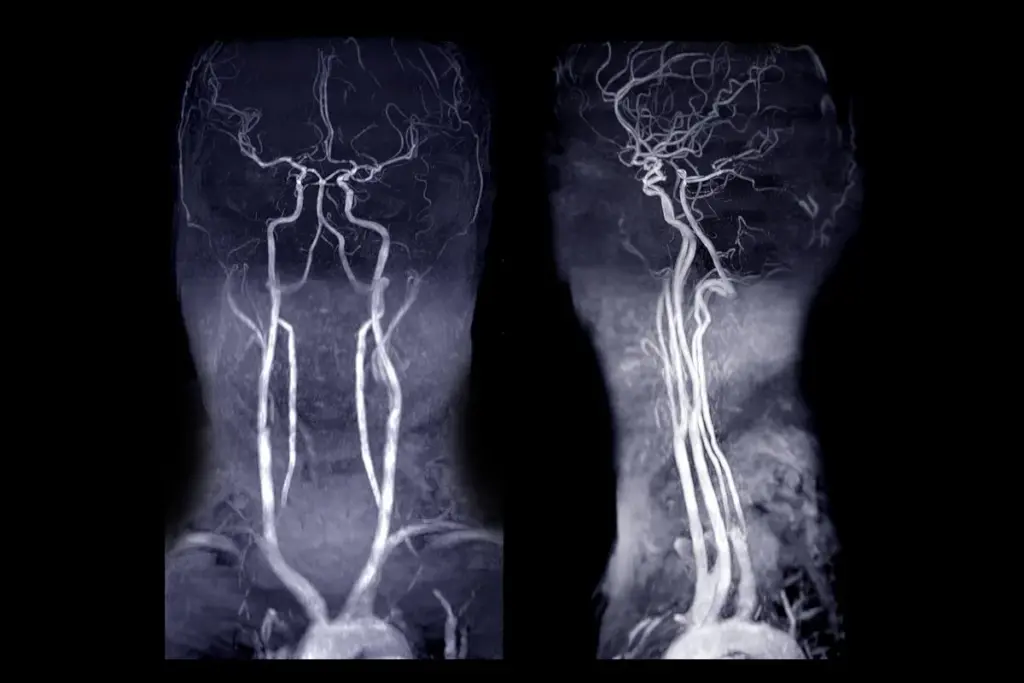
Nearly 1 million coronary angiographies are done every year in the United States. They help find and treat heart problems. If you’ve had this procedure, knowing how to recover is key for a smooth and safe healing.
Your doctor will give you specific instructions after a coronary angiography. It’s important to follow these to avoid problems and keep your health good.
We’ll help you understand what to do right after the procedure. You’ll learn about activities you should avoid and lifestyle changes to make. This will help you recover well.
Key Takeaways
- Understand the immediate post-procedure guidelines after a coronary angiography.
- Learn about activity restrictions to ensure a safe recovery.
- Discover necessary lifestyle changes to support your overall heart health.
- Find out when you can resume normal activities.
- Recognize the signs of possible complications to watch out for.
Understanding Coronary Angiography
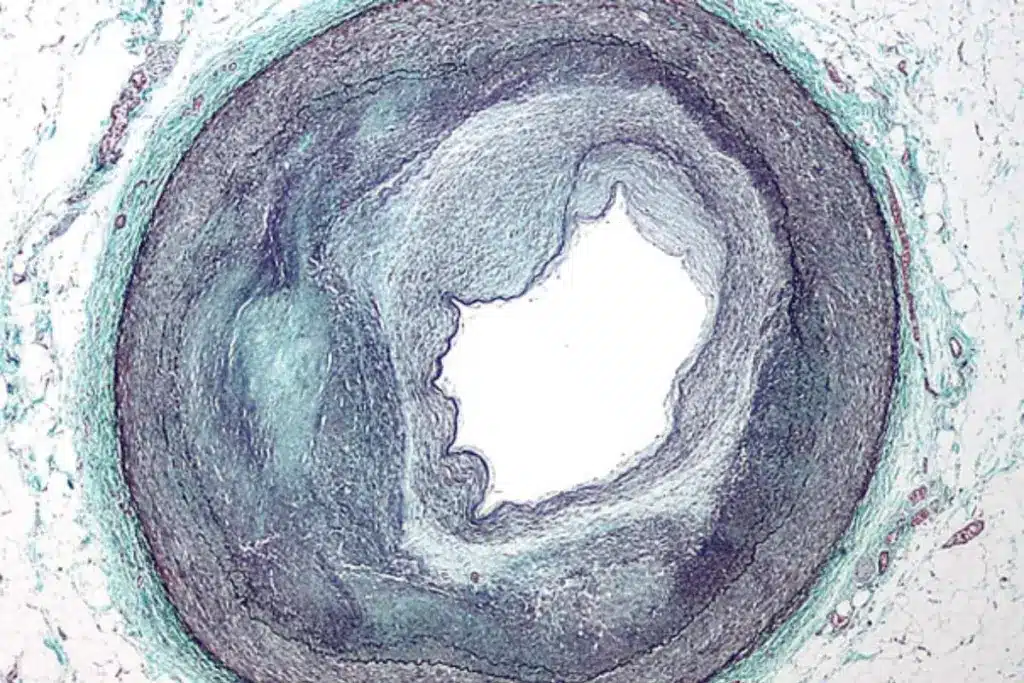
Coronary angiography is a way to see inside the heart’s arteries. It helps doctors find blockages or problems. This test gives a clear view of the arteries.
What is Coronary Angiography?
Coronary angiography uses X-rays to look at the heart’s arteries. A special dye is put into the arteries through a thin tube. This dye makes the arteries show up on the X-rays, helping doctors spot any issues.
This test is key for diagnosing heart disease. It shows how healthy the arteries are. Doctors use this info to decide the best treatment.
How is the Procedure Performed?
The test involves a few steps:
- Preparation: The patient gets local anesthesia and might be given sedation to relax.
- Catheter Insertion: A thin tube is put into an artery, usually in the groin or arm, and moved to the heart’s arteries.
- Contrast Dye Injection: A dye is injected through the tube to make the arteries show up on X-rays.
- X-ray Imaging: X-rays are taken to see the arteries and find any blockages.
The coronary angiography procedure is usually safe and gives important info about the heart’s blood vessels.
Who Needs Coronary Angiography?
People with heart disease symptoms, like chest pain or trouble breathing, often need this test. It’s also for those with abnormal stress test results or a history of heart problems.
|
Condition |
Description |
|---|---|
|
Chest Pain |
A symptom that may indicate coronary artery disease or other heart conditions. |
|
Shortness of Breath |
Difficulty breathing, which can be related to heart disease or other conditions. |
|
Abnormal Stress Test |
A stress test result indicating possible coronary artery disease or other heart issues. |
Knowing who needs coronary angiography helps people know when to get tested. This way, they can get the right medical care for their heart health.
Immediate Post-Procedure Guidelines
The time after a coronary angiography is very important. Knowing what to expect can make things easier. After the procedure, patients go to a recovery room where they are watched closely.
Recovery Room Monitoring
In the recovery room, medical staff closely monitor patients for any signs of complications, such as bleeding or changes in heart rhythm. This monitoring is key for ensuring the patient’s safety and addressing any issues quickly.
During this time, patients are usually asked to stay very quiet. They may have monitoring devices attached to track their vital signs. The medical team will also give instructions on post-procedure care and answer any questions the patient or their family may have.
Typical Duration of Recovery
The duration of recovery after a coronary angiography can vary. It depends on the individual’s health and the specifics of the procedure. Usually, most patients are sent home a few hours after the procedure, once the medical team is sure there are no immediate complications.
It’s very important for patients to follow the post-procedure instructions given by their healthcare provider. This includes advice on rest, medication, and follow-up appointments.
Understanding the recovery after coronary angiography process and following the post-procedure care guidelines can greatly impact the patient’s outcome and overall well-being.
Activity Restrictions After Angiography
Knowing what activities to avoid after coronary angiography is key to a safe recovery. It’s important to rest and then slowly start doing things again. This helps prevent any problems.
When Can You Resume Normal Activities?
After coronary angiography, you should not do too much for a while. How long depends on your health, the procedure, and what your doctor says.
Most people can go back to their usual, easy activities in a few days. But, always listen to your doctor. They can give you advice that fits your situation and the results of your procedure.
What Physical Activities Should You Avoid?
Right after the procedure, stay away from heavy lifting, bending, or hard exercises. These can make bleeding or other problems worse at the spot where the catheter was put in.
Here’s a quick guide on what to avoid and when you can start doing them again:
|
Activity |
Recommended Avoidance Period |
Guidance |
|---|---|---|
|
Heavy Lifting |
2-3 days |
Avoid lifting objects heavier than 10 pounds. |
|
Strenuous Exercises |
3-5 days |
Gradually resume exercise routines as advised by your doctor. |
|
Bending or Straining |
2-3 days |
Minimize bending or straining to avoid discomfort or complications. |
It’s very important to follow your healthcare provider’s advice on what activities to avoid. If you have any strange symptoms or worries, reach out to your doctor right away.
Diet and Nutrition Recommendations
Knowing what to eat after a coronary angiography is key to your recovery and heart health. A balanced diet is essential for supporting your heart and helping you heal.
Can You Eat Normally After the Procedure?
Most patients can go back to eating normally after the procedure. But, it’s smart to stick to a heart-healthy diet. Eat foods like fruits, vegetables, whole grains, lean proteins, and healthy fats. Try to avoid foods high in saturated fats, sodium, and sugars.
Hydration Guidelines
Drinking enough water is very important after a coronary angiography. We suggest drinking lots of water all day. How much you should drink depends on your health and what your doctor says. It’s good to limit or avoid caffeinated and alcoholic drinks, as they can make you lose water.
By eating well and staying hydrated, you can help your health and recovery. Always talk to your doctor for specific dietary advice.
Managing Discomfort and Side Effects
Coronary angiography is generally safe, but some people might feel uncomfortable or have side effects after it. We know how important it is to manage these effects well. This helps you recover smoothly and eases any worries you might have.
Common Post-Angiography Symptoms
After a coronary angiography, some side effects are common. These can include:
- Discomfort or bruising at the catheter insertion site.
- Mild pain or a feeling of pressure in the groin or arm where the catheter was inserted.
- Swelling or a small lump at the insertion site.
- Fatigue or feeling weak.
Most of these symptoms are short-lived and go away by themselves. But, it’s key to keep an eye on them.
When to Contact a Healthcare Provider
While many symptoms after angiography are normal, there are times when you should get medical help. If you notice:
- Increasing pain or swelling at the catheter site.
- Signs of infection, such as redness, warmth, or drainage.
- Bleeding that doesn’t stop with pressure.
- Chest pain or shortness of breath.
|
Symptom |
Action |
|---|---|
|
Mild discomfort at the catheter site |
Monitor and apply pressure if needed |
|
Increasing pain or swelling |
Contact your healthcare provider |
|
Signs of infection |
Seek immediate medical attention |
We’re here to support you during your recovery. If you have any concerns or questions, please don’t hesitate to contact your healthcare team.
Driving Restrictions
Driving after coronary angiography needs caution and specific conditions. Patients often want to get back to normal quickly. But, it’s key to follow health advice for safety.
Timeline for Resuming Driving
The time to start driving again varies. It depends on your health and the procedure details. Usually, doctors say wait at least 24 hours.
This time lets any side effects show up and be handled. The type of angiography also matters. If it went smoothly and you feel okay, you might drive sooner. But, if there were issues or you’re not feeling right, you’ll wait longer.
Reasons Behind Driving Limitations
Driving limits help avoid accidents. Side effects from the procedure, like drowsiness, can slow down reaction times. “The main goal is to keep everyone safe on the road,” doctors say.
Some main reasons for these limits are:
- The risk of bleeding at the catheter site, which could get worse with sudden movements.
- Possible bad reactions to the dye or sedatives used during the procedure.
- The need for rest and recovery to avoid further problems.
Following these rules helps reduce risks and aids in a smooth recovery. “Safety must always come first when starting to drive again after a procedure,” a healthcare provider stresses.
Talk to your doctor about your situation. They can give you advice on when it’s okay to drive again.
Avoiding Certain Medications
Knowing which medications to avoid after a coronary angiography is key for a smooth recovery. Some medications might need to be adjusted or stopped temporarily to avoid problems.
Medications That May Need to Be Temporarily Stopped
Your healthcare provider might tell you to stop certain medications after a coronary angiography. Blood thinners, like warfarin or aspirin, may need to be paused to lower the risk of bleeding. But, this choice should be made with your healthcare provider, as it depends on your situation.
Telling your healthcare provider about all your medications is also important. This helps in making the right choices about your medication after the procedure.
The Importance of Following Medical Advice
Following your healthcare provider’s advice on medications is vital for a safe recovery. Ignoring medical advice can cause complications, like bleeding, infection, or reactions to the contrast dye.
Managing medications can be tricky, but it’s a big part of your care. By sticking to the recommended guidelines, you can lower the risk of problems after the procedure and help your recovery.
Follow-Up Appointments
Follow-up appointments are key after a coronary angiography. They help track your recovery and address any worries.
Necessity of Follow-Up Appointments
These visits are important for several reasons. They let us check on your health and tweak your treatment if needed. They also give you a chance to talk about any symptoms or worries, so we can fix them fast.
We’ll look at your overall health and watch for any complications. We’ll also talk about the coronary angiography results and how they affect your treatment.
What to Expect During Follow-Up
At a follow-up, we’ll do a physical check, review your medical history, and talk about any symptoms. We might also do tests like blood work or an ECG to keep an eye on you.
To get ready for your follow-up, here’s what you can expect:
|
Procedure |
Description |
Purpose |
|---|---|---|
|
Physical Examination |
A thorough check of your overall health |
To identify any possible issues or complications |
|
Medical History Review |
A review of your medical history and any changes |
To understand your current condition and adjust treatment plans |
|
Symptom Discussion |
A discussion of any symptoms or concerns you may have |
To address any issues promptly and provide reassurance |
|
Additional Tests |
Tests such as blood work or an ECG |
To monitor your condition and adjust treatment plans as needed |
Going to follow-up appointments helps you get the care and support you need to fully recover from your coronary angiography.
Monitoring Your Symptoms
After a coronary angiography, watching your symptoms closely is key. It helps you recover smoothly. Keeping an eye on your symptoms is important for a quick recovery.
Warning Signs to Watch For
Certain symptoms need quick action. Warning signs include:
- Severe chest pain or discomfort
- Shortness of breath
- Swelling, redness, or bleeding at the catheter site
- Dizziness or fainting
- Numbness or weakness in the arm or leg
Knowing these symptoms helps you get medical help fast.
Keeping a Health Journal
A health journal is a great tool for tracking your recovery. It lets you:
- See patterns or changes in your health
- Give your doctor all the details they need
- Stay on top of your health
Healthcare experts say, “Monitoring your health after a procedure is more than just watching for problems. It’s about being active in your recovery.”
Use a table like the one below to track your symptoms:
|
Date |
Symptom |
Severity |
Notes |
|---|---|---|---|
|
02/20/2023 |
Chest Pain |
Mild |
Occurred after walking |
|
02/21/2023 |
Dizziness |
Moderate |
Lasted for 10 minutes |
By following these tips and watching your symptoms, you can have a safer and more effective recovery.
Lifestyle Changes Post-Angiography
After a coronary angiography, it’s key to adopt a heart-healthy lifestyle. This change helps prevent future heart problems and boosts your overall health.
Changing your lifestyle might seem hard, but with the right help, you can do it. A heart-healthy lifestyle includes eating right, staying active, managing stress, and avoiding bad habits like smoking.
Importance of a Heart-Healthy Lifestyle
Living a heart-healthy lifestyle is very important. It helps control risk factors for heart disease like blood pressure and cholesterol. It also improves your heart health, making you feel better and live longer.
Key parts of a heart-healthy lifestyle are:
- Eating a balanced diet with lots of fruits, veggies, whole grains, and lean proteins
- Doing regular physical activity like walking, cycling, or swimming
- Managing stress with meditation, yoga, or deep breathing
- Staying away from tobacco and drinking less alcohol
Resources for Lifestyle Modifications
Changing your lifestyle can be tough, but there’s lots of help out there. You can find:
|
Resource |
Description |
|---|---|
|
Dietary Counseling |
Help making a heart-healthy diet plan |
|
Fitness Programs |
Exercise plans that fit your needs and abilities |
|
Stress Management Classes |
Ways to handle stress well |
|
Support Groups |
Places to share experiences and get advice |
We suggest checking out these resources to find what works for you. Remember, living a heart-healthy lifestyle is a journey. We’re here to support you every step of the way.
Emotional and Psychological Considerations
The days and weeks after a coronary angiography can be tough. Patients face the reality of their diagnosis and treatment. It’s a time for both physical healing and emotional strength.
Having a coronary angiography can stir up many emotions. You might feel relieved it’s over or worried about what’s next. Acknowledging these feelings is essential for healing both physically and emotionally.
Coping with Anxiety After Angiography
Managing anxiety is key to recovery. Patients often worry about their health, the procedure’s outcome, or more treatment. Here are some ways to handle anxiety:
- Try relaxation techniques like deep breathing or meditation.
- Stay in touch with loved ones for support.
- Do things you love to take your mind off worries.
- If anxiety is too much, consider professional help.
Keeping a health journal is also helpful. It lets you track your feelings, symptoms, and concerns. This tool is great for talking to your doctor and keeping an eye on your emotional health.
Support Networks for Patients
A strong support network is essential after coronary angiography. This can include family, friends, support groups, or online communities. Support networks offer:
- Emotional support from those who’ve been through similar things.
- Help with everyday tasks and responsibilities.
- A feeling of community and connection, which fights off loneliness.
We suggest patients ask their healthcare providers for advice on support networks. Many hospitals also have programs to help with emotional and psychological care after cardiac procedures.
By understanding the emotional and psychological sides of recovery and getting support, patients can get through this tough time. Our aim is to give care that meets both physical and emotional needs.
Final Thoughts and Key Takeaways
As we wrap up our talk on post-angiography care, it’s key to remember the main steps for a good recovery. Following the recommended guidelines is critical to avoid complications and ensure a smooth recovery.
Key Points for Post-Angiography Care
After a coronary angiography, patients need to watch their activity, diet, and health closely. A summary of post-angiography care shows the importance of avoiding hard activities, eating heart-healthy, and watching for symptoms.
Understanding the importance of following post-procedure care helps patients lower the risk of problems and aids in a successful recovery. We stress the importance of sticking to the guidelines given by healthcare providers for a safe and effective recovery.
A coronary angiography recovery summary also highlights the need for follow-up visits, making lifestyle changes, and getting emotional support. By combining these, patients can confidently go through the recovery process.
FAQ
What is coronary angiography and why is it performed?
Coronary angiography is a procedure that uses X-rays to see the coronary arteries. It helps find and treat heart disease. It’s used to spot blockages or problems in the arteries, helping doctors decide on treatment.
How long does it take to recover from a coronary angiography?
Most people go home a few hours after the test. But, it can take a few days to fully recover. We’ll keep a close eye on you to manage any discomfort or issues.
What activities should I avoid after coronary angiography?
Avoid heavy lifting, bending, or hard work for a few days. Also, don’t drive for a while, as your doctor will tell you.
Can I eat normally after the procedure?
Yes, you can eat as you normally do. But, try to eat healthy foods like fruits, veggies, and whole grains. Drinking lots of water is also important.
What are the common symptoms after coronary angiography?
You might feel some discomfort, bruising, or swelling where the catheter was. You could also feel tired or weak. But, if you have severe pain or trouble breathing, get help right away.
When can I resume driving after coronary angiography?
When you can drive again depends on your doctor’s advice and your health. Usually, you should wait at least 24 hours.
Are there any medications I should avoid after coronary angiography?
Some medicines, like blood thinners, might need to be changed or stopped. Always follow what your doctor says about your medicines.
Why are follow-up appointments necessary after coronary angiography?
Follow-up visits help check how you’re doing and address any worries. They’re key to a safe and smooth recovery.
What warning signs should I watch for during recovery?
Look out for signs like severe chest pain, trouble breathing, or a lot of bleeding. Keeping a health journal can help you track your symptoms and talk to your doctor about them.
How can I cope with anxiety after undergoing coronary angiography?
Having friends and family can help with anxiety. You can also talk to your doctor for support and reassurance.
What lifestyle changes can I make to maintain heart health after coronary angiography?
Eating well, exercising regularly, and managing stress can keep your heart healthy. Your doctor can give you tips and resources to help.
How can I check for clogged arteries?
Tests like coronary angiography, stress tests, or CT scans can find clogged arteries. Your doctor will choose the best test for you.
Can clogged arteries be reversed?
Yes, clogged arteries can be treated with lifestyle changes, medicines, and procedures. Your doctor will create a plan just for you.
What is the treatment for blocked arteries in the legs?
Treatment for leg artery blockages might include lifestyle changes, medicines, angioplasty, or surgery. Your doctor will suggest the best option for you.
How do I know if I have clogged arteries?
Signs like chest pain, shortness of breath, or leg pain when exercising might mean clogged arteries. If you have these symptoms, see your doctor for a check-up.