

The heart’s blood supply is a complex network that is vital for its function. The coronary arteries are key in delivering oxygenated blood to the heart muscle. This allows the heart to pump blood efficiently throughout the body.
The coronary artery anatomy includes a network of blood vessels. These vessels carry oxygenated blood to the heart muscle. The coronary arteries branch off from the aorta, providing oxygen and nutrients to the heart’s layers.
Knowing how these arteries work is key for diagnosing and treating heart issues. At Liv Hospital, we use our expertise to explain the heart’s blood supply.
Key Takeaways
- The coronary arteries supply oxygenated blood to the heart muscle.
- The coronary artery anatomy is vital for understanding heart function.
- The coronary arteries diverge from the aorta.
- Understanding coronary arteries is essential for diagnosing heart conditions.
- Liv Hospital provides internationally recognized expertise in heart care.
The Fundamental Role of Coronary Circulation in Heart Function
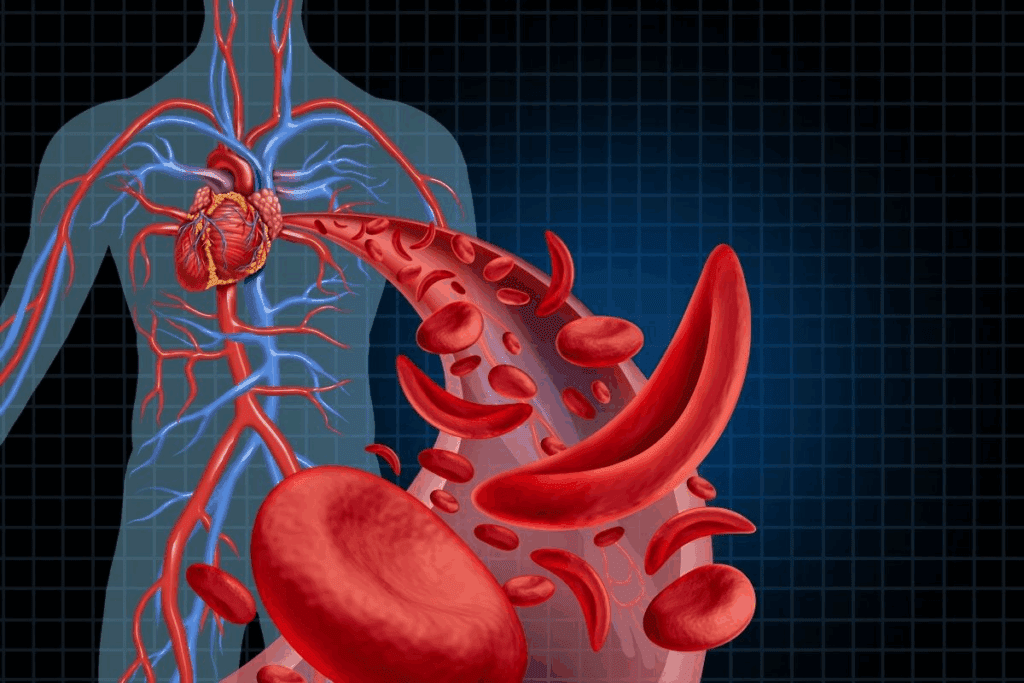
The coronary circulation is key to the heart’s health. It brings oxygen and nutrients to the heart muscle. This is vital because the heart is a muscle that needs blood to keep pumping.
The coronary arteries branch from the aorta to reach the heart muscle. They make sure the heart gets the blood it needs.
Coronary Arteries Meaning and Definition
Coronary arteries carry blood straight to the heart muscle. They look like a crown around the heart. These arteries are essential for delivering oxygen and nutrients to the heart muscle.
This lets the heart muscle contract and pump blood. The left main artery is a major part of this system. It splits into the left anterior descending and left circumflex arteries, serving different heart areas.
Why the Heart Muscle Requires Dedicated Blood Vessels
The heart muscle needs its own blood supply for good reasons. It’s a very active organ that works all the time. It needs a steady flow of oxygen and nutrients.
The heart muscle is also thick, needing a lot of blood. The coronary arteries make sure the heart gets enough blood to work well.
The absence or blockage of these arteries can lead to ischemia and infarction. This shows how important a healthy coronary circulation is.
Coronary Artery Anatomy: Structure and Organization
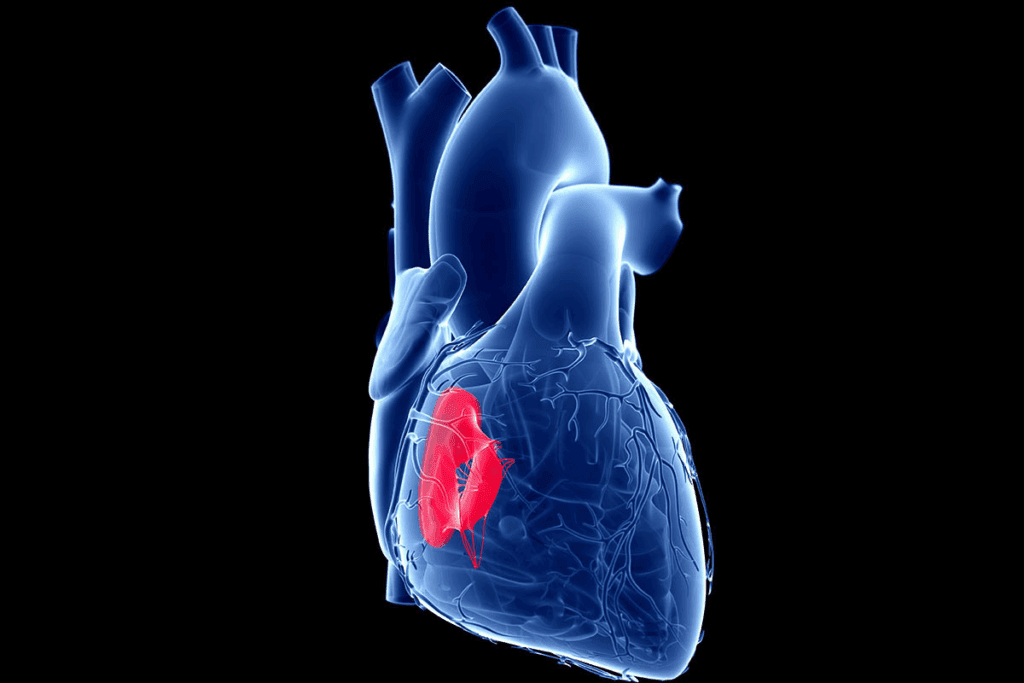
Knowing how the coronary arteries work is key to treating heart problems. These arteries carry blood to the heart muscle. Their layout is complex and varies a lot.
Origin from the Aortic Sinuses
The coronary arteries start from the aortic sinuses. The left main coronary artery and the right coronary artery come from the left and right sinuses. This is important because it lets them get oxygen-rich blood from the aorta.
Epicardial vs. Intramyocardial Vessels
The coronary arteries run along the heart’s outer surface before going into the muscle. Epicardial vessels are on the outside, while intramyocardial vessels go into the muscle. Knowing this helps us understand heart circulation and spot heart disease.
Coronary vessels are divided into epicardial and intramyocardial based on their position. Epicardial vessels are more prone to blockages and are often treated first.
Coronary Circulation Diagram Overview
A coronary circulation diagram shows the coronary arteries and their branches. These diagrams are vital for doctors and surgeons. They help them grasp the heart’s complex anatomy and plan treatments.
Let’s look at a typical coronary circulation diagram to see the main parts:
| Coronary Artery | Origin | Major Branches |
| Left Main Coronary Artery | Left Aortic Sinus | Left Anterior Descending, Left Circumflex |
| Right Coronary Artery | Right Aortic Sinus | Right Marginal, Posterior Descending |
The right coronary artery (RCA) runs along the heart’s right side. It leads to the posterior descending artery (PDA), which serves the heart’s back. Knowing the coronary circulation diagram is essential for reading angiograms and planning treatments.
The Left Main (LM) Heart Artery System
It’s important to know about the left main heart artery system. This system helps the heart get the blood it needs. The left main coronary artery is key. It comes from the left aortic sinus and feeds a big part of the heart muscle.
Anatomy and Course of the Left Main Coronary Artery
The left main coronary artery starts from the left aortic sinus of the aorta. It’s just above the aortic valve. It goes between the pulmonary trunk and the left atrial appendage. It’s between 3 to 15 mm long before it splits into two main branches.
This artery is crucial for cardiac health. It supplies a large area of the heart. This includes the anterior wall, the lateral wall, and parts of the posterior wall.
Left Anterior Descending Artery and Its Branches
The left anterior descending (LAD) artery is a main branch of the left main coronary artery. It runs along the anterior interventricular groove towards the heart’s apex. It supplies the anterior wall of the left ventricle and the interventricular septum.
The LAD has diagonal branches for the lateral wall of the left ventricle. It also has septal perforator branches for the interventricular septum.
Left Circumflex and Obtuse Marginal Arteries
The left circumflex artery (LCx) is the other main branch. It runs in the left atrioventricular groove. It supplies the lateral and posterior walls of the left ventricle.
The LCx has obtuse marginal (OM) arteries. These are important for the lateral wall of the left ventricle. The OM arteries vary in number and size. They are key for blood supply to the lateral and posterior heart regions.
The Right Coronary Artery (RCA) and Its Distribution
The right coronary artery (RCA) is key for heart blood supply. It branches off from the aorta, alongside the left coronary artery. It ensures blood reaches the right ventricle, parts of the left ventricle, and the heart’s back side.
Course and Major Branches of the RCA
The RCA starts from the anterior aortic sinus, just above the aortic valve. It runs along the right atrioventricular groove, between the right atrium and ventricle. It has several important branches.
The conus artery is the first branch, serving the right ventricular outflow tract. The RCA then branches into several right ventricular branches. These are vital for the right ventricle’s blood supply.
The Posterior Descending Artery: The Main Artery in the Back of the Heart
In most people, the RCA forms the posterior descending artery (PDA). The PDA runs along the posterior interventricular groove towards the heart’s apex. It supplies the posterior third of the interventricular septum and parts of the left and right ventricles.
The PDA is essential for the heart’s posterior wall blood supply. Its origin from the RCA is key in determining coronary artery dominance, which we’ll explore further.
Right Ventricular Branches and Acute Marginal Artery
The RCA also has several right ventricular branches for the right ventricle’s anterior wall. The acute marginal artery is significant, running along the heart’s acute margin. It supplies the right ventricular myocardium.
These branches are critical for the right ventricle’s function. They pump blood to the lungs. Any issue with their blood supply can cause right ventricular failure.
Blood Supply to Different Regions of the Heart
The heart’s blood supply comes from a complex network of coronary arteries. Each artery serves a specific area. Knowing how the heart gets its blood is key to understanding and treating heart disease.
Anterior Wall Perfusion
The anterior wall of the heart gets its blood mainly from the left anterior descending artery (LAD). This artery is a big branch of the left main coronary artery. It’s vital for the anterior wall, the interventricular septum’s anterior two-thirds, and the heart’s apex.
Lateral Wall and the OM Heart Vessel Function
The lateral wall’s blood supply comes from the left circumflex artery (LCx) and its branches, like the obtuse marginal (OM) arteries. The LCx circles around the heart. It supplies the lateral and sometimes the posterior wall, based on the heart’s blood flow pattern.
Inferior Wall Blood Supply
The inferior wall gets its blood mainly from the right coronary artery (RCA). The RCA has branches, including the posterior descending artery (PDA) in right-dominant circulation. This artery supplies the inferior wall and the posterior third of the interventricular septum.
Coronary Artery Posterior Supply Patterns
The heart’s posterior aspect can be supplied by different arteries, depending on dominance. In right-dominant circulation, the RCA supplies the PDA. In left-dominant circulation, the LCx gives off the PDA. Knowing these patterns is vital for reading coronary angiograms and planning treatments.
To summarize the blood supply to different heart regions, we’ve put together a table:
| Region of the Heart | Primary Supplying Artery |
| Anterior Wall | Left Anterior Descending Artery (LAD) |
| Lateral Wall | Left Circumflex Artery (LCx) and Obtuse Marginal (OM) Arteries |
| Inferior Wall | Right Coronary Artery (RCA) and Posterior Descending Artery (PDA) |
| Posterior Wall | Varies: RCA (in right-dominant circulation) or LCx (in left-dominant circulation) |
Coronary Artery Dominance and Its Clinical Significance
Knowing about coronary artery dominance is key in treating heart disease. It tells us which artery supplies the posterior descending artery. This is important for managing heart disease.
In cardiology, understanding dominance is critical. It affects how blood flows to the heart muscle. Different dominance patterns can change how heart disease shows up and is treated.
Right Dominant Circulation
About 85% of people have right dominant circulation. This means the right coronary artery (RCA) leads to the posterior descending artery (PDA). It supplies the heart’s inferior wall.
Characteristics of Right Dominant Circulation:
- The RCA supplies the PDA and often the atrioventricular (AV) nodal artery.
- This pattern is linked to a higher chance of certain arrhythmias because of the RCA’s role in the AV node.
Left Dominant Circulation
Left dominant circulation is found in about 8% of people. Here, the left circumflex artery (LCx) leads to the PDA.
Characteristics of Left Dominant Circulation:
- The LCx is larger and reaches the inferior wall.
- This pattern might show different symptoms of coronary artery disease.
Co-dominant Patterns
Co-dominant or balanced circulation is seen in about 7% of people. In this case, both the RCA and LCx supply the inferior wall, with neither being dominant.
Characteristics of Co-dominant Circulation:
- Both the RCA and LCx play a big role in the inferior wall’s blood supply.
- This pattern can lead to different symptoms and may need careful evaluation.
Impact of Dominance on Heart Disease Presentation
The dominance pattern greatly affects how coronary artery disease is presented and managed. For example, blockages in a dominant artery can cause bigger infarcts and worse outcomes.
| Dominance Pattern | Artery Supplying PDA | Clinical Implications |
| Right Dominant | RCA | Higher risk of AV nodal block |
| Left Dominant | LCx | Different CAD presentation |
| Co-dominant | Both RCA & LCx | Variable clinical outcomes |
Understanding coronary artery dominance is vital for reading diagnostic images and planning treatments. We must look at each person’s coronary anatomy to give the best care.
Specialized Branches and Ventricle Artery Supply
The coronary circulation has several key branches. These supply the heart’s conduction system. They are vital for keeping the heart rhythm right and working well.
Sinoatrial Nodal Artery
The sinoatrial (SA) nodal artery feeds the SA node, the heart’s natural pacemaker. In about 60% of people, it comes from the right coronary artery (RCA). The other 40% get it from the left circumflex artery. This artery is key for starting the heartbeat.
Atrioventricular Nodal Artery
The atrioventricular (AV) nodal artery gives blood to the AV node. This is a big part of the heart’s electrical system. It usually comes from the RCA in 80-90% of people. It goes through the heart’s back side. This artery makes sure electrical signals move right from the atria to the ventricles.
Septal Perforators and Conduction System Supply
Septal perforating branches come from the left anterior descending artery (LAD). They supply the interventricular septum. These branches are key for the blood to the bundle of His and the bundle branches. They are important for the ventricular conduction system. The septal perforators help make sure the ventricles contract together.
Knowing about these special branches helps us understand the heart’s complex anatomy. It’s also important for treating heart conditions.
Collateral Circulation and Protective Mechanisms
Collateral circulation is a key way the heart adapts to ischemia. It provides an extra blood supply to the heart muscle. This complex process grows new blood vessels to keep the heart working, even when a major artery is blocked.
Development of Collateral Vessels
The growth of collateral vessels is a complex process. It involves many cellular and molecular steps. Chronic ischemia triggers this growth by releasing growth factors and cytokines.
Several factors can influence how well collateral vessels develop. These include how severe the ischemia is, the presence of conditions like diabetes and hypertension, and genetics. Knowing these factors helps in finding ways to improve collateral circulation.
| Factors Influencing Collateral Development | Description | Impact on Collateral Formation |
| Severity of Ischemia | Degree of reduced blood flow to the myocardium | More severe ischemia generally leads to more pronounced collateral formation |
| Presence of Risk Factors | Conditions such as diabetes and hypertension | Can impede or enhance collateral development depending on the factor |
| Genetic Predisposition | Individual genetic variability affecting collateral growth | Can significantly influence the extent of collateral circulation |
Anatomical Variations in Supply of Coronary Arteries
The coronary circulation varies a lot in its anatomy. This includes differences in where the arteries start, how they run, and where they branch out. These differences can impact how well collateral circulation works.
It’s important to understand these anatomical variations. They help us see how complex collateral circulation is and its role in keeping the heart working.
Protective Role During Coronary Occlusion
Collateral circulation is a vital protective mechanism during coronary occlusion. It provides an alternative blood supply to the heart muscle. This can reduce the size of a heart attack and improve outcomes for patients with coronary artery disease.
The protective role of collateral circulation depends on several factors. These include how well the collateral vessels have developed, the severity of the blockage, and any underlying heart conditions. Good collateral circulation can greatly improve the outlook for patients with coronary artery disease.
In conclusion, collateral circulation is a vital protective mechanism for the heart. It helps keep the heart working even with coronary artery disease. Understanding how it develops, varies anatomically, and protects the heart is key to finding effective treatments.
Conclusion: Understanding Blood Supply Heart Anatomy for Clinical Practice
Knowing the blood supply to the heart is key for good care. We’ve looked at the heart’s blood flow, including the coronary arteries. We’ve also seen how the left and right coronary arteries work together.
Healthcare pros need to understand the heart’s blood flow to treat heart disease well. The way the coronary arteries supply blood affects how severe the disease is. This knowledge helps decide the best treatment.
With a good grasp of heart anatomy, we can give the best care to heart patients. This knowledge helps us read scans, plan treatments, and tailor care to each patient. As cardiology advances, knowing the heart’s blood flow remains vital for patient care.
FAQ
What is the role of coronary arteries in the heart?
The coronary arteries are key. They carry oxygen-rich blood to the heart muscle. This is vital for the heart to work right.
What is coronary circulation, and why is it important?
Coronary circulation is the system of blood vessels that feed the heart muscle. It’s key for the heart to function well.
What is the left main heart artery, and what are its branches?
The left main artery splits into two main branches. The left anterior descending artery and the left circumflex artery. They supply different parts of the heart.
What is the difference between epicardial and intramyocardial vessels?
Epicardial vessels are on the heart’s surface. Intramyocardial vessels are inside the heart muscle. Knowing this helps us understand how the heart gets blood.
How do the coronary arteries supply different regions of the heart?
The left anterior descending artery feeds the front part of the heart. The left circumflex and obtuse marginal arteries supply the sides. The right coronary artery and its branches cover the bottom.
What is coronary artery dominance, and why is it clinically significant?
Coronary artery dominance is how the arteries are arranged. It can be right, left, or co-dominant. Knowing this is important for reading heart scans and planning treatments.
What is the role of collateral circulation in the heart?
Collateral circulation is a backup blood supply. It helps keep the heart working when a main artery is blocked.
What are the specialized branches of the coronary arteries that supply the ventricles and conduction system?
Special arteries like the sinoatrial nodal artery and atrioventricular nodal artery are vital. They help with heart rhythm and supply the septum.
How can understanding coronary artery anatomy help in clinical practice?
Knowing the heart’s blood vessel layout is essential. It helps doctors diagnose and treat heart disease better.
What is the significance of interpreting a coronary circulation diagram?
Reading a coronary circulation diagram is important. It helps doctors understand the heart’s blood system. This is key for treating heart issues.
References:
National Center for Biotechnology Information. (2025). Coronary Artery Anatomy 10 Key Facts About Heart.