

Corticosteroids are strong anti-inflammatory and immunosuppressive drugs. They are used a lot in medicine. They help with swelling and chronic conditions.
These drugs can be made in our bodies or given by a doctor. For injections, they target the problem area. There are many kinds of corticosteroids for injections, each used differently.
Key Takeaways
- Corticosteroids are used for their anti-inflammatory and immunosuppressive properties.
- They can be naturally produced or taken as medication.
- Corticosteroid injections deliver targeted relief directly to the affected area.
- There are several types of corticosteroids used for injections.
- Each type has its own specific characteristics and applications.
Understanding Corticosteroids and Their Medical Uses
Corticosteroids are a type of steroid hormone used in medicine. They are known for their strong anti-inflammatory and immunosuppressive effects. These drugs help treat many health issues, from inflammatory diseases to autoimmune disorders.
Definition and Classification of Corticosteroids

Corticosteroids are sorted into different types based on their strength and how long they last. They can be taken orally, applied topically, or given as injections. This sorting helps doctors pick the right corticosteroid for each patient’s needs.
How Corticosteroids Work in the Body
Corticosteroids act like cortisol, a hormone made by the adrenal glands. They lessen inflammation and calm the immune system. This helps ease symptoms of many medical conditions. Knowing how corticosteroids work helps patients understand their benefits and possible side effects.
Difference Between Corticosteroids and Anabolic Steroids
It’s important to know the difference between corticosteroids and anabolic steroids. Both are steroids, but they serve different purposes. Corticosteroids are used for reducing inflammation and suppressing the immune system. Anabolic steroids, on the other hand, are synthetic hormones that help build muscle and are sometimes misused in sports. Knowing this difference is key for safe and effective treatment.
Common Types of Corticosteroids Used for Injections
There are many types of corticosteroid injections available. Each has its own use and benefits. They help manage inflammation and are chosen based on their strength, how long they last, and the condition being treated.
Methylprednisolone (Depo-Medrol)
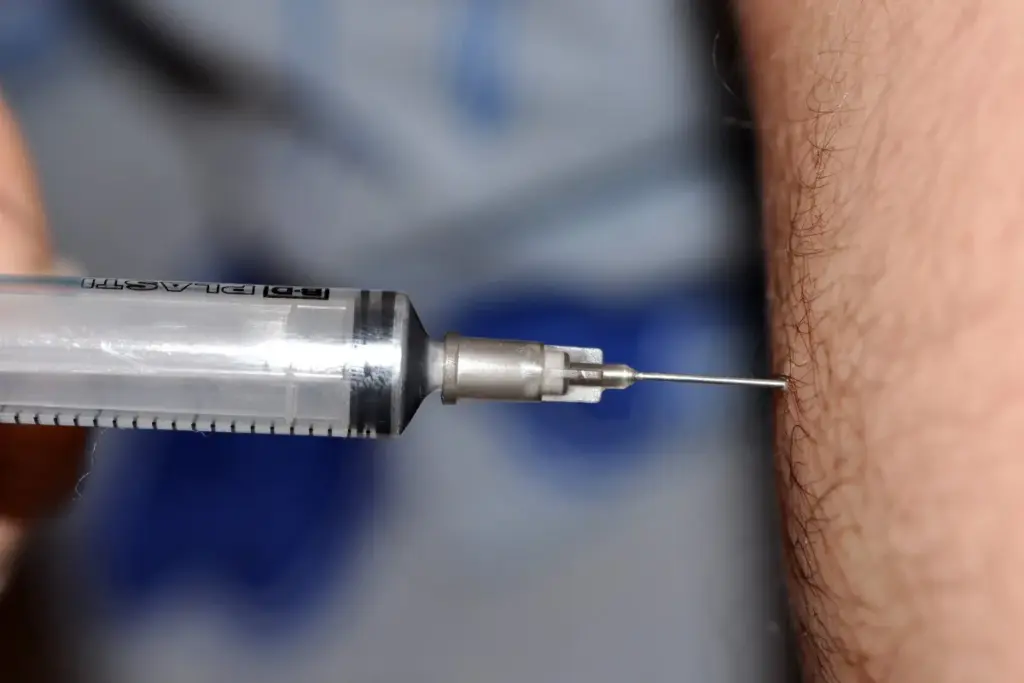
Methylprednisolone, commonly known as Depo-Medrol, is frequently chosen for its effectiveness in treating joint inflammation. It works well for joint problems by reducing inflammation. Its moderate strength and long-lasting effect make it a top pick for doctors.
Triamcinolone (Kenalog)
Triamcinolone, or Kenalog, is another popular injection corticosteroid. It’s used for both joint and muscle injections. It has a strong anti-inflammatory effect and lasts a long time, which is good for ongoing treatments.
Betamethasone (Celestone)
Betamethasone, or Celestone, is a strong corticosteroid used in injections. It’s good for treating many inflammatory conditions, including those needing epidural injections. It starts working quickly and is often picked for treating sudden inflammation.
Dexamethasone (Decadron)
Dexamethasone, or Decadron, is a very strong corticosteroid for injections. It can be given in different ways, like through veins or muscles. It’s known for its strong anti-inflammatory and immune-suppressing effects, making it useful for many health issues.
These corticosteroids, like methylprednisolone, triamcinolone, betamethasone, and dexamethasone, are key in fighting inflammation and autoimmune diseases. Their varying strengths and how long they last help doctors find the best treatment for each patient.
Hydrocortisone and Prednisolone Injections
Hydrocortisone and prednisolone are corticosteroids used in injections to treat inflammation. They are key in managing inflammatory and autoimmune disorders.
Hydrocortisone Sodium Succinate (Solu-Cortef)
Hydrocortisone Sodium Succinate, or Solu-Cortef, is a strong corticosteroid. It fights inflammation and suppresses the immune system. It’s often given intravenously in emergencies, making it critical in urgent care.
Prednisolone Acetate (Pred Forte)
Prednisolone Acetate, or Pred Forte, is another corticosteroid used in injections. It’s great for reducing inflammation in joints and soft tissues. Its acetate form means it lasts longer than some other corticosteroids.
Comparing Potency and Duration of Action
Hydrocortisone and prednisolone have different effects and last times. Hydrocortisone works fast but doesn’t last long, perfect for quick fixes. Prednisolone lasts longer, good for long-term issues. Choosing between them depends on the patient’s needs and the condition.
Both are potent, but their effects can change based on the situation. Knowing the differences helps doctors make better choices.
Different Forms of Corticosteroid Injections
Corticosteroid injections come in various forms, each for different medical needs. The method used depends on the condition, its severity, and the patient’s health.
Intra-articular Injections
Intra-articular injections put corticosteroids right into a joint. This is often for arthritis. It targets the joint, reducing side effects.
Methylprednisolone (Depo-Medrol) is a common choice for this method because of its anti-inflammatory effects.
Epidural Steroid Injections
Epidural steroid injections treat back pain from inflamed spinal nerves. The steroid is injected around the spinal cord. This reduces inflammation and eases pain.
- Effective for managing radicular pain
- Can be used for lumbar or cervical spine conditions
- Often performed under fluoroscopic guidance for accuracy
Intramuscular Injections
Intramuscular injections put corticosteroids into a muscle. This method treats systemic conditions, affecting the whole body. It’s used for severe allergic reactions and some autoimmune disorders.
Triamcinolone (Kenalog) is a corticosteroid used for intramuscular injections.
Intravenous Corticosteroids
Intravenous corticosteroids are given directly into a vein. They’re for severe or life-threatening conditions. This method spreads the medication quickly through the body.
Hydrocortisone sodium succinate (Solu-Cortef) is used in emergencies for acute asthma or severe allergic reactions.
Medical Conditions Treated with Corticosteroid Injections
We use corticosteroid injections to treat many health issues. This includes joint inflammation and severe allergic reactions. These injections are key in treating various conditions, helping patients feel better and live better lives.
Inflammatory Joint Conditions
Corticosteroid injections are often used for joint problems like arthritis, tendinitis, and bursitis. They reduce inflammation, which helps ease pain and improve joint movement. This lets patients do their daily activities again.
Autoimmune Disorders
Autoimmune disorders make the body attack its own tissues. Corticosteroid injections help by controlling the immune system. This reduces inflammation and damage to tissues.
Allergic Reactions
Severe allergic reactions, like anaphylaxis, are dangerous. Corticosteroid injections are used to treat these. They help reduce inflammation and stop allergic reactions from getting worse.
Respiratory Conditions
Corticosteroid injections are also used for respiratory issues, like severe asthma. They decrease inflammation in airways. This improves breathing and overall lung function.
In summary, corticosteroid injections are a flexible and effective treatment for many conditions. Knowing how they work helps doctors give better care. This improves patient outcomes and quality of life.
Administration of Corticosteroid Injections
It’s important for both patients and healthcare providers to know how corticosteroid injections are given. These injections are used to treat many inflammatory conditions. The process of giving them involves several key steps.
Healthcare Providers Who Administer Injections
Many healthcare providers can give corticosteroid injections. This includes rheumatologists, orthopedic specialists, pain management specialists, and primary care physicians. They are trained to decide if injections are needed and to give them safely.
- Rheumatologists: Specialize in treating arthritis and other rheumatic diseases.
- Orthopedic Specialists: Focus on musculoskeletal conditions and surgeries.
- Pain Management Specialists: Expert in managing chronic pain.
- Primary Care Physicians: Often the first point of contact for patients, they can administer injections for certain conditions.
Settings for Corticosteroid Injections
Corticosteroid injections can be given in clinics, hospitals, and outpatient surgical centers. The place depends on the procedure, the patient’s health, and the doctor’s decision.
Clinic Setting: Many injections are done in clinics because they are simple.
Outpatient Surgical Centers: More complex procedures or when more facilities are needed, outpatient surgical centers are used.
Frequency and Dosage Considerations
The dose and how often injections are given change based on the condition, the patient’s response, and the corticosteroid type. Doctors follow guidelines to find the right dose and frequency.
“The goal is to maximize the therapeutic benefit while minimizing possible side effects.”
Guideline for Corticosteroid Use
Use of Imaging Guidance for Precision
Imaging like ultrasound or fluoroscopy is often used to place injections accurately. This is key for injections into specific joints or areas with complex anatomy.
Using imaging guidance helps doctors place injections more accurately. This can lead to better results and fewer complications.
Benefits of Corticosteroid Injections
Corticosteroid injections quickly reduce inflammation, improving life quality for many. They are a key treatment for many inflammatory conditions.
Rapid Relief of Inflammation
Corticosteroid injections quickly cut down inflammation. This fast action eases pain and lets patients get back to their daily lives sooner. The anti-inflammatory effects help those with arthritis or tendinitis a lot.
Targeted Treatment Approach
Corticosteroid injections target the problem area directly. This means the treatment works better and has fewer side effects. It’s great for those who can’t handle the side effects of oral steroids.
Reduction in Systemic Side Effects
These injections have fewer side effects because they’re applied locally. This makes them safer than oral steroids. So, corticosteroid injections are often the first choice for avoiding steroid therapy’s wide-ranging effects.
Improved Quality of Life
The main goal of corticosteroid injections is to enhance life quality. They reduce inflammation and pain, letting people enjoy activities without pain. This is a big win, as it keeps patients independent and active in their daily lives.
In summary, corticosteroid injections bring many benefits. They offer quick relief, targeted treatment, fewer side effects, and better life quality. As we learn more about them, it’s clear they’re key in fighting inflammation.
Potential Side Effects and Risks of Corticosteroids
Corticosteroids can help a lot, but they also come with risks and side effects. Knowing these risks helps you make smart choices about your treatment.
Short-term Side Effects
Short-term side effects of corticosteroid injections can be uncomfortable but usually go away. These might include:
- Mood changes, such as irritability or anxiety
- Insomnia or trouble sleeping
- Increased appetite and weight gain
- Fluid retention, causing swelling
Table 1: Common Short-term Side Effects of Corticosteroid Injections
|
Side Effect |
Description |
|---|---|
|
Mood Changes |
Irritability, anxiety, or mood swings |
|
Insomnia |
Difficulty sleeping or insomnia |
|
Increased Appetite |
Feeling hungrier than usual |
Long-term Risks
Using corticosteroids for a long time can cause serious health problems. These risks include:
- Osteoporosis, or weakening of the bones
- Glaucoma or increased eye pressure
- Adrenal suppression, where the body’s natural production of corticosteroids is reduced
- Increased risk of infections
A medical expert warns, “Long-term corticosteroid use requires careful monitoring to mitigate risks.”
“The risk of osteoporosis, in particular, necessitates preventive measures such as calcium and vitamin D supplementation.”
Contraindications for Corticosteroid Injections
Some people should avoid corticosteroid injections or use them with caution. Contraindications include:
- Active infections, as corticosteroids can suppress the immune system
- Known allergies to corticosteroids or other components of the injection
- Osteoporosis, as corticosteroids can further weaken bones
Steroid Flares and How to Manage Them
Steroid flares, or rebound flare reactions, can happen when the corticosteroid effect wears off. Managing these flares involves:
- Gradual tapering of corticosteroid dosage when possible
- Using alternative treatments to manage flare symptoms
- Monitoring and adjusting treatment plans as needed
Understanding the side effects and risks of corticosteroid injections helps patients make informed decisions. Working closely with healthcare providers can help minimize these risks.
Preparing for a Corticosteroid Injection
Getting ready for a corticosteroid injection is key to a good outcome. These injections treat many inflammatory conditions. Knowing what to expect can greatly improve your experience.
Pre-injection Instructions
Your healthcare provider will give you clear instructions before the injection. These might include:
- Stopping certain medications or supplements that could interfere with the injection or your recovery
- Avoiding food or drink for a specified period before the procedure
- Arranging for someone to drive you home after the injection
Medication and Supplement Considerations
Tell your healthcare provider about all medications and supplements you’re taking. Some, like blood thinners, might need to be adjusted or stopped before the injection.
|
Medication/Supplement |
Action Required |
|---|---|
|
Blood Thinners (e.g., Warfarin) |
May need to be adjusted or stopped |
|
Anti-inflammatory Medications |
Discuss with your healthcare provider |
What to Expect During Your Appointment
At your appointment, your healthcare provider will explain the procedure and answer your questions. They will then give you the corticosteroid injection. The whole process usually takes just a few minutes.
Questions to Ask Your Healthcare Provider
Make sure to ask your healthcare provider these questions:
- What are the possible risks or side effects of the corticosteroid injection?
- How long will the relief from symptoms last?
- Are there any specific care instructions I should follow after the injection?
The Corticosteroid Injection Procedure
The corticosteroid injection procedure has several key steps. Healthcare providers follow these steps to treat effectively. Knowing these steps can make patients feel more at ease and ready for their appointment.
Step-by-Step Process
The process starts with getting the patient ready for the injection. This might mean positioning them in a way that makes the injection site easy to reach. Then, we clean and sterilize the area to lower the risk of infection.
After that, we use a syringe to put the corticosteroid into the targeted area. The type and dose of corticosteroid depend on the condition being treated and the patient’s medical history.
- Preparation: Patient positioning and site preparation.
- Administration: Injection of corticosteroid.
- Post-injection care: Monitoring for immediate reactions.
Pain Management During Injection
Pain management is key during the procedure. We often use local anesthetics with corticosteroids to reduce discomfort. This numbs the area, making the injection easier for the patient.
Some patients might feel a brief stinging when the needle goes in or when the medication is given. But this discomfort is usually short-lived.
Duration of the Procedure
The actual injection takes just a few minutes. But the whole appointment might take longer because of preparation and monitoring after the injection.
|
Procedure Step |
Typical Time |
|---|---|
|
Preparation |
5-10 minutes |
|
Injection Administration |
2-5 minutes |
|
Post-injection Monitoring |
5-15 minutes |
Combining Corticosteroids with Local Anesthetics
Using corticosteroids with local anesthetics is common. It helps reduce pain and discomfort during and after the injection. The anesthetic gives immediate relief, while the corticosteroid works to reduce inflammation over time.
Understanding the corticosteroid injection procedure helps patients prepare better. Knowing what to expect can reduce anxiety and make the experience more positive.
Post-Injection Care and Recovery
Understanding post-injection care is key after getting corticosteroid injections. Proper care boosts treatment success and cuts down side effects.
Immediate Aftercare
Stay at the clinic or healthcare facility for a bit after the injection. This lets your healthcare provider watch for any quick problems. They might tell you to use ice on the injection site to lessen pain or swelling.
Activity Restrictions
Avoid hard activities or heavy lifting for a few days after. This lowers the chance of issues and lets the corticosteroid work better. But, you don’t need to stay in bed all the time; gentle movements are okay.
When to Contact Your Healthcare Provider
If you see odd symptoms like more redness, swelling, or pain at the injection site, or if you get a fever, call your healthcare provider. Also, if you think you’re having an allergic reaction or if your symptoms don’t get better, get medical help.
Managing Post-Injection Discomfort
Mild pain or discomfort at the injection site is normal and can be handled with over-the-counter pain meds. Ice or a compression bandage can also help. If the pain doesn’t go away or gets worse, talk to your healthcare provider.
By sticking to these tips and your healthcare provider’s advice, you can have a smoother recovery. This will help you get the most out of your corticosteroid injection treatment.
Alternatives to Corticosteroid Injections
There are other treatments for inflammation and pain, aside from corticosteroid injections. These options work differently and may offer benefits not found in traditional treatments.
Oral Anti-inflammatory Medications
Oral anti-inflammatory drugs are a good alternative. They include NSAIDs like ibuprofen and naproxen. NSAIDs can be used as needed and are easy to get.
But, long-term use of NSAIDs can cause stomach problems. It’s important to talk to a doctor before starting these medications.
Physical Therapy and Exercise
Physical therapy and exercise are also options. They can make joints more mobile and muscles stronger. Exercises can be customized to fit your needs.
Platelet-Rich Plasma (PRP) Injections
PRP injections are another choice. They use the patient’s own blood to help heal. PRP contains growth factors that can reduce inflammation.
|
Treatment |
Mechanism of Action |
Potential Benefits |
|---|---|---|
|
Corticosteroid Injections |
Suppresses inflammation |
Rapid relief |
|
PRP Injections |
Stimulates healing |
Promotes tissue repair |
|
Hyaluronic Acid Injections |
Lubricates joints |
Improves joint mobility |
Hyaluronic Acid Injections
Hyaluronic acid injections help with osteoarthritis. They make joints more mobile. This can greatly help patients with joint pain.
In conclusion, there are many alternatives to corticosteroid injections. Each has its own benefits. It’s best to talk to a doctor to find the right treatment for you.
Conclusion
Corticosteroid injections are a great way to treat many inflammatory conditions. They offer quick relief and target the problem area. We’ve looked at different types, like methylprednisolone and triamcinolone, and their uses, benefits, and side effects.
Before getting corticosteroid injections, talk to your healthcare team. They can guide you on the best treatment for your condition. They’ll help you weigh the good and bad of steroid medications and anti-inflammatory drugs.
Knowing how corticosteroids work can help you choose your treatment wisely. They’re useful for many conditions, from joint pain to autoimmune diseases. Corticosteroid injections can really help improve your life.
FAQ
What are corticosteroids, and how do they differ from anabolic steroids?
Corticosteroids reduce inflammation and treat autoimmune conditions, while anabolic steroids build muscle and enhance performance.
What are the common types of corticosteroids used for injections?
Common injectable corticosteroids include methylprednisolone, triamcinolone, betamethasone, and dexamethasone.
What is the difference between hydrocortisone and prednisolone injections?
Hydrocortisone acts faster but lasts shorter, while prednisolone provides longer-lasting effects.
What are the different forms of corticosteroid injections, and when are they used?
They can be injected into joints, spine, muscles, or veins depending on the condition being treated.
What medical conditions are commonly treated with corticosteroid injections?
They are used for joint pain, autoimmune diseases, allergies, asthma, and other inflammatory conditions.
Who can administer corticosteroid injections, and what are the considerations for frequency and dosage?
Doctors or specialists administer them, with dose and frequency depending on condition, steroid type, and patient health.
What are the benefits of corticosteroid injections?
They quickly reduce inflammation, target the affected area, and often have fewer side effects than oral steroids.
What are the side effects and risks of corticosteroid injections?
Risks include injection-site pain, osteoporosis, cataracts, adrenal issues, and elevated blood sugar in some patients.
How should I prepare for a corticosteroid injection?
Follow medical instructions, disclose all medications, and ask about procedure and aftercare.
What are the alternatives to corticosteroid injections?
Alternatives include oral anti-inflammatories, physical therapy, PRP injections, and hyaluronic acid injections.
What is the role of local anesthetics in corticosteroid injections?
Local anesthetics are added to reduce pain and provide immediate relief during the injection.
How should I care for myself after a corticosteroid injection?
Rest as advised, manage discomfort per instructions, and contact your doctor for any complications.
National Center for Biotechnology Information. Evidence-Based Medical Insight. Retrieved from https://www.ncbi.nlm.nih.gov/pmc/articles/PMC7178495/



 Departments
 Related Videos
 Our Doctors
 News
News