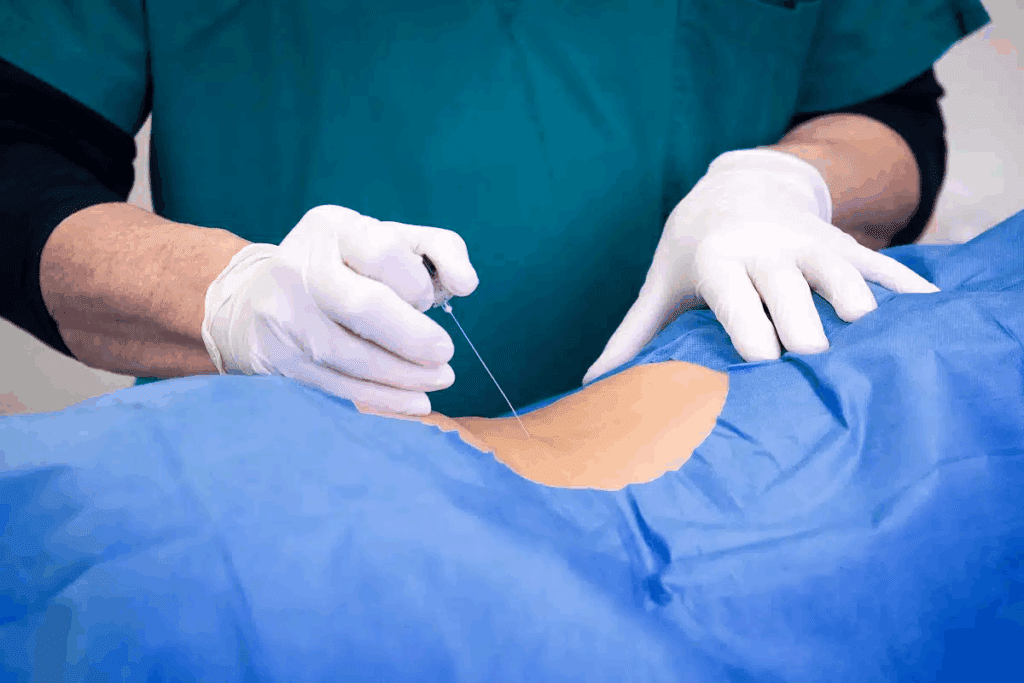
Back pain can really hurt, and finding the right treatment is key. At Liv Hospital, we know how important it is to manage back pain well. Two common treatments are cortisone shots and epidural injections. They work in different ways and target different areas.
We’ll look at the differences between these treatments. This will help you choose the best option for your back pain relief. Both treatments aim to ease back pain, but they do it differently. Knowing these differences helps find the right treatment for you.
Key Takeaways
- Both cortisone shots and epidural injections are used to treat back pain.
- The application and target areas of these treatments differ.
- Understanding the differences is key for effective back pain relief.
- Liv Hospital offers trusted expertise and patient-centered care for back pain management.
- Effective back pain treatment needs a personalized approach.
Understanding Back Pain Treatments

It’s important to know what causes back pain to find the best treatment. Back pain can come from many sources. So, finding the cause is key to choosing the right treatment.
Common Causes of Back Pain
Back pain can be caused by herniated discs, spinal stenosis, and arthritis. These issues can irritate nerves, causing pain.
| Condition | Description | Symptoms |
| Herniated Discs | A condition where the soft inner gel of the disc leaks out through a tear in the outer disc. | Pain, numbness, and tingling in the back and legs. |
| Spinal Stenosis | Narrowing of the spaces within the spine, which can put pressure on the nerves. | Pain, numbness, and weakness in the back, legs, and buttocks. |
| Arthritis | Inflammation of the joints, which can occur in the spine. | Pain, stiffness, and limited mobility. |
Overview of Injectable Treatment Options
Injectable treatments like cortisone shots and epidural steroid injections are used to treat back pain. They aim to reduce inflammation and ease nerve pressure.
Cortisone shots inject corticosteroids into the affected area to fight inflammation. Epidural steroid injections put steroids near the spinal cord to ease pain and swelling.
Both treatments have their own uses and benefits. Knowing about them helps in making the right choice for managing back pain.
What Are Cortisone Shots?
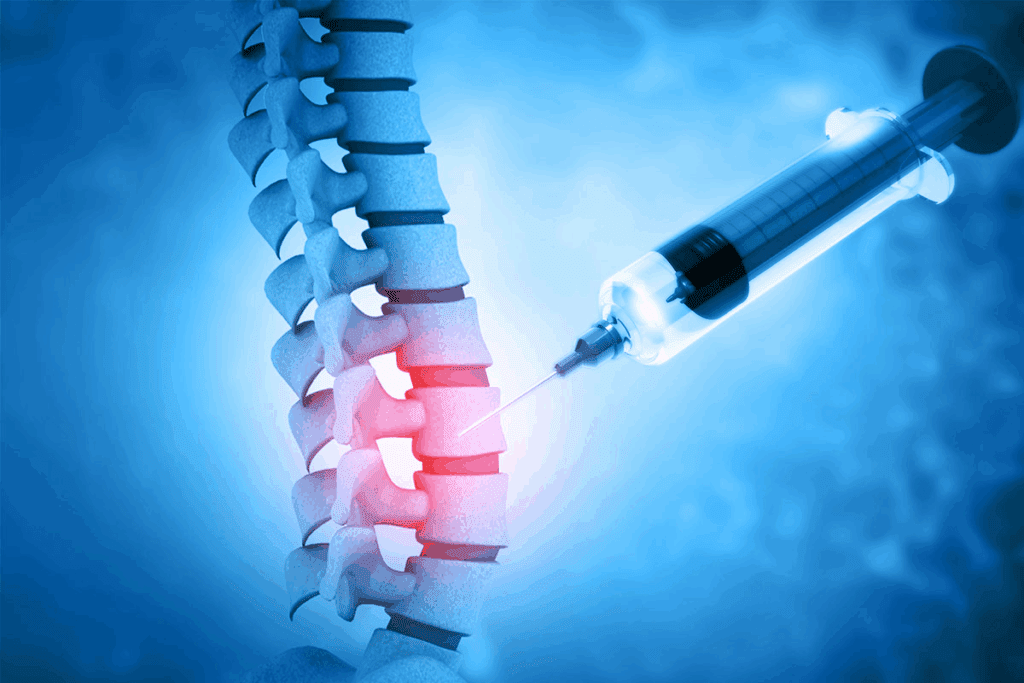
Cortisone shots are a treatment for chronic pain. They target the source of inflammation. These shots are used for many inflammatory conditions in the musculoskeletal system.
Composition and Mechanism of Action
Cortisone shots have a synthetic version of cortisol, a hormone our bodies make. They usually include triamcinolone or methylprednisolone and a local anesthetic. This mix helps reduce pain during the shot.
The corticosteroid in the shot binds to receptors in the body. This action reduces inflammation and pain. Cortisone shots can provide a lot of relief for those with inflammatory conditions.
The shot’s mechanism is to block inflammatory chemicals. This leads to less swelling and pain. The effects can be very strong, helping many patients find relief.
Target Areas for Cortisone Injections
Cortisone shots can be given in different parts of the body. They are often used in joints like knees, hips, and shoulders. They also target soft tissues like tendons and bursae.
For example, they treat tendonitis, bursitis, and arthritis. Cortisone shots are versatile and help many musculoskeletal issues.
These shots target the problem area directly. This means they offer relief without the side effects of oral steroids. It’s a great option for managing chronic inflammation safely.
What Are Epidural Steroid Injections?
For those with back pain, epidural steroid injections might help. They aim at the epidural space. These shots can cut down inflammation and ease pain from different spinal issues.
Composition and Mechanism of Action
Epidural steroid injections mix a corticosteroid with a local anesthetic. The corticosteroid lessens swelling around the spinal nerves. The local anesthetic numbs the area, giving quick pain relief. Together, they manage pain both short-term and long-term.
They work by putting the steroid into the epidural space. This space is around the spinal nerves. By doing this, they reduce swelling and pressure on nerves, easing pain.
The Epidural Space and Its Significance
The epidural space is a fatty area between the bone and the sac (dura mater) around the spinal cord and nerves. Steroids injected here reach the affected spots effectively. This makes it a good treatment for issues like herniated discs and spinal stenosis.
The epidural space is close to the spinal nerves. Steroids injected here target the pain source directly. This helps those with spinal problems find relief.
Cortisone Shot vs Epidural: Key Differences
When looking at treatments for back pain, it’s important to know the differences between cortisone shots and epidural steroid injections. Both are used to reduce pain and swelling. But they work in different ways and have different effects.
Injection Site and Technique
Cortisone shots are given directly into the affected area, like a joint or inflamed tissue. This method helps target the pain and keeps side effects low. Epidural steroid injections, on the other hand, go into the space around the spinal cord. This can help more areas and provide wider pain relief.
Getting a cortisone shot is simpler and can be done in a doctor’s office. But, epidural injections need more care and are usually done with special X-ray guidance to place the steroid correctly.
Target Conditions
Cortisone shots are good for treating pain and swelling in joints, tendons, and bursae. They’re often used for arthritis, tendonitis, and bursitis. Epidural steroid injections are mainly for pain caused by herniated discs, spinal stenosis, and other nerve problems.
| Treatment | Target Conditions |
| Cortisone Shots | Arthritis, Tendonitis, Bursitis |
| Epidural Injections | Herniated Discs, Spinal Stenosis, Radiculopathy |
Duration of Relief
The time pain relief lasts can differ between treatments. Cortisone shots can help for weeks to months, depending on the condition and how well the body responds. Epidural injections can also give long-lasting pain relief, sometimes months. But, how long it lasts can depend on the condition and if there’s ongoing inflammation or nerve damage.
“The choice between cortisone shots and epidural injections should be based on a thorough evaluation of the patient’s condition and medical history.”
Medical Expert
In summary, both cortisone shots and epidural injections are useful for back pain. But, knowing the differences in how they’re given, what they target, and how long they last is key to choosing the right treatment for each patient.
Medical Conditions Treated with Cortisone Shots
Cortisone shots are used to treat many inflammatory conditions. They help with pain and swelling in joints and soft tissues. These injections are very effective for several common medical issues.
Joint Inflammation and Arthritis
Cortisone shots are often used for joint inflammation and arthritis. This includes osteoarthritis and rheumatoid arthritis. By injecting corticosteroids into the joint, we can lessen inflammation and pain.
This makes the joint work better and improves the patient’s life quality.
The anti-inflammatory effects of cortisone shots help with arthritis flare-ups. They provide quick relief, letting patients get back to their daily activities.
Tendonitis and Bursitis
Tendonitis and bursitis can also be treated with cortisone shots. Tendonitis is inflammation of the tendons, which connect muscles to bones. Bursitis is inflammation of the bursae, small sacs that cushion joints and reduce friction.
Injecting cortisone into the affected area reduces swelling and pain. This helps with healing and restores normal function. It’s great for those who haven’t gotten better with other treatments like physical therapy or medications.
Localized Back Pain
Cortisone shots can also help with localized back pain. This is often due to inflammatory conditions like facet joint syndrome. By targeting the pain area with a cortisone injection, we can offer effective relief.
This helps patients avoid more serious procedures.
In conclusion, cortisone shots are a valuable treatment for many inflammatory conditions. They provide relief from pain and swelling, improving patients’ quality of life.
Medical Conditions Treated with Epidural Injections
Epidural steroid injections are a good choice for some back problems instead of surgery. They treat many spinal issues that cause pain. These injections help patients with conditions that can really affect their life.
Herniated Discs
A herniated disc happens when the soft center leaks out. This can hurt nearby nerves, leading to pain, numbness, or weakness. Epidural injections for herniated discs can lessen inflammation and ease symptoms, helping patients feel better.
The process involves putting steroids near the affected disc in the epidural space. This helps reduce swelling and pressure on nerves. It’s a good option for those who haven’t gotten better with other treatments.
Spinal Stenosis
Spinal stenosis means the spinal canal is getting narrower. This can press on the spinal cord and nerves. Epidural injections for spinal stenosis can lessen swelling and pressure, easing symptoms.
By injecting steroids into the epidural space, we can manage symptoms like pain and numbness. This treatment can also improve mobility and reduce discomfort, making life better for patients.
Radiculopathy (Nerve Pain)
Radiculopathy happens when a nerve root is compressed or irritated. This can cause pain, numbness, tingling, or weakness. Radiculopathy treatment with epidural steroid injections aims to reduce inflammation and relieve pressure.
The goal is to lessen pain and discomfort from nerve compression. By focusing on the specific nerve issue, we can offer significant relief. This helps patients get back to their usual activities.
In summary, epidural steroid injections are a great option for treating spinal conditions like herniated discs, spinal stenosis, and radiculopathy. By understanding each condition and tailoring the treatment, we can effectively help patients and improve their quality of life.
Effectiveness and Success Rates
It’s important to know how well cortisone shots and epidural steroid injections work for back pain. Both have been studied a lot, giving us good info on their success rates.
Research on Cortisone Shot Outcomes
Cortisone shots are used to treat inflammation in joints and tendons. Studies show they can really help with pain for many people. But, how long the relief lasts can vary.
A study in the Journal of Orthopaedic & Sports Physical Therapy found cortisone shots help with knee osteoarthritis pain. But, the relief is short-lived, and they don’t slow down the disease.
Research on Epidural Injection Outcomes
Epidural steroid injections are used for back pain, spinal stenosis, and herniated discs. Research shows they can reduce pain and improve function for these conditions.
A study in Spine found epidural injections give quick pain relief for lumbar radiculopathy. It also pointed out that results can vary and more research is needed.
Comparative Studies
Comparing cortisone shots and epidural injections shows their differences. A study found epidural injections work better for some back pain, like nerve compression.
| Treatment | Short-term Relief | Long-term Relief |
| Cortisone Shots | Significant | Variable |
| Epidural Steroid Injections | Significant | More Consistent |
The table shows both treatments offer quick pain relief. But, epidural injections give more lasting benefits for some conditions.
Potential Side Effects and Risks
Cortisone shots and epidural steroid injections can help with back pain. But, they also have side effects and risks. Knowing these can help you make better choices.
Common Side Effects of Cortisone Shots
Cortisone shots can cause side effects. These include:
- Temporary pain or discomfort at the injection site
- Swelling or redness at the injection site
- Allergic reactions to the cortisone or other components of the injection
- Infection, though rare
Most side effects are mild and go away on their own. But, if you have severe or lasting side effects, talk to your doctor.
Common Side Effects of Epidural Injections
Epidural steroid injections can also have side effects. Some are similar to cortisone shots. Common side effects include:
- Temporary increase in pain
- Headache due to leakage of spinal fluid
- Nausea or vomiting
- Infection or bleeding at the injection site
Though rare, serious complications like nerve damage or spinal cord injury can happen.
Long-term Considerations
Both treatments have long-term effects to consider. Cortisone shots can weaken bones and soft tissues. Epidural injections can affect bone density and hormonal balances over time.
| Treatment | Common Side Effects | Long-term Considerations |
| Cortisone Shots | Pain, swelling, allergic reactions, infection | Weakening of bones and soft tissues |
| Epidural Steroid Injections | Increased pain, headache, nausea, infection | Systemic steroid effects, bone density loss |
To lower risks, talk about your medical history with your doctor. Follow their post-procedure instructions to reduce complications.
The Procedure: What to Expect
When you think about getting cortisone shots or epidural steroid injections for back pain, knowing what happens can ease your worries. Both treatments aim to reduce pain and swelling but are given in different ways.
Cortisone Shot Administration
A cortisone shot goes directly into the painful area, like a joint or tendon. First, the skin is cleaned with an antiseptic. Then, a needle injects corticosteroid medication into the spot. The injection may cause a brief stinging sensation, but it’s short-lived.
Preparation is key for a successful cortisone shot. Tell your healthcare provider about any medicines you’re taking and any allergies. The shot itself is quick, usually taking just a few minutes.
Epidural Injection Procedure
An epidural steroid injection puts medication around the spinal cord. The process starts with you lying on your stomach. The healthcare provider cleans the skin and might use a local anesthetic to numb it. Guided by fluoroscopy, a needle is placed in the epidural space, and the medication is given.
It’s important to stay very calm during the procedure for accuracy. The whole thing usually takes about 30 minutes to an hour.
Recovery and Aftercare
After both treatments, you’ll be watched for a bit to see if you have any immediate reactions. Common aftercare instructions include not doing too much for a few days and using ice on the injection site if it hurts.
- Follow the healthcare provider’s instructions regarding post-procedure care.
- Monitor for signs of infection, such as increased redness, swelling, or fever.
- Report any severe pain or unusual symptoms to the healthcare provider.
Knowing what to expect during and after the procedure helps you prepare better for the treatment and recovery.
Terminology and Common Misconceptions
Exploring injectable treatments for back pain requires clear terms and debunking myths. Cortisone shots and epidural steroid injections have different uses. Knowing these differences helps patients choose the right care.
Steroid vs Cortisone: Understanding the Terms
“Steroid” and “cortisone” are often mixed up, but they’re not the same. Cortisone is a specific steroid used for back pain. Steroids is a broader term for synthetic hormones.
It’s important to note that cortisone is a steroid, but not all steroids are cortisone. This difference matters because it affects how people view these treatments. Doctors say “steroid” can have a bad reputation due to sports doping. But in treating back pain, steroids are used for their strong anti-inflammatory effects.
Misconceptions About Injectable Treatments
Many myths surround injectable treatments for back pain. One myth is that cortisone shots and epidural steroid injections are the same. They’re not, as they serve different purposes. Cortisone shots target local inflammation, while epidural injections go into the space around the spinal cord.
Another myth is that these injections cure back pain forever. They actually just reduce inflammation temporarily. A study in the Journal of Pain Research showed that while they offer quick relief, their lasting effect varies.
- Myth: Injectable treatments are a last resort.
- Reality: They can be considered at various stages of treatment depending on the patient’s condition.
- Myth: Steroid injections lead to significant weight gain.
- Reality: While systemic steroids can cause weight gain, localized injections like cortisone shots have minimal systemic effects.
Understanding the differences between cortisone shots and epidural steroid injections helps patients make better choices. It’s key to talk to healthcare professionals to find the best treatment plan.
Conclusion: Making an Informed Decision About Back Pain Treatment
Understanding the differences between cortisone shots and epidural steroid injections is key for back pain treatment. Each has its own benefits and is best for certain conditions.
We’ve looked at what each treatment is made of, how they work, and where they’re used. This helps people figure out which one might work best for them.
It’s important to talk to a healthcare provider about treatment. They can help decide if a cortisone shot or an epidural is right for you. This is based on your health, medical history, and what you hope to achieve.
In the end, choosing between a cortisone shot or an epidural should be a well-informed decision. Getting advice from a healthcare provider is essential. This way, you get the best treatment for your back pain, helping you recover well.
FAQ
What is the main difference between a cortisone shot and an epidural steroid injection?
Cortisone shots go directly into joints or soft tissues. Epidural steroid injections go into the space around the spinal cord. This targets nerve pain.
Are cortisone shots and steroid shots the same?
Yes, they are often called the same thing. Both are injections with corticosteroids. They help reduce inflammation and pain.
What conditions are treated with cortisone shots?
Cortisone shots help with joint inflammation, arthritis, and tendonitis. They also treat bursitis and localized back pain. They’re good for specific pain areas.
What is an epidural steroid injection used for?
These injections treat herniated discs, spinal stenosis, and nerve pain. They put corticosteroids near the spinal cord. This helps with back pain from nerves.
How long do cortisone shots and epidural injections last?
Relief time varies. Cortisone shots can last weeks to months. Epidural injections can last months. It depends on the person and their condition.
Are there any risks or side effects associated with cortisone shots and epidural injections?
Yes, there are risks and side effects. These include pain at the site, infection, and allergic reactions. Long-term, repeated injections might have more side effects.
Is a steroid injection the same as a cortisone injection?
Yes, they are the same. Both terms mean injections with corticosteroids.
Can cortisone shots be used for lower back pain?
Yes, they can help with localized lower back pain. This is when the pain is from joint inflammation or soft tissue issues.
How do I decide between a cortisone shot and an epidural injection for back pain?
Talk to a healthcare provider. They’ll look at your condition, medical history, and other factors. They’ll choose the best treatment for you.
Are epidural steroid injections considered a steroid shot?
Yes, they are a type of steroid shot. But, they are given into the epidural space. This makes them different from other cortisone shots.
References
- Cohen, S. P., Bicket, M. C., Jamison, D., Wilkinson, I., & Rathmell, J. P. (2013). Epidural steroids: a comprehensive, evidence-based review. Regional Anesthesia and Pain Medicine, 38(3), 175-200. https://pubmed.ncbi.nlm.nih.gov/23584429/