
Nearly 100 million adults in the United States are living with obesity. For many, weight loss surgery is a life-changing solution.Cost of robotic bariatric surgery ranges $15,000-$35,000. Learn pricing factors, insurance coverage, and financing options available.
Robotic bariatric surgery is a minimally invasive procedure. It has gained popularity for its precision and potentially fewer complications. But, the cost of robotic weight loss surgery is a big concern for those considering it.
The expenses for robotic surgery pricing vary a lot. This depends on location, surgeon fees, and insurance coverage.
Key Takeaways
- Robotic bariatric surgery is a precise and minimally invasive weight loss solution.
- The cost varies significantly based on several factors including location and surgeon fees.
- Understanding insurance coverage is key for managing bariatric surgery expenses.
- Robotic surgery may offer fewer complications compared to traditional methods.
- It’s essential to consult with a healthcare professional to determine the total cost.
Understanding Robotic Bariatric Surgery

Robotic technology has changed bariatric surgery a lot. It gives surgeons better tools and patients better results. This new way of doing weight loss surgery is more precise and less invasive than old methods.
What Is Robotic-Assisted Bariatric Surgery?
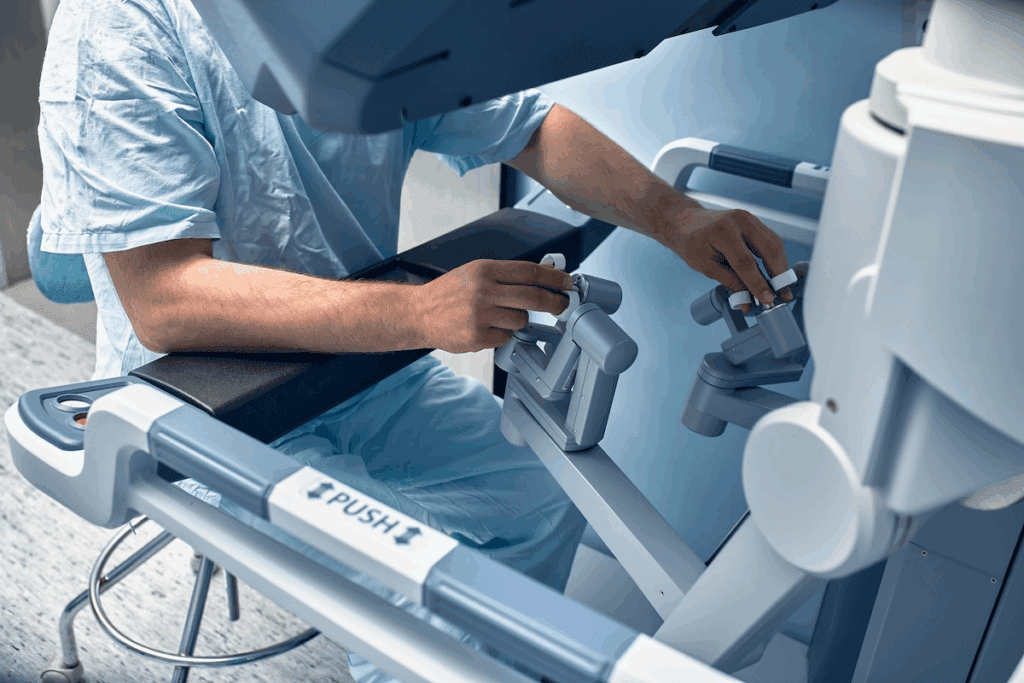
Robotic-assisted bariatric surgery uses a robotic system to help surgeons. This tech makes it easier for them to do complex surgeries. The system has a console for the surgeon, instruments for the patient, and a 3D vision system.
Key components of robotic-assisted bariatric surgery include:
- High-definition 3D visualization
- Robotic instruments with wristed movements
- Enhanced ergonomics for the surgeon
- Improved precision and dexterity
Common Robotic Bariatric Procedures
Many bariatric surgeries can be done with robotic help. These include:
| Procedure | Description | Benefits |
| Roux-en-Y Gastric Bypass | A procedure that involves creating a small stomach pouch and rerouting the small intestine. | Significant weight loss, improved comorbidity resolution |
| Sleeve Gastrectomy | A surgery that removes a large portion of the stomach, leaving a narrow “sleeve.” | Substantial weight loss, reduced hunger |
| Adjustable Gastric Banding | A procedure where an adjustable band is placed around the upper part of the stomach. | Weight loss, adjustable restriction |
A top bariatric surgeon, says, “Robotic technology has greatly improved our ability to do complex surgeries. This leads to better results for patients and shorter recovery times.”
“The use of robotic systems in bariatric surgery represents a significant step forward in our quest to provide the best possible care for our patients.” – A Bariatric Specialist
Benefits of Robotic Technology in Weight Loss Surgery

Robotic technology in bariatric surgery has many benefits. These include:
- Improved precision and accuracy
- Enhanced visualization
- Reduced blood loss and fewer complications
- Smaller incisions, leading to less scarring and quicker recovery
- Better outcomes for complex cases
Robotic-assisted bariatric surgery offers a safer and more effective way to lose weight. It meets the growing need for advanced surgical solutions.
The Cost of Robotic Bariatric Surgery
Understanding the cost of robotic bariatric surgery is key for those considering it. This advanced weight loss method can be pricey. Several factors affect the total cost.
National Average Price Ranges
In the United States, the cost for robotic bariatric surgery varies widely. Prices range from $20,000 to $35,000 on average. But, actual costs can differ based on many factors.
A study in the Journal of the American Medical Association (JAMA) showed a median cost of about $25,000. Yet, robotic procedures are often pricier than traditional ones.
“The cost of bariatric surgery can vary significantly depending on the type of procedure, the surgeon’s fees, and the location where the surgery is performed.”
— A Bariatric Surgeon
Cost Breakdown by Procedure Type
Each bariatric procedure has its own cost. Here’s a look at the average costs for common robotic surgeries:
| Procedure Type | Average Cost |
| Robotic Gastric Bypass | $25,000 – $30,000 |
| Robotic Sleeve Gastrectomy | $20,000 – $28,000 |
| Robotic Adjustable Gastric Banding | $18,000 – $25,000 |
Regional Cost Variations
Where you live greatly affects the cost of robotic bariatric surgery. Prices change a lot from one area to another. This is due to living costs, hospital fees, and surgeon charges.
For example, cities like New York or San Francisco have higher costs. This is because of their high cost of living.
It’s important for patients to look into costs in their area. They might also want to consider traveling for cheaper options.
Factors Affecting the Cost of Robotic Bariatric Surgery
It’s important for patients to know what affects the cost of robotic bariatric surgery. Several key elements play a role in the total cost. It’s vital to look at these factors closely.
Surgeon Experience and Reputation
The cost is influenced by the surgeon’s experience and reputation. Surgeons with a lot of experience and a strong reputation in robotic surgery charge more. This is because they are experts and in high demand.
Hospital or Facility Fees
Hospital or facility fees are also a big factor. These fees vary based on the facility’s reputation, location, and care level. Luxury or high-end facilities usually cost more than standard hospitals or surgical centers.
Geographic Location
The location of the surgery also affects the cost. Urban areas and regions with a high cost of living have higher prices for robotic bariatric surgery. This is compared to rural or less expensive areas.
Technology and Equipment Used
The technology and equipment used in surgery also impact the cost. The latest robotic systems and advanced tools can make the procedure more expensive. State-of-the-art equipment and maintenance costs are reflected in the total cost.
Understanding these factors helps patients make informed decisions about their care. It allows them to navigate the complexities of robotic bariatric surgery costs better.
Robotic vs. Traditional Bariatric Surgery: Cost Comparison
Robotic and traditional bariatric surgeries have different costs. Patients need to understand these differences.
Price Differential Analysis
Robotic bariatric surgery costs more than traditional methods. This is because it uses advanced technology and equipment.
Here’s a breakdown of the average costs for both surgeries:
| Surgery Type | Average Cost | Cost Range |
| Robotic Bariatric Surgery | $25,000 | $20,000 – $30,000 |
| Traditional Bariatric Surgery | $18,000 | $15,000 – $22,000 |
Long-term Cost Considerations
The initial cost of robotic surgery is higher. But, it may offer long-term savings.
Consider these long-term factors when looking at the total cost:
- Reduced hospital stay costs
- Lower risk of complications, potentially reducing post-operative care costs
- Quicker return to work, minimizing lost income
Value Proposition of Robotic Technology
The value proposition of robotic bariatric surgery is its precision. This can lead to better outcomes and a smoother recovery.
When looking at the cost, think about the overall value robotic technology offers. Consider how it impacts your surgical experience and long-term health.
Insurance Coverage for Robotic Bariatric Surgery
It’s important to know about insurance coverage for robotic bariatric surgery. The cost of the procedure can change a lot based on what your insurance covers. So, it’s key to understand what’s included and what’s not.
Medicare Coverage Policies
Medicare’s rules for robotic bariatric surgery depend on the procedure and the patient’s health. Medicare usually covers surgery for those with a BMI of 40 or more. Or for those with a BMI of 35 or more and a related health issue.
Key aspects of Medicare coverage include:
- Coverage for certain types of bariatric surgery
- Requirement for a doctor’s referral
- Necessity for the patient to meet specific health criteria
Private Insurance Requirements
Private insurance for robotic bariatric surgery can vary a lot. Some insurers might cover it under certain conditions, while others might not.
Factors influencing private insurance coverage:
- The patient’s health insurance plan specifics
- The type of bariatric procedure performed
- The patient’s medical history and current health status
Pre-authorization Process
The pre-authorization process is key to getting insurance for robotic bariatric surgery. It means getting approval from your insurance before the surgery.
Steps in the pre-authorization process:
- Submission of required documentation to the insurer
- Review of the patient’s medical records and history
- Determination of coverage based on the insurance policy
Documentation Needed for Coverage
To get insurance, you need to provide a lot of information. This includes your medical records, test results, and a letter from your surgeon explaining why you need the surgery.
| Documentation Type | Description | Importance Level |
| Medical Records | Detailed history of the patient’s health | High |
| Test Results | Laboratory and diagnostic test outcomes | High |
| Surgeon’s Letter | Explanation of the procedure’s necessity | High |
| Insurance Forms | Completed forms required by the insurer | High |
Out-of-Pocket Expenses to Anticipate
The cost of robotic bariatric surgery is more than just the procedure fee. There are several other expenses to consider. Knowing these costs helps patients plan their finances better.
Deductibles and Copayments
Deductibles and copayments are big out-of-pocket costs. These are fees patients pay before insurance kicks in. The amount varies based on the insurance and policy.
Non-covered Services
Some services for robotic bariatric surgery aren’t covered by insurance. This includes pre-operative nutritional counseling and post-operative care. It’s important to check with insurance to know what’s covered.
Additional Medical Supplies
After surgery, patients might need to buy extra medical supplies. This includes compression garments and nutritional supplements. These costs should be included in the overall surgery budget.
Preoperative Assessment Costs
To make sure robotic bariatric surgery is safe and successful, patients must go through detailed preoperative checks. These include medical, psychological, and nutritional evaluations. These steps are key to checking a patient’s health and if they’re ready for surgery.
Required Medical Evaluations
Medical checks are a big part of preoperative assessments. They might include blood tests, imaging studies, and other tests to look at the patient’s physical health.
- Blood tests to check for underlying conditions
- Imaging studies such as X-rays or ultrasounds
- Electrocardiogram (ECG) to assess heart health
Psychological Assessments
Psychological checks are also very important. They help see if a patient is mentally ready for surgery and the lifestyle changes that come with it.
- Interviews with a psychologist or psychiatrist
- Questionnaires to assess mental health and coping mechanisms
Nutritional Counseling Expenses
Nutritional counseling is also a key part of preoperative assessments. It helps patients learn about the diet changes they’ll need after surgery.
- Initial consultations with a nutritionist
- Follow-up sessions to monitor progress
The costs for these preoperative assessments can change a lot. This depends on where you are, who your healthcare provider is, and your insurance. Here’s a quick look at what these costs might be.
| Assessment Type | Estimated Cost Range |
| Medical Evaluations | $500 – $1,500 |
| Psychological Assessments | $200 – $800 |
| Nutritional Counseling | $100 – $500 |
| Total Estimated Cost | $800 – $2,800 |
Knowing these costs is key for patients to financially prepare for robotic bariatric surgery. It’s also smart to talk to your insurance about what they cover for these assessments.
Postoperative Care and Follow-up Expenses
The journey to a healthier weight doesn’t end with robotic bariatric surgery; understanding postoperative costs is key. After the surgery, patients face various expenses for recovery and long-term follow-up.
Immediate Recovery Costs
Immediate recovery costs include expenses right after surgery. This includes hospital stay costs, if needed, and medications or medical supplies for home use.
Patients should also expect costs for follow-up appointments and any complications during the initial recovery.
Long-term Follow-up Visits
Long-term follow-up visits are key for monitoring progress and addressing concerns after robotic bariatric surgery. These visits involve regular check-ups with the surgeon or healthcare provider.
The visits’ frequency may vary, but they are usually recommended at 3 months, 6 months, and 1 year post-surgery, and annually after that.
Nutritional Supplements
Nutritional supplements are often needed after bariatric surgery to ensure patients get enough vitamins and minerals. The cost of these supplements can vary based on type and brand.
Common supplements include multivitamins, calcium, vitamin D, and vitamin B12. Patients should talk to their healthcare provider to find the right supplements for their needs.
Potential Revision Procedures
In some cases, patients may need revision procedures to address complications or unsatisfactory weight loss. The cost of these procedures can be high and should be considered when looking at the total cost of robotic bariatric surgery.
The cost of revision procedures depends on the complexity of the procedure, the surgeon’s fees, and any additional hospital or facility costs.
Geographic Cost Variations Across the United States
Robotic bariatric surgery costs change a lot in different parts of the US. It’s important for patients to know these differences. The cost of living, hospital fees, and what the surgeon charges can vary a lot.
The place you are in affects how much the surgery costs. Places with a higher cost of living have more expensive medical costs, including robotic bariatric surgery.
High-Cost Regions
Big cities like New York City, Los Angeles, and San Francisco have high costs for robotic bariatric surgery. These areas have higher hospital fees and what surgeons charge, making the surgery more expensive.
- New York City: Known for high hospital fees and specialist charges.
- Los Angeles: High cost of living and medical expenses.
- San Francisco: Elevated hospital and surgeon fees.
Affordable Areas for Surgery
But, some places offer cheaper options for robotic bariatric surgery without losing quality. These are some cities in the Midwest and Southern US.
| Region | Average Cost |
| Midwest | $15,000 – $20,000 |
| Southern US | $12,000 – $18,000 |
Medical Tourism Within the US
Some people travel within the US for cheaper robotic bariatric surgery. This is because they can save a lot of money.
It’s key for patients to think about travel costs and after-care when looking at the total cost of surgery in another place.
Financing Options for Robotic Bariatric Surgery
Many people face a big financial challenge when it comes to robotic bariatric surgery. It’s important to know about the different financing options. This can make the surgery more affordable.
Medical Loans
Medical loans are a popular choice for financing robotic bariatric surgery. You can get them from banks and other lenders. They usually have flexible payment plans. It’s key to compare rates and terms to find the best one.
Healthcare Credit Cards
Healthcare credit cards are another option for medical bills. They offer immediate help and sometimes have special interest-free periods. But, it’s important to know the terms after the special period to avoid surprises.
Hospital Payment Plans
Hospitals often have payment plans for robotic bariatric surgery. These plans can be adjusted to fit your budget. Talking to the hospital’s financial team can help you understand your options.
Health Savings Accounts (HSAs) and Flexible Spending Accounts (FSAs)
If you have an HSA or FSA, you can use them for eligible surgery costs. Knowing the rules and what’s covered is important to get the most from these accounts.
Looking into these financing options can help manage the cost of robotic bariatric surgery. This makes it a more realistic choice for those looking to lose weight.
Patient Financial Assistance Programs
Financial worries shouldn’t stop you from getting robotic bariatric surgery. Many programs are here to help. They make the surgery more affordable for those in need.
Hospital Charity Care
Hospitals have charity care programs for those who can’t afford surgery. These programs check your income and financial situation.
- Eligibility is based on a financial assessment.
- Some hospitals offer fees that change based on your income.
- Ask about these programs when you first visit.
Manufacturer Assistance Programs
Some makers of robotic surgery systems help patients too. They offer discounts or subsidies for their technology.
Key aspects include:
- Direct financial help for patients.
- Discounts for using specific robotic technology.
- Loans from financial partners for medical needs.
Non-profit Organizations
Non-profit groups also help with bariatric surgery costs. They give grants or other forms of aid.
Examples include:
- Groups focused on obesity and weight loss.
- Charitable foundations that help with medical costs.
- Support groups with resources and funding options.
Cost-Effectiveness and Long-Term Financial Benefits
Robotic bariatric surgery offers many long-term financial benefits. The initial cost might be higher than traditional methods. But, the advantages of robotic surgery lead to significant savings and better financial outcomes for patients.
Reduction in Obesity-Related Healthcare Costs
One key benefit of robotic bariatric surgery is lower healthcare costs over time. Patients lose a lot of weight, which means they need less medication for conditions like diabetes and high blood pressure. A study in the Journal of the American Medical Association showed that patients save a lot on healthcare costs five years after surgery.
| Healthcare Cost Category | Pre-Surgery Annual Cost | Post-Surgery Annual Cost | Percentage Reduction |
| Medication Expenses | $5,000 | $1,500 | 70% |
| Doctor Visits and Hospitalizations | $3,000 | $800 | 73% |
| Total Healthcare Costs | $8,000 | $2,300 | 71% |
Improved Productivity and Income
Robotic bariatric surgery also boosts productivity and income. Patients feel more energetic and mobile, leading to better work performance. A study in the International Journal of Obesity found that surgery greatly improved patients’ work productivity and overall life quality.
Return on Investment Analysis
Looking at the cost-effectiveness of robotic bariatric surgery, we must consider the return on investment (ROI). By comparing the initial costs to long-term savings, patients can see the value of their investment. An ROI analysis should include healthcare cost savings, increased income, and better quality of life.
- Initial Costs: Surgical fees, hospital charges, and preoperative expenses.
- Long-term Savings: Reduced healthcare costs, decreased medication expenses, and increased income.
- Intangible Benefits: Improved quality of life, enhanced mobility, and overall well-being.
By examining these factors, patients can make informed decisions about the cost-effectiveness of robotic bariatric surgery. It offers long-term financial benefits.
Future Trends in Robotic Bariatric Surgery Pricing
The future of robotic bariatric surgery pricing will be influenced by technology, market competition, and healthcare policy. These factors are key for patients, healthcare providers, and payers to understand.
Technological Advancements and Cost Implications
Technological progress in robotic bariatric surgery will impact pricing. Improved robotic systems and enhanced imaging technologies could make procedures more efficient and effective. This might lower costs over time.
A study by Smith et al. showed that advanced robotic systems can reduce hospital stays and complications. This can help lower the costs of robotic bariatric surgery.
As technology advances, we’ll see more precise and flexible robotic systems. According to
“The future of robotic surgery lies in its ability to integrate artificial intelligence, machine learning, and advanced imaging techniques to improve patient outcomes.”
– A leading expert in robotic surgery. These advancements might raise initial costs but could save money in the long run through better patient outcomes and shorter recovery times.
Competitive Market Forces
The competitive landscape of robotic bariatric surgery also affects pricing. As more providers use robotic technology, costs are likely to decrease. A report by Market Research Future predicts a more competitive market due to increased robotic system adoption. This could lead to lower prices for patients.
- Increased competition among healthcare providers
- Entry of new players in the robotic surgery market
- Potential for cost reductions through economies of scale
Healthcare Policy Changes
Healthcare policy changes will also shape robotic bariatric surgery pricing. Reforms aimed at improving healthcare affordability and accessibility could affect reimbursement rates. For instance, policies favoring cost-effective treatments might influence robotic bariatric surgery pricing.
As the healthcare landscape evolves, it’s vital for stakeholders to keep up with policy changes. Understanding these trends helps patients and healthcare providers make better decisions about care.
Conclusion
Robotic bariatric surgery is a big step towards better health. It comes with different costs based on several factors. Knowing these factors is key to making smart choices.
The price of robotic weight loss surgery changes a lot. It depends on the surgeon’s skill, hospital costs, and where you live. A detailed look shows that even though it costs more upfront, it can save money in the long run.
Thinking about robotic bariatric surgery? It’s important to look at both the costs and the benefits. Benefits include better results and quicker recovery. The value of robotic tech and its effect on healthcare costs should also be considered.
Understanding the costs of robotic bariatric surgery helps people make better choices. It’s about more than just the price. It’s about improving your health and life.
FAQ
What is the average cost of robotic bariatric surgery?
Robotic bariatric surgery costs between $20,000 and $30,000. This price varies based on location, surgeon fees, and hospital charges.
How does the cost of robotic bariatric surgery compare to traditional bariatric surgery?
Robotic surgery is pricier, costing $5,000 to $10,000 more than traditional methods.
What factors affect the cost of robotic bariatric surgery?
Several factors influence the cost. These include the surgeon’s experience, hospital fees, location, and the technology used.
Does insurance cover robotic bariatric surgery?
Insurance coverage varies. Medicare and some private plans might cover it. But, you’ll need pre-authorization and to provide documentation.
What are the out-of-pocket expenses for robotic bariatric surgery?
You might face deductibles, copayments, and costs for non-covered services. You’ll also need to pay for medical supplies.
Are there financing options available for robotic bariatric surgery?
Yes, there are financing options. These include medical loans, healthcare credit cards, and hospital payment plans. You can also use Health Savings Accounts (HSAs) and Flexible Spending Accounts (FSAs).
What are the costs associated with preoperative assessments for robotic bariatric surgery?
Pre-surgery costs include medical evaluations, psychological assessments, and nutritional counseling. These are necessary before the surgery.
What are the costs associated with postoperative care and follow-up for robotic bariatric surgery?
Post-surgery, you’ll face costs for immediate recovery and long-term visits. You might also need nutritional supplements and could require revision procedures.
How do geographic cost variations affect the cost of robotic bariatric surgery?
Costs can vary greatly by location. Prices can differ by as much as $10,000 between high-cost and affordable areas.
Are there patient financial assistance programs available for robotic bariatric surgery?
Yes, there are programs to help with costs. These include hospital charity care, manufacturer assistance, and aid from non-profit organizations.
References
- Affolter, J., & Huynh, M. (2025). Costs of robotic and laparoscopic bariatric surgery: A systematic review and meta-analysis. Surgical Endoscopy. https://pubmed.ncbi.nlm.nih.gov/40259090/