

Recent studies have found a possible link between COVID-19 and psoriatic arthritis. The exact reason for this connection is still being studied. This COVID psoriatic arthritis connection is believed to involve an immune response along with the release of pro-inflammatory cytokines.
As researchers look into the link between COVID-19 and psoriatic arthritis, it’s key to understand the causes and effects. It seems the immune system’s reaction to COVID-19 might trigger or make psoriatic arthritis worse in some people.
Key Takeaways
- The link between COVID-19 and psoriatic arthritis is being researched.
- The immune response to COVID-19 may trigger or worsen psoriatic arthritis.
- Understanding this connection is key to managing the condition.
- More studies are needed to fully understand the relationship.
- The role of pro-inflammatory cytokines in this context is significant.
Understanding Psoriatic Arthritis: Causes and Symptoms
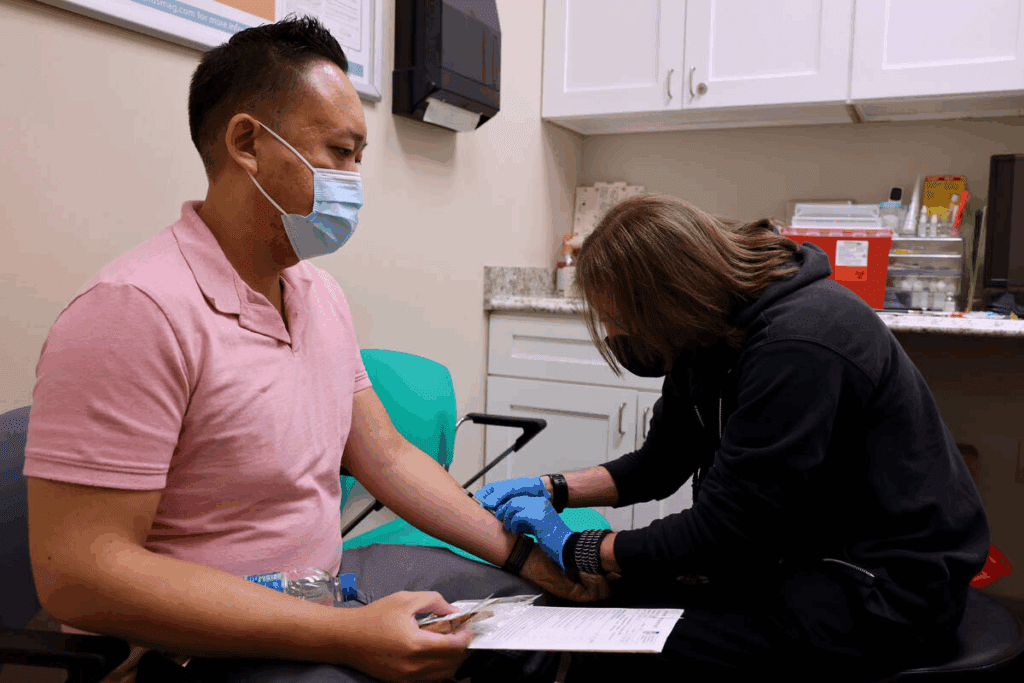
Recent studies have shown how psoriatic arthritis is linked to different triggers. Psoriatic arthritis is a chronic condition that impacts both the joints and skin, resulting in pain and potential disability.
What is Psoriatic Arthritis?
Definition and Classification
Psoriatic arthritis is a unique condition that combines arthritis and psoriasis. It is classified as a seronegative spondyloarthropathy, meaning it doesn’t have rheumatoid factor.
Prevalence and Demographics
About 0.3% to 1% of people have psoriatic arthritis. It can start at any age, but most often between 30 and 50 years old.
Common Symptoms and Manifestations
Joint-Related Symptoms
People with psoriatic arthritis often feel joint pain, stiffness, and swelling. These symptoms can be mild or severe. The hands, feet, and lower back are usually affected.
Skin Manifestations
The skin symptoms include psoriatic plaques, which are red and scaly. These can appear before or after the arthritis starts.
Traditional Risk Factors
Genetic Predisposition
A big risk factor is genetic predisposition. If your family has psoriasis or psoriatic arthritis, you’re more likely to get it.
Environmental Triggers
Environmental triggers like infections and physical trauma can also start psoriatic arthritis in some people.
Experts say, “Genetic and environmental factors work together to cause psoriatic arthritis.”
“Having certain genetic markers can greatly increase your risk of getting psoriatic arthritis, even with environmental triggers.”
COVID-19 and Its Impact on the Immune System
It’s important to understand how COVID-19 affects our immune system. This knowledge helps us grasp its impact on our health. The virus causes a complex immune response, leading to different outcomes, from mild symptoms to severe illness.
How SARS-CoV-2 Affects the Body
The SARS-CoV-2 virus enters our bodies in specific ways, mainly via the ACE2 receptor. Inside, it can affect many parts of our body.
Viral Entry Mechanisms
The virus uses its spike protein to attach to the ACE2 receptor on host cells. This attachment is key to starting the infection.
Systemic Effects
Once inside, SARS-CoV-2 can cause widespread problems. It can lead to respiratory issues, heart problems, and stomach symptoms. The virus’s ability to trigger a cytokine storm causes inflammation all over the body.
COVID-19’s Inflammatory Response
The immune response to COVID-19 starts with inflammation. Sometimes, this inflammation can get out of control, leading to a cytokine storm.
Cytokine Storm
A cytokine storm is a dangerous condition caused by an overactive immune response. It results in too many cytokines, causing inflammation and damage to tissues.
Chronic Inflammation Pathways
In some cases, COVID-19’s inflammation can turn chronic. This ongoing inflammation can lead to long-term health issues, like psoriatic arthritis.
Long-term Immune Effects of COVID-19
COVID-19 can have lasting effects on our immune system. It can lead to immune dysregulation and persistent inflammation.
Immune Dysregulation
COVID-19 can cause an imbalance in our immune response. This imbalance can lead to autoimmune diseases.
Persistent Inflammatory Markers
Some people may have ongoing inflammation even after recovering from COVID-19. These markers show that inflammation is ongoing, which can lead to health problems.
The Possible Link Between COVID Psoriatic Arthritis: Current Research

The COVID-19 pandemic has led to a surge in research on its connection to autoimmune diseases like psoriatic arthritis. Studies are uncovering a possible link between COVID-19 and the worsening of psoriatic arthritis.
Case Studies and Observations
Many case studies and observations have found a link between COVID-19 and psoriatic arthritis. These findings highlight the need for more research into how COVID-19 might trigger psoriatic arthritis symptoms.
Post-COVID Arthritis Reports
Reports have shown that some people develop arthritis after catching COVID-19. This suggests that COVID-19 might trigger or make psoriatic arthritis worse in some individuals.
Temporal Relationships
It’s important to understand when psoriatic arthritis starts after COVID-19. Research shows that psoriatic arthritis can start after COVID-19, but the exact timing and how it happens are not clear.
Scientific Evidence Supporting the Connection
More evidence is coming out that links COVID-19 to psoriatic arthritis. Immunological mechanisms, like molecular mimicry, might play a role in how COVID-19 leads to psoriatic arthritis.
Immunological Mechanisms
Studies suggest that COVID-19 can trigger autoimmune responses. This happens through mechanisms like molecular mimicry, where the immune system attacks the body’s own tissues by mistake.
Clinical Trial Data
Clinical trials have given us insights into the link between COVID-19 and psoriatic arthritis. These studies look at how COVID-19 affects the immune system and can trigger autoimmune diseases.
| Study | Findings |
| Study 1 | Reported cases of psoriatic arthritis after COVID-19 infection |
| Study 2 | Found a correlation between COVID-19 severity and psoriatic arthritis risk |
| Study 3 | Investigated immunological mechanisms underlying the link |
Contradictory Findings
Some studies support the link between COVID-19 and psoriatic arthritis, but others don’t. We need to consider other explanations and the limitations of the research.
Alternative Explanations
Some studies suggest that the link between COVID-19 and psoriatic arthritis might be due to other factors. These could include pre-existing conditions or genetic predisposition.
Research Limitations
The current research has its limitations, like small sample sizes and varied study designs. More research is needed to fully understand the relationship between COVID-19 and psoriatic arthritis.
In conclusion, research on the link between COVID-19 and psoriatic arthritis is ongoing. While some studies support the connection, others have found different results. More investigation is needed to clarify the relationship between COVID-19 and psoriatic arthritis.
Autoimmune Responses After COVID-19 Infection
COVID-19 and autoimmune responses are linked in a complex way. Autoimmune responses happen when the immune system attacks the body’s own cells and tissues.
How Viral Infections Trigger Autoimmunity
Viral infections, like COVID-19, can start autoimmunity. This happens through molecular mimicry. The immune system mistakenly attacks the body’s proteins because of this.
Molecular Mechanisms
Autoimmunity starts with immune cells like T-cells and B-cells attacking the body. Molecular mimicry is key. It happens when viral proteins look like host proteins, causing cross-reactivity.
Historical Precedents
Viral infections have been linked to autoimmune diseases before. For example, Coxsackievirus B is connected to type 1 diabetes. This shows viruses can trigger autoimmunity.
COVID-19 as an Autoimmune Trigger
COVID-19 has been linked to autoimmune conditions like psoriatic arthritis. The severity and length of COVID-19 can affect the risk of autoimmunity.
Observed Autoimmune Conditions Post-COVID
After COVID-19, some people develop autoimmune diseases. These include rheumatoid arthritis and lupus. This indicates that COVID-19 may trigger autoimmune responses in certain individuals.
Immunological Evidence
Studies support the link between COVID-19 and autoimmunity. Autoantibodies and autoreactive immune cells are signs of this connection.
Molecular Mimicry and Cross-Reactivity
Molecular mimicry and cross-reactivity explain how COVID-19 can cause autoimmunity. When SARS-CoV-2 proteins share epitopes with host proteins, the immune system attacks the body.
Shared Epitopes
Finding shared epitopes between viruses and host proteins is key. Research has found several epitopes that may lead to autoimmunity.
T-Cell and B-Cell Responses
T-cells and B-cells are important in autoimmunity after COVID-19. Their activation can lead to autoantibodies and the targeting of host tissues.
| Autoimmune Condition | Post-COVID-19 Incidence | Immunological Evidence |
| Psoriatic Arthritis | Increased | Presence of autoantibodies |
| Rheumatoid Arthritis | Reported | Activation of autoreactive T-cells |
| Lupus | Observed | Production of autoantibodies |
Distinguishing Between Post-COVID Joint Pain and Psoriatic Arthritis
It’s important to tell apart post-COVID joint pain and psoriatic arthritis symptoms. Post-COVID joint pain might be short-term, but it could also hint at a chronic condition like psoriatic arthritis.
Temporary vs. Chronic Joint Symptoms
Knowing if joint pain is short-term or long-term is key. Short-term pain usually goes away in a few weeks. But long-term pain keeps coming back and can get worse.
Duration and Progression
How long joint pain lasts can tell us a lot. Long-term joint pain often needs a doctor’s care to avoid lasting harm.
Symptom Patterns
Looking at how symptoms show up can help tell them apart. Psoriatic arthritis often comes with skin problems, too.
Diagnostic Challenges
Diagnosing can be tough because symptoms can look the same. Finding the right biomarkers is key to a correct diagnosis.
Overlapping Symptoms
Both conditions have joint pain and swelling. This makes it hard to tell them apart.
Biomarker Considerations
Tests like rheumatoid factor and anti-CCP antibodies help spot psoriatic arthritis.
When to Seek Medical Attention
It’s vital to know when to see a doctor right away.
Red Flag Symptoms
Severe pain, swelling, and redness are signs to see a doctor fast.
Appropriate Specialist Referrals
If you think you might have psoriatic arthritis, see a rheumatologist. They can help figure it out and manage it.
Risk Factors That May Increase Susceptibility
Psoriatic arthritis after COVID-19 is complex. It’s influenced by genetics, environment, and health.
Genetic Predisposition
Genetics plays a big role in getting psoriatic arthritis. Certain genes make it more likely.
HLA Associations
Some HLA alleles, like HLA-B27 and HLA-Cw6, raise the risk. They’re linked to psoriatic arthritis.
Family History Implications
Having a family history of psoriatic arthritis or autoimmune diseases increases risk. It shows a hereditary link.
Pre-existing Conditions
Health conditions before COVID-19 can affect psoriatic arthritis risk.
Psoriasis and Other Autoimmune Disorders
People with psoriasis or other autoimmune diseases are at higher risk. Their immune systems are weaker.
Metabolic Factors
Metabolic syndrome and obesity raise the risk of psoriatic arthritis. They cause chronic inflammation.
COVID-19 Severity and Arthritis Risk
COVID-19 severity can impact psoriatic arthritis risk.
Correlation with Disease Severity
Those with severe COVID-19 symptoms may face a higher risk. Studies back this up.
Long COVID Connection
“Long COVID” symptoms may also raise the risk of psoriatic arthritis. This is a new area of study.
| Risk Factor | Description | Impact on Psoriatic Arthritis Risk |
| Genetic Predisposition | Presence of specific genetic markers | Increased risk due to hereditary factors |
| Pre-existing Psoriasis | Existing psoriasis condition | Higher risk due to a compromised immune system |
| COVID-19 Severity | Severity of COVID-19 symptoms | Potential increase in risk with more severe symptoms |
Diagnosing Psoriatic Arthritis Following COVID-19
COVID-19 has made diagnosing psoriatic arthritis more complex. A detailed approach is needed. This includes a thorough clinical evaluation, looking at physical signs and patient history.
Clinical Evaluation Process
The clinical evaluation is key in diagnosing psoriatic arthritis. It involves a detailed physical exam and a deep dive into the patient’s history.
Physical Examination Findings
A physical exam can show signs like joint swelling and tenderness. These signs help gauge the severity of psoriatic arthritis.
Patient History Considerations
Looking at the patient’s history is also important. It helps identify past episodes of arthritis and skin psoriasis.
Laboratory and Imaging Tests
Lab and imaging tests offer more insight. They include blood tests, X-rays, MRI, and ultrasound.
Blood Tests and Biomarkers
Blood tests can spot biomarkers for inflammation and autoimmune responses. Common ones are rheumatoid factor and C-reactive protein.
X-rays, MRI, and Ultrasound Findings
Imaging tests like X-rays, MRI, and ultrasound show joint damage and inflammation. These findings are key to confirming psoriatic arthritis.
| Test | Findings |
| X-ray | Joint damage, bone erosion |
| MRI | Soft tissue inflammation, joint damage |
| Ultrasound | Synovial inflammation, joint effusion |
Differential Diagnosis Considerations
Distinguishing psoriatic arthritis from other arthritis types is vital. Other post-viral arthritides and rheumatoid arthritis need to be considered.
Treatment Approaches for Post-COVID Psoriatic Arthritis
Managing post-COVID psoriatic arthritis needs a mix of old and new treatments. It’s important to consider the patient’s health, how bad their symptoms are, and their medical history.
Conventional Treatments
Old treatments for psoriatic arthritis aim to lessen symptoms and slow the disease.
NSAIDs and Pain Management
Nonsteroidal anti-inflammatory drugs (NSAIDs) help with pain and swelling. Ibuprofen and naproxen are examples.
Disease-Modifying Antirheumatic Drugs (DMARDs)
DMARDs, like methotrexate and sulfasalazine, slow the disease and protect joints.
Emerging Therapies
New treatments offer hope for managing psoriatic arthritis.
Biologics and Targeted Treatments
Biologic agents, such as tumor necrosis factor (TNF) inhibitors, target inflammation. They help many patients find relief.
Clinical Trials and Research
New clinical trials are looking into novel biologics and small-molecule inhibitors. These could be future options.
Lifestyle Modifications
Changing your lifestyle is key to managing psoriatic arthritis. It works alongside medical treatments.
Exercise and Physical Therapy
Exercise and physical therapy keep joints moving and reduce stiffness. Yoga and swimming are good choices.
Dietary Considerations
Eating a balanced diet with omega-3 fatty acids and antioxidants can fight inflammation. Also, avoid foods that trigger your symptoms.
| Treatment Approach | Description | Examples |
| NSAIDs | Reduce pain and inflammation | Ibuprofen, Naproxen |
| DMARDs | Slow disease progression | Methotrexate, Sulfasalazine |
| Biologics | Target specific inflammatory molecules | TNF inhibitors |
Preventive Strategies and Management
As we move past COVID-19, it’s key to know how to prevent psoriatic arthritis. This is more important than ever.
COVID-19 Vaccination Considerations
Getting vaccinated against COVID-19 is a big step in avoiding severe cases. This could lower the chance of getting psoriatic arthritis. Vaccination benefits for at-risk individuals are huge, as they face higher risks.
Vaccination Benefits for At-Risk Individuals
People with autoimmune diseases should get vaccinated. It can make COVID-19 less severe. This might also lower the risk of autoimmune reactions.
Potential Immune Responses
COVID-19 vaccines are mostly safe but can cause immune reactions. It’s important to watch for these, mainly in those prone to autoimmune diseases.
Reducing Inflammation Risk
Lowering inflammation is key to stopping psoriatic arthritis after COVID-19. This can be done through anti-inflammatory lifestyle choices and stress management techniques.
Anti-Inflammatory Lifestyle Choices
Eating foods rich in omega-3, antioxidants, and fiber can fight inflammation. Exercise regularly, too.
Stress Management Techniques
Stress makes inflammation worse. Using meditation, yoga, and deep breathing can help control stress.
Long-term Monitoring Recommendations
Keeping an eye on health long-term is vital for those at risk of psoriatic arthritis after COVID-19. This means follow-up schedules with doctors and self-monitoring strategies.
Follow-up Schedule
Regular visits to healthcare providers can catch psoriatic arthritis early. This makes managing symptoms easier.
Self-Monitoring Strategies
Knowing your body’s signs, like joint pain or tiredness, and telling your doctor is important. It helps in quick action.
Conclusion: The Evolving Understanding of COVID-19 and Arthritis
This connection is believed to involve an immune response along with the release of pro-inflammatory cytokines.
As we learn more about this connection, it’s clear we need more research. The immune system’s reaction to COVID-19 and its long-term effects are key areas to explore. Scientists are working hard to understand how COVID-19 and psoriatic arthritis interact.
It’s important to spread the word about this possible link. This knowledge helps doctors diagnose and treat psoriatic arthritis in COVID-19 patients early. By grasping the relationship between COVID-19 and arthritis, healthcare teams can offer better care. This leads to better treatment results for patients.
FAQ
What is the connection between COVID-19 and psoriatic arthritis?
Studies show COVID-19 might trigger or make psoriatic arthritis worse in some people. This could be because of the virus’s inflammatory effects and how it messes with the immune system.
Can COVID-19 cause psoriatic arthritis?
There’s no solid proof that COVID-19 directly causes psoriatic arthritis. But it might make the condition worse or start it in people who are more likely to get it.
What are the symptoms of psoriatic arthritis after COVID-19?
After COVID-19, symptoms of psoriatic arthritis can include joint pain, stiffness, and swelling. Skin symptoms like redness and scaly patches can also occur.
How is psoriatic arthritis diagnosed after COVID-19?
Doctors diagnose psoriatic arthritis after COVID-19 by doing a physical check-up, lab tests, and imaging studies. These help see if there’s joint damage and inflammation.
What are the risk factors for developing psoriatic arthritis after COVID-19?
Risk factors for getting psoriatic arthritis after COVID-19 include having a family history of it, already having psoriasis, and how severe COVID-19 was.
Can COVID-19 vaccination trigger psoriatic arthritis?
There’s not much evidence that COVID-19 vaccines cause psoriatic arthritis. But getting vaccinated can help prevent severe COVID-19, which is more important.
How is post-COVID psoriatic arthritis treated?
Treating post-COVID psoriatic arthritis includes using NSAIDs and DMARDs, new biologic treatments, and making lifestyle changes. These help manage symptoms and reduce inflammation.
Can psoriatic arthritis be prevented after COVID-19?
Preventing psoriatic arthritis after COVID-19 is not guaranteed. But making lifestyle choices and managing stress can help lower the risk.
What is the role of long-term monitoring in post-COVID psoriatic arthritis?
Keeping an eye on the condition over time is key. It helps track how the disease is progressing, adjust treatments, and manage symptoms in people with post-COVID psoriatic arthritis.
Are there any emerging therapies for post-COVID psoriatic arthritis?
Yes, new treatments like biologics and targeted therapies are being researched. They aim to improve outcomes for those with post-COVID psoriatic arthritis.
How does COVID-19 affect the immune system, and what are the implications for psoriatic arthritis?
COVID-19 can disrupt the immune system. This might lead to or worsen psoriatic arthritis in people who are more likely to get it.
What is the significance of molecular mimicry and cross-reactivity in COVID-19 and psoriatic arthritis?
Molecular mimicry and cross-reactivity might trigger autoimmune responses. This includes psoriatic arthritis in response to COVID-19 infection.
References
- Yao, R. (2024). Impact of coronavirus disease 2019 on psoriatic arthritis: A systematic review. Frontiers in Immunology. Retrieved from https://pmc.ncbi.nlm.nih.gov/articles/PMC9128051/