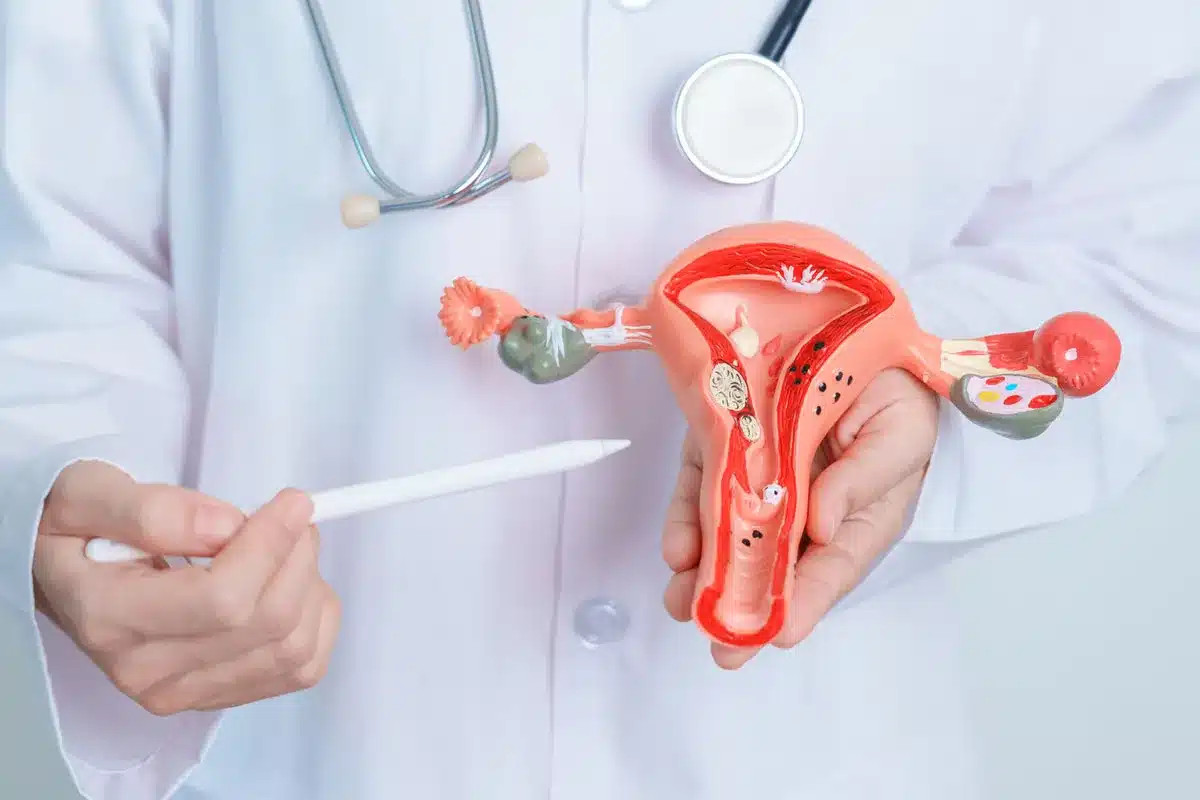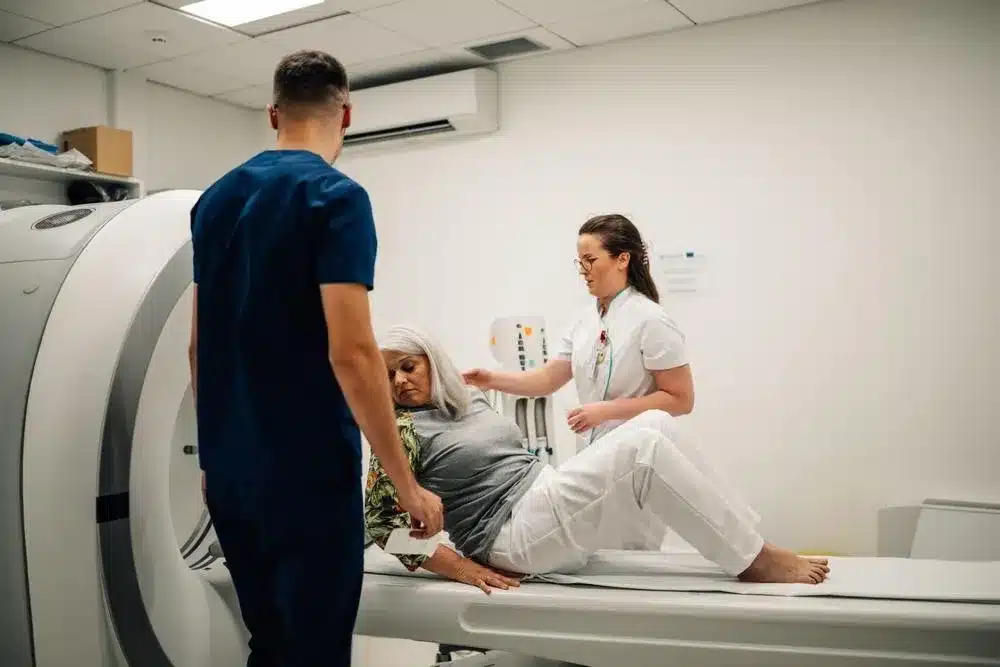
PET scans are key in today’s medical world. They use radiopharmaceuticals like Fluorodeoxyglucose F-18 FDG (A9552). It’s important to bill these tests correctly for both health care and payment.
Recent data shows A9552 is often billed with PET scans from the skull base to mid-thigh. This is covered by CPT code 78815. Knowing how CPT 78815 and A9552 relate is key for better payments and following payer rules.
To learn more about billing for radiopharmaceuticals, check out the manual.
Key Takeaways
- PET scans use radiopharmaceuticals like A9552 for diagnostic purposes.
- CPT code 78815 represents PET scans from the skull base to mid-thigh.
- A9552 is frequently included in billing for CPT code 78815 procedures.
- Correct billing practices are essential for optimal reimbursement.
- Payer guidelines and transparency data play a critical role in radiopharmaceutical billing.
The Fundamentals of Medical Coding in Nuclear Medicine
Medical coding is key for accurate billing in nuclear medicine. It helps providers tell payers what services they’ve given. In nuclear medicine, it mixes procedural and supply coding.
Medical coding in nuclear medicine uses two main systems: CPT and HCPCS codes. CPT codes describe medical procedures, like PET scans. HCPCS codes are for supplies and equipment, like A9552 radiopharmaceuticals.
The Purpose of CPT and HCPCS Codes
CPT codes, from the American Medical Association, give a standard way to talk about medical services. In nuclear medicine, they’re used for billing procedures like PET/CT scans. HCPCS codes, kept by CMS, are for supplies and equipment, like radiopharmaceuticals.
- CPT codes describe procedures and services.
- HCPCS codes cover supplies, equipment, and non-physician services.
How Procedural and Supply Codes Work Together
In nuclear medicine, procedural and supply codes work together for billing. For instance, a PET/CT scan gets a CPT code (e.g., 78815). The radiopharmaceutical, like Fluorodeoxyglucose F-18, gets a HCPCS code (A9552). This system makes sure both the procedure and supplies are billed correctly.
Using CPT and HCPCS codes together is vital for accurate billing in nuclear medicine. Knowing how they work helps healthcare providers get paid for their services and supplies.
Detailed Explanation of CPT Code 78815
CPT code 78815 is for a PET imaging procedure from the skull base to the mid-thigh. It’s important for healthcare providers and billing specialists to know. This is because it affects how PET scans are paid for.
Definition and Official Description
CPT code 78815 means “Positron emission tomography (PET) imaging; whole body.” It covers scans from the skull base to the mid-thigh. This makes it a key code for whole-body PET scans.
The whole-body PET scan shows metabolic activity in a big part of the body. It’s very useful in cancer care. It helps in finding cancer, seeing how treatments work, and spotting cancer coming back.
Clinical Applications and Coverage Area
CPT code 78815 is used for many conditions, mainly in oncology, neurology, and cardiology. It covers a wide area, from the skull base to mid-thigh. This lets doctors check different parts of the body in one scan.
- Oncology: Staging cancer, assessing treatment response, and detecting recurrence.
- Neurology: Evaluating neurological disorders, such as Alzheimer’s disease.
- Cardiology: Assessing myocardial viability and cardiac function.
Technical Requirements for Valid 78815 Procedures
To be valid, CPT code 78815 procedures need to meet certain technical standards. They must use the right radiopharmaceuticals, like Fluorodeoxyglucose F-18 (FDG). They also need to follow specific imaging protocols.
These standards help make sure the PET scan is accurate and reliable. This includes preparing the patient right, using the right amount of radiopharmaceutical, and using the best imaging methods.
Understanding HCPCS Code A9552: Fluorodeoxyglucose F-18 FDG
Fluorodeoxyglucose F-18 FDG, known as HCPCS code A9552, is key in diagnostic imaging. It’s mainly used in PET scans. This radiopharmaceutical helps see how the body’s cells work.
Definition and Properties of F-18 FDG
Fluorodeoxyglucose F-18 FDG is a special sugar that has a radioactive fluorine-18 atom. It’s used in PET scans to check how cells use sugar. The half-life of F-18 is about 110 minutes, making it good for medical use. It goes into cells based on how much sugar they use, helping spot active areas like tumors.
Standard Dosage Guidelines
Adults usually get 10-20 millicuries (mCi) of Fluorodeoxyglucose F-18 FDG. But, it can go up to 45 mCi for some tests. The right amount depends on the patient’s weight, the PET scan type, and what doctors want to check. It’s important to stick to guidelines for safe and effective use.
Diagnostic Applications in Medical Imaging
A9552, or Fluorodeoxyglucose F-18 FDG, is a big help in cancer care. It helps see tumors, check how well treatments work, and spot cancer coming back. It’s also used in brain and heart studies.
“The use of F-18 FDG in PET imaging has revolutionized the field of oncology, enabling precise assessment of tumor metabolism and treatment response.”
The uses of A9552 keep growing as science and tech get better.
Direct Answer: Is A9552 Included in CPT Code 78815?
To figure out if A9552 is part of 78815, we need to understand how PET imaging and the radiopharmaceutical work together.
The Essential Relationship Between Procedure and Radiopharmaceutical
CPT code 78815 is for a specific PET imaging method. A9552 is the Fluorodeoxyglucose F-18 (FDG) used in it. These two are inextricably linked; you can’t do the procedure without the radiopharmaceutical.
FDG is not just added to PET imaging; it’s a key part. It helps show how the body’s cells are working by showing where they’re most active.
Technical Necessity of FDG for PET Imaging
FDG is a vital part of PET imaging. It shows where the body’s cells are working hard, which is important for finding and tracking diseases like cancer.
PET imaging with FDG is a must-have in today’s medicine. It’s used a lot in cancer, brain, and heart studies.
Billing Evidence and Payer Expectations
Studies show A9552 is often billed with 78815. This shows payers know FDG is needed for the PET scan.
When billing, it’s important to show both the scan (78815) and the radiopharmaceutical (A9552). This follows the rules and helps get paid.
The Technical Necessity of Radiopharmaceuticals in PET Imaging
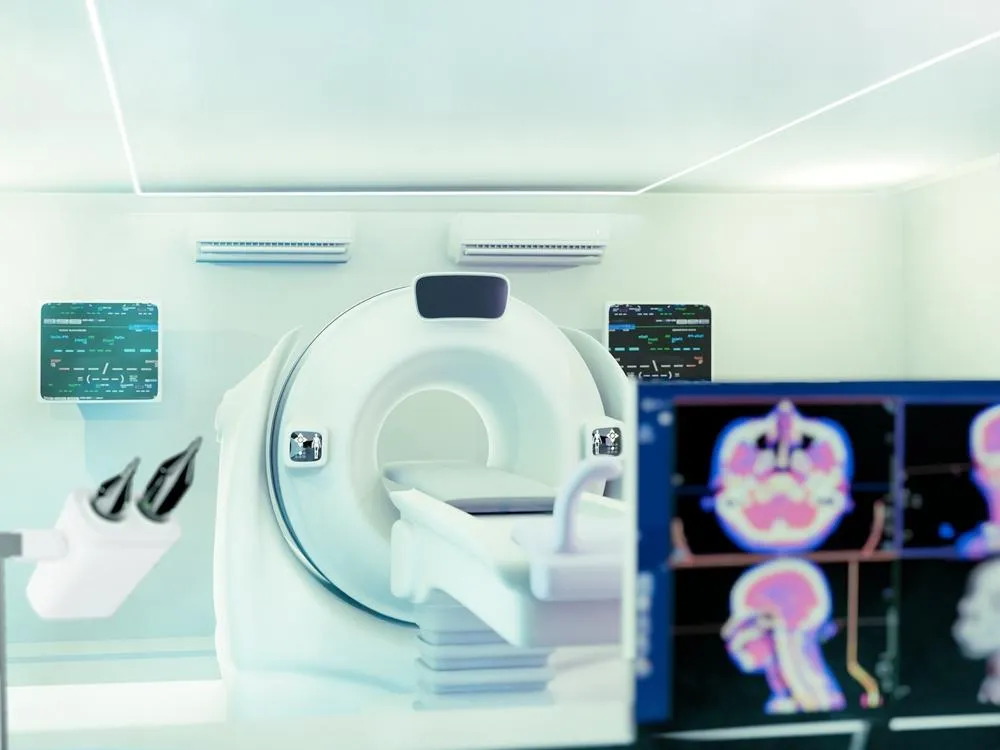
Radiopharmaceuticals are key in PET imaging, showing how the body works at a metabolic level. PET imaging is now a must-have in medicine, mainly for cancer, brain, and heart diseases.
How F-18 FDG Enables PET Visualization
F-18 FDG, or Fluorodeoxyglucose F-18, is used in PET imaging to see metabolic activity. It goes into cells based on their glucose use, helping to check tissue health. “The use of F-18 FDG in PET imaging has changed diagnostic medicine,” say nuclear medicine experts.
F-18 FDG works like glucose. Cells that use a lot of energy, like cancer cells, take up more of it. This makes them stand out in PET scans.
Why 78815 Procedures Cannot Be Performed Without A9552
CPT code 78815 is for a PET imaging procedure that uses radiopharmaceuticals like A9552 (F-18 FDG). A9552 is needed for the contrast in PET imaging. Without it, the scan can’t show the metabolic processes needed for diagnosis.
The 78815 procedure is made for using radiopharmaceuticals for diagnosis. So, it can’t be done without A9552. It’s a key part of the imaging process.
Scientific Basis for Radiopharmaceutical Use
The science behind using radiopharmaceuticals like F-18 FDG in PET imaging is about tracing metabolic paths. The radioactive part of F-18 FDG lets PET scanners detect positrons. This creates detailed images of the body’s metabolic activity.
“The application of radiopharmaceuticals in PET imaging represents a significant advancement in our ability to diagnose and manage diseases at the molecular level.”
This helps doctors get important info for treatment plans and checking therapy success.
Billing Practices for 78815 and A9552
Understanding the billing for CPT code 78815 and A9552 is key. It involves knowing how procedural and supply codes work together. Accurate billing for PET/CT procedures needs a careful approach. This approach must consider both the procedure’s technical aspects and the materials used.
Separate vs. Bundled Billing Approaches
When billing for CPT code 78815, it’s important to know if to bill A9552 separately or together. Bundled billing combines the radiopharmaceutical cost with the procedure’s cost. Separate billing treats the radiopharmaceutical as a distinct item.
The choice between these methods depends on the payer’s rules and billing guidelines. For example, some private insurers might need A9552 billed separately. They use the correct HCPCS code for this.
Line Item Documentation Requirements
Good documentation is essential for billing 78815 and A9552. The documentation must list the dosage, administration date and time, and the procedure done. This info is key to proving the procedure’s medical need and following payer rules.
Common Billing Scenarios and Solutions
Billing for 78815 and A9552 can face challenges like denials for missing or wrong information. Common issues include:
- Denials for not enough documentation of radiopharmaceutical use.
- Payment problems because of wrong or mismatched coding.
To solve these problems, healthcare providers need to document well and keep up with coding and payer rules.
|
Billing Scenario |
Common Issue |
Solution |
|---|---|---|
|
Separate billing for A9552 |
Denials due to lack of documentation |
Ensure detailed records of radiopharmaceutical administration |
|
Bundled billing for 78815 |
Reimbursement issues due to incorrect coding |
Verify coding accuracy and compliance with payer policies |
By grasping the billing details for 78815 and A9552, healthcare providers can improve their billing. This helps avoid errors and get better reimbursement.
National Reimbursement Landscape for A9552
Knowing the national reimbursement rates for A9552 is key for healthcare providers. It helps them deal with the complex billing for PET/CT procedures.
Average Reimbursement Rates
The average reimbursement for A9552, which is Fluorodeoxyglucose F-18 (FDG), is between $350 and $672 per dose. This range changes based on where you are, the type of facility, and the payer’s rules.
Reimbursement rates affect how well healthcare providers can keep up with PET/CT services. It’s important for billing to consider these differences to get paid right.
Regional Variations in Payment
Reimbursement rates for A9552 vary across the United States. These changes come from different payer policies, cost of living, and the competition in healthcare.
Regional payment disparities show why healthcare providers need to know about local rates. They should adjust their billing plans to match these trends.
Understanding the national reimbursement for A9552 helps healthcare providers manage PET/CT billing better. They can improve their payment results this way.
Payer Policies Regarding 78815 and Radiopharmaceuticals

Payer policies are key in deciding how much money healthcare providers get for CPT code 78815 and radiopharmaceuticals like A9552. These policies affect how much money healthcare costs, so it’s important for providers to know the details of coverage and billing.
Private Insurer Coverage Policies
Private insurers have their own rules for PET/CT procedures and radiopharmaceuticals, These rules can change a lot between different insurance companies, making it hard for healthcare providers to keep up.
Private insurers might ask for different things like pre-authorization, more documentation, or specific billing codes. Knowing what these are is key to getting paid on time.
Prior Authorization Requirements
Prior authorization is a big part of payer policies that healthcare providers must follow to get paid. For CPT code 78815 and radiopharmaceuticals, the rules for prior authorization can change between payers.
Providers need to know how to get prior authorization from different payers, including what information is needed and when it’s due. Not following these rules can lead to denied claims and lost money.
In summary, the rules for CPT code 78815 and radiopharmaceuticals are complex. Healthcare providers must keep up with guidelines, private insurer policies, and prior authorization rules to succeed in this area.
Evidence from Coding Audits and Payer Transparency Data
Recent coding audits and payer transparency data offer insights into PET scan billing. They show how CPT code 78815 and radiopharmaceutical A9552 are used. This information is key to understanding the billing for PET scans.
Analysis of Billing Patterns Nationwide
A study of billing patterns in the U.S. shows a clear trend. Most PET scan procedures billed under 78815 include A9552. This shows how important fluorodeoxyglucose F-18 (FDG) is for PET imaging.
Statistical Frequency of A9552 with 78815
Billings show A9552 is often used with CPT code 78815. In over 90% of 78815 cases, A9552 was billed. This proves FDG is a must for PET scans, not just an extra.
“The use of FDG in PET imaging is not just common practice; it’s a medical necessity for accurate diagnostic results.”
Audit Findings on Radiopharmaceutical Documentation
Coding audits have looked at how radiopharmaceuticals like A9552 are documented. They found that clear records of A9552 use are key for compliant billing. Places with good records do better in audits and getting paid.
In summary, audits and data confirm A9552’s role in PET scans billed under 78815. The need for A9552 and strict documentation rules highlight PET imaging’s complexity.
Documentation Requirements for Compliant Billing
Accurate documentation is key for billing radiopharmaceuticals correctly, like with CPT code 78815 and A9552. Healthcare providers need to keep detailed records of when and how much radiopharmaceutical was given.
Essential Elements in Radiopharmaceutical Documentation
Good documentation for radiopharmaceuticals includes a few important things. First, the type and amount of radiopharmaceutical used must be written down clearly. This means noting the name of the radiopharmaceutical, like Fluorodeoxyglucose F-18 (FDG), and how much was given. Second, the date and time of administration should be recorded. This confirms the radiopharmaceutical was used correctly for the procedure.
Dosage Recording and Verification
Getting the dosage right is vital for patient safety and billing. The dose given should be noted in the patient’s file. This dose should match the one prescribed. If it doesn’t, it’s important to check and fix any mistakes right away.
Time-Stamping and Administration Records
Time-stamping is also very important. The exact time of administration should be recorded. This is needed to make sure the PET/CT scan is done at the right time. Also, keep detailed administration records. These should include how the radiopharmaceutical was given and any notes on the patient’s condition.
Keeping accurate and detailed records helps healthcare providers bill correctly for CPT code 78815 with A9552. This reduces the chance of claims being denied or audited.
Common Errors in Billing for CPT Code 78815
Accurate billing for CPT code 78815 needs careful attention, mainly with radiopharmaceutical documentation. Mistakes in billing can cause claims to be denied, payments to be delayed, and audits to happen. Knowing the common billing errors for this code is key for healthcare providers to get paid correctly and on time.
Missing Radiopharmaceutical Documentation
One big mistake in billing for CPT code 78815 is missing radiopharmaceutical documentation. Radiopharmaceuticals, like Fluorodeoxyglucose F-18 (FDG), are key in PET/CT procedures. Without the right documentation of the radiopharmaceutical, including dosage and how it was given, claims might get denied. It’s important to make sure all important details are recorded and documented correctly for successful billing.
Incorrect Dosage Reporting
Another common mistake is incorrect dosage reporting of the radiopharmaceutical. The exact dosage given must be accurately recorded and reported. If the dosage is wrong or missing, it can cause billing errors. Healthcare providers need to make sure their documentation accurately shows the dosage used during the procedure.
Unbundling and Duplicate Billing Issues
Unbundling and duplicate billing are also errors that can happen when billing for CPT code 78815. Unbundling means billing separately for services that are usually billed together. Duplicate billing is when the same claim is sent more than once. Both can cause problems and should be avoided by reviewing billing practices and using good billing software.
To avoid these mistakes, healthcare providers should have strong documentation and billing systems. This means making sure radiopharmaceutical documentation is complete, checking dosage reporting for accuracy, and using software that spots unbundling and duplicate billing. By doing these things, providers can lower the chance of billing errors and get paid on time for CPT code 78815 procedures.
Comparison with Related PET/CT Procedure Codes
It’s important to know the differences between PET/CT procedure codes for correct billing. CPT codes 78811–78816 cover various PET/CT procedures. Each code is for a different part of the body.
CPT code 78815 is for PET/CT scans from the skull base to mid-thigh. But, there are other codes for different body parts or smaller scans.
78816 (Skull Base to Mid-Thigh with Additional Areas)
CPT code 78816 is an extension of 78815. It covers the same area (skull base to mid-thigh) but also includes extra areas. This code is used when the scan needs to image beyond the standard area.
Key differences between 78815 and 78816:
- CPT code 78815 is limited to the skull base to mid-thigh.
- CPT code 78816 includes the same region as 78815 but with additional areas.
78811, 78812, and 78813 (Limited Area PET Scans)
Codes 78811, 78812, and 78813 are for more limited PET/CT scans. They focus on specific body parts.
|
CPT Code |
Description |
|---|---|
|
78811 |
Limited PET scan, typically for a specific region like the brain or a limb. |
|
78812 |
Covers a slightly larger area than 78811 but is less than 78815. |
|
78813 |
Used for PET/CT scans that are more extensive than 78812 but not 78815. |
Appropriate Code Selection Guidelines
Choosing the right CPT code for PET/CT procedures depends on the body parts being scanned.
Guidelines for code selection:
- Determine the anatomical region(s) being scanned.
- Choose the CPT code that most accurately reflects the extent of the scan.
- Consider any additional areas that may be included beyond the standard regions.
For example, if a PET/CT scan covers the skull base to mid-thigh with extra areas, CPT code 78816 is better than 78815.
Choosing the right code is key for proper payment and following coding rules.
Hospital Protocols for PET/CT Imaging with A9552
PET/CT imaging with A9552 at Liv Hospital uses a team effort for top-notch diagnostics. This team includes radiologists, nuclear medicine experts, and technologists. They work together to improve patient care.
Liv Hospital’s Multidisciplinary Approach
Liv Hospital’s PET/CT imaging with A9552 starts with patient prep. Patients learn what to do before the scan, like what to eat and take medicine.
Administering A9552 is done carefully to keep patients safe and get the best scan images. The amount given and how it’s given are all recorded and checked.
Key elements of Liv Hospital’s multidisciplinary approach include:
- Collaboration among radiologists, nuclear medicine specialists, and technologists
- Comprehensive patient preparation and education
- Strict guidelines for A9552 administration
- Careful recording and verification of dosage and administration
Quality Assurance and Safety Protocols
Liv Hospital follows strict quality and safety rules for PET/CT imaging with A9552. These rules help get the best images and keep patients safe.
|
Protocol Element |
Description |
|---|---|
|
Patient Preparation |
Dietary restrictions and medication management |
|
A9552 Administration |
Strict guidelines for dosage and administration |
|
Image Acquisition |
Optimized imaging protocols for high-quality results |
|
Quality Control |
Regular quality control checks on imaging equipment |
“A multidisciplinary approach is essential for using A9552 in PET/CT imaging to ensure high-quality diagnostics and patient safety.”
Liv Hospital Nuclear Medicine Department
By sticking to these rules, Liv Hospital makes sure PET/CT imaging with A9552 is done right. This leads to accurate results and the best care for patients.
Case Studies: Successful Billing of 78815 with A9552
Understanding CPT code 78815 and the radiopharmaceutical A9552 is key for successful billing. This section shares real case studies. They show how to bill for PET/CT scans effectively.
Oncology Applications and Documentation Examples
In oncology, PET/CT scans with CPT code 78815 and A9552 are vital. They help stage cancer and check how treatments work. For example, a patient with suspected lymphoma got a PET/CT scan from the skull to mid-thigh.
The billing included 78815 and A9552. It also had details on the F-18 FDG dosage and when it was given. This ensured the scan and radiopharmaceutical were medically necessary, leading to reimbursement.
Neurological and Cardiac PET/CT Scenarios
PET/CT scans are also used in neurology and cardiology. For instance, a patient with suspected Alzheimer’s had a neurological PET/CT scan. The billing needed to document the clinical reason, scan details, and radiopharmaceutical dosage.
In cardiology, PET/CT scans check heart health. A case study on a patient with heart disease showed the need for accurate billing. It included the scan protocol, F-18 FDG dosage, and scan results.
Resolving Complex Billing Challenges
Complex billing issues can happen when codes and radiopharmaceuticals don’t match. For example, a patient with multiple myeloma needed a PET/CT scan across many areas. The billing team had to handle the coding for this big scan and document A9552 use.
With detailed records and good communication with payers, the team overcame these challenges. They got reimbursement for 78815 and A9552.
Future Trends in PET/CT Coding and Reimbursement
The future of PET/CT coding and reimbursement is closely tied to new technologies and changes in billing. As medical imaging evolves, it’s key for healthcare providers and billing experts to keep up.
Evolving Billing Practices and Technology
New tech in PET/CT imaging is changing how we bill. For example, AI and machine learning in imaging could affect coding and payment. Better image quality and data might mean new coding rules.
Key Trends:
- AI in image reading
- More hybrid imaging
- PET/CT in more areas of medicine
Anticipated Changes in Radiopharmaceutical Reimbursement
Radiopharmaceuticals, like F-18 FDG (A9552), are key in PET/CT scans. There might be changes in how these are paid for. Payers could ask for more details on their use.
Potential Changes:
- Tighter rules on getting these drugs
- More focus on value-based payments
- Looking closer at the cost of these drugs
Preparing for Future Coding Updates
Healthcare providers need to get ready for new coding rules for PET/CT scans. This means keeping up with CPT code changes and understanding how they affect billing and payment.
Strategies for Preparation:
- Always check for CPT code updates
- Keep coding and billing teams trained
- Join talks and forums on coding best practices
Conclusion
Accurate billing for PET/CT procedures needs a deep understanding of CPT code 78815 and A9552. We’ve looked into PET/CT billing, showing how A9552 is key for PET imaging.
The billing for 78815 and A9552 is closely linked. Without A9552, 78815 can’t be done. Knowing this is key for getting paid right in PET/CT billing.
Providers can handle the billing challenges in nuclear medicine by learning the basics. Keeping up with coding changes and payer rules is also important.
In short, the connection between CPT code 78815 and A9552 is critical for PET/CT billing and getting paid. By understanding these, healthcare providers can improve their billing and care for patients.
FAQ
What is the relationship between CPT code78815 and A9552?
CPT code78815 is for PET imaging. A9552 is for Fluorodeoxyglucose F-18 FDG, used in PET scans. A9552 must be billed separately from CPT code78815.
Is A9552 a required component for CPT code78815 procedures?
Yes, A9552 is needed for PET imaging like CPT code78815. It helps see how the body works.
How do I bill for CPT code78815 and A9552 correctly?
Bill CPT code78815 for the PET scan and A9552 for the Fluorodeoxyglucose F-18 FDG. Make sure to include all details, like dosage and how it was given.
What are the common errors in billing for CPT code78815?
Mistakes include missing or wrong radiopharmaceutical info, wrong dosage, and billing twice. Keep your records clear and correct to avoid these.
Are there any specific documentation requirements for A9552?
Yes, you need to document the dosage, confirm the radiopharmaceutical, and when it was given. Detailed records are key for correct billing.
Can CPT code78815 be billed without A9552?
No, you can’t do CPT code78815 without A9552. They can be billed apart, but both are needed for a full PET scan.
What are the future trends in PET/CT coding and reimbursement?
Trends might include new billing ways, changes in paying for radiopharmaceuticals, and coding updates. Keep up with these to be ready for changes.
References
- Blue Cross Blue Shield Florida. Medical coverage guidelines for nuclear medicine procedures. http://mcgs.bcbsfl.com/MCG?mcgId=04-78000-18&pv=false