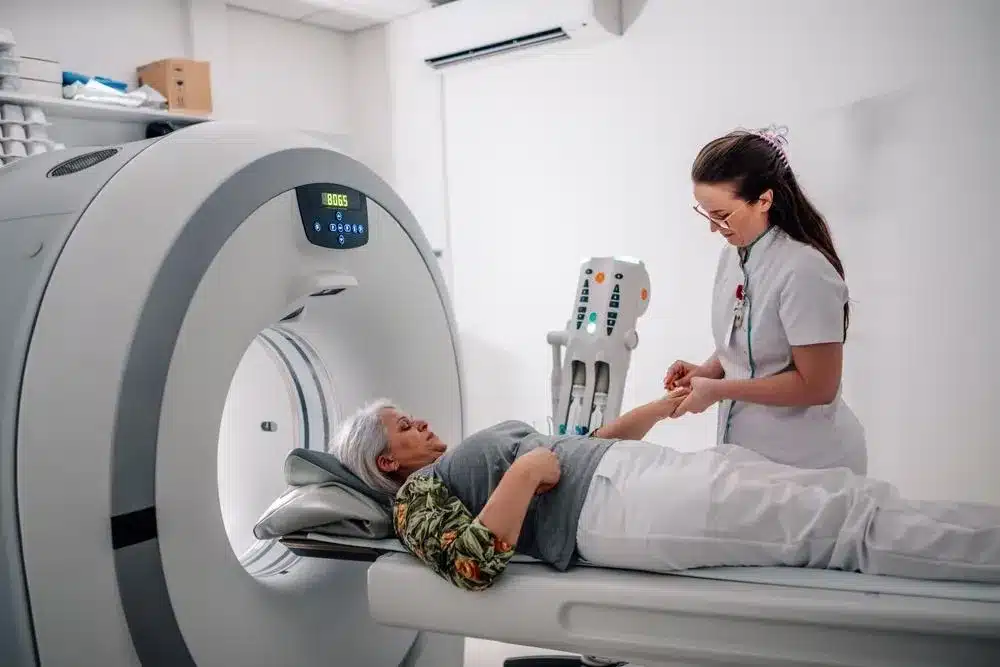
PET/CT scans have changed how we diagnose and manage cancer. CPT code78815 is key for detailed images from the skull to mid-thigh. This area is vital for checking many types of cancer.
The PET/CT scan uses PET and CT to give a full view of cancer. say CPT code78815 is for scans from the skull to mid-thigh. It’s a big help in fighting cancer.
Key Takeaways
- PET/CT scans are vital for cancer diagnosis and management.
- CPT code78815 is used for scans covering the skull base to mid-thigh.
- This code is critical for accurate imaging in oncology.
- PET/CT scans combine PET and CT technologies for detailed insights.
- Using CPT code78815 right helps ensure top care for patients.
The Definition and Purpose of CPT Code 78815
CPT code 78815 is used for a certain PET/CT scan type that’s key in oncology. It’s vital for coding and radiology, mainly in the U.S. The CPT code 78815 covers a PET/CT scan that looks at specific body parts. These parts go from the skull base to the mid-thigh.
This code is important for disease staging, checking how treatments work, and finding cancer again. It helps a lot in managing patients and planning treatments.
Official Description in Medical Coding
The official description of CPT code 78815 is “Positron emission tomography (PET) with concurrently acquired computed tomography (CT) for attenuation correction and anatomical localization; limited or focused study.” It shows how the PET/CT scan works. It uses PET for metabolic info and CT for body details.
Using CPT code 78815 right is key for billing and getting paid. It’s important to follow CPT coding guidelines to meet rules.
|
CPT Code |
Description |
Application |
|---|---|---|
|
78815 |
PET/CT with concurrently acquired CT for attenuation correction and anatomical localization; limited or focused study |
Limited or focused PET/CT scans, typically for oncology cases |
Historical Development of the Code
The CPT code 78815 was added to the CPT coding system to standardize medical procedures. This includes diagnostic imaging like PET/CT scans. The code’s creation shows the growing use of hybrid imaging in healthcare.
As PET/CT tech improved and cancer management guidelines changed, so did the use of CPT code 78815. Its history is linked to PET/CT’s growing role in fighting cancer.
Technical Components of CPT Code 78815 PET/CT Scans
The technical details of CPT code 78815 PET/CT scans are key to understanding their use. This scan combines metabolic and anatomical imaging. It gives a detailed look at the body’s inner workings and structures.
Anatomical Coverage: Skull Base to Mid-Thigh
The scan covers from the skull base to mid-thigh. This wide area lets doctors check many health issues. It’s important for getting all the needed views.
Concurrent CT Acquisition Process
The scan gets PET and CT data at the same time. This method helps pinpoint where metabolic activity is happening. The CT gives detailed body pictures, while PET shows metabolic processes. Together, they make diagnosis more accurate.
“The integration of PET and CT imaging in CPT code 78815 represents a significant advancement in diagnostic radiology, providing a more complete understanding of disease processes.” –
Diagnostic Radiology Expert
Attenuation Correction Methodology
Attenuation correction is a key part of the scan. It uses CT data to fix PET image issues. This makes metabolic info more accurate. It involves complex algorithms to adjust for tissue density.
The technical parts of CPT code 78815 PET/CT scans are vital. They include anatomical coverage, CT and PET imaging, and attenuation correction. These elements help create high-quality images. These images are critical for many health uses, like cancer staging and checking treatment results.
The Science Behind PET/CT Imaging Under CPT Code 78815
PET/CT scans, billed under CPT code 78815, are a powerful tool for diagnosis. They use radiopharmaceutical uptake to see how the body’s tissues work. This method combines PET’s functional info with CT’s anatomical details, giving a full view of the body’s structure and function.
Radiopharmaceutical Uptake Principles
The success of PET/CT scans under CPT code 78815 relies on how radiopharmaceuticals work. Fluorodeoxyglucose (FDG), a glucose-like substance, is often used. It builds up in areas with high activity, like tumors, because they use more glucose than normal tissues.
FDG gets into cells through glucose transporters. Inside, it gets trapped by hexokinase. This means more FDG stays in active areas, which PET can then detect.
Fusion Technology Integration
The PET and CT parts of the scan are combined under CPT code 78815. Fusion technology lets both scans happen at the same time. This makes the diagnosis more accurate by showing both function and anatomy together.
This fusion helps pinpoint where metabolic activity is happening. It also helps track how well treatments are working and if the disease is coming back. This is done by comparing scans over time.
Image Reconstruction Techniques
Advanced methods are key to getting clear PET/CT images under CPT code 78815. Iterative reconstruction algorithms are often used. They make the images sharper and clearer by going through many steps.
These algorithms use complex math to improve the image. They make the metabolic activity and body structures clearer and more accurate.
Primary Clinical Applications of CPT Code 78815
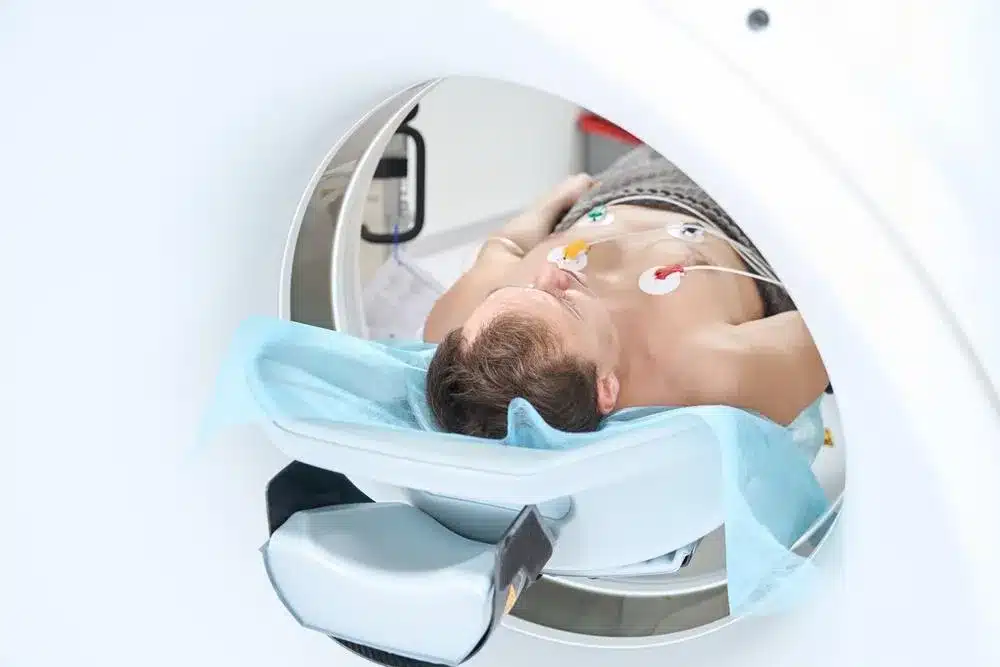
CPT code 78815 is key in cancer care. It helps with PET/CT scans for cancer detection and treatment. These scans are great for spotting and managing different cancers.
Cancer Detection and Diagnosis
CPT code 78815 is mainly for cancer detection and diagnosis. PET/CT scans find cancer cells and see how far they’ve spread. They also help decide when to do biopsies. Finding cancer early is important for better treatment and outcomes.
- Identifying primary tumors
- Detecting metastatic disease
- Guiding biopsy procedures
Disease Staging Protocols
Knowing the disease stage is key for treatment plans. CPT code 78815 gives detailed info on cancer spread. This helps doctors plan the best treatment.
“Accurate staging is critical for treatment planning.”
— Oncological Guidelines
Treatment Response Assessment
Checking treatment response is a big use of CPT code 78815. PET/CT scans see how cancer reacts to treatments like chemo or radiation. This info helps decide if treatment should change.
- Evaluating metabolic response to therapy
- Assessing changes in tumor size and activity
- Guiding adjustments to treatment protocols
Recurrence Monitoring
Watching for cancer recurrence is another use of CPT code 78815. Regular scans catch early signs of cancer coming back. This can lead to better treatment and outcomes.
PET/CT scans with CPT code 78815 are used for many cancers like lymphoma, lung, and colorectal. Their accuracy and versatility make them essential in cancer care today.
Common Oncological Conditions Evaluated Using CPT Code 78815
CPT code 78815 is used in many oncological conditions. It helps doctors evaluate patients fully. This code is key in diagnosing cancers, helping plan treatments, and care for patients.
Lymphoma Evaluation Protocols
Lymphoma assessment uses CPT code 78815 a lot. PET/CT scans check how far the disease has spread. They also see how well treatments are working and if the disease comes back.
Using CPT code 78815 in lymphoma checks the activity of lymph nodes and tissues. This is important to find active disease and tell it apart from scar tissue.
Lung Cancer Assessment Standards
CPT code 78815 is also used for lung cancer checks. PET/CT scans are key in the first steps, planning treatments, and checking up on lung cancer patients. The code covers checking the main tumor, lymph nodes, and distant metastases.
In lung cancer, CPT code 78815 helps find active tumors. This is important for deciding on biopsies and checking if treatments are working.
Colorectal Malignancy Detection
CPT code 78815 is also used for colorectal cancer detection. PET/CT scans help see how far the disease has spread, check treatment responses, and find recurrence. The metabolic info from PET/CT is very useful when tumor markers rise or other scans are unclear.
In colorectal cancer, CPT code 78815 helps check tumor metabolism. This is key for seeing how treatments are working and finding early signs of recurrence.
Epidemiology and Usage Statistics for CPT Code 78815
CPT code 78815 is used more often for PET/CT scans in cancer care. This is because more people are getting cancer. Also, PET/CT scans are key in managing cancer.
Annual Procedure Volume in the United States
In the U.S., over two million PET/CT scans are done each year. Many of these are billed under CPT code 78815. This shows how important PET/CT scans are in fighting cancer.
For more details on PET/CT scans and coding, check out the.
Growth Trends in Metabolic Imaging
The need for PET/CT scans is going up. This is because more people have cancer. Also, PET/CT scans help a lot in planning cancer treatment and checking how well it works.
Factors Driving Increased Utilization
Several things are making CPT code 78815 more popular:
- Rising cancer rates
- More doctors know about PET/CT benefits
- New PET/CT tech
- More places to get PET/CT scans
|
Year |
PET/CT Scan Volume |
Growth Rate |
|---|---|---|
|
2020 |
1,500,000 |
– |
|
2021 |
1,700,000 |
13.3% |
|
2022 |
2,000,000 |
17.6% |
The use of CPT code 78815 is growing. This shows how vital PET/CT scans are in cancer care. As cancer rates keep going up, we’ll need more of these scans.
Medical Billing and Reimbursement for CPT Code 78815
Medical billing and reimbursement for CPT code 78815 have several important steps. Healthcare providers need to know these to get paid for their work.
Private Insurance Policies
Private insurance for CPT code 78815 can differ a lot. Providers should check coverage before the scan to avoid claim denials.
What affects private insurance coverage includes:
- The insurance plan and its details
- The need for the PET/CT scan
- Any pre-authorization needed
Prior Authorization Requirements
Prior authorization is key for CPT code 78815.
The process for prior authorization is:
- Submit a request with clinical documents
- The insurer reviews for medical need
- They tell you if it’s approved or not
Knowing these steps helps providers get paid for CPT code 78815 procedures.
Documentation Requirements for CPT Code 78815
CPT code 78815 needs detailed documentation to prove medical necessity and support billing claims. Good documentation is key for following coding rules and getting accurate payments.
Essential Elements of Medical Necessity
To show medical necessity for CPT code 78815, you need to document:
- Patient’s diagnosis or suspected diagnosis
- Relevant medical history and symptoms
- Previous diagnostic test results
- Rationale for the PET/CT scan
For more details on coding and billing for PET/CT scans, check the.
Proper Order Documentation
The order for the PET/CT scan must include:
- Clear indication for the scan
- Relevant clinical information
- Ordering physician’s signature and date
Accurate order documentation is key to proving the medical need for the procedure.
Reporting Standards for Results
The report for CPT code 78815 should have:
- Detailed description of the findings
- Comparison with prior studies when applicable
- Clinical interpretation and recommendations
Standardized reporting makes results clear and helps in talking to referring doctors.
Audit-Ready Record Keeping
Keeping audit-ready records is vital for following rules and involves:
- Organized storage of all relevant documents
- Easy access to patient records and scan results
- Compliance with regulatory requirements
By following these documentation rules, healthcare providers can meet CPT code 78815 standards. This helps in better billing and payment processes.
Comparing CPT Code 78815 with Related Imaging Codes
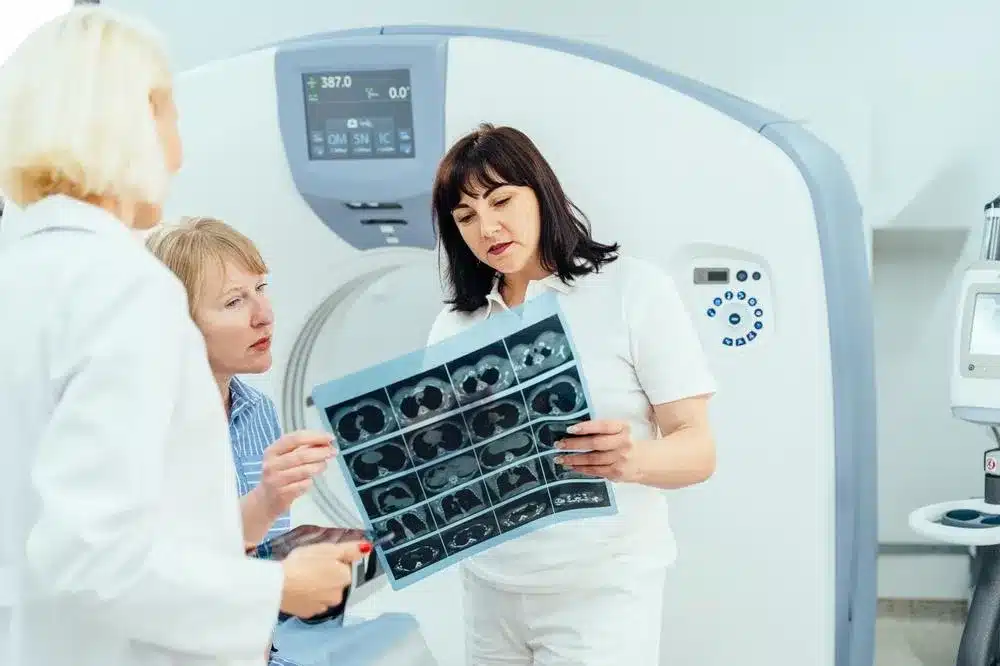
It’s important to know the differences between CPT code 78815 and other imaging codes. This knowledge helps with accurate billing and better patient care. CPT code 78815 is for PET/CT scans with a specific range, but it can be tricky to use compared to other codes.
Differences Between 78815 and 78816
CPT code 78816 is also used for PET/CT scans but covers different areas. While 78815 scans from the skull to mid-thigh, 78816 scans more areas or larger ranges.
|
Code |
Anatomical Coverage |
Typical Use Cases |
|---|---|---|
|
78815 |
Skull base to mid-thigh |
Limited area PET/CT scans |
|
78816 |
Variable, often more extensive than 78815 |
Whole-body PET/CT scans or scans requiring additional anatomical coverage |
Relationship to Radiopharmaceutical Code A9552
Radiopharmaceutical code A9552 is used with CPT code 78815 for Fluorodeoxyglucose (FDG) administration. Knowing how these codes work together is key for correct billing.
“The correct use of radiopharmaceutical codes like A9552 is critical for ensuring that PET/CT scans are properly billed and reimbursed.”
— American Medical Association
Other PET Scan CPT Codes
There are other PET scan CPT codes, each for different uses and areas. For example, codes for PET scans without correction or for different drugs have their own uses.
- CPT code 78459: Myocardial imaging, positron emission tomography (PET), metabolic evaluation
- CPT code 78811: PET scan limited or focused study
- CPT code 78812: PET scan skull base to mid-thigh (similar to 78815 but without CT)
When to Use Alternative Codes
Choosing between CPT code 78815 and other codes depends on several factors. These include the area scanned, the drug used, and if correction is applied.
Healthcare providers must pick the right CPT code for each procedure. This ensures accurate billing and follows payer rules.
Radiopharmaceuticals Used in CPT Code 78815 Procedures
Radiopharmaceuticals play a key role in CPT code 78815 procedures. They help make PET/CT scans accurate by showing how the body’s cells work.
FDG and Other Common Tracers
FDG (Fluorodeoxyglucose) is the top choice for PET/CT scans under CPT code 78815. It acts like glucose and shows up in active cells, like cancer. Other tracers are used for different needs, like:
- Fluorothymidine (FLT) for checking cell growth
- Fluoromisonidazole (FMISO) for finding low oxygen areas
- Rubidium-82 for heart blood flow images
Administration Protocols
Administering radiopharmaceuticals for CPT code 78815 is done carefully. This ensures safety and good results. Steps include:
- Getting the patient ready, like fasting and avoiding exercise
- Injecting the radiopharmaceutical through a vein
- Waiting for the tracer to spread in the body
Dosage Considerations
The amount of radiopharmaceutical given depends on the patient’s weight, age, and the scan’s needs. The aim is to use the least amount needed for clear images while keeping radiation low.
Safety and Contraindications
Radiopharmaceuticals are mostly safe but can have risks and things they shouldn’t be used with. These include allergic reactions, too much radiation, and mixing with other drugs. Some conditions, like being pregnant or having kidney problems, might mean you can’t use certain tracers.
Patient Preparation and Procedure Experience
To get a PET/CT scan with CPT code 78815, patients must know what to do before and during the scan. Getting ready right is important for getting good results.
Pre-Scan Instructions
Patients usually need to fast for 4 to 6 hours before the scan. Following these diet rules helps the body absorb the radiopharmaceutical well. They should also avoid hard exercise for a day or two beforehand.
Diabetic patients must tell their doctor about their diabetes care. They should also remove any jewelry or metal items that could mess with the scan.
The Day of the Procedure
On the scan day, patients should get to the imaging center early. They will need to share their medical history and sign a consent form. Wear comfy clothes and avoid metal items.
What Patients Can Expect During Scanning
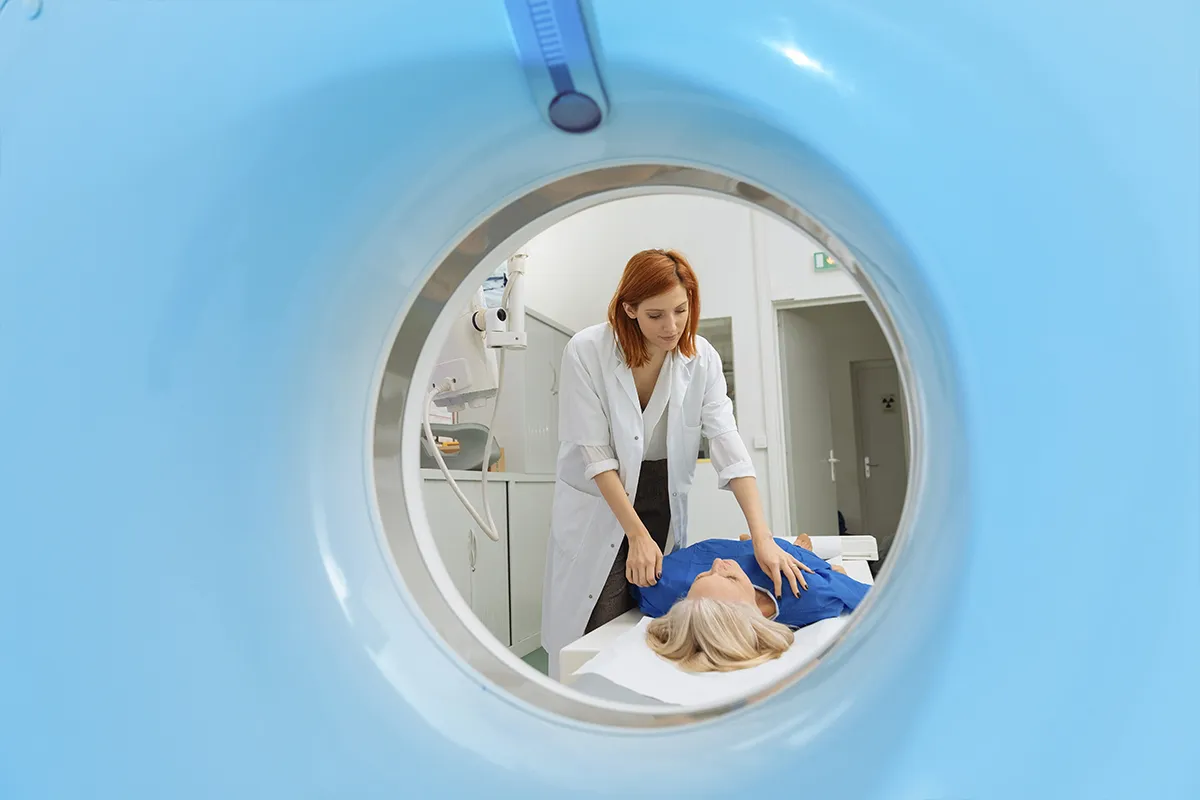
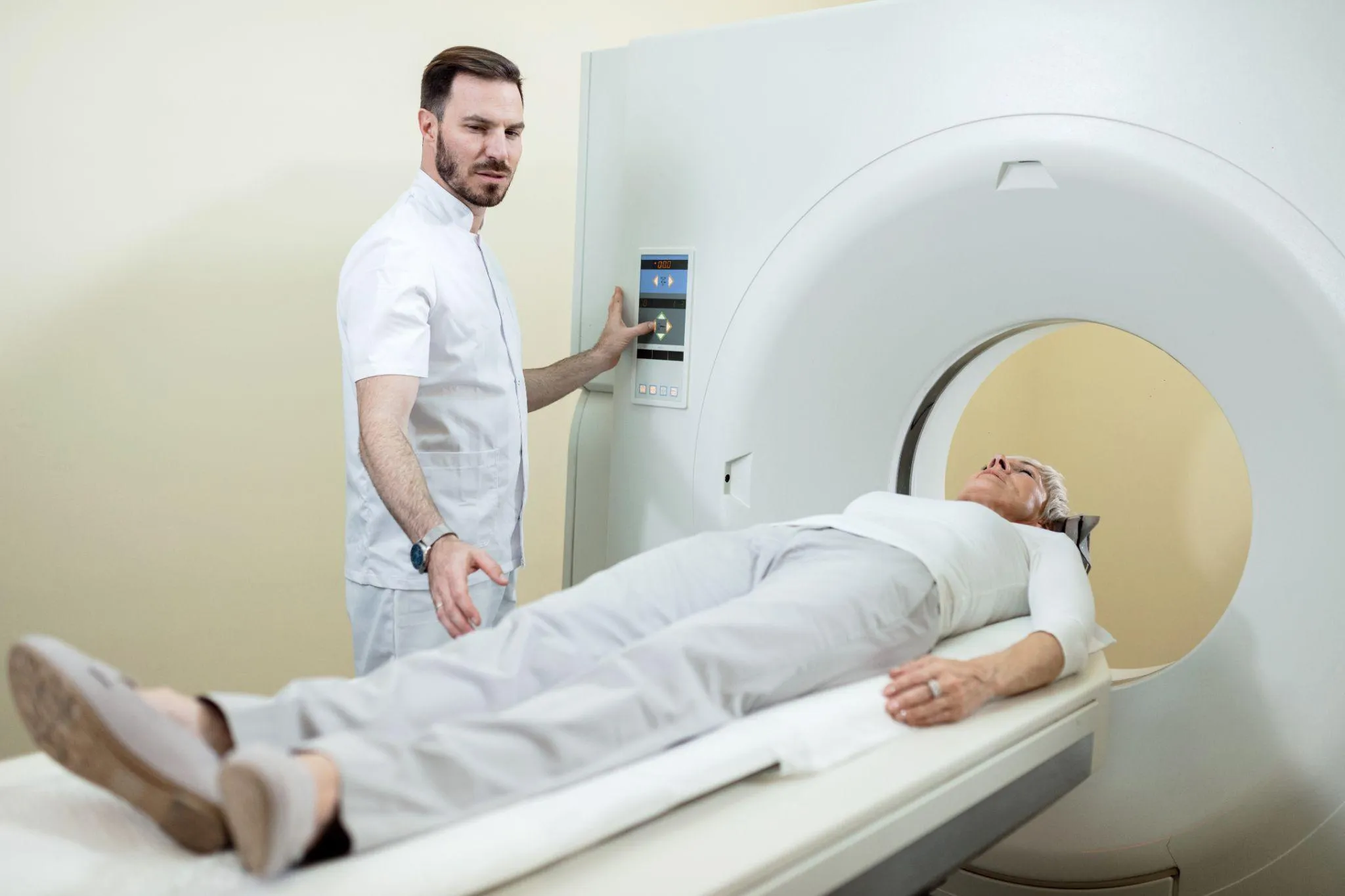
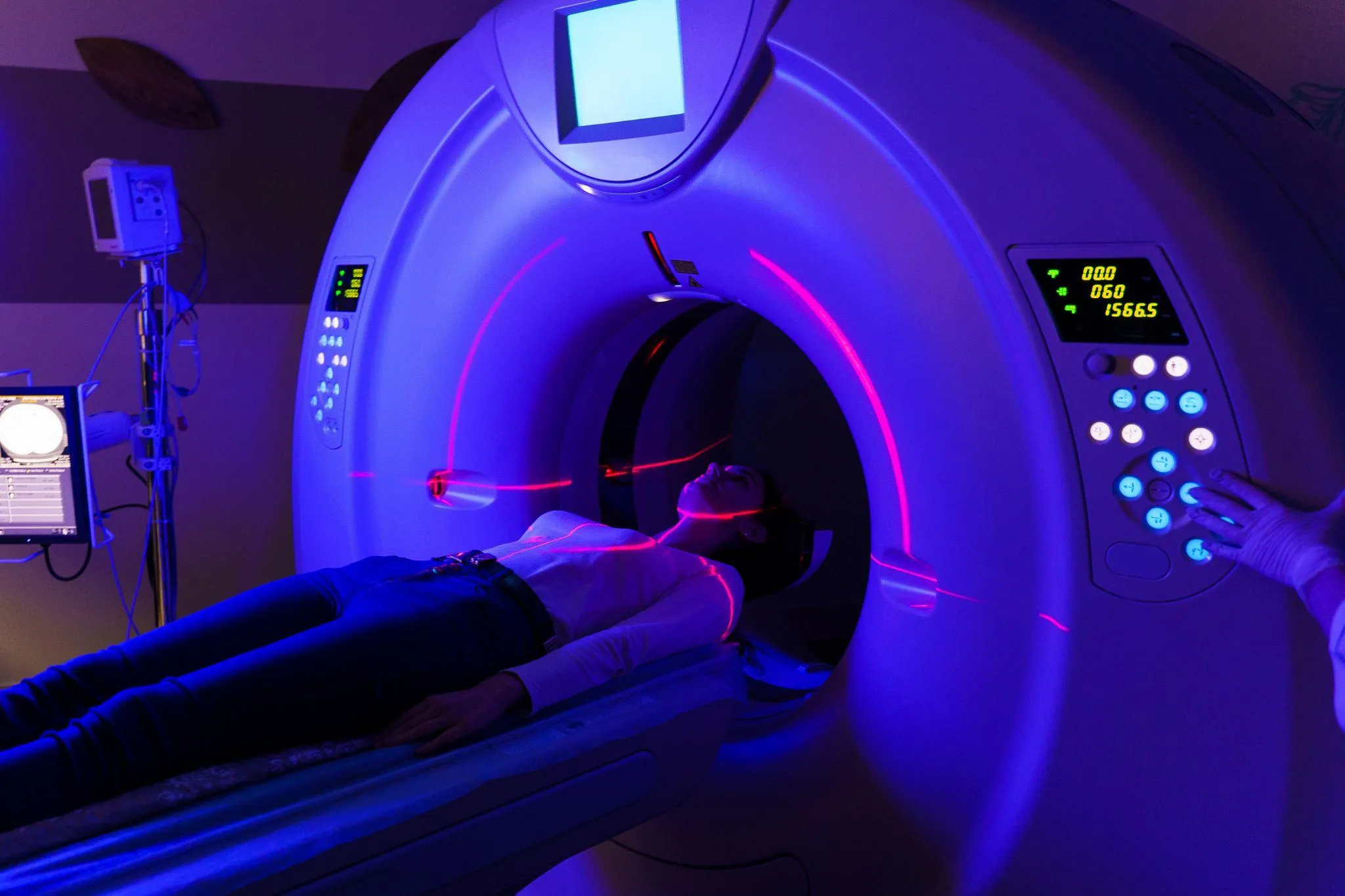
During the scan, patients lie on a table that moves into a big, ring-shaped machine. The scan is painless and takes about 30 minutes to an hour. It’s important to stay very quiet and not move.
Post-Procedure Guidelines
After the scan, patients can usually go back to their normal day unless told not to. Drinking lots of water helps get rid of the radiopharmaceutical. They should follow any special instructions from the imaging center.
Interpretation and Reporting of CPT Code 78815 Studies
Understanding PET/CT scans coded as 78815 is key for patient care. It’s important to know the imaging, the patient’s situation, and how to report findings.
Standardized Reporting Methods
Using the same reporting methods helps keep PET/CT scan results clear and consistent. These methods include detailed templates with patient history, scan results, and comparisons. Structured reporting makes it easier for doctors to talk to each other and make better decisions.
SUV Measurement Protocols
The Standardized Uptake Value (SUV) is a key part of PET/CT scans. It shows how much of the radiopharmaceutical is taken up by tissues. SUV measurement protocols are strict to ensure results are accurate and the same every time. Things like how the patient is prepared and the scanner settings can affect these values.
Integration with Other Diagnostic Findings
When looking at CPT code 78815 studies, it’s important to combine PET/CT results with other tests and patient history. This multimodal approach helps doctors get a clearer picture of what’s going on with the patient.
Communication of Results to Referring Physicians
It’s critical to share PET/CT scan results with doctors quickly and clearly. Reports should be to the point but cover all important details. Effective communication helps doctors make fast, informed decisions, ensuring patients get the right care on time.
Technological Advancements Improving CPT Code 78815 Scans
The world of PET/CT scanning under CPT code 78815 is changing fast. New tech is making scans better and faster. This means better care for patients.
Evolution of PET/CT Equipment
New PET/CT scanners are a big deal. They take clearer pictures, scan quicker, and are more comfy for patients. For example, time-of-flight (TOF) PET/CT boosts image quality. It helps doctors spot and track diseases more accurately.
Artificial Intelligence Applications
AI is making PET/CT scans even better. AI helps make images clearer and more precise. It also automates tasks like Standardized Uptake Values (SUVs). This saves radiologists time and makes results more consistent.
Dose Reduction Strategies
Reducing radiation in PET/CT scans is a big goal. Low-dose CT protocols and advanced PET reconstruction algorithms help. They keep patients safe without losing image quality. This is key for those needing many scans or long-term monitoring.
Future Directions in Hybrid Imaging
The future of PET/CT scans is bright. New hybrid imaging methods and new radiopharmaceuticals are on the horizon. AI and machine learning will help tailor treatments to each patient’s needs. This will make care even more precise.
Conclusion: The Vital Role of CPT Code 78815 in Modern Diagnostic Medicine
CPT code 78815 is key in today’s medical world, mainly in fighting cancer. It’s used for PET/CT scans. These scans help find, stage, and check how well cancer treatments work.
This code is important because it helps doctors get clear images of the body. PET and CT scans together show how the body works and its structure. This helps doctors make better treatment plans.
As medicine keeps getting better, CPT code 78815 will stay important. It helps give top-notch care and aids in medical studies. Knowing how to use CPT code 78815 well helps doctors use scans better. This leads to better health for patients.
FAQ
What is CPT code78815 used for?
CPT code78815 is for a PET/CT scan. It’s a test that combines PET and CT scans. This test helps doctors see cancer and other diseases clearly.
What is the difference between CPT code78815 and CPT code78816?
CPT code78815 and CPT code78816 are both for PET/CT scans. But, they scan different parts of the body. CPT code78815 scans from the skull to the mid-thigh. CPT code78816 scans more areas, like the lower legs.
What is the radiopharmaceutical used in CPT code78815 procedures?
In CPT code78815, Fluorodeoxyglucose (FDG) is often used. It’s a sugar-like substance that cancer cells take up more of. This helps doctors find cancer.
What are the documentation requirements for CPT code78815?
For CPT code78815, you need to show it’s medically necessary. You also need to document the order and how the scan was done. Keeping records for audits is also important.
How is the result of a CPT code78815 study interpreted and reported?
The results of a CPT code78815 study are explained using standard methods. This includes SUV measurements and combining the findings with other tests. Doctors then share the results with the patient’s team.
What are the benefits of using CPT code78815 for cancer detection and diagnosis?
CPT code78815 gives detailed info on cancer’s metabolism and size. This helps doctors diagnose, plan treatment, and check how well treatment is working.
Are there any contraindications or safety concerns associated with CPT code78815 procedures?
Yes, CPT code78815 has risks like radiation exposure and allergic reactions. It can also interact with other health conditions or medicines.
How is patient preparation and procedure experience for CPT code78815?
Before a CPT code78815 scan, patients are told to fast and avoid certain meds. During the scan, they lie on a table while it’s done.
What are the future directions in hybrid imaging related to CPT code78815?
For CPT code78815, future advancements include better PET/CT tech and AI. There’s also work on reducing radiation and finding new medicines and imaging methods.
References
- National Institutes of Health (NIH). PET/CT in oncology: Advances and applications. https://pubmed.ncbi.nlm.nih.gov/37226581/