PET scans are key in diagnosing many medical conditions, like cancer. But, insurance coverage for these scans depends on the right ICD-10 codes.
It’s important for healthcare providers and patients to know how diagnosis codes link to PET scan eligibility. CPT code 78815 is for PET scans, and knowing its use with ICD-10 codes is key to seeing if a scan is needed.
Getting the ICD-10 coding right is important. It helps make sure insurance covers PET scans, giving patients access to this vital diagnostic tool.
Key Takeaways
- PET scan coverage is determined by specific ICD-10-CM codes.
- CPT code 78815 is used for PET scans in various medical conditions.
- Understanding ICD-10 codes is key to knowing if a PET scan is covered.
- Right coding is essential for insurance to cover PET scans.
- PET scans are very important in diagnosing cancer and other conditions.
Understanding PET Scans and Their Medical Applications
Positron Emission Tomography (PET) scans have changed how we do diagnostic imaging. They give detailed views of how the body works. This helps doctors diagnose and treat many health issues better.
What is a PET Scan?
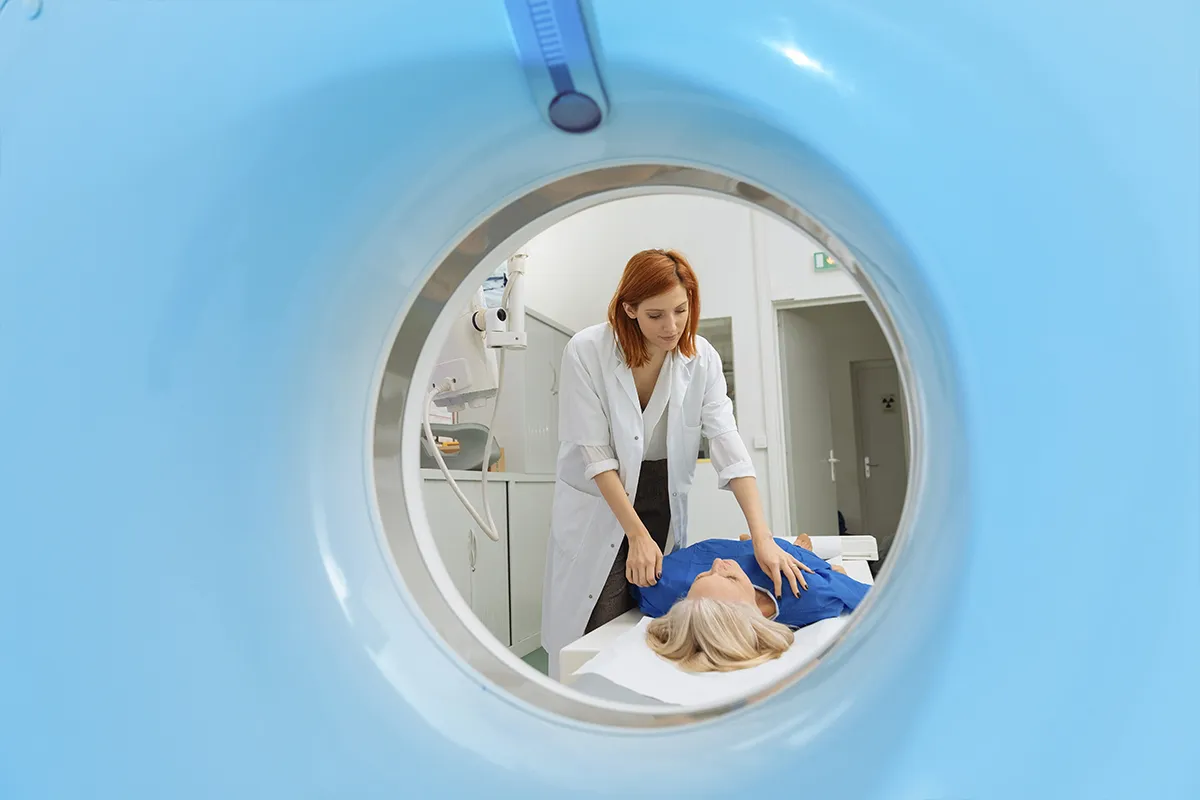
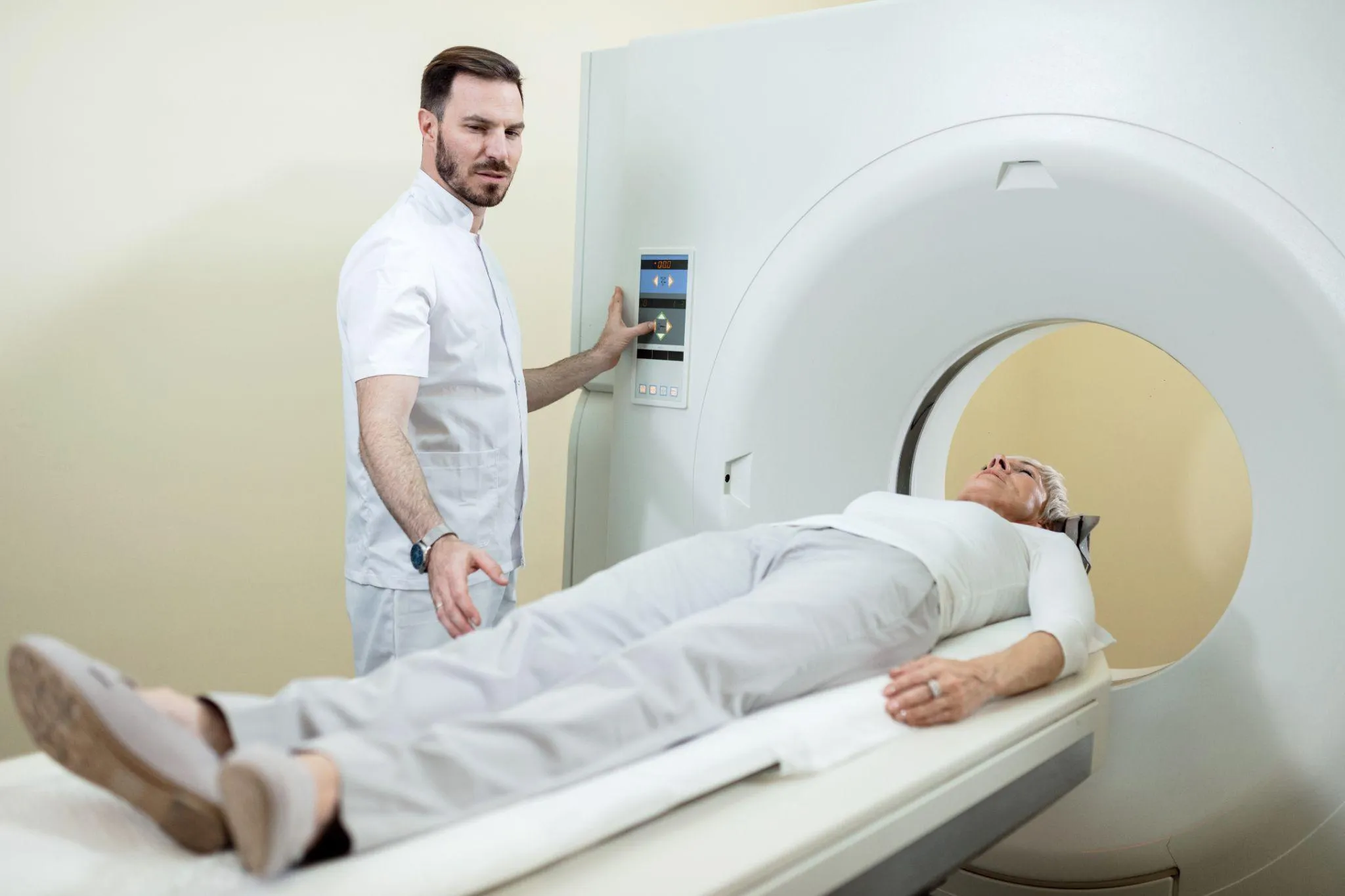
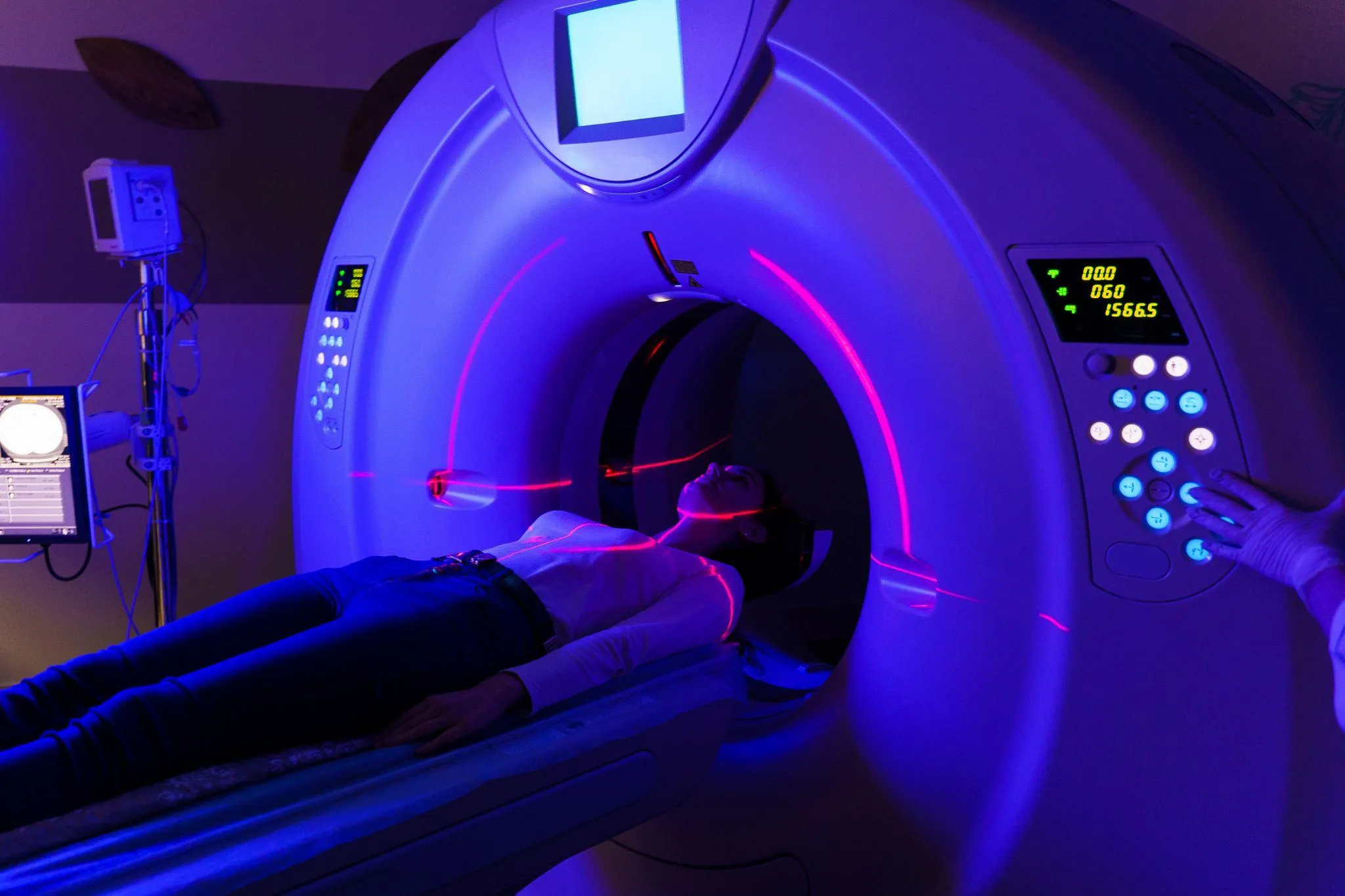
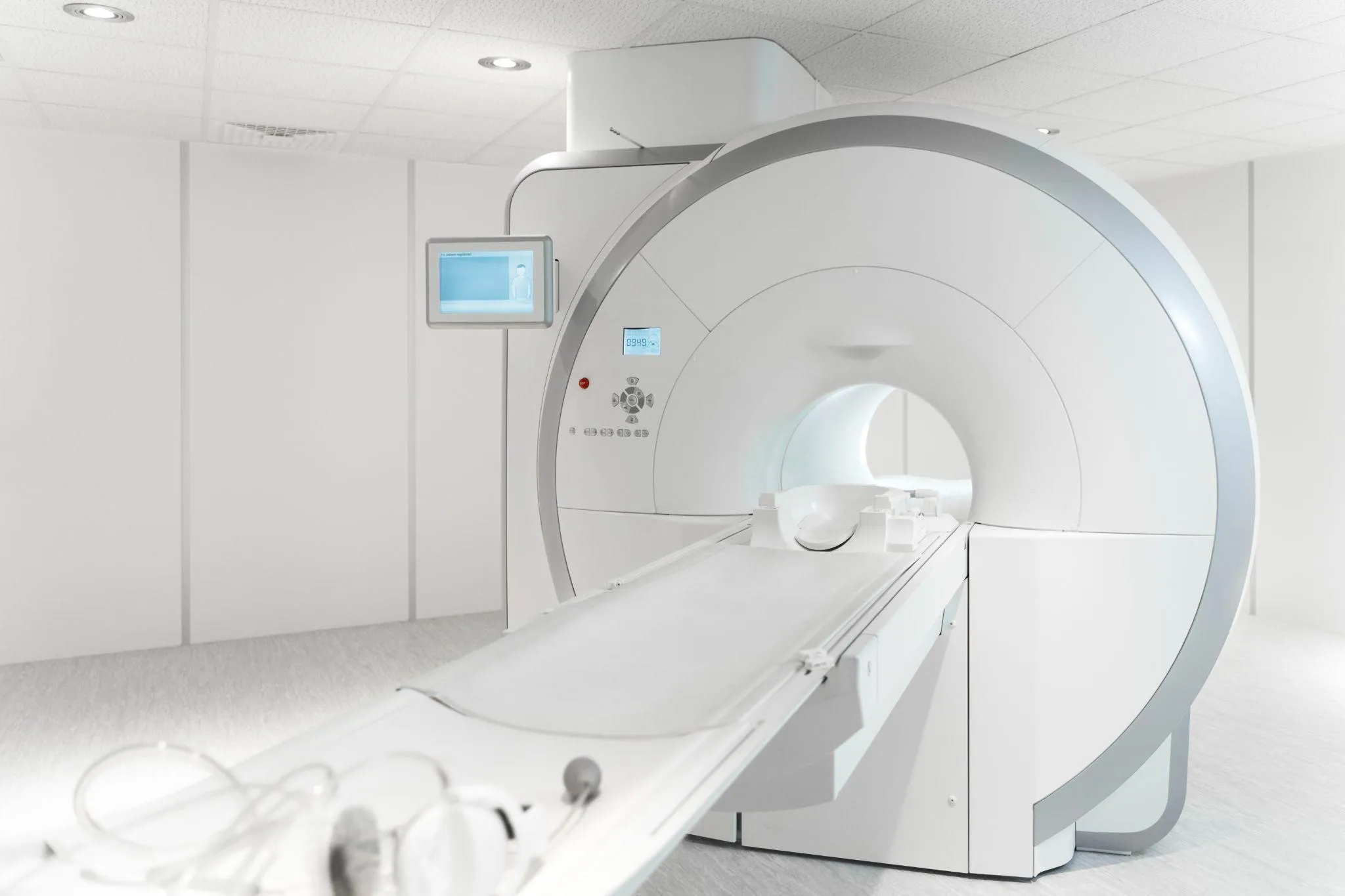
A PET scan is a special imaging test. It uses a radioactive sugar molecule to find cancer and other health problems. A small amount of this molecule is injected into the body. Then, the PET scanner picks up the radiation, showing detailed images of inside the body.
Common Clinical Applications of PET Imaging
PET scans are used in many ways in medicine, including:
- Oncology: Finding and checking cancer, seeing how treatments work, and spotting when cancer comes back.
- Neurology: Helping diagnose and manage diseases like Alzheimer’s and Parkinson’s.
- Cardiology: Looking at how well the heart works and finding heart disease.
PET scans are very useful in medicine. They help find and treat diseases early.
Difference Between PET, CT, and PET/CT Scans
PET scans show how the body’s cells are working. CT scans give detailed pictures of the body’s structure. PET/CT scans do both, giving a full view of the body’s function and structure.
|
Imaging Modality |
Description |
Clinical Use |
|---|---|---|
|
PET Scan |
Metabolic imaging using radioactive tracers |
Cancer diagnosis, neurological disorders |
|
CT Scan |
Anatomical imaging using X-rays |
Trauma, tumors, vascular diseases |
|
PET/CT Scan |
Combined metabolic and anatomical imaging |
Cancer staging, treatment monitoring, neurological evaluation |
Knowing the differences between these scans is key. It helps choose the best test for a patient’s needs.
Overview of Medical Coding Systems for PET Scans
PET scan medical billing uses three main coding systems: ICD-10-CM, CPT, and HCPCS. These systems help make sure PET scans are billed and paid for correctly.
ICD-10-CM Diagnosis Codes
ICD-10-CM diagnosis codes describe a patient’s condition or diagnosis. For PET scans, these codes are key in showing if the scan is needed.
Examples of ICD-10-CM codes relevant to PET scans include:
- C00-C97 for malignant neoplasms
- F01-F03 for dementia and Alzheimer’s disease
- I20-I25 for ischemic heart disease
CPT Procedure Codes
CPT (Current Procedural Terminology) codes outline the medical procedure, like the PET scan. CPT code 78815 is used for a limited PET scan.
Key aspects of CPT coding for PET scans include:
- Code selection based on the extent of the body scanned
- Use of specific codes for different types of PET scans
- Potential for coding changes with advancements in PET technology
HCPCS Level II Codes
HCPCS (Healthcare Common Procedure Coding System) Level II codes cover radiopharmaceuticals in PET scans. A9552 is a HCPCS code for Fluorodeoxyglucose F-18 (FDG).
|
Coding System |
Description |
Example Codes |
|---|---|---|
|
ICD-10-CM |
Diagnosis codes |
C00-C97, F01-F03 |
|
CPT |
Procedure codes |
78811-78816 |
|
HCPCS Level II |
Codes for radiopharmaceuticals |
A9552 |
Knowing these coding systems is vital for healthcare providers. It helps ensure accurate billing and reimbursement for PET scans.
CPT Code78815: Complete Analysis
Knowing CPT code 78815 is key for correct medical billing and payment for PET scans. This code is for PET imaging of the brain, focusing on specific areas.
Definition and Description of CPT Code 78815
CPT code 78815 means “Positron emission tomography (PET) imaging; limited or focused study, including brain when performed.” It’s for PET scans on specific body parts or the brain.
CPT code 78815 is used for diagnosing certain medical issues. This includes some neurological problems or cancers.
When to Use CPT Code 78815
CPT code 78815 is for PET scans on specific areas or the brain. It’s for patients with neurological conditions or when a limited scan is needed.
It’s important to document why CPT code 78815 is used. Keeping detailed patient records helps with accurate billing.
Reimbursement Considerations for CPT Code 78815
Several factors influence payment for CPT code 78815. These include the patient’s insurance, the doctor’s agreements, and where you are.
For more on payment, healthcare providers can look at the. It has all the details on billing for PET scans, including CPT code 78815.
Other Important PET Scan CPT Codes
Knowing all PET scan CPT codes, like 78811-78814 and 78816, is key for correct medical billing. These codes help healthcare providers get paid right for their work.
CPT Codes 78811-78814
CPT codes 78811-78814 cover different PET scans. CPT code 78811 is for a limited scan in one area. CPT code 78812 is for a scan from the skull to the mid-thigh. CPT codes 78813 and 78814 are for even more detailed scans, with 78814 needing extra sequences or complex images.
Choosing the right code is important for billing. Each code shows a different level of work and resources used. Providers must pick the code that matches the procedure done.
CPT Code 78816 for Whole Body PET/CT
CPT code 78816 is for a whole-body PET/CT scan. This combines PET and CT for a full body check. It’s used when scanning a big part of the body, like from the skull to the mid-thigh.
This code is key for detailed checks, like cancer staging. It’s a more complex scan than limited PET scans. So, it needs clear documentation to be used right.
Differences Between PET Scan CPT Codes
The main differences in PET scan CPT codes are in the body area scanned, scan complexity, and if CT is added. Knowing these differences helps with accurate coding and billing. For example, limited PET scans (CPT code 78811) are different from whole-body PET/CT scans (CPT code 78816) in area and info given.
Picking the right PET scan CPT codes is vital. It ensures providers get paid right and follow coding rules.
HCPCS Codes for PET Scan Radiopharmaceuticals
HCPCS codes are key for billing PET scan radiopharmaceuticals. They help identify the radiopharmaceuticals used in PET scans. This ensures accurate payment for medical services.
A9552 (Fluorodeoxyglucose F-18 FDG)
A9552 is the HCPCS code for Fluorodeoxyglucose F-18 (FDG). It’s a glucose molecule with Fluorine-18, a radioactive tracer. This tracer builds up in areas with high glucose use, like tumors.
Using A9552 is important for billing FDG in PET scans. It’s used a lot in oncology, neurology, and cardiology.
A9526 and A9555 Tracers
Other HCPCS codes are used for different PET scan radiopharmaceuticals. A9526 and A9555 are for specific tracers in PET imaging.
A9526 is for Nitrogen-13 Ammonia, used in cardiac PET studies. A9555 is for Rubidium-82, used in cardiac PET perfusion studies.
- A9526: Nitrogen-13 Ammonia for cardiac PET perfusion studies.
- A9555: Rubidium-82 for cardiac PET perfusion studies.
Using these codes correctly is important. It makes sure healthcare providers get paid for the radiopharmaceuticals used in PET scans.
In summary, HCPCS codes like A9552, A9526, and A9555 are vital for PET scan radiopharmaceutical billing. Using them correctly ensures healthcare providers get paid for PET imaging.
ICD-10 Codes for Oncology PET Scan Coverage

PET scans are key in oncology. Knowing the right ICD-10 codes is vital for billing and getting paid. It’s important to look at the codes for cancer and how they’re used in different ways.
Malignant Neoplasm Codes (C00-C97)
ICD-10 codes C00 to C97 classify cancers. These codes help in PET scan coverage by showing the cancer type and where it is. For example, C34.1 is for cancer in the right lung’s upper lobe. Knowing these codes helps doctors plan treatments correctly.
These codes cover many cancers, like those in the mouth and digestive system. Each one is broken down to show exactly where and what kind of cancer it is.
Coverage for Initial Diagnosis vs. Recurrence Monitoring
PET scans are used for both first-time diagnosis and checking if cancer comes back. The ICD-10 codes change based on the situation. For the first time, codes show where the cancer is. For checking if it comes back, codes show where it spread to.
Metastatic Disease Evaluation Codes
For checking if cancer has spread, special ICD-10 codes are used. These codes are important for PET scan coverage. They show where the cancer has gone. For example, C77 is for cancer in lymph nodes, and C78 is for cancer in the lungs and digestive system.
In summary, ICD-10 codes for oncology PET scans are varied. It’s important for doctors to know these codes for diagnosing, checking if cancer comes back, and for checking if it has spread.
ICD-10 Codes for Neurological PET Scan Coverage
Neurological PET scans are key in diagnosing and managing conditions like dementia and Alzheimer’s disease. It’s vital to use accurate ICD-10 codes for coverage and reimbursement.
Dementia and Alzheimer’s Disease (F01-F03)
PET scans for diagnosing dementia and Alzheimer’s require specific ICD-10 codes. Codes F01-F03 cover vascular dementia, dementia in other diseases, and unspecified dementia. Alzheimer’s disease is coded under G30, with additional codes for the disease stage.
For example, G30.0 is for early onset Alzheimer’s, and G30.1 for late onset. The code should match the diagnosis and any symptoms or conditions.
Other Neurological Conditions
PET scans help diagnose and manage other neurological conditions. Parkinson’s disease is coded as G20, with codes for dementia or symptoms. Codes for epilepsy (G40), multiple sclerosis (G35), and movement disorders are also used.
- G20: Parkinson’s disease
- G40: Epilepsy
- G35: Multiple sclerosis
Coverage Limitations for Neurological Indications
PET scans are valuable but have coverage limits for neurological conditions. For example, coverage for Alzheimer’s disease PET scans may be limited to specific situations or research.
Healthcare providers must know these limits and ensure ICD-10 coding reflects the medical need for the PET scan.
ICD-10 Codes for Cardiac PET Scan Coverage
Cardiac PET scans are key in diagnosing and managing heart issues. Knowing the right ICD-10 codes is vital for coverage. These scans help check if heart muscle is working right and if blood flow is good.
Myocardial Viability Assessment
Myocardial viability assessment is a big part of cardiac PET scans. It shows if heart muscle is alive but not working well because of blood flow issues. The ICD-10 codes for this include:
- I21.4: Non-ST elevation myocardial infarction
- I22.0: Subsequent ST elevation myocardial infarction
- I25.2: Old myocardial infarction
These codes help prove the need for cardiac PET scans to check viability.
Cardiac Perfusion Studies
Cardiac perfusion studies with PET scans check blood flow to the heart muscle. This is key for spotting coronary artery disease and seeing if treatments work. The ICD-10 codes for these studies are:
- I20.0: Unstable angina
- I20.1: Angina pectoris with documented spasm
- I25.0: Atherosclerotic cardiovascular disease
Using these codes right ensures cardiac PET scans for perfusion studies get insurance coverage.
Coverage Criteria for Cardiac PET
For coverage, cardiac PET scans must meet certain criteria. This includes if the scan is medically necessary based on the patient’s health and symptoms. The ICD-10 codes mentioned are key in showing this necessity.
In summary, knowing and using ICD-10 codes for cardiac PET scans is key for coverage and payment. Healthcare providers need to keep up with coding rules and coverage criteria to give the best care.
Private Payer Coverage Policies for PET Scans
It’s important for healthcare providers and patients to know about private payer coverage for PET scans. Different private payers have different rules for PET scans. Some might need you to get approval before the scan.
Common Coverage Criteria Among Major Insurers
Big insurance companies have their own rules for PET scans. These rules often depend on if the scan is needed and what kind it is. Here are some common things they look at:
- The patient’s medical history and current diagnosis
- The type of PET scan being performed (e.g., oncology, neurology, or cardiology)
- The presence of specific symptoms or clinical indicators
They also look at what the doctor recommends and how the patient has reacted to treatments before.
Aetna’s Coverage Policy and Effectiveness Data
Aetna, a big private payer, has its own rules for PET scans. They cover PET scans for certain conditions like cancer. Aetna wants the scan to be done in a place that’s been checked and approved.
They also need the doctor to give them information about why the scan is needed.
Pre-authorization Requirements
Many private payers, like Aetna, need you to get approval before a PET scan. To get approval, you need to send in medical information that shows why the scan is needed.
To make sure you get paid for the scan, doctors need to follow these steps:
- Send in the patient’s medical history
- Give the diagnosis and reasons for the PET scan
- Write down the plan for treatment or management
By following these steps, doctors can make it easier to get paid for PET scans.
Non-Covered Indications and Experimental Uses
PET scans are used for many medical needs, but some uses are not covered. It’s important for doctors and patients to know these limits. This helps them deal with the challenges of getting PET scans covered.
Specifically Excluded Conditions
Some conditions are not covered by insurance for PET scans. For example, some neurological disorders or rare cancers might not be covered. It’s key to check the insurance plan’s specific rules.
Aetna says some PET scans for neurological conditions are not approved. This includes using them to check how well treatments are working in some cases.
Investigational Applications
New uses for PET scans are being studied all the time. These new uses might not be covered by insurance yet. They include new ways to use PET scans in cancer, brain, and heart diseases. Clinical trials help show if these new uses work well.
Examples of investigational PET scan applications include:
- Using PET scans to check how well new cancer treatments are working
- Testing PET scans for diagnosing rare brain disorders
- Looking at heart health in people with serious heart disease
Appealing Coverage Denials
If a PET scan claim is denied, doctors can appeal. The appeal process involves sending more medical information to show why the scan is needed.
Key steps in the appeals process include:
- Looking at why the claim was denied and what the payer wants
- Collecting important medical records to support the need for the PET scan
- Writing a formal appeal with clear reasons and evidence
Knowing about the limits of PET scans and how to appeal denials is important. It helps make sure patients get the care they need while dealing with insurance issues.
Medical Necessity Documentation for PET Scans

Medical necessity documentation is key for PET scan coverage. It’s vital for healthcare providers to get reimbursement for PET scans. This part will cover what clinical documentation needs, why linking diagnosis codes is important, and common mistakes to steer clear of.
Required Elements in Clinical Documentation
Clinical documentation for PET scans must have certain elements to show medical necessity. These elements are:
- Patient’s medical history and current diagnosis
- Relevant laboratory and imaging results
- Physician’s notes and treatment plans
- Justification for the PET scan
Comprehensive documentation is key to prove PET scans are medically necessary. It helps with reimbursement and ensures patients get the right care.
Linking Diagnosis Codes to Medical Necessity
Diagnosis codes are vital for showing medical necessity for PET scans. Healthcare providers must use codes that match the patient’s condition and explain why the PET scan is needed.
|
Diagnosis Code |
Description |
Medical Necessity Justification |
|---|---|---|
|
C00-C97 |
Malignant Neoplasms |
Initial diagnosis, staging, or monitoring of cancer treatment |
|
F01-F03 |
Dementia and Alzheimer’s Disease |
Diagnosis and monitoring of neurological conditions |
|
I20-I25 |
Ischemic Heart Disease |
Assessment of myocardial viability and cardiac perfusion |
Common Documentation Pitfalls
Healthcare providers often face challenges in keeping documentation accurate and complete. Common issues include:
- Incomplete or missing patient information
- Insufficient justification for the PET scan
- Incorrect or outdated diagnosis codes
Avoiding these pitfalls is critical for smooth PET scan claim processing and ensuring patients get the care they need.
Billing and Reimbursement Considerations
The world of PET scan billing and reimbursement is complex. It involves many coding rules and compliance needs. Getting these right is key to getting paid for PET scans.
Correct Coding Initiative (CCI) Edits
CCI edits are very important for PET scan billing and payment. They help figure out what can be billed separately and what’s bundled together.
For example, CPT code 78815 for PET/CT scans often has CCI edits. Knowing these edits well helps avoid payment problems and ensures you get paid right.
Bundled Services vs. Separately Billable Components
It’s important to know the difference between bundled and separately billable services. Bundled services are paid as one unit. Separate services get paid for each one.
|
Service |
Bundled/Reimbursed Separately |
CPT Code |
|---|---|---|
|
PET/CT Imaging |
Bundled |
78815 |
|
Radiopharmaceutical |
Separately Billable |
A9552 |
|
Physician Interpretation |
Separately Billable |
78815-26 |
Avoiding Claim Denials for PET Scans
To avoid claim denials, you need to understand billing and payment well. Common reasons for denials include wrong coding, missing medical need proof, and not getting pre-approval.
“Accurate coding and thorough documentation are essential to avoid claim denials and ensure reimbursement for PET scans.”
— Medical Billing Expert
To cut down on denials, healthcare providers should focus on good coding and billing. This includes regular checks and training for staff.
Clinical Effectiveness and Utilization Trends
PET scans are key in diagnosing diseases and planning treatments. They are very accurate and help doctors a lot. This makes them very important in medical care.
Diagnostic Accuracy Statistics
Many studies show PET scans are very good at finding diseases. In cancer, they can spot tumors and see how treatments work. Some studies say PET scans are over 90% accurate.
They also help with brain diseases like Alzheimer’s. They can find early signs of these conditions.
Impact on Treatment Planning
PET scans change how doctors plan treatments. In cancer, they help see how far the disease has spread and where to take biopsies. This helps doctors make better plans for patients.
Future Trends in PET Imaging Coverage
PET imaging is getting better, and so is its use. More diseases might be treated with PET scans in the future. New research and tech will help decide how PET scans are used.
Doctors and insurance companies need to keep up with PET imaging. This ensures patients get the best care possible.
Conclusion: Navigating PET Scan Coding and Coverage
Understanding PET scan coding and coverage is key for healthcare providers and billing pros. It ensures they get paid right. PET scan coding uses CPT and ICD-10 codes. These must match the scan type and reason for it.
For good medical billing, keep up with coding and coverage changes. This helps providers get paid well and patients get the scans they need.
Knowing pet scan coding well helps reduce billing mistakes. This is essential for keeping finances stable and caring for patients well.
FAQ
What is CPT code78815 used for?
CPT code78815 is for a PET scan, known as a limited PET scan. It’s used in oncology, neurology, and cardiology for different needs.
What is the difference between a PET scan and a PET/CT scan?
A PET scan shows how active cells are in the body using a tracer. A PET/CT scan adds CT images to see the body’s structure and function together.
What ICD-10 codes are used for oncology PET scan coverage?
For oncology PET scans, ICD-10 codes like C00-C97 are used. These cover initial diagnosis, tracking recurrence, and checking for metastasis.
Are there specific ICD-10 codes for neurological PET scan coverage?
Yes, for neurological scans, codes for dementia and Alzheimer’s (F01-F03) are used. Other neurological conditions also have specific codes, but coverage is limited.
What is the role of HCPCS codes in PET scan billing?
HCPCS codes, like A9552 for Fluorodeoxyglucose F-18 FDG, report the PET scan’s radiopharmaceutical. This is a billable item.
What are the common coverage criteria among major private payers for PET scans?
Major private payers often require similar things for PET scan coverage. This includes medical necessity and specific uses. But, they might ask for pre-authorization differently.
How can claim denials for PET scans be avoided?
To avoid denials, make sure to use the right CPT and ICD-10 codes. Also, provide detailed medical necessity documents. Following CCI edits is important too.
What is the importance of medical necessity documentation for PET scans?
Good medical necessity documentation is key for PET scan payment. It connects the diagnosis codes to the procedure’s need. This helps avoid denials.
What are the future trends in PET imaging coverage?
PET imaging might see more uses and new drugs in the future. This is thanks to tech advances and more research.
References
- Hill Medical. PET Scan ICD-10 Codes. February 1, 2022. https://hillmedical.com/wp-content/uploads/2024/02/PET-ICD-10-codes-10012022.pdf
- Aetna. PET scan coverage and medical policy. https://www.aetna.com/cpb/medical/data/1_99/0071.html
- Pylarify. Coding and billing guide for PET scans. https://www.pylarify.com/sites/default/files/resources/coding-and-billing.pdf
- National Cancer Institute. PET scans: Fact sheet. https://www.cancer.gov/about-cancer/diagnosis-staging/diagnosis/pet-scans-fact-sheet
- National Center for Biotechnology Information (NCBI). Applications and guidelines for PET scan coding. https://www.ncbi.nlm.nih.gov/pmc/articles/PMC8890672/