
Accurate coding is key in ovarian cancer surgery. It shows the growth in how we treat cancer today. We know how important it is for billing and patient care.
Need a cpt code for bilateral salpingectomy? Discover amazing scary 58952 facts and find powerful, vital ways to bill essential surgery.
The main difference between CPT code 58952 and 58953 is in the surgery’s scope. CPT code 58952 is for removing ovarian, tubal, or peritoneal cancer with a lot of tumor removal. On the other hand, CPT code 58953 is for abdominal surgery to remove pelvic cancer. It also includes removing lymph nodes in the pelvis and near the aorta.
It’s important to know these differences for billing and patient care.
Key Takeaways
- Accurate CPT coding is essential for ovarian cancer surgery billing.
- CPT code 58952 involves extensive tumor reduction.
- CPT code 58953 includes pelvic and para-aortic lymphadenectomy.
- Understanding the differences between the codes is vital for proper care.
- Precise coding shows the growth in cancer treatment.
Understanding CPT Codes in Gynecologic Oncology

In the complex world of gynecologic oncology, CPT codes are key. They help with accurate billing and keeping records. We’ll see how they help with patient care and getting paid for services.
The Role of CPT Codes in Medical Billing and Documentation
CPT codes are vital for billing and keeping records right. In gynecologic oncology, they’re used for laparoscopic surgeries and robotic-assisted hysterectomies. Codes like cpt laparoscopy diagnostic make sure everything is documented correctly. This helps avoid mistakes and improves care for patients.
|
CPT Code |
Description |
Relevance to Gynecologic Oncology |
|---|---|---|
|
58952 |
Tumor reduction procedure |
Critical for ovarian cancer treatment |
|
58953 |
Abdominal surgery with pelvic malignancy resection |
Essential for complete cancer surgery |
Importance of Accurate Coding for Gynecologic Procedures
Getting CPT coding right is very important for gynecologic procedures. It affects both patient care and how doctors get paid. For example, robotic-assisted hysterectomy with bilateral salpingo-oophorectomy needs exact coding to show its complexity. Right coding also helps in tracking and improving treatment results.
Overview of Gynecologic Malignancies
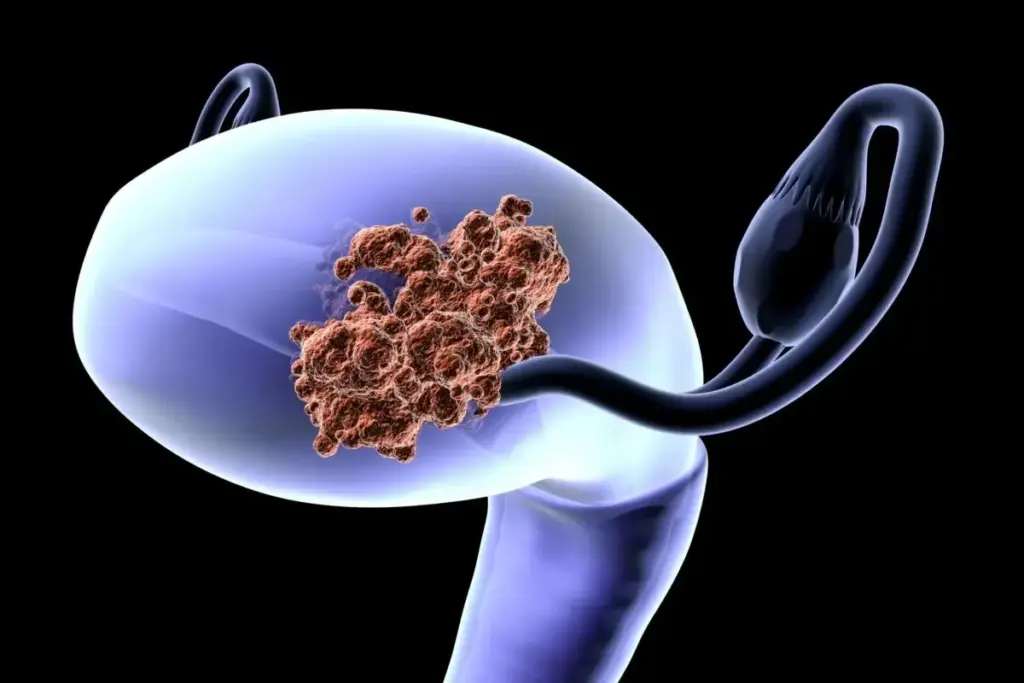
Gynecologic malignancies are a big threat to women’s health globally. They need a deep understanding and effective treatments. We will look at the types and treatments for ovarian, tubal, and peritoneal cancers.
Prevalence and Types of Ovarian, Tubal, and Peritoneal Cancers
Ovarian cancer is the most common, with about 21,000 new cases in the US each year. Tubal and peritoneal cancers are less common but face similar challenges. Knowing each cancer’s unique traits is key for the right diagnosis and treatment.
Prevalence Rates:
|
Cancer Type |
Annual Incidence |
Relative Frequency |
|---|---|---|
|
Ovarian Cancer |
21,000 |
80% |
|
Tubal Cancer |
1,500 |
5% |
|
Peritoneal Cancer |
3,000 |
10% |
Staging and Treatment Approaches
Getting the cancer stage right is key for treatment and outlook. Surgical staging, like bilateral salpingo-oophorectomy and omentectomy, is important. Treatment plans vary by stage and may include surgery, chemo, or radiation. Sometimes, extra steps like splenectomy or lysis of adhesions are needed.
CPT Code 58952: A Detailed Look
In gynecologic oncology, CPT code 58952 is key for treating complex cancers. It covers the initial removal of ovarian, tubal, or peritoneal tumors. This includes removing both ovaries and fallopian tubes and the omentum.
Definition and Scope of Tumor Reduction Procedures
Tumor reduction is a big part of CPT code 58952. It aims to remove as much tumor as possible to help patients. The extent of these procedures depends on the disease and the patient’s health.
Tumor reduction helps ease symptoms and improves life quality.
The goal is to leave the patient with little to no tumor left. This can greatly improve survival chances and treatment results. Such procedures need a lot of skill and are done by experienced gynecologic oncologists.
Bilateral Salpingo-oophorectomy and Omentectomy Components
Bilateral salpingo-oophorectomy and omentectomy are key parts of CPT code 58952. Bilateral salpingo-oophorectomy removes both ovaries and fallopian tubes. Omentectomy removes the omentum, a tissue layer that supports abdominal organs.
- Bilateral salpingo-oophorectomy removes cancer sites.
- Omentectomy removes tumor deposits in the omentum.
- Both are vital for full surgical staging and treatment.
Clinical Indications for Code 58952
CPT code 58952 is for patients with ovarian, tubal, or peritoneal cancers needing major surgery. It’s for advanced-stage cancers needing tumor reduction for better outcomes.
Correct coding for these complex surgeries is key for fair payment and top patient care. Knowing CPT code 58952 well helps healthcare providers improve coding and patient care.
CPT Code 58953: In-Depth Analysis
CPT code 58953 is a complex surgical procedure. It involves abdominal surgery for removing pelvic malignancies. It also includes pelvic and para-aortic lymphadenectomy. This code is for treating gynecologic cancers and needs a lot of surgical skill.
Abdominal Surgery with Pelvic Malignancy Resection
Abdominal surgery removes tumors in the pelvic area. It’s key for treating ovarian, tubal, and peritoneal cancers. The surgery method depends on the tumor’s size and location.
Pelvic and Para-aortic Lymphadenectomy Procedures
Pelvic and para-aortic lymphadenectomy are key parts of CPT code 58953. These steps remove lymph nodes to check cancer spread. The surgery’s complexity and length depend on how many nodes are removed.
|
Procedure |
Description |
Complexity Level |
|---|---|---|
|
Pelvic Lymphadenectomy |
Removal of lymph nodes in the pelvic region |
High |
|
Para-aortic Lymphadenectomy |
Removal of lymph nodes in the para-aortic region |
Very High |
Complexity Factors and Surgical Approach
The complexity of CPT code 58953 depends on several factors. These include the tumor’s size, the need for extra surgeries, and the patient’s health. The surgery must be customized for each patient, needing a lot of flexibility and skill.
Understanding CPT code 58953 helps healthcare providers in gynecologic oncology surgery. This leads to better patient results.
Key Differences Between CPT Codes 58952 and 58953
It’s important to know the differences between CPT code 58952 and 58953 for accurate billing in gynecologic oncology. These codes cover different surgical procedures.
Surgical Complexity and Technical Requirements
CPT code 58953 requires more complex and technical skills than 58952. CPT code 58953 includes abdominal surgery and removing lymph nodes in the pelvic and para-aortic areas.
This complexity means surgeons need more training and detailed planning before surgery. The lymphadenectomy part of CPT code 58953 is very detailed and time-consuming.
Lymphadenectomy: The Critical Differentiator
Lymphadenectomy is what sets CPT codes 58952 and 58953 apart. CPT code 58952 involves removing the ovaries and omentum but not lymph nodes. CPT code 58953, on the other hand, includes removing lymph nodes.
The lymph node removal in CPT code 58953 is key for treating and staging gynecologic cancers. It’s a more thorough approach.
Reimbursement Implications and Cost Considerations
CPT code 58953 usually gets more money back than 58952 because it’s more complex. Reimbursement implications are big because the right code affects how much doctors get paid.
Costs are also higher for CPT code 58953. This is because the surgery is more extensive, leading to longer recovery times and more hospital resources.
CPT Code for Bilateral Salpingectomy and Related Procedures
Bilateral salpingectomy is a key procedure in gynecologic oncology. It needs precise CPT coding for billing and documentation. This surgery removes both fallopian tubes and is often done with other treatments for gynecologic issues, like cancers.
Understanding Bilateral Salpingectomy Coding Options
The CPT code for bilateral salpingectomy changes based on the procedure and approach. For example, a bilateral salpingectomy CPT code is different for laparoscopic versus open surgery. This is important for accurate billing.
Healthcare providers must know the specific CPT codes for these surgeries. The laparoscopic bilateral salpingectomy CPT code is key for minimally invasive surgeries, which are common in gynecologic oncology.
Laparoscopic vs. Open Approach Coding Differences
The difference between laparoscopic and open surgeries is key in CPT coding for bilateral salpingectomy. Laparoscopic procedures are less invasive and have different coding needs than open surgeries. For example, the CPT code for laparoscopic bilateral salpingectomy may include codes for diagnostic or therapeutic procedures done during the surgery.
Knowing these differences is vital for accurate coding and reimbursement. The CPT code for laparoscopic bilateral salpingectomy may include codes for laparoscopy, surgical resection, and other procedures like lysis of adhesions or removal of other pelvic structures.
Relationship to Comprehensive Cancer Surgery Codes
Bilateral salpingectomy is often part of more extensive cancer surgery procedures. In these cases, the CPT coding for bilateral salpingectomy may be included in the codes for the more extensive surgeries. For example, when done as part of a staging procedure for ovarian cancer, the coding may be bundled with other surgeries like omentectomy or lymphadenectomy.
Healthcare providers need to understand how the CPT codes for bilateral salpingectomy relate to these broader cancer surgery codes. This ensures accurate billing and documentation.
Multidisciplinary Approach to Gynecologic Oncology Care
A team effort is key for the best results in gynecologic oncology. This means working together to give complete care.
Surgical Oncology, Pathology, and Radiation Oncology Coordination
Working together is vital for fighting gynecologic cancers. Surgical oncology helps start the fight, while pathology gives vital tumor details. Radiation oncology helps plan treatments that might include radiation. This teamwork makes sure patients get care that fits their needs.
Good communication is essential. Team meetings help discuss patient cases. This way, everyone works together to create personalized treatment plans. This teamwork leads to better patient results.
Impact on Coding and Documentation Requirements
This team effort changes how we code and document. We need detailed records to show the complexity of care. Coding must show the details of care, like surgeries, tests, and radiation.
Good records help with coding and billing. They also help keep care on track. This way, doctors can see how patients are doing and make better treatment choices.
Clinical Outcomes and Survival Statistics
Clinical outcomes and survival statistics in gynecologic oncology have seen big improvements. This is thanks to the use of detailed surgical staging. We will look into how these changes help patient care.
Impact on Prognosis
Comprehensive surgical staging, like lymphadenectomy, greatly affects patient prognosis. It helps doctors create treatment plans that fit each patient’s needs. This can lead to better outcomes.
Knowing exactly how cancer has spread through surgery helps in making better treatment plans. This improves patient prognosis.
Evidence for Improved Survival Rates
Research shows that detailed surgical staging can boost five-year survival rates by 10-15% for ovarian cancer patients. This big jump in survival rates highlights the critical role of accurate and detailed surgical staging.
|
Procedure |
Impact on Survival Rates |
Clinical Outcome |
|---|---|---|
|
Comprehensive Surgical Staging |
10-15% improvement |
Enhanced patient prognosis |
|
Lymphadenectomy |
Accurate disease staging |
Tailored treatment plans |
Understanding the clinical outcomes and survival statistics of detailed surgical staging shows its value. It helps us see why precise CPT coding is important for these complex procedures.
Conclusion
Accurate CPT coding is key in ovarian cancer surgery. It helps healthcare providers get paid right and keeps records complete. The difference between CPT code 58952 and CPT code 58953 is big. These codes show different ways to treat ovarian cancer.
It’s important for gynecologic oncologists and coders to know the difference. CPT code 58952 covers tumor reduction, removing both ovaries and the omentum. On the other hand, CPT code 58953 includes more complex steps like removing lymph nodes in the pelvic and para-aortic areas. Getting these codes right is critical to show the full scope of surgery.
By focusing on accurate CPT coding, we can better manage ovarian cancer. This ensures patients get the best care and doctors get paid fairly. It’s all about delivering top-notch care in gynecologic oncology.
FAQ
What is the primary difference between CPT code58952 and58953?
The main difference is in the surgery’s scope. CPT code58953 includes lymphadenectomy, which is not part of CPT code58952.
What is the CPT code for laparoscopic bilateral salpingectomy?
The CPT code for this procedure is 58661. It covers the removal of the fallopian tubes during laparoscopic salpingo-oophorectomy.
How does CPT coding impact reimbursement for gynecologic oncology procedures?
Correct CPT coding is key for right reimbursement in gynecologic oncology. Wrong coding can cause denied claims or less payment.
What is the significance of lymphadenectomy in CPT code58953?
Lymphadenectomy in CPT code58953 is vital. It removes lymph nodes in the pelvic and para-aortic regions. This is important for staging and treatment planning in gynecologic malignancies.
How does a multidisciplinary approach impact coding and documentation in gynecologic oncology care?
A team effort in gynecologic oncology care leads to better documentation and coding. This improves patient outcomes.
What is the CPT code for robotic-assisted hysterectomy with bilateral salpingo-oophorectomy?
The CPT code for this robotic-assisted procedure is 58573. Other related codes may apply based on the procedure’s specifics.
What is the role of splenectomy in the treatment of gynecologic malignancies?
Splenectomy is used in some cases of gynecologic malignancies. This includes ovarian cancer with spleen involvement or significant upper abdomen disease.
How does complete surgical staging impact prognosis in gynecologic oncology?
Complete surgical staging improves prognosis in gynecologic oncology. It provides accurate disease extent information, guides treatment, and may increase survival rates.
What is the CPT code for lysis of adhesions during a surgical procedure?
The CPT code for lysis of adhesions varies by procedure and approach. Codes like 44005 or 58660 are often used, depending on the service specifics.
Reference
National Center for Biotechnology Information. Evidence-Based Medical Insight. Retrieved from https://pmc.ncbi.nlm.nih.gov/articles/PMC3686168