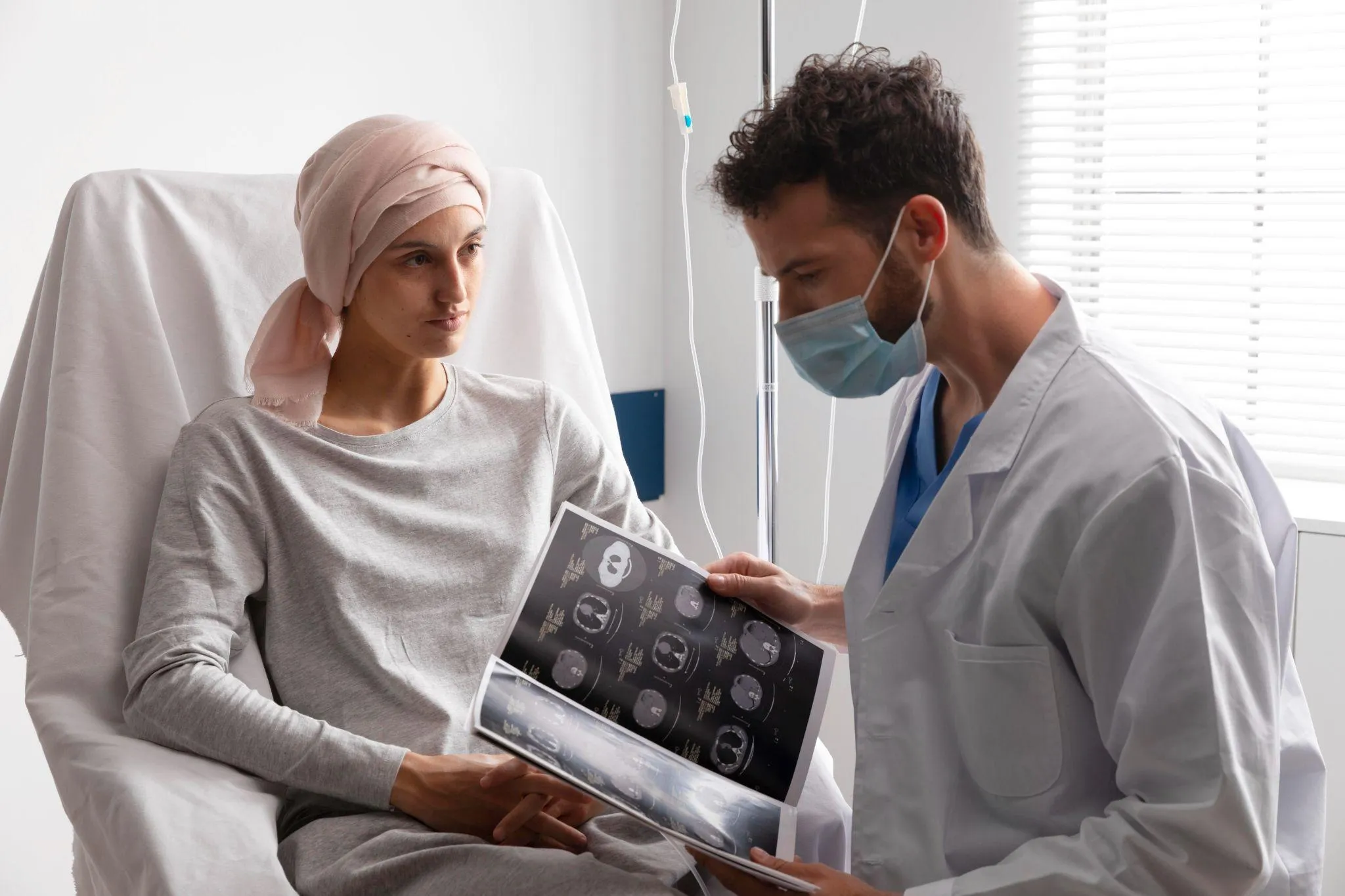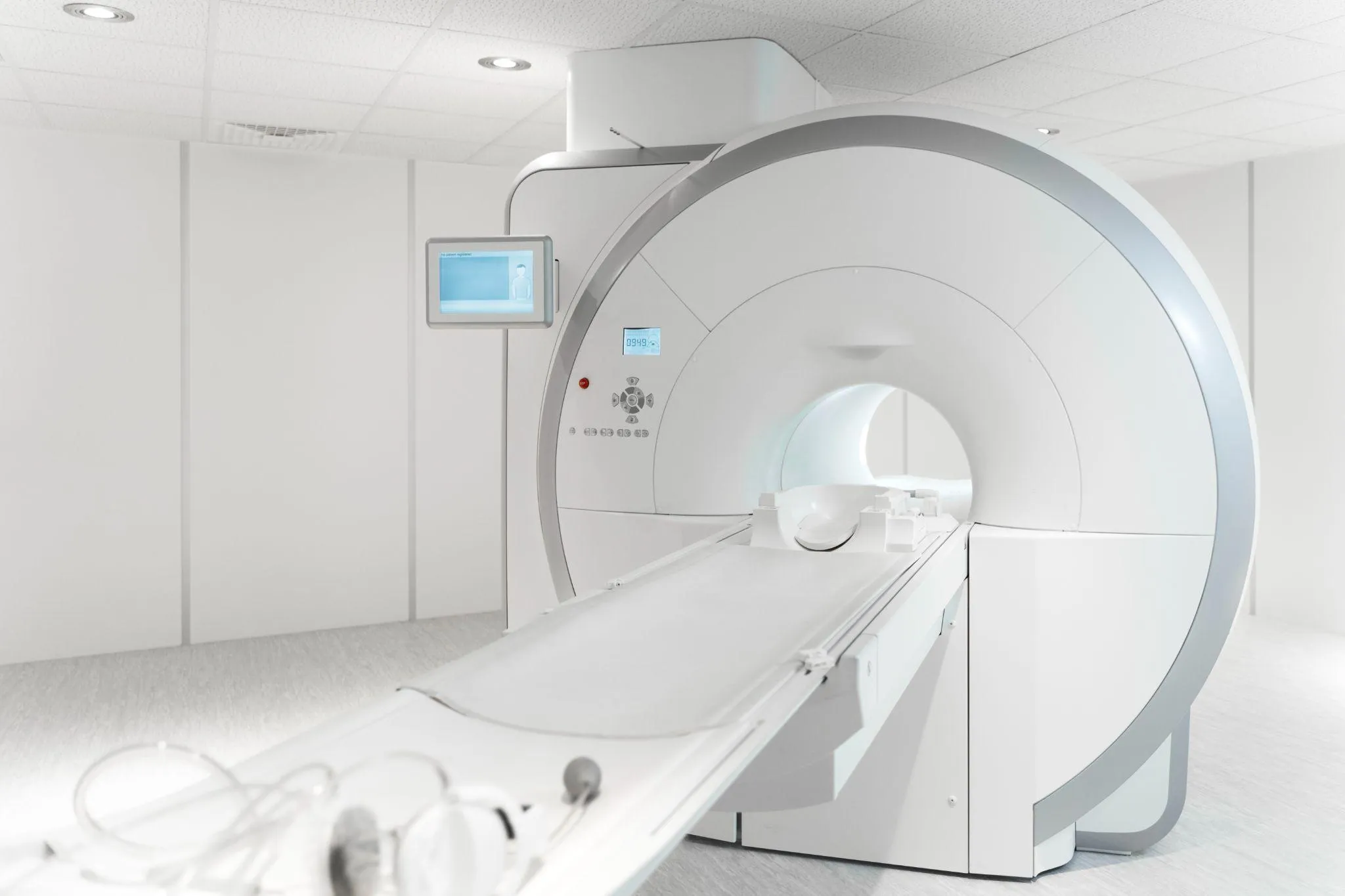
PET/CT scans have changed how we diagnose diseases. CPT code 78814 is for PET scans with CT for better images. It’s used for the chest or head/neck areas.
This advanced diagnostic tool helps find diseases early. It’s great for cancers, heart, and brain issues. CPT code 78814 plays a crucial role in modern medicine and is widely utilized in healthcare facilities.
Key Takeaways
- CPT code 78814 is used for PET/CT scans in limited anatomical regions.
- It combines metabolic and anatomical data for enhanced disease detection.
- This code is critical for diagnosing and managing various medical conditions.
- PET/CT scans support early detection of cancers and neurological disorders.
- Leading medical institutions worldwide adopt this diagnostic standard.
Understanding CPT Code78814: Definition and Purpose
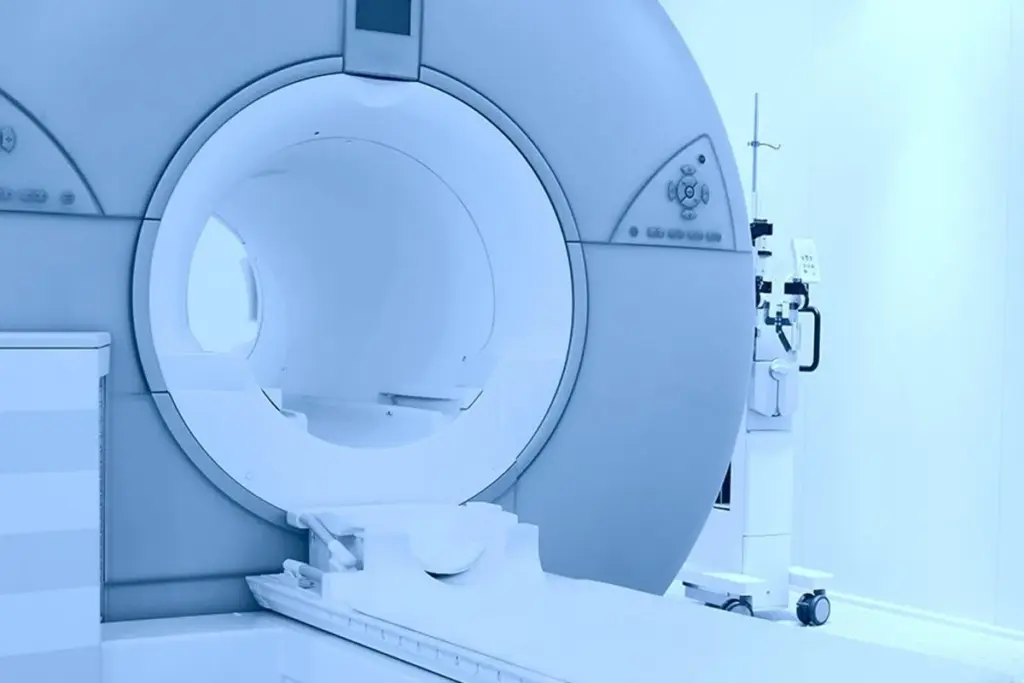
CPT code 78814 pertains to a specific PET/CT scan that offers limited coverage. It’s key for healthcare and billing to know, affecting how PET/CT scans get paid for.
Official Description and Terminology
The CPT code 78814 description is “Positron emission tomography (PET) with concurrently acquired computed tomography (CT) for attenuation correction and anatomical localization; limited or focused study.” This is important for correct billing and coding. The article explains how this code is different from others.
CPT code 78814 is for focused PET/CT studies, used in oncology and neurology. Knowing the official description is key for following coding rules.
Scope and Limitations of the Code
CPT code 78814 is for scans of specific areas, not the whole body. It’s used for scans of the chest or head and neck. But, it has limits on what it covers.
Knowing when to use CPT code 78814 is important. If a scan covers more area, another code might be better.
Historical Development of PET/CT Coding
PET/CT coding has changed a lot over time. At first, PET scans had their own codes. But with PET/CT’s rise, specific codes like 78814 were created. This code helps standardize billing for focused PET/CT scans.
The history of PET/CT coding shows how important this imaging is in healthcare. As PET/CT tech gets better, coding will likely change to keep up with new uses and methods.
The Basics of PET/CT Imaging Technology
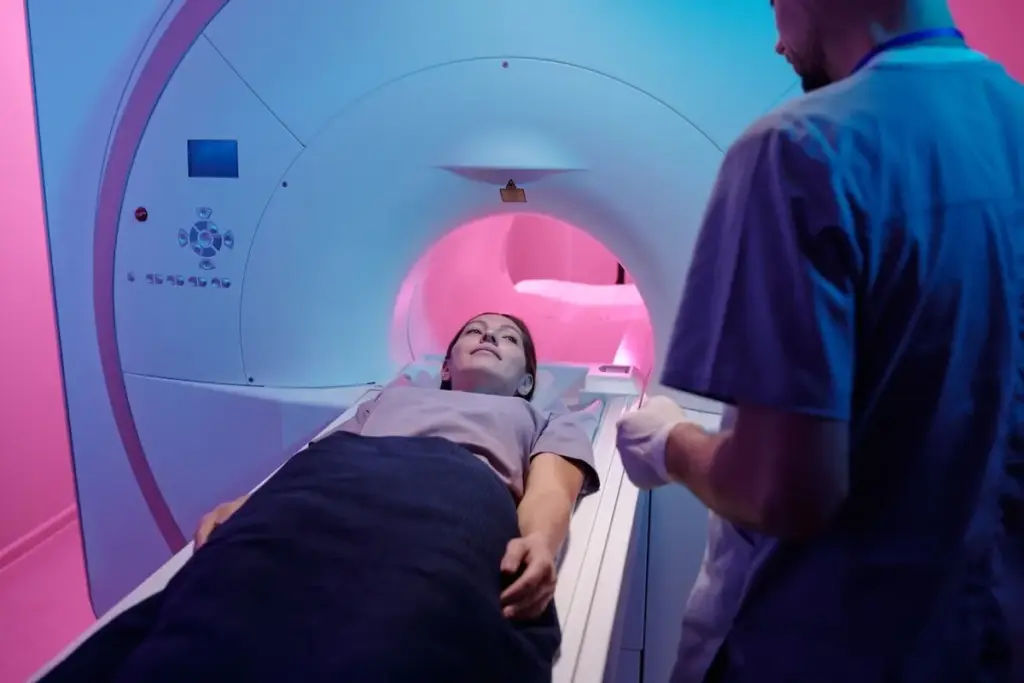
Understanding PET/CT imaging is key to seeing its value in healthcare today. It combines PET’s metabolic info with CT’s body details. This gives a full view of the body’s inner workings and structures.
How PET Scans Work
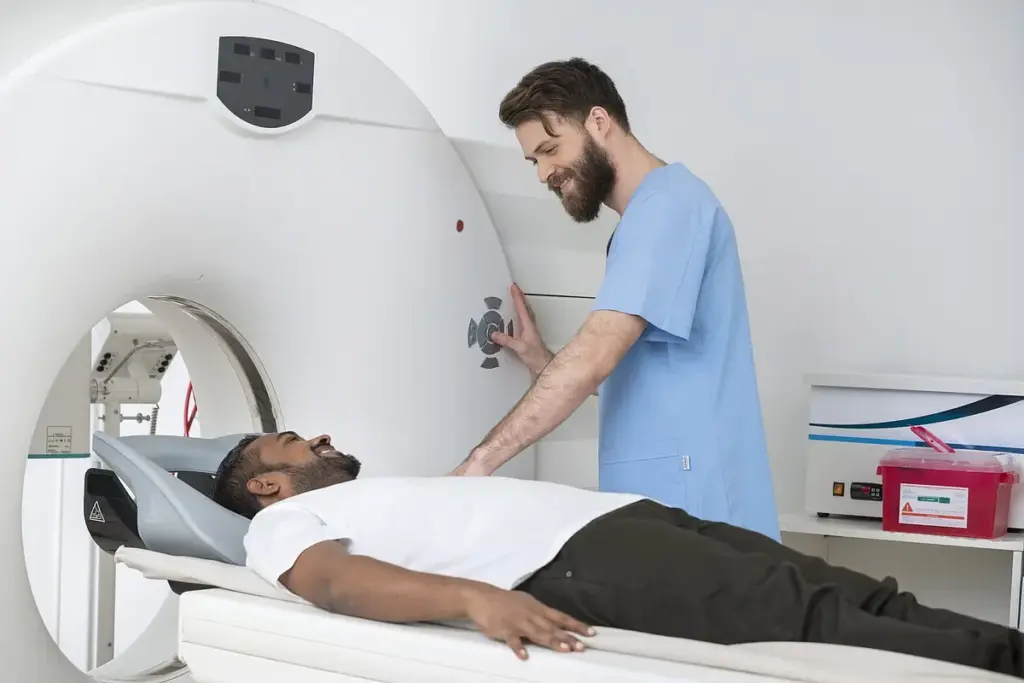
PET scans use tiny amounts of radioactive tracers, or radiopharmaceuticals, injected into the body. These tracers go to active areas, like growing cancer cells. The PET scanner picks up signals from the tracer, showing where the body is most active.
The steps are:
- The patient gets a radiopharmaceutical, often Fluorodeoxyglucose (FDG), which cells absorb.
- The PET scanner catches the gamma rays from the tracer, making images of body activity.
- Doctors then look at these images to find where the body is not working right.
Integration with CT for Attenuation Correction
CT scans are added to PET scans for a few reasons, like fixing the PET signal. CT gives detailed body maps to pinpoint where PET sees activity. It also helps fix the PET signal, which can get lost in body tissues.
Attenuation correction makes PET images more accurate. With CT’s help, PET/CT scanners give clearer images. This helps doctors diagnose and plan treatments better.
Radiopharmaceuticals Used in PET/CT Imaging
Radiopharmaceuticals are vital for PET/CT scans. The most used one is FDG, which shows how cells use glucose. Other tracers are used for different needs, like checking heart health or finding tumors.
- FDG for many uses, like in cancer, brain, and heart studies.
- Rubidium-82 for heart blood flow checks.
- Flotufolastat F18 (also known as 18F-DCFPyL) for prostate cancer.
The right radiopharmaceutical depends on the patient’s needs and the doctor’s goal.
Anatomical Coverage: Limited Areas Under CPT Code78814
CPT code 78814 is for PET/CT scans of specific body parts, like the chest or head and neck. It’s key for billing PET/CT scans that focus on certain areas, not the whole body.
Chest Imaging Applications
The chest is a common spot for these scans. They’re great in oncology to see if cancer has spread in the chest. They help check lymph nodes or find cancer in the lungs or nearby areas.
Key applications include:
- Evaluating lung nodules or masses
- Assessing mediastinal lymphadenopathy
- Monitoring response to treatment in thoracic cancers
Head and Neck Region Imaging
PET/CT scans of the head and neck are key for cancer diagnosis and management. CPT code 78814 covers these scans. They help spot primary tumors, check lymph nodes, and find cancer coming back.
“The use of PET/CT in head and neck cancer has revolutionized the field by providing both metabolic and anatomical information, improving diagnostic accuracy and treatment planning.”
Oncologist
Other Limited-Area Applications
While chest and head/neck scans are common, CPT code 78814 also applies to other areas. This depends on the medical need and context. These scans might focus on specific organs or areas for diagnosis.
|
Anatomical Region |
Common Applications |
Diagnostic Benefits |
|---|---|---|
|
Chest |
Lung cancer staging, assessing mediastinal lymphadenopathy |
High sensitivity for detecting metastatic disease |
|
Head and Neck |
Evaluating primary tumors, lymph node assessment |
Improved accuracy in detecting recurrence |
|
Other Regions |
Organ-specific scans for diagnostic purposes |
Targeted diagnostic information for specific conditions |
Distinguishing CPT Code78814 from Related PET/CT Codes
It’s important to know the differences between CPT code 78814 and other PET/CT codes. This knowledge helps with billing and patient care. CPT code 78814 is for limited-area PET/CT imaging. Knowing how it differs from other codes is key for healthcare providers.
Comparison with 78815 (Whole-Body PET/CT)
CPT code 78815 covers the whole body in PET/CT imaging. This is different from 78814, which focuses on specific areas like the chest or head. The main difference is the body area being scanned.
Clinical scenarios where 78815 is better include cancer staging. It looks at the whole body for metastasis. On the other hand, 78814 is better for focused checks, like a tumor in the chest or head and neck.
Differences from 78811 (Limited-Area PET without CT)
CPT code 78811 is for PET imaging without CT. The main difference with 78814 is the use of CT for better imaging. 78814 uses both PET and CT for detailed images.
78814 is chosen when both PET and CT are needed for diagnosis. 78811 is used when PET alone is enough or when CT is not needed.
When to Use 78814 vs. Alternative Codes
Choosing between 78814 and other codes depends on the clinical need and the area of interest. For example, 78814 is best for specific regions in oncology. But 78815 is better for whole-body scans.
- Use 78814 for limited-area PET/CT when detailed anatomical correlation is necessary.
- Opt for 78815 when whole-body assessment is required.
- Consider 78811 for limited-area PET without the need for CT attenuation correction.
Understanding these code differences helps healthcare providers with accurate coding and better patient care.
Clinical Indications for Using CPT Code78814
CPT code 78814 is used in many clinical situations. It’s needed when PET/CT imaging is used for diagnosis or treatment planning. This code shows how PET/CT technology is key in today’s healthcare.
Oncological Applications
In oncology, CPT code 78814 is often used for checking specific body areas like the chest or head and neck. PET/CT imaging is vital for cancer staging, tracking treatment, and finding recurrence. For example, in lung cancer, it helps see how far the disease has spread, guiding treatment.
Neurological Conditions
For brain disorders, CPT code 78814 is used with PET/CT. It’s great for diagnosing and managing diseases like Alzheimer’s, epilepsy, and brain tumors. It shows how active certain brain areas are, helping doctors understand disease severity.
Cardiovascular Assessment
In cardiology, PET/CT imaging under 78814 checks heart muscle viability and blood flow. This info is key for treating coronary artery disease or heart failure. It helps find out which heart parts can recover with better blood flow.
Emerging Clinical Applications
CPT code 78814 is also being looked at for new uses. It’s being tested for checking inflammation, infection, and some musculoskeletal issues. As research grows, so will the uses of this code, making it more common in healthcare.
The Complete CPT Code for PET/CT: Technical Requirements
To follow CPT code 78814, knowing the technical needs for PET/CT is key. The quality of PET/CT images depends a lot on the equipment and protocols used.
Equipment Specifications
PET/CT imaging needs high-quality equipment that meets certain standards. The PET/CT scanner must make high-resolution images with correct attenuation correction. This means:
- Advanced PET detectors with high sensitivity
- Multi-slice CT scanners for fast and accurate imaging
- Robust image reconstruction algorithms
The mix of PET and CT technologies needs precise calibration and quality control. This ensures the combined images give accurate diagnostic info.
Protocol Requirements for Valid Coding
For valid coding under CPT 78814, the PET/CT protocol must follow certain rules. This includes:
- Choosing the right radiopharmaceuticals
- Correct patient preparation and positioning
- Accurate image acquisition and reconstruction parameters
Following these protocol rules is key for correct coding and reliable diagnostic info.
Quality Control Measures
Quality control is vital in PET/CT imaging. Regular scanner maintenance and technologist training are musts. Quality control steps include:
- Daily quality control checks on the PET and CT parts
- Regular cross-calibration between PET and CT scanners
- Periodic review of image quality and protocol adherence
These quality control steps help make sure images are of high quality. This is important for accurate diagnosis and treatment planning.
Billing and Reimbursement Considerations for CPT78814
Understanding CPT code 78814’s billing and reimbursement is key. Healthcare providers need to grasp the specific needs and hurdles of PET/CT imaging for correct payment.
Documentation Requirements
Good documentation is key for getting paid for CPT code 78814. Healthcare providers must make sure all important info is in the patient’s records.
Essential Documentation Elements:
- Clear justification for the PET/CT scan
- Detailed description of the procedure performed
- Clinical notes and relevant medical history
- Imaging results and interpretation
Common Reimbursement Challenges
Providers often face hurdles when trying to get paid for CPT code 78814. Issues include claim denials for bad documentation, wrong coding, or not being medically necessary.
To beat these challenges, providers should work on better documentation, keep up with coding rules, and make sure all PET/CT scans are justified and coded right.
Medical Necessity Criteria for PET/CT Under Code78814
Understanding the medical necessity criteria for CPT code 78814 is key for healthcare providers. It ensures the right use of PET/CT imaging. Medical necessity is what makes a diagnostic procedure justified and covered by insurance.
Establishing Necessity in Oncology
In oncology, PET/CT imaging is critical for diagnosing, staging, and tracking cancer treatment. To be medically necessary, the following must be true:
- Previous tests were unclear or showed a need for more evaluation.
- The PET/CT scan will give info that affects treatment choices.
- The patient’s condition requires PET/CT imaging.
Example of Oncologic Application: A patient with suspected lymphoma might get a PET/CT scan. This helps see how far the disease has spread and how well treatment is working.
Justification for Non-Oncologic Applications
PET/CT is not just for cancer. It’s also used in neurology and cardiology. For non-cancer uses, medical necessity can be shown by:
- Recording the patient’s symptoms and medical history.
- Showing that other tests are not enough or wrong.
- Proving that PET/CT results will change how the patient is treated.
For instance, in neurology, PET/CT helps check certain brain diseases.
|
Clinical Area |
Common PET/CT Applications |
Justification for Medical Necessity |
|---|---|---|
|
Oncology |
Cancer staging, treatment monitoring |
Inconclusive previous tests, impact on treatment decisions |
|
Neurology |
Neurodegenerative disease assessment |
Symptoms and clinical history, alternative methods insufficient |
|
Cardiology |
Myocardial viability assessment |
Clinical condition, impact on patient management |
Avoiding Claim Denials
To avoid claim denials, detailed documentation of medical necessity is essential. This includes:
- Keeping detailed patient records.
- Providing clear reasons for the PET/CT scan.
- Submitting all relevant clinical info with the claim.
“Accurate documentation of medical necessity is key to successful reimbursement for PET/CT procedures under code 78814.”
— Expert in Medical Billing
By knowing and using these medical necessity criteria, healthcare providers can better use PET/CT imaging under CPT code 78814. This improves reimbursement outcomes.
Patient Preparation for PET/CT Procedures Coded as78814
To get the best PET/CT images, thorough preparation is key. This includes several steps and instructions. They help in getting accurate results.
Pre-Procedure Instructions
Before a PET/CT scan, patients must follow certain steps. They might need to fast or avoid exercise. It’s also important to wear loose clothes and no jewelry.
Managing diabetes is another critical part. High blood sugar can mess up the scan quality. So, it’s vital for diabetic patients to keep their glucose levels in check.
Contraindications and Precautions
Some conditions might not be good for PET/CT scans. Pregnancy is one, unless it’s really needed. Breastfeeding moms should talk to their doctor too.
People with claustrophobia or anxiety might need help. This could be mild sedation to stay calm during the scan.
Patient Education Materials
It’s important to give patients all the info they need. This includes what to expect, how to prepare, and what to do after. Liv Hospital uses the latest, best practices for PET/CT scans.
|
Pre-Procedure Instructions |
Description |
|---|---|
|
Dietary Restrictions |
Fasting for a specified period before the procedure |
|
Clothing and Accessories |
Wear comfortable clothing; avoid jewelry and metal objects |
|
Diabetes Management |
Manage blood glucose levels to ensure optimal image quality |
Good preparation is essential for PET/CT scans. By following the instructions, knowing what not to do, and using educational materials, patients help get the best images.
“Proper preparation is key to ensuring that PET/CT scans provide accurate and useful diagnostic information.”
Liv Hospital PET/CT Protocol Guidelines
Interpretation and Reporting of78814 PET/CT Studies
PET/CT imaging is complex and needs a detailed approach for interpretation and reporting. Accurate scans are key for managing patients, mainly in oncology. These scans help diagnose and track cancer.
Required Elements in Radiology Reports
Radiology reports for PET/CT studies under CPT code 78814 must include important elements. These elements are:
- Clear indication of the clinical question being addressed
- Description of the imaging protocol used
- Detailed findings, including both PET and CT components
- Comparison with prior studies when available
- Impression or conclusion section summarizing the key findings
Accurate and complete reporting is vital for making clinical decisions. The report should be easy for clinicians to understand.
Integration with Clinical Decision Making
PET/CT imaging is key in clinical decision making, mainly in oncology. The scans help plan treatments, check how well treatments work, and spot recurrence. To integrate PET/CT findings well, there needs to be:
- Close collaboration between radiologists and referring physicians
- Clear communication of the limitations and uncertainties of PET/CT findings
- Consideration of PET/CT results in the context of other diagnostic information
Clinical correlation is often needed to fully understand PET/CT findings. This shows the importance of a team approach to patient care.
Structured Reporting Templates
Using structured reporting templates can make PET/CT reports clearer and more consistent. These templates ensure all needed info is included and reports follow a standard format. The benefits include:
- Improved report quality and consistency
- Enhanced communication with referring physicians
- Facilitated data mining and outcomes research
By using structured reporting templates and making sure reports include all required elements, the quality of 78814 PET/CT studies can improve. This supports better clinical decision making.
Clinical Efficacy and Diagnostic Accuracy of Limited-Area PET/CT
Limited-area PET/CT imaging, listed as CPT 78814, is a detailed way to look at the body. It’s known for its ability to show both how the body works and its structure in one scan. This makes it a valuable tool in medical imaging.
Sensitivity and Specificity Rates
Research shows that PET/CT imaging under CPT code 78814 is very accurate. For example, in cancer checks, it finds tumors with over 90% accuracy. This is because it combines PET and CT scans to spot active lesions better.
The specificity of PET/CT scans is also high, thanks to the right patient history and clinical context. This accuracy is key for making treatment plans and tracking disease changes.
Comparative Effectiveness with Alternative Imaging
Compared to other imaging methods, limited-area PET/CT under CPT 78814 often gives better results. For example, in cancer checks, it’s more precise than CT or PET scans alone. This is because it offers both functional and anatomical details.
In brain and heart studies, PET/CT also stands out. It’s often more sensitive and specific than other imaging methods.
Evidence-Based Outcomes Data
Studies back up the effectiveness of limited-area PET/CT. They show it helps in diagnosing and staging diseases more accurately. This leads to better patient care.
Also, PET/CT can track how treatments work and spot early signs of disease coming back. This helps doctors make better plans for patient care, which can improve health and life quality.
Recent Advances in PET/CT Technology Relevant to Code78814
PET/CT technology has seen big changes, making images clearer and more accurate for code78814 procedures. These updates have made limited-area PET/CT scans more useful in different medical areas.
Hardware Improvements
New hardware in PET/CT scanners has led to better image quality and quicker scans. Modern systems use advanced materials and designs, like silicon photomultipliers, for higher sensitivity and detail.
These new parts have also led to more advanced PET/CT systems. Now, we can get detailed metabolic information over longer areas.
Software and Reconstruction Algorithms
Software and algorithm updates have greatly improved PET/CT images. Techniques like time-of-flight (TOF) and advanced iterative algorithms have made images clearer and less noisy.
AI-driven tools are coming soon, promising even better image quality and confidence in diagnosis.
Impact on Clinical Applications
These tech upgrades have greatly expanded PET/CT’s use in medicine. Better accuracy and image quality have made limited-area PET/CT scans more valuable in cancer, brain, and heart studies.
For example, today’s PET/CT systems can spot smaller tumors and track treatment effects more accurately. This helps doctors care for patients better.
|
Technological Advancement |
Impact on PET/CT Imaging |
Clinical Benefit |
|---|---|---|
|
Advanced Detector Materials |
Improved sensitivity and resolution |
Better detection of small lesions |
|
TOF Reconstruction Algorithms |
Enhanced image clarity and reduced noise |
Improved diagnostic confidence |
|
Extended Axial Field-of-View |
More complete metabolic info |
Enhanced disease extent assessment |
PET/CT technology is always getting better, which will help more in medical diagnosis, including code78814 procedures. As technology keeps improving, PET/CT scans will become even more useful in healthcare.
Global Trends in PET/CT Utilization and Coding
PET/CT imaging is becoming more popular worldwide. It’s used a lot in cancer treatment and other medical areas. The number of PET/CT scans done each year is going up.
Statistical Data on Procedure Volume
In the U.S., over 2 million PET scans are done every year. This number is growing globally. As the technology gets better and more people can use it, this trend will keep going.
|
Region |
Annual PET/CT Procedures (Estimated) |
Growth Rate (%) |
|---|---|---|
|
North America |
1,500,000 |
5 |
|
Europe |
1,000,000 |
4 |
|
Asia-Pacific |
750,000 |
7 |
International Coding Variations
Even though more PET/CT scans are being done, coding rules vary a lot around the world. These differences can affect how much money is paid for scans and how often they are used.
Coding differences make it hard to standardize PET/CT scans globally. But, there are efforts to make coding rules more consistent.
Future Growth Projections
The future of PET/CT imaging looks bright. New technology and more uses in medicine will help it grow. Countries that are just starting to use PET/CT will play a big role in this growth.
Technological innovations, like better scanners and new medicines, will make PET/CT scans even more useful. This will lead to more people using them.
As healthcare changes around the world, it’s important to keep up with PET/CT trends. This is key for doctors, policymakers, and companies in the healthcare field.
Radiation Safety Considerations for PET/CT Procedures
Radiation safety is key in PET/CT scans, affecting both patients and staff. PET/CT imaging is a valuable tool, but we must weigh its benefits against radiation risks.
Dose Management Strategies
Managing doses in PET/CT scans is vital. It means using the least amount of radioactive material needed for clear images. Advanced PET/CT scanners and iterative reconstruction algorithms help lower doses without sacrificing image quality.
“The key to successful dose management lies in striking a balance between image quality and radiation exposure.” – Expert in Nuclear Medicine
Risk-Benefit Analysis
Every PET/CT scan must undergo a risk-benefit analysis. We compare the scan’s benefits to its radiation risks. For many, the scan’s value outweighs the risks. Yet, each scan must be medically necessary.
Patient and Staff Safety Protocols
Keeping patients and staff safe in PET/CT scans is essential. This includes:
- Proper handling and administration of radiopharmaceuticals
- Use of personal protective equipment (PPE) by staff
- Monitoring radiation exposure levels
- Patient education on radiation safety
By following these protocols, we can reduce radiation risks and enhance PET/CT imaging benefits.
Implementation of PET/CT Services at Liv Hospital
Liv Hospital has started using PET/CT services to improve patient care. This new technology helps doctors diagnose diseases more accurately. It makes medical assessments better and more detailed.
Protocol Development and Quality Assurance
Liv Hospital follows the latest research to set up PET/CT protocols. This ensures scans are done safely and with the best quality.
- Standardized protocols for different clinical applications
- Regular quality control checks to maintain equipment performance
- Continuous training for technologists and radiologists
Quality assurance is key in Liv Hospital’s PET/CT program. The hospital has strict quality control to make sure scans are accurate and reliable.
|
Quality Control Measure |
Frequency |
Purpose |
|---|---|---|
|
Equipment Calibration |
Daily |
Ensure accurate image acquisition |
|
Technologist Training |
Quarterly |
Maintain high standards of image quality |
|
Radiologist Review |
Ongoing |
Ensure accurate interpretation of PET/CT scans |
Multidisciplinary Approach to PET/CT Imaging
Liv Hospital uses a multidisciplinary approach for PET/CT imaging. Radiologists, nuclear medicine specialists, and other healthcare professionals work together. This ensures scans are seen in the context of the patient’s full medical picture.
The team creates personalized imaging plans for each patient. This teamwork makes PET/CT scans more useful for treatment planning.
Patient-Centered Experience
At Liv Hospital, patient comfort is a top priority. The PET/CT imaging area is designed to be welcoming and comfortable. It has amenities to help reduce stress and anxiety.
The staff focuses on giving patients personalized care during the PET/CT process. Patients are treated with kindness and respect from start to finish.
Conclusion: The Future of Limited-Area PET/CT Imaging
The future of PET/CT imaging looks bright, with a focus on limited areas. The shows how CPT code 78814 helps use PET/CT for specific areas like the chest and head/neck.
PET/CT imaging is becoming more popular worldwide. New tech and uses will keep growing its role. It will help diagnose and treat many diseases, like cancer, brain issues, and heart problems.
New trends and tech will make PET/CT imaging even better. It will be key in improving how we diagnose and treat patients. The use of advanced technologies and new methods will be vital for better patient care.
FAQ
References
- PET Imaging Institute. How to Order a PET/CT with ICD-10. https://petimaging.us/how-to-order-a-pet-ct-with-icd-10/
What is CPT code78814 used for?
CPT code78814 is for limited-area PET/CT imaging. It combines PET and CT scans. This gives detailed images of specific body areas.
What are the clinical indications for using CPT code78814?
It’s used for many things. This includes cancer, brain conditions, heart checks, and new uses.
How does PET/CT imaging work?
It mixes PET’s function info with CT’s body map. This helps doctors diagnose and plan treatments better.
What are the technical requirements for PET/CT imaging under CPT code78814?
It needs special equipment and protocols. Quality checks are also key for accurate images.
How is medical necessity established for PET/CT imaging under CPT code78814?
It’s shown by the patient’s health needs. The doctor checks if it’s needed for diagnosis.
How can claim denials be avoided for PET/CT imaging under CPT code78814?
Meet the medical need and document well. Follow the right billing and coding steps.
What are the radiation safety considerations for PET/CT procedures?
It’s about managing doses and risks. Safety for patients and staff is also key to reduce radiation.
How is PET/CT imaging used in oncology?
It helps find and track cancer. It’s used for diagnosis, treatment planning, and checking if cancer comes back.
What are the benefits of limited-area PET/CT imaging under CPT code78814?
It’s more accurate and safer. It also makes patients more comfortable. It’s great for certain medical needs.