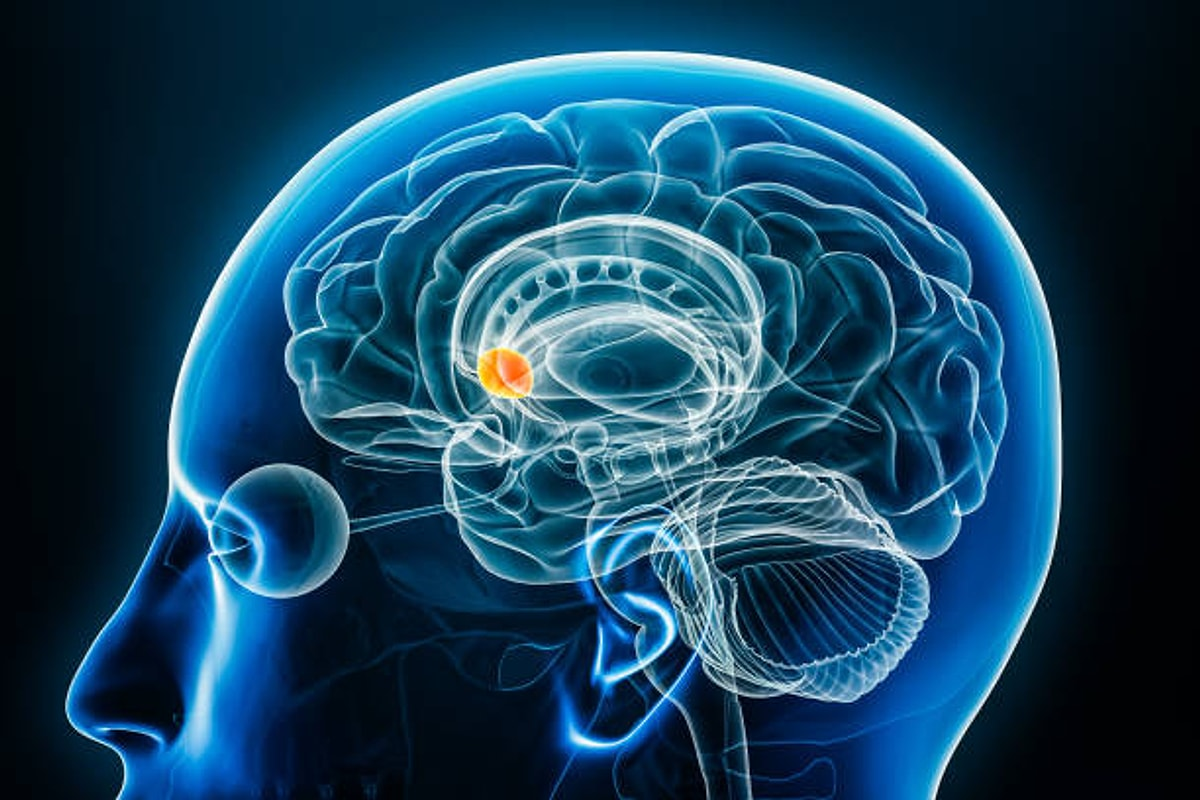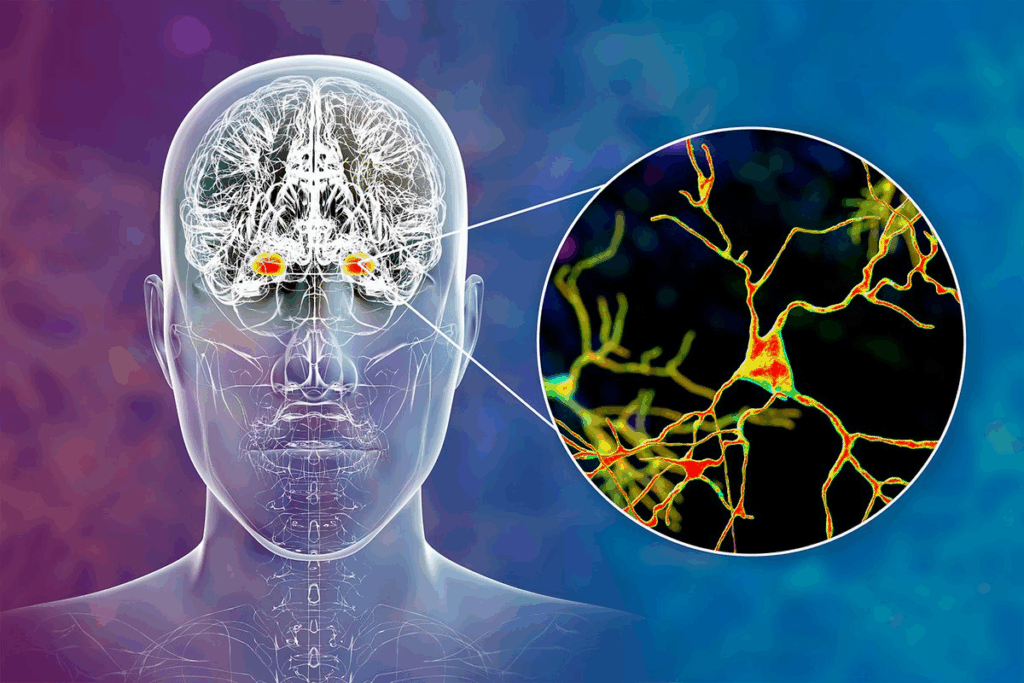
At Liv Hospital, we recognize the significance of Cranial Nerve XI, also known as the accessory nerve. This nerve is vital for controlling muscles in the neck and upper back. It plays a key role in our overall health. Our guide to the cranial nerve accessory (CN XI) explains its 5 critical functions, the muscles it moves, and how to test it.
The accessory nerve helps the sternocleidomastoid and trapezius muscles work right. These muscles are important for moving our head and shoulders. Knowing how this nerve works helps doctors give better care.
Key Takeaways
- The accessory nerve is the eleventh cranial nerve with both spinal and cranial components.
- It plays a vital role in controlling the sternocleidomastoid and trapezius muscles.
- Understanding its anatomy is key for thorough neurological checks.
- The nerve helps with important movements like head rotation and shoulder elevation.
- Knowing about the accessory nerve is key for giving the best treatments.
The Anatomy and Origin of the Accessory Nerve
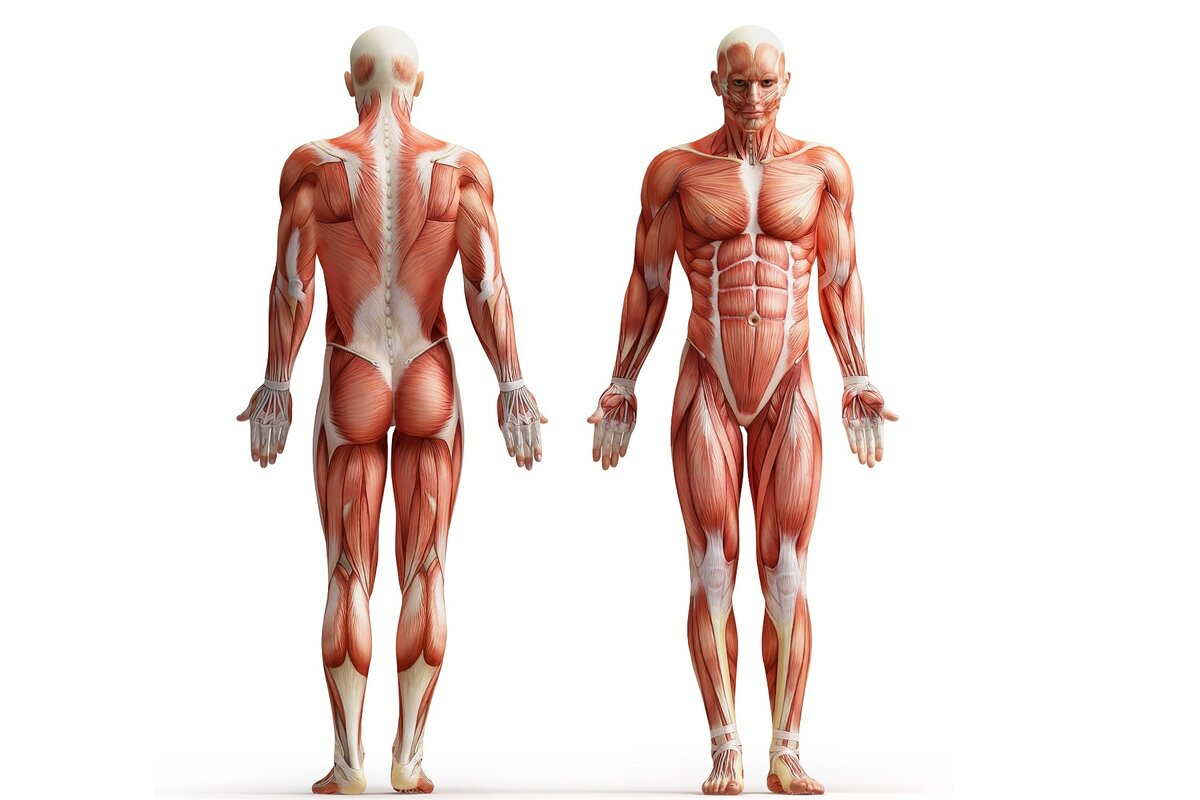
The accessory nerve is special because it comes from both the head and the spine. This makes it different from other nerves and important for its role.
Cranial and Spinal Components
The accessory nerve has two parts: the cranial root and the spinal root. The cranial root starts in the medulla oblongata. The spinal root comes from the upper cervical spinal cord (C1-C5).
These roots join to form the accessory nerve. It then leaves the skull through the jugular foramen.
The cranial root is smaller and often linked with the vagus nerve (Cranial Nerve X). The spinal root is larger. It controls the sternocleidomastoid and trapezius muscles.
Developmental Origins
The accessory nerve’s development is tied to the growth of the head and neck. The cranial root comes from the nucleus ambiguus. The spinal root starts in the cervical spine.
During growth, the spinal root moves up to meet the cranial root. This forms the accessory nerve. This complex process is key for the nerve’s proper development and function.
Anatomical Course Through the Body
After leaving the skull, the accessory nerve goes down the neck. It passes between the internal carotid artery and the internal jugular vein. It then reaches the sternocleidomastoid muscle and then the trapezius muscle.
The nerve’s path is near other neck structures like lymph nodes and nerves. Knowing this path is vital for diagnosing and treating nerve issues.
Component | Origin | Function |
Cranial Root | Medulla Oblongata | Contributes to vagus nerve functions |
Spinal Root | Upper Cervical Spinal Cord (C1-C5) | Innervates sternocleidomastoid and trapezius muscles |
Historical Perspective: Discovery and Naming of Cranial Nerve XI
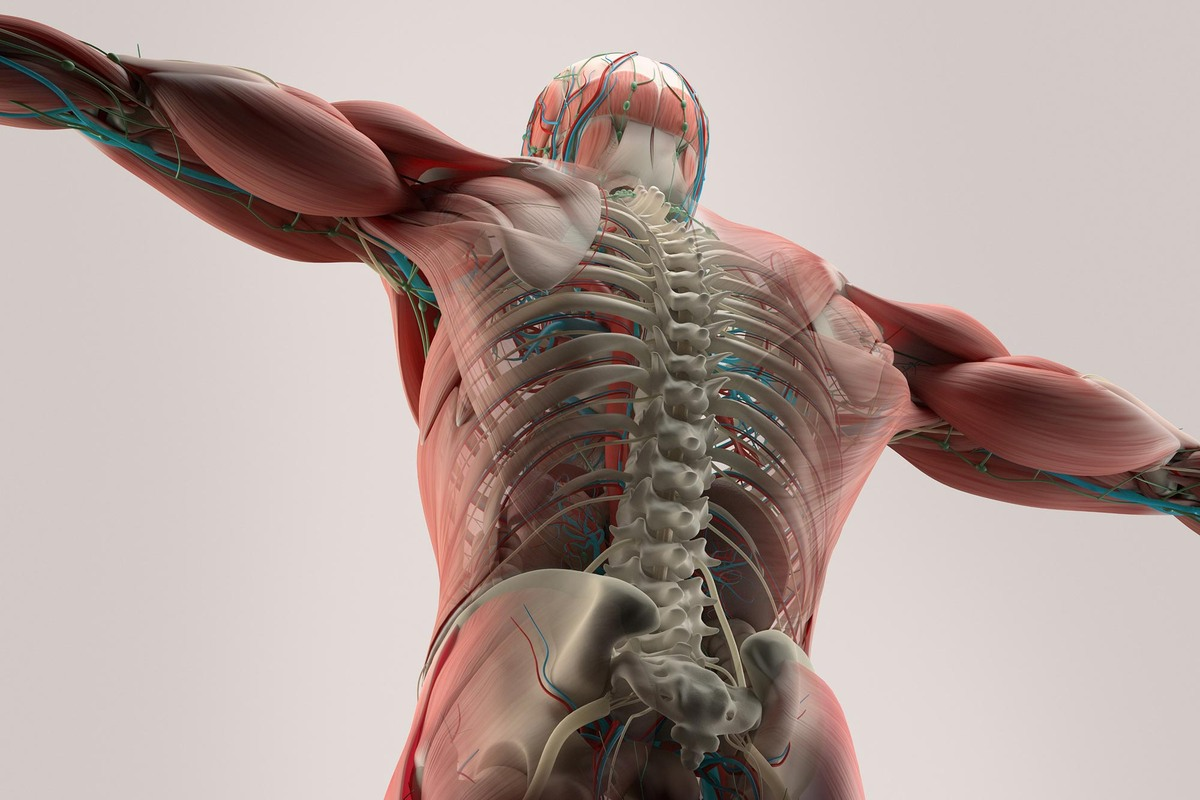
The story of the accessory nerve’s discovery and naming is quite interesting. It shows how science and anatomy have grown together. Learning about Cranial Nerve XI helps us understand its role in our bodies.
Early Anatomical Descriptions
Anatomists have been studying the accessory nerve for a long time. Thomas Willis was one of the first to describe it in the 17th century. He noticed its two parts: the cranial and spinal roots.
Later, more detailed studies revealed the nerve’s complex structure and how it works.
Evolution of Understanding Over Time
As we learned more about anatomy, our knowledge of the accessory nerve grew. In the 19th and 20th centuries, scientists figured out its role in moving the neck and shoulders. This knowledge is key for doctors to diagnose and treat problems.
Contemporary Classification in Neuroanatomy
Now, the accessory nerve is seen as a key part of the cranial nerve family. It’s important for moving the neck and shoulders. Neuroanatomy keeps improving our understanding of the nerve and its health effects.
The way we classify the accessory nerve shows its special role and importance.
Understanding the Cranial Nerve Accessory Structure
The accessory nerve has a special way of organizing its functions. It controls specific muscles in the neck and shoulder. This nerve, known as Cranial Nerve XI, is unique because of its complex structure and role.
Distinguishing Features Among Cranial Nerves
The accessory nerve stands out because it has two roots. One comes from the skull, and the other from the spine. This makes it different from other cranial nerves.
Key distinguishing features include:
- Dual cranial and spinal roots
- Specific innervation of the sternocleidomastoid and trapezius muscles
- A unique course through the neck and shoulder region
Somatotopic Organization
The accessory nerve’s motor neurons are mapped to specific muscles. This precise mapping is key for controlling the sternocleidomastoid and trapezius muscles.
The somatotopic arrangement allows for:
- Coordinated movement of the neck and shoulder
- Precise control over muscle contraction and relaxation
- Integration with other motor systems for complex movements
Motor and Sensory Components
The accessory nerve mainly acts as a motor nerve. It provides the necessary signals to the sternocleidomastoid and trapezius muscles. It also has some sensory functions, but its main job is motor control.
Component | Function | Muscles Innervated |
Motor | Controls muscle contraction and movement | Sternocleidomastoid, Trapezius |
Sensory | Proprioception and other sensory functions | Limited or no significant sensory innervation |
Knowing about the accessory nerve’s structure is important. It helps us understand how it controls neck and shoulder movements.
Function 1: Sternocleidomastoid Muscle Innervation
The sternocleidomastoid muscle gets its motor signals from the accessory nerve. This is key for its role in rotating the head and bending it to the side. The accessory nerve’s control over this muscle is vital for neck movements.
Anatomical Connections
The accessory nerve connects to the sternocleidomastoid muscle through its spinal root. This connection is essential for muscle contraction. The nerve’s path to the muscle is complex, involving both the head and spine.
Key aspects of this connection include:
- The spinal root of the accessory nerve
- The nerve’s passage through the neck
- Branching to reach the sternocleidomastoid muscle
Motor Control Mechanisms
The motor control of the sternocleidomastoid muscle by the accessory nerve is complex. The nerve sends the necessary signals for the muscle to contract. This enables movements like head rotation and bending to the side.
The process can be broken down into:
- Signal generation in the brain
- Transmission through the accessory nerve
- Muscle contraction in response to nerve stimulation
Clinical Significance
The innervation of the sternocleidomastoid muscle by the accessory nerve is very important. Damage to the nerve can cause weakness or paralysis of the muscle. This affects head and neck movements.
Understanding the clinical significance involves recognizing:
- The impact of nerve damage on muscle function
- Diagnostic approaches for assessing nerve integrity
- Treatment options for nerve-related dysfunction
Function 2: Trapezius Muscle Control and Shoulder Movement
The accessory nerve controls the trapezius muscle, which is key for shoulder movement. This muscle is important for many daily activities. Its role is vital for our daily lives.
Nerve Pathways to the Trapezius
The accessory nerve’s spinal root innervates the trapezius muscle. This nerve pathway is essential for the muscle’s function. It allows for scapular rotation, elevation, and depression.
Functional Importance in Daily Activities
The trapezius muscle, controlled by the accessory nerve, is vital for daily activities. It helps with lifting, throwing, and maintaining posture. Its role is essential for arm movement.
Swimming, tennis, and reaching for high shelves all depend on the trapezius muscle. Any nerve damage can affect these activities.
Common Dysfunctions
Dysfunctions can occur due to nerve damage, trauma, or neurological conditions. Weakness or paralysis of the trapezius muscle can cause shoulder problems. This makes movement and stability hard.
Condition | Effect on Trapezius Muscle | Impact on Shoulder Movement |
Accessory Nerve Damage | Weakness or paralysis | Reduced mobility and stability |
Trauma | Strain or injury | Pain and limited range of motion |
Neurological Conditions | Impaired nerve control | Abnormal movement patterns |
Understanding these dysfunctions is key for diagnosis and treatment. Proper management can restore shoulder function and ease symptoms.
Function 3: Head Rotation and Lateral Flexion Mechanisms
The accessory nerve is key in head rotation and lateral flexion. It works with the sternocleidomastoid muscle. This is important for simple and complex movements.
Biomechanics of Head Movement
Head rotation and lateral flexion need muscles and nerves working together. The sternocleidomastoid muscle, helped by the accessory nerve, is essential. It helps turn the head and bend it to one side.
This movement is vital for looking over the shoulder or turning to someone. The biomechanics of head movement involve several parts:
- The sternocleidomastoid muscle works with other neck muscles for smooth movements.
- The accessory nerve gives the sternocleidomastoid muscle the motor innervation it needs.
- Coordination between the accessory nerve and other nerves ensures balanced head movements.
Neural Coordination with Other Systems
The accessory nerve is part of a larger network for head and neck movements. This network includes cranial nerves and cervical spinal nerves. Together, they enable complex movements and keep posture.
Neural coordination involves:
System | Function | Role in Head Movement |
Accessory Nerve | Motor innervation to sternocleidomastoid and trapezius muscles | Primary control over head rotation and lateral flexion |
Cervical Spinal Nerves | Sensory and motor innervation to neck muscles | Assists in coordinating head and neck movements |
Vestibular System | Balance and equilibrium | Provides input for maintaining posture during head movements |
Impact of Accessory Nerve Damage on Head Mobility
Damage to the accessory nerve can greatly affect head movement. This can happen due to trauma, surgery, or neurological disorders. It weakens the sternocleidomastoid muscle, making it hard to turn the head or bend it laterally.
“Damage to the accessory nerve can lead to significant morbidity, including difficulties with head rotation and shoulder movements, highlighting the importance of this nerve in maintaining normal motor functions.”
Rehabilitation and physical therapy are often needed to regain muscle strength and mobility. Understanding the accessory nerve’s role in head movement is key for diagnosing and treating related disorders.
Function 4: Scapular Elevation and Stability
The accessory nerve is key in lifting and stabilizing the scapula. It does this by controlling the trapezius muscle. This is important for the right movement of the shoulder and arms.
Role in Shoulder Girdle Function
The trapezius muscle, helped by the accessory nerve, is a big part of the shoulder. It helps with movements like lifting the scapula and rotating it. The nerve helps the muscle move the scapula just right for good shoulder function.
Coordination with Other Shoulder Muscles
The accessory nerve works well with other muscles in the shoulder. The trapezius muscle teams up with the serratus anterior and others to move the scapula smoothly. This teamwork is key for good posture and moving the arms freely.
Postural Implications
The accessory nerve’s role affects how we stand. It helps keep the scapula in the right spot for good posture. If the trapezius muscle is weak, it can cause the scapula to stick out and hurt posture and arm movement.
Function 5: Contribution to Neck Stability and Posture
The accessory nerve is key for neck stability and posture. It helps the sternocleidomastoid and trapezius muscles work right. This keeps the neck stable and in line.
Integration with Cervical Musculature
The accessory nerve teams up with other neck muscles for good alignment and movement. This teamwork is important for keeping posture right and avoiding neck strain. The sternocleidomastoid and trapezius muscles, helped by the accessory nerve, are very important here.
This teamwork needs precise neural control for neck movements. This control is key for daily tasks and keeping posture right.
Postural Control Mechanisms
Postural control with the accessory nerve is complex, involving many muscles. For example, the trapezius muscle, innervated by the nerve, helps control scapular movements. This affects posture. It’s vital for avoiding posture problems.
Good posture is more than looks; it prevents muscle and bone issues. The accessory nerve’s role is vital, making it a key area for both doctors and physical therapists.
Rehabilitation Considerations
When the accessory nerve is hurt, rehab is very important. Physical therapy to strengthen the sternocleidomastoid and trapezius muscles helps. This improves neck stability and posture. Rehab programs include exercises to boost these muscles’ function.
It’s also key to balance muscles in the neck and shoulders during rehab. A full plan with strengthening and stretching exercises can greatly help those with accessory nerve problems.
Common Disorders and Pathologies of the Accessory Nerve
Exploring the accessory nerve’s complexities is key. It controls muscles for neck and shoulder movements. Disorders can affect its function, leading to clinical issues.
Accessory Nerve Palsy
Accessory nerve palsy damages the nerve, causing muscle weakness. This affects shoulder and neck movements. Causes include traumatic injuries, surgery, and unknown reasons.
Symptoms include a drooping shoulder and neck pain. Doctors use exams, tests, and imaging to diagnose.
Traumatic and Iatrogenic Injuries
Trauma or surgery can harm the accessory nerve. Iatrogenic injuries are a big worry in neck surgeries. These injuries can cause muscle loss and pain.
Preventing these injuries is vital. Careful planning in surgery can help.
Neuromuscular Junction Disorders
Myasthenia gravis and similar conditions affect nerve and muscle signals. They can cause muscle weakness. This includes muscles controlled by the accessory nerve.
Diagnosis involves tests and exams. Treatment aims to improve muscle function and manage symptoms.
Congenital Abnormalities
Certain nerve issues are present at birth. These can affect the nerve’s path or connections. Understanding these is key for support.
Managing these conditions requires a team effort. Specialists in neurology, orthopedics, and rehabilitation are involved.
Diagnostic and Treatment Approaches for Accessory Nerve Dysfunction
To diagnose accessory nerve dysfunction, we use clinical tests, electromyography, and imaging. We then choose the best treatment. Let’s dive into these steps.
Clinical Assessment Techniques
First, we assess the nerve clinically. We check the nerve’s function with several methods. These include:
- Manual muscle testing to check the strength of the sternocleidomastoid and trapezius muscles
- Range of motion assessment to see how well the patient can move their head and shoulders
- Palpation to find any tenderness or abnormalities in the muscles
These tests give us important info about the nerve’s function. They help us decide what tests to do next.
Electromyography and Imaging Studies
Electromyography (EMG) and imaging studies are key to confirming the diagnosis. They help us understand how severe the nerve dysfunction is.
Electromyography (EMG) measures the electrical activity of muscles. It helps us see how the accessory nerve is working. We use EMG to:
- Check the electrical activity of the sternocleidomastoid and trapezius muscles
- Find any muscle function problems
- Watch how the nerve recovers or gets worse over time
Imaging studies, like MRI or CT scans, help us see the nerve and surrounding areas. They help us find any problems or lesions that might be causing the dysfunction.
Conservative Management Strategies
For many, the first treatment is conservative management. We suggest:
- Physical therapy to strengthen muscles and improve movement
- Pain management, like medication or injections
- Changes in lifestyle to avoid making symptoms worse
These strategies can help reduce symptoms and improve function for many patients.
Surgical Interventions
Surgery might be needed for some cases of accessory nerve dysfunction. We consider surgery when:
- Conservative treatments don’t work
- There’s significant nerve damage or compression
- Other conditions need surgery
Surgery might include nerve decompression, repair, or transfer. It depends on the cause and extent of the dysfunction.
By using these diagnostic and treatment methods, we can manage accessory nerve dysfunction well. This improves patient outcomes.
Conclusion
We’ve looked into the accessory nerve, also known as Cranial Nerve XI. It controls the sternocleidomastoid and trapezius muscles. These muscles help with head movements, shoulder stability, and more.
When the accessory nerve doesn’t work right, it can cause muscle weakness or paralysis. Knowing about its anatomy and functions is key for diagnosing and treating problems.
In summary, the accessory nerve is very important for our body’s motor functions. Damage to it can lead to serious health issues. This shows why we need to keep studying and learning about this nerve and its role in our health.
FAQ
What is the accessory nerve, and what are its primary functions?
The accessory nerve, also known as the eleventh cranial nerve or CN XI, is vital. It controls muscles in the neck and upper back. It helps with head rotation, shoulder shrugging, and scapular rotation.
What are the cranial and spinal components of the accessory nerve?
The accessory nerve has roots from the brain and the upper cervical spinal cord. These roots merge outside the skull, forming the accessory nerve.
How does the accessory nerve contribute to neck stability and posture?
The accessory nerve helps keep the neck stable and promotes good posture. It innervates muscles that support the head and neck, enabling proper movement.
What are the common disorders and pathologies affecting the accessory nerve?
Disorders like accessory nerve palsy and injuries can affect it. These can cause muscle weakness or paralysis. This makes it hard to move the head and shoulders.
How is accessory nerve dysfunction diagnosed and treated?
Doctors use clinical tests, electromyography, and imaging to diagnose it. Treatment includes physical therapy and sometimes surgery. The choice depends on the cause and severity.
What is the significance of the accessory nerve in human anatomy?
The accessory nerve is key for head and shoulder movements. Its problems can greatly affect a person’s life. Understanding it is vital.
What is the role of the accessory nerve in scapular elevation and stability?
It helps with scapular elevation and stability by innervating the trapezius muscle. This muscle is important for shoulder movements and posture.
Can damage to the accessory nerve affect head mobility?
Yes, damage can impair head rotation and lateral flexion. This makes it hard to turn the head or maintain posture.
What is the historical context surrounding the discovery and naming of the accessory nerve?
The accessory nerve has been studied for centuries. Early descriptions were by Galen and others. Its naming has changed as our knowledge has grown.
References
https://my.clevelandclinic.org/health/body/21998-cranial-nerves