The sense of smell is controlled by the olfactory nerve, also known as Cranial Nerve I (CN I). This nerve carries sensory info about smell from the nose to the brain. What is the cranial nerve for smell? It’s the Olfactory (CN I). Our ultimate guide explains its amazing function and how it’s tested.
At Liv Hospital, we understand how vital the olfactory nerve is for our health. If smell problems are not caught, they can really affect our lives. They can mess with our eating habits and even signal serious brain issues.
We will dive into how Cranial Nerve I helps us smell and how it’s tested. We aim to give you a full picture of this key part of our health.
Key Takeaways
- The olfactory nerve is responsible for transmitting sensory information related to smell.
- Dysfunction of the olfactory nerve can significantly impact quality of life and nutritional intake.
- Testing the olfactory nerve is key for diagnosing and managing smell disorders.
- Liv Hospital uses cutting-edge diagnostic methods to check olfactory nerve function.
- Spotting smell problems early can be a big warning for serious brain issues.
The Olfactory System: An Overview
Understanding the olfactory system is key to knowing how we smell things. Our sense of smell is very important. It greatly affects how we see the world.
The Importance of Smell in Human Experience
Smell is a big part of our lives, making up about 95% of what we sense through our noses. Taste is only 5%. Smell helps us enjoy food and warns us of dangers like gas leaks or fires.
Our sense of smell is also tied to memory. Certain smells can bring back strong memories and feelings.
Basic Components of the Olfactory System
The olfactory system helps us detect smells in the air. It has important parts like the olfactory epithelium. This part has olfactory receptors, basal cells, and sustentacular cells.
The olfactory bulb and olfactory tract are also key. The olfactory bulb handles the information from the olfactory receptors. The olfactory tract sends this info to the brain for further processing.
Cranial Nerve I: The Cranial Nerve for Smell
The olfactory nerve, or Cranial Nerve I, carries smell information from our nose to the brain. It is the first of the twelve cranial nerves. It’s key to our ability to smell different scents.
Classification and Basic Characteristics
Cranial Nerve I is a special visceral afferent nerve. This means it’s made for sending smell information. It starts from the olfactory placode in the embryo, making it unique.
The axons of olfactory neurons are called fila olfactoria. They form the olfactory nerve together.
The olfactory nerve is the shortest cranial nerve. It sends information from the nose to the brain. This nerve is vital for our sense of smell, helping us detect many odors.
Unique Features Among Cranial Nerves
Cranial Nerve I can regenerate. This is unlike many other neurons. It’s important for keeping our sense of smell sharp. Also, the olfactory nerve is exposed to the outside world. This makes it vulnerable to damage from infections and toxins.
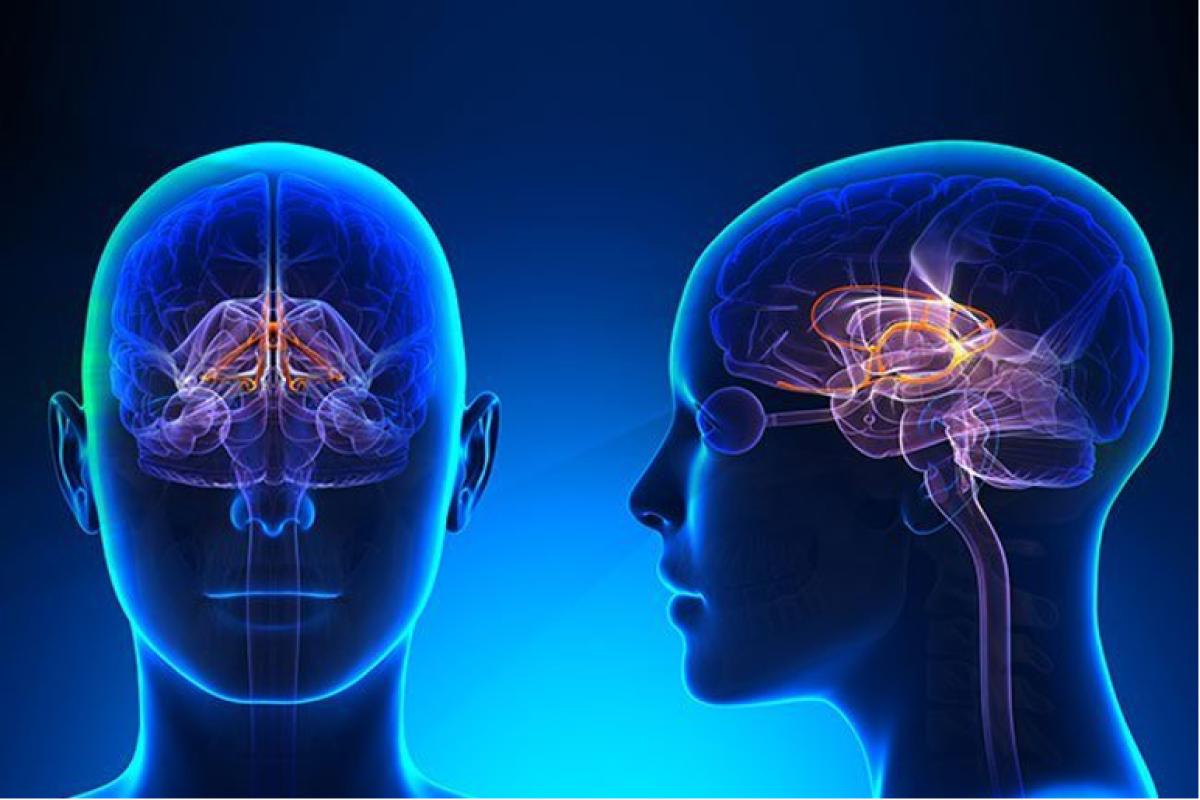
The olfactory system is complex. It’s connected to the limbic system of the brain. This connection affects our emotional and memory responses to smells.
Anatomy of the Olfactory Nerve
The anatomy of the olfactory nerve is complex. It involves special structures that help us smell. This nerve sends smell information from the nose to the brain.
Olfactory Epithelium and Receptors
The olfactory epithelium lines the inside of the nasal cavity. It has olfactory receptors, basal cells, and sustentacular cells. These receptors detect odor molecules in the air we breathe.
Medical Expert, an expert in smell research, says, “The olfactory epithelium is key for detecting odors.”
“The olfactory system can detect many different odors. This is thanks to the variety of olfactory receptors and the complexity of the olfactory epithelium.”
The Axons of Olfactory Neurons Are Collectively Known as Fila Olfactoria
The axons of olfactory neurons form small bundles called fila olfactoria. These bundles are important for sending signals from the olfactory receptors to the brain. Unlike other nerve fibers, fila olfactoria are unmyelinated.
Structure | Function |
Olfactory Epithelium | Contains olfactory receptors, basal cells, and sustentacular cells |
Fila Olfactoria | Bundles of axons from olfactory neurons that transmit signals to the brain |
Cribriform Plate | A structure in the ethmoid bone that allows fila olfactoria to pass through |
Passage Through the Cribriform Plate
The cribriform plate is part of the ethmoid bone. It’s the roof of the nasal cavity. The fila olfactoria go through this plate to reach the cranial cavity.
There, they connect with neurons in the olfactory bulb. This is key for sending smell information to the brain.
Knowing about the olfactory nerve’s anatomy is vital. It includes the olfactory epithelium, fila olfactoria, and cribriform plate. These parts are essential for understanding how we smell.
The Olfactory Bulb and Tract
The olfactory bulb and tract are key parts of the smell pathway. They help us detect smells. These parts are vital in understanding and sending smell information.
Structure and Location of the Olfactory Bulb
The olfactory bulb is shaped like an egg and has special cells. It’s found on the underside of the frontal lobe. This is where the smell journey starts.
This bulb’s design lets it handle the detailed smell info from the olfactory nerve. The cells in it send this info to the next part of the smell pathway.
The Olfactory Tract and Its Pathways
After the info reaches the olfactory bulb, it goes through the olfactory tract. This tract goes backward on the underside of the frontal lobe. It’s a key path for smell info to reach the brain.
The olfactory tract’s paths are complex. They involve many structures that help us experience smells fully. Important parts include:
- Transmission to the primary olfactory cortex for initial processing.
- Connections to other brain regions that integrate olfactory information with other sensory inputs.
- Pathways that contribute to the emotional and memory-related aspects of smell.
Knowing about the olfactory bulb and tract helps us understand smell better. These parts are essential for enjoying the rich world of smells around us.
Central Processing of Olfactory Information
When we smell something, our brain doesn’t just stop at the olfactory bulb. It sends the smell information to different parts of the brain for more processing.
Primary Olfactory Cortex
The primary olfactory cortex is in the uncus of the temporal lobe. It’s the first place in the cortex where smell information is processed. It sends nerve fibers to other brain areas, like the piriform cortex, amygdala, and secondary olfactory cortex.
The piriform cortex is key for recognizing complex smells. The connection to the amygdala links smell to emotions. This is why some smells can make us feel strong emotions.
Secondary Olfactory Areas
The secondary olfactory areas include the insula and entorhinal cortex. These areas help process and mix olfactory information with other senses.
Region | Function |
Insula | Integration of olfactory information with other sensory inputs |
Entorhinal Cortex | Link between olfactory system and hippocampus, important for memory formation |
Connection to Limbic System and Memory
The olfactory system links to the limbic system, through the amygdala and hippocampus. This connection is key for linking smells to memories and emotions.
“Smell is a potent wizard that transports us across time and space. At a single whiff, we are enticed back to a forgotten world, and memories long submerged in the unconscious rise like vapor from the deep.”
This quote shows how smell, memory, and emotion are deeply connected.
Understanding how our brain processes smells helps us see how complex it is. The network involving the primary olfactory cortex, secondary olfactory areas, and the limbic system shows how important smell is in our lives.
Physiology of Smell Detection
Our sense of smell works through a detailed process. It involves binding of odor molecules, signal transduction, and coding of olfactory information. This complex process lets us smell everything from flowers to food.
Odor Molecule Binding Mechanisms
The first step in smelling is when odor molecules bind to olfactory receptors. Odor molecules are tiny compounds that our noses can pick up. The shape and chemical makeup of these molecules decide which receptors they can attach to.
“The sense of smell makes up about 95% of chemosensation,” showing how vital smell is in our lives. When an odor molecule binds to a receptor, it starts a chain of signals inside the cell.
Signal Transduction in Olfactory Neurons
When an odor molecule binds to a receptor, it starts a G-protein coupled signaling pathway. This pathway leads to the creation of cyclic AMP (cAMP). cAMP then opens ion channels, causing the neuron to send a signal to the brain.
This signal process is very sensitive. It lets us detect even tiny amounts of odor molecules. Research has shown that this sensitivity is key to noticing small changes in our surroundings.
Coding of Olfactory Information
The way we code smells involves the pattern of receptor activation. Each smell is made up of a unique mix of activated receptors. This lets the brain tell different smells apart.
“The brain’s ability to recognize and differentiate odors is a complex process that involves the integration of information from multiple olfactory receptors.”
This method of coding is what lets us smell so many different things. It’s vital for us to move around and interact with our world.
The Relationship Between Smell and Taste
Flavor perception is a mix of smell and taste. These senses work together to let us enjoy the taste of food.
Chemosensation: 95% Smell vs. 5% Taste
Chemosensation is mostly smell, with 95% of our experience coming from it. Only 5% comes from taste. This shows how important smell is in our daily life, like when we eat.
When we eat, the food’s smells go up our throat and into our nose. There, they meet olfactory receptors. This is key for tasting complex flavors.
Flavor Perception and Integration
In our brain, smell and taste mix to create flavor. This mix is vital for enjoying different tastes and cuisines.
For example, when we’re sick, our smell goes down, and food tastes bland. This is because our smell part of flavor is affected, not our taste.
Sensory Component | Contribution to Flavor Perception |
Smell (Olfaction) | Approximately 95% |
Taste (Gustation) | Approximately 5% |
Knowing how smell and taste work together helps us appreciate flavor more. It also shows why keeping our senses healthy is important.
Clinical Testing of the Olfactory Nerve
Testing the olfactory nerve is key to diagnosing and treating olfactory disorders. These disorders can greatly affect a person’s life. We use different methods to check the olfactory nerve, giving a full picture of a patient’s sense of smell.
Standard Olfactory Testing Procedures
Standard tests check the olfactory nerve’s function. A common test is to have patients identify smells with one nostril blocked. This simple yet effective technique shows if there’s a difference in smell between nostrils. Experts say, “Identifying smells is complex, involving the olfactory nerve and brain processing.”
“The sense of smell is closely linked to memory, which is why certain smells can evoke strong emotional responses.”
We also use tests like the University of Pennsylvania Smell Identification Test (UPSIT) and the Sniffin’ Sticks test. These tests give a detailed look at a patient’s smell abilities. The UPSIT, for example, asks patients to pick out various smells from a list.
Common Odors Used in Testing
Tests often use familiar smells like coffee, vanilla, and cinnamon. These smells are chosen because they are common and won’t irritate. Using non-irritating odors is important to avoid confusing results.
Quantitative Assessment Tools
Tools for precise diagnosis are vital. The Sniffin’ Sticks test, for example, checks smell threshold, discrimination, and identification. These tests give a detailed look at a patient’s smell abilities, helping doctors diagnose issues like anosmia or hyposmia related to the olfactory nerve or cranial nerve I.
By using these tests and tools, we can accurately check the olfactory nerve’s function. This helps us create the right treatment plans for patients with smell disorders.
Advanced Diagnostic Methods for Olfactory Function
Testing how well we smell needs special tools. These tools give us a detailed look at how we smell. They help find and treat smell problems.
The University of Pennsylvania Smell Identification Test (UPSIT)
The UPSIT is a test for smell. It uses a scratch-and-sniff book to check how well you can smell different smells. It’s used a lot because it’s reliable and accurate.
Key features of the UPSIT include:
- A complete check of how well you smell
- A scratch-and-sniff book with many smells
- Standard scores for easy comparison
Electrophysiological Testing
Electrophysiological testing, like CSERPs, measures smell function. It looks at how the brain reacts to smells. This gives us insight into how smells are processed.
Benefits of electrophysiological testing include:
- An objective way to check smell function
- Measures brain responses to specific smells
- Helpful in research and diagnosis
Imaging Studies of the Olfactory System
Imaging, like MRI, shows the structure of the smell system. It helps find problems in the anatomy of smell. This is important for understanding and treating smell issues.
Imaging techniques can:
- Show changes in the smell bulb and tract
- Find problems in smell processing
- Help in diagnosis and treatment planning
Using these advanced tests together, doctors can fully understand smell problems. They can then create good treatment plans for these issues.
Disorders of the Olfactory System
Our sense of smell is key to our daily life. Disorders of the olfactory system can greatly affect our well-being. The complex nature of the olfactory system makes it prone to different conditions.
Causes and Consequences of Anosmia
Anosmia, or the loss of smell, can come from many sources. These include head trauma, infections, and neurodegenerative diseases. It can change how we smell things and impact our health and safety.
The causes of anosmia fall into several main areas:
- Trauma to the head
- Infections such as COVID-19
- Neurodegenerative diseases like Alzheimer’s and Parkinson’s
- Congenital conditions
Hyposmia and Hyperosmia
Hyposmia is when you smell less than usual. Hyperosmia is when smells are too strong. Both can be caused by genetics, hormonal changes, and some neurological conditions.
It’s important to understand these conditions to help those affected. Hyposmia can make food less enjoyable and make it hard to detect dangers. Hyperosmia can cause discomfort or pain from certain smells.
Parosmia and Phantosmia
Parosmia makes smells seem wrong, often smelling bad when they’re good. Phantosmia is smelling things that aren’t there.
Diagnosing and treating parosmia and phantosmia can be hard. It often needs a detailed look at the olfactory system and overall health.
Condition | Description | Common Causes |
Anosmia | Loss of the sense of smell | Head trauma, infections, neurodegenerative diseases |
Hyposmia | Reduced sense of smell | Genetic predispositions, hormonal changes |
Hyperosmia | Increased sensitivity to smells | Neurological conditions, hormonal changes |
Parosmia | Distorted perception of smells | Infections, head trauma |
Phantosmia | Smelling odors not present | Neurological conditions, psychiatric disorders |
Treatment and Rehabilitation for Olfactory Dysfunction
Fixing olfactory dysfunction needs a special plan. We know it’s hard to get smell back. Our team uses many ways to help fix the problem.
Medical Interventions
Doctors play a big part in treating smell loss. We look for things like infections or allergies that might be causing it. Medicines can help clear out nasal passages or treat the cause. For example, antibiotics might be needed for infections.
Olfactory Training Techniques
Olfactory training is a new way to help smell come back. It works by making the brain adapt and change. Patients smell different smells twice a day and try to guess them. This helps the brain get better at smelling.
Adaptive Strategies for Permanent Olfactory Loss
For those who can’t smell anymore, there are ways to make life better. We suggest using spices or different textures in food to make things taste better. It’s also important to be careful with smoke and check food expiration dates.
By using these strategies, people with smell loss can live better lives. We’re here to help every step of the way.
Conclusion
Knowing about the cranial nerve for smell is key for diagnosing and treating olfactory disorders. The olfactory nerve is vital for our sense of smell. Testing its function is critical for making a diagnosis.
The olfactory system’s complexity and its link to the brain highlight the need for accurate diagnosis and treatment. By understanding how the olfactory nerve works and how it’s tested, doctors can better handle olfactory issues.
Managing olfactory disorders well depends on knowing the olfactory nerve and its role in the system. As we learn more about the cranial nerve for smell, we can improve how we diagnose and treat olfactory problems.
FAQ
Which cranial nerve is responsible for detecting smell?
Cranial Nerve I, also known as the olfactory nerve, is responsible for detecting smell.
What is the role of the olfactory epithelium in smell detection?
The olfactory epithelium is where odor molecules are detected by olfactory receptors. This starts the smell detection process.
What are the axons of olfactory neurons collectively known as?
The axons of olfactory neurons are collectively known as fila olfactoria.
How is the olfactory nerve tested?
The olfactory nerve is tested using standard olfactory testing procedures. These include presenting common odors to the patient and assessing their ability to identify them.
What is anosmia, and which cranial nerve is affected?
Anosmia is the loss of the ability to detect smells. It affects Cranial Nerve I, the olfactory nerve.
What is the relationship between smell and taste?
Smell adds complexity and nuance to flavors. Taste is limited to sweet, sour, salty, bitter, and umami. Together, they help us perceive flavors.
What is the University of Pennsylvania Smell Identification Test (UPSIT)?
The UPSIT is a standardized test used to assess olfactory function. It asks patients to identify various odors.
How do disorders of the olfactory system impact quality of life?
Disorders like anosmia or hyposmia can significantly impact quality of life. They affect appetite, mood, and overall well-being.
What are the treatment options for olfactory dysfunction?
Treatment options include medical interventions, olfactory training techniques, and adaptive strategies for permanent loss.
Where is the olfactory nerve located?
The olfactory nerve is located in the nasal cavity. Its receptors are in the olfactory epithelium. Its fibers pass through the cribriform plate to enter the cranial cavity.
References
National Center for Biotechnology Information. Evidence-Based Medical Guidance. Retrieved from https://www.ncbi.nlm.nih.gov/books/NBK542239/