

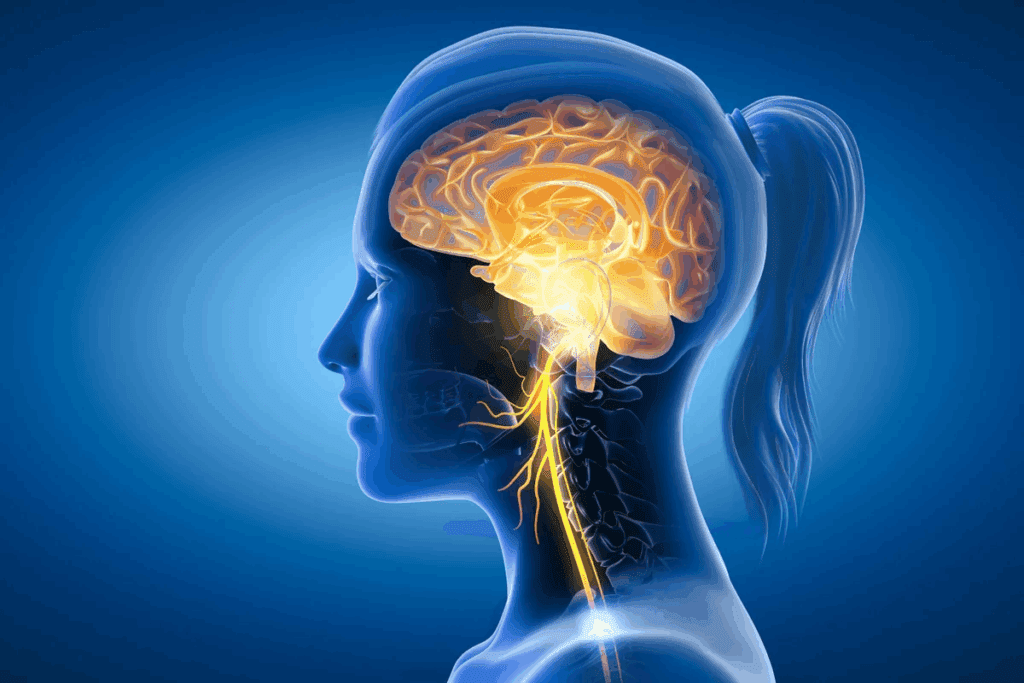
The oculomotor nerve, also known as Cranial Nerve III, is key for eye movements and pupil function. It controls four of the six extraocular muscles and the eyelid muscles. It also handles pupillary functions, making it essential for eyes to work right The ultimate guide to cranial nerve III (Oculomotor). Learn its amazing functions and the alarming causes of palsy..
When this nerve gets damaged, it can cause big eye problems. These include seeing double and having a droopy eyelid. At Liv Hospital, we know how important this nerve is and how its damage affects life quality.
We focus on our patients, using top-notch diagnostic imaging and neuro-ophthalmologic skills. This helps us quickly spot and treat problems linked to Cranial Nerve III damage.
Key Takeaways
- Cranial Nerve III controls eye movements and pupil function.
- Damage to the oculomotor nerve can cause double vision and drooping eyelid.
- Liv Hospital offers advanced diagnostic imaging for related conditions.
- Specialized neuro-ophthalmologic expertise is key for treatment.
- Prompt medical attention is needed for Cranial Nerve III damage.
The Fundamentals of Cranial Nerve III
To understand Cranial Nerve III, we must know its basics. This includes its definition and where it is in the body. Known as the oculomotor nerve, it controls eye movement and how the pupil reacts to light. It starts in the midbrain, a key part of the brainstem.
Definition and Anatomical Position
The oculomotor nerve is the third cranial nerve. It’s vital for eye movement, pupil constriction, and lens focus. It comes from the midbrain, the part of the brainstem where it begins.
“The oculomotor nerve is a complex nerve with both motor and parasympathetic functions,” say medical experts. It controls most eye muscles and the light reflex and lens focus.
Historical Context and Discovery
Our understanding of Cranial Nerve III has grown over time. Early anatomists first discovered and described the cranial nerves, including the oculomotor nerve. Its role in eye movements made it a key focus.
Studying Cranial Nerve III has helped shape modern neurology. Its history and discovery are key to today’s medical practices.
“The study of the cranial nerves has been a cornerstone of neurological examination and diagnosis.”
Detailed Anatomy of Cranial Nerve III
Understanding Cranial Nerve III’s anatomy is key for diagnosing and treating neurological issues. This nerve controls eye movements and other functions. It’s a complex nerve with a vital role.
Origin in the Midbrain
Cranial Nerve III starts in the midbrain. This part of the brainstem links the pons and cerebrum. The nerve fibers come from the oculomotor nucleus in the midbrain. They control most of the extraocular muscles.
The oculomotor nucleus has different parts. Each part controls a specific extraocular muscle. The Edinger-Westphal nucleus is part of it. It sends parasympathetic signals to the eye.
Course Through the Skull
After starting in the midbrain, the nerve goes through the cavernous sinus. This is a group of veins near the brain’s base. It then passes through the superior orbital fissure, a narrow opening between the orbit and the cranial cavity.
The nerve’s path through the skull is complex. It involves several important structures. Here are some key points:
- Emerges between the superior cerebellar artery and the posterior cerebral artery
- Passes between the tentorial edge and the clivus
- Enters the cavernous sinus lateral to the posterior clinoid process
- Travels along the lateral wall of the cavernous sinus
Terminal Branches in the Orbit
In the orbit, Cranial Nerve III splits into several terminal branches. These branches control the extraocular muscles for eye movements. They include the superior rectus, medial rectus, inferior rectus, and inferior oblique muscles.
The terminal branches also control the sphincter pupillae and ciliary muscles. They help with pupil constriction and lens accommodation.
The main functions of the terminal branches are:
- Innervation of extraocular muscles for eye movement
- Parasympathetic control of pupil constriction and lens accommodation
Physiological Functions of the Oculomotor Nerve
The oculomotor nerve, or Cranial Nerve III, has many roles. It controls eye movements and helps with pupillary responses. This makes it key to our vision.
Control of Extraocular Muscles
The oculomotor nerve manages several extraocular muscles. These muscles are vital for eye movement. They include the medial rectus, superior rectus, inferior rectus, and inferior oblique muscles.
These muscles work together for precise eye movements. Damage to the oculomotor nerve can cause diplopia, or double vision.
The nerve’s control over these muscles is complex. It involves detailed neural pathways. The nerve fibers from the oculomotor nucleus in the midbrain reach the orbit. There, they connect with the muscles for smooth eye movements.
Parasympathetic Functions
The oculomotor nerve also controls pupillary constriction and accommodation. Its parasympathetic fibers help the sphincter pupillae muscle. This muscle constricts the pupil in light.
This pupillary light reflex is vital for vision. It helps control how much light enters the eye.
The parasympathetic functions of the oculomotor nerve also aid in accommodation. The ciliary muscles, which change the lens shape, get their innervation from these fibers. This is important for near vision tasks, like reading.
Common Mechanisms of Cranial Nerve III Damage
It’s important to know how Cranial Nerve III damage happens. This nerve controls eye movements and other important functions. It can be affected by different health issues.
Vascular Causes
Vascular problems are a big reason for damage to this nerve. For example, diabetes can cause nerve damage due to poor blood flow. Diabetes can lead to a specific type of nerve damage, known as diabetic third nerve palsy. This usually doesn’t affect the pupil.
Other vascular issues include:
- Atherosclerosis
- Hypertension
- Vasculitis
Compressive Lesions
Compressive lesions are another big cause of nerve damage. These can include:
- Aneurysms, like those from the posterior communicating artery
- Tumors, like meningiomas or schwannomas
- Cysts or other growths
These lesions can harm the nerve by pressing on it. Aneurysms need immediate treatment.
“Finding a compressive lesion as the cause of third nerve palsy is urgent. It often needs neuroimaging to find the cause.”
Traumatic and Inflammatory Causes
Head or orbital trauma can damage the nerve. The damage can be mild or severe, depending on the trauma.
Cause | Characteristics |
Trauma | Variable severity, possible recovery |
Inflammatory Conditions | Often with pain, may be treated with anti-inflammatory drugs |
Inflammatory diseases, like multiple sclerosis or Tolosa-Hunt syndrome, can also harm the nerve. These conditions often cause pain and may be treated with steroids.
Knowing about these causes helps us manage the nerve damage better. This improves patient care.
Pathophysiology of Oculomotor Nerve Injuries
It’s key to know how oculomotor nerve injuries happen to treat them well. This nerve controls eye movements and other important functions. It can get damaged in different ways.
Looking into oculomotor nerve injuries, we see two main types of damage. These are ischemic and compressive damage.
Ischemic Damage Patterns
Ischemic damage happens when the nerve doesn’t get enough blood. This can be due to diabetes, high blood pressure, or hardening of the arteries. Ischemia can damage nerve fibers, making the nerve not work right.
The damage from ischemia involves several things. These include:
- Less blood flow to the nerve
- Oxidative stress and inflammation
- Nerve fiber degeneration
These issues can cause oculomotor nerve palsy. Symptoms include droopy eyelids, double vision, and trouble moving the eye.
Compressive Damage Patterns
Compressive damage happens when something presses on the nerve. This can be because of aneurysms, tumors, or other growths. Compression can harm the nerve fibers, stopping them from working right.
The damage from compression includes:
- Mechanical deformation of the nerve
- Disruption of nerve conduction
- Potential for nerve ischemia due to compression of the nerve’s blood supply
Lesions that compress the nerve can cause symptoms like those in oculomotor nerve palsy. The severity of symptoms depends on where and how much the nerve is compressed.
In summary, knowing how oculomotor nerve injuries happen is key for good treatment. By understanding the damage, doctors can help patients better.
Clinical Manifestations of Cranial Nerve III Palsy
Damage to Cranial Nerve III can cause various symptoms. These include motor and autonomic issues. The nerve controls eye movements and other autonomic functions.
Motor Symptoms
The motor symptoms of Cranial Nerve III palsy mainly affect eye movement. Double vision (diplopia) is common because the affected eye can’t move with the other. Ptosis, or eyelid drooping, happens because of muscle weakness.
Patients may have limited eye movement. This is because the muscles that move the eye are affected. It makes daily tasks hard because of poor vision.
Autonomic Symptoms
Autonomic symptoms come from the nerve’s disruption. A main symptom is pupillary dilation (mydriasis) on the affected side. This is because the nerve that controls the pupil is damaged.
The loss of nerve tone also causes a reduced light reflex. This makes the pupil less responsive to light. It’s a sign of a possible nerve compression, like an aneurysm.
It’s important to recognize these symptoms to diagnose Cranial Nerve III palsy. We need to look at both motor and autonomic symptoms to understand the condition fully.
Diagnostic Evaluation of Oculomotor Nerve Dysfunction
To diagnose oculomotor nerve dysfunction, we use a detailed approach. This includes clinical exams, neuroimaging, and lab tests. These tools help us find the cause and plan the best treatment.
Clinical Examination Techniques
The first step is a thorough clinical exam. We check the patient’s eye movements, pupil size, and light reaction. The exam might include:
- Ocular motility testing to check eye movement range
- Pupil examination for size and light reaction issues
- Checking for eyelid drooping or ptosis
Clinical examination techniques give us key info on the oculomotor nerve. They help us find what might be causing the problem.
Neuroimaging Studies
Neuroimaging is vital for diagnosing oculomotor nerve issues. We use different imaging methods to see the nerve and nearby areas.
Imaging Modality | Advantages | Limitations |
MRI | Shows soft tissues, like the oculomotor nerve, clearly | Not good for people with metal implants or claustrophobia |
CT Angiography | Great for finding vascular problems, like aneurysms | Needs contrast and involves radiation |
Neuroimaging studies help us spot structural issues or problems that might be causing nerve dysfunction.
Laboratory Investigations
Labs are key in diagnosing oculomotor nerve issues, mainly when we think of systemic or inflammatory causes.
- Blood glucose tests for diabetes mellitus
- Thyroid function tests for thyroid eye disease
- Inflammatory marker tests, like ESR or CRP, for inflammation
Labs help us find possible causes of oculomotor nerve dysfunction. They guide our treatment plan.
Clinical Significance of Pupil Involvement
Pupil involvement is key in diagnosing and treating third nerve palsy. Whether the pupil is involved or not changes how doctors approach the condition.
Pupil-Sparing Third Nerve Palsy
Pupil-sparing third nerve palsy usually means the cause is ischemic, like diabetes or high blood pressure. This is because the ischemia mainly hits the nerve’s central part. The pupillomotor fibers, which control the pupil, are usually spared. Ischemic causes are more common in adults with vascular risk factors.
Patients with pupil-sparing third nerve palsy often have a good chance of getting better. This is because the cause can often be managed by controlling vascular risk factors. Doctors diagnose this based on symptoms and risk factors for vascular disease.
Pupil-Involving Third Nerve Palsy
Pupil-involving third nerve palsy, on the other hand, points to a compressive cause, like an aneurysm or tumor. The compression damages the superficial pupillomotor fibers, causing pupil dilation and problems with reactivity. Aneurysms are a particular concern, as they can rupture and cause a dangerous bleed.
Urgent evaluation is needed for pupil-involving third nerve palsy. This usually involves neuroimaging studies like MRI or CT angiography to find and treat compressive lesions. The treatment aims to fix the underlying cause, which might need neurosurgery.
Distinguishing between pupil-sparing and pupil-involving third nerve palsy is vital. It helps doctors choose the right treatment and care for patients with this condition.
Treatment Approaches for Cranial Nerve III Palsy
Dealing with Cranial Nerve III palsy needs a mix of treatments. This includes medical care, surgery, and rehab. The right treatment depends on the cause, how bad it is, and the patient’s health.
Medical Management
Medical care is often the first step for Cranial Nerve III palsy. This is true when it’s caused by blood vessel problems or diabetes. Keeping blood sugar in check and controlling high blood pressure are key. We also use medicines to help with pain and double vision.
Pain can be managed with painkillers. Double vision might be fixed with special glasses or eye patches. Sometimes, a shot of botulinum toxin is used to relax muscles and ease symptoms.
Surgical Interventions
Surgery is needed when there’s a blockage, like an aneurysm, or when medicine doesn’t work. Acting fast is important for aneurysms to avoid serious harm.
Surgery can also fix eye misalignment or eyelid drooping. These surgeries help eyes work better and look better too.
Rehabilitative Strategies
Rehab is key for getting better from Cranial Nerve III palsy. Vision therapy helps with eye movement and coordination. Orthoptic exercises improve how eyes work together and reduce double vision.
Physical therapy also helps with eye movements. We teach patients how to manage their condition every day.
In summary, treating Cranial Nerve III palsy needs a personalized plan. By using medicine, surgery, and rehab, we can help people with this condition a lot.
Prognosis and Recovery Patterns
Cranial Nerve III palsy prognosis depends on the cause and extent of nerve damage. The recovery process is complex. It’s influenced by the patient’s health and the nerve injury specifics.
Factors Influencing Recovery
Several key factors affect Cranial Nerve III palsy recovery. These include:
- The underlying cause of the nerve damage, such as vascular issues, compressive lesions, or traumatic injuries.
- The extent of nerve damage, with more severe damage typically having a poorer prognosis.
- The patient’s age and overall health status, as older patients or those with comorbid conditions may have slower or less complete recovery.
- The presence of any underlying conditions that may affect nerve regeneration or overall health.
“The prognosis for recovery is generally better for patients with pupil-sparing third nerve palsy compared to those with pupil-involving palsy,” as noted in clinical studies. This distinction highlights the importance of detailed clinical evaluation in determining the prognosis.
Expected Timeline and Outcomes
The timeline for recovery from Cranial Nerve III palsy can vary significantly among patients. Generally, recovery can be expected to begin within the first few months after the onset of symptoms. Some patients may experience complete resolution of symptoms within 6 to 12 months.
Factors associated with better outcomes include:
- Early intervention and appropriate management.
- Less severe initial nerve damage.
- Absence of significant comorbidities.
As Medical Expert. noted in their research, “The management of Cranial Nerve III palsy requires a holistic approach. This includes medical, surgical, and rehabilitative strategies, to optimize patient outcomes.” This all-encompassing approach is key for the best recovery.
In conclusion, while the prognosis for Cranial Nerve III palsy varies, understanding the factors that influence recovery is vital. This knowledge helps clinicians provide better counseling and management plans for their patients.
Conclusion
We’ve looked into Cranial Nerve III, also known as the oculomotor nerve. It’s key for eye movements and some autonomic functions. Knowing its anatomy, functions, and damage causes is vital for correct diagnosis and treatment.
Cranial Nerve III palsy shows in many ways, like ptosis and ophthalmoplegia, and pupil dilation. Quick diagnosis is key. It uses clinical exams, neuroimaging, and lab tests.
Treatment depends on the cause. It can be medical, surgery, or rehab. Recovery depends on the damage, cause, and treatment success.
In summary, Cranial Nerve III is essential for eye movement. Damage affects patients a lot. Healthcare pros need to know its details to care for patients well. This leads to better care and outcomes for those with Cranial Nerve III palsy.
FAQ
What is Cranial Nerve III, and what are its primary functions?
Cranial Nerve III, also known as the oculomotor nerve, controls eye movements and pupil functions. It works with extraocular muscles and has fibers for pupil constriction.
What are the symptoms of Cranial Nerve III palsy?
Symptoms include double vision, a drooping eyelid (ptosis), and eye movement problems. Some may also have issues with pupil function.
What causes damage to Cranial Nerve III?
Damage can come from vascular issues like aneurysms, compressive lesions, traumatic injuries, and inflammatory conditions.
How is Cranial Nerve III palsy diagnosed?
Diagnosis involves a detailed clinical exam, neuroimaging like MRI and CT angiography, and lab tests to find the cause.
What is the significance of pupil involvement in third nerve palsy?
Pupil involvement suggests a serious cause, like an aneurysm. Pupil-sparing third nerve palsy has a different cause and prognosis than pupil-involving palsy.
What are the treatment options for Cranial Nerve III palsy?
Treatments include managing the cause medically, surgical interventions for aneurysms, and rehab to improve eye function.
What factors influence recovery from Cranial Nerve III palsy?
Recovery depends on the cause, nerve damage extent, and treatment success. Knowing these factors helps predict outcomes.
How long does it take to recover from Cranial Nerve III palsy?
Recovery time varies by cause and damage extent. Some recover in months, while others may have lasting deficits.
Can Cranial Nerve III palsy be prevented?
Some causes are unavoidable, but managing health and preventing head trauma can lower risk.
What is the role of rehabilitative strategies in managing Cranial Nerve III palsy?
Rehab strategies, like eye exercises and prism glasses, can improve eye movement and reduce symptoms like double vision.
What is the clinical significance of understanding Cranial Nerve III and its damage?
Knowing about Cranial Nerve III’s anatomy, functions, and damage is key for quick diagnosis and effective treatment. This improves patient outcomes.
References
National Center for Biotechnology Information. Oculomotor Nerve (Cranial Nerve III): Function and Damage. Retrieved from https://www.ncbi.nlm.nih.gov/books/NBK10903/
























