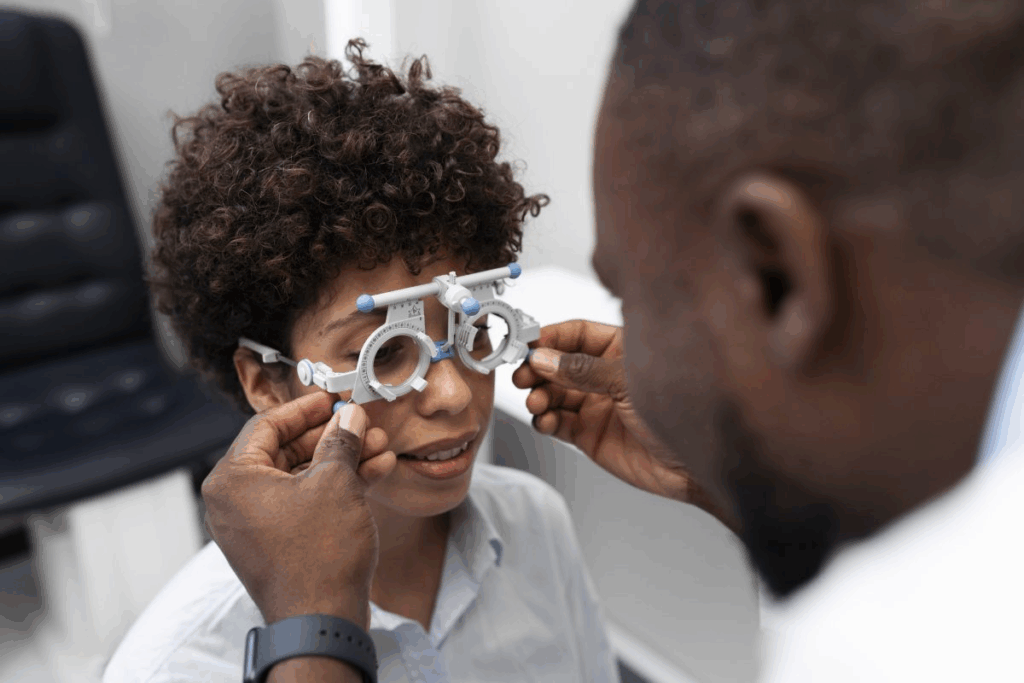
It’s important to spot the early signs of cranial neuropathy symptoms quickly. These can range from brief vision problems to serious facial weakness or trouble swallowing. Learn the 7 alarming cranial nerve palsies symptoms. Our essential guide covers double vision, facial droop, and other critical signs.
At Liv Hospital, our team of neurologists and neuro-ophthalmologists is ready to help. They focus on fast diagnosis and treatment of these complex issues. They know how critical it is to act fast, as conditions like neuropathy in the head can greatly affect a person’s life.
Key Takeaways
- Early recognition of cranial nerve palsies symptoms is vital for effective treatment.
- Cranial neuropathy symptoms can include visual disturbances, facial paralysis, and swallowing difficulties.
- Liv Hospital offers specialized care for patients with neuropathy in the head.
- Expert neurologists and neuro-ophthalmologists work together to provide rapid assessment and treatment.
- Timely intervention can significantly improve patient outcomes.
Understanding Cranial Nerves and Their Functions

Cranial nerves control many bodily functions like movement, sensation, and organ function. They start from the brain and play a key role in how we interact with the world. These nerves are vital for our daily activities.
The Twelve Cranial Nerves Overview
The human body has twelve cranial nerves, named I to XII. Each nerve has its own role, including:
- Sensory functions, such as vision and smell
- Motor functions, including eye movement and facial expressions
- Regulation of bodily functions, such as heart rate and digestion
The twelve cranial nerves are: Olfactory (CN I), Optic (CN II), Oculomotor (CN III), Trochlear (CN IV), Trigeminal (CN V), Abducens (CN VI), Facial (CN VII), Vestibulocochlear (CN VIII), Glossopharyngeal (CN IX), Vagus (CN X), Spinal Accessory (CN XI), and Hypoglossal (CN XII).
Critical Functions Controlled by Cranial Nerves
Cranial nerves control many important functions. For example, the olfactory nerve (CN I) helps us smell. The optic nerve (CN II) lets us see.
The oculomotor (CN III), trochlear (CN IV), and abducens (CN VI) nerves help us move our eyes. This lets us track objects and keep our focus.
Other nerves control our facial expressions, hearing, and swallowing. For instance, the facial nerve (CN VII) manages our facial muscles. The vestibulocochlear nerve (CN VIII) is key for hearing and balance.
Anatomical Pathways and Vulnerabilities
The paths of cranial nerves make them vulnerable to damage. They can face compression, injury, or disease, leading to cranial nerve dysfunction or cranial nerve disorders. Knowing their paths helps in diagnosing and treating these issues.
Some nerves travel long distances through the brain and skull, making them more likely to get damaged. It’s important for doctors to understand these risks to effectively manage cranial nerve problems.
Epidemiology and Risk Factors of Cranial Nerve Palsies
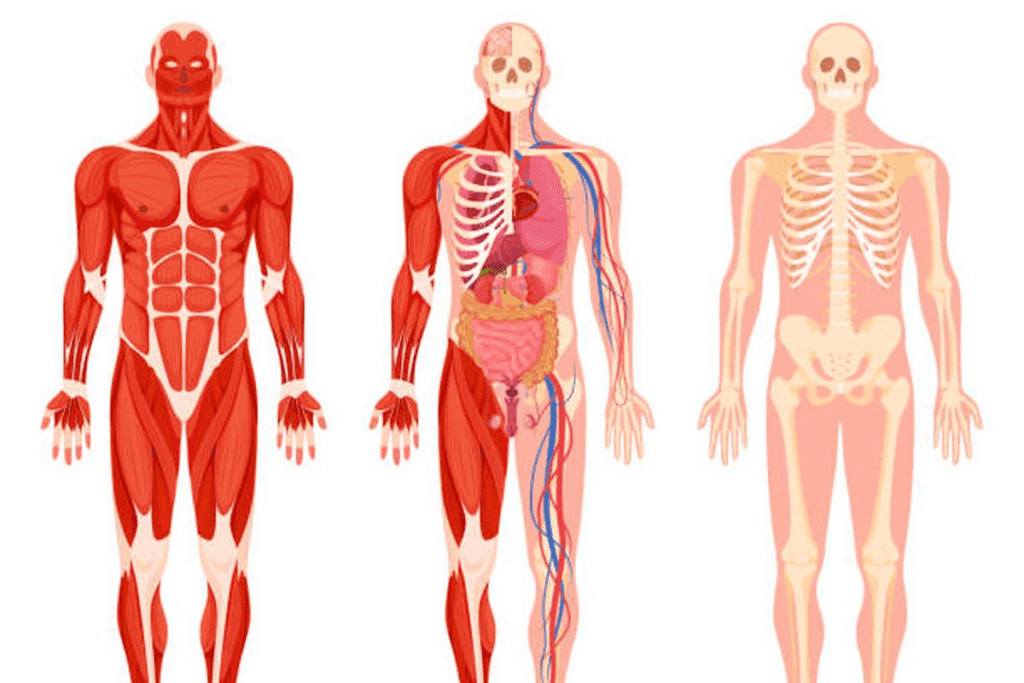
Studies on cranial nerve palsies have shown us a lot. They tell us about how common they are by age and gender. Knowing this helps doctors diagnose and treat them better.
Age-Related Incidence Patterns
The frequency of cranial nerve palsies changes with age. For example, sixth nerve palsies get more common after 60. They peak between 70-74 years old. This pattern is important for doctors to know, as it might point to other health issues.
Key Age-Related Findings:
- Fourth cranial nerve palsy happens about 5.73 times per 100,000 people each year.
- Some cranial nerve palsies get more common with age. This might be because of changes in blood vessels and other age-related issues.
Gender Distribution Differences
Some cranial nerve palsies affect men more than women. For example, fourth nerve palsies mostly hit men. Knowing this helps doctors find the right treatments.
Gender-specific prevalence rates can inform clinical practice and research:
- Men are more likely to get some types of cranial nerve palsies.
- Why this is the case could be due to hormones and lifestyle differences.
Prevalence of Specific Cranial Nerve Palsies
Some cranial nerve palsies are more common than others. Sixth nerve palsies, for instance, are quite common, mainly in older people.
A leading researcher says, “Knowing about cranial nerve palsies is key to better prevention and treatment.” This shows why we need to keep studying these conditions.
“The epidemiology of cranial nerve palsies provides valuable insights into their diagnosis, treatment, and prevention.”
— Expert in Neurology
Common Causes of Cranial Nerve Palsies
Cranial nerve palsies can be caused by many things. These include vascular, traumatic, and inflammatory factors. Knowing what causes them is key to treating them well.
Vascular Etiologies
Vascular conditions are a big reason for cranial nerve palsies. Microvascular disease is common in older people with heart risks. It often affects the oculomotor nerve (CN III).
Traumatic Causes
Trauma is another big cause. The trochlear nerve (CN IV) is very prone to injury, even from mild trauma. The injury’s severity depends on how bad the trauma was.
Inflammatory and Infectious Origins
Inflammatory and infectious conditions can also cause cranial nerve palsies. These can damage or inflame the nerves. For example, Lyme disease and sarcoidosis are known causes.
Neoplastic Conditions
Neoplastic conditions, like tumors, can also cause palsies. Tumors can press on or invade nerves. The type and location of the tumor affect which nerves are harmed.
Cause | Description | Examples |
Vascular | Conditions related to blood vessels | Microvascular disease, stroke |
Traumatic | Injuries to the head or neck | Head trauma, whiplash |
Inflammatory/Infectious | Conditions causing inflammation or infection | Lyme disease, sarcoidosis |
Neoplastic | Tumors compressing or invading nerves | Meningioma, schwannoma |
Recognizing Cranial Nerve Palsies Symptoms: General Presentation
Cranial nerve palsies show different symptoms, making it key to spot them early. The symptoms change based on which nerve is affected.
Cardinal Signs of Cranial Nerve Dysfunction
The main signs of cranial nerve problems can really affect a person’s life. Symptoms include double vision, weak facial muscles, trouble moving the eyes, swallowing issues, and hearing problems. These happen because the nerves control important things like eye movement, facial expressions, hearing, and swallowing.
For example, oculomotor nerve (CN III) palsy can cause a droopy eyelid, eyes that point outward, and double vision. Facial nerve (CN VII) palsy might lead to trouble closing the eye, drooling, and uneven facial features.
“The diagnosis of cranial nerve palsies requires a thorough understanding of the complex anatomy of the cranial nerves and their functions.” – Medical Expert, Neurologist
Distinguishing Acute vs. Chronic Presentations
Cranial nerve palsies can start suddenly or slowly. Sudden cases often come from blood clots, injuries, or infections. Slow cases might be from tumors, long-term inflammation, or diseases that get worse over time.
Presentation | Common Causes | Characteristics |
Acute | Vascular events, trauma, infections | Sudden onset, severe symptoms |
Chronic | Neoplastic conditions, chronic inflammation, degenerative diseases | Gradual onset, progressive symptoms |
Bilateral vs. Unilateral Involvement
Cranial nerve palsies can hit one side (unilateral) or both sides (bilateral) of the face or body. Most often, it’s just one side, like after an injury or blood clot. When both sides are affected, it might mean a bigger problem, like a disease that spreads or a serious infection.
Knowing if it’s one or both sides is very important for figuring out what’s wrong and how to treat it. For example, if both sides of the face are weak, it could be Guillain-Barré Syndrome. But if just one side is weak, it might be Bell’s palsy.
Identifying Symptoms of Sensory Cranial Nerve Palsies (CN I, V, VIII)
Sensory cranial nerve palsies can really change how we experience the world. They affect our sense of smell, touch, and hearing. These nerves help us connect with our surroundings, and problems with them can cause big issues in our daily lives.
Olfactory Nerve (CN I) Dysfunction
The olfactory nerve carries smell information to our brain. When it doesn’t work right, we might lose our sense of smell. This can happen for many reasons, like viruses, head injuries, or certain diseases.
Some signs of olfactory nerve trouble include:
- Not being able to smell as well
- Smelling things in a weird way (dysosmia)
- Not being able to smell at all (anosmia)
Trigeminal Nerve (CN V) Symptoms
The trigeminal nerve does a lot for us, like feeling sensations on our face and helping us chew. If it gets damaged, we might feel:
Symptom | Description |
Facial pain | Pain or discomfort in the face, which can be severe and debilitating |
Numbness or tingling | Sensory disturbances that can affect the perception of touch or temperature |
Weakness in chewing muscles | Difficulty in performing mastication due to motor branch involvement |
Vestibulocochlear Nerve (CN VIII) Palsy
The vestibulocochlear nerve is key for hearing and balance. Trouble with CN VIII can cause:
- Hearing loss or ringing in the ears (tinnitus)
- Feeling dizzy or off-balance
- Having trouble walking or staying steady
Knowing these symptoms is key to spotting and treating cranial nerve palsies. Catching them early can help a lot in managing the condition.
Recognizing Symptoms of Ocular Cranial Nerve Palsies (CN II, III, IV, VI)
Ocular cranial nerves control eye movements and vision. Their problems can cause serious symptoms. These issues can come from many sources, like blood problems, injuries, or infections.
Optic Nerve (CN II) Dysfunction
The optic nerve sends visual info to the brain. When it doesn’t work right, you might see things differently. This can include blurry vision, blind spots, and colors that seem off.
Common symptoms of optic nerve dysfunction include:
- Blurred vision
- Loss of peripheral vision
- Difficulty with color vision
- Blind spots or scotomas
Oculomotor Nerve (CN III) Palsy
The oculomotor nerve helps move the eye and control the pupil. If it’s not working, you might see double, have a droopy eyelid, or trouble moving your eye.
Trochlear Nerve (CN IV) Palsy
The trochlear nerve helps rotate the eye. If it’s not working, you might see double vertically. This means images look stacked on top of each other.
Symptoms of trochlear nerve palsy may include:
- Vertical double vision
- Difficulty reading or performing tasks that require precise eye movements
- Head tilting to compensate for the diplopia
Abducens Nerve (CN VI) Palsy
The abducens nerve helps move the eye outward. If it’s not working, you might see double horizontally. This means images appear side by side.
Nerve | Function | Symptoms of Palsy |
Optic Nerve (CN II) | Transmits visual information | Vision loss, blind spots |
Oculomotor Nerve (CN III) | Controls eye movement and pupil constriction | Ptosis, diplopia |
Trochlear Nerve (CN IV) | Controls superior oblique muscle | Vertical diplopia |
Abducens Nerve (CN VI) | Controls lateral rectus muscle | Horizontal diplopia |
It’s important to know the symptoms of ocular cranial nerve palsies. This helps doctors diagnose and treat them quickly. These conditions can really affect someone’s life, so understanding them is key.
Identifying Facial and Bulbar Cranial Nerve Palsies (CN VII, IX, X)
The facial and bulbar cranial nerves are key to many bodily functions. Their problems can cause a lot of suffering. We will look at the symptoms of palsies in these nerves, focusing on CN VII, CN IX, and CN X.
Facial Nerve (CN VII) Palsy
Facial nerve palsy, or Bell’s palsy, can make your face weak or paralyzed. You might see your face droop, have trouble closing your eye, or taste things differently. The symptoms can range from mild weakness to full paralysis.
Glossopharyngeal (CN IX) and Vagus (CN X) Nerve Symptoms
Problems with CN IX and CN X can make swallowing and speaking hard. You might also have a weaker gag reflex and changes in your voice. These nerves’ complex roles mean their palsies can greatly affect a person’s life.
Cranial Nerve | Function | Symptoms of Palsy |
Facial Nerve (CN VII) | Controls facial expression, taste | Facial weakness, changes in taste |
Glossopharyngeal Nerve (CN IX) | Swallowing, salivation, taste | Difficulty swallowing, changes in taste |
Vagus Nerve (CN X) | Voice production, swallowing, parasympathetic functions | Dysphonia, dysphagia, changes in heart rate |
Medical experts say, “Diagnosing cranial nerve palsies needs a deep understanding of the nerves and their symptoms.”
Recognizing Lower Cranial Nerve Palsies Symptoms (CN XI, XII)
It’s important to know the symptoms of lower cranial nerve palsies. These nerves, like the accessory and hypoglossal, control important functions. When they’re affected, it can cause noticeable symptoms.
Accessory Nerve (CN XI) Dysfunction
The accessory nerve controls muscles in the neck and shoulder. When it’s not working right, you might feel weak or have trouble moving your shoulder.
Symptoms of Accessory Nerve Dysfunction:
- Shoulder weakness or drooping
- Difficulty in rotating the head or shrugging the shoulders
- Potential pain or discomfort in the neck and shoulder region
Doctors say that nerve palsy can make simple tasks hard. It affects how you move your shoulder.
“The impact of accessory nerve palsy on quality of life should not be underestimated, as it affects not only motor functions but also causes discomfort and pain.”
Hypoglossal Nerve (CN XII) Palsy
The hypoglossal nerve controls the tongue. Its palsy can make the tongue weak or uneven. This can mess with how you speak and swallow.
Symptoms of Hypoglossal Nerve Palsy:
Symptom | Description |
Tongue Weakness | Difficulty in moving the tongue, affecting speech and swallowing |
Tongue Deviation | The tongue deviates to one side when protruded, indicating nerve palsy |
Difficulty in Swallowing | Impaired coordination of tongue movements can lead to dysphagia |
In conclusion, knowing the symptoms of lower cranial nerve palsies is key. This includes the accessory and hypoglossal nerves. Early treatment can greatly improve your quality of life.
Diagnostic Approach and When to Seek Medical Attention
Diagnosing cranial nerve palsies involves several steps. These include clinical exams and neuroimaging. Knowing how to diagnose these issues is key for quick medical help.
Red Flag Symptoms Requiring Immediate Care
Some symptoms need urgent medical care. These include sudden vision loss, severe headache, and acute onset of diplopia. Spotting these signs early can greatly improve treatment outcomes.
Clinical Examination Techniques
A detailed clinical exam is vital for diagnosing cranial nerve palsies. It checks nerve function, pupil reactions, and eye movements. We also look for neurological signs that might point to a bigger problem.
Neuroimaging and Laboratory Investigations
MRI and CT scans are key in finding the cause of cranial nerve palsies. They help spot tumors, aneurysms, or inflammation. Blood tests and lumbar punctures may also be needed to check for infections or autoimmune issues.
Conclusion
Cranial nerve palsies are a serious neurological issue that needs quick diagnosis and treatment. We’ve looked at the causes, symptoms, and how to diagnose them in this article.
It’s key to spot the symptoms early. We talked about how different nerves control important functions. Their problems can cause many symptoms, like vision issues or trouble speaking and swallowing.
Neuropathy in the head can come from many reasons, like blood vessel problems, injuries, inflammation, or tumors. Knowing the cause helps doctors find the right treatment.
If symptoms don’t go away or get worse, see a doctor right away. A full check-up and scans are needed to find out what’s wrong.
Doctors can help a lot by understanding cranial nerve palsies and their symptoms. If you’re showing signs, see a doctor for the right care.
FAQ
What are cranial nerve palsies?
Cranial nerve palsies happen when one or more of the twelve cranial nerves don’t work right. This can cause different symptoms, depending on the nerve.
What are the common symptoms of cranial nerve palsies?
Symptoms can vary but might include double vision, eyelids that droop, or facial weakness. You might also have trouble swallowing or lose your sense of smell.
What causes cranial nerve palsies?
They can be caused by many things like vascular issues, trauma, or infections. Tumors can also damage or press on the nerves.
How are cranial nerve palsies diagnosed?
Doctors use a detailed check-up and might do MRI or CT scans. They also run lab tests to find out why it’s happening.
What is the significance of recognizing red flag symptoms in cranial nerve palsies?
Red flag symptoms like sudden severe headaches or vision loss are serious. They mean you need to see a doctor right away.
Can cranial nerve palsies be treated?
Treatment depends on what’s causing it. It might include medicine, surgery, or other ways to fix the problem and help symptoms.
Are cranial nerve palsies reversible?
It depends on the cause and how much damage there is. Some cases might get better with treatment, but others might not.
What is the role of neuroimaging in diagnosing cranial nerve palsies?
MRI or CT scans help find out why the nerves are affected. They can spot things like tumors or blood vessel problems.
How do cranial nerve disorders affect quality of life?
They can really affect your life. They might mess with your vision, speech, or swallowing, depending on the nerves involved.
What are the symptoms of cranial neuropathy?
Symptoms can include pain, numbness, weakness, or paralysis. It depends on which nerve is affected.
What is cranial neuritis?
It’s when a cranial nerve gets inflamed. This can cause pain, weakness, or other symptoms related to the nerve’s function.
How do diseases of the cranial nerves present?
Diseases can cause a range of symptoms. These can include sensory problems, motor weakness, or issues with autonomic functions. It depends on the nerve and the disease.
References
National Center for Biotechnology Information. Recognizing Cranial Nerve Palsy Symptoms: A Quick Guide. Retrieved from https://www.ncbi.nlm.nih.gov/books/NBK585066/