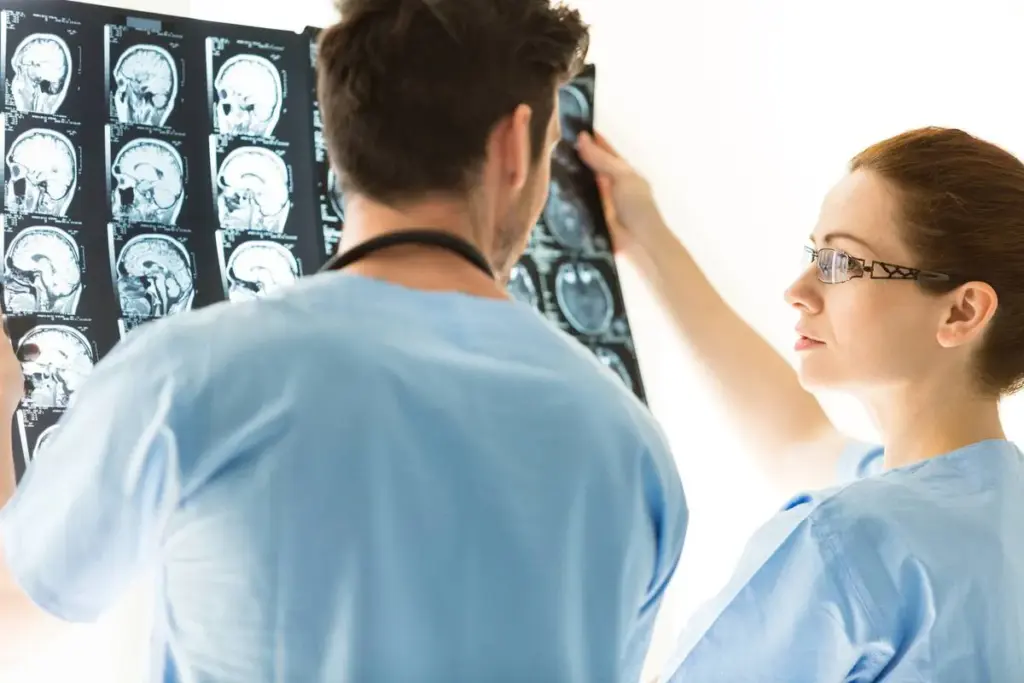
When part of the skull is removed during a craniotomy, patients worry if the bone will grow back. The skull’s ability to regrow depends on age and the surgery method.
Recent studies show that spontaneous skull bone regrowth is more common in teens. It’s important for patients to know about the recovery and bone growth chances. This is key, given the complex nature of skull bone regeneration.
Key Takeaways
- The skull’s ability to regrow after surgery depends on age and surgical technique.
- Adolescents are more likely to experience spontaneous skull bone regrowth.
- Understanding the recovery process is key for patients after a craniotomy.
- Cranial bone regeneration is a complex process influenced by many factors.
- Recent studies provide insights into the likelihood of bone regrowth after craniotomy.
The Structure and Function of Skull Bones
Understanding the skull’s anatomy is key to knowing its role and the effects of surgeries like craniotomy. The human skull is a complex mix of bones that join together as we grow.
Anatomy of the Human Skull
The skull protects the brain with its cranial bones. It has two main parts: the cranium, where the brain is, and the facial skeleton, which makes up the face. The cranium is made of eight bones that are stuck together by sutures.
The part of skull most important in neurosurgery is the cranium. It surrounds the brain. Surgeons plan carefully to avoid harming these bones and the brain.
|
Bone |
Location |
Function |
|---|---|---|
|
Frontal Bone |
Forehead |
Forms the anterior part of the cranium |
|
Parietal Bones |
Sides and roof of the cranium |
Protects the parietal lobes of the brain |
|
Occipital Bone |
Back of the cranium |
Contains the foramen magnum, through which the spinal cord passes |
Protective Functions of Cranial Bones
The skull’s main job is to shield the brain from harm. The cranial bones act as a shield against outside forces. Their fusion makes a strong, protective shell. When surgery like craniotomy is needed, the goal is to safely access the brain while keeping the skull’s protective role.
A study on bone healing after frontal burr-hole craniostomy shows how bones in the skull heal. This research helps us understand recovery after such surgeries. For more details, see the study atJohns Hopkins University’s publication.
What is a Craniotomy? Definition and Purpose
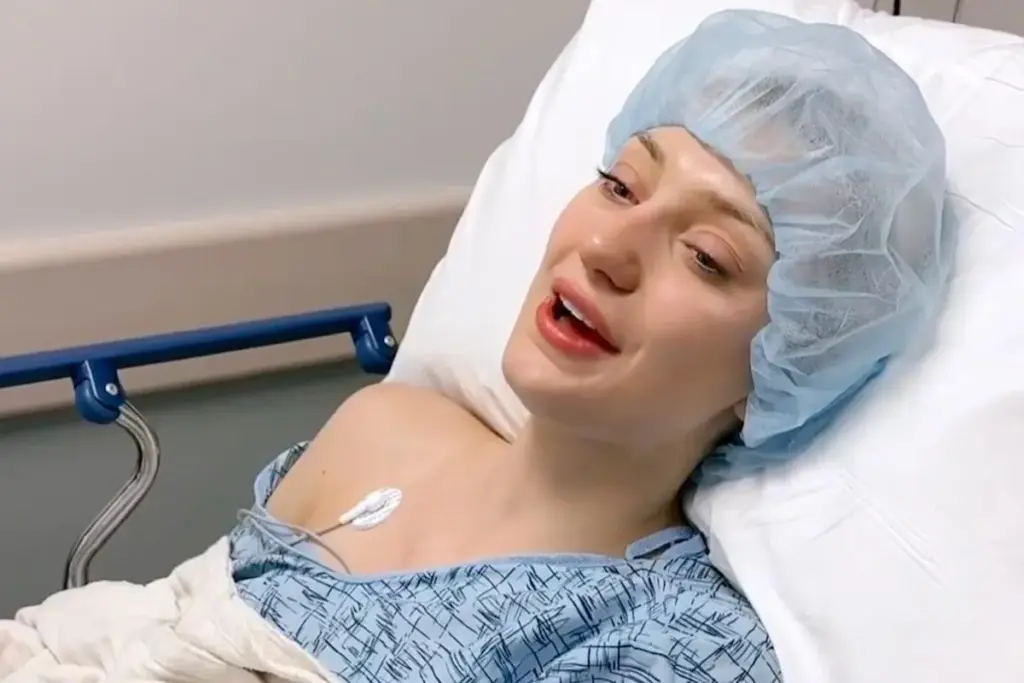
A craniotomy is a surgery where the skull is cut open. This lets neurosurgeons do detailed work on the brain. They remove a part of the skull, called a bone flap, to get to the brain.
Surgical Incision into the Skull: The Procedure Explained
The surgery is done under general anesthesia. This keeps the patient pain-free and calm. The neurosurgeon cuts the scalp and removes a part of the skull to reach the brain.
Key steps in the procedure include:
- Preoperative planning using imaging techniques like MRI or CT scans.
- Administration of general anesthesia.
- Making a scalp incision and retracting the skin and muscles.
- Drilling burr holes and using a craniotome to create the bone flap.
- Carefully removing the bone flap to access the brain.
Common Medical Reasons for Craniotomy
Craniotomies are done for many serious medical reasons, including:
|
Medical Condition |
Description |
|---|---|
|
Brain Tumors |
Removal of tumors, either benign or malignant, that are pressing on vital brain structures. |
|
Blood Clots and Hematomas |
Evacuation of blood clots or hematomas that are causing pressure on the brain. |
|
Vascular Anomalies |
Repair of aneurysms or arteriovenous malformations (AVMs) that could lead to bleeding or other complications. |
|
Traumatic Brain Injury |
Relief of pressure caused by swelling or bleeding due to head trauma. |
Different Types of Craniotomy Procedures
There are many types of craniotomy procedures, each for different needs:
- Traditional Craniotomy: The usual method with a big incision and bone flap removal.
- Minimally Invasive Craniotomy: Uses smaller incisions and craniotomies, often with endoscopic tools.
- Awake Craniotomy: Done while the patient is awake to check brain functions during surgery.
Knowing about the different craniotomies helps patients and families make better choices.
Types of Skull Surgeries and Their Impact on Bone Regeneration
>It’s important to know about the different skull surgeries and how they affect bone healing. These surgeries are done for many reasons, and the method used can greatly affect how well the bone heals.
Burr Hole Craniostomy Procedures
Burr hole craniostomy is a small surgery where tiny holes are drilled into the skull. It’s often used to remove pressure on the brain from blood or fluids. Because the holes are small, this surgery doesn’t usually hurt the bone much.
A study in the Journal of Neurosurgery found that burr hole craniostomy is safe and works well for some brain problems. The small cuts and less bone removal mean less damage and quicker healing.
Full Craniotomy Operations
Full craniotomy removes a bigger part of the skull, called a bone flap, to reach the brain. It’s used for serious brain issues like tumors, aneurysms, and head injuries. Taking out a big piece of bone can affect bone healing more.
The bone flap is kept safe and put back after the brain surgery is done. How well the bone heals depends on the patient’s health, age, and any healing problems they might have.
|
Surgical Technique |
Impact on Bone Regeneration |
Typical Use |
|---|---|---|
|
Burr Hole Craniostomy |
Minimal impact due to small holes |
Relieving pressure, draining fluids |
|
Full Craniotomy |
Significant impact due to larger bone removal |
Tumors, aneurysms, traumatic injuries |
|
Minimally Invasive Techniques |
Reduced tissue damage, potentially faster recovery |
Various neurosurgical conditions |
Minimally Invasive Neurosurgical Techniques
Minimally invasive neurosurgery aims to cause less damage and help patients heal faster. It uses small cuts and special tools to avoid hurting the surrounding tissue.
“Minimally invasive surgery represents a significant advancement in neurosurgical care, promising quicker recovery and less pain after surgery.” -Neurosurgeon
These methods can have different effects on bone healing. But the main goal is to cause as little harm as possible and let the body heal naturally.
The Science Behind Bone Regeneration in the Skull
Bone regeneration in the skull is a delicate balance. It’s key for patients who have had a craniotomy. This surgery removes part of the skull to access the brain.
This process involves many cell types, like osteoblasts and osteoclasts. Osteoblasts form bone, while osteoclasts break it down. The right balance between these is vital for healing.
Cellular Mechanisms of Bone Healing
Bone healing is a complex process. It starts with inflammation, then repair, and ends with remodeling. In the repair phase, osteoprogenitor cells turn into osteoblasts. These cells make new bone matrix.
- Osteoprogenitor cells grow and become osteoblasts.
- Osteoblasts create a new bone matrix, which hardens.
- Osteoclasts break down bone, shaping the new bone.
Factors Affecting Osteogenesis in Cranial Bones
Many factors affect bone formation in cranial bones. Age, nutrition, and growth factors are important. Younger patients tend to heal faster than older ones.
|
Factor |
Influence on Osteogenesis |
|---|---|
|
Age |
Younger patients have a higher capacity for bone regeneration. |
|
Nutritional Status |
Adequate nutrition is essential for optimal bone healing. |
|
Growth Factors |
Growth factors, such as BMPs, promote bone formation. |
Knowing these factors helps in improving bone healing after craniotomy. Healthcare professionals can better care for patients. This leads to better outcomes.
Removing screws from bones can change bone density. It might affect the skull’s structure. But, with proper care, many patients fully recover and regain function.
Age as a Critical Factor in Skull Bone Regeneration
Age is key when it comes to how well the skull can heal after surgery like craniotomy. Younger people tend to heal faster and better than older ones.
Regenerative Capacity in Children and Adolescents
Youngsters, from kids to teens, can grow new bone tissue quickly. This is because they have more active cells and growth factors that help bones heal and grow.
Key Factors Contributing to Enhanced Regeneration in Younger Individuals:
- Higher osteoblastic activity
- Increased presence of growth factors
- Greater cellular density
Limited Regeneration in Adult Patients
Adults, on the other hand, heal slower and less effectively. This is because their cells work less hard and they might have other health issues.
Statistical Differences Across Age Groups
Studies show clear differences in how well bones heal at different ages. The table below compares bone regeneration rates in various age groups.
|
Age Group |
Average Bone Regeneration Rate |
Standard Deviation |
|---|---|---|
|
0-18 years |
80% |
10% |
|
19-40 years |
40% |
15% |
|
41-65 years |
25% |
12% |
|
66+ years |
15% |
8% |
This data highlights how important age is for healing after craniotomy. Knowing this helps doctors set realistic goals and care plans for patients.
Statistical Evidence: How Much Bone Actually Grows Back?
The amount of bone that grows back after craniotomy surgery changes with age. Knowing how bone regrows is key for setting realistic hopes and planning care after surgery.
Regeneration Rates in Adolescents
Research shows that teens can close up to 50% of bone defects in two years after surgery. This is because young people’s bodies are more able to grow new bone.
- Teens heal bone quickly.
- How fast bone grows back also depends on health and any medical issues.
Bone Closure in Adults
Adults, on the other hand, grow less bone back after craniotomy. Studies say adults might close about 25% of bone six months later. Adults tend to grow bone slower than teens.
- Adults grow bone slower.
- Health problems can slow down bone healing even more.
Timeline of Natural Bone Regrowth
The timeline of natural bone regrowth after brain surgery is important for both patients and doctors. Healing starts right after surgery, but most bone growth happens over months.
|
Timeframe |
Expected Bone Regrowth |
|---|---|
|
0-3 months |
Initial healing process begins |
|
3-6 months |
Noticeable bone regrowth in adolescents and some adults |
|
6-24 months |
Significant bone closure, mostly in teens |
Knowing these timelines and what affects bone growth helps plan for extra surgeries, like cranioplasty, if needed.
The Craniotomy Procedure: What Patients Should Expect
A craniotomy is a complex surgery that needs careful planning and skilled neurosurgeons. It involves opening the skull to reach the brain. This lets surgeons treat various brain conditions.
Preoperative Preparation for Skull Surgery
Before a craniotomy, patients get ready with detailed checks and scans. MRI or CT scans help neurosurgeons plan the surgery. They look for any risks or complications.
Patients also get instructions on what to do before surgery. This includes fasting and stopping certain medicines. It helps make the surgery and recovery smoother.
During the Intracranial Procedure
During the surgery, patients are under general anesthesia for comfort. The neurosurgeon makes a scalp incision and removes a skull part, called a bone flap. This lets them access the brain.
The surgery involves precise techniques to treat the brain condition. This could be removing a tumor or relieving brain pressure. The goal is to minimize risks and get the best results.
Immediate Post-Operative Care
After surgery, patients are watched closely in the ICU. They focus on pain management, infection prevention, and keeping the patient stable.
They do regular brain checks and scans to see how the surgery went. Patients and families get help with recovery at home. This includes post-operative care instructions.
Bone Flap Management During and After Craniotomy
During a craniotomy, surgeons handle the bone flap with care. This part of the skull is removed to access the brain. It’s key to the surgery’s success.
Removal and Preservation of the Skull Bone Flap
Removing the bone flap is a precise task. It’s done to avoid harming the brain tissues. After removal, the flap is kept in a clean place to prevent infection.
The bone flap is stored in a cooled solution or frozen. This method keeps it ready for reattachment. Proper care is essential for the bone flap’s survival.
Methods of Securing the Bone Flap After Surgery
After the surgery, the bone flap is put back in place. This is done using different methods. These include:
- Titanium plates and screws
- Biocompatible fixation devices
- Sutures or wires
The method chosen depends on the patient’s needs and the surgeon’s preference. The goal is to fix the bone flap securely. This helps in healing and reduces complications.
|
Fixation Method |
Advantages |
Disadvantages |
|---|---|---|
|
Titanium Plates and Screws |
Strong, durable, and biocompatible |
May cause artifacts on imaging studies |
|
Biocompatible Fixation Devices |
Designed to minimize tissue reaction |
May have variable strength |
|
Sutures or Wires |
Flexible and can be used in complex geometries |
May not provide rigid fixation |
What Happens When Screws Are Removed From Bones
In some cases, screws from the bone flap are removed later. This is done if they cause pain or are visible under the skin. It’s also done if they interfere with imaging studies.
Removing the screws is a minor surgery. It’s usually safe but depends on the patient’s situation. The decision to remove screws is made carefully, weighing the benefits and risks.
When Natural Regeneration Is Insufficient: Introduction to Cranioplasty
When the skull can’t heal itself, cranioplasty helps fix it. This surgery is needed when there’s a lot of bone loss or damage. This often happens after a craniotomy.
Cranioplasty is more than just fixing a problem. It’s a detailed surgery that needs careful planning. It’s chosen when the body can’t heal the skull on its own.
Determining the Need for Cranioplasty Surgery
Deciding if you need cranioplasty surgery depends on many things. The size and where the skull defect is matter a lot. Your health and age also play a big role.
Doctors use CT scans and MRI to see how much bone is missing. This helps them plan the surgery. It’s important to get a good look before starting.
Optimal Timing for Reconstructive Procedures
The best time for cranioplasty varies. It depends on how well you’ve recovered from the first surgery. Your health and any complications also matter.
Cranioplasty might happen soon after the first surgery, or it might wait. A neurosurgeon or craniofacial surgeon will decide based on your case.
Preparing for a Cranioplasty Operation
Getting ready for a cranioplasty operation means a full medical check-up. Doctors look at your medical history and current health. They also check your medications.
You’ll get instructions on what to do before surgery. This includes fasting, changing medications, and making plans for after the surgery. Knowing what the surgery involves is key for making an informed choice.
Cranioplasty Materials and Techniques
Cranioplasty has seen big improvements with new materials and techniques. This surgery fixes skull defects and now uses advanced methods. These changes have greatly improved how well patients do after surgery.
Autologous Bone: Using the Patient’s Original Bone Flap
Autologous bone is taken from the patient’s own body. It’s the top choice for cranioplasty because it’s biocompatible. This means it’s less likely to cause problems or be rejected by the body.
The original bone flap is often the best option. It fits perfectly and can be easily integrated into the skull.
Titanium Mesh and Plates
Titanium mesh and plates are also used a lot in cranioplasty. They’re strong and last a long time. Plus, they’re safe for the body to have inside it for a long time.
Titanium works well for big defects or when the original bone flap can’t be used.
3D-Printed Custom Implants
3D printing technology has changed cranioplasty a lot. It lets doctors make custom implants that fit each patient perfectly. These implants look and work better than ever before.
Biocompatible Polymers and Ceramics
Other materials like biocompatible polymers and ceramics are also used. They’re made to work well with the body. They can be made to help bone grow and stick to the implant.
Choosing the right material and technique depends on many things. The size and location of the defect, the patient’s health, and the surgeon’s experience all play a part. Knowing the pros and cons of each material is key to the best results.
Post-Surgical Monitoring of Skull Bone Regeneration
It’s key to watch how skull bones heal after surgery. This helps us understand the healing process and spot problems early. Good care after surgery includes using imaging, regular check-ups, and watching how the patient gets better.
Imaging Techniques for Tracking Bone Growth
Imaging is a big help in seeing how skull bones grow back after surgery. CT scans are often used because they show bone details well. These scans help doctors see how much bone is growing, find any issues, and plan more treatment if needed.
X-rays are also used, mainly for long-term checks. They don’t show as much detail as CT scans but are good for seeing how bone healing is going. They’re also safer because they use less radiation.
Follow-up Schedule and Milestones
Having a set schedule for follow-ups is important. Patients usually see their doctors at one month, three months, six months, and one year after surgery. At these times, doctors check how the patient is doing, look for any problems, and use imaging to see how the bone is healing.
Important moments in healing include the initial repair phase and the bone growth phase. Watching these helps doctors adjust treatment plans as needed.
Signs of Successful Bone Regeneration
Good bone healing shows in several ways. The surgical area gets filled in, the new bone gets denser, and there are no complications like infections. Patients also start to feel better and can do more things as their bones heal.
“The ability to monitor bone regeneration closely after surgery has significantly improved patient outcomes. Advanced imaging techniques allow us to tailor our treatment strategies to the individual needs of each patient.” -Neurosurgeon
By keeping a close eye on bone healing, doctors can make sure patients do well after surgery. This detailed care is key to helping patients recover fully and avoid problems.
Potential Complications and Risks After Skull Surgery
Craniotomy and cranioplasty are key for treating brain issues. Yet, they carry risks. Patients face many possible complications that can affect their recovery and results.
Infection and Delayed Healing
One big worry after skull surgery is infection. Infections can cause serious problems, like meningitis and abscesses. The surgery’s complexity, the patient’s health, and implants can raise the risk.
Delayed healing is another issue. It might happen due to infection, poor blood flow, or nutrition. To lower these risks, doctors use antibiotics and follow strict wound care. They also teach patients how to prevent infection.
Implant Rejection or Failure
When cranioplasty uses implants, there’s a chance of implant rejection or failure. This can happen if the body reacts to the implant or if it’s under stress. The implant’s material and design are key to avoiding this.
Today’s cranioplasty uses materials like titanium mesh. These are designed to fit the patient’s needs. This has made implant problems much less common.
Neurological Complications Following Craniotomy
Neurological issues are a big worry after craniotomy. These can include cognitive problems and seizures. The risk depends on the brain area, the surgery, and the patient’s health before surgery.
To reduce these risks, careful planning and precise surgery are vital. Post-surgery care and rehabilitation are also key. They help patients deal with any brain-related problems.
Physical Characteristics of Regenerated Skull Bone
It’s important to know how the skull bone changes after surgery. When a part of the skull is removed or changed, the body tries to fix it. But the new bone is often different from the old one.
Thickness and Density Comparisons to Original Bone
Research shows that new skull bone can be thinner and less dense than the old. This might make it less protective. For example, a study found that regenerated bone flap after surgery was not as dense as the original bone.
The thickness of the new bone is also a big deal. Sometimes, it’s thinner, which could be a problem. But sometimes, it’s thicker, which might affect how it looks and works. Doctors need to understand these differences to help patients and plan their care.
Functional Differences from Original Cranial Structure
The new skull bone’s ability to protect the brain is key. If it’s not as dense or thick, it might not do its job well. This could make it easier to hurt the brain.
Also, how well the new bone fits with the old one matters a lot. If they’re not the same, it can cause problems. Doctors might need to do more surgery to fix this. This is why keeping an eye on the bone and fixing any issues is so important.
Advancements in Promoting Skull Bone Regeneration
New methods are being explored to help skull bone grow back after a craniotomy. These methods aim to boost the body’s healing powers. They use advanced tech and biological ways to help bones heal.
Bone Growth Stimulation Technologies
Technologies that help bones grow are becoming more common. These include electrical stimulation, low-intensity pulsed ultrasound, and electromagnetic therapy. They have shown to help bones grow stronger.
- Electrical stimulation boosts bone growth by making cells work better.
- Low-intensity pulsed ultrasound helps bones heal by starting cell processes.
- Electromagnetic therapy is being studied for its bone-growing abilities.
Stem Cell and Biological Approaches
Stem cell therapy is a new way to help bones grow back. It uses stem cells to create new treatments. This could greatly improve how bones heal.
Key aspects of stem cell approaches include:
- Mesenchymal stem cells can turn into bone-making cells.
- Gene therapy boosts stem cells’ ability to make bone.
- Tissue engineering combines stem cells with materials to make bone substitutes.
“The integration of stem cell therapy with biomaterials holds great promise for the future of cranial reconstruction.” – Neurosurgeon
Future Directions in Regenerative Medicine for Neurosurgery
The future of bone growth after a craniotomy looks bright. As research goes on, we’ll see better tech and ways to help bones heal.
Some possible future steps include:
- Creating custom implants with 3D printing.
- Improving gene editing to help bones grow.
- Using materials that blend well with bone tissue.
Liv Hospital Group’s Approach to Cranial Procedures
The Liv Hospital Group is known for its innovative and ethical cranial procedures. It sets a new standard in neurosurgery. The group is committed to providing top-quality medical services, earning international praise.
Multidisciplinary Team and Up-to-Date Protocols
Liv Hospital Group’s success in cranial surgeries comes from its team of experts. This team works together to use the latest craniotomy and cranioplasty protocols. This ensures patients get the best care possible.
The hospital follows the latest protocols for innovation and safety. It uses the newest research and technologies. This keeps Liv Hospital Group at the top of neurosurgical practices.
Ethical and Innovative Healthcare Services
Liv Hospital Group values ethical healthcare practices. It focuses on transparency, patient consent, and respecting individual needs. The group also invests in new technologies, like 3D-printed implants for cranioplasty, to better patient outcomes.
This mix of ethics and innovation shows Liv Hospital Group’s leadership in cranial surgeries. It prioritizes patient well-being and unique needs. This sets a high standard for healthcare worldwide.
Standards in International Medical Outcomes
Liv Hospital Group aims for excellence in medical outcomes. It has strict follow-up protocols and patient care standards. The group’s international patient services team ensures global patients receive the same high care.
By focusing on craniotomy and other cranial procedures, Liv Hospital Group improves patients’ lives. It also advances neurosurgical practices globally.
Conclusion: Understanding the Future of Skull Bone Regeneration
Medical technology and regenerative medicine are getting better. This means better results for patients needing skull bone work, like after a craniotomy or cranioplasty.
Healing bone after a craniotomy is complex. It depends on age and how big the surgery is. Knowing this helps patients and doctors work together for the best results.
New ways to do cranioplasty are making things better. Using your own bone, titanium mesh, and 3D-printed implants are helping. Keeping up with these advances helps patients make smart choices about their care.
New technologies and methods in neurosurgery will lead to better patient results. As we learn more about bone healing, recovery and rehab will get even better.
FAQ
What is a craniotomy?
A craniotomy is a surgery that makes a temporary hole in the skull. It’s done to remove tumors, relieve pressure from blood clots, or fix blood vessel problems.
Does the skull bone grow back after a craniotomy?
The skull’s ability to regrow after a craniotomy varies. It depends on the person’s age and the surgery type. Kids and teens can grow back bone better than adults.
What is cranioplasty?
Cranioplasty fixes skull defects or shapes. It’s needed when the bone can’t grow back enough, often due to big bone loss.
What materials are used in cranioplasty?
Cranioplasty uses different materials like the patient’s own bone, titanium mesh, and 3D-printed implants. The choice depends on the defect size, location, and the patient’s health.
What are the possible complications of craniotomy and cranioplasty?
Complications include infections, slow healing, implant failure, and brain problems. Knowing these risks helps patients make better choices.
How is bone regeneration monitored after skull surgery?
Imaging like CT scans and X-rays track bone growth. A follow-up plan is set to check progress and catch any issues early.
What is the difference between a burr hole craniostomy and a full craniotomy?
Burr hole craniostomy makes small holes, while full craniotomy removes more skull. Less invasive methods aim for quicker recovery and less damage.
How does age affect skull bone regeneration?
Age greatly influences bone regrowth after surgery. Kids and teens can regrow bone better than adults, who often see little growth.
What is the role of the bone flap in craniotomy?
The bone flap is removed to reach the brain. It’s kept to be put back at the end. Screws or plates are used to hold it in place.
What happens when screws are removed from bones?
Removing screws can let the bone heal and grow. But, it can also cause problems like infection or bone breakage.
References
National Center for Biotechnology Information. Evidence-Based Medical Insight. Retrieved from https://pmc.ncbi.nlm.nih.gov/articles/PMC10513236/