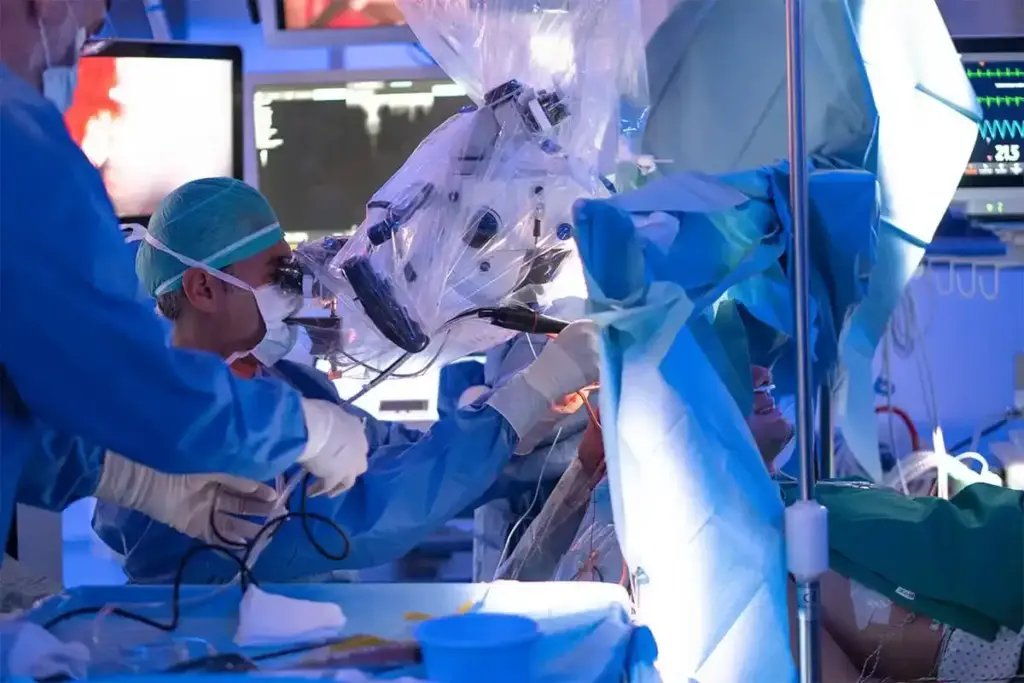
Advances in neurosurgery have greatly improved outcomes for brain surgery patients. A craniotomy is a common surgery that temporarily removes part of the skull. It’s used for many brain conditions.
Thanks to modern techniques and a team of experts, many patients can live independently again. They can enjoy a high quality of life after surgery. The recovery process, including brain surgery recovery, is key to long-term success.
Knowing what to expect after a craniotomy procedure helps patients and their families prepare. It’s a journey they can face together.
Key Takeaways
- Modern neurosurgery techniques have improved patient outcomes.
- A craniotomy can be a life-saving or life-improving surgery.
- Recovery is a critical phase in determining long-term results.
- Many patients regain independence after brain surgery.
- Quality of life can be significantly improved with proper care.
Understanding Brain Surgery: Types and Purposes
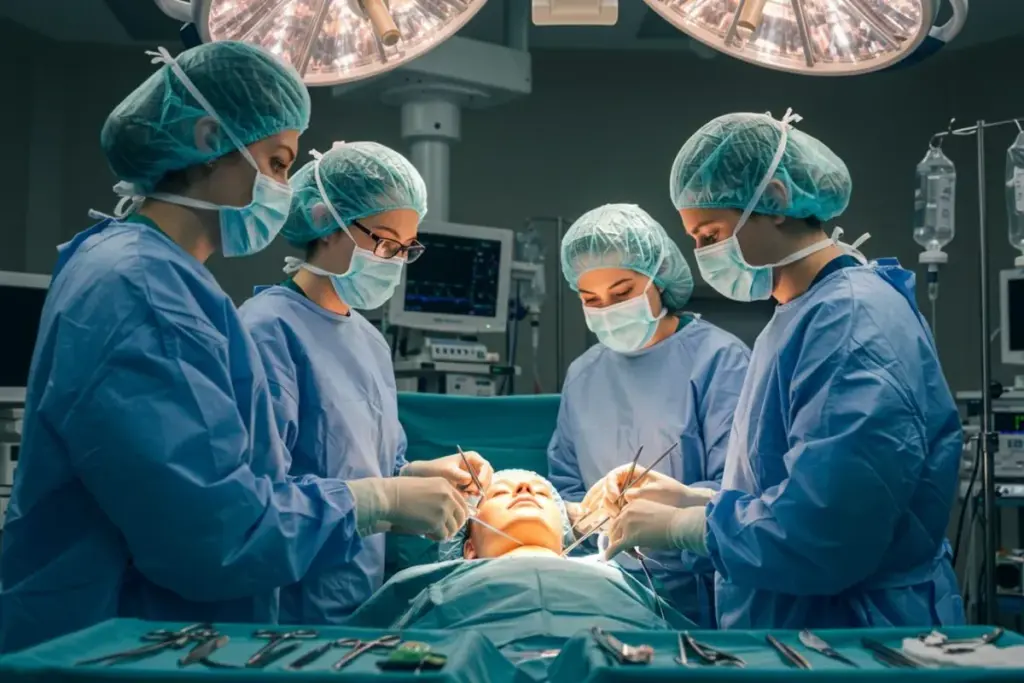
It’s important to know about the different types of brain surgery and why they’re done. Brain surgery, or neurosurgery, treats disorders or injuries in the brain. It involves various procedures.
Common Reasons for Brain Surgery
Brain surgery is needed for many reasons. These depend on the condition and the person’s health. Here are some common reasons:
- Tumor removal: Surgery to take out brain tumors, which can be harmless or cancerous.
- Relieving pressure: Procedures to ease pressure on the brain from injury, bleeding, or other issues.
- Treating epilepsy: Surgery might be an option for severe epilepsy that doesn’t get better with medicine.
- Repairing vascular issues: Operations to fix aneurysms, arteriovenous malformations (AVMs), and other blood vessel problems.
These conditions need careful diagnosis and treatment planning. A team of neurosurgeons, neurologists, and other healthcare experts work together.
Different Surgical Approaches
The type of surgery depends on the condition, its location, and the patient’s health. Here are some common methods:
|
Surgical Approach |
Description |
Typical Use |
|---|---|---|
|
Craniotomy |
A section of the skull is temporarily removed to access the brain. |
Tumor removal, aneurysm clipping, and relieving pressure. |
|
Endoscopic surgery |
Minimally invasive procedure using a small camera and instruments. |
Biopsy, removing small tumors, or treating hydrocephalus. |
|
Stereotactic surgery |
A precise technique using a 3D coordinate system to locate targets. |
Biopsy, tumor treatment, and functional disorders like Parkinson’s disease. |
Each method has its benefits. The choice depends on the patient’s needs and the condition being treated.
What is a Craniotomy? Procedure Overview
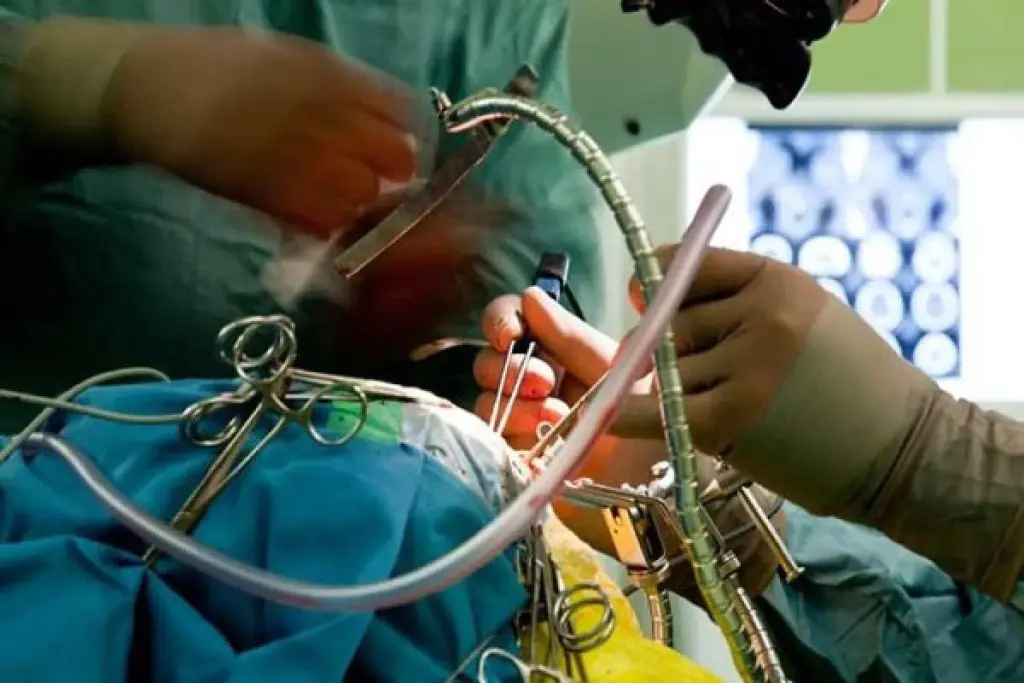
Understanding a craniotomy is key for those facing brain surgery and their families. It’s a surgery where part of the skull is removed to access the brain. This is done for many reasons, like removing tumors or fixing aneurysms.
Definition and Basic Process
A craniotomy has several steps. First, the patient gets general anesthesia to stay asleep and pain-free. Then, the surgeon makes an incision in the scalp and removes a part of the skull, called a bone flap.
After the surgery, the bone flap is put back and secured with plates, screws, or sutures. This process is designed to protect the brain while allowing for complex surgeries.
When is a Craniotomy Necessary?
A craniotomy is needed for many medical conditions. These include:
- Removing brain tumors, either benign or malignant
- Treating aneurysms or arteriovenous malformations (AVMs)
- Relieving pressure on the brain caused by trauma or swelling
- Removing abscesses or infected tissue
- Repairing cerebral vascular issues
The decision to do a craniotomy comes after a thorough evaluation and diagnosis. This often involves MRI or CT scans.
Modern Craniotomy Techniques
Modern craniotomy techniques have improved outcomes and recovery times. Some of these advancements include:
|
Technique |
Description |
Benefits |
|---|---|---|
|
Minimally Invasive Craniotomy |
Smaller incisions and less tissue disruption |
Less scarring, reduced risk of infection, quicker recovery |
|
Keyhole Craniotomy |
Using a small “keyhole” to access the brain |
Less invasive, potentially fewer complications |
|
Awake Craniotomy |
Patient remains awake during part of the surgery |
Allows for real-time feedback, potentially better outcomes for certain conditions |
These modern techniques show the progress in neurosurgery. They aim to improve patient outcomes and reduce risks.
Awake Craniotomy: A Special Approach
Neurosurgery has made big strides, leading to awake craniotomy. This method keeps patients awake and able to respond during surgery. It’s great for surgeries near brain areas that control important functions like speech and movement.
Why Patients Remain Conscious
Patients stay awake to let the surgical team watch brain functions in real-time. This is key when working near critical brain spots. It lets the team see how the brain works and avoid harming it.
Choosing awake craniotomy depends on the tumor’s location, the patient’s health, and surgery goals. It needs a team of skilled neurosurgeons, anesthesiologists, and nurses.
Patient Experience During Awake Surgery
Every awake craniotomy is different, but patients usually feel calm. They might be asked to move, speak, or react to sounds or lights. This helps the team understand and protect brain functions.
Patients are prepared with detailed explanations and support to ease anxiety. Their comfort and safety are top priorities, with careful monitoring and local anesthesia to reduce pain.
Benefits for Recovery Outcomes
Awake craniotomy has many benefits for recovery. It lets surgeons map and remove lesions with great precision. This can lead to better outcomes and faster recovery times.
Key Benefits of Awake Craniotomy:
|
Benefit |
Description |
|---|---|
|
Real-time Monitoring |
Continuous assessment of neurological functions during surgery. |
|
Precision in Surgery |
More accurate removal of lesions with minimal damage to critical brain areas. |
|
Better Neurological Outcomes |
Potential for improved neurological function post-surgery. |
|
Faster Recovery |
Minimizing damage to brain tissue can lead to quicker recovery times. |
Awake craniotomy is a valuable method for neurosurgery. It improves safety and effectiveness, depending on the condition and patient’s health.
Craniotomy vs. Craniectomy: Key Differences
Understanding the differences between craniotomy and craniectomy is key for patients and doctors. Both involve skull surgery, but they have different approaches and outcomes.
Procedural Distinctions
A craniotomy removes a part of the skull to access the brain. This part, called a bone flap, is put back after surgery. On the other hand, a craniectomy removes a part of the skull without putting it back. This is often to relieve pressure on the brain.
Choosing between craniotomy or craniectomy depends on the condition, surgery needed, and care after surgery.
Recovery Implications
Recovery times differ. Craniotomy patients recover faster because their bone flap is replaced. Craniectomy patients might need more time and sometimes another surgery to replace the skull.
Craniectomy patients might also need more therapy because of possible brain swelling.
When Each Procedure is Preferred
Craniotomy is often used for:
- Tumors or cysts that need to be removed
- Aneurysms or AVMs that require surgical clipping or removal
- Epilepsy surgery to remove the seizure focus
Craniectomy is usually for:
- Traumatic brain injury with significant swelling
- Stroke or cerebral hemorrhage causing increased intracranial pressure
- Infections or abscesses that require decompression
Knowing the differences between craniotomy and craniectomy helps set realistic expectations and make informed decisions about neurosurgery.
Factors Affecting Post-Surgery Outcomes
Craniotomy outcomes depend on several factors. These include the patient’s condition and the surgery details. Knowing these helps predict recovery and possible complications.
Underlying Condition and Diagnosis
The reason for the craniotomy greatly affects outcomes. For example, brain tumors, aneurysms, or injuries have different impacts. Patients with benign tumors might recover better than those with malignant ones.
Location and Extent of Surgery
The surgery’s location and size matter a lot. Operations in sensitive brain areas can have different results than those in less critical spots. The size of the incision and brain tissue involved also affects recovery.
Key considerations include:
- The specific brain area affected by the surgery
- The volume of brain tissue involved or removed
- The proximity to critical brain structures
Patient Age and Overall Health
A patient’s age and health are important. Older or those with health issues may face more risks and longer recovery times. Younger patients with fewer health problems usually have better chances of recovery.
Surgical Technique and Surgeon Experience
The surgery method and the surgeon’s experience are also key. Newer, less invasive techniques can help patients recover faster and with fewer problems. The skill and experience of the surgical team are vital in handling complex brain surgeries.
Good surgical planning and execution are essential for the best results. This means careful planning before surgery, precise technique during, and thorough care after.
Immediate Recovery After Brain Surgery
The first days after brain surgery are very important. They set the stage for how well you’ll recover. It’s a time when doctors watch you closely.
Hospital Stay Expectations
Patients usually stay in the hospital for a few days after surgery. How long depends on the surgery, your health, and if there are any problems.
Average Hospital Stay: Most people stay 3 to 7 days. Doctors keep an eye out for any issues and help with pain and other symptoms.
|
Surgery Type |
Average Hospital Stay |
Key Monitoring Factors |
|---|---|---|
|
Craniotomy |
4-6 days |
Intracranial pressure, neurological status |
|
Awake Craniotomy |
5-7 days |
Neurological function, pain management |
Early Physical Challenges
Right after surgery, you might feel tired, have pain, and move slowly. Doctors use medicine, therapy, and rest to help.
Common early physical challenges include:
- Fatigue and weakness
- Pain and discomfort
- Numbness or tingling sensations
- Coordination and balance issues
Initial Medication Management
Medicine is key in the first days to help with pain, stop seizures, and reduce swelling. The medicines used depend on your situation and the surgery.
Common Medications:
- Pain relievers
- Anticonvulsants
- Corticosteroids
- Antibiotics
Craniotomy Recovery Timeline
Knowing what to expect after a craniotomy is important for patients and their families. It helps them plan and manage their hopes. Everyone recovers differently, but there are common steps most people go through.
First Week Post-Surgery
The first week is very important. Most people stay in the hospital to watch for any problems. They might feel swollen, in pain, and tired. It’s key to manage pain and reduce swelling during this time.
- Rest and avoid strenuous activities.
- Follow the medication regimen as prescribed by your doctor.
- Monitor for signs of infection or complications.
First Month Milestones
By the end of the first month, many see big improvements. The swelling goes down, and some can start doing light things again. But, it’s important to keep following your doctor’s advice on how much to do.
|
Milestone |
Expected Progress |
|---|---|
|
Reduced Swelling |
Noticeable decrease in swelling around the surgical site. |
|
Increased Energy |
Gradual return of energy levels, allowing for more activity. |
|
Resuming Activities |
Potential to start light exercises or return to some daily routines. |
Three to Six Month Progress
Between three to six months, patients keep getting better. This time might include therapy to get stronger, move better, or think clearer.
Rehabilitation may include:
- Physical therapy to regain strength and mobility.
- Occupational therapy to improve daily functioning.
- Speech therapy if there were issues with speech or language.
Long-term Recovery Expectations
Long-term recovery can be different for everyone. It depends on the reason for the surgery, how big the surgery was, and the patient’s health. Some might fully recover, while others might have lasting effects.
It’s very important to keep up with doctor’s appointments. This helps track how you’re doing and solve any problems quickly.
20 Things to Expect After Brain Surgery
Recovering from brain surgery brings many changes. These can affect how you feel, think, and live your daily life. Knowing what to expect can help you prepare and make your recovery better.
Physical Changes and Sensations
Patients often notice physical changes after surgery. These can include:
- Headaches and swelling
- Numbness or tingling sensations
- Fatigue and weakness
- Sensitivity to light and sound
- Seizures in some cases
Cognitive and Emotional Effects
Brain surgery can also affect your mind and emotions. You might see:
- Memory issues or difficulty concentrating
- Mood swings or emotional instability
- Changes in personality
- Difficulty with speech or language processing
Daily Life Adjustments
Life after surgery may need big changes. This includes:
- Limiting physical activities
- Adjusting sleep patterns
- Managing medication regimens
- Needing assistance with daily tasks
Medical Follow-up Requirements
Getting regular check-ups is key to recovery. Patients should expect:
- Regular check-ups with their neurosurgeon
- Imaging tests (e.g., MRI or CT scans) to monitor recovery
- Potential adjustments to medication
- Referral to rehabilitation services if needed
|
Aspect of Recovery |
Common Experiences |
|---|---|
|
Physical |
Headaches, numbness, fatigue |
|
Cognitive |
Memory issues, concentration difficulties |
|
Emotional |
Mood swings, emotional instability |
|
Daily Life |
Limiting activities, adjusting sleep |
|
Medical Follow-up |
Regular check-ups, imaging tests |
Common Craniotomy Complications and Risks
Craniotomy is a lifesaving surgery, but it comes with risks. These risks can affect the outcome and recovery. It’s important to know what might happen.
Immediate Surgical Complications
Right after surgery, some problems can occur:
- Bleeding or hemorrhage: Too much bleeding can happen during or after surgery. This can be very serious.
- Stroke or cerebral vasospasm: The surgery might cause a stroke or lead to cerebral vasospasm, where blood vessels get too narrow.
- Anesthesia-related complications: As with any surgery needing anesthesia, there are risks with its use.
Infection and Wound Healing Issues
After surgery, infections and wound healing problems can be risks:
- Surgical site infections: Bacteria can infect the surgical site, causing problems.
- Meningitis: There’s a chance of getting meningitis, an infection of the brain’s protective membranes.
- Wound healing issues: Some patients might have trouble with their wounds healing or face other problems.
Neurological Complications
Brain surgery can lead to neurological problems:
- Seizures: Patients might have seizures during or after surgery.
- Cognitive or speech difficulties: Depending on the brain area affected, some patients might face cognitive or speech challenges.
- Weakness or paralysis: There’s a risk of temporary or, in some cases, permanent weakness or paralysis.
Long-term Possible Issues
Some problems might last or show up later:
- Epilepsy: Craniotomy might lead to epilepsy in some cases.
- Cognitive changes: Patients might see changes in their thinking, which can vary in how severe.
- Emotional or psychological effects: The surgery and recovery can affect emotions and mental health.
Knowing these possible complications and risks is key. It helps patients and their families make informed choices and prepare for recovery.
Neurological Changes After Brain Surgery
After brain surgery, patients often see changes in their brain function. These changes can last a short time or be permanent. They can affect how a person thinks, moves, and feels.
Cognitive Function
Brain surgery can lead to changes in thinking. This includes problems with memory, focus, and how quickly you process information. The extent of these changes varies based on the surgery’s location, the condition being treated, and the patient’s health.
Right after surgery, some people might feel confused or disoriented. This usually gets better as they heal. But, some thinking skills might take longer to get back to normal.
“The cognitive effects of brain surgery can be significant, but most patients see improvement over time with appropriate rehabilitation.” -Neurosurgeon
Motor Skills and Coordination
Brain surgery can also affect how you move and coordinate. This is more likely if the surgery is near areas that control movement. Patients might feel weak, numb, or have trouble with fine motor tasks.
- Weakness or paralysis in certain parts of the body
- Difficulty with balance and coordination
- Changes in dexterity or fine motor skills
Physical therapy is often recommended to help patients regain their strength and improve their motor skills.
Speech and Language Processing
If the surgery is near areas of the brain that handle speech and language, patients might have trouble communicating. This can include problems with speaking, understanding, reading, or writing.
Speech therapy is a key part of recovery for these patients. It helps them regain their communication skills.
|
Aspect |
Potential Changes |
Rehabilitation |
|---|---|---|
|
Cognitive Function |
Memory issues, concentration problems |
Cognitive therapy, rehabilitation programs |
|
Motor Skills |
Weakness, numbness, coordination issues |
Physical therapy |
|
Speech and Language |
Difficulty speaking, understanding language |
Speech therapy |
Personality and Behavioral Changes
Brain surgery can also change a person’s personality and behavior. These changes can be due to the surgery or the condition being treated.
Some patients might experience mood swings, irritability, or changes in how they react emotionally. Support from family, friends, and mental health professionals is very important during this time.
Knowing about the possible neurological changes after brain surgery helps patients and their families prepare for recovery. It’s important for both physical and emotional healing.
Practical Craniotomy Recovery Tips
To recover well from a craniotomy, patients need to get their homes ready, manage their health, and adjust their lifestyle. A few key steps can make a big difference in recovery. These steps help improve outcomes.
Home Environment Preparation
Getting your home ready is a big part of recovering from a craniotomy. You want a safe and comfy space with no risks of falls or accidents. Remove tripping hazards like loose rugs and cords. Make sure paths are clear.
Adding handrails in places like bathrooms and stairs can also help keep you safe.
Nutrition and Hydration
Eating well and staying hydrated are key for recovery. Eat a diet full of protein, vitamins, and minerals. Drink at least eight glasses of water a day. Nutritional supplements might be suggested by doctors to help you heal.
Sleep and Rest Strategies
Enough sleep and rest are vital for healing. Aim for 8-10 hours of sleep each night. Take regular breaks during the day to rest too.
Try elevating your bed by 30 degrees to reduce swelling and improve breathing. A relaxing bedtime routine can also help you sleep better.
Activity Pacing Techniques
It’s important to pace yourself to avoid too much effort. Start with gentle, low-intensity activities and slowly increase them as advised by your doctor. Always listen to your body and rest when you need to. Too much effort can cause setbacks.
Following these tips can make your recovery smoother, reduce risks, and improve your life after brain surgery.
Returning to Daily Activities
Recovering from brain surgery means slowly getting back to daily life. It’s important to balance wanting to get back to normal with giving your body time to heal.
Household Tasks and Self-Care
At first, avoid hard tasks like lifting heavy things or bending. Start with easy tasks like cooking and light cleaning when you feel better. Prioritizing self-care is key, including rest, healthy eating, and stress management.
“Listen to your body and don’t overdo it,” says a neurosurgeon. “Let others help with chores early on.”
Social Interactions
You can start going out again early in your recovery. But, stay away from crowded places to avoid stress or getting sick. Gradually getting back into social activities helps your emotional health.
- Start with small gatherings or online meetups.
- Avoid close contact with people who are sick.
- Tell friends and family about your limits and needs.
Driving and Transportation
Don’t drive until your doctor says it’s okay. It’s important for your safety, as your reaction times and judgment might be off after surgery. Make other plans for getting around until then.
“Don’t drive until your doctor says it’s safe,” stresses a doctor. “It’s a big safety rule.”
Physical Exercise and Limitations
Starting to exercise is part of getting better, but do it carefully. Avoid hard workouts, heavy lifting, or bending at first. Start with gentle activities like walking, then add more intense ones as you get stronger.
- Start with short walks and increase the distance as you can.
- Stay away from exercises that are too hard or strain you.
- Follow the exercise advice from your healthcare team.
By managing your return to daily activities carefully, you can make your recovery smoother and more effective after brain surgery.
Returning to Work After Brain Surgery
Going back to work after a craniotomy means understanding the recovery process. It’s about making the right adjustments for a smooth return. The journey can be tough, but with support and planning, many people get back to work.
Timeline Considerations
The time it takes to go back to work after brain surgery varies. It depends on the surgery type, job nature, and health. Generally, craniotomy recovery time can be weeks to months. Always follow your doctor’s advice on when to start working again.
|
Recovery Stage |
Timeline |
Work-Related Activities |
|---|---|---|
|
Immediate Post-Surgery |
0-2 weeks |
Rest and recovery; avoid work-related tasks |
|
Early Recovery |
2-6 weeks |
Gradually introduce simple tasks; consider flexible work hours |
|
Late Recovery |
6 weeks-3 months |
Return to most work activities; discuss accommodations with employer |
Workplace Accommodations
Many need workplace accommodations to go back to work. This includes flexible hours, modified tasks, or assistive tech. Talking to employers about these changes helps create a supportive work space.
Career Adjustments and Modifications
For some, going back to work means making career adjustments. This could mean changing job duties, working fewer hours, or moving to a different role. Looking into these options can help keep a job while managing health.
Going back to work after brain surgery is a journey that needs patience and understanding. By thinking about the recovery time, work adjustments, and career changes, people can smoothly return to their jobs.
Quality of Life Statistics After Brain Surgery
Understanding life quality after brain surgery is key for better patient care. Brain surgeries, like craniotomy, treat many issues, from injuries to tumors. It’s vital to look at the stats and research to see how these surgeries affect patients.
Survival Rates by Condition
Survival rates after brain surgery depend on the condition. For example, those with brain tumors have different survival chances than those with traumatic brain injuries. Studies show that brain tumor patients can live up to 70% of the time over five years, based on the tumor type.
A Journal of Neuro-Oncology study found that glioblastoma patients live about 15 months after treatment. On the other hand, meningioma patients often live more than 90% of the time over five years.
Independence Metrics
Being independent after surgery is a big part of quality of life. Many patients start to do daily tasks on their own within a year. A Journal of Neurosurgery study showed that about 70% of patients become functionally independent within 12 months after surgery.
Younger patients and those in better health before surgery tend to do better. They often regain independence faster.
Patient Satisfaction Studies
Patient happiness after surgery is also key to quality of life. Studies show that how patients feel is linked to pain management, support during recovery, and the care they receive.
A study by the American Association of Neurological Surgeons found that patients with better postoperative care are happier. This includes getting rehabilitation services.
Long-term Outcome Research
Research on long-term effects of brain surgery is ongoing. It looks at survival, independence, and how surgery affects the mind, emotions, and body over time.
A study in Neurosurgery found that long-term survivors of brain tumor surgery often face cognitive and emotional changes. Yet, many patients also report feeling better and appreciating life more.
Rehabilitation and Therapy Options
Recovering from brain surgery is a journey with many steps. Rehabilitation helps patients regain strength, cognitive skills, and independence. It’s a key part of getting back to normal.
Physical Therapy Approaches
Physical therapy is essential for improving mobility, balance, and strength. It includes:
- Exercise programs tailored to the patient’s condition and abilities
- Balance training to reduce the risk of falls
- Strengthening exercises to improve muscle tone
Physical therapists help patients set and reach realistic goals. This boosts their recovery.
Occupational Therapy Interventions
Occupational therapy focuses on daily activities and tasks. It helps patients become more independent. Interventions include:
- Training on adaptive equipment for daily living
- Cognitive strategies to improve memory and problem-solving
- Home modifications to ensure a safe living environment
Occupational therapists create personalized plans. They help patients smoothly return to daily life.
Speech and Cognitive Therapy
Speech and cognitive therapy tackle communication and cognitive challenges. Therapists use:
- Speech exercises to improve articulation and comprehension
- Cognitive training to enhance memory, attention, and executive function
- Compensatory strategies for communication difficulties
These therapies are customized to meet individual needs. They aim to restore communication and cognitive skills.
Innovative Rehabilitation Technologies
New technologies are changing rehabilitation. They include:
|
Technology |
Description |
Benefits |
|---|---|---|
|
Virtual Reality (VR) |
Immersive environments for therapy |
Enhanced engagement and motivation |
|
Robot-Assisted Therapy |
Devices that assist in physical movements |
Precision and consistency in therapy |
|
Cognitive Training Apps |
Digital platforms for cognitive exercises |
Accessibility and personalized training |
These technologies are being used in rehabilitation. They aim to improve outcomes and patient experiences.
Conclusion: The New Normal After Brain Surgery
After brain surgery, patients often wonder about their future. The road to recovery is complex. Yet, it’s important to know that they can regain independence and quality of life. Craniotomy recovery means healing from surgery and adjusting to any changes it brought.
Life after brain surgery varies greatly. It depends on the condition, surgery extent, and health. Some may fully recover, while others face a new reality with surgery effects or condition symptoms.
Adapting to this new reality requires medical care, rehabilitation, and lifestyle changes. By focusing on these, patients can improve their recovery and life quality. Remember, craniotomy recovery is a journey that needs patience, support, and sometimes professional help.
FAQ
What is a craniotomy?
A craniotomy is a surgery where part of the skull is removed temporarily. This lets surgeons work on the brain. They might remove tumors, clip aneurysms, or relieve brain pressure.
How long does it take to recover from a craniotomy?
Recovery time varies. It depends on the person, their condition, and the surgery’s extent. Patients usually spend weeks to months recovering. Some might take a year or more to fully recover.
What are the risks associated with craniotomy?
Craniotomy risks include infection, bleeding, stroke, and brain damage. These risks depend on the person’s condition, the surgery’s location and extent, and the surgeon’s experience.
Can I live a normal life after brain surgery?
Yes, many people can live a normal life after brain surgery. It depends on their condition and the surgery’s extent. Advances in neurosurgery and rehabilitation have improved outcomes.
What is the difference between craniotomy and craniectomy?
A craniotomy removes part of the skull temporarily. It’s then replaced after surgery. A craniectomy removes part of the skull, which might or might not be replaced later. The choice depends on the condition and the surgeon’s preference.
How long do I need to stay in the hospital after brain surgery?
Hospital stay varies. It depends on the condition, surgery complexity, and complications. Patients usually stay for several days to a week or more.
What are the common complications after craniotomy?
Common complications include infection, bleeding, stroke, seizures, and neurological deficits. These risks vary based on the condition and surgery extent.
Can I drive after brain surgery?
Driving after brain surgery is not recommended until cleared by the surgeon or healthcare provider. The timing depends on recovery, any neurological deficits, and the surgery type.
What rehabilitation options are available after brain surgery?
Rehabilitation options include physical, occupational, speech, and cognitive therapy. They help patients regain strength, cognitive function, and independence.
How long does it take to return to work after brain surgery?
Returning to work time varies. It depends on the job, surgery extent, and any lingering deficits. Some return in weeks, while others take months or more.
What are the long-term effects of craniotomy?
Long-term effects include neurological deficits, cognitive changes, and emotional or behavioral changes. Some people experience no effects, while others need ongoing rehabilitation or management.
Can I expect to regain my independence after brain surgery?
Many people regain independence after brain surgery. The extent of recovery varies. Rehabilitation and therapy are key to achieving maximum independence.
References
National Center for Biotechnology Information. Evidence-Based Medical Insight. Retrieved from https://pmc.ncbi.nlm.nih.gov/articles/PMC10410286/



 Departments
 Related Videos
 Our Doctors
 News
News