
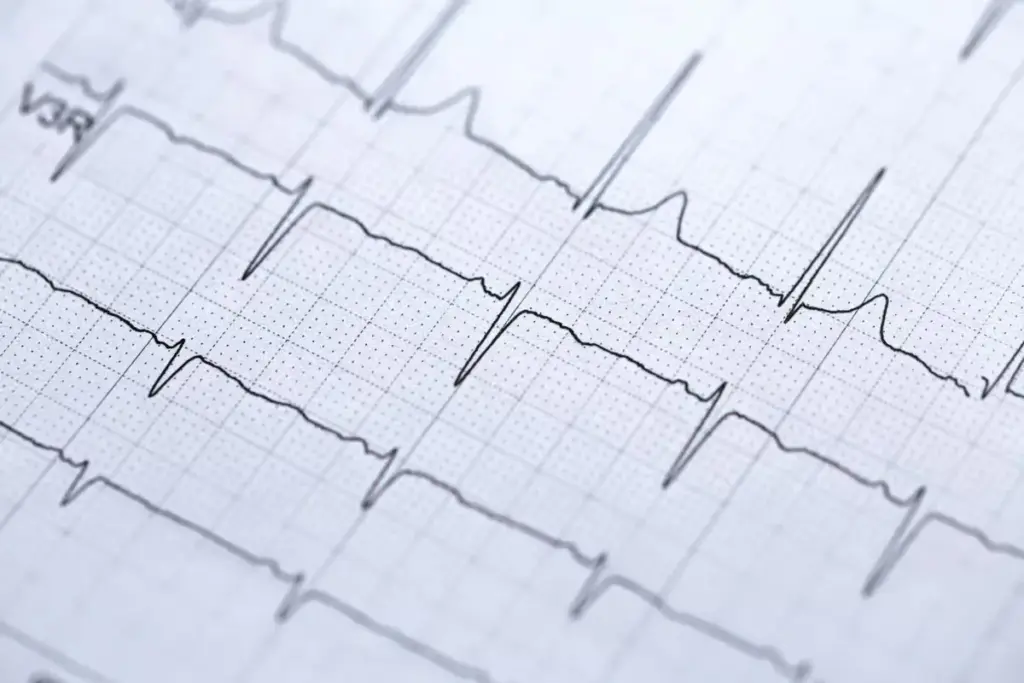
Atrial fibrillation (AFib) is a heart condition that affects millions globally. The American Heart Association says it impacts over 2.7 million in the U.S. alone. If not treated, it can cause serious health i When to worry? Identify critical atrial fibrillation concerning symptoms that suggest a need for effective medical intervention.
AFib makes the heart beat irregularly and fast. This can lead to symptoms like heart palpitations, shortness of breath, and feeling tired. It’s important to know the signs of AFib to get medical help quickly.
Key Takeaways
- AFib is a common heart rhythm disorder that can lead to serious complications.
- Recognizing AFib warning signs is key for timely medical help.
- Common symptoms include heart palpitations, shortness of breath, and feeling tired.
- Understanding AFib concerning symptoms can help prevent serious complications.
- Seeking medical attention is essential if AFib symptoms persist or worsen.
Understanding Atrial Fibrillation: The Basics

AFib, or atrial fibrillation, is a common heart rhythm disorder. It affects millions globally, causing the heart’s upper chambers to beat irregularly. This irregular beating can lead to a weaker heart and higher risks of stroke and heart failure.
What is Atrial Fibrillation?
Atrial fibrillation is a heart rhythm disorder that affects the heart’s upper chambers, or atria. It makes them beat irregularly instead of in sync. This irregular heartbeat can reduce heart function and increase the risk of blood clots and stroke. Understanding AFib is key to managing it well and reducing its risks.
How AFib Affects Your Heart
The irregular heartbeat of AFib can cause many problems. It can weaken the heart, lead to heart failure, and raise the risk of stroke. When the atria fibrillate, they don’t contract well. This can cause blood to pool and form clots. This condition needs careful management to avoid serious heart problems.
Common Types of AFib
AFib can be classified into several types based on its duration and pattern. The most common types include:
- Paroxysmal AFib: Episodes of AFib that stop on their own within seven days.
- Persistent AFib: Continuous AFib that lasts more than seven days.
- Long-standing persistent AFib: Continuous AFib that lasts more than 12 months.
- Permanent AFib: AFib where the presence of the arrhythmia is accepted by the patient and doctor, and no further rhythm control interventions are planned.
Knowing these types is vital for finding the best treatment and management for AFib.
Normal vs. Concerning AFib Symptoms

AFib symptoms can vary a lot from person to person. It’s key to know what’s normal and what’s concerning. Atrial fibrillation, or AFib, is when your heart beats irregularly and fast. This can cause different symptoms.
Typical AFib Symptoms
Common AFib symptoms include heart palpitations, shortness of breath, fatigue, and dizziness. These happen because your heart doesn’t beat right. This can make your body get less blood and oxygen.
Some people might only have mild symptoms sometimes. Others might have more serious or frequent ones. Knowing these symptoms helps you see when AFib might be a bigger problem.
When Symptoms Become Worrisome
Some AFib symptoms are normal and can be managed with lifestyle changes and meds. But, some symptoms are a sign of a bigger issue. For example, severe chest pain, extreme shortness of breath, or fainting need quick medical help. This can mean AFib is causing serious problems like heart failure or stroke.
Also, watch how often and long your AFib episodes last. If they’re getting more common or lasting longer, talk to your doctor. They can help adjust your treatment plan.
Recognizing Atrial Fibrillation Concerning Symptoms
It’s important to know the symptoms of atrial fibrillation (AFib) to get help quickly. AFib can start with symptoms that don’t seem serious at first. But, these symptoms can get worse and be very dangerous.
Severe Chest Pain or Pressure
Don’t ignore severe chest pain or pressure. It could mean a heart attack or other heart problems. If you have chest pain that’s bad, lasts a long time, or comes with other symptoms like trouble breathing or feeling dizzy, get help right away.
Characteristics of concerning chest pain include:
- Pressure or tightness in the chest
- Pain spreading to the arms, back, neck, jaw, or stomach
- Pain that doesn’t go away or gets worse
Extreme Shortness of Breath
Feeling very short of breath is a sign of AFib that needs attention. If you can’t breathe well or feel out of breath even when sitting or doing light activities, see a doctor.
Key indicators of concerning shortness of breath include:
- Difficulty breathing that is sudden or severe
- Shortness of breath that happens at rest or with little effort
- Other symptoms like chest pain or irregular heartbeats
Fainting or Severe Dizziness
Fainting or feeling very dizzy can happen in people with AFib. It means there might be a serious problem that needs help right away.
|
Symptom |
Description |
Action |
|---|---|---|
|
Fainting |
Loss of consciousness |
Seek immediate medical help |
|
Severe Dizziness |
Feeling of spinning or loss of balance |
Consult a doctor promptly |
Emergency Warning Signs That Require Immediate Attention
Knowing the emergency signs of AFib is key to getting quick medical help. Atrial Fibrillation can cause serious problems like stroke and heart failure. It’s vital to spot the warning signs of these issues.
Stroke Symptoms During AFib Episodes
When you have an AFib episode, look out for stroke symptoms. These include:
- Sudden weakness or numbness in the face, arm, or leg, typically on one side of the body.
- Confusion or trouble speaking and understanding speech.
- Sudden trouble seeing in one or both eyes.
- Dizziness or loss of balance.
- A severe headache without a known cause.
Immediate action is required if you notice any of these symptoms. Quick medical help can make a big difference.
Signs of Heart Failure
AFib can also cause heart failure. This is when the heart can’t pump enough blood. Look out for these signs:
- Shortness of breath during routine activities or at rest.
- Fatigue or weakness.
- Swelling in the legs, ankles, and feet.
- Rapid or irregular heartbeat.
- Reduced ability to exercise.
Spotting these signs early can help manage heart failure. If you see any, get medical help right away.
Prompt recognition of these emergency warning signs can be lifesaving. People with AFib need to know about these risks.
AFib Episodes: When Duration Becomes Dangerous
Knowing how long and how often AFib episodes happen is key to managing the condition. Atrial fibrillation, or AFib, causes irregular heartbeats. These can be short or last a long time.
Persistent Episodes Lasting More Than 24 Hours
AFib episodes over 24 hours are a big concern. Prolonged AFib episodes can raise the risk of stroke and heart failure. If you’re experiencing long episodes, you should see a doctor.
The risks of long-lasting AFib episodes include:
- Higher stroke risk from blood clots in the heart
- Heart failure risk as the heart works harder
- Lower quality of life from ongoing symptoms
Increasing Frequency of Episodes
Not just how long, but how often AFib episodes happen matters too. Increasing frequency of episodes can mean your condition is getting worse. It’s important to keep track of your episodes and talk to your doctor about any changes.
Important points about more frequent AFib episodes include:
- Keep an eye on symptoms and how often episodes happen
- Change treatment plans if needed
- Keep a log of episodes to share with your doctor
By managing AFib episodes well, you can lower your risk of serious problems and live better.
Risk Factors That Elevate Concern with AFib
AFib complications don’t affect everyone the same way. Some factors can make the risk higher. Knowing these factors is key to managing the condition and avoiding serious problems.
Age and Gender Considerations
Age plays a big role in AFib risk. As people get older, the chance of getting AFib and facing its complications grows. Men are usually at higher risk than women, but women’s risk goes up after menopause. People over 65, in particular, should watch their heart health closely.
Pre-existing Heart Conditions
Having heart problems before AFib can raise the risk of complications. Issues like coronary artery disease, heart valve problems, and heart failure can lead to AFib. Managing these conditions well is key to lowering AFib risk.
|
Pre-existing Heart Condition |
Impact on AFib Risk |
|---|---|
|
Coronary Artery Disease |
Increases risk due to reduced blood flow to the heart |
|
Heart Valve Problems |
Can lead to irregular heart rhythms, including AFib |
|
Heart Failure |
Significantly increases the risk of AFib complications |
Other Medical Conditions That Increase Risk
Other health issues can also increase the risk of AFib complications. These include high blood pressure, diabetes, obesity, and thyroid problems. Keeping these conditions under control is vital for lowering the risk.
- Hypertension: High blood pressure can strain the heart, increasing the risk of AFib.
- Diabetes: Poorly managed diabetes can lead to heart disease, increasing AFib risk.
- Obesity: Excess weight can lead to conditions that increase AFib risk, such as hypertension and diabetes.
- Thyroid Disorders: Both hyperthyroidism and hypothyroidism can affect heart rhythm.
By understanding and managing these risk factors, people can lower their chance of AFib complications. Regular check-ups and talking to healthcare professionals are important steps in this journey.
Diagnostic Approaches for Concerning AFib
To find out if you have AFib, doctors use a few key steps. They look at your medical history, do a physical check, and run tests. This way, they can make sure they’re right and figure out how serious it is.
Tests Your Doctor May Order
There are several tests to find and understand AFib. These include:
- Electrocardiograms (ECGs): A main test for AFib, ECGs show the heart’s electrical signals.
- Holter Monitors: These small devices watch your heart for 24 to 48 hours. They catch AFib that only happens sometimes.
- Echocardiograms: Ultrasound tests that show the heart’s shape and how it works. They help see how bad AFib is.
|
Diagnostic Test |
Purpose |
Key Findings |
|---|---|---|
|
Electrocardiogram (ECG) |
Records heart’s electrical activity |
Detects irregular heart rhythms, AFib diagnosis |
|
Holter Monitor |
Monitors heart activity over time |
Captures intermittent AFib episodes |
|
Echocardiogram |
Assesses heart structure and function |
Evaluates impact of AFib on heart health |
Understanding Your AFib Diagnosis
After tests, knowing your AFib diagnosis is key. Your doctor will talk about the type and how bad it is. This helps decide the best treatment for you.
Getting an AFib diagnosis can be scary. But, with the right treatment, many people manage it well. It’s important to follow your doctor’s advice and go to check-ups to keep an eye on your health.
Treatment Options for Serious AFib Symptoms
Managing serious AFib symptoms needs a detailed plan. This plan includes different treatments. The main goal is to ease symptoms, stop complications, and get the heart rhythm back to normal.
Medication Interventions
Medicines are key in treating AFib symptoms. Beta-blockers and anti-arrhythmic drugs help control the heart’s rate and rhythm. These drugs can lessen how often and how bad AFib episodes are, making life better for those with it.
Sometimes, anticoagulants are given to prevent strokes. This is because strokes are a big risk with AFib. The right medicine depends on the person’s health, how bad their AFib is, and other things.
Procedural and Surgical Options
For some, treatments like procedures or surgery are needed to manage AFib. Cardioversion is a procedure that uses a controlled electric shock to fix the heart rhythm. Catheter ablation uses energy to destroy the bad electrical paths in the heart causing AFib.
Maze surgery is a surgery that makes scar tissue in the heart to stop bad signals. It’s more serious, but it can really help those with severe or lasting AFib.
Lifestyle Modifications to Manage Concerning AFib
Making lifestyle changes is key to easing AFib symptoms and boosting heart health. By tweaking daily habits, people can manage their condition well.
Dietary Changes
Changing what you eat is vital for managing AFib. Cutting down on caffeine and alcohol can help. Eating more fruits, veggies, and whole grains is good for your heart.
- Reduce caffeine intake to minimize heart palpitations.
- Avoid alcohol to decrease the risk of AFib episodes.
- Increase consumption of fruits and vegetables for essential nutrients.
Exercise Recommendations
Regular exercise is great for AFib patients. Activities like walking, cycling, or swimming can boost heart health and lessen symptoms.
- Engage in at least 30 minutes of moderate-intensity aerobic exercise most days of the week.
- Consider incorporating stress-reducing exercises like yoga or tai chi.
- Consult with a healthcare provider before starting any new exercise regimen.
Stress Management Techniques
Stress can make AFib symptoms worse. Stress management is very important. Techniques like meditation, deep breathing, or yoga can help lower stress.
- Practice meditation or mindfulness to reduce stress.
- Engage in deep breathing exercises to calm the mind and body.
- Consider participating in yoga classes designed for individuals with heart conditions.
By adopting these lifestyle changes, people with AFib can manage their symptoms better and live a better life.
When to Call Your Doctor vs. When to Go to the ER
Atrial Fibrillation symptoms can be unpredictable. It’s important to know when to see a doctor and when to go to the ER. Understanding your symptoms’ severity is key.
Symptoms That Warrant a Doctor’s Appointment
If you have mild or occasional AFib symptoms, seeing a doctor is a good idea. These symptoms might include:
- Mild palpitations or irregular heartbeats that are not persistent
- Occasional dizziness or lightheadedness that resolves on its own
- Fatigue or a general feeling of being unwell
Your doctor will check your condition and might adjust your treatment. They can also help you manage your symptoms.
Symptoms That Require Emergency Care
Certain symptoms need immediate medical attention. If you have any of these, go to the ER right away:
- Severe chest pain or pressure
- Extreme shortness of breath
- Fainting or severe dizziness
- Stroke symptoms, such as facial drooping, arm weakness, or speech difficulties
The American Heart Association says, “Prompt medical treatment is key for stroke victims. Recognizing the warning signs is the first step in getting the care you need.”
“Time is brain” when it comes to stroke treatment, stressing the need for quick action if stroke symptoms occur.
To understand the difference between symptoms needing emergency care and those that don’t, look at this table:
|
Symptom |
Severity |
Action |
|---|---|---|
|
Mild Palpitations |
Mild |
Schedule a doctor’s appointment |
|
Severe Chest Pain |
Severe |
Go to the ER |
|
Extreme Shortness of Breath |
Severe |
Go to the ER |
In conclusion, knowing your AFib symptoms and when to seek medical help is vital. Always choose caution if you’re unsure about your symptoms’ severity.
Long-term Monitoring of AFib: Tracking Concerning Changes
It’s key to watch for changes in AFib symptoms over time. This helps manage the condition better. It lets patients and doctors spot patterns, tweak treatments, and avoid serious issues.
Home Monitoring Options
New tech makes home monitoring easier and more useful. Smartwatches and fitness trackers can track heart rhythms. They can also warn users if they spot AFib signs.
Other ways to monitor at home include:
- Portable electrocardiogram (ECG) devices that record heart activity.
- Mobile apps to track symptoms and heart rate.
- Checking blood pressure regularly, as high blood pressure can worsen AFib symptoms.
Working with Your Healthcare Team
While home monitoring is helpful, teaming up with your healthcare team is just as important. Regular visits and talking openly about symptoms can greatly help manage AFib.
Your healthcare team can:
- Change medications or treatment plans based on home monitoring data.
- Offer advice on lifestyle changes to lessen AFib symptoms.
- Watch for signs of serious problems like stroke or heart failure and act early.
By using afib monitoring at home and seeing your healthcare team regularly, you can better control your condition. This can greatly improve your quality of life.
Complications to Watch For: Beyond the Initial Symptoms
AFib can lead to serious long-term problems. It affects the heart’s rhythm and can cause other health issues. It’s important to understand these complications to manage AFib well.
Blood Clots and Stroke Risk
AFib increases the risk of blood clots. These clots can form when the heart’s upper chambers fibrillate. This makes stroke risk much higher for AFib patients. Stroke risk is significantly higher in AFib patients, making anticoagulation therapy a common treatment approach to mitigate this risk.
Heart Failure Development
AFib can also lead to heart failure. The irregular heartbeat can reduce cardiac output. This can worsen heart failure symptoms. Monitoring and managing heart failure is key for AFib patients.
Other Possible Complications
AFib can cause other problems too. Symptoms like palpitations and shortness of breath can lower quality of life. There’s also an increased risk of mortality associated with AFib, showing the need for careful management.
Other complications include kidney disease, dementia, and decreased exercise tolerance. The complex relationship between AFib and these conditions stresses the need for thorough care.
Special Populations: When AFib Is More Concerning
AFib affects different people in different ways. This means we need to treat each group differently. Pregnant women, elderly patients, and athletes all need special care because of their unique situations.
Pregnant Women with AFib
Pregnant women with AFib face special risks. Managing AFib during pregnancy is very important. We must pick safe medicines and watch closely to avoid problems.
- It’s important to watch for any signs of trouble in the mom or the baby.
- We choose medicines that are safe for pregnant women.
- Electrical cardioversion is safe during pregnancy if it’s needed.
Elderly Patients
Elderly patients often have other health issues that make managing AFib harder. Age-related changes in the heart and other health problems affect treatment choices.
- Doing a full check-up is key to finding the best treatment.
- Using blood thinners is often needed to prevent stroke, but we must watch them closely.
- In some cases, controlling the heart rate might be better than fixing the rhythm because of other health issues.
Athletes and Active Individuals
Athletes and active people with AFib need special treatment plans. Exercise-induced AFib is something we must think about.
- It’s important to watch for symptoms during exercise to avoid too much strain.
- Some heart medicines might not be safe for athletes because of side effects.
- Changes in lifestyle, like managing stress and eating better, can help.
It’s key for doctors to understand how AFib affects special groups. By tailoring care to each group’s needs, we can lower risks and improve health outcomes.
Conclusion: Managing Your AFib Concerns Effectively
Managing afib well is key for those with Atrial Fibrillation. Knowing about the condition and its symptoms helps you act early. This can lower your chance of facing serious problems.
To manage AFib well, you need to work closely with your healthcare team. Stick to your treatment plans, make healthy lifestyle changes, and keep an eye on your health. This is how you can live better with AFib.
By following these steps, you can make your life with AFib better. You’ll also cut down the risk of serious issues. Taking charge of your afib concerns means you’re in control of your health. You can make smart choices about your care.
FAQ
What are the typical symptoms of Atrial Fibrillation (AFib)?
AFib symptoms include heart palpitations, shortness of breath, and feeling tired. Some people might also have severe chest pain, extreme shortness of breath, or fainting.
When do AFib symptoms become worrisome?
Symptoms become worrisome if they are severe. This includes severe chest pain, extreme shortness of breath, or fainting. These need immediate medical help.
What are the risk factors that elevate concern for AFib complications?
Risk factors for AFib complications include age, gender, and heart conditions. Other conditions like hypertension, diabetes, and obesity also increase risk.
How is AFib diagnosed?
Diagnosing AFib involves a detailed approach. This includes medical history, physical exam, and tests like ECGs, Holter monitors, and echocardiograms.
What are the treatment options for serious AFib symptoms?
Serious AFib symptoms are treated with medications like beta-blockers and anti-arrhythmic drugs. Procedures like cardioversion and catheter ablation are also options. Surgery, such as maze surgery, is another choice.
What lifestyle modifications can help manage concerning AFib?
To manage AFib, make dietary changes like cutting down on caffeine and alcohol. Regular exercise and stress management, like meditation and yoga, are also helpful.
When should I call my doctor versus going to the ER for AFib symptoms?
Call the ER for severe symptoms like severe chest pain, extreme shortness of breath, or fainting. For mild symptoms, like mild palpitations, schedule a doctor’s appointment.
What are the possible complications of AFib beyond the initial symptoms?
AFib complications include blood clots and stroke risk, heart failure, reduced quality of life, and increased mortality risk.
How is AFib managed in special populations?
AFib management varies for different groups, like pregnant women, elderly, and athletes. Each group’s specific needs and circumstances are considered.
What is the importance of long-term monitoring of AFib?
Long-term monitoring of AFib is key for effective management. It helps track changes and make timely treatment adjustments.
What are the atrial fibrillation alarm symptoms that require immediate attention?
Symptoms needing immediate attention include severe chest pain or pressure, extreme shortness of breath, and fainting or severe dizziness.
How do AFib episodes become dangerous?
AFib episodes become dangerous if they last over 24 hours or happen more often. This can lead to severe consequences and requires medical attention.
References
National Center for Biotechnology Information. Evidence-Based Medical Insight. Retrieved from https://www.ncbi.nlm.nih.gov/books/NBK571337/



 Departments
 Related Videos
 Our Doctors
 News
News