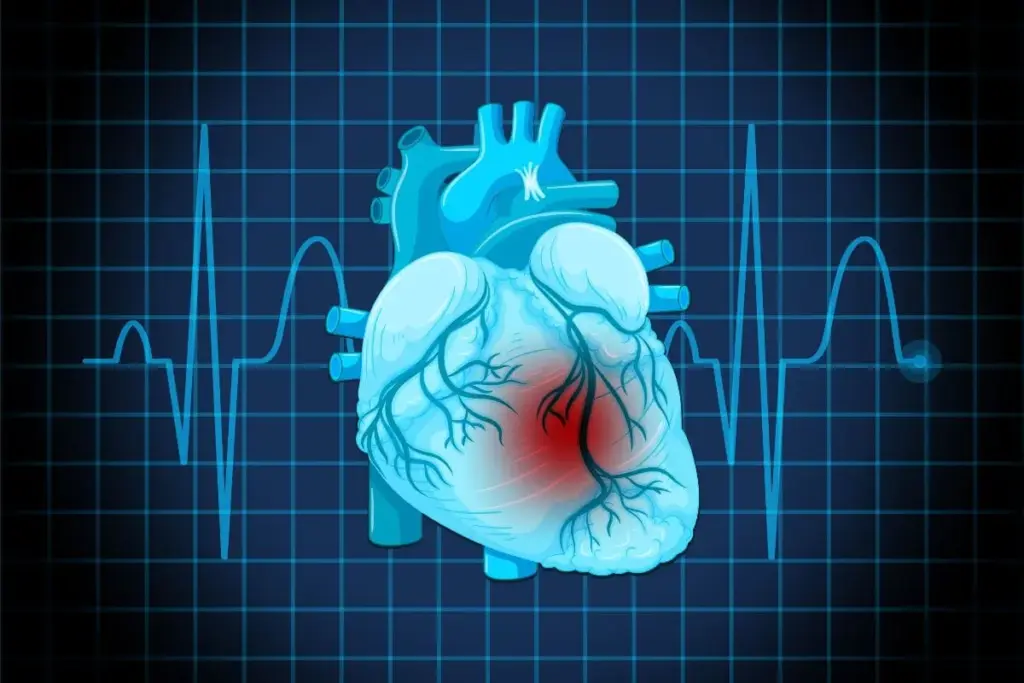
Every year, cardiac arrhythmias take millions of lives around the world. They are a big worry for health globally.
What is the critical and most fatal rhythm? Identify the deadliest arrhythmia types to know when to seek urgent help.
Life-threatening arrhythmias can hit without warning. They mess up the heart’s rhythm, leading to serious problems. Knowing the most deadly types is key to stopping them and getting help fast.
Recent studies show how dangerous deadly cardiac arrhythmias are. They stress the importance of knowing about this serious issue.
Key Takeaways
- Cardiac arrhythmias are a major global health concern.
- Life-threatening arrhythmias can occur without warning.
- Understanding fatal arrhythmia types is key for prevention.
- Getting medical help quickly is vital for surviving deadly cardiac arrhythmias.
- Knowing about and teaching others about life-threatening arrhythmias is important.
The Basics of Cardiac Electrical System
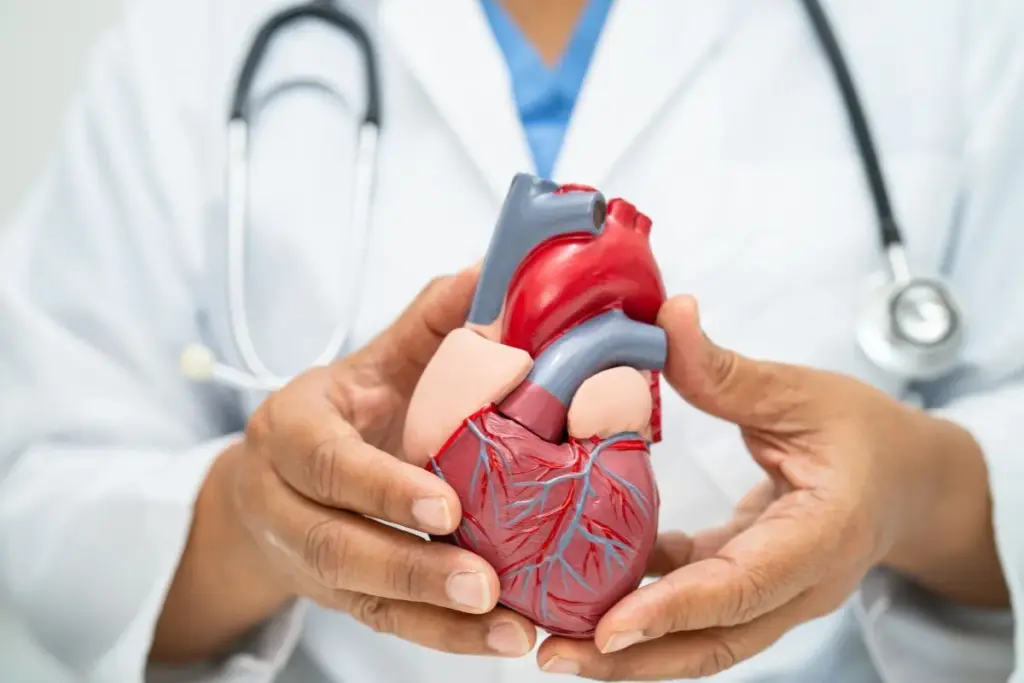
The cardiac electrical system is key to a normal heartbeat. It’s a complex network that controls our heart’s rhythm. Problems with it can cause dangerous arrhythmias.
Normal Heart Rhythm Physiology
The heart’s rhythm is set by a series of electrical events. The SA node in the right atrium starts the heartbeat. Then, the impulse goes through the AV node and the bundle of His to the ventricles.
This ensures the heart pumps blood well. It’s all about timing and coordination.
How Electrical Signals Control Heartbeats
Electrical signals are vital for heartbeats. The SA node sends out an electrical impulse. This impulse makes the atria and ventricles contract.
The timing of these contractions is critical. Any problem can lead to arrhythmias, some of which are life-threatening.
When Normal Rhythm Goes Awry
Arrhythmias happen when the heart’s rhythm is disrupted. They can be mild or potentially fatal. Things like heart disease, imbalances in electrolytes, and some medicines can cause them.
Knowing what causes arrhythmias is key to treating them. Lethal heart rhythm disorders are a big worry for those with heart problems. Even small issues in the cardiac electrical system can be serious.
Classification of Arrhythmias by Origin and Severity
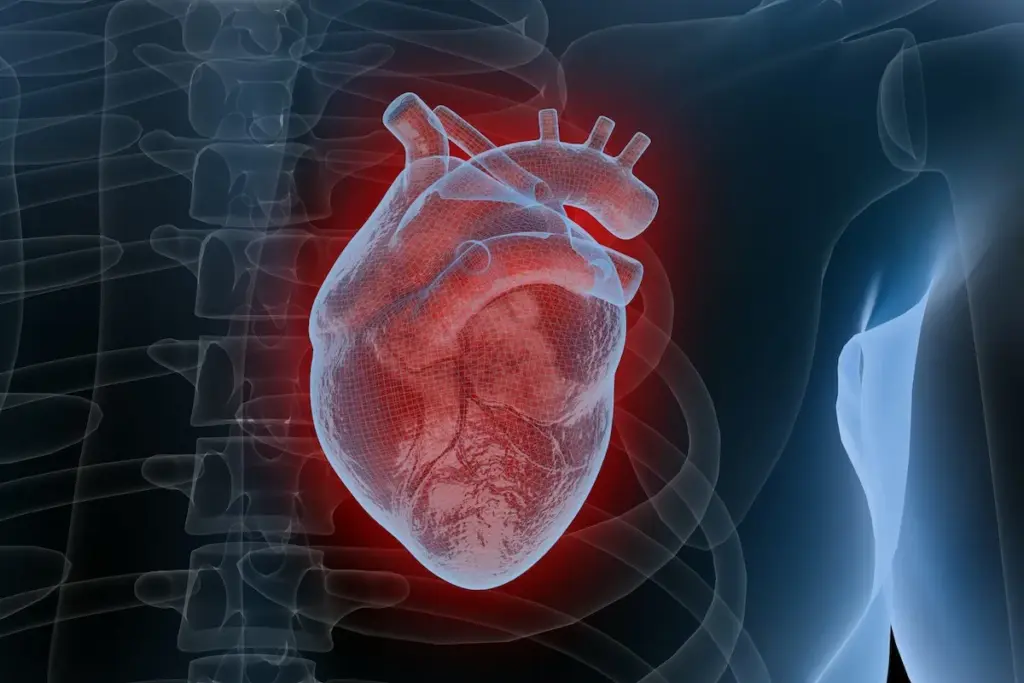
Knowing how to classify arrhythmias is key for good treatment. They are sorted by where they start in the heart and how serious they are. This can range from mild to very dangerous.
Supraventricular vs. Ventricular Arrhythmias
Arrhythmias are split into two main types: supraventricular and ventricular. Supraventricular arrhythmias start above the ventricles, like in the atria. Examples include atrial fibrillation and supraventricular tachycardia (SVT). These can make you feel like your heart is racing or you’re out of breath, but they’re usually not deadly.
Ventricular arrhythmias start in the ventricles. This group includes ventricular tachycardia (VT) and ventricular fibrillation (VF). These are more serious and can lead to sudden death if not treated right away.
Tachyarrhythmias vs. Bradyarrhythmias
Arrhythmias can also be classified by heart rate. Tachyarrhythmias make the heart beat too fast, over 100 bpm. This group includes many types of arrhythmias. Bradyarrhythmias, on the other hand, make the heart beat too slow, under 60 bpm. These can happen if the sinoatrial node doesn’t work right or if there are blockages.
“The distinction between tachyarrhythmias and bradyarrhythmias is critical because their management strategies differ significantly.”
The Spectrum from Benign to Life-Threatening
Arrhythmias range from harmless to very dangerous. Some may not bother you much, while others can be deadly. For example, atrial fibrillation is usually not deadly but can raise stroke risk. On the other hand, ventricular fibrillation is very dangerous and needs quick treatment.
It’s important for doctors to understand this range. This helps them decide the best treatment for each patient. It also shows why quick diagnosis and treatment are so critical to avoid bad outcomes.
Ventricular Fibrillation: The Most Fatal Arrhythmia
Ventricular fibrillation is a serious medical emergency that needs quick action. It causes the heart to beat wildly and not pump blood well. This can lead to cardiac arrest if not treated right away.
Mechanism and Pathophysiology
Ventricular fibrillation happens when the heart’s electrical system goes wrong. The ventricles start to quiver instead of beating right. This can be caused by a heart attack or other serious heart problems.
A cardiologist, says, “The heart’s electrical system is like a complex orchestra. When it gets disordered, it can lead to ventricular fibrillation, a very dangerous condition.”
The problem involves electrical and structural heart issues working together. Things like heart attack, imbalanced electrolytes, and some medicines can cause ventricular fibrillation.
Survival Statistics and Mortality Rates
Survival chances for ventricular fibrillation are low unless treated fast. The American Heart Association says, “Survival rates for out-of-hospital cardiac arrests due to ventricular fibrillation are about 10% to 15%.” High mortality rates come from treatment delays and patients’ health issues.
Quick medical help is key, as survival chances drop with each minute. Doctors stress the importance of fast defibrillation and CPR to save lives.
The Critical Time Window for Intervention
The time to act in ventricular fibrillation is very short. Without defibrillation, survival chances drop by 7% to 10% for every minute. So, quick action is needed to fix the heart rhythm.
As
“Time is muscle, and in the case of ventricular fibrillation, time is life.” – A Cardiologist
, shows how urgent it is to act fast. We must quickly give life-saving treatments like defibrillation and CPR to help patients with ventricular fibrillation.
Ventricular Tachycardia: Gateway to Sudden Cardiac Death
Ventricular tachycardia (VT) is a serious heart rhythm problem. It can lead to ventricular fibrillation and sudden cardiac death if not treated. We will look at the different types of VT and how they affect patient care.
Monomorphic vs. Polymorphic VT
Monomorphic VT has a consistent heart rhythm, showing a single cause. Polymorphic VT, on the other hand, has changing heart rhythms, indicating a more complex issue. Knowing the difference is key to choosing the right treatment.
Sustained vs. Non-sustained VT
VT can be sustained or non-sustained, based on how long it lasts. Sustained VT can cause serious problems and needs quick treatment. Non-sustained VT stops on its own within 30 seconds.
VT’s Progression to Ventricular Fibrillation
VT can turn into ventricular fibrillation (VF), a deadly heart rhythm. This change is often due to severe heart disease. It’s important to spot and treat it quickly.
Risk Stratification in VT Patients
It’s vital to assess the risk in VT patients. We look at heart disease, how well the heart works, and how often VT happens. This helps decide the best treatment, like medicines or ICDs.
Understanding VT and its risks helps us manage it better. By identifying high-risk patients and acting fast, we can lower the chance of sudden cardiac death.
The Deadliest Arrhythmia Types: A Detailed Look
Some heart rhythm disorders are more dangerous than others. They can lead to serious health issues or even death. It’s important for doctors and patients to understand these conditions well.
Torsades de Pointes: The Twisting of Points
Torsades de Pointes (TdP) is a serious heart rhythm problem. It causes a fast, irregular heartbeat. If not treated quickly, it can lead to sudden death.
TdP is linked to a long QT interval. This can happen naturally or because of medicines or imbalances in the body’s salts.
Key factors contributing to TdP include:
- Prolonged QT interval
- Electrolyte disturbances (e.g., low potassium or magnesium levels)
- Certain medications
- Genetic predispositions
Asystole: When the Heart Stops Completely
Asystole, or flatline, means the heart has no electrical activity. This leads to no blood flow and no pulse. It’s a serious condition that needs immediate help.
Asystole can happen for many reasons, like severe heart disease, trauma, or drowning.
The management of asystole involves:
- Immediate CPR
- Administration of appropriate medications
- Identifying and treating the underlying cause
Pulseless Electrical Activity (PEA)
Pulseless Electrical Activity (PEA) is when the heart rhythm should make a pulse but doesn’t. It’s a serious sign that needs quick action. Causes include severe blood loss, heart tamponade, and big pulmonary embolism.
Long QT Syndrome and Sudden Death
Long QT Syndrome (LQTS) affects the heart’s electrical activity. It can cause dangerous heart rhythms during stress or exercise. If not managed, it can lead to sudden death.
Management of LQTS includes:
- Avoiding strenuous exercise and certain medications
- Beta-blocker therapy
- Implantable cardioverter-defibrillator (ICD) placement in high-risk individuals
Atrial Fibrillation: Silent but Potentially Deadly
Atrial fibrillation is more than just an irregular heartbeat. It’s a condition that can silently lead to serious health issues. Many patients are unaware of the risks it poses.
Thromboembolic Complications and Stroke Risk
One major risk of atrial fibrillation is the chance of thromboembolic complications, like stroke. The irregular heartbeat can cause blood clots in the heart. These clots can then travel to the brain, causing a stroke. Stroke risk assessment is key in managing atrial fibrillation.
Patients with atrial fibrillation should get regular stroke risk assessments. This helps decide on the right anticoagulant therapy. The choice depends on kidney function, risk of bleeding, and patient preference.
Heart Failure Development in Chronic AFib
Chronic atrial fibrillation can lead to heart failure. The heart works less efficiently due to the irregular rhythm. This can cause symptoms like shortness of breath, fatigue, and swelling in the legs. Early detection and management of heart failure are vital to improve outcomes.
- Monitoring for signs of heart failure
- Optimizing heart rate control
- Using appropriate medications to manage symptoms and slow disease progression
When Atrial Fibrillation Becomes Life-Threatening
In some cases, atrial fibrillation can become life-threatening. This is true if it leads to severe heart failure or a significant stroke. Prompt medical attention is critical in these situations to prevent long-term damage or death.
We stress the importance of patient education. Knowing the symptoms that require immediate medical attention is key. These include severe chest pain, difficulty breathing, or sudden weakness.
- Recognizing the warning signs of complications
- Seeking immediate medical care when necessary
- Adhering to the treatment plan developed by their healthcare provider
Bradyarrhythmias with Fatal Potentials
Bradyarrhythmias are dangerous because they can lead to serious health problems. They cause the heart to beat too slowly. This can lead to not enough blood flow to important organs and even sudden death.
Third-Degree (Complete) Heart Block
Third-degree heart block stops signals from the atria to the ventricles. This can make the heart rate drop a lot. It can cause dizziness, fainting, and even death if not treated quickly.
Key complications of third-degree heart block include:
- Severe bradycardia
- Decreased cardiac output
- Increased risk of ventricular escape rhythms
- Potential for Stokes-Adams attacks
Sick Sinus Syndrome Complications
Sick sinus syndrome makes the heart beat irregularly. It can cause the heart to beat too slow or too fast. It also raises the risk of blood clots.
Management strategies for sick sinus syndrome include:
- Pacemaker implantation
- Medications to control heart rate and rhythm
- Anticoagulation therapy to prevent thromboembolic events
Bradycardia-Induced Torsades de Pointes
Bradycardia-induced Torsades de Pointes is a dangerous heart rhythm. It happens when the heart beats too slow and has a long QT interval. It can be fatal.
Risk factors for bradycardia-induced Torsades de Pointes include:
- Prolonged QT interval
- Electrolyte imbalances
- Certain medications
Stokes-Adams Attacks
Stokes-Adams attacks are sudden episodes of fainting. They are often linked to third-degree heart block. These attacks are very dangerous and need quick medical help.
Symptoms of Stokes-Adams attacks include:
- Sudden loss of consciousness
- Pallor or cyanosis
- Seizure-like activity
Underlying Causes and Risk Factors for Fatal Arrhythmias
It’s key to know what causes fatal arrhythmias to prevent and treat them well. These dangerous heart rhythms come from many risk factors and health issues.
Structural Heart Disease
Heart diseases like coronary artery disease and heart valve problems can lead to deadly arrhythmias. Managing these conditions is vital to avoid fatal outcomes.
Electrolyte Abnormalities
Imbalances in potassium, sodium, and calcium can cause deadly heart rhythms. Keeping these levels right is key to avoiding such risks.
Medication-Induced Arrhythmias
Some medicines can cause arrhythmias, even deadly ones. We must watch for these risks and monitor patients closely.
Genetic Arrhythmic Syndromes
Genetic conditions like Long QT Syndrome increase heart rhythm risks. Knowing these conditions helps us protect those at risk.
By tackling these causes and risks, we can lower fatal arrhythmia rates. This improves outcomes for those at risk.
Warning Signs and Symptoms of Lethal Heart Rhythm Disorders
Knowing the signs of severe atrial fibrillation and other serious heart issues can save lives. We will look at the warning signs of a potentially deadly heart rhythm problem. It’s key to get medical help quickly.
Prodromal Symptoms Before Cardiac Arrest
Prodromal symptoms are early signs before a heart attack. They might be dizziness, shortness of breath, or chest discomfort. Studies show many people notice these signs hours or days before a heart attack. Spotting these symptoms early can help get medical help in time.
Recognizing Pre-syncope and Syncope
Pre-syncope (near-fainting) and syncope (fainting) are big warning signs. They happen when the heart can’t pump enough blood to the brain, often due to a serious heart rhythm issue. If you or someone else has these symptoms, get medical help right away.
Chest Pain and Palpitations: When to Worry
Chest pain and palpitations can mean a heart rhythm problem. Not all are serious, but some signs need quick medical check-up. Look out for severe chest pain, palpitations with dizziness or shortness of breath, or palpitations that last a long time.
Red Flags Requiring Immediate Medical Attention
Some symptoms need quick medical help. These include:
- Severe difficulty breathing
- Chest pain or pressure
- Severe dizziness or fainting
- Rapid or irregular heartbeat
- Confusion or altered mental state
Spotting these signs early and acting fast can greatly improve chances for those at risk of fatal heart rhythm problems.
|
Symptom |
Description |
Action Required |
|---|---|---|
|
Prodromal Symptoms |
Dizziness, shortness of breath, chest discomfort before cardiac arrest |
Seek medical attention |
|
Presyncope/Syncope |
Near-fainting or fainting due to arrhythmia |
Immediate medical evaluation |
|
Chest Pain/Palpitations |
Severe or persistent symptoms indicating heart rhythm disorder |
Urgent medical assessment |
Emergency Management of Life-Threatening Arrhythmias
Handling deadly cardiac arrhythmias quickly and accurately is key. When a patient shows signs of a life-threatening arrhythmia, the team’s fast action can make a big difference.
Basic and Advanced Cardiac Life Support
Basic Life Support (BLS) starts with CPR and using AEDs. Advanced Cardiovascular Life Support (ACLS) adds more steps like monitoring, airway care, and IVs.
Quick and well-coordinated care is vital. Waiting too long can harm the patient. Using both BLS and ACLS is essential for treating serious arrhythmias.
Defibrillation: Timing and Technique
Defibrillation is key for arrhythmias like ventricular fibrillation (VF) and pulseless ventricular tachycardia (VT). The timing of when to use it is very important for better survival chances.
The right way to use defibrillators involves correct pad placement and syncing with the heart’s rhythm. The success of defibrillation depends on the device and the person using it.
Emergency Pharmacological Interventions
Medicines like amiodarone and lidocaine are also important. They help keep the heart rhythm stable.
Choosing the right medicine is based on the arrhythmia and the patient. Giving these drugs needs careful thought about the dose and possible side effects.
Post-Resuscitation Care
After bringing a patient back, post-resuscitation care is very important. This includes watching them closely in the ICU, managing any problems, and sometimes cooling the body.
This care is complex and needs a team effort. It’s about taking care of the patient’s whole health to avoid more heart problems.
Long-Term Treatment Strategies for Preventing Fatal Arrhythmias
We use several long-term strategies to stop deadly heart rhythm problems. Managing fatal arrhythmias requires a detailed plan. This plan tackles the causes and risk factors of these serious conditions.
Antiarrhythmic Drug Therapy
Antiarrhythmic drugs are key in treating patients at risk of fatal arrhythmias. These drugs stabilize the heart’s electrical activity. This prevents dangerous heart rhythms.
The right drug depends on the arrhythmia type and the patient’s heart disease. For example, beta-blockers slow the heart rate and reduce contraction force. Class III drugs, like amiodarone, block potassium channels to prolong the action duration.
Implantable Cardiac Devices
Implantable devices, like ICDs and CRT, are vital in preventing sudden cardiac death. ICDs deliver shocks to stop fatal arrhythmias. CRT devices improve heart pumping by synchronizing ventricular contractions.
Choosing patients for these devices follows strict guidelines. These guidelines consider heart function, NYHA class, and arrhythmia presence.
Catheter Ablation Procedures
Catheter ablation treats arrhythmias by removing abnormal electrical pathways. It’s great for patients with recurring ventricular tachycardia or those who can’t take drugs.
New mapping and catheter technologies have made ablation safer and more effective. It’s a valuable option for managing fatal arrhythmia risks.
Surgical Approaches
Surgery is sometimes needed to manage fatal arrhythmia causes. Procedures like aneurysmectomy or ICD implantation during cardiac surgery are used.
Surgery is for specific cases, like during coronary bypass grafting. It’s for patients at high risk of arrhythmic events.
High-Risk Populations for Sudden Arrhythmic Death
Some groups face a higher risk of dangerous heart rhythms. Knowing who these groups are is key to preventing sudden arrhythmic death.
Athletes and Sudden Cardiac Death
Athletes, even young ones, are not immune to sudden cardiac death. The intense exercise can trigger fatal heart rhythms in those with hidden heart issues. Pre-participation screening helps find athletes at risk.
“Screening athletes is a debated topic. Some say it can prevent sudden cardiac death. Others doubt its cost and worry about false positives.”
Good screening involves a detailed medical history, physical check-up, and sometimes, advanced heart scans.
Congenital Heart Disease Patients
Those with congenital heart disease face a higher risk of arrhythmias. As they get older, the risk of life-threatening arrhythmias grows. They need close monitoring and care.
- Regular check-ups with a cardiologist who specializes in adult congenital heart disease.
- Watch for signs of arrhythmias and heart failure.
- Act quickly with medications or catheter ablation when needed.
Post-Myocardial Infarction Patients
People who have had a heart attack are at risk for more arrhythmias. The scar tissue from the heart attack can lead to ventricular arrhythmias. It’s important to identify who needs special treatments like ICDs.
Heart Failure with Reduced Ejection Fraction
Those with heart failure and low ejection fraction are at high risk of sudden cardiac death. Treating heart failure well and considering devices like ICDs can help lower this risk.
“Using proven treatments for heart failure, like beta-blockers and ACE inhibitors, can cut down on deaths and sickness in these patients.”
Lifestyle Modifications to Reduce Arrhythmia Risk
We can lower arrhythmia risk by changing our daily habits. Making healthy choices is key to managing heart rhythm problems. A healthier lifestyle can greatly reduce the risk of serious heart issues.
Dietary Recommendations for Heart Health
Eating well is important for heart health. Focus on fruits, veggies, whole grains, and lean proteins. Avoid saturated fats, trans fats, and high cholesterol.
The DASH diet and Mediterranean diet are good for your heart. They help keep your heart healthy.
- Eat foods rich in omega-3s like salmon and walnuts.
- Choose whole grains over refined ones.
- Keep sodium under 2,300 milligrams a day.
“A healthy diet is more than avoiding bad foods. It’s about choosing foods that are good for your heart.”
“The way we eat greatly affects our heart health. Making smart food choices can lower arrhythmia risk.”
|
Nutrient |
Recommended Foods |
Benefits |
|---|---|---|
|
Omega-3 Fatty Acids |
Salmon, Walnuts, Chia Seeds |
Reduces inflammation, supports heart health |
|
Fiber |
Oats, Barley, Fruits, Vegetables |
Lowers cholesterol, regulates blood sugar |
|
Potassium |
Leafy Greens, Bananas, Avocados |
Helps lower blood pressure |
Exercise Guidelines for Arrhythmia Patients
Exercise is key for heart health. But, people with arrhythmias should talk to their doctor before starting. Aerobic exercises like walking, cycling, and swimming are best.
- Start with easy exercises and get more intense over time.
- Do at least 150 minutes of moderate exercise a week.
- Do strength training twice a week.
Stress Management Techniques
Stress can make arrhythmias worse. Good ways to manage stress include meditation, yoga, and deep breathing exercises. These can help you feel better and stay well.
- Try mindfulness meditation every day.
- Do yoga or tai chi to improve flexibility and reduce stress.
- Use deep breathing to calm your mind and body.
Avoiding Triggers and Precipitating Factors
It’s important to avoid things that can trigger arrhythmias. Common culprits are caffeine, alcohol, and some medicines. Keeping a symptom journal can help you track and manage your triggers.
By making smart lifestyle choices and working with your doctor, you can lower your risk of serious arrhythmias. This can greatly improve your life quality.
Emerging Technologies and Future Directions
The field of managing deadly heart rhythm problems is changing fast. New medical technologies are bringing hope. Soon, we’ll see better treatments and a better life for those with serious heart rhythm issues.
Wearable Defibrillator Technology
Wearable defibrillators are a big step forward. Devices like the LifeVest can detect and fix serious heart problems. They’re great for people at risk but not ready for a permanent device.
These devices have many benefits:
- They watch over you all the time
- They can start your heart again if needed
- They send updates to doctors
Subcutaneous and Leadless Devices
New devices are being made that are safer and easier to use. Subcutaneous ICDs and leadless pacemakers are examples. They don’t need wires in your heart, which lowers the risk of problems.
These devices offer:
- Less chance of complications
- Easier to put in
- Lower risk of infections
AI-Based Prediction Models
Artificial intelligence is changing how we handle heart rhythm issues. AI can look at lots of data to spot risks early. This could change how we catch and treat serious problems.
AI’s role includes:
- Spotting risks before they happen
- Creating plans just for you
- Keeping a close eye on your heart
Novel Antiarrhythmic Compounds
New medicines for heart rhythm problems are being made. They aim to be more effective and safer than old ones. This could be a big step forward.
New medicines in the works include:
- Drugs that work in new ways
- Options that are safer
- Medicine tailored to your genes
Looking ahead, managing serious heart rhythm issues will keep getting better. With new tech and ideas, we can help more people and make life better for those with heart problems.
Conclusion: Navigating the Challenges of Fatal Arrhythmias
It’s important to know about fatal arrhythmia types and their risks. This knowledge helps in giving the right care to those at risk. Conditions like ventricular fibrillation and ventricular tachycardia need quick and right treatment to avoid death.
We’ve looked at fatal heart rhythm disorders from different angles. This includes their types, causes, and how to manage them. Knowing about these helps doctors give the best care to those at risk.
To tackle fatal arrhythmias, understanding them well is key. This knowledge helps doctors spot high-risk patients. It also helps in taking steps to prevent problems and acting fast in emergencies.
FAQ
What is the most fatal arrhythmia?
Ventricular fibrillation is one of the deadliest arrhythmias. It has a high death rate if not treated right away.
What are the different types of life-threatening arrhythmias?
Deadly arrhythmias include ventricular fibrillation, ventricular tachycardia, Torsades de Pointes, and Asystole.
How do arrhythmias affect the heart?
Arrhythmias can mess up the heart’s normal work. This can lead to serious problems if not treated or managed wrong.
What are the warning signs of potentially fatal arrhythmias?
Signs include symptoms before a heart attack, feeling like you’re going to pass out, fainting, chest pain, and irregular heartbeats.
How are life-threatening arrhythmias managed in emergency situations?
In emergencies, treatment includes basic and advanced heart care, using defibrillators, emergency drugs, and care after a heart stop.
What are the long-term treatment strategies for preventing fatal arrhythmias?
Long-term care includes drugs, devices like pacemakers, procedures like ablation, and surgery.
Who are at high risk for sudden arrhythmic death?
At-risk groups include athletes, people with heart problems from birth, those who’ve had heart attacks, and those with heart failure.
How can lifestyle modifications reduce the risk of arrhythmias?
Changes like eating right, exercising, managing stress, and avoiding triggers can lower arrhythmia risk.
What are the emerging technologies in arrhythmia management?
New tech includes wearable defibrillators, devices without leads, AI for predictions, and new drugs.
What is the role of genetic arrhythmic syndromes in fatal arrhythmias?
Genetic syndromes are a cause and risk factor for fatal arrhythmias.
How do electrolyte abnormalities contribute to arrhythmias?
Imbalances in electrolytes can mess up the heart’s electrical system, leading to arrhythmias.
Can medication-induced arrhythmias be life-threatening?
Yes, some medicines can cause arrhythmias that are very dangerous if not handled right.
Reference
National Center for Biotechnology Information. Evidence-Based Medical Insight. Retrieved from https://www.ncbi.nlm.nih.gov/pmc/articles/PMC6020177/
National Center for Biotechnology Information. Evidence-Based Medical Insight. Retrieved from https://www.ncbi.nlm.nih.gov/pmc/articles/PMC6020177/