
Hip misalignment is common and can cause lower back pain and muscle imbalances. Studies show that about 75-80% of people have some hip misalignment. This often leads to discomfort and less mobility. Seven targeted exercises to realign hips by strengthening weak muscles and stretching tight ones for improved posture.
At Liv Hospital, we know how vital hip alignment is for health. We use strengthening and stretching techniques to improve hip muscle strength and stability. This helps in pelvis realignment.
Doing specific exercises to realign hips can help balance the body. It can also reduce pain and improve overall health.
Key Takeaways
- Hip misalignment affects a significant portion of the population.
- Proper hip alignment is key for health and function.
- Targeted exercises can restore pelvis balance and ease pain.
- Strengthening and stretching are vital for hip alignment.
- Liv Hospital offers evidence-based programs for musculoskeletal health.
Understanding Hip Misalignment: Causes and Consequences
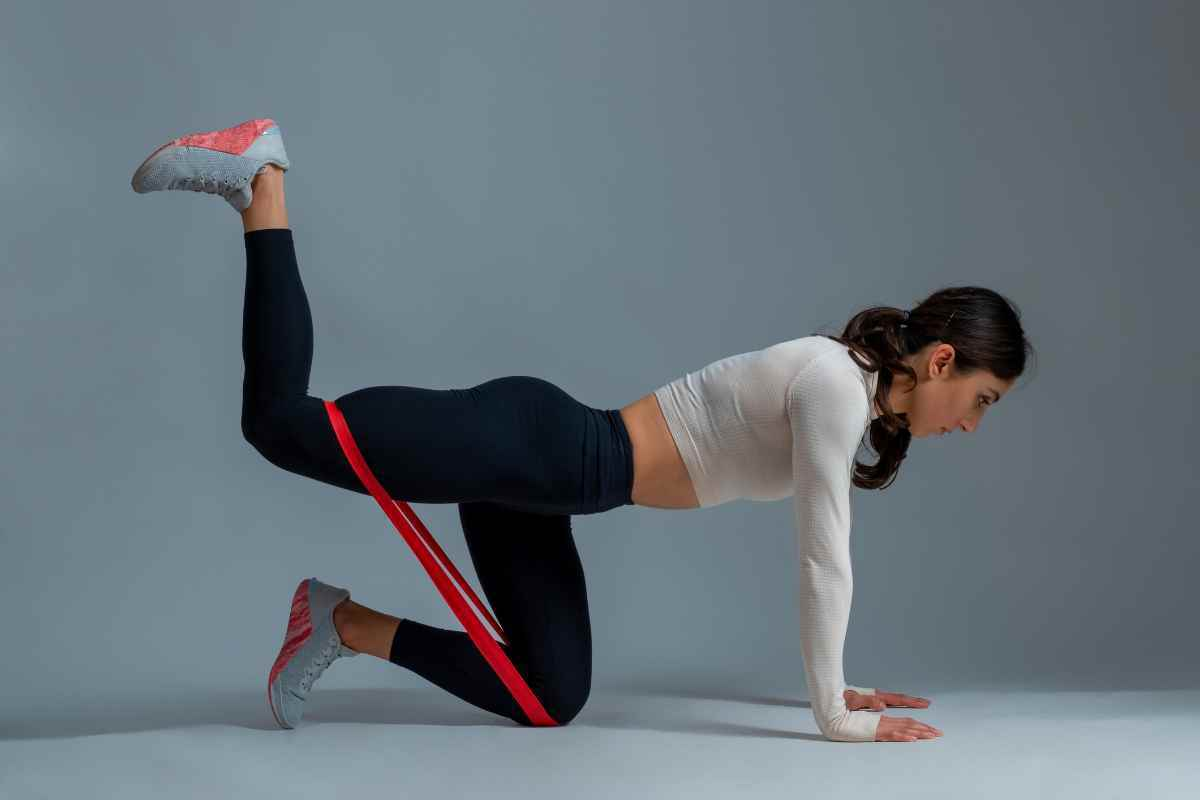
It’s important to know why hip misalignment happens and what it can lead to. This knowledge helps in finding the right treatment and ways to avoid it. Hip misalignment can come from not moving enough, muscle imbalances, bad posture, and weak core muscles.
Common Causes of Pelvic Misalignment
Sitting or standing for too long can make the hip flexors and glutes tight. This weakens muscles that keep the pelvis stable. Muscle imbalances happen when some muscles work too much and others too little. This messes up how the hip joint works.
- Prolonged sitting or standing
- Poor posture
- Muscle weakness or tightness
- Inadequate exercise or physical activity
Signs Your Hips Are Out of Alignment
Knowing the signs of hip misalignment is key to acting early. Common signs include lower back pain, legs that seem different in length, walking problems, and bad posture.
Symptom | Description |
Lower Back Pain | Pain or discomfort in the lower back region due to strain on the muscles and joints. |
Uneven Leg Length | Perceived or actual difference in leg length, causing imbalance. |
Gait Issues | Abnormal walking patterns due to hip misalignment. |
Health Implications of Untreated Hip Misalignment
Ignoring hip misalignment can cause serious health problems. These include chronic pain, less mobility, and a higher chance of getting hurt. It’s vital to fix hip misalignment to avoid these issues.
Knowing the reasons, signs, and health risks of hip misalignment helps people take action. They can prevent and treat it, leading to a better life.
The Anatomy of Hip Alignment: Key Muscles and Their Functions
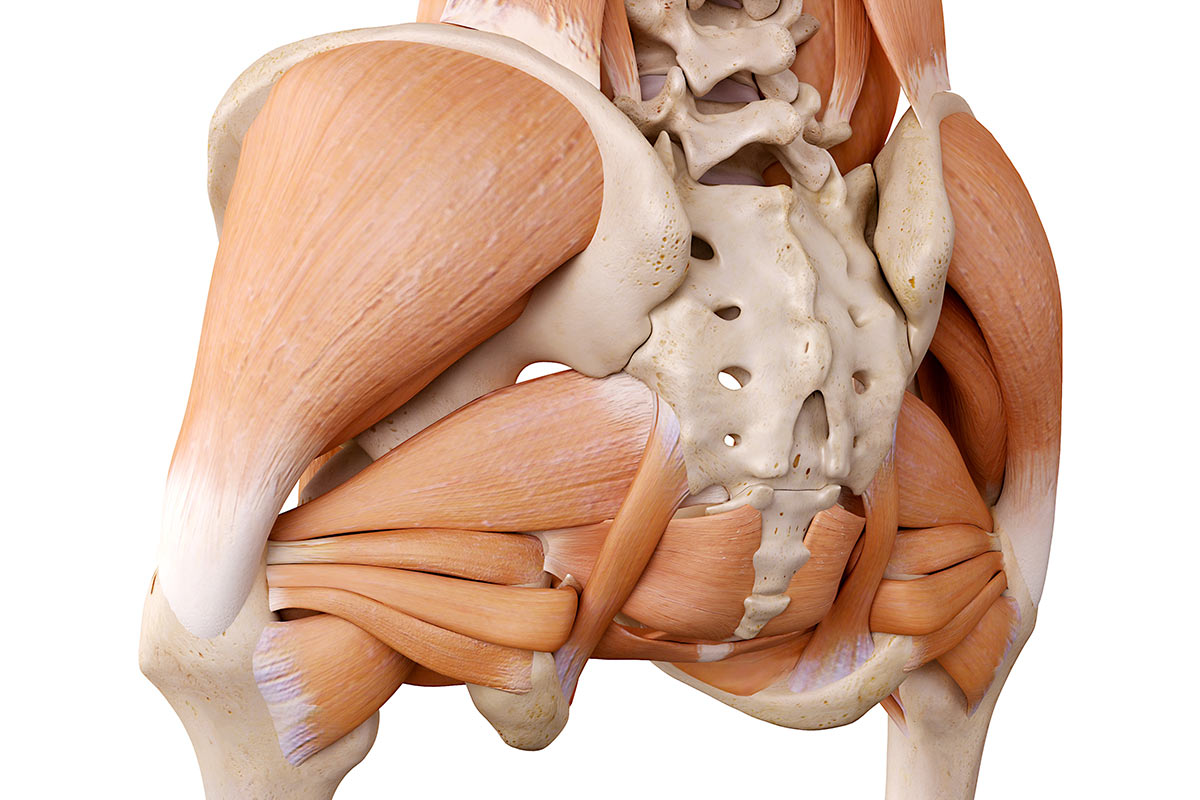
The hip’s anatomy is complex, with many muscles working together. These muscles are key to keeping the pelvis stable. Knowing how they work helps us find ways to keep the hips in line and avoid misalignment.
Gluteus Medius and Maximus: Hip Stabilizers
The gluteus medius and maximus muscles are vital for hip stability. The gluteus medius helps with hip abduction and medial rotation. The gluteus maximus is important for hip extension and lateral rotation. Together, they help keep the pelvis aligned right and prevent it from tilting or rotating too much.
Working these muscles through specific exercises can boost hip stability. For example, squats and lunges engage the gluteus maximus. Clamshell exercises target the gluteus medius.
Core Muscles and Their Role in Pelvic Stability
Core muscles, like the transverse abdominis, obliques, and lower back muscles, are essential for pelvic stability. They work together to provide a stable base for the pelvis. This allows for smooth movement and helps prevent too much stress on the hip joint.
“A strong core is essential for maintaining proper pelvic alignment and preventing lower back pain.”
Doing exercises that strengthen the core, like planks and bridges, can improve pelvic stability. This can also lower the risk of hip misalignment.
Core Muscle | Function |
Transverse Abdominis | Compresses abdomen, stabilizes pelvis |
Obliques | Rotates torso, supports pelvic stability |
Lower Back Muscles | Extends spine, maintains posture |
Piriformis and Other Supporting Muscles
The piriformis muscle runs from the spine to the thigh bone. It’s key for hip rotation and stability. Other muscles, like the tensor fasciae latae and hip flexors, also help with hip alignment and movement.
Stretching and strengthening these muscles can ease tension and improve hip alignment. For instance, piriformis stretches can help reduce muscle tightness and ease sciatica pain.
- Piriformis stretches can help alleviate tension
- Strengthening the gluteus medius can improve hip stability
- Core exercises can enhance pelvic stability
Types of Hip Misalignment: Identifying Your Specific Issue
Knowing the different types of hip misalignment is key to treating and preventing them. Each type has its own signs and effects on the body. We’ll look at the most common types to help you find what you’re dealing with.
Anterior Pelvic Tilt: Forward Rotation
Anterior pelvic tilt means your pelvis tilts forward. It’s often caused by tight hip flexors and weak glutes. Common symptoms include an arched lower back and a bulging stomach.
- Tight hip flexor muscles
- Weak gluteal and core muscles
- Poor posture
To fix anterior pelvic tilt, stretch your hip flexors and strengthen your glutes and core. Glute bridges and planks are good exercises for this.
Posterior Pelvic Tilt: Backward Rotation
Posterior pelvic tilt means your pelvis tilts backward. This can make your lower back flat and is linked to tight hamstrings and weak hip flexors. Symptoms may include a flat lower back and stiff hips.
- Tight hamstring muscles
- Weak hip flexor muscles
- Prolonged sitting
To fix posterior pelvic tilt, stretch your hamstrings and strengthen your hip flexors. Lunges and leg raises are helpful.
Lateral Pelvic Tilt: Uneven Hips
Lateral pelvic tilt makes your hips uneven, with one side higher than the other. This can cause uneven weight distribution and strain on your lower back. Common causes include muscle imbalances and leg length differences.
To correct lateral pelvic tilt, find and fix the cause. This might mean strengthening the weaker side or using orthotics for leg length issues.
Pelvic Rotation: Twisting Misalignment
Pelvic rotation is a twisting misalignment of the pelvis. It can cause lower back pain and an uneven gait. Causes may include muscle imbalances and poor movement patterns.
- Muscle imbalances
- Poor movement patterns
- Overuse or repetitive strain
To address pelvic rotation, do exercises that improve rotational strength and flexibility. Rotational exercises and dynamic stretches are good choices.
Preparing for Hip Realignment: Essential Precautions
Getting ready for hip realignment needs careful planning to avoid risks and get the most benefits. Before starting any new workout, think about several key factors. These can affect your safety and how well the exercises work.
When to Consult a Healthcare Professional
It’s very important to talk to a healthcare expert before starting hip realignment exercises. If you have health issues like chronic pain, recent injuries, or arthritis, get medical advice first. A doctor can find out why your hip is misaligned and give you advice tailored to you.
Key scenarios that require professional consultation include:
- Persistent or severe hip pain
- Recent hip injuries or surgeries
- Known conditions such as hip dysplasia or osteoarthritis
- Pregnancy or postpartum changes
Equipment Needed for Safe Exercise
The right gear can make your hip realignment exercises safer and more effective. While many exercises don’t need special equipment, some tools can offer extra support and comfort.
Equipment | Purpose | Benefits |
Exercise Mat | Provides cushioning for floor exercises | Reduces discomfort and risk of injury |
Resistance Bands | Offers variable resistance for strengthening | Enhances muscle engagement and flexibility |
Pilates Ball | Supports core and hip exercises | Improves posture and stability |
Creating an Effective Exercise Schedule
Having a regular exercise plan is key for hip realignment. Start with short, easy sessions and slowly add more time and intensity as you get stronger.
Tips for an effective schedule include:
- Begin with 2-3 times per week and increase frequency as needed
- Start with shorter sessions (20-30 minutes) and gradually extend
- Listen to your body and adjust intensity based on comfort and progress
Exercises to Realign Hips: 7 Proven Techniques
Hip realignment can be achieved through exercises that strengthen and stretch the muscles around the pelvis. These exercises target key areas for hip alignment and pelvic stability. They help restore balance and reduce discomfort.
Exercise 1: Glute Bridges for Posterior Chain Activation
Glute bridges are great for the posterior chain, like the gluteus maximus and hamstrings. To do a glute bridge, lie on your back with knees bent and feet flat. Slowly lift your hips up, squeezing your glutes at the top, then lower back down.
Exercise 2: Clamshells for Gluteus Medius Strengthening
Clamshells work the gluteus medius, key for hip stability. Lie on your side with knees bent and feet together. Lift your top knee up, keeping feet together, then lower it back down. This strengthens the gluteus medius, improving hip alignment.
Exercise 3: Hip Flexor Stretches for Anterior Tilt Correction
Hip flexor stretches correct anterior pelvic tilt. Kneel on one knee with the other foot in front. Lean forward, stretching the front of your hip, and hold for 30 seconds before switching sides. This stretch lengthens the hip flexors, promoting better alignment.
Exercise 4: Side-Lying Leg Raises for Lateral Stability
Side-lying leg raises improve lateral stability by working the gluteus medius and other hip abductors. Lie on your side with legs straight. Lift your top leg up, then lower it back down. This exercise strengthens the hip, contributing to better alignment.
Exercise | Target Muscle | Benefit |
Glute Bridges | Gluteus Maximus, Hamstrings | Posterior Chain Activation |
Clamshells | Gluteus Medius | Strengthens Hip Stabilizers |
Hip Flexor Stretches | Hip Flexors | Corrects Anterior Pelvic Tilt |
Side-Lying Leg Raises | Gluteus Medius, Hip Abductors | Enhances Lateral Stability |
By adding these exercises to your routine, you can align your hips and improve pelvic stability. Consistency and proper form are essential for the best results.
Scientific Evidence: Research on Hip Alignment Exercises
The scientific world has been studying the benefits of hip alignment exercises. They found that these exercises can greatly improve strength around the hip. We will look at the evidence that shows how these exercises can boost strength and lessen pain.
Strength Gains from Hip-Focused Programs
Research shows that hip-focused programs can increase strength in hip muscles. The strength gains range from 7% to 42% in hip abduction and 6% to 56% in hip external rotation. These gains are key for better hip stability and lower limb function. For example, a study in the Journal of Orthopaedic & Sports Physical Therapy found big improvements in hip abduction strength in those who did these exercises.
Effectiveness for Pain Reduction
Hip alignment exercises are also good for reducing pain and improving function. By strengthening hip muscles and improving alignment, people can feel a lot of pain relief in their hips and lower back. A study in the Journal of Pain Research showed that those who did hip alignment exercises had much less pain than those who didn’t.
“Adding hip alignment exercises to a treatment plan can greatly improve patient results, mainly in pain reduction and function.” – Journal of Pain Research
These studies highlight the value of adding hip alignment exercises to your workout or rehab plan. Doing so can not only boost hip strength and alignment but also lower the chance of pain and injury.
Progressive Hip Alignment Routine: Building a Daily Practice
Creating a daily hip alignment practice starts with simple exercises. Then, move to more complex ones. This gradual approach helps improve hip health through consistent effort and strengthening.
Week 1-2: Foundation Building Routine
The first two weeks focus on building a strong base. We use basic exercises to target key muscles for hip alignment. These exercises include:
- Glute Bridges: Strengthens the back of the body and improves hip stability.
- Clamshells: Works the gluteus medius, boosting hip abduction strength.
- Hip Flexor Stretches: Corrects the tilt of the pelvis by stretching the hip flexors.
Do these exercises 3-4 times a week. Start with fewer reps and increase as your body gets stronger.
Week 3-4: Intermediate Strengthening
Weeks 3-4 bring more challenging exercises to strengthen your hip muscles. This phase includes:
- Side-Lying Leg Raises: Boosts lateral stability by focusing on the gluteus medius.
- Step-Ups: Enhances hip strength and stability through functional movements.
- Lunges: Strengthens hips, glutes, and legs, improving lower body stability.
Keep doing these exercises 3-4 times a week. Increase intensity and reps as you get stronger.
Week 5+: Advanced Stabilization Techniques
For those who have advanced, introduce advanced stabilization techniques. These techniques enhance hip alignment and stability. They may include:
- Single-Leg Squats: Challenges balance and strengthens hips and legs.
- Balance Boards or BOSU Ball Training: Improves balance and stability.
- Advanced Core Exercises: Stabilizes the pelvis through enhanced core strength.
At this level, keep practicing regularly and challenge your muscles to maintain optimal hip alignment.
Complementary Strategies for Maintaining Hip Alignment
There are many ways to keep your hips aligned, aside from exercises. These methods help your exercises work better and keep your hips healthy.
Ergonomic Adjustments for Daily Activities
Changing your daily habits can greatly help your hip alignment. Make sure your workspace supports good posture. Use chairs with back support and keep your computer at eye level.
Standing and stretching regularly is also important. Try to do this often to help your hips stay aligned.
Proper Sitting and Standing Posture
Good sitting and standing posture is key for hip alignment. When sitting, place your feet flat on the floor or on a footrest. Keep your knees at or below hip level and your back straight. When standing, spread your weight evenly, keep your shoulders back, and avoid slouching.
Being aware of your posture all day can lessen hip strain. It also helps keep your hips aligned.
Supportive Footwear and Insoles
Wearing the right shoes and using insoles can also help. Shoes with good arch support and a comfortable fit spread pressure evenly. This reduces the impact on your hips.
Custom orthotics or insoles offer extra support, which is great for people with foot or leg issues. A healthcare professional can help find the best shoes and insoles for you.
Complementary Strategy | Benefits for Hip Alignment |
Ergonomic Adjustments | Reduces strain on hips, promotes good posture |
Proper Posture | Distributes weight evenly, reduces hip strain |
Supportive Footwear | Provides arch support, reduces pressure on hips |
Adding these strategies to your daily life can make your hip exercises more effective. It helps keep your hips healthy and aligned.
Conclusion: Maintaining Long-Term Hip Health
Keeping your hips aligned is a continuous effort. We’ve looked at exercises and strategies to help. But, it’s also key to know how to keep your hips healthy for the long run.
To keep your hips in line, keep doing exercises like glute bridges and clamshells. Also, make ergonomic changes and stand right to help your hips stay healthy.
Long-term hip health comes from regular exercise, being mindful of your posture, and adjusting your daily habits. This way, we can lower the chance of hip problems and stay healthy overall.
By adding these habits to your daily routine, you’ll keep your hips aligned. This leads to better movement and less pain. We suggest making these habits a regular part of your health care.
FAQ
What are the common signs that indicate hip misalignment?
Signs of hip misalignment include lower back pain and uneven hips or pelvis. You might also notice limited range of motion or pain in the hips or knees. If you see these signs, see a healthcare professional for help.
How can I identify the type of hip misalignment I have?
Hip misalignment can take many forms, like anterior pelvic tilt or posterior pelvic tilt. A healthcare professional can check your condition and find out what type you have.
Are hip realignment exercises suitable for everyone?
Hip realignment exercises are good for many people. But, always talk to a healthcare professional before starting, if you have health issues.
How often should I perform hip realignment exercises?
How often you do hip realignment exercises depends on your needs. Start with 2-3 times a week and increase as you get stronger.
Can hip realignment exercises help alleviate lower back pain?
Yes, these exercises can help lower back pain by making your pelvis stable. They also strengthen muscles that help your hips and back.
How long does it take to see results from hip realignment exercises?
Seeing results from these exercises varies. It depends on how bad your misalignment is and how often you practice. With regular effort, you’ll see improvements over time.
Can I perform hip realignment exercises at home?
Yes, many exercises can be done at home with little equipment. Just make sure to follow instructions carefully to avoid injury.
How can I maintain hip alignment in daily life?
To keep your hips aligned, exercise regularly, stand right, and wear good shoes. These habits help keep your hips aligned.
Are there any specific stretches that can help realign hips?
Yes, stretches like hip flexor stretches can help. They make your hips more flexible and reduce muscle tightness. Mix different stretches to keep your hips healthy.
Can hip misalignment be a sign of an underlying medical condition?
Yes, misaligned hips can mean a health issue like a musculoskeletal disorder. If your hip misalignment is bad or lasts a long time, see a doctor to check for other problems.
References
National Center for Biotechnology Information. Evidence-Based Medical Guidance. Retrieved from https://pmc.ncbi.nlm.nih.gov/articles/PMC12006210/