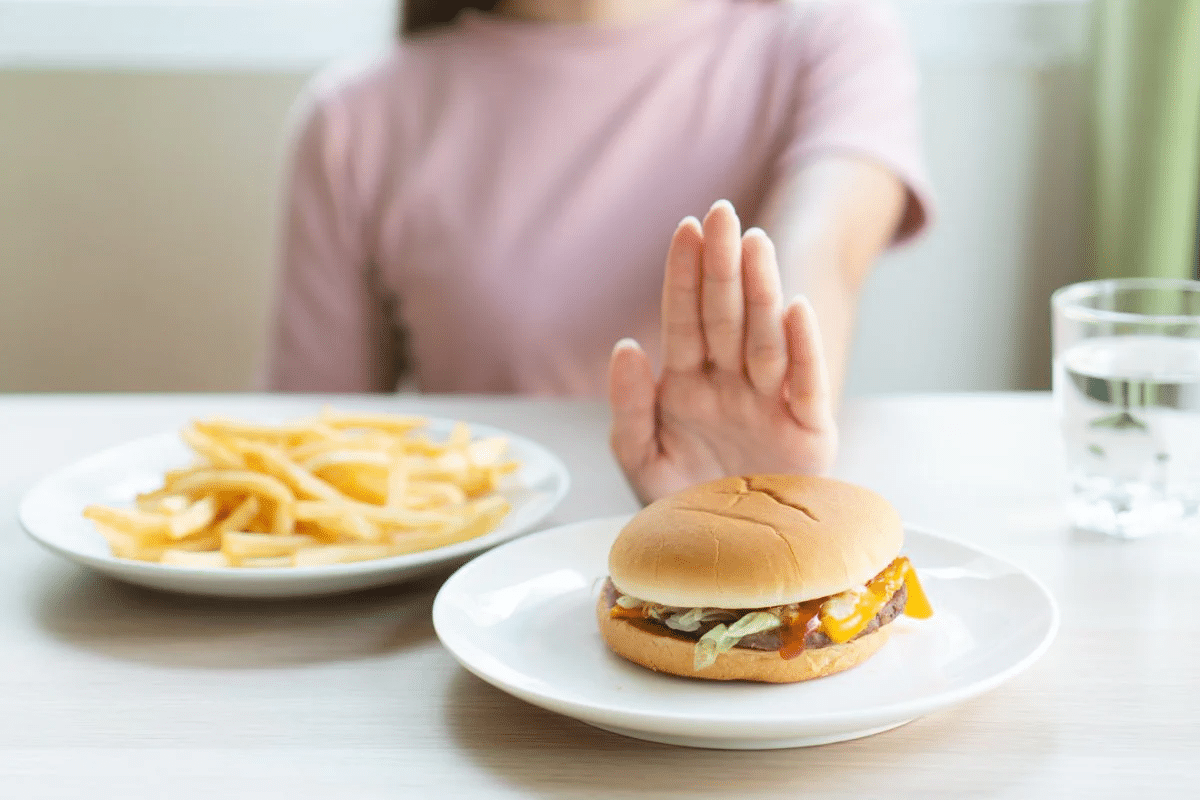
Listing seven best foods to avoid as part of the calcium pyrophosphate deposition disease diet (CPPD/Pseudogout).
Pseudogout, also known as calcium pyrophosphate deposition disease (CPPD), affects many adults in Europe and the United States. While diet doesn’t directly cause CPPD, some foods can make symptoms worse. Knowing how diet affects CPPD is key to managing symptoms well.
Managing CPPD through dietary changes can greatly improve life quality for those affected. At Liv Hospital, our team of rheumatologists is dedicated to diagnosing and treating CPPD. We offer a detailed guide on managing CPPD with diet, focusing on foods to avoid.
Key Takeaways
- Understand the prevalence and impact of CPPD on the adult population.
- Learn how diet plays a critical role in managing CPPD symptoms.
- Discover the best foods to avoid with pseudogout.
- Explore complete CPPD diagnosis and treatment options.
- Find out how Liv Hospital’s rheumatology team can support your care.
Understanding Calcium Pyrophosphate Deposition Disease (CPPD)

CPPD, also known as pseudogout, is a joint condition. It happens when calcium pyrophosphate dihydrate crystals build up. This usually affects the knees, hips, and shoulders.
What Is Pseudogout and How Does It Differ from Gout?
Pseudogout, or CPPD, is different from gout. Both cause joint pain, but in different ways. Gout has urate crystals, while CPPD has calcium pyrophosphate dihydrate crystals.
This difference is important for diagnosis and treatment. The ways to manage gout and CPPD are not the same.
Symptoms and Diagnosis of CPPD
Symptoms of CPPD include sudden joint pain, swelling, and redness. It usually affects one joint at a time. Doctors use a few methods to diagnose it.
They look at the symptoms, do imaging studies, and check the synovial fluid. This helps find calcium pyrophosphate dihydrate crystals.
Accurate diagnosis is essentialto tell CPPD apart from other joint problems. It helps choose the right treatment.
Prevalence and Risk Factors
CPPD is more common in older adults. It gets more common with age. Risk factors include joint trauma, certain metabolic disorders, and family history.
Knowing these risk factors helps early detection and management of CPPD. This can lessen symptoms and improve outcomes for patients.
The Science Behind Pseudogout and Diet

It’s important to know how diet affects pseudogout and Calcium Pyrophosphate Deposition Disease (CPPD). Diet doesn’t directly cause CPPD. But, some foods can change metabolic factors that affect the disease.
How CPPD Crystal Formation Occurs
CPPD crystals form in joints due to calcium pyrophosphate dihydrate. This process is influenced by metabolic disturbances and age-related changes. Low magnesium levels are a big risk factor for these crystals.
The Role of Metabolic Factors in Pseudogout
Metabolic factors like hypomagnesemia, hyperparathyroidism, and hemochromatosis are key in pseudogout. They can increase the risk of CPPD crystals. For example, low magnesium helps form these crystals.
Why Diet Matters Despite Indirect Connections
Diet is important for managing pseudogout. Some foods can affect metabolic factors linked to CPPD. Eating foods high in magnesium can prevent low magnesium levels and reduce CPPD risk. A balanced diet also helps manage other conditions that lead to pseudogout.
Knowing how diet impacts pseudogout and making smart food choices can help manage CPPD. This can lower the chance of sudden attacks.
Common Misconceptions About Pseudogout and Diet
The link between diet and CPPD is complex and often misunderstood. This confusion affects both patients and healthcare providers. It’s important to clear up these misunderstandings.
Is Pseudogout Caused by Dietary Calcium?
Many think pseudogout comes from eating too much calcium. But studies show CPPD isn’t caused by dietary purines or calcium, unlike gout. Instead, it’s linked to metabolic changes and aging, not what we eat.
Even though calcium isn’t the main culprit, how we react to food can vary. Some people might notice their symptoms worsen with certain foods, but it’s not true for everyone.
Differences Between Gout and Pseudogout Dietary Triggers
People often mix up gout and pseudogout, thinking they’re the same. But their triggers are different. Gout is often caused by high-purine foods and alcohol. Pseudogout isn’t linked to these.
It’s key to understand these differences for managing CPPD. A diet good for gout might not work for pseudogout.
Why “One-Size-Fits-All” Diets Don’t Work for CPPD
CPPD is complex, and how we react to food varies. So, a single diet doesn’t fit everyone. We need to consider each person’s health and symptoms when planning their diet.
Working with healthcare providers to create a personalized diet is best. This way, we can manage CPPD symptoms more effectively.
The Calcium Pyrophosphate Deposition Disease Diet: Basic Principles
For those with CPPD, changing what you eat is key. It helps ease symptoms and stops flare-ups. A good diet can also boost your health.
Dietary Goals for CPPD Management
The main goal is to keep your body full of nutrients that help your joints. Make sure you get enough magnesium. It helps stop CPPD crystals from forming. Magnesium-rich foods are important.
A study found that not enough magnesium increases the chance of CPPD crystals.
“Magnesium plays a critical role in the prevention of calcium pyrophosphate dihydrate crystal formation.”
Balancing Nutrients for Joint Health
It’s important to balance your nutrients for joint health. Eating foods that fight inflammation is key. Include fruits, veggies, and omega-3s. Avoid foods that can make symptoms worse.
|
Nutrient |
Benefit |
Food Sources |
|---|---|---|
|
Magnesium |
Prevents CPPD crystal formation |
Dark leafy greens, nuts, seeds |
|
Omega-3 Fatty Acids |
Reduces inflammation |
Fatty fish, flaxseeds, walnuts |
Working With Healthcare Providers on Dietary Changes
Always talk to your healthcare provider about diet changes. They can give advice that fits your health needs. This ensures your diet works with your treatment.
By following these dietary tips, people with CPPD can manage their condition better. This can greatly improve their life quality.
Food #1 to Avoid: Processed Foods High in Phosphate Additives
Managing Calcium Pyrophosphate Deposition Disease (CPPD) means watching what we eat. Foods high in phosphate additives are a big no-no. These additives are common in processed foods and can mess with our mineral balance, making CPPD symptoms worse.
How Phosphate Additives Impact Crystal Formation
Phosphate additives in processed foods can change our mineral balance. This might affect how CPPD crystals form. Studies show that too much phosphate can make CPPD symptoms worse by messing with calcium-phosphate levels.
Key Effects of Phosphate Additives:
- Influence on calcium-phosphate balance
- Potential to exacerbate CPPD crystal formation
- Impact on overall mineral metabolism
Hidden Sources of Phosphates in Processed Foods
Phosphates are added to processed foods for many reasons, like preserving them or making them taste better. Knowing where these phosphates hide is key to managing CPPD.
|
Food Category |
Examples of Foods High in Phosphate Additives |
|---|---|
|
Processed Meats |
Sausages, bacon, processed ham |
|
Baked Goods |
Cakes, pastries, some bread types |
|
Dairy Products |
Processed cheeses, some yogurts |
|
Beverages |
Colas, some flavored waters |
Reading Labels to Identify Phosphate Additives
To keep phosphate intake in check, reading food labels is a must. Look for “phosphate” or “phosphoric acid” in the ingredients. Knowing what to look for helps us make better food choices.
Tips for Reading Labels:
- Check the ingredient list for phosphate-related terms
- Be aware of foods with multiple additives
- Choose products with fewer and more natural ingredients when possible
Food #2 to Avoid: Alcohol and Sugary Beverages
Alcohol and sugary drinks can harm CPPD symptoms. They affect mineral balance and cause inflammation. These drinks can make CPPD symptoms worse or better, depending on your diet.
How Alcohol Affects Mineral Metabolism
Drinking alcohol can harm mineral balance in people with CPPD. Alcohol messes with how the body handles minerals. This can lead to mineral imbalances that make CPPD symptoms worse.
For example, alcohol can mess with magnesium levels. Magnesium is key for joint health and controlling crystal formation.
Also, drinking too much alcohol can cause nutritional deficiencies. This includes a lack of minerals that help prevent calcium pyrophosphate crystals.
Impact of Sugary Drinks on Inflammation
Sugary drinks can make inflammation worse in the body. The sugar in these drinks starts an inflammatory process. This can cause more joint pain and swelling, common in CPPD flare-ups.
Drinking sugary drinks often can also lead to metabolic syndrome. This condition increases inflammation and raises the risk of chronic diseases, including those that harm joints.
Better Beverage Choices for CPPD Patients
For those with CPPD, picking the right drinks is key. Water is the best choice. It keeps you hydrated and helps with mineral regulation.
Herbal teas and low-sugar juices are also good. They offer nutrients without the harm of sugary or alcoholic drinks. Try to avoid drinks with high fructose corn syrup or other sweeteners that can trigger inflammation.
Food #3 to Avoid: Magnesium-Depleting Foods
Magnesium is key in stopping CPPD crystal formation. Yet, some foods can lower magnesium levels. It’s important for muscle and nerve function and helps dissolve calcium pyrophosphate crystals linked to CPPD.
The Critical Role of Magnesium in Preventing CPPD
Magnesium makes calcium pyrophosphate crystals more soluble. This could lower CPPD attack risk. Studies show magnesium shortage ups crystal formation risk. So, keeping enough magnesium is vital for managing CPPD.
Key benefits of magnesium include:
- Enhancing the solubility of calcium pyrophosphate crystals
- Reducing inflammation
- Relaxing muscles and nerves
Foods and Substances That Deplete Magnesium
Some foods and substances can lower magnesium levels. These include:
- Caffeine: Found in coffee, tea, and some soft drinks, caffeine can increase magnesium excretion.
- Alcohol: Alcohol consumption can lead to increased magnesium loss through urine.
- Processed Foods: Foods high in phosphates, such as processed meats and certain cheeses, can bind to magnesium, reducing its absorption.
- High-Sodium Foods: Excessive sodium intake can increase magnesium excretion.
Balancing Your Diet for Optimal Magnesium Levels
To manage CPPD well, balancing your diet is key. This means avoiding foods that lower magnesium and eating foods rich in it.
Magnesium-rich foods include:
- Dark leafy greens like spinach and kale
- Nuts and seeds, such as almonds and pumpkin seeds
- Legumes, including black beans and chickpeas
- Whole grains, like brown rice and quinoa
By choosing the right foods and avoiding those that deplete magnesium, people with CPPD can manage their condition better. This might help reduce CPPD attacks.
Food #4 to Avoid: Inflammatory Oils and Fats
Managing CPPD means watching what you eat, focusing on oils and fats. Some fats can make inflammation worse, which is bad for CPPD symptoms. It’s key to know which fats to avoid.
How Certain Fats Promote Joint Inflammation
Some fats can make joint inflammation in CPPD patients worse. Omega-6 fatty acids in too much can cause inflammation. Trans fats also cause inflammation and should be avoided.
Not all fats are the same. Some can cause inflammation, while others can help. We’ll look at the differences and guide you on what to eat.
Identifying Harmful Oils in Your Diet
To manage CPPD well, you need to know which oils to limit. Common bad ones include:
- Partially hydrogenated oils, which contain trans fats
- Vegetable oils high in omega-6 fatty acids, such as corn and soybean oil
- Refined oils that have been processed using high heat, potentially creating harmful compounds
Reading food labels is key to avoiding these bad oils. Watch for “partially hydrogenated” or “high in omega-6” to know what to skip.
Anti-inflammatory Fat Alternatives
There are good fats for CPPD patients to eat instead. These include:
|
Fat Source |
Anti-inflammatory Benefits |
|---|---|
|
Olive Oil |
Rich in oleocanthal, which has anti-inflammatory properties |
|
Fatty Fish (Salmon, Sardines) |
High in omega-3 fatty acids, which reduce inflammation |
|
Avocado Oil |
Rich in oleic acid, which may help reduce inflammation |
Eating these healthier fats can help with CPPD symptoms. It’s wise to talk to a healthcare provider or dietitian for a diet plan that’s right for you.
Food #5 to Avoid: Excessive Dairy Products
Too much dairy can upset calcium balance, making CPPD worse. While calcium from food isn’t directly linked to CPPD, too much can throw off the body’s balance.
Calcium Balance and CPPD
Keeping calcium levels right is key for CPPD patients. Too much calcium can increase the risk of crystals forming. The body carefully controls calcium, and too much from dairy can mess with this balance.
“The relationship between calcium intake and CPPD is complex, involving not just the amount of calcium consumed but also how it interacts with other nutrients and the body’s overall metabolic state.”
Which Dairy Products Are Most Problematic
Not all dairy is bad for CPPD. But high-calcium items like milk, cheese, and yogurt can be trouble if eaten too much.
|
Dairy Product |
Calcium Content per Serving |
Potential Impact on CPPD |
|---|---|---|
|
Milk (1 cup) |
300 mg |
High calcium content may exacerbate CPPD symptoms. |
|
Yogurt (1 cup) |
400 mg |
High calcium and added sugars may affect CPPD. |
|
Cheese (1 oz) |
200-300 mg |
High calcium, more in aged cheeses. |
Dairy Alternatives for Balanced Nutrition
For those with CPPD, finding good dairy substitutes is important. Almond milk, soy milk, and fortified plant milks are great choices.
When picking dairy substitutes, check the labels. Look for products with less sugar and more calcium and vitamin D for bone health.
Key Considerations for Dairy Alternatives:
- Calcium content: Opt for calcium-fortified products.
- Added sugars: Choose unsweetened or low-sugar options.
- Vitamin D: Ensure the product is fortified with vitamin D for enhanced calcium absorption.
Being careful with dairy and trying dairy substitutes can help CPPD patients. It keeps their diet balanced and helps manage their condition.
Food #6 to Avoid: High-Purine Foods for Sensitive Individuals
CPPD isn’t directly caused by diet, but some people find that high-purine foods make their symptoms worse. The link between purines and CPPD is complex. Knowing this can help those who are sensitive manage their condition better.
The Purine-Crystal Connection in Some CPPD Patients
Research shows that in some CPPD patients, eating high-purine foods can make symptoms worse. It’s thought that purines might affect how minerals are used in the body. This could lead to more crystals forming.
Key points to consider:
- Purines are naturally found in many foods.
- Some CPPD patients might be more sensitive to these foods.
- The effect of purines on crystals can differ from person to person.
Common High-Purine Foods to Monitor
For CPPD patients who are sensitive to purines, watching and possibly cutting down on high-purine foods can help. Some foods to watch include:
- Organ meats like liver and kidney
- Certain seafood such as anchovies, sardines, and mussels
- Red meat, in large amounts
- Some types of beans and legumes
It’s important to remember that not all high-purine foods are the same. Some might be more of a problem for CPPD patients than others.
Testing Your Sensitivity to Purine-Rich Foods
To see if high-purine foods are affecting your CPPD symptoms, try these steps:
- Keep a detailed food diary to track your diet and symptoms.
- Identify and temporarily eliminate high-purine foods from your diet.
- Watch your symptoms for any changes.
- Slowly add high-purine foods back into your diet one at a time to see how they affect you.
Working with your healthcare provider can help you create a plan to manage your CPPD symptoms.
Food #7 to Avoid: Nightshade Vegetables for Susceptible Patients
Nightshade vegetables and CPPD symptoms have a complex relationship. These veggies are good for many diets but can be bad for some with CPPD. They might cause problems for those who are sensitive.
The Nightshade-Arthritis Connection
Studies on nightshades and arthritis show mixed results. But, some say certain compounds in nightshades can make arthritis worse. The main culprits are alkaloids, found in many nightshade veggies.
Key Alkaloids in Nightshades:
- Solanine
- Chaconine
- Atropine
- Scopolamine
Common Nightshades and Their Effects
Nightshade veggies are common in many foods, like Mediterranean and Latin American dishes. Some common ones are:
|
Nightshade Vegetable |
Potential Effects |
|---|---|
|
Tomatoes |
May cause inflammation in sensitive individuals |
|
Potatoes |
Contain solanine, which might exacerbate symptoms |
|
Eggplant |
Rich in antioxidants but may trigger alkaloid sensitivity |
|
Peppers |
Can be both irritating and anti-inflammatory due to capsaicin |
How to Determine If Nightshades Affect Your CPPD
To see if nightshades affect your CPPD, follow these steps:
- Keep a food diary to track what you eat and any symptoms.
- Stop eating nightshades for 4-6 weeks to see if symptoms change.
- Start eating nightshades again, one at a time, to find out which ones bother you.
As one healthcare provider said,
“Understanding how diet affects CPPD takes time and careful watching. Avoiding nightshades can help manage symptoms.”
By watching your diet and symptoms closely, you can decide if nightshades are right for you.
Beneficial Foods and Natural Remedies for CPPD Management
While avoiding certain foods is key for CPPD management, adding beneficial foods and natural remedies is also important. Making smart dietary choices can help reduce symptoms and improve life quality for those with CPPD.
Magnesium-Rich Foods to Prioritize
Magnesium is vital for managing CPPD. It aids in muscle and nerve function and can lower inflammation. Foods high in magnesium include:
- Dark leafy greens like spinach and kale
- Nuts and seeds, such as almonds and pumpkin seeds
- Legumes, including black beans and chickpeas
- Whole grains, like brown rice and quinoa
Eating these magnesium-rich foods can help keep magnesium levels right, possibly reducing CPPD flare-ups.
Anti-Inflammatory Fruits and Vegetables
Eating a diet full of anti-inflammatory fruits and vegetables can lower inflammation from CPPD. Good choices include:
- Berries, which are high in antioxidants
- Citrus fruits, such as oranges and grapefruits
- Leafy greens, like spinach and collard greens
- Cruciferous vegetables, including broccoli and cauliflower
These foods are not only anti-inflammatory but also packed with vitamins and minerals, boosting overall health.
Hydration and Its Impact on Crystal Formation
Drinking enough water is vital for CPPD patients. It helps dilute crystals in joints, possibly lowering flare-up risk. It’s important to drink plenty of water and avoid dehydrating drinks like those with caffeine and sugar.
Natural Supplements That May Help
Certain natural supplements can aid in CPPD management. Magnesium supplements are helpful for those who can’t get enough magnesium from food. Lemon might also offer benefits, possibly because of its anti-inflammatory properties.
Before starting any supplements, it’s critical for CPPD patients to talk to their healthcare provider. This ensures the supplements are safe and right for their needs.
Conclusion
Managing CPPD well needs a mix of diet changes, lifestyle tweaks, and natural remedies. Knowing how diet affects calcium pyrophosphate deposition disease helps people make better choices. This can ease symptoms and boost life quality.
For pseudogout, avoiding certain foods is key. We’ve listed seven foods to limit or skip, like processed foods with phosphate, alcohol, and sugary drinks. Adding good foods and natural remedies can also help manage CPPD.
Eating a balanced diet is important. Focus on magnesium-rich foods, anti-inflammatory fruits and veggies, and drink plenty of water. Some people find magnesium supplements helpful too.
Combining diet strategies with lifestyle changes and doctor advice helps manage CPPD symptoms. A full approach to managing CPPD is essential for the best health results.
FAQ
What is the best diet for managing Calcium Pyrophosphate Deposition Disease (CPPD)?
A balanced diet is key for managing CPPD. It should include magnesium, anti-inflammatory foods, and avoid phosphate additives. Also, limit sugary drinks and inflammatory oils.
Are dairy products bad for CPPD?
Dairy products are good for calcium but can be a problem for some with CPPD. It’s important to balance dairy with other calcium sources. Also, consider dairy alternatives.
Can purine-rich foods trigger CPPD symptoms?
Yes, for some with CPPD, high-purine foods can trigger symptoms. Foods like organ meats, seafood, and certain fish are high in purines.
How does magnesium help with CPPD management?
Magnesium is vital in preventing CPPD crystal formation and reducing inflammation. Eating magnesium-rich foods can help manage symptoms.
Are nightshade vegetables problematic for CPPD?
Some with CPPD may find nightshade vegetables trigger symptoms. Tomatoes, peppers, and eggplant are common nightshades.
What beverages are suitable for individuals with CPPD?
Stay away from sugary drinks and limit alcohol to manage CPPD. Instead, drink water, unsweetened tea, or coffee.
Can dietary changes alone manage CPPD?
Dietary changes are important for managing CPPD. But, they should be part of a full treatment plan. Work with healthcare providers to monitor and manage symptoms.
Is pseudogout worse than gout?
Both pseudogout and gout are arthritis types that cause discomfort. They differ in crystal composition and triggers.
What are some natural remedies for managing CPPD?
Along with diet changes, natural remedies like lemon, magnesium supplements, and anti-inflammatory herbs can help. Always talk to a healthcare provider before adding new supplements.
How can I identify phosphate additives in processed foods?
Check food labels to find phosphate additives. Look for ingredients like phosphoric acid, sodium phosphate, or potassium phosphate. Choose products with fewer additives.
References
Government Health Resource. Evidence-Based Medical Guidance. Retrieved from https://www.rheumatology.org/patients/calcium-pyrophosphate-deposition-cppd



 Departments
 Related Videos
 Our Doctors
 News
News