

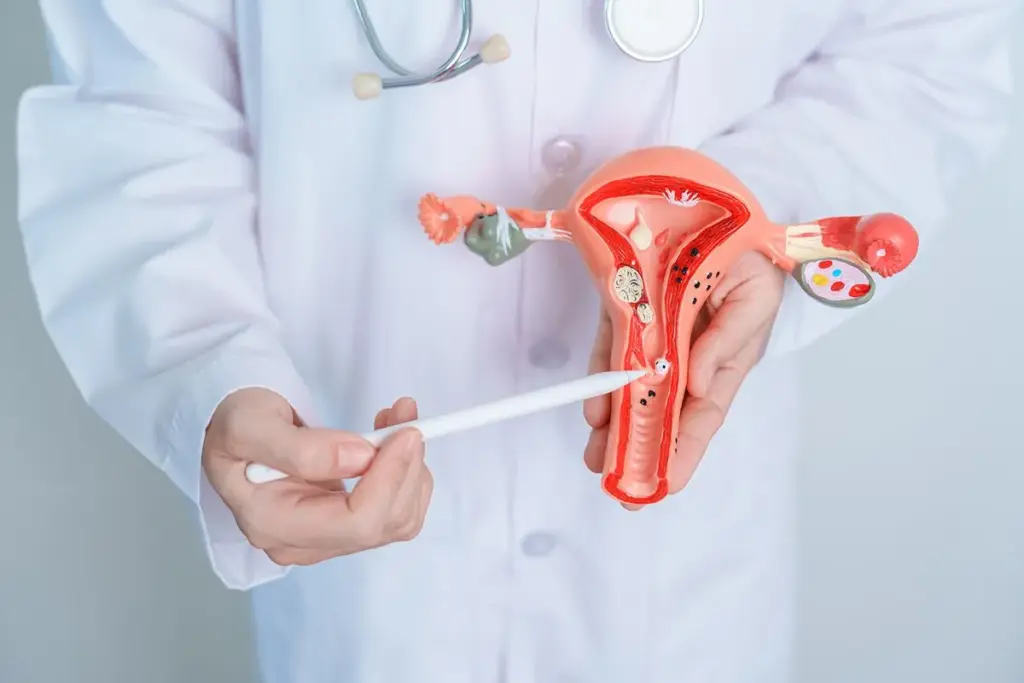
Every year, thousands of patients get embolization procedures to help with their health issues. But, a study found that almost 10% of these procedures lead to unforeseen complications. This shows how vital it is to know the risks of embolization.
Answering can embolization go wrong (rarely, risks exist) and listing potential embolization procedure complications to be aware of.
Even though embolization is mostly safe, it’s key for patients to know about the risks of embolization and embolization side effects. Learning about these possible issues helps people make better choices about their treatment.
Key Takeaways
- Embolization procedures carry possible risks and complications.
- Knowing these risks is key for making good choices.
- Patients should be aware of possible side effects and complications.
- Understanding embolization can help avoid problems.
- Informed patients can better choose their treatment options.
What is Embolization and How Does it Work?
<image2>
Embolization is a treatment that blocks blood flow to certain areas. It’s a minimally invasive method that’s gaining popularity. It’s used to treat conditions that once needed more invasive surgeries.
Definition and Purpose of Embolization
Embolization means intentionally blocking blood vessels for treatment. Its main goal is to selectively stop blood flow to a specific area. This helps treat issues like bleeding, tumors, or vascular malformations.
Common Medical Conditions Treated with Embolization
Embolization helps with many health problems, including:
- Uterine fibroids
- Arteriovenous malformations (AVMs)
- Cancerous tumors
- Gastrointestinal bleeding
- Varicocele
These conditions benefit from embolization. It precisely targets the affected area. This reduces the risk of harming nearby tissues.
Basic Procedure Overview
The embolization process starts with a small incision, usually in the groin or arm. A catheter is then guided to the target area using imaging like fluoroscopy. After reaching the spot, embolic agents are used to block the blood vessel.
The type of embolic agent and the procedure details vary. They depend on the condition and the patient’s body.
Types of Embolization Procedures
<image3>
There are many embolization techniques for different health issues. These procedures target specific areas in the body. They use various methods to treat conditions.
Arterial Embolization Techniques
Arterial embolization stops bleeding and treats tumors and malformations. It uses embolic agents like microspheres, coils, and glue. The right agent depends on the area and the needed blockage.
Venous Embolization Applications
Venous embolization helps with varicose veins and malformations. It uses sclerosing agents or coils to block veins. This method improves life quality for those with venous issues.
Organ-Specific Embolization Approaches
Each organ needs a special embolization plan. For example, fibroids are treated with uterine artery embolization. Liver tumors are treated with hepatic artery embolization.
|
Embolization Type |
Common Applications |
Techniques Used |
|---|---|---|
|
Arterial Embolization |
Bleeding control, tumor treatment, vascular malformations |
Microspheres, coils, glue |
|
Venous Embolization |
Varicose veins, venous malformations |
Sclerosing agents, embolic coils |
|
Organ-Specific Embolization |
Uterine fibroids, liver tumors |
Uterine artery embolization, hepatic artery embolization |
Embolization Procedure Complications: An Overview
Embolization procedures carry risks, and complications can happen. It’s important to know about them. This method blocks or limits blood flow to certain areas. This can lead to different problems.
Classification of Complications by Severity
Complications from embolization can be minor or major. Minor ones might cause some pain or a small allergic reaction. But major ones can seriously harm organs or even be life-threatening.
Frequency of Adverse Events in Clinical Practice
The chance of problems after embolization depends on the procedure, the condition, and the patient. While serious issues are rare, they can happen. Knowing this helps make better choices.
Risk vs. Benefit Assessment for Different Indications
For each use of embolization, weighing risks against benefits is key. This looks at the condition’s severity, possible complications, and success chances. A detailed table can help summarize these points:
|
Indication |
Potential Benefits |
Potential Risks |
|---|---|---|
|
Uterine Fibroids |
Reduced symptoms, improved quality of life |
Post-embolization syndrome, infection |
|
Liver Cancer |
Tumor shrinkage, improved survival rates |
Liver damage, bile duct injury |
|
Brain Aneurysms |
Prevention of rupture, reduced risk of hemorrhage |
Stroke, coil migration |
Understanding complications and their types helps doctors and patients make better choices. This knowledge is key for embolization procedures.
Serious Complications of Embolization
Embolization is usually safe but can cause serious problems. These issues can happen for many reasons. They include the type of embolization, the materials used, and the patient’s health.
Non-Target Embolization and Its Consequences
Non-target embolization happens when the material goes to the wrong place. This can harm tissues or organs nearby. It can cause a lot of harm.
Tissue Necrosis and Ischemic Damage
Tissue necrosis and ischemic damage are big risks. If a part doesn’t get enough blood, it can die. This might need surgery to fix.
Organ Dysfunction Following Embolization
Organ dysfunction is another risk. It can affect how well organs work. This can be short-term or permanent, depending on the case.
Life-Threatening Complications Requiring Immediate Intervention
Some problems are very serious and need quick help. These include bad reactions, a lot of bleeding, or hitting the wrong organ. Fast action is key to avoid worse problems.
In summary, embolization is helpful but comes with big risks. Doctors need to know these to help patients and get the best results.
Minor Complications After Embolization
Embolization, like any medical procedure, has minor risks. These can affect how well you recover and feel. They are usually not serious but can impact your comfort and recovery quality.
Post-Embolization Syndrome: Symptoms and Duration
Post-embolization syndrome (PES) is a common issue. It causes fever, nausea, and pain at the embolization site. These symptoms usually go away in a few days to a week.
Knowing how long they last and how to manage them is key for your comfort.
Pain and Discomfort Management Strategies
Managing pain after embolization is very important. Doctors use different methods like pain medicines and patient-controlled anesthesia. The choice depends on the procedure and what the patient needs.
Temporary Functional Impairment and Recovery Timeline
Some people may not feel fully themselves after embolization. How long it takes to get back to normal varies. It depends on the procedure and the person.
Most people can get back to their usual activities in a few weeks.
Page
|
Complication |
Symptoms |
Typical Recovery Time |
|---|---|---|
|
Post Page Embolization Syndrome |
Fever, nausea, pain |
3-7 days |
|
Pain and Discomfort |
Localized pain |
1-4 weeks |
|
Temporary Functional Impairment |
Reduced organ function |
2-6 weeks |
Embolization Risk Factors: Who is Most Vulnerable?
Embolization risk factors fall into three main categories: patient-related, procedure-related, and anatomical considerations. Knowing these factors helps identify who might face more complications.
Patient-Related Risk Factors
Patient health is key in determining embolization risks. Age, underlying medical conditions (like diabetes or hypertension), and vascular health all play a part. These can increase the chance of complications.
Procedure-Related Risk Factors
The method and materials used in embolization also impact risk. How experienced the practitioner is, the type of embolic agent used, and the procedure’s complexity are all important. They can affect how well the procedure goes.
Anatomical Considerations Increasing Complication Risk
The specific location and any anatomical variations of the embolization can also raise risks. For example, vascular anomalies or being close to important structures can make the procedure harder.
|
Risk Factor Category |
Specific Risk Factors |
Potential Complications |
|---|---|---|
|
Patient-Related |
Age, underlying health conditions, vascular health |
Increased risk of infection, delayed recovery |
|
Procedure-Related |
Practitioner experience, embolic agent, procedure complexity |
Non-target embolization, procedural failure |
|
Anatomical |
Vascular anomalies, proximity to critical structures |
Tissue necrosis, organ dysfunction |
Understanding these risk factors helps doctors decide if embolization is right for a patient. It also helps them take steps to reduce possible complications.
Complications Related to Embolization Materials
It’s important to know about the risks of embolization materials to improve patient care. Different materials used in embolization procedures come with their own set of complications.
Gelatin Sponge Embolization Risks and Limitations
Gelatin sponge embolization is a common method. But, it has risks like temporary occlusion and recanalization. The sponge is absorbed in a few weeks, which can cause the treated area to revascularize.
Coil Embolization Complications and Failure Modes
Coil embolization is also widely used. But, it can lead to problems like coil migration, incomplete occlusion, or vessel perforation. Coil compaction is a failure mode where the coil gets compacted, possibly causing recanalization.
Liquid Embolic Agent Risks and Technical Challenges
Liquid embolic agents provide precise control during procedures. Yet, they carry risks like nontarget embolization and glue-related complications. The main challenge is delivering them precisely without affecting nearby structures.
Particle Embolization Issues and Size Considerations
Particle embolization uses microspheres to block vessels. Problems include particle size variability and distal embolization. Choosing the right particle size is key to effective occlusion without complications.
|
Embolization Material |
Common Complications |
Risk Mitigation Strategies |
|---|---|---|
|
Gelatin Sponge |
Temporary occlusion, recanalization |
Careful patient selection, precise sizing |
|
Coils |
Coil migration, incomplete occlusion |
Accurate coil sizing, careful deployment |
|
Liquid Embolic Agents |
Nontarget embolization, glue-related complications |
Precise delivery, controlled injection |
|
Particles |
Particle size variability, distal embolization |
Calibrated particle sizing, controlled injection |
Organ-Specific Embolization Complications
Different organs face unique challenges with embolization. It’s important for both doctors and patients to know these risks. This knowledge helps make better decisions.
Uterine Artery Embolization Complications and Management
Uterine artery embolization (UAE) treats uterine fibroids. Though effective, it can cause post-embolization syndrome, infection, and uterine damage. Careful patient selection, precise technique, and post-procedure care are key.
- Monitoring for post-embolization syndrome
- Antibiotic prophylaxis to prevent infection
- Follow-up care to assess uterine health
Liver Embolization Risks and Hep Page Function Impact
Liver embolization treats liver tumors and other issues. Risks include hepatic dysfunction, abscesses, and post-embolization syndrome. Liver function varies based on the embolization extent and patient’s liver health.
- Assessing liver function before the procedure
- Using protective measures during the procedure to minimize hepatic damage
- Monitoring liver function post-procedure
Brain Aneurysm Embolization Concerns and Neurological Outcomes
Brain aneurysm embolization is a delicate procedure. Risks include aneurysm rupture, thromboembolic events, and neurological issues. The patient’s neurological status post-procedure is critical.
Key concerns include:
- The risk of aneurysm rupture during the procedure
- Th_tsY risk of thromboembolic complications
- Long-term neurological outcomes
Pulmonary Embolization Challenges and Page Consequences
Pulmonary embolization treats conditions like pulmonary arteriovenous malformations. It faces challenges like respiratory complications and pleuritic chest pain. Careful planning and monitoring are vital.
In conclusion, understanding organ-specific embolization complications is key. Tailoring management strategies to the organ and condition improves outcomes. This approach minimizes risks and benefits patients.
Embolization Complication Rates: What the Research Shows
Research has shown us a lot about the risks of embolization procedures. It’s key for doctors and patients to know this. It helps them make better choices.
Statistical Analysis of Complications in Large Series
Big studies have looked at how often problems happen after embolization. For example, a study with over 1,000 patients found less than 5% had major issues. Statistical analysis helps spot trends and risks.
Comparing Complication Rates Across Different Procedures
Each embolization procedure has its own risk level. For instance, uterine artery embolization is different from liver embolization. Studies comparing these can show what risks each carries.
|
Procedure |
Major Complication Rate (%) |
Minor Complication Rate (%) |
|---|---|---|
|
Uterine Artery Embolization |
4.2 |
10.5 |
|
Liver Embolization |
6.1 |
14.2 |
|
Brain Aneurysm Embolization |
5.5 |
8.8 |
Trends in Complication Rates Over Time: Technological Improvements
New tech has made embolization safer over time. Better materials and designs have improved outcomes.
Research keeps showing that embolization is mostly safe. The risks are worth it for the benefits. As tech gets better, embolization will keep getting safer for patients.
Managing Embolization Side Effects
Embolization is usually safe but needs careful side effect management. Good post-procedure care is key to avoid complications and ensure the best results. This part will cover how to handle embolization side effects. We’ll talk about immediate care, medication, and when to go to the emergency room.
Immediate Post-Procedure Management Protocols
Right after embolization, patients stay in a recovery area for hours. Monitoring protocols include checking vital signs, pain, and watching for complications like bleeding or the embolization material moving.
Having a set care plan helps catch and manage problems early. This improves how well patients do after the procedure.
Pharmacological Interventions for Common Complications
Medicine is key in handling common problems after embolization. Pain management is first, with pain meds given based on how much pain the patient has.
Also, antiemetic medications might be used to stop nausea and vomiting. These can happen because of the procedure or the meds given after.
When to Seek Emergency Care: Warning Signs
It’s important for patients to know when to get emergency help. Signs like severe pain not helped by meds, fever over 101.5°F, or signs of infection at the site mean they need to go to the hospital right away.
Patients should learn these warning signs. They should also know how to get help if needed.
|
Complication |
Symptoms |
Action |
|---|---|---|
|
Infection |
Fever, redness, swelling at the site |
Seek emergency care |
|
Severe Pain |
Pain not relieved by medication |
Contact healthcare provider |
|
Nausea/Vomiting |
Unable to keep fluids down |
Seek medical attention if persistent |
Vascular Embolization Risks: Special Considerations
Embolization is a treatment for many vascular conditions. It has specific risks that depend on the type of embolization. Knowing these risks helps doctors and patients make better choices.
Arterial vs. Venous Embolization Risk Profiles
Arterial and venous embolization have different risks. Arterial embolization treats conditions like uterine fibroids and tumors. It can cause non-target embolization and tissue ischemia.
Venous embolization treats varicose veins. It has risks like pulmonary embolism. “Arterial embolization is riskier because arteries have higher pressure and flow,” says a top interventional radiologist. This shows the need for precise technique and choosing the right patients.
Complications in Peripheral Vascular Embolization
Peripheral vascular embolization treats limb conditions. It can cause pain, swelling, and limb ischemia. These risks can be lowered with good planning and care after the procedure.
- Pain management is key after the procedure.
- Watching for limb ischemia signs is important.
- Telling patients about possible complications can help outcomes.
Neurological Complications in Cerebrovascular Embolization
Cerebrovascular embolization treats aneurysms and neurovascular conditions. It has big risks like stroke, cerebral edema, and death. The brain’s complex blood vessels and delicate tissue make this a risky procedure.
A study in a top medical journal says, “The risk of neurological problems in cerebrovascular embolization shows the need for careful technique and full patient check-ups.”
Managing vascular embolization risks needs a detailed approach. This includes choosing the right patients, doing the procedure carefully, and caring for them well after. By knowing the risks of each type of embolization, doctors can manage these risks better and help patients get better.
Post-Embolization Care: Reducing Complication Risk
Effective post-embolization care includes immediate recovery tips, long-term monitoring, and patient self-care. Proper care is key to avoid complications and ensure a smooth recovery.
Immediate Recovery Period Guidelines and Monitoring
After an embolization, patients are watched in a recovery area for hours. Medical staff check vital signs and look for complications. Patients should stay calm and avoid hard activities to prevent bleeding.
- Watch the catheter site for bleeding or hematoma.
- Take post-procedure meds as told, like pain meds.
- Drink lots of water and eat as suggested.
Long-term Monitoring Recommendations and Follow-up Schedule
Long-term monitoring is key to check if the embolization worked and to catch any late complications. Follow-up visits are set a few weeks post-procedure to check on recovery and treatment success.
- Go to all follow-up visits.
- Tell your doctor about any odd symptoms or side effects.
- Do imaging tests as advised to check the treated area.
Patient Self-Care Strategies to Optimize Outcomes
Patient self-care is vital for the best results after embolization. Keeping a healthy lifestyle, like eating right and exercising, helps in recovery. Also, managing stress and not smoking improves health.
“Proper post-procedure care and follow-up are key for the best outcomes after embolization.” said a leading interventional radiologist.
By sticking to these guidelines and tips, patients can lower complication risks and improve their recovery after embolization.
Long-Term Effects of Embolization
Embolization has many benefits, but it also has long-term effects to consider. These include possible complications and how it affects your quality of life. It’s important for doctors and patients to know about these effects.
Chronic Complications and Their Management
Chronic problems after embolization depend on the procedure and the condition treated. These can include persistent pain, organ dysfunction, and sometimes long-term disability. Managing these issues often needs a team effort. This team includes pain specialists, rehab therapists, and other doctors.
Quality of Life Impact Following Embolization Procedures
Embolization can greatly affect a patient’s quality of life. It can lead to reduced symptoms, better organ function, and overall well-being. But, it can also cause long-term side effects like chronic pain or fatigue. It’s important to monitor these outcomes for better care.
Follow-up Requirements and Surveillance Protocols
Long-term care after embolization is key. Regular checks help catch problems early and treat them quickly. These checks might include imaging studies, clinical assessments, and patient feedback. They are tailored to each patient’s needs.
In summary, knowing the long-term effects of embolization is essential for the best patient care. By managing chronic issues, assessing quality of life, and following up, doctors can ensure patients get the best care after embolization.
Conclusion: Balancing the Benefits and Risks of Embolization
Embolization is a complex medical procedure with big benefits for many conditions. But, it also comes with risks and possible complications. It’s key for patients and healthcare providers to understand both sides to make smart choices.
Knowing the possible outcomes of embolization helps people prepare. This includes both small and serious issues. To lower risks, it’s important to screen patients well, use precise techniques, and provide good care after the procedure.
Thanks to new management strategies and better techniques, results are getting better. By carefully considering the benefits and risks, and taking steps to avoid problems, patients can get the best results. A detailed approach to embolization care leads to the best outcomes for those going through it.
FAQ
What are the most common complications associated with embolization procedures?
Common issues include post-embolization syndrome, pain, and temporary loss of function. Serious problems like non-target embolization and tissue death can also happen. These serious issues need quick action.
How can the risk of complications be minimized during embolization?
To lower risks, choose the right patient and plan carefully. Use precise techniques and focus on post-procedure care. Knowing the risks is key.
What are the risks associated with different embolization materials?
Risks vary with materials like gelatin sponges and coils. Gelatin sponges might cause temporary blockages. Coils can move or not block fully.
How does embolization affect quality of life, and what are the long-term effects?
Embolization can greatly improve life by treating conditions. But, it can also cause problems. Long-term, you might face chronic issues and need ongoing care.
What is post-embolization syndrome, and how is it managed?
Post-embolization syndrome is a minor issue with symptoms like pain and fever. It’s managed with medication and supportive care.
When should emergency care be sought after embolization?
Seek emergency care for severe pain, bleeding, or breathing trouble. Quick action is vital.
Can embolization be used for various medical conditions, and are there organ-specific considerations?
Yes, embolization treats many conditions, like vascular malformations and tumors. Each organ has its own risks, so careful planning is needed.
How do complication rates compare across different embol Page content embolization procedures?
Complication rates differ based on the procedure, organ, and patient. Studies help understand these differences.
What role does patient self-care play in optimizing outcomes after embolization?
Patient self-care is vital for the best results. Follow guidelines, manage pain, and keep up with appointments.
Reference
National Center for Biotechnology Information. Evidence-Based Medical Insight. Retrieved from https://pmc.ncbi.nlm.nih.gov/articles/PMC3036371/

























