
Learn the 7 crucial causes for an increase in thirst (Polydipsia). Understand common medical and lifestyle factors clearly. Feeling thirsty all the time and without a clear reason is not normal. It’s a sign that something might be wrong. Usually, thirst tells us we need to drink more water. But if it keeps happening, it could mean there’s a health issue.
At Liv Hospital, we take excessive thirst very seriously. It could mean you have diabetes, dehydration, or another condition that can be treated. Finding out why you’re always thirsty is key to getting better.
Key Takeaways
- Excessive thirst, or polydipsia, is a persistent sensation that cannot be quenched by drinking.
- It can be a symptom of various underlying health conditions, including diabetes and dehydration.
- Understanding the causes of excessive thirst is important for managing and treating it.
- At Liv Hospital, we are committed to providing high-quality, ethical healthcare.
- Our diagnostic protocols are designed to find the root cause of symptoms like excessive thirst.
Understanding Excessive Thirst (Polydipsia)

Feeling thirsty all the time is more than just annoying; it’s a condition called polydipsia that needs checking. We’ll look into what makes thirst abnormal, how it’s different from normal thirst, and how common it is.
What Defines Abnormal Thirst?
Abnormal thirst, or polydipsia, is when you feel very thirsty and can’t stop. It’s not just about needing a drink. Understanding the cause is key to managing it right.
Difference Between Normal and Excessive Thirst
Normal thirst is when your body needs water. It goes away after you drink. But, excessive thirst keeps coming back even after drinking enough.
Prevalence Statistics Across Different Populations
Excessive thirst hits different groups in different ways. For example, people with diabetes often feel very thirsty because of their blood sugar. In 2024, about 589 million adults had diabetes, making it a big reason for excessive thirst.
Studies show that 61.33% of people on maintenance hemodialysis feel thirsty all the time. This shows how big of a problem polydipsia is for those with kidney disease.
Population | Prevalence of Excessive Thirst |
Diabetes Patients | High |
Hemodialysis Patients | 61.33% |
General Population | Variable |
Knowing these numbers helps us see who’s at risk. It shows we need to focus on helping those who struggle with excessive thirst.
The Physiology Behind Thirst
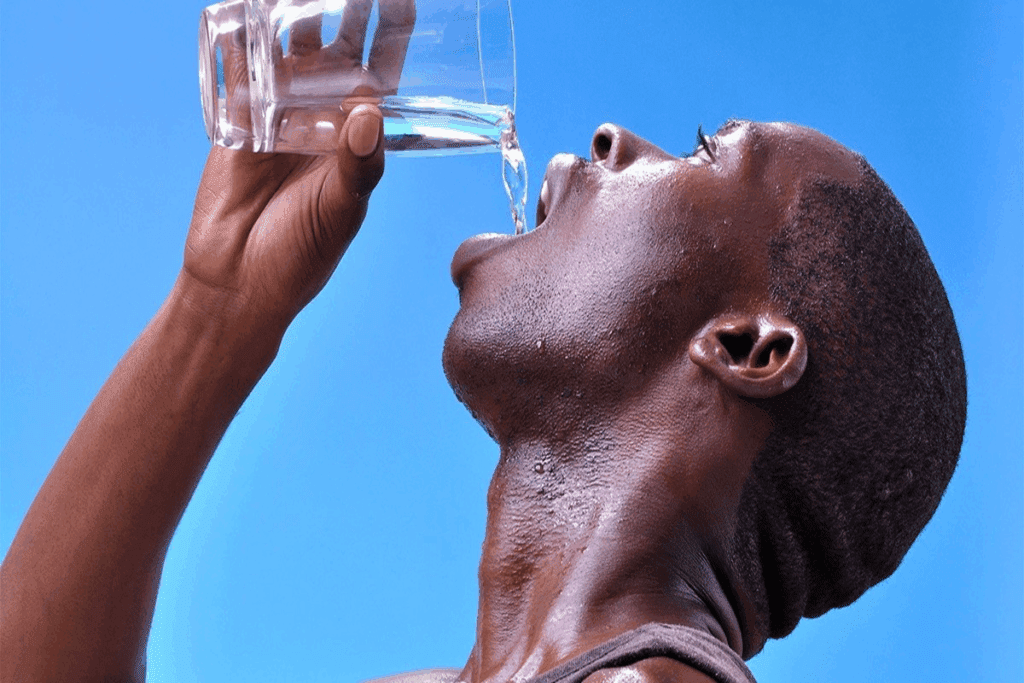
Thirst is a sign that your body needs more water. It’s essential for your body to function properly. Water helps your body work efficiently.
How Your Body Regulates Fluid Balance
Fluid balance is key for your body’s functions. It helps with temperature control, moving nutrients, and removing waste. The kidneys, hypothalamus, and hormones work together to keep fluid balance.
The body notices changes in blood osmolality first. Osmolality is the concentration of solutes in the blood. When it goes up, meaning you’re dehydrated, your body feels thirsty.
The Role of the Hypothalamus
The hypothalamus is vital for managing thirst and fluid balance. It senses changes in blood osmolality. Then, it responds to keep your body balanced.
When the hypothalamus sees high blood osmolality, it releases ADH. ADH helps your kidneys take water back into your blood. This dilutes your blood and lowers osmolality.
Thirst Mechanisms and Osmoreceptors
Osmoreceptors are special cells in the hypothalamus. They notice changes in blood osmolality. When osmolality goes up, they send signals for you to drink water.
This process involves osmoreceptors, the hypothalamus, and neural pathways. Together, they create the feeling of thirst.
Mechanism | Description | Role in Fluid Balance |
Osmoreceptors | Detect changes in blood osmolality | Trigger thirst and ADH release |
Hypothalamus | Processes osmolality information | Regulates thirst and ADH secretion |
ADH (Vasopressin) | Promotes water reabsorption in kidneys | Reduces blood osmolality |
Diabetes: A Primary Cause of Increase in Thirst
Diabetes is a major reason for feeling thirsty all the time. It happens when the body can’t make enough insulin or use it well. This leads to high blood sugar levels.
Type 1 Diabetes and Thirst
Type 1 diabetes is when the body attacks its own insulin-making cells. This means people need insulin shots to live. High blood sugar makes them thirsty as they try to get rid of it through pee.
Type 2 Diabetes and Thirst
Type 2 diabetes is when the body’s cells don’t respond to insulin well. Over time, the pancreas can’t make enough insulin. Like type 1, high blood sugar makes them thirsty and pee a lot.
Gestational Diabetes and Thirst
Gestational diabetes happens during pregnancy, usually in the second or third trimester. It’s caused by hormonal changes and insulin resistance. It usually goes away after pregnancy but can make people thirsty due to high blood sugar.
How High Blood Sugar Leads to Excessive Urination and Thirst
High blood sugar makes the kidneys work hard to get rid of excess glucose. This leads to more pee, causing dehydration. As “Medical Expert, an endocrinologist, notes”,
“The body’s response to high blood sugar is like a vicious cycle: the more glucose in the blood, the more the kidneys try to flush it out, leading to dehydration and increased thirst.”
It’s important to understand how diabetes and thirst are connected. By managing blood sugar with medicine, diet, and lifestyle, people with diabetes can feel better. This includes drinking less water and feeling less thirsty.
Dehydration and Its Impact on Thirst
Dehydration happens when your body loses more fluids than it takes in. This often makes you feel very thirsty. It’s a condition where your body lacks enough water and fluids to function properly. This lack can cause many symptoms, with feeling very thirsty being one of the most common.
Causes of Dehydration
Dehydration can come from many sources. It can be caused by not drinking enough water, sweating too much, or having certain health issues. Knowing what causes dehydration is key to fixing it and reducing thirst.
- Inadequate fluid intake
- Excessive sweating due to high temperatures or intense physical activity
- Diarrhea or vomiting
- Fever
- Certain medications like diuretics
How Dehydration Triggers Excessive Thirst
Dehydration messes with your body’s fluid balance. This mess makes your body send out signals that you’re thirsty. These signals tell you to drink more to replace what’s lost.
The Role of Osmoreceptors: Osmoreceptors are special cells that notice changes in blood solute levels. When you’re dehydrated, these cells send signals to your brain. Your brain then thinks you need to drink more.
Signs Your Thirst Is Due to Dehydration
Figuring out if your thirst is from dehydration means watching for other signs. Look for a dry mouth, dark urine, feeling very tired, and feeling dizzy.
Symptom | Description |
Dry Mouth | A decrease in saliva production, making the mouth feel dry and sticky. |
Dark Urine | Urine that is darker than usual, indicating concentrated waste products. |
Fatigue | Feeling unusually tired or weak. |
Dizziness | Feeling lightheaded or disoriented. |
By spotting these signs and knowing what causes dehydration, you can manage your water intake. This helps reduce excessive thirst.
Medications That Can Cause Excessive Thirst
Certain medications can make you feel very thirsty. This is a big problem because it can cause dehydration. We will look at how different medicines lead to thirst and what you can do.
Prescription Medications
Many prescription drugs can make you thirsty. Diuretics make you pee more, which can lead to dehydration if you don’t drink enough. Some antipsychotics and antidepressants can also dry out your mouth or mess with how your body handles fluids, making you thirsty.
Other medicines for hypertension and psychiatric conditions can also make you thirsty. It’s important to drink enough water and talk to your doctor if you’re worried.
Over-the-Counter Medications
OTC medicines can also make you thirsty. Decongestants and antihistamines dry out your mouth and can cause dehydration. Some pain relievers and cold medicines might make you pee more or dry out your mouth.
Chemotherapy and Other Treatments
Chemotherapy and other treatments can really affect your body’s water balance. Some chemo drugs can dry out your mouth, while others might make you pee more. Radiation therapy to the head and neck can hurt your salivary glands, causing dry mouth and thirst.
It’s key to know how medicines can make you thirsty. If you’re always thirsty, see your doctor to find out why and get help.
Kidney-Related Causes of Persistent Thirst
Kidney problems, like chronic disease and failure, can mess with our body’s fluid balance. This leads to constant thirst. Our kidneys are key in keeping our fluid levels right. When they’re not working well, it affects our health a lot.
Chronic kidney disease (CKD) is a big cause of too much thirst. CKD makes our kidneys lose function over time. This loss affects how they filter waste and fluids, causing toxins to build up and making us thirsty.
Chronic Kidney Disease
CKD makes it hard for our kidneys to concentrate urine and balance fluids. This leads to needing to pee a lot and feeling very thirsty. People with CKD often drink more water because their body tries to replace lost fluids.
Here are some reasons why CKD patients feel so thirsty:
- They can’t make urine concentrate properly.
- They have trouble balancing fluids.
- Toxins build up, causing symptoms like thirst.
Hemodialysis and Thirst Distress
For those on hemodialysis, thirst is a big problem. Hemodialysis filters blood outside the body to remove waste when kidneys fail. About 61.33% of patients on hemodialysis feel thirsty because of:
- Dry mouth.
- Having to limit fluids.
- Imbalances in electrolytes.
Kidney Failure and Fluid Balance
Kidney failure means kidneys don’t work well anymore. It might need dialysis or a transplant. Kidney failure messes with how our body handles fluids and electrolytes, causing too much thirst and peeing.
It’s important to know how kidneys handle fluids to manage thirst in kidney failure. Doctors have to carefully watch fluid and electrolyte levels to help symptoms.
In short, kidney issues like CKD, hemodialysis, and kidney failure can really mess with our fluid balance. This leads to too much thirst. Understanding these problems helps us find ways to treat and manage thirst better.
Hormonal Imbalances and Thirst
It’s important to know how hormonal imbalances affect thirst. These imbalances can make it hard for the body to manage fluids. This can lead to too much thirst.
Diabetes Insipidus vs. Diabetes Mellitus
Diabetes insipidus is when the body can’t handle fluids right because of ADH problems. It’s different from diabetes mellitus, which deals with insulin and blood sugar. Diabetes insipidus makes it hard to keep urine concentrated and save water.
Key differences between Diabetes Insipidus and Diabetes Mellitus:
Characteristics | Diabetes Insipidus | Diabetes Mellitus |
Cause | Problems with ADH/vasopressin | Issues with insulin production/action |
Primary Symptom | Excessive thirst and urination | High blood sugar levels |
Effect on Body | Inability to concentrate urine | Impaired glucose regulation |
Thyroid Disorders
Thyroid problems, like hyperthyroidism, can also cause thirst. Hyperthyroidism means too much thyroid hormone. This can speed up metabolism and make you thirsty.
Symptoms of Hyperthyroidism:
- Weight loss
- Increased heart rate
- Nervousness
- Excessive thirst
Adrenal Gland Issues
Problems with the adrenal glands, like Addison’s disease and Cushing’s syndrome, can mess with hormones. Addison’s disease means not enough cortisol and aldosterone, leading to dehydration and thirst. Cushing’s syndrome, with too much cortisol, also affects fluid balance.
Knowing about hormonal imbalances and thirst helps doctors treat better. If you’re always thirsty, see a doctor to find out why.
Dietary Factors That Increase Thirst
Knowing how diet affects thirst helps us stay hydrated. What we eat and drink greatly impacts our body’s water balance.
High-Sodium Foods
Eating foods high in salt makes us thirsty. Our body holds onto water to balance the sodium. This means we need more fluids. Processed and packaged foods are often salty, so watch out for them.
Caffeine and Alcohol Consumption
Caffeine and alcohol make us lose more water. Caffeine in coffee, tea, and some drinks makes us pee more. Alcohol messes with our fluid balance, making us thirsty.
Spicy Foods and Their Effect on Thirst
Spicy foods make us thirsty too. Capsaicin in them makes our mouth and throat feel dry. They also make us sweat, losing more water. Replenish fluids after eating spicy foods.
Knowing these dietary effects helps us manage thirst better. We can stay hydrated by making smart food choices.
Less Common Causes of Excessive Thirst
Many know about common reasons for feeling very thirsty. But, there are also less common causes. Knowing about these can help in finding and treating the problem.
Sjögren’s Syndrome
Sjögren’s syndrome is an autoimmune disease. It mainly affects the glands that make tears and saliva. This leads to dry mouth and eyes, causing thirst.
Treatment often involves managing symptoms. This can include using artificial saliva to help with dry mouth.
Heart Failure
Heart failure means the heart can’t pump enough blood. This can make you feel very thirsty. It’s because the body tries to make up for the lack of blood flow by drinking more.
Managing heart failure requires medicines, lifestyle changes, and keeping an eye on fluid balance.
Anemia
Anemia, like iron deficiency, can cause fatigue and thirst. The body’s response to anemia might affect how it handles fluids and thirst. Treating the underlying cause of anemia is key to managing symptoms.
Oral Health Issues
Problems with the mouth, like gum disease or dry mouth, can make you thirsty. Poor oral health can cause discomfort and make you want to drink more. Good oral hygiene and regular dental visits can help.
These less common causes show how complex diagnosing and treating thirst can be. Understanding the different causes helps healthcare providers give better treatment plans.
Psychological Causes of Excessive Thirst
Thirst is not just a physical need; it can also be influenced by our minds. Dehydration and diabetes are common reasons for feeling thirsty. But, our thoughts and feelings can also play a big role. Knowing about these psychological factors can help us manage thirst better.
Anxiety and Stress
Stress and anxiety can change how we feel, including our thirst levels. When we’re stressed, our body goes into “fight or flight” mode. This can make us feel thirstier. Stress can also cause dry mouth, which might feel like thirst. Some people drink a lot of water to cope with anxiety.
“Stress and anxiety can manifest physically in various ways, including dry mouth and increased thirst.”
Relaxation techniques like meditation or deep breathing can help manage these feelings.
Psychogenic Polydipsia
Psychogenic polydipsia is when we drink too much water because of our mind, not our body. People with this condition might drink a lot of water, which can lead to health problems like low sodium levels.
- It’s often linked to psychiatric disorders, like schizophrenia.
- Treatment focuses on the mind, not just the body.
- Behavioral therapy can help control the urge to drink too much water.
Dry Mouth Sensation vs. Actual Thirst
Sometimes, feeling like our mouth is dry can trick us into thinking we’re thirsty. Dry mouth, or xerostomia, can happen for many reasons, like medication side effects or mouth breathing. It’s important to tell the difference between dry mouth and real thirst to manage it right.
Symptom | Dry Mouth | Thirst |
Sensation | Dryness or stickiness in the mouth | Desire to drink water |
Causes | Medication, mouth breathing, medical conditions | Dehydration, diabetes, psychological factors |
Management | Saliva substitutes, hydration, medical treatment | Drinking water, managing underlying causes |
In conclusion, feelings like anxiety, stress, and psychogenic polydipsia can make us feel thirsty more. Understanding these factors and how to manage them can help us feel better and improve our health.
When to See a Doctor About Excessive Thirst
If you’re always thirsty, it’s important to know when to see a doctor. Excessive thirst can be a sign of many health issues. Some of these problems need quick medical attention.
Warning Signs That Require Medical Attention
Some symptoms with excessive thirst mean you should see a doctor. These include:
- Frequent urination
- Fatigue
- Unexplained weight loss
- Dry mouth
- Dizziness or confusion
Seek medical help if you have these symptoms and are always thirsty. They might point to diabetes, dehydration, or other serious health problems.
What to Expect During Your Doctor’s Visit
Your doctor will do a full check-up and ask about your health history. They’ll want to know about your symptoms, when they started, and how long you’ve had them.
Be ready to talk about your drinking habits. Your doctor might also do blood tests to check your health.
Tracking Your Symptoms: What Information to Bring
To help your doctor, track your symptoms. Keep a log or diary with:
Symptom | Date | Time | Additional Notes |
Excessive thirst | 2023-04-01 | 10:00 AM | Felt very dry mouth |
Frequent urination | 2023-04-01 | 11:00 AM | Woke up multiple times at night |
Bring this info to your doctor’s visit. It helps them understand your condition and make a correct diagnosis.
Conclusion: Managing and Treating Excessive Thirst
Managing and treating excessive thirst starts with finding the root cause. Most causes of thirst can be treated. By understanding the reasons and using the right treatments, people can feel better and stay healthy.
Handling excessive thirst well means looking at the whole picture. This includes finding and treating problems like diabetes, dehydration, or hormonal issues. Sometimes, changing medications or diets can also help.
Fixing excessive thirst often means making lifestyle changes and getting medical help. For example, people with diabetes need to control their blood sugar. Those who are dehydrated should drink more water. These steps can help reduce thirst and improve health.
We suggest talking to a doctor to find the best way to treat excessive thirst. With the right treatment, people can manage their thirst and live better lives.
FAQ
Why am I always thirsty even after drinking water?
Feeling thirsty a lot can happen for many reasons. It might be due to diabetes, not drinking enough water, some medicines, or hormonal issues. We’ll look into why it happens and how to handle it.
What is excessive thirst a symptom of?
Feeling too thirsty can mean you have diabetes, kidney problems, or hormonal imbalances. Knowing the cause is key to treating it right.
Why do I feel so thirsty all the time?
There are many reasons for constant thirst. It could be because your blood sugar is high, you’re dehydrated, or taking certain medicines. We’ll dive into the reasons and what’s happening in your body.
What does it mean when you’re thirsty all the time?
Always feeling thirsty might mean you have diabetes or kidney disease. It could also be from eating too much salt or drinking caffeine.
Why am I so thirsty even after drinking water?
Feeling thirsty after drinking water might mean you have diabetes insipidus or a thyroid issue. Some medicines and what you eat can also make you thirsty.
What are the symptoms of thirstiness?
Signs of being thirsty include a dry mouth, feeling tired, and dark urine. If it gets worse, you might feel dizzy or confused.
How do I stop being thirsty all the time?
To stop feeling thirsty, find out why you’re feeling this way. Then, treat it by managing your blood sugar, drinking enough water, and avoiding certain foods.
Can certain medications cause excessive thirst?
Yes, some medicines can make you thirsty. This includes both prescription and over-the-counter drugs, and even chemotherapy. Knowing how medicines affect your thirst is important.
How do kidney-related conditions affect thirst?
Kidney problems like chronic disease or failure can make you thirsty all the time. Hemodialysis can also affect your thirst and how you balance fluids.
What dietary factors can increase thirst?
Eating foods high in salt, caffeine, or spicy foods can make you thirsty. Knowing how your diet affects your thirst can help manage it.
When should I see a doctor about my excessive thirst?
If you’re always thirsty, see a doctor to check for health issues. We’ll talk about when to seek help and what to expect at the doctor’s office.
How can I track my symptoms effectively?
Keep track of your thirst, how much water you drink, and other symptoms. This info helps your doctor figure out and treat the cause of your thirst.
References:
National Center for Biotechnology Information. Persistent Thirst: Common Causes and Potential Health Implications. Retrieved from https://www.ncbi.nlm.nih.gov/books/NBK562251/