
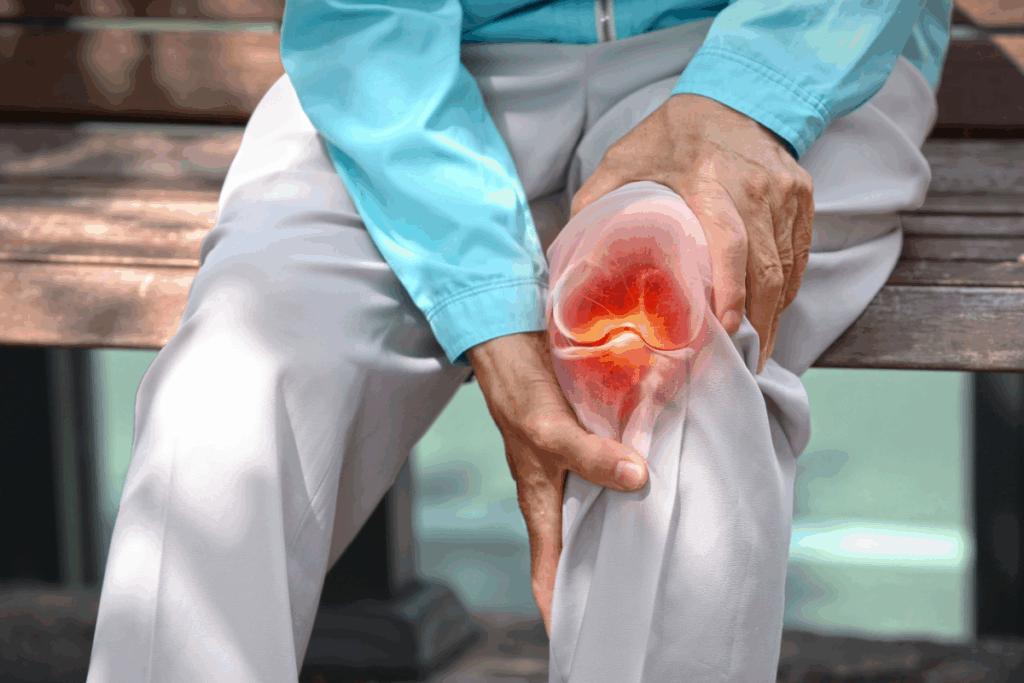
Answering whether arthritis muscle pain occurs and explaining the causes of muscle discomfort associated with joint damage.
Arthritis is a group of over 100 conditions that affect joints and the tissues around them. Many people also feel muscle aches and weakness. This can really affect their daily life.
Managing arthritis is more than just treating joint pain. It’s about understanding the type of arthritis and any damage to the joints. The Medical organization Staff says this is key.
At Liv Hospital, our team is skilled in handling arthritis’s complex issues. We focus on both joint pain and muscle symptoms. This approach helps improve overall health.
Key Takeaways
- Arthritis can cause significant muscle pain and aches beyond joint pain.
- Understanding the type of arthritis is key for effective management.
- A complete treatment plan can ease both joint and muscle symptoms.
- Liv Hospital’s team is experienced in treating arthritis complexities.
- Good management can greatly improve your quality of life.
Understanding Arthritis: More Than Just Joint Pain
Arthritis is more than just joint pain. It affects a person’s overall health and well-being. This condition impacts not just the joints but also has a significant impact on overall health and well-being.
The Prevalence of Arthritis in the United States
Arthritis is common in the United States. It affects a big part of the population. About 53.2 million people, or 21.2% of U.S. adults, have diagnosed arthritis.
According to the Arthritis Foundation, arthritis isn’t just for older adults. It affects people of all ages. This condition can greatly impact a person’s quality of life, needing a treatment plan that covers physical, emotional, and social aspects.
“Arthritis is a complex condition that requires a complete treatment plan, considering physical, emotional, and social aspects of the disease.”
The Spectrum of 100+ Arthritis Conditions
Arthritis isn’t one disease but over 100 different conditions. These include osteoarthritis and rheumatoid arthritis, among others. Each type has its own challenges and characteristics.
|
Type of Arthritis |
Primary Characteristics |
Common Symptoms |
|---|---|---|
|
Osteoarthritis |
Wear and tear on joints |
Joint pain, stiffness |
|
Rheumatoid Arthritis |
Autoimmune inflammation |
Joint pain, swelling, fatigue |
|
Psoriatic Arthritis |
Inflammation associated with psoriasis |
Joint pain, skin lesions |
Gender Differences in Arthritis Prevalence
Research shows big gender differences in arthritis. Women are more likely to get certain types like rheumatoid arthritis and lupus. This highlights the need to consider gender in diagnosis and treatment.
Key Statistics:
- Women have a higher prevalence of arthritis than men.
- The gender difference is most notable in rheumatoid arthritis.
- Hormonal factors may play a role in the gender disparity in some arthritis conditions.
Understanding these aspects of arthritis is key to creating effective treatment plans. It helps improve the quality of life for those affected.
The Connection Between Arthritis and Muscle Pain
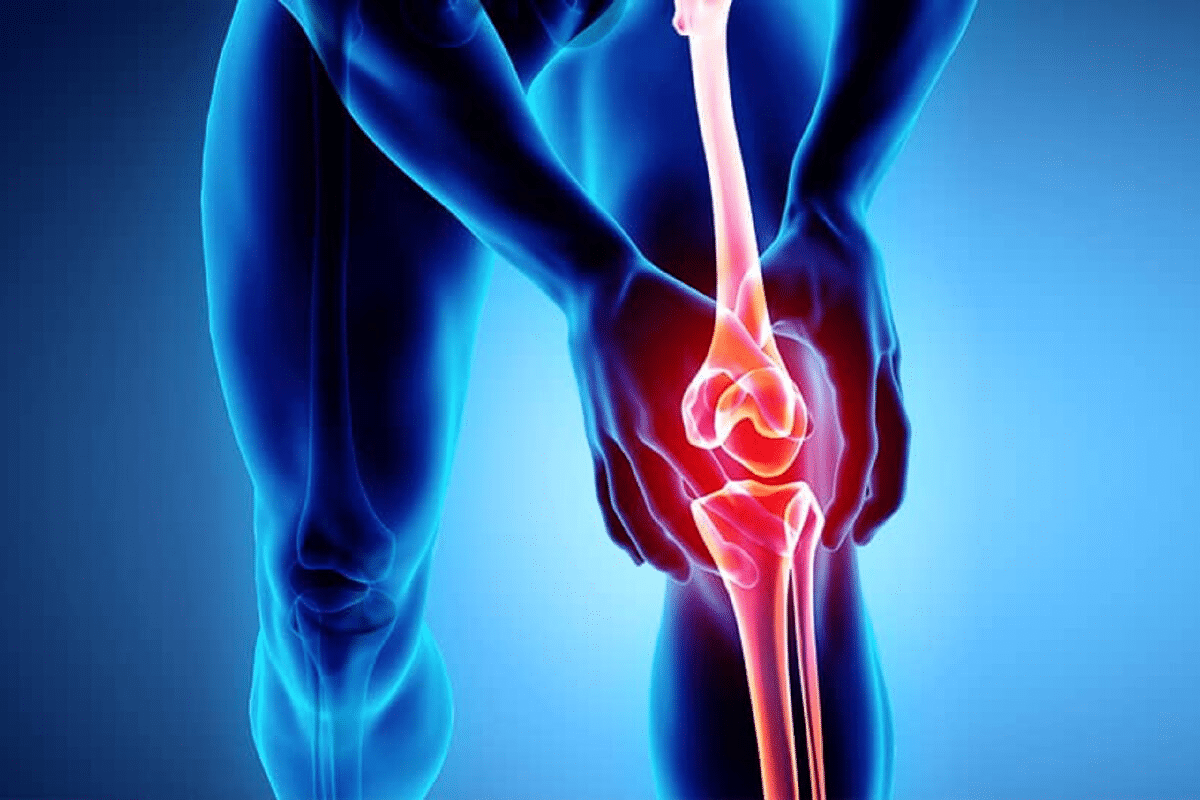
Arthritis and muscle pain are closely linked. Joint inflammation affects not just the joints but also the muscles. This shows arthritis’s wide impact on the body.
Primary vs. Secondary Symptoms
Arthritis mainly causes joint pain and swelling. But, this can also lead to muscle pain and weakness. The pain in joints can change how we move, stressing the muscles more.
For example, knee osteoarthritis might make someone change how they walk. This can strain muscles in the leg and back. Such changes can cause muscle fatigue and pain, making the condition worse.
How Joint Inflammation Affects Surrounding Tissues
Many types of arthritis, like rheumatoid and osteoarthritis, cause joint inflammation. This inflammation doesn’t just stay in the joint. It can also affect muscles, tendons, and ligaments nearby.
The inflammation can make nerve endings more sensitive. This is not just in the joint but also in nearby muscles. This sensitivity can cause pain and discomfort in both the joint and the muscles.
Recent studies have found that osteoarthritis can cause muscle pain in several ways. One way is through altered muscle activation patterns. These changes can put more stress on the joints, creating a cycle of pain and dysfunction.
Statistical Evidence of Muscle Involvement
Many studies show that muscle pain is a big part of arthritis. For example, a lot of patients with osteoarthritis say they have muscle pain too.
A study in the Journal of Rheumatology found that muscle weakness and pain are common in osteoarthritis patients. This shows how important it is to treat muscle issues in arthritis care.
Research backs up the idea that muscle involvement is a big part of arthritis. By focusing on this, doctors can give patients better care.
Common Types of Arthritis That Cause Muscle Aches
Arthritis, including osteoarthritis, rheumatoid arthritis, psoriatic arthritis, and fibromyalgia, can cause muscle pain. It’s not just about joint pain. Each type of arthritis affects muscles differently.
Osteoarthritis and Muscle Function
Osteoarthritis is the most common arthritis. It breaks down cartilage in joints. This can weaken muscles around the joints due to pain and reduced mobility.
Maintaining muscle strength through exercise is key in managing osteoarthritis symptoms.
Rheumatoid Arthritis and Systemic Inflammation
Rheumatoid arthritis is an autoimmune disease. It causes inflammation in joints and can affect muscles. This inflammation leads to muscle pain and fatigue.
Early diagnosis and treatment are vital to manage the condition and prevent muscle damage.
Psoriatic Arthritis Effects on Muscles
Psoriatic arthritis is linked to psoriasis. It causes joint inflammation and muscle pain. It can also lead to enthesitis, causing more muscle discomfort.
Comprehensive treatment plans that address both skin and joint symptoms are necessary.
Fibromyalgia and Its Relationship to Arthritis
Fibromyalgia is a condition with widespread muscle pain. It often occurs with other arthritis conditions. While not arthritis itself, fibromyalgia complicates treatment.
Multidisciplinary care is often needed to manage fibromyalgia effectively.
Understanding the different types of arthritis and their muscle effects is key. Healthcare providers can develop effective treatment plans. This helps patients manage their condition and improve their quality of life.
Mechanisms of Arthritis Muscle Pain
It’s important to know how arthritis muscle pain works to manage it well. Arthritis affects more than just joints; it impacts the whole musculoskeletal system, including muscles. This pain can be severe, affecting not just the joints but also the muscles around them.
Altered Muscle Activation Patterns
Arthritis can change how muscles work around the affected joint. This change can come from pain, inflammation, or changes in the joint itself. For example, in knee osteoarthritis, the quadriceps muscles may weaken. This can alter how we walk and put extra strain on other muscles.
Inflammatory Processes in Joints and Muscles
The inflammatory processes of arthritis aren’t just in the joints. They can also affect muscles, tendons, and ligaments, causing pain. In rheumatoid arthritis, for instance, systemic inflammation can cause muscle pain and weakness, even in areas far from the joints.
“The inflammatory cascade in arthritis can have far-reaching effects on the musculoskeletal system, including muscle pain and dysfunction.”
Compensatory Movement Patterns
People with arthritis often change how they move to avoid pain or deal with joint damage. While these changes might help in the short term, they can lead to long-term muscle imbalances and pain. For example, limping because of hip arthritis can cause pain in the lower back or knees.
Reduced Physical Activity Consequences
Arthritis pain can make people less active, which can weaken muscles and reduce strength. This decrease in activity can start a cycle where less muscle mass and strength make joint pain worse.
Healthcare providers can use this knowledge to create better treatment plans. They can focus on reducing joint inflammation and addressing muscle pain and dysfunction.
Recognizing Arthritis-Related Muscle Symptoms
It’s important to know the signs of arthritis muscle pain to manage it well. Arthritis isn’t just about joint pain. It can also hurt the muscles around the joints.
Arthritis does more than just hurt joints. It can also cause muscle pain and stiffness. This makes it key to tell joint pain from muscle pain.
Distinguishing Between Joint and Muscle Pain
Telling joint pain from muscle pain is key for the right treatment. Joint pain hurts the joint itself, often with swelling and less movement. Muscle pain feels like a dull ache or sharp pain in the muscles around the joint.
To tell them apart, think about where and how the pain feels. Joint pain is in the joint itself. Muscle pain is in the muscles around it. Knowing this helps pick the best treatment.
Common Locations for Arthritis Muscle Aches
Arthritis muscle aches can happen in different places. This depends on the type of arthritis and the joints it affects. Common spots include the neck, shoulders, back, hips, and legs.
For example, rheumatoid arthritis can hurt the hands and feet. Osteoarthritis might cause back and hip muscle aches because of how we move.
|
Type of Arthritis |
Common Locations for Muscle Aches |
|---|---|
|
Rheumatoid Arthritis |
Hands, Feet, Wrists |
|
Osteoarthritis |
Lower Back, Hips, Knees |
|
Psoriatic Arthritis |
Back, Legs, Shoulders |
Warning Signs That Shouldn’t Be Ignored
There are warning signs for arthritis muscle symptoms that shouldn’t be ignored. These include constant pain, growing stiffness, less mobility, and muscle weakness.
If you notice these signs, see a healthcare professional. Early treatment can greatly improve your life and health.
By knowing and recognizing arthritis muscle symptoms, you can start managing them better. This can lead to a better quality of life.
How Arthritis Muscle Pain Affects Quality of Life
Arthritis muscle pain has a big impact on daily life and quality of life. It’s not just about joint pain. It also includes muscle pain that can greatly affect a person’s life.
Impact on Daily Activities and Independence
Arthritis muscle pain can make it hard to do everyday tasks. This includes cooking, cleaning, and personal care. Losing independence can be frustrating and demoralizing.
Simple activities become challenging. The need for help can hurt a person’s self-esteem.
Research shows that people with arthritis often can’t do things they love. This can make them feel isolated and disconnected from others.
Psychological Effects of Chronic Pain
Chronic pain from arthritis can deeply affect the mind. It can cause anxiety, depression, and mood swings. The emotional impact of living with chronic pain is huge.
“The pain and fatigue associated with arthritis can be overwhelming, affecting not just the body but also the mind and spirit.”
Social and Relationship Consequences
Arthritis muscle pain can also hurt social relationships. It can make it hard to join in social activities or keep up with routines. Feelings of loneliness and isolation can grow.
Chronic pain can also strain intimate relationships. The person may become withdrawn or irritable.
Understanding the 88% Quality of Life Impact
About 88% of arthritis patients say their quality of life is greatly affected. This shows how widespread the problem is. It highlights the need for care that covers physical, psychological, and social aspects.
It’s key to understand how arthritis muscle pain affects life. This helps create better treatment plans that improve overall well-being.
Diagnosing Arthritis and Associated Muscle Pain
Getting a proper diagnosis for arthritis and muscle pain is key. It involves a detailed check-up to find the root cause of symptoms. This helps in creating a treatment plan that works.
Medical Evaluation Process
The first step is a thorough patient history and physical check-up. Healthcare providers will ask about when symptoms started, how long they last, and what they feel like. They also want to know what makes pain better or worse.
They will then check how well joints move, muscle strength, and where it hurts. This helps spot signs of inflammation, joint damage, and muscle weakness.
Diagnostic Tests and Procedures
To confirm the diagnosis, several diagnostic tests might be needed. These include:
- Blood tests to look for signs of inflammation or specific antibodies.
- Imaging studies like X-rays, ultrasound, or MRI to see joint damage and muscle health.
- Joint aspiration or synovial fluid analysis to check for inflammation or infection in the joint.
These tests help doctors understand how severe the condition is. They guide the treatment plan.
Working With Healthcare Professionals
Diagnosing and managing arthritis and muscle pain needs teamwork. Rheumatologists, primary care doctors, physical therapists, and others work together. They provide a full care plan.
It’s important for patients to share their symptoms, worries, and what they want from treatment. This teamwork ensures the treatment fits the patient’s needs and lifestyle.
Challenges in Diagnosing Muscle Involvement
Figuring out muscle involvement in arthritis can be tough. Muscle pain can come from joints or other reasons like overuse. It’s hard to tell where the pain comes from.
Getting it right means carefully looking at how joint symptoms and muscle pain relate. It also involves considering the patient’s overall health.
Treatment Options for Arthritis Muscle Pain
There are many ways to treat arthritis muscle pain, from medicines to natural therapies. To manage this pain well, we need to tackle both the symptoms and the root causes.
Medication Approaches
Medicines are key in fighting arthritis muscle pain. Here are some common ones:
- Nonsteroidal anti-inflammatory drugs (NSAIDs) to reduce inflammation and pain
- Corticosteroids for short-term relief during flare-ups
- Disease-modifying antirheumatic drugs (DMARDs) to slow disease progression
- Biologic agents that target specific proteins involved in inflammation
The Arthritis Foundation says, “Medications are often the first line of treatment for managing arthritis symptoms.”
“The right medication can significantly improve quality of life for individuals with arthritis.”
Physical Therapy Interventions
Physical therapy is essential for arthritis care. It keeps joints moving and strengthens muscles. Some methods include:
- Range-of-motion exercises to improve flexibility
- Strengthening exercises to support joints
- Aerobic conditioning to enhance overall fitness
|
Therapy Type |
Benefits |
|---|---|
|
Range-of-motion exercises |
Improves flexibility and reduces stiffness |
|
Strengthening exercises |
Supports joints and reduces pain |
|
Aerobic conditioning |
Enhances overall fitness and well-being |
Alternative and Complementary Treatments
Many people with arthritis find relief in alternative and complementary treatments. Some examples are:
- Acupuncture to reduce pain and inflammation
- Massage therapy to relax muscles and improve circulation
- Herbal supplements like turmeric and ginger for their anti-inflammatory properties
Emerging Therapies for Muscle Preservation
New treatments are being researched to protect muscle function in arthritis. These include:
- Stem cell therapy to regenerate damaged tissues
- Gene therapy to modify genes involved in arthritis progression
- Advanced biologic agents targeting specific pathways in inflammation
As research continues, we’ll see better treatments for arthritis muscle pain. This will greatly improve the lives of those affected.
Self-Management Strategies for Arthritis and Muscle Aches
Managing arthritis and muscle aches needs a mix of strategies. Taking an active role in care helps control symptoms and improve life quality.
Exercise and Movement Recommendations
Regular exercise is key for arthritis management. A balanced plan includes aerobic, strength, and flexibility exercises. Swimming, cycling, and yoga improve joint mobility and reduce pain.
A study in the Arthritis Foundation shows exercise can cut pain by up to 47%. We create safe, effective exercise plans for everyone.
Nutrition and Diet Considerations
Eating right is vital for managing arthritis. Focus on anti-inflammatory foods like omega-3 fish, fruits, and veggies. A diet full of antioxidants fights inflammation and boosts health.
|
Food Group |
Examples |
Benefits |
|---|---|---|
|
Fatty Fish |
Salmon, Sardines, Mackerel |
Rich in Omega-3 fatty acids, reducing inflammation |
|
Fruits and Vegetables |
Berries, Leafy Greens, Citrus Fruits |
High in Antioxidants, reducing oxidative stress |
|
Whole Grains |
Brown Rice, Quinoa, Whole Wheat |
Rich in Fiber, promoting digestive health |
Stress Management Techniques
Stress worsens arthritis symptoms, making stress management essential. Meditation, deep breathing, and muscle relaxation reduce stress and promote relaxation.
The Medical organization says mindfulness meditation can lessen pain and boost mood in those with arthritis. We can add these techniques to daily routines for better well-being.
Assistive Devices and Home Modifications
Assistive devices and home changes greatly help daily life for those with arthritis. Tools like canes, walkers, and grab bars offer support and ease joint strain.
- Installing handrails in strategic locations
- Using adaptive utensils for daily tasks
- Modifying living spaces to reduce fall risk
By using these self-management strategies, people with arthritis can manage symptoms better and enhance their quality of life.
Conclusion: Living Well Despite Arthritis and Muscle Pain
Arthritis is a complex condition that affects joints and muscles, causing pain. To manage it, a complete approach is needed to improve life quality.
Managing arthritis muscle pain involves medical treatment, lifestyle changes, and self-care. Understanding the condition helps individuals take steps to reduce symptoms and stay independent.
At our institution, we offer top-notch healthcare and support for international patients. Our team creates personalized treatment plans to meet each patient’s needs and goals.
By managing arthritis and muscle pain holistically, people can enhance their well-being. We encourage patients to work with their healthcare providers to find the best treatments and lifestyle changes for them.
FAQ
Can osteoarthritis cause muscle pain?
Yes, osteoarthritis can cause muscle pain. This happens because of the inflammation and degeneration in joints. It can affect the muscles around them.
Does arthritis affect your muscles?
Arthritis can affect muscles in many ways. It can cause pain, weakness, and stiffness. This is often in the muscles near the affected joints.
Can you have arthritis in your muscles?
While arthritis mainly affects joints, some types like rheumatoid arthritis and psoriatic arthritis can also cause muscle pain. This is due to inflammation and pain in muscles.
Does arthritis cause muscle pain?
Yes, arthritis can cause muscle pain. This can happen directly through inflammation or indirectly by changing how we move. This puts extra strain on muscles.
Can arthritis cause muscle aches?
Yes, arthritis can cause muscle aches. This is because of inflammation, reduced mobility, and how our body compensates for joint damage.
Does arthritis affect muscles?
Arthritis can impact muscles in several ways. It can cause pain, reduce strength, and affect flexibility. This is often in the areas around the affected joints.
What are the common types of arthritis that cause muscle aches?
Common types include osteoarthritis, rheumatoid arthritis, psoriatic arthritis, and fibromyalgia. Each affects muscles differently.
How does rheumatoid arthritis cause muscle pain?
Rheumatoid arthritis causes muscle pain through systemic inflammation. This affects not just the joints but also the surrounding tissues and muscles.
Can fibromyalgia be considered a form of arthritis?
Fibromyalgia is often linked with arthritis but is seen as a distinct condition. It is characterized by widespread muscle pain and tender points.
What are the mechanisms by which arthritis causes muscle pain?
Arthritis causes muscle pain through several mechanisms. These include altered muscle activation patterns, inflammatory processes, compensatory movement patterns, and reduced physical activity.
How can one differentiate between joint and muscle pain in arthritis?
To differentiate, you need to understand the location, nature, and triggers of the pain. Healthcare professionals can also help through diagnostic evaluations.
What are the treatment options for arthritis-related muscle pain?
Treatment options include medication, physical therapy, alternative treatments, and emerging therapies. These aim to preserve muscle function.
How can exercise help manage arthritis and associated muscle aches?
Exercise can improve joint mobility, strengthen muscles, reduce pain, and enhance function. It’s beneficial for managing arthritis and muscle aches.
What self-management strategies are effective for arthritis and muscle aches?
Effective strategies include tailored exercise programs, nutritional considerations, stress management, and using assistive devices. Home modifications can also help.
Can nutritional changes help alleviate arthritis-related muscle pain?
Yes, nutritional changes can help. Increasing anti-inflammatory foods and maintaining a balanced diet can alleviate muscle pain associated with arthritis.
How does stress management impact arthritis and muscle pain?
Stress management techniques, like meditation and relaxation exercises, can reduce the psychological impact of chronic pain. They may also alleviate some symptoms.
References
National Center for Biotechnology Information. Evidence-Based Medical Guidance. Retrieved from https://pmc.ncbi.nlm.nih.gov/articles/PMC5856279/



 Departments
 Related Videos
 Our Doctors
 News
News