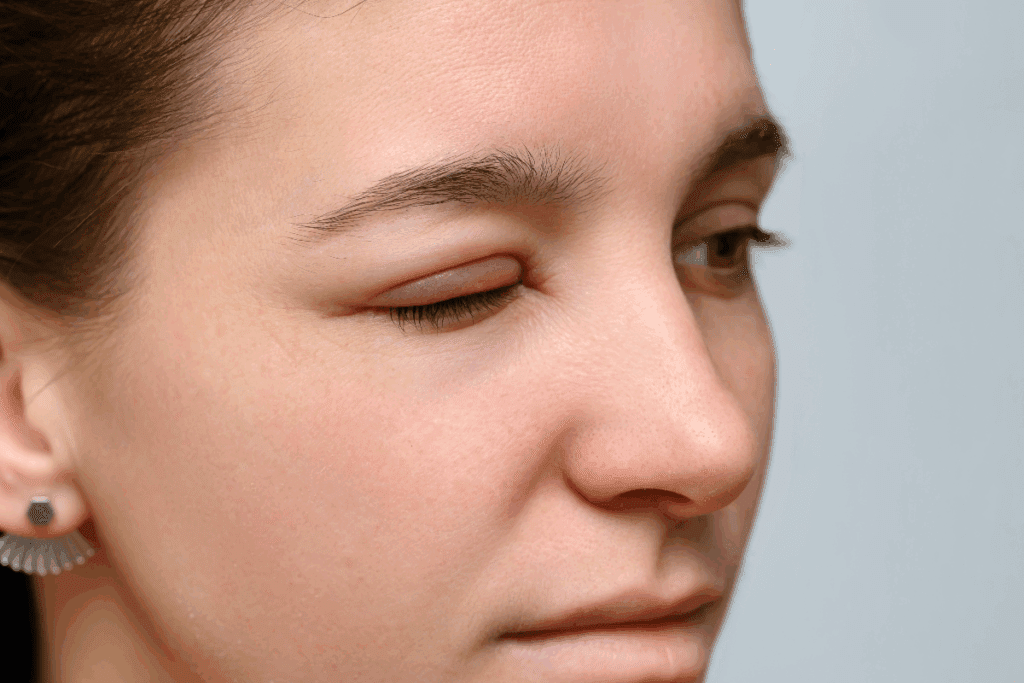
Puffy eyes and under-eye bags can really affect how we feel about ourselves. They make us look tired, even if we’re not. Millions of people worldwide deal with this, often because of their genes, aging, or lifestyle. Discover proven methods for under eye fat removal, including surgical and minimally invasive techniques. Target under eye fat removal now.
At Liv Hospital, we have many ways to help. We offer simple home remedies and advanced medical treatments like under eye fat removal. Our goal is to understand why your eyes get puffy and find the best treatment for you. This way, you can look more refreshed and feel better.
Key Takeaways
- Understand the causes of puffy eyes and under-eye bags.
- Explore simple home remedies for temporary relief.
- Discover advanced medical procedures for permanent solutions.
- Learn about the benefits of puffy eyes treatment.
- Find out how Liv Hospital can support your journey to a more refreshed appearance.
What Causes Puffy Eyes and Under-Eye Bags?

It’s important to know why puffy eyes happen to find the best way to treat them. Puffy eyes and under-eye bags come from both inside and outside factors.
Many things can make your eyes look puffy. These include getting older, your genes, how you live, and things in your environment. As we get older, the skin around our eyes changes a lot.
The Role of Aging and Genetics
Aging is a big reason for puffy eyes. The skin loses collagen and elastin and the tissues that support it get weaker. This lets fat pads move forward and make your eyes look bulgy. Your genes also play a big part, with 50-70 percent of cases being hereditary.
- Weakening of orbital septum
- Fat redistribution
- Fluid retention
Lifestyle Factors That Contribute to Eye Puffiness
How you live can also make your eyes look puffy. Things like smoking, drinking too much alcohol, and being on screens for too long can cause swelling. These habits can make your body hold onto more water, slow down blood flow, and cause more inflammation.
- Smoking and alcohol consumption
- Prolonged screen time
- Lack of sleep or poor sleep quality
Environmental and Health-Related Triggers
Things in your environment, like allergens, pollution, and too much sun, can also make your eyes look puffy. Some health issues, like thyroid problems or sinus infections, can make your eyes swell up too.
- Allergic reactions
- Sinus pressure
- Hormonal changes
How to Identify Different Types of Eye Puffiness

Figuring out why your eyes are puffy is the first step to feeling better. Puffiness can come from many things, like how you live, what’s around you, and health issues. Knowing what’s causing your puffy eyes helps you pick the best for puffy eyelids treatment.
Temporary Morning Swelling vs. Chronic Puffiness
Swelling in the morning is often from fluid buildup while you sleep. This can get worse if you eat too much salt. But, if your puffiness lasts all the time, it might mean you have allergies, sinus issues, or thyroid problems. It’s key to tell these apart to find the right puffing eyes treatment.
Not getting enough sleep can make fluid build up under your eyes, making them look puffy in the morning. But, if your puffiness keeps coming back, you might need a bigger plan to fix the problem.
Allergic Reactions and Inflammatory Responses
Allergies can make your eyes swell up because of inflammation. Things like pollen, dust, and some makeup can cause this. Staying away from these allergens is a big step in reducing swelling.
Dealing with allergies means knowing how to bring down swelling in eyes right away. Cold compresses or antihistamines can help. Sometimes, you need to see a doctor to figure out and treat the problem right.
Method 1: Cold Therapy for Immediate Puffy Eye Relief
Cold therapy is a great way to quickly get rid of puffy eyes. It works by using cold to shrink blood vessels and lessen swelling. We’ll look at different ways to use cold therapy, like ice packs, cold compresses, and even a cold spoon.
Using Ice Packs and Cold Compresses
Using ice packs or cold compresses is easy. Just wrap an ice pack or a cold cloth in a towel and place it on your eyes. The cold does several things:
- It makes blood vessels smaller
- It helps reduce fluid buildup
- It lessens swelling
For best results, use it for 5-10 minutes. You can do this a few times a day if you need to.
Refrigerated Eye Masks and Tools
Refrigerated eye masks are also good for cold therapy. They’re made to be chilled in the fridge and then used on your eyes. They’re more comfortable and target the cooling better than ice packs. Make sure to pick masks made for eye care and follow the instructions.
Benefits of refrigerated eye masks include:
- They’re easy to use
- They’re comfortable
- They cool your eyes well
Cold Spoon Technique for Morning Puffiness
The cold spoon technique is a cheap and easy way to fight morning puffiness. Chill two metal spoons in the fridge overnight. In the morning, put the curved side of the spoons on your closed eyes. The cold metal helps shrink blood vessels and reduce swelling.
This method is great for morning puffiness from fluid buildup or bad sleep.
Adding cold therapy to your daily routine can help reduce puffy eyes. You can use ice packs, cold compresses, eye masks, or the cold spoon technique. Cold therapy is a reliable way to get quick relief.
Method 2: Dietary Changes to Reduce Under-Eye Swelling
Making changes to your diet can help with under-eye swelling. The foods we eat affect our health and skin. Adding certain nutrients and avoiding others can reduce puffiness and make our eyes look smoother.
Anti-Inflammatory Foods That Combat Puffiness
Eating anti-inflammatory foods can fight under-eye puffiness. Foods like salmon and walnuts are full of omega-3s, which fight swelling. Foods rich in antioxidants, like berries and leafy greens, protect the skin and help it heal.
Other good foods include those with vitamin K, like leafy greens and fermented foods. They help reduce bruising and swelling. Spices like turmeric also have anti-inflammatory effects that help reduce puffiness.
Reducing Sodium to Prevent Water Retention
Too much sodium can cause water retention and puffy eyes. To reduce swelling in eyes, cut down on sodium. This means not adding too much salt when cooking and watching the sodium in processed foods.
To lower sodium intake, choose low-sodium options. Use herbs and spices for flavor instead of salt. Also, read food labels to spot hidden sodium. These steps can help reduce water retention and puffiness under the eyes.
Hydration Strategies for Healthier Eye Appearance
Drinking enough water is key for healthy skin and less puffiness. Water helps remove toxins and keeps the skin moist. Aim for at least eight glasses of water a day, adjusting based on your activity level and where you live.
Adding hydrating foods to your diet also helps. Foods like cucumbers and watermelon are full of water. They help keep the skin hydrated and make the eyes look smoother.
Method 3: Effective Topical Treatments for Puffy Eyes
Topical treatments are a great way to tackle puffy eyes. They can really help when you use the right products and methods.
Key Ingredients in Eye Creams for Puffiness
The right eye cream can make a big difference. Hyaluronic acid keeps moisture in, which helps with fine lines and puffiness. Peptides boost collagen, making skin tighter and less swollen.
Caffeine tightens blood vessels, cutting down on puffiness. Vitamin K helps with dark circles. Choose an eye cream with these ingredients for the best results.
Proper Application Techniques for Maximum Results
Even the best eye cream won’t work if applied wrong. Gently pat a small amount under your eyes with your ring finger. This finger is gentle, avoiding pulling on the skin.
Move the cream outward and upward to fight puffiness and boost blood flow. Doing this every day will give you the best results.
Using the right eye cream and applying it right can really help with puffy eyes. For those looking to get rid of bags under eyes, adding an effective eye cream to your daily routine is a smart move. It can make you look more refreshed and youthful.
Method 4: Professional Under Eye Fat Removal Procedures
If you have under-eye bags that won’t go away, professional fat removal might be the answer. These methods are for those who haven’t seen results from other treatments or have very bad puffiness.
Non-Surgical Options
Non-surgical fat removal is getting popular because it works well and is safer than surgery. Here are some common non-surgical treatments:
- Dermal fillers: They don’t remove fat but can hide under-eye hollows and bags.
- Chemical peels: Some peels can make the skin look better and reduce puffiness.
- Laser treatments: Laser resurfacing tightens the skin, making bags less noticeable.
Surgical Interventions for Severe Cases
For really bad under-eye bags, surgery might be needed. The most common surgery is blepharoplasty. It removes extra fat, muscle, and skin from the eyelids.
Procedure | Description | Recovery Time |
Blepharoplasty | Surgical removal of excess fat, muscle, and skin from the eyelids | 1-2 weeks |
Lower Eyelid Blepharoplasty | Specifically targets the lower eyelid to address under-eye bags | 1-2 weeks |
Transconjunctival Blepharoplasty | A less invasive version that removes fat through the inner eyelid | 1 week |
It’s important to talk to a board-certified plastic surgeon or dermatologist. They can help you choose the best procedure for under eye bags. They’ll consider your condition and what you need.
Method 5: Natural Remedies and Home Solutions
Looking for ways to reduce puffy eyes without surgery? Natural remedies can help. They are effective and easy to find at home.
Tea Bags and Herbal Compresses
Tea bags are a popular choice for puffy eyes. They contain caffeine and antioxidants that help shrink blood vessels and lessen swelling. To use them, steep the tea bags in hot water, cool them down, and then place them over your eyes for 10-15 minutes.
Benefits of Tea Bags:
- Reduces puffiness and dark circles
- Easy to prepare at home
- Can be used with various types of tea, such as green tea or chamomile
Cucumber and Potato Treatments
Cucumbers are great for puffy eyes because they cool and hydrate. Grate a cucumber, wrap it in a cloth, and chill it in the fridge before applying it to your eyes. Raw potatoes also work well because they have anti-inflammatory properties. Slice a raw potato thinly and place it over your eyes for a few minutes.
Cucumber Benefits:
- Cooling and soothing effect
- Hydrates the skin around the eyes
- Reduces swelling
Essential Oils for Reducing Eye Puffiness
Some essential oils, like chamomile, lavender, and peppermint, can reduce puffiness. Mix a few drops of your chosen essential oil with a carrier oil like coconut or almond oil. Gently apply it around your eyes, but avoid direct contact.
Precautions:
- Always dilute essential oils with a carrier oil
- Perform a patch test before using a new essential oil
- Consult with a healthcare professional if you have sensitive skin
Method 6: Lifestyle Modifications for Long-Term Results
Getting rid of puffy eyes for good means more than quick fixes. It’s about making big changes in our lifestyle. By tackling the main causes of puffiness, we can make lasting improvements.
Optimizing Sleep Position and Quality
Poor sleep can make your eyes puff up. Sleeping on your side or stomach can push fluid under your eyes. To fix this, try:
- Sleeping on your back with your head up a bit using an extra pillow.
- Keeping a regular sleep schedule to get better sleep.
- Making your bedroom dark, quiet, and cool for better sleep.
Improving your sleep can really cut down on morning puffiness and help your eyes stay healthy.
Stress Management Techniques
Stress also plays a big role in puffy eyes. It can cause inflammation and make fluid stay in your body. To handle stress better, try:
- Doing yoga or meditation to lower stress.
- Doing deep breathing exercises to relax your mind and body.
- Staying away from things that stress you out, like busy places or stressful activities.
Adding these stress-reducing activities to your day can help keep your eyes looking good.
Reducing Screen Time and Eye Strain
Too much screen time can strain your eyes and make them puff up. To avoid this, do:
- Follow the 20-20-20 rule: every 20 minutes, look away from your screen and focus on something 20 feet away for 20 seconds.
- Change your screen settings to make it less bright and better for your eyes.
- Use good lighting in the room to cut down on glare on screens.
By cutting down on screen time and eye strain, you can stop puffy eyes and keep your eyes healthy.
Lifestyle Modification | Benefit |
Optimizing Sleep Position | Reduces fluid accumulation under the eyes |
Stress Management | Minimizes inflammation and fluid retention |
Reducing Screen Time | Decreases eye strain and puffiness |
In conclusion, making these lifestyle changes can help you get rid of puffy eyes for good. It’s all about making lasting changes that improve your eye health and overall well-being.
Method 7: Preventative Strategies for Morning Eye Puffiness
To avoid morning puffiness, start with a consistent evening skincare routine and make some environmental adjustments. These steps can greatly reduce puffy eyes.
Evening Skincare Routine to Prevent Swelling
Cleaning your face well in the evening is key. Remove dirt and makeup. Then, use a hydrating eye cream or serum to fight puffiness. Look for products with caffeine, peptides, or hyaluronic acid.
Stay away from heavy or oily products near your eyes. They can make swelling worse. Choose light, water-based products instead.
Environmental Adjustments for Better Eye Health
Changing your environment can also help. Elevate your head while sleeping to stop fluid buildup. Use a humidifier to keep the air moist, preventing dehydration puffiness.
Also, cut down on allergens like dust mites, pet dander, or pollen. Clean your bedroom often and use hypoallergenic bedding. This can help reduce allergic reactions and puffiness.
When to Seek Medical Attention for Puffy Eyes
Puffy eyes can be a sign of many health issues. It’s important to know when you need to see a doctor. While many cases are due to lifestyle or temporary issues, some might be serious.
Warning Signs That Require a Doctor’s Visit
Some symptoms with puffy eyes mean you should see a doctor. Severe swelling, pain, or redness around the eyes are warning signs. Also, if you notice vision changes or eye discharge, get medical help right away.
- Persistent or recurring swelling
- Eye pain or tenderness
- Changes in vision
- Discharge or crusting around the eyes
- Swelling that affects one eye significantly more than the other
As a medical expert says, “Early detection of eye problems can significantly impact the effectiveness of treatment and patient outcomes.”
“The eyes are a window to overall health, and changes in their appearance can signal underlying issues that need medical attention.”
Underlying Health Conditions Related to Eye Swelling
Puffy eyes can be a sign of an underlying health issue. Conditions like thyroid disorders, kidney disease, or allergies can cause eye swelling. Knowing these causes helps address the problem’s root.
Condition | Symptoms |
Thyroid Disorders | Eye swelling, bulging eyes, vision changes |
Kidney Disease | Swelling around the eyes, fatigue, changes in urination |
Allergies | Itchy, swollen, or watery eyes |
Conclusion: Creating Your Personalized Eye Care Routine
Creating a personalized eye care routine is key to reducing puffy eyes and under-eye bags. We’ve talked about seven proven methods to tackle this issue.
By adding these methods to your daily routine, you can take a holistic approach to eye care. This includes using cold therapy, making dietary changes, and applying effective topical treatments. Also, think about professional under-eye fat removal, natural remedies, and lifestyle changes to boost your routine.
To make a routine that fits you, think about what you need and like. Mix the methods that work best for you to get the best results. This way, you can look more refreshed and youthful.
By following these tips and making a routine that’s just for you, you can reduce puffy eyes and under-eye bags. We encourage you to be proactive about your eye care. Start enjoying the benefits of a routine that’s all about you.
FAQ
What causes puffy eyes and under-eye bags?
Puffy eyes and under-eye bags come from many things. Aging and genetics play a big role. Lifestyle and environmental factors also matter. As we get older, the skin around our eyes gets thinner and less elastic, leading to puffiness.
How can I get rid of puffy eyes naturally?
Natural remedies can help with puffy eyes. Cold compresses, cucumber slices, and tea bags are good options. They help shrink blood vessels and lessen swelling.
What is the best treatment for under-eye bags?
The best treatment for under-eye bags varies. For some, changing your lifestyle helps. This includes better sleep and less salt. Others might need professional treatments like removing under-eye fat.
Can dietary changes help reduce under-eye swelling?
Yes, diet can help. Eating foods that fight inflammation and staying hydrated are key. Foods full of antioxidants and omega-3s are great for this.
How can I prevent puffy eyes in the morning?
To avoid morning puffiness, try sleeping with your head up. Avoid salty foods before bed. Also, keep a regular sleep schedule. An evening skincare routine can also help.
Are there any effective topical treatments for puffy eyes?
Yes, topical treatments work well. Look for eye creams with caffeine, peptides, or hyaluronic acid. These can reduce puffiness and improve skin texture.
When should I seek medical attention for puffy eyes?
See a doctor if puffiness is persistent or severe. Pain or swelling around the eyes is a sign to seek help. Health issues like thyroid problems or allergies might be causing it.
Can stress cause puffy eyes?
Yes, stress can make eyes puffy. High stress can lead to poor sleep and inflammation. Both can make eye puffiness worse.
How can I reduce swelling in my eyes quickly?
To quickly reduce eye swelling, use a cold compress or ice pack. Cucumber slices or cooled tea bags can also help fast.
Is it possible to remove under-eye bags permanently?
Removing under-eye bags permanently is hard. But, treatments like surgery or non-surgical options can help a lot. Changing your lifestyle and skincare routine can also keep results looking good.
References
https://www.healthline.com/health/eye-health/how-to-get-rid-of-puffy-eyes