Conjunctivochalasis is a common eye condition. It causes extra folds in the conjunctiva, which can mess up tear flow and drainage. Over 98% of people over 60 have it, making it a big worry for seniors.Explore home remedies and eye drop options for treating eye membrane loose conditions like Conjunctivochalasis. Address eye membrane loose symptoms.
If you keep getting tears, feel dryness, or have a foreign body feeling, you might have Conjunctivochalasis. This is even after trying usual treatments.
Understanding Conjunctivochalasis treatment is key for keeping your eye health in check. At Liv Hospital, we offer top-notch care. This includes precise diagnosis through detailed exams and treatments backed by science. We use everything from simple home remedies to advanced medical options.
Key Takeaways
- Conjunctivochalasis is a highly prevalent condition among older adults.
- Symptoms include tearing, dryness, and foreign body sensation.
- Standard dry eye treatments may not be effective.
- Comprehensive eye examinations are critical for diagnosis.
- Treatment options range from home remedies to medical interventions.
Understanding Conjunctivochalasis: The Loose Eye Membrane Condition

Learning about conjunctivochalasis is key to managing its symptoms and avoiding more problems. This condition happens when the conjunctiva, a thin membrane, becomes too loose over the white part of the eye.
Definition and Prevalence in Adults
Conjunctivochalasis is when too much conjunctiva folds over the lower eyelid. It’s more common in older adults because aging weakens the conjunctiva’s elastic fibers.
Prevalence studies show it’s common in older adults, with a big jump after 60. Environmental factors, eye diseases, and aging play a role in its development.
How Conjunctival Folds Form
Conjunctival folds form because the conjunctiva loses its elasticity with age. This loss of elasticity leads to redundant folds. These folds can cause eye discomfort and other symptoms.
- Loss of elasticity in the conjunctiva
- Redundancy of conjunctival tissue
- Formation of folds over the lower eyelid margin
Recognizing Wrinkles in the White Part of Eye
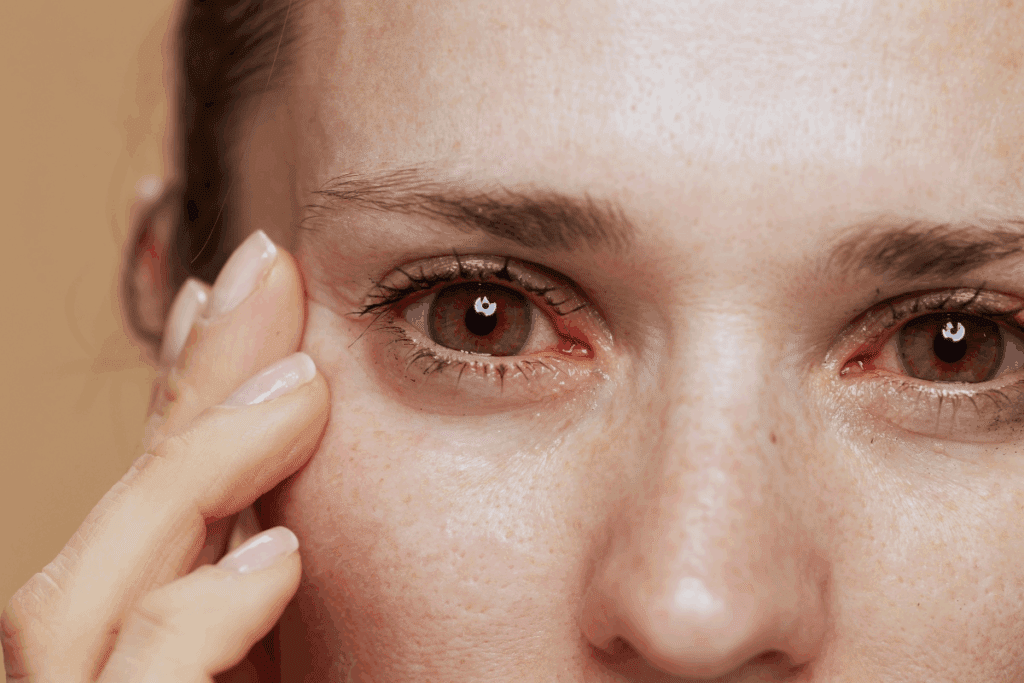
Spotting conjunctivochalasis involves looking for wrinkles or folds in the eye’s white part. These wrinkles come from the extra conjunctival tissue and get more noticeable with age.
It’s important to tell normal aging from conjunctivochalasis symptoms. If you see lasting or bothersome wrinkles, see an eye doctor.
Common Symptoms of Conjunctivochalasis

It’s important to know the symptoms of Conjunctivochalasis to get the right treatment. This condition can affect how your eye looks and feels. It can also change how well your eye works.
Dryness and Foreign Body Sensation
Many people with Conjunctivochalasis feel their eyes are always dry. They might also feel like there’s something in their eye. This is because the conjunctiva doesn’t move smoothly.
“It feels like there’s sand or dust in your eye, even when it’s clean,” a study says. This can make it hard to do everyday things because of the discomfort and irritation.
Blurred Vision and Tearing Episodes
Conjunctivochalasis can make your vision blurry. This is because the irregular conjunctiva affects how light enters your eye. Some people also get tearing episodes as their eye tries to fight dryness or irritation.
These symptoms can happen sometimes or all the time, depending on how bad the Conjunctivochalasis is. It’s key to deal with these issues to avoid more problems and to make your vision better.
Pain and Burning Sensations
Pain and burning sensations are also common in Conjunctivochalasis. The extra folds in the conjunctiva can cause irritation. This can lead to discomfort that can be mild or very bad.
In some cases, the pain can be so bad it gets in the way of daily life. This shows how important it is to manage and treat this condition properly.
The symptoms of Conjunctivochalasis can really affect your life. Knowing what these symptoms are is the first step to finding the right treatment and feeling better.
What Causes Eye Membrane Loose Conditions?
Conjunctivochalasis comes from aging, environmental factors, and health issues. It makes the conjunctiva, the eye’s white part cover, loosen. This leads to symptoms that can disrupt daily life.
Age-Related Degradation of Elastic Fibers
Age wears down the elastic fibers in the conjunctiva. These fibers support the conjunctiva’s structure. When they break down, the conjunctiva loses its elasticity and becomes loose and wrinkled.
This process is a natural part of aging. But it can significantly affect the eyes. Research shows Conjunctivochalasis is common in older adults, showing age’s role in this condition.
Environmental Factors
Environmental factors also play a big part in Conjunctivochalasis. UV radiation, dust, and irritants speed up the breakdown of elastic fibers. Dry air and pollution worsen it by lowering tear quality and increasing irritation.
Here’s how environmental factors affect the conjunctiva:
Environmental Factor | Effect on Conjunctiva |
UV Radiation | Accelerates degradation of elastic fibers |
Dust and Irritants | Increases inflammation and irritation |
Dry Environments | Reduces tear quality, exacerbating dryness |
Air Pollution | Increases eye irritation and inflammation |
Medical Conditions Contributing to Loose Eyeball Skin
Some medical conditions can lead to Conjunctivochalasis. Thyroid issues, autoimmune diseases, and inflammatory disorders can harm the conjunctiva’s health. Eye surgeries or trauma can also cause changes in the conjunctiva.
Knowing these causes helps in managing Conjunctivochalasis. By tackling the root causes, people can lessen symptoms and stop the condition from getting worse.
Is Conjunctivochalasis Dangerous? Understanding the Risks
Conjunctivochalasis might seem like a small problem, but it can cause big issues if ignored. This condition makes the conjunctiva loose or redundant. It can harm your eye health in many ways.
Complications of Untreated Conjunctivochalasis
Not treating Conjunctivochalasis can lead to serious problems. A big worry is tear outflow obstruction. This blocks the normal flow of tears, causing dryness and irritation.
Another issue is exposure keratopathy. This happens when the eyelids don’t close fully. It can damage the cornea and affect your vision.
When Mild Conjunctivochalasis Becomes Problematic
Mild Conjunctivochalasis might not seem like a big deal at first. But, it can become serious if it gets worse or if other eye problems exist. It can cause more irritation and discomfort, affecting your daily life.
Also, if you have other eye conditions, Conjunctivochalasis can make them worse. This makes taking care of your eyes even more important.
Long-term Effects on Eye Health
The long-term effects of Conjunctivochalasis on your eyes can be serious. Chronic irritation and dryness can cause long-term discomfort and corneal damage.
It can also affect your vision quality. The irregular conjunctiva surface can change how well you see. So, it’s important to manage Conjunctivochalasis well to keep your eyes healthy for a long time.
In summary, Conjunctivochalasis might seem harmless at first. But, ignoring it can lead to serious problems. Knowing the risks and taking action early is key to avoiding long-term eye damage and keeping your eyes healthy.
Diagnosing Conjunctivochalasis: What to Expect
To diagnose Conjunctivochalasis, a detailed clinical assessment is needed. This helps to tell it apart from other eye problems. Getting the diagnosis right is key for the right treatment and symptom relief.
Clinical Examination Procedures
Diagnosing Conjunctivochalasis starts with a thorough clinical exam. We look at the patient’s medical history and their symptoms closely. The exam includes:
- A visual acuity test to check how Conjunctivochalasis affects vision.
- A slit-lamp exam to closely look at the conjunctiva and other eye parts.
- Measuring the tear film and checking the lid margin to see if there’s dryness or other issues.
Advanced diagnostic tools might also be used to better understand the condition and rule out other possible causes of symptoms.
Distinguishing from Other Eye Conditions
It’s important to tell Conjunctivochalasis apart from other eye problems for effective treatment. Dry eye syndrome, blepharitis, and conjunctivitis can have similar symptoms. We use the findings from the clinical exam to make this distinction.
Key factors we look at include the presence of redundant conjunctival folds, the level of dryness, and how it affects the patient’s life. By carefully considering these, we can create a treatment plan that meets the patient’s specific needs.
Effective Home Remedies for Conjunctivochalasis Treatment
Home remedies are key in managing Conjunctivochalasis. They offer simple yet effective ways to treat the condition. These methods can help ease symptoms and boost eye health without needing a doctor.
Warm Compresses and Eyelid Hygiene
Warm compresses can ease Conjunctivochalasis symptoms. The warmth helps clear out blockages in the meibomian glands. This promotes better eye function. To use, soak a cloth in warm water, wring it out, and place it on your closed eyes for a few minutes. Do this every day.
Keeping your eyelids clean is also important. Use a mild soap to clean your eyelids. This removes debris and bacteria, reducing irritation and swelling.
Proper Blinking Exercises
Blinking exercises help spread tears evenly, reducing dryness and discomfort. To do this, slowly close and then open your eyes. Repeat several times. This boosts tear production and improves lubrication.
Hydration and Environmental Modifications
Staying hydrated is vital for healthy eyes. Drinking enough water keeps your eyes moist and can lessen Conjunctivochalasis symptoms. Also, using a humidifier in dry places helps keep the eye area moist.
Making changes to your environment can also help. Avoid wind, dust, and smoke to reduce irritation. Wearing sunglasses outside protects your eyes from wind and UV rays, easing symptoms further.
By adding these home remedies to your daily routine, you can manage Conjunctivochalasis and enhance your eye health. Be consistent and patient, as these remedies may take time to fully work.
Best Eye Drops for Treating Conjunctivochalasis
Choosing the right eye drops is key for managing Conjunctivochalasis. Eye drops help with mild to moderate cases, easing dryness and irritation. We’ll look at the most effective types for treating Conjunctivochalasis.
Preservative-Free Lubricating Drops
Preservative-free lubricating drops are great for Conjunctivochalasis. They offer long-lasting lubrication without irritating your eyes. This makes them perfect for those with sensitive eyes.
Artificial Tears for Daily Maintenance
Artificial tears mimic natural tears, giving moisture and comfort. They come in different types and are good for daily use.
Gel-Based Products for Overnight Relief
Gel-based eye drops provide thicker, more intense lubrication. They help with dry, irritated eyes at night. They’re great for those with severe dryness during sleep.
Corticosteroid Drops like Loteprednol for Inflammation
Corticosteroid drops, like Loteprednol, reduce inflammation in Conjunctivochalasis. They’re used for a short time due to possible side effects from long-term use.
Type of Eye Drops | Primary Benefit | Usage Frequency |
Preservative-Free Lubricating Drops | Long-lasting lubrication without irritation | As needed |
Artificial Tears | Mimics natural tears for comfort | Several times a day |
Gel-Based Products | Overnight relief for dry, irritated eyes | Once at bedtime |
Corticosteroid Drops (e.g., Loteprednol) | Reduces inflammation | As directed by a healthcare provider |
Knowing about different eye drops and their benefits helps those with Conjunctivochalasis. It’s important to talk to an eye care professional to find the best treatment.
Advanced Medical Treatments for Severe Cases
For severe Conjunctivochalasis, advanced treatments are needed when home remedies don’t work. Surgical interventions are considered when the condition greatly affects life quality or when other treatments fail.
When Home Treatment Is Insufficient
Home remedies and over-the-counter treatments are usually the first step against Conjunctivochalasis. But if these don’t help, or if the condition gets worse, more advanced treatments are needed. “The decision to go for more aggressive treatment is made when the condition starts to really affect daily life or vision,” says Medical Expert, a top ophthalmologist.
Signs that home treatment isn’t enough include:
- Persistent discomfort or pain
- Increased tearing or dryness
- Blurred vision
- Visible conjunctival folds or wrinkles
Post-Treatment Care and Recovery
After advanced medical treatments, including surgery, proper care is key for a good recovery. This includes:
- Using prescribed eye drops to aid healing and reduce inflammation
- Maintaining good eyelid hygiene
- Avoiding strenuous activities
- Attending follow-up appointments with your eye specialist
Recovery times vary by procedure. It’s important to follow your healthcare provider’s specific instructions for a smooth recovery.
As medical technology improves, treatments for Conjunctivochalasis are getting better and less invasive. It’s important for patients to work closely with their healthcare providers to find the best treatment for their condition.
When to See a Doctor for Eyeball Wrinkles and Folding
If you’re dealing with persistent or severe symptoms of Conjunctivochalasis, it’s important to know when to see a doctor. Some cases can be treated at home or with over-the-counter products. But, some situations need a professional’s help.
Warning Signs That Require Medical Attention
There are warning signs that mean you should see a doctor for Conjunctivochalasis. These include:
- Persistent discomfort or pain in the eyes that doesn’t get better with home treatment
- Increased redness or swelling around the eyes
- Blurred vision or other changes in how well you can see
- Excessive tearing or discharge
- Sensitivity to light or photophobia
If you’re experiencing any of these symptoms, it’s time to visit an eye specialist.
Finding the Right Eye Specialist
Finding the right eye specialist for Conjunctivochalasis is key. Look for:
Criteria | What to Look For |
Specialization | An ophthalmologist or optometrist with experience in treating Conjunctivochalasis |
Reputation | Good patient reviews and ratings |
Communication | A doctor who listens and explains things clearly |
By looking at these factors, you can find an eye specialist who fits your needs.
Questions to Ask During Your Appointment
Prepare a list of questions for your eye specialist. Important ones include:
- What is the severity of my Conjunctivochalasis?
- What treatment options are available for my condition?
- Are there any lifestyle changes I can make to manage my symptoms?
- What are the possible risks or complications of treatment?
These questions can help you understand your condition and the treatment plan.
Preventing Worsening of Conjunctivochalasis
Keeping your eyes healthy is important to stop Conjunctivochalasis from getting worse. Simple habits and watching out for environmental factors can make a big difference.
Daily Eye Care Routine
Having a daily eye care routine is key for Conjunctivochalasis. Clean your eyelids and lashes gently to get rid of dirt or bacteria. A warm compress can help loosen crusts and reduce swelling.
Proper eyelid hygiene is a must. Use a mild eye cleanser and massage your eyelids to improve blood flow and reduce swelling.
Protecting Eyes from Environmental Irritants
Dust, wind, and UV rays can make Conjunctivochalasis symptoms worse. Wearing protective eyewear like sunglasses with 100% UV blockage can protect your eyes.
Eye care experts say, “Keeping your eyes away from environmental stressors is key to managing Conjunctivochalasis.” Using a humidifier in dry places can also keep your eyes moist.
Dietary Considerations for Eye Health
Eating foods rich in omega-3 fatty acids, vitamins A, C, and E, and antioxidants is good for your eyes. Leafy greens, nuts, and fatty fish are great choices.
- Eat foods high in antioxidants to fight oxidative stress.
- Drink lots of water to stay hydrated.
- Avoid smoking and secondhand smoke.
Combining a healthy diet with good eye care and avoiding environmental irritants can help manage Conjunctivochalasis. This way, you can keep your eyes healthy.
Conclusion: Managing Conjunctivochalasis for Better Quality of Life
Managing Conjunctivochalasis well can greatly improve your life. It helps reduce symptoms and stops problems from getting worse. We talked about different treatments, like home remedies and eye drops, and more serious medical options.
To handle Conjunctivochalasis, you need a full plan. This includes taking care of your eyes, making changes in your environment, and sometimes getting medical help. Knowing the causes, signs, and treatments helps you take charge of your eye health.
Seeing an eye doctor is key to finding the right treatment. This way, you can avoid the dangers of Conjunctivochalasis and live better. Our talk shows that with the right steps, you can lessen Conjunctivochalasis’s effects on your daily life.
FAQ
What is Conjunctivochalasis?
Conjunctivochalasis is a condition where the conjunctiva, the membrane covering the white part of the eye, becomes loose. It folds over itself, causing various symptoms.
Is Conjunctivochalasis a serious condition?
Conjunctivochalasis is not usually a serious threat to sight. But, it can cause discomfort, dryness, and blurred vision. These symptoms can affect your quality of life. If not treated, it can lead to more serious problems.
What are the symptoms of Conjunctivochalasis?
Symptoms include dryness, feeling like there’s something in your eye, blurred vision, tearing, pain, and burning sensations in the eyes.
What causes Conjunctivochalasis?
It’s mainly caused by age-related wear and tear on the conjunctiva’s elastic fibers. Environmental factors and other medical conditions can also play a role.
Can Conjunctivochalasis be treated at home?
Yes, mild cases can be managed at home. Use warm compresses, practice good eyelid hygiene, do blinking exercises, and stay hydrated.
What are the best eye drops for Conjunctivochalasis?
For relief, use preservative-free lubricating drops, artificial tears, gel-based products, and corticosteroid drops like Loteprednol.
When is surgical intervention necessary for Conjunctivochalasis?
Surgery is needed when home treatments don’t work well. It’s considered when the condition significantly affects your daily life or leads to complications.
How is Conjunctivochalasis diagnosed?
A doctor will examine your eyes to see how much the conjunctiva folds. They’ll also check to make sure it’s not another eye condition.
Can Conjunctivochalasis be prevented?
While it’s mostly age-related, you can take steps to reduce its impact. Keep up with a daily eye care routine, protect your eyes from irritants, and eat a balanced diet.
When should I see a doctor for Conjunctivochalasis?
See an eye specialist if your symptoms don’t go away or are severe. They can evaluate and treat your condition properly.
What questions should I ask during my appointment for Conjunctivochalasis?
Ask about your diagnosis, treatment options, possible complications, and what to do after treatment. This ensures you understand your condition fully.
Are there any dietary considerations that can help manage Conjunctivochalasis?
Eating a diet rich in omega-3 fatty acids, vitamins, and minerals can help your eye health. It may also help alleviate symptoms.
Can Conjunctivochalasis lead to other eye problems?
If not treated, Conjunctivochalasis can cause chronic dry eye, inflammation, and affect your vision.
References
National Center for Biotechnology Information. Conjunctivochalasis Treatment: Home Remedies and Eye Drops. Retrieved from https://www.ncbi.nlm.nih.gov/pmc/articles/PMC4419777/